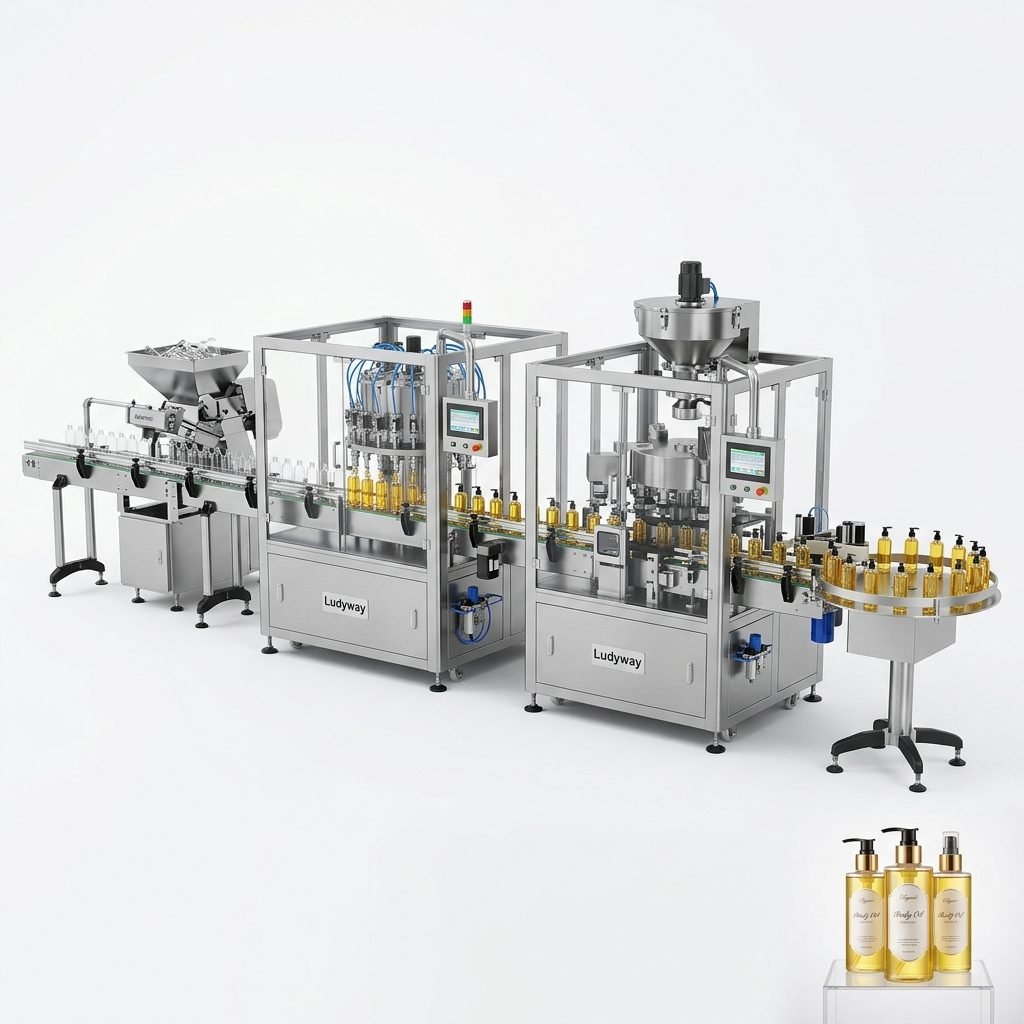
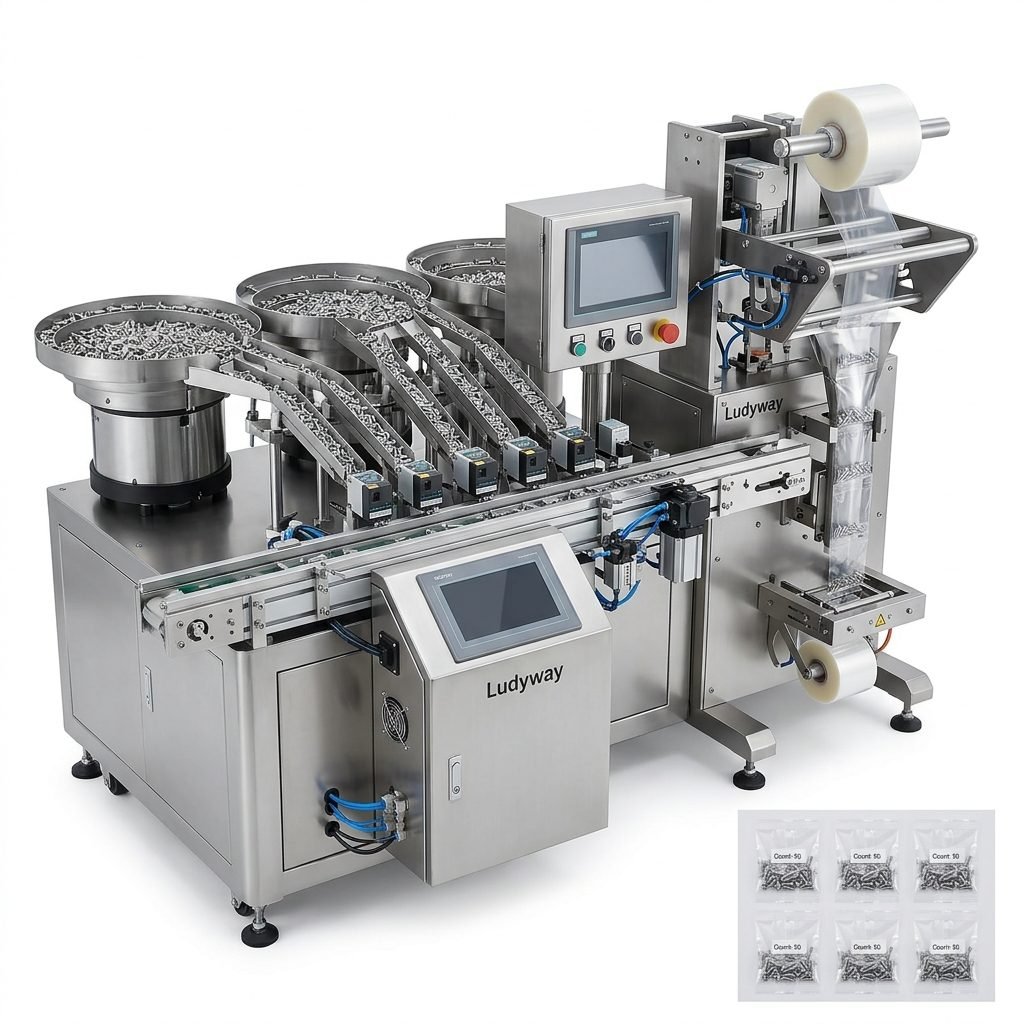
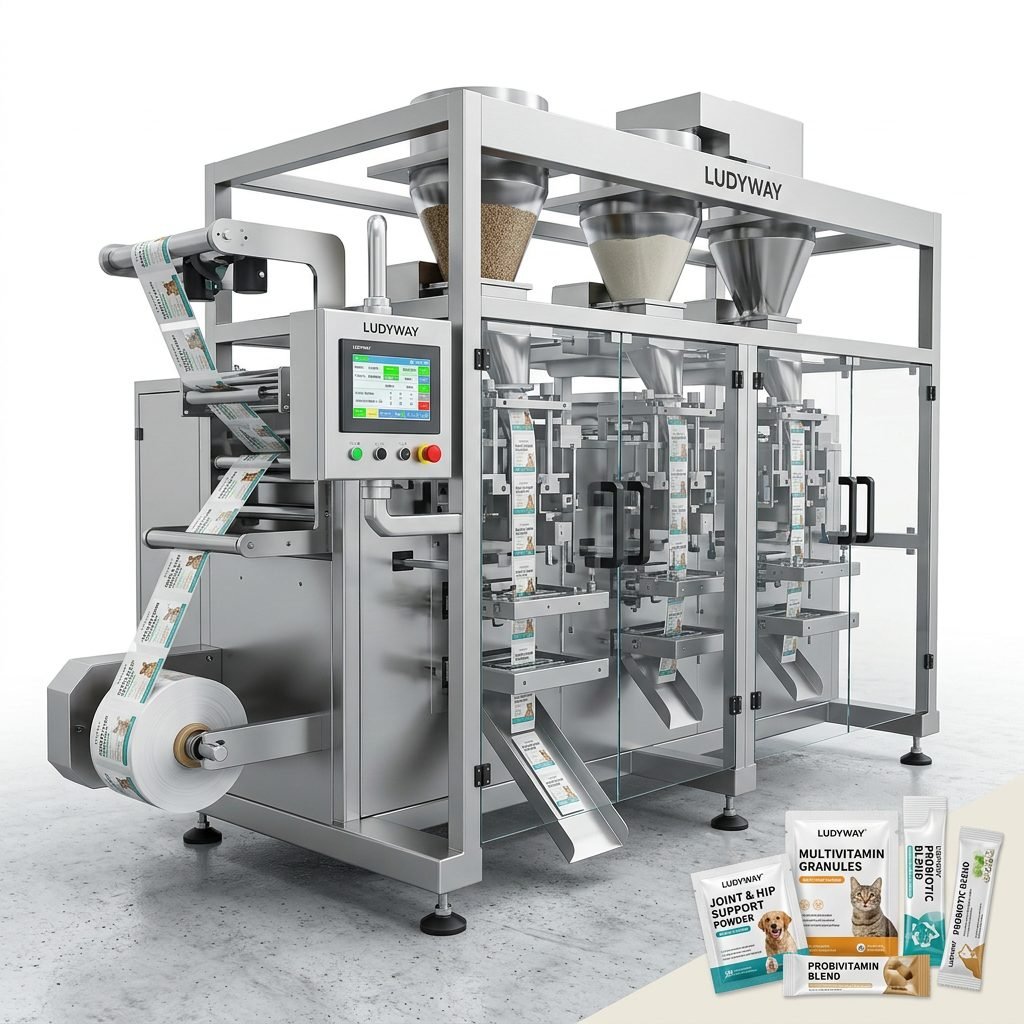
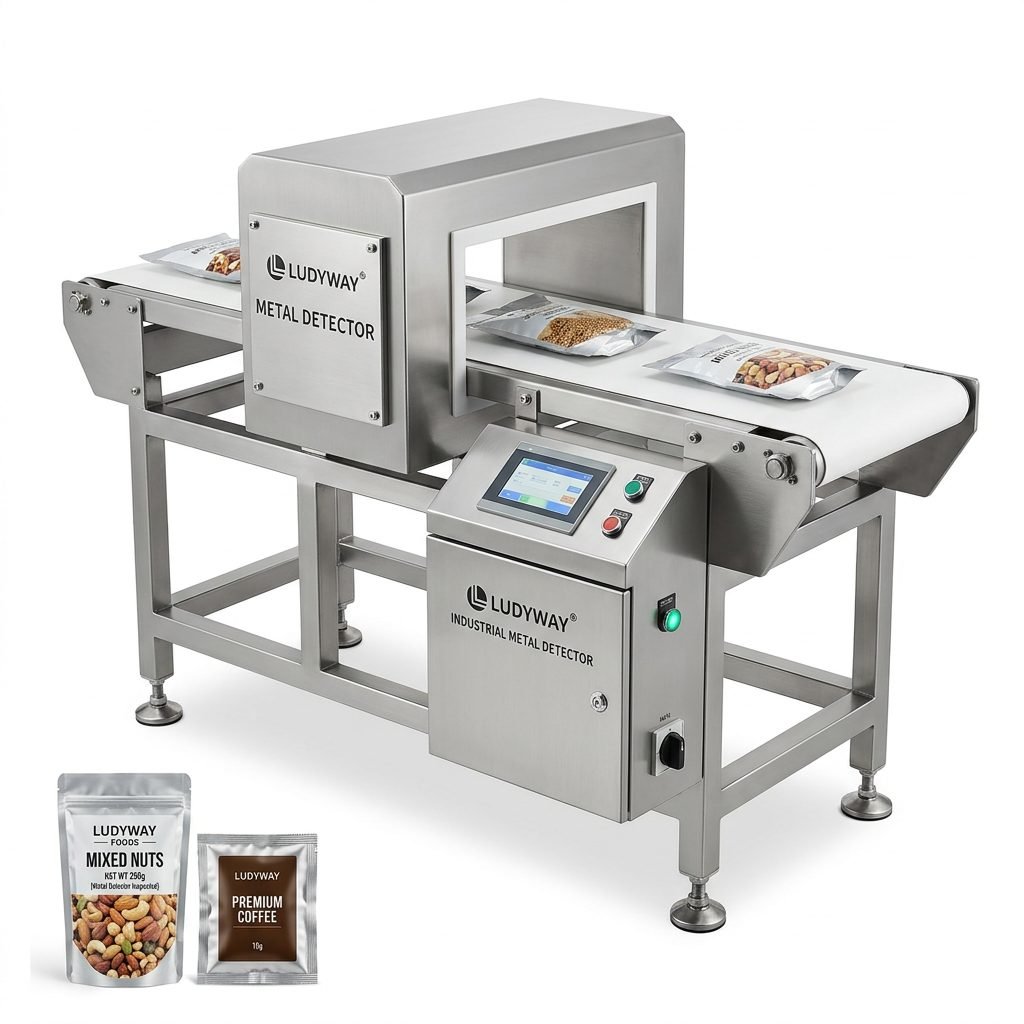
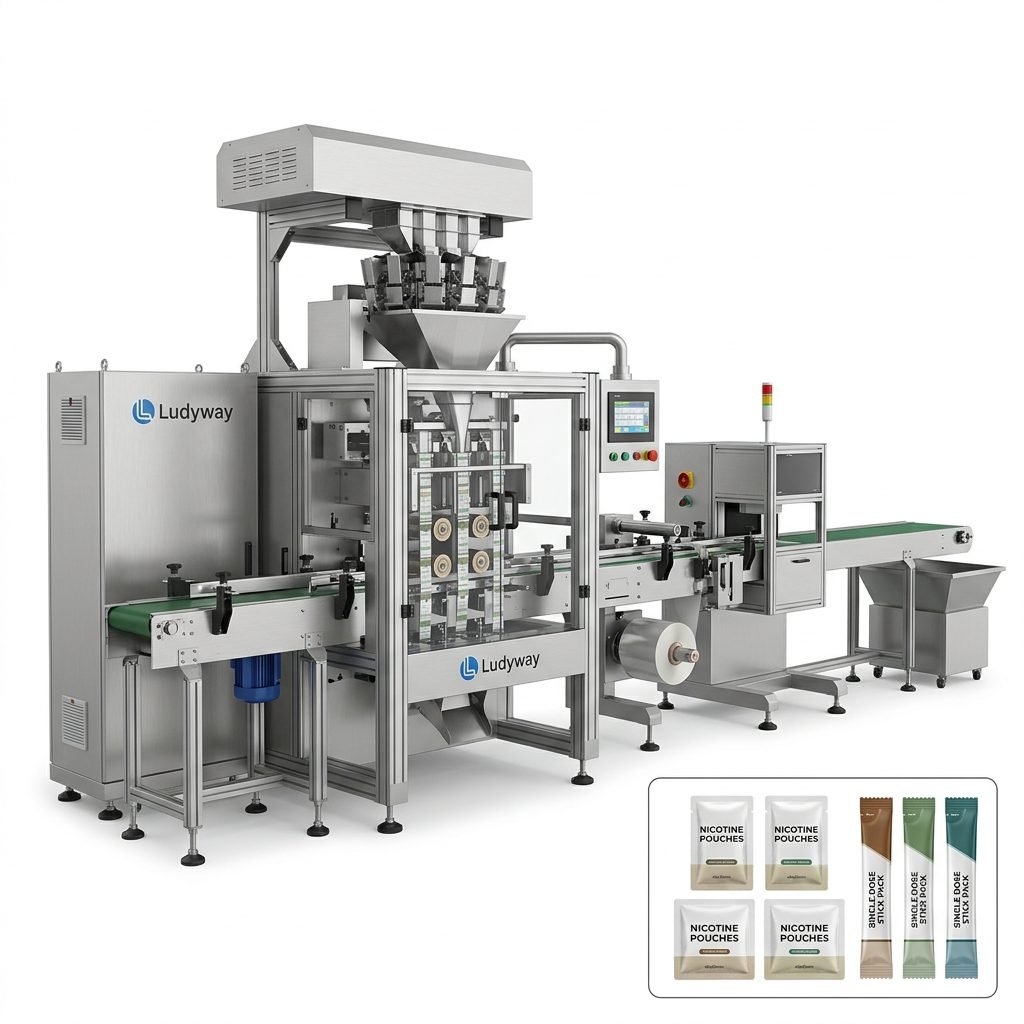
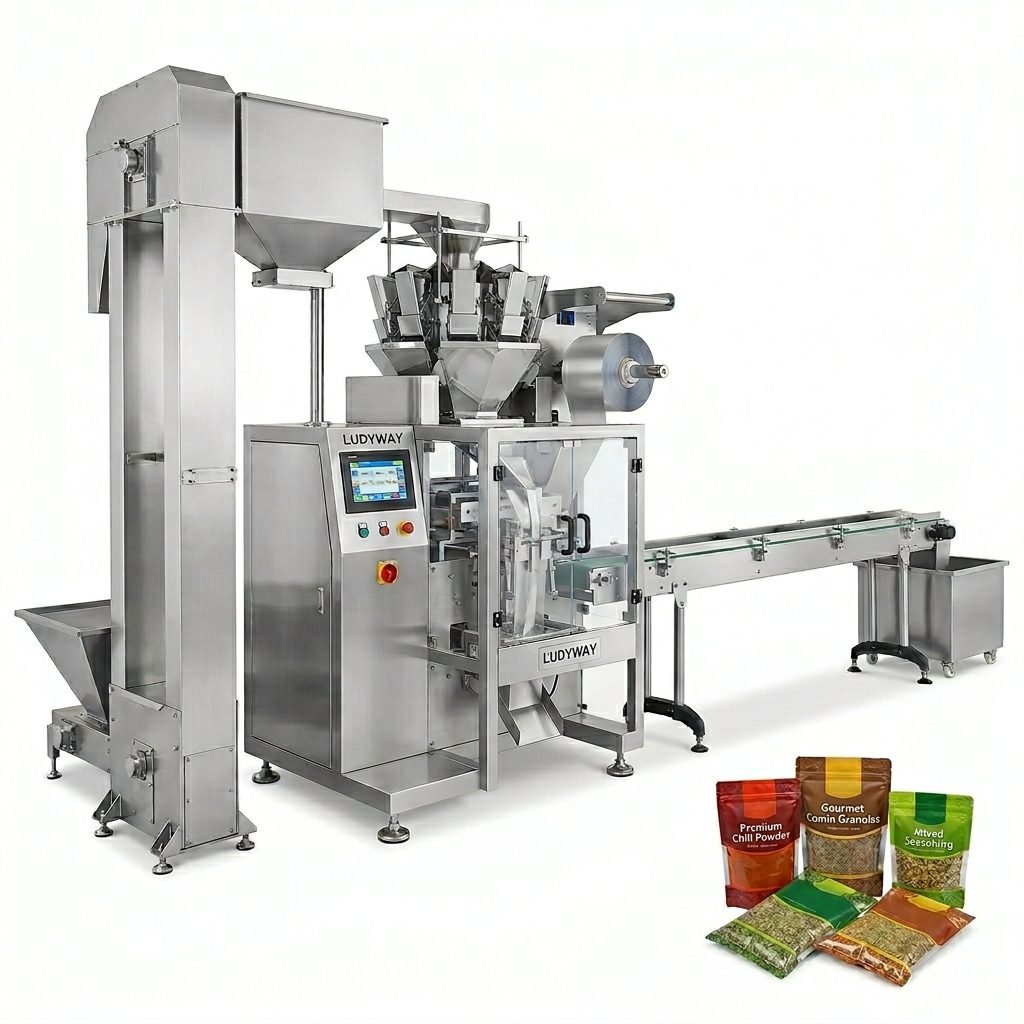
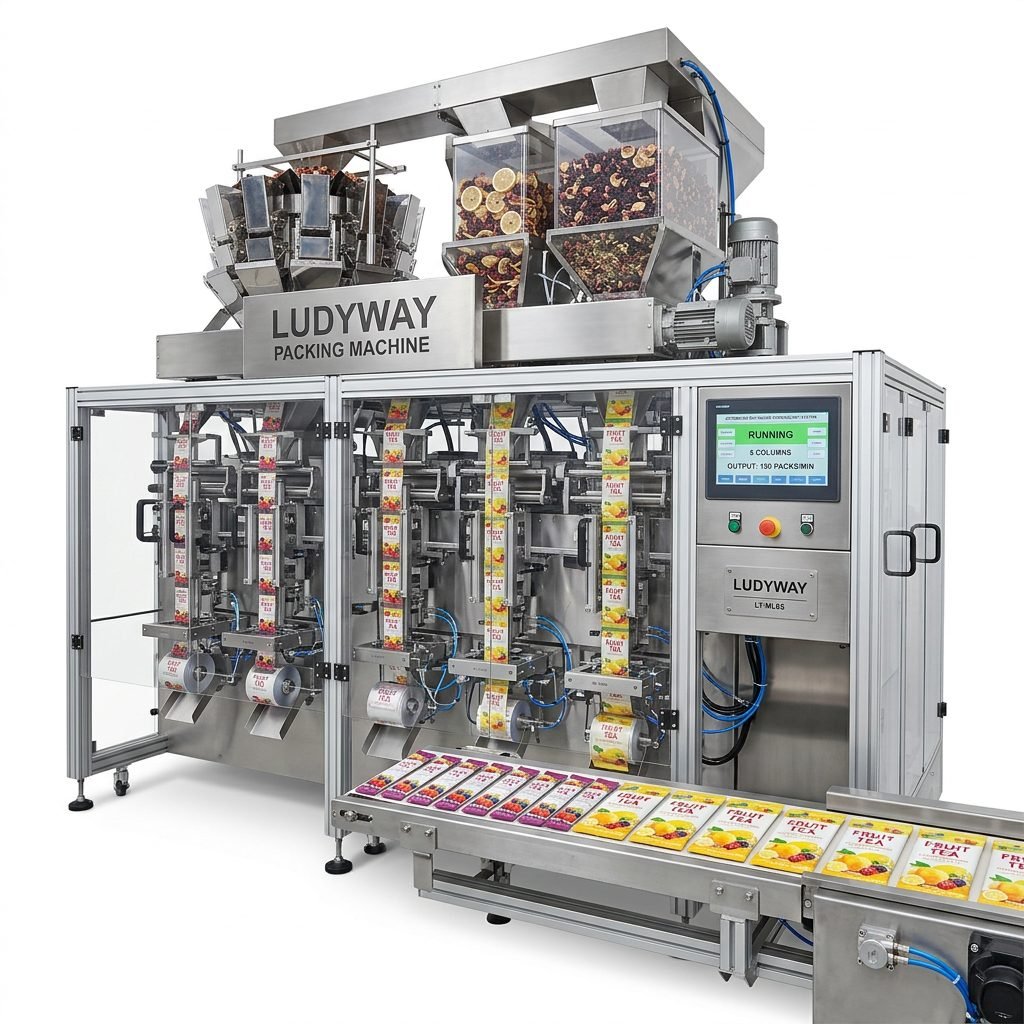
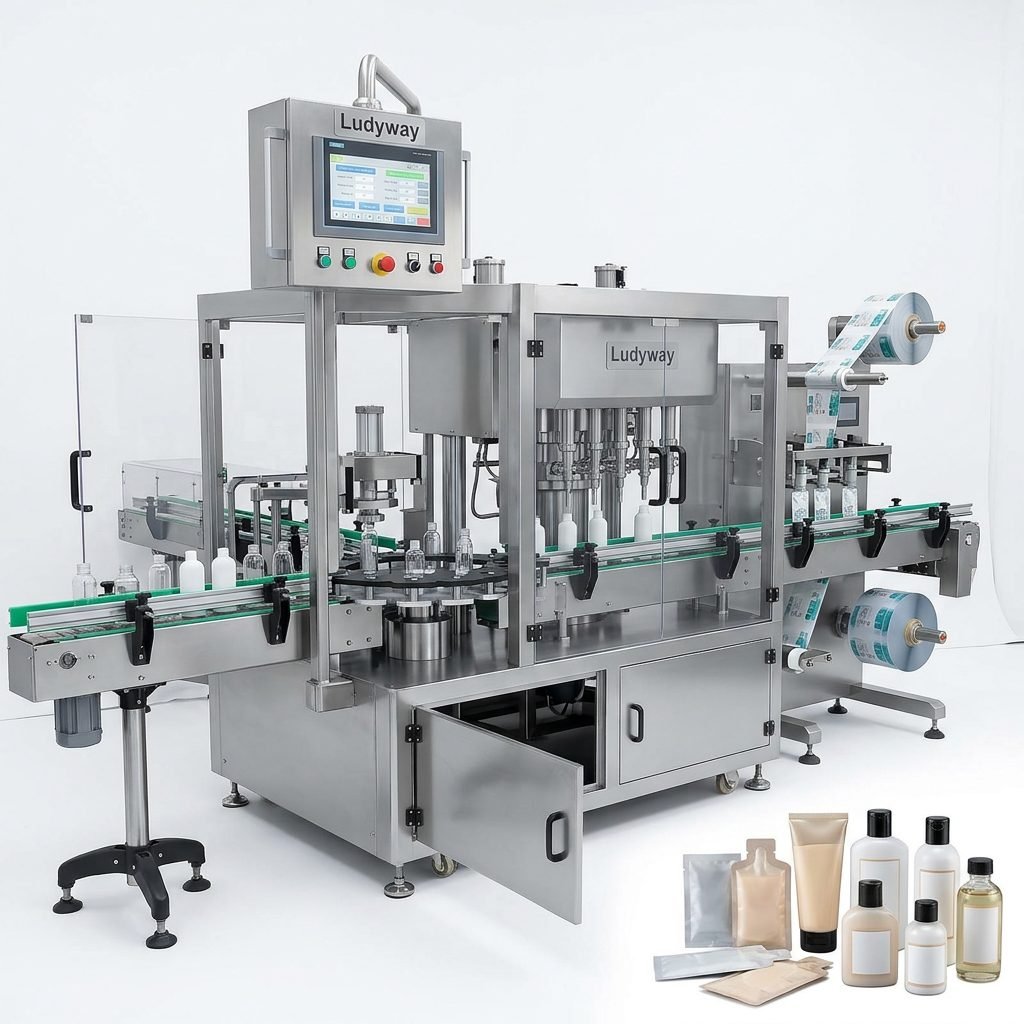
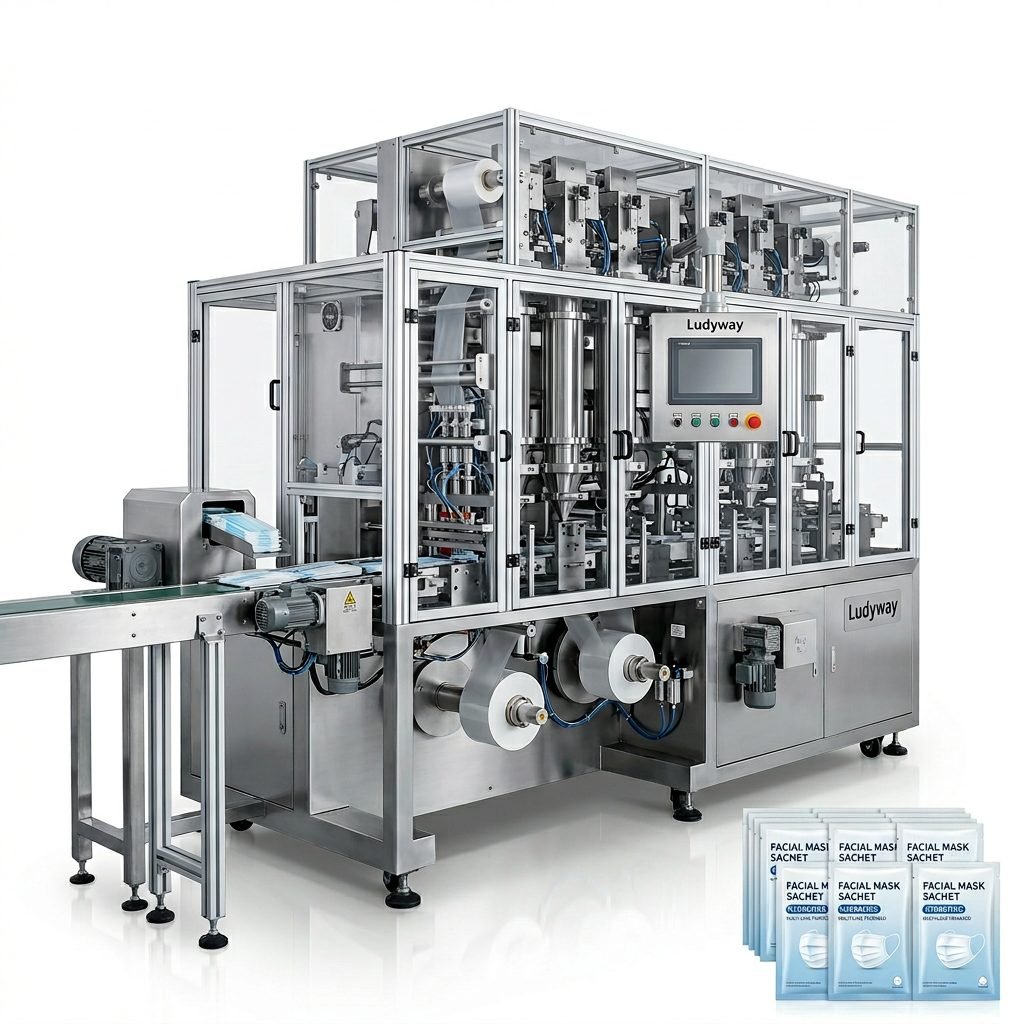
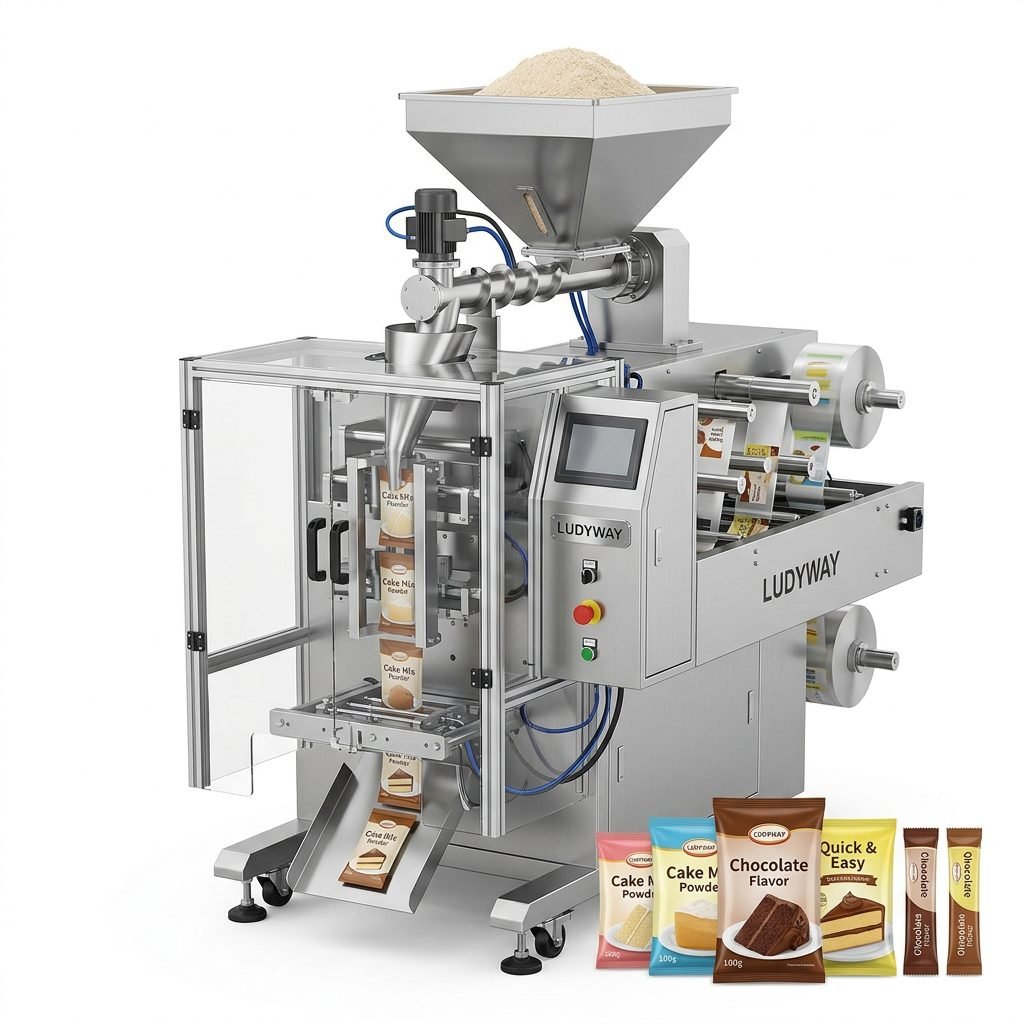
The packaging equipment industry is a dynamic and vital sector within manufacturing and logistics, offering a diverse range of career opportunities for engineers, technicians, operators, and sales professionals. As global demand for efficient, automated, and sustainable packaging solutions grows, so does the need for skilled individuals to design, operate, maintain, and sell this sophisticated machinery. This sector is not just about machines; it’s about ensuring product safety, enhancing shelf appeal, and optimizing supply chains. For those with a blend of technical aptitude and practical problem-solving skills, careers in packaging equipment can be both rewarding and future-proof.
Core Career Paths in Packaging Equipment
The industry structure creates several distinct yet interconnected career trajectories. Understanding these paths is the first step toward building a successful career.
1. Engineering & Design Roles
These professionals are the innovators behind the machines. They translate packaging needs into functional mechanical, electrical, and software systems.
Mechanical Design Engineer: Focuses on the physical components, mechanisms, and structural integrity of packaging machines. They use CAD software to design parts for filling, sealing, labeling, and palletizing systems.
Automation & Controls Engineer: Specializes in the programmable logic controllers (PLCs), human-machine interfaces (HMIs), robotics, and vision systems that make machines intelligent and autonomous. Proficiency in ladder logic and motion control is crucial.
Research & Development Engineer: Works on next-generation technologies, such as sustainable material handling, AI-driven quality inspection, or ultra-high-speed synchronization for sachet packaging systems.
2. Technical Service & Field Operations
This path is hands-on and customer-facing, ensuring equipment runs smoothly at client sites worldwide.
→ Field Service Engineer: The frontline problem-solver. Responsibilities include installing new machinery, conducting training, performing preventive maintenance, and diagnosing complex mechanical or electrical failures. Extensive travel is common.
→ Technical Support Specialist: Provides remote assistance via phone or video, helping operators troubleshoot issues, guiding them through software updates, and ordering spare parts. Deep knowledge of specific machine models is key.
→ Maintenance Technician: Often employed directly by manufacturing plants, these technicians perform daily upkeep, calibration, and repairs on in-house packaging lines to minimize downtime.
3. Sales, Applications & Management
This track combines technical knowledge with business acumen to drive growth and client success.
Applications Engineer: Acts as the crucial link between sales and engineering. They analyze a client’s product (e.g., granules, powders, liquids) and production goals to recommend the optimal machine configuration and layout.
Sales Manager/Executive: Builds relationships with manufacturers, understands their pain points, and proposes turnkey production solutions. Success requires understanding both the technical capabilities of the equipment and the client’s business objectives.
Project Manager: Oversees the entire process from order to delivery, coordinating between engineering, manufacturing, shipping, and service teams to ensure projects are on time, on budget, and meet specifications.
Essential Skills for Success
Thriving in this industry demands a specific skill set that merges the theoretical with the practical.
Technical & Hard Skills
- Mechanical Aptitude: Understanding of pneumatics, hydraulics, kinematics, and material science.
- Electrical & PLC Programming: Competency in reading schematics and programming controllers from Siemens, Allen-Bradley, etc.
- Computer-Aided Design (CAD): Proficiency in SolidWorks, AutoCAD, or similar for design and modification.
- Understanding of Packaging Materials: Knowledge of how different films, laminates, and cartons behave on machinery.
- Precision Measurement & Calibration: Skill in using tools to ensure machine accuracy for tasks like filling and sealing.
Professional & Soft Skills
- Problem-Solving & Troubleshooting: A logical, systematic approach to diagnosing and fixing unexpected machine failures.
- Communication: Ability to explain complex technical issues clearly to non-technical clients or colleagues.
- Customer Service Orientation: Especially critical for field service and sales roles, where building trust is paramount.
- Adaptability & Continuous Learning: Technology evolves rapidly; a willingness to learn about IoT, Industry 4.0, and new materials is essential.
Salary Expectations and Growth Trajectory
Salaries vary significantly based on role, experience, location, and the specific sector of packaging (e.g., food & beverage vs. pharmaceuticals).
Entry-Level to Mid-Career
Technician / Junior Field Engineer: Often starts in the $45,000 – $65,000 range. Hands-on experience is highly valued and quickly increases earning potential.
Design / Applications Engineer: Typically ranges from $70,000 to $95,000. Specialized knowledge in high-speed automation or liquid packaging systems can command premiums.
Senior & Specialist Roles
Senior Project Manager / Lead Engineer: Can earn between $95,000 and $130,000, overseeing complex line integrations and mentoring junior staff.
Sales Manager / Director of Engineering: Compensation often includes a significant bonus or commission structure, with total packages ranging from $120,000 to $180,000+ based on performance and company size.
Note: These figures are broad estimates. Specialists in high-demand areas like robotics integration or pharmaceutical-grade machine validation can exceed these ranges.
Industry Outlook and Future Trends
The future of packaging equipment careers is tied to several powerful trends that are reshaping the industry.
Sustainability & Circular Economy: Demand is soaring for machines that handle recycled materials, biodegradable films, and lightweight designs. Engineers skilled in these areas will be in high demand.
Smart Manufacturing & IIoT: Packaging lines are becoming data hubs. Skills in networking, data analytics, and predictive maintenance software are transitioning from “nice-to-have” to “must-have.”
Flexibility & Customization: The move towards smaller batch sizes and personalized products requires equipment that can change over quickly. Careers focused on modular and adaptable machine design are growing.
Global Supply Chain Focus: As companies seek resilience, there is increased investment in regional packaging facilities, creating opportunities for local service and support roles worldwide.
Frequently Asked Questions (FAQs)
What educational background is best for a career in packaging machinery?
A degree in Mechanical Engineering, Electrical Engineering, Mechatronics, or Industrial Automation is highly advantageous. For technical roles, a two-year associate degree or certification in mechatronics or industrial maintenance can be an excellent entry point, often supplemented by manufacturer-specific training.
Is prior manufacturing experience necessary?
While not always mandatory, it is extremely beneficial. Experience as a machine operator or maintenance technician in a production environment provides invaluable practical knowledge that classroom learning cannot fully replicate. Many employers highly value this hands-on background.
How important is travel for careers in this field?
It varies by role. Field Service and Applications Engineering roles typically involve significant travel (50-75%), often both domestic and international. Design, project management, and plant-based technician roles usually involve much less travel.
What is the biggest challenge faced by professionals in this industry?
Managing downtime is the universal challenge. Whether you’re an engineer designing for reliability, a technician racing to fix a breakdown, or a salesperson promising efficiency, the core pressure is to keep packaging lines running at peak performance with minimal interruptions.
Are there opportunities for career advancement into management?
Absolutely. A common path is from a technical role (e.g., Field Engineer) to a Team Lead, then to Service Manager, and onward to Director of Operations or similar. Alternatively, technical experts can move into specialized consulting, advanced R&D, or strategic product management roles.