Choosing the right detergent powder packaging machine is a critical decision for manufacturers looking to optimize production, ensure product integrity, and meet market demands. This comprehensive guide explores the various types of machines, their key features, and essential buying tips to help you make an informed investment.
Understanding Detergent Powder Packaging Machines
These are specialized automated systems designed to measure, fill, and seal pre-made or form-fill-seal (FFS) pouches or bags with detergent powder. They are engineered to handle the specific challenges of powdered detergents, such as dust generation, precise dosing, and maintaining consistent bag seals.
Core Function: The primary goal is to automate the packaging process from filling to sealing, drastically increasing output, improving accuracy, and reducing labor costs and material waste compared to manual operations.
Primary Types of Detergent Powder Packaging Machines
The market offers several configurations, each suited to different production scales and packaging formats.
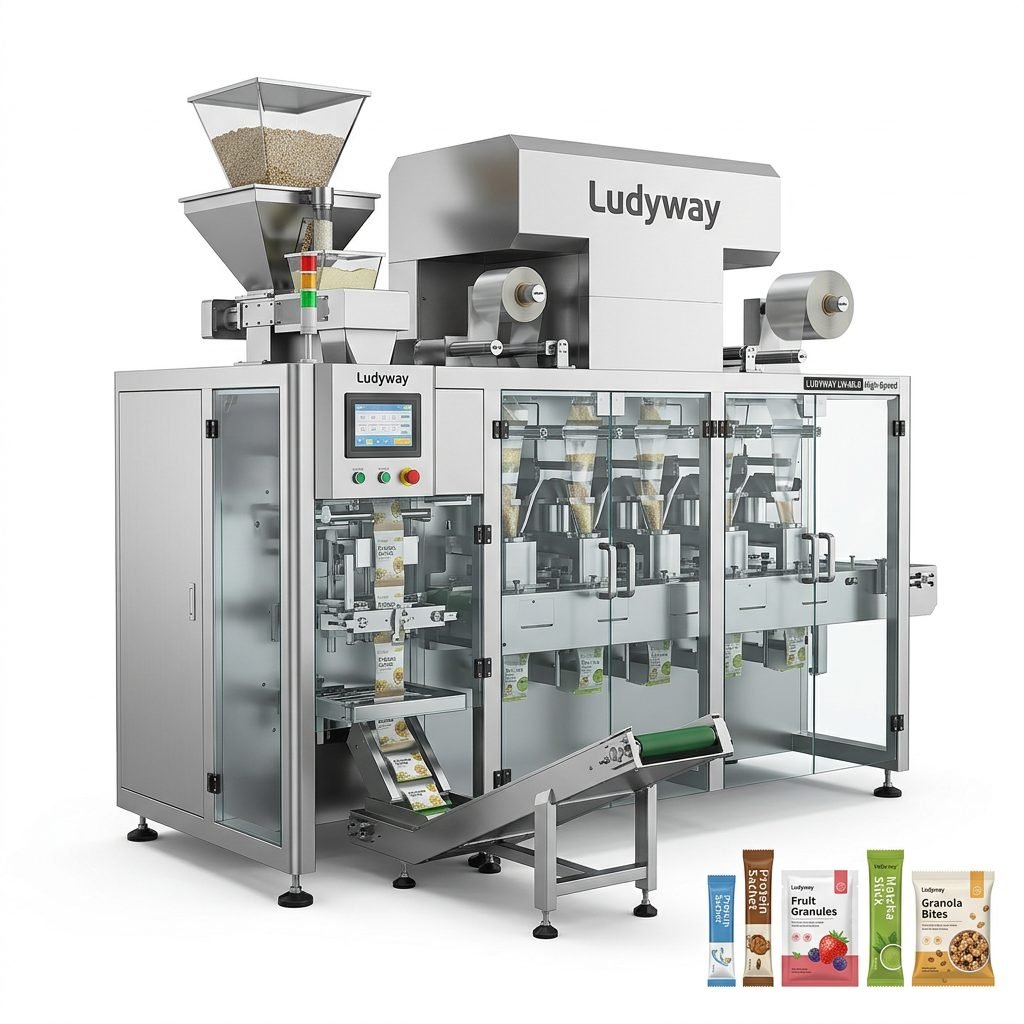
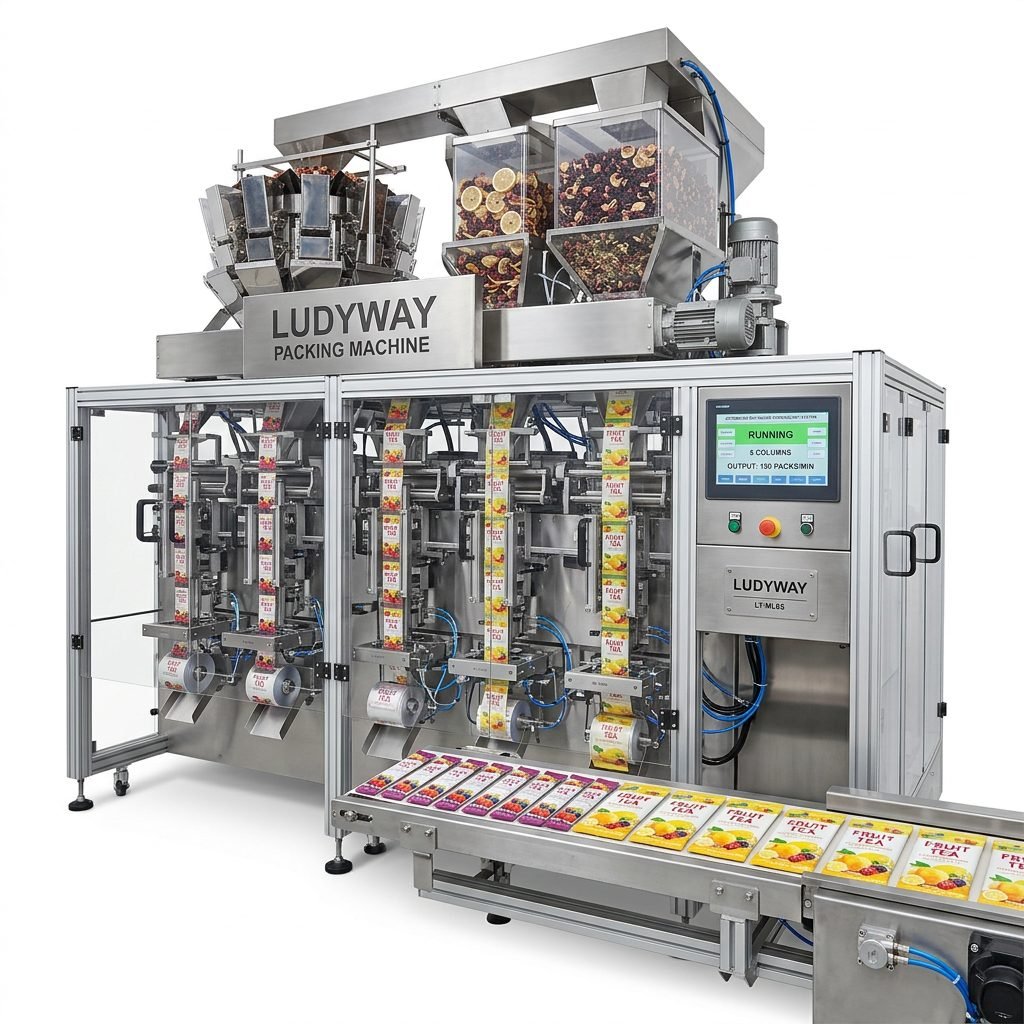
1. Vertical Form-Fill-Seal (VFFS) Machines
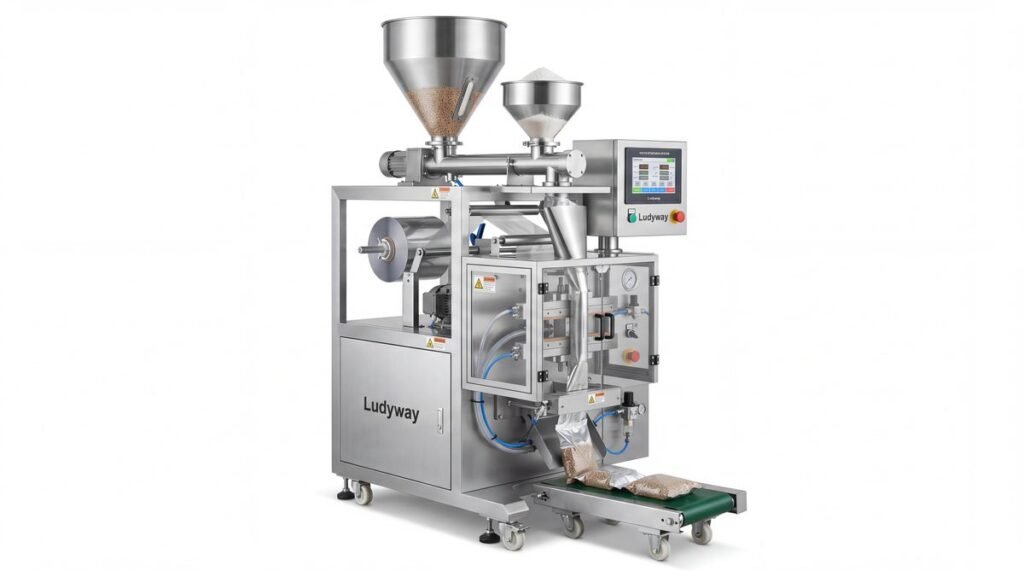
These are the most common type for granular and powdered products. They use a roll of flat packaging film to form a tube, fill it with a pre-measured amount of powder, and then seal and cut it into individual bags.
- Best for: High-volume production of stand-up pouches, pillow bags, or gusseted bags.
- Advantage: Highly efficient, reduces film inventory, and allows for quick bag size changes.
2. Pre-Made Pouch Packaging Machines
These machines automate the process of opening, filling, and sealing pre-manufactured pouches. They are ideal for brands with complex, pre-printed pouch designs.
- Best for: Premium or branded products where pouch graphics and quality are paramount.
- Advantage: Excellent print registration and can handle a wider variety of pouch materials and structures.
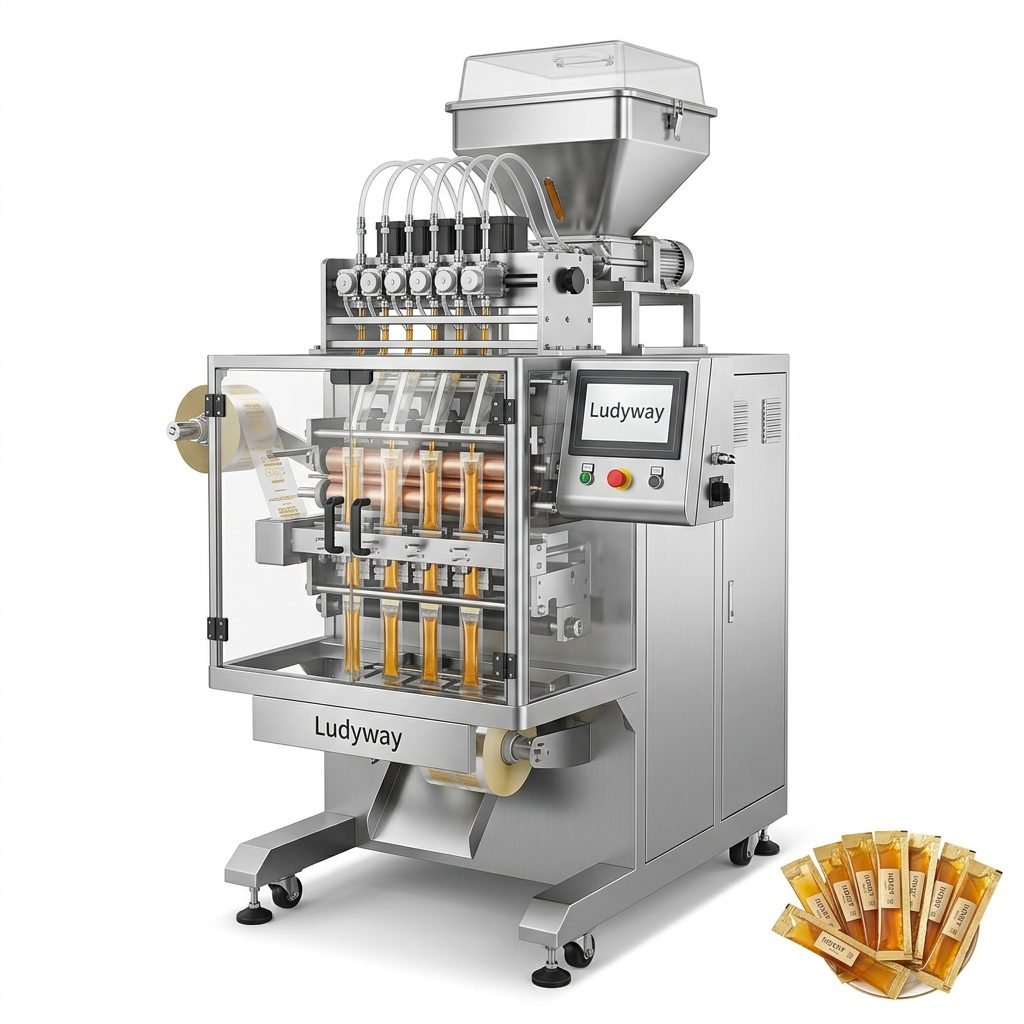
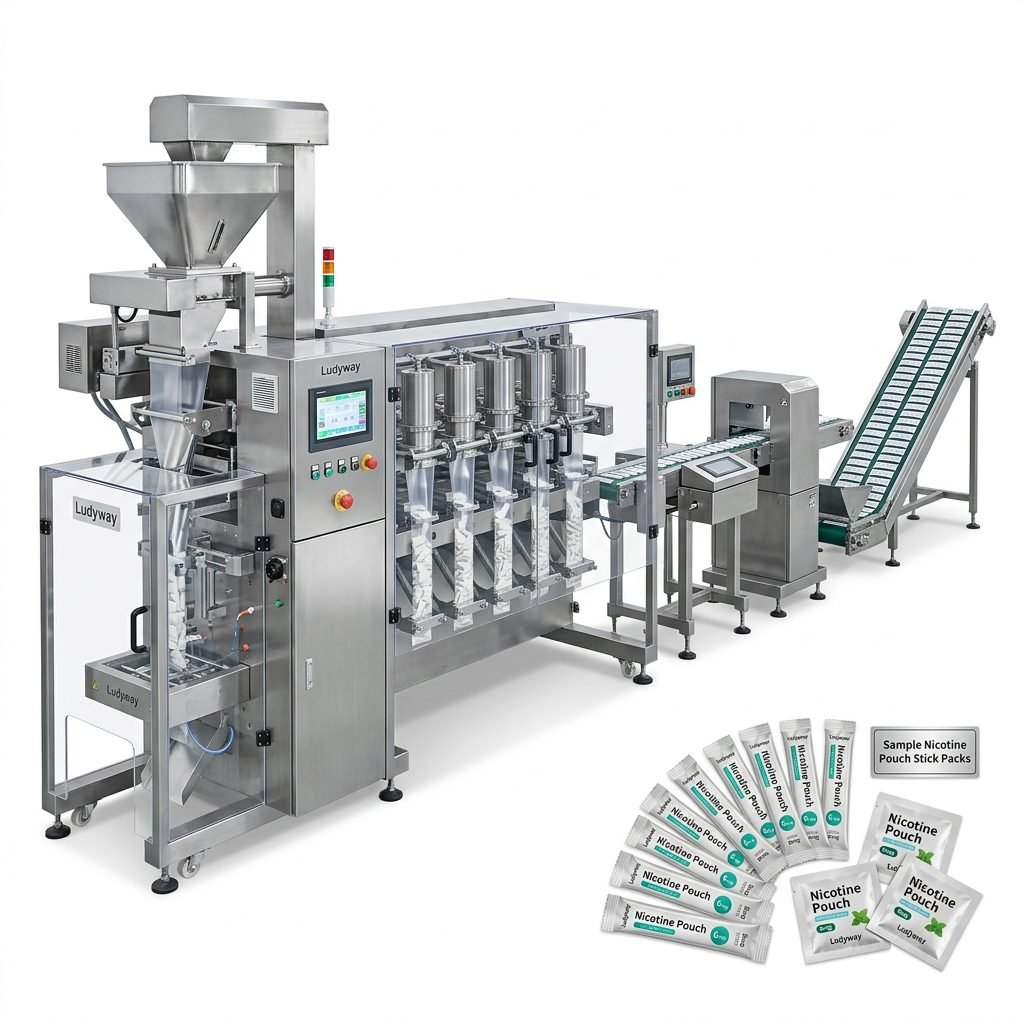
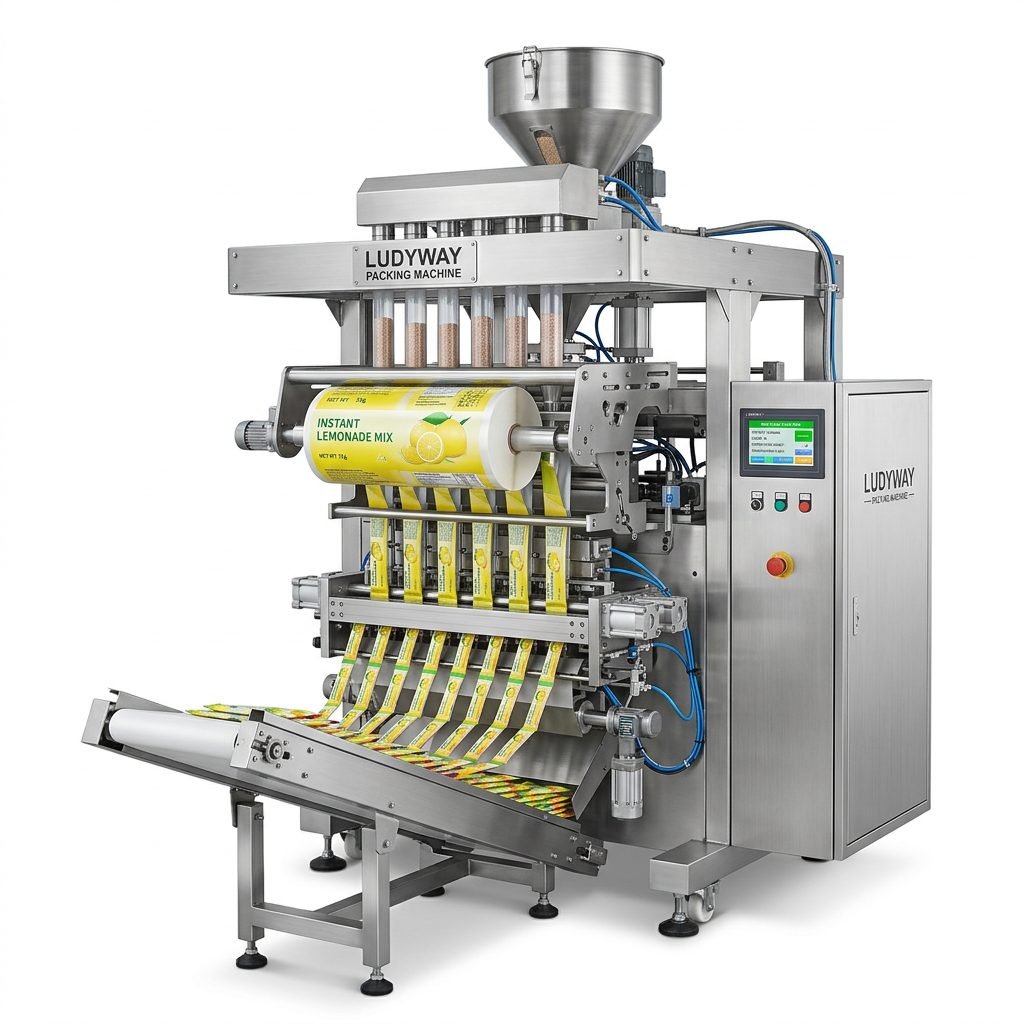
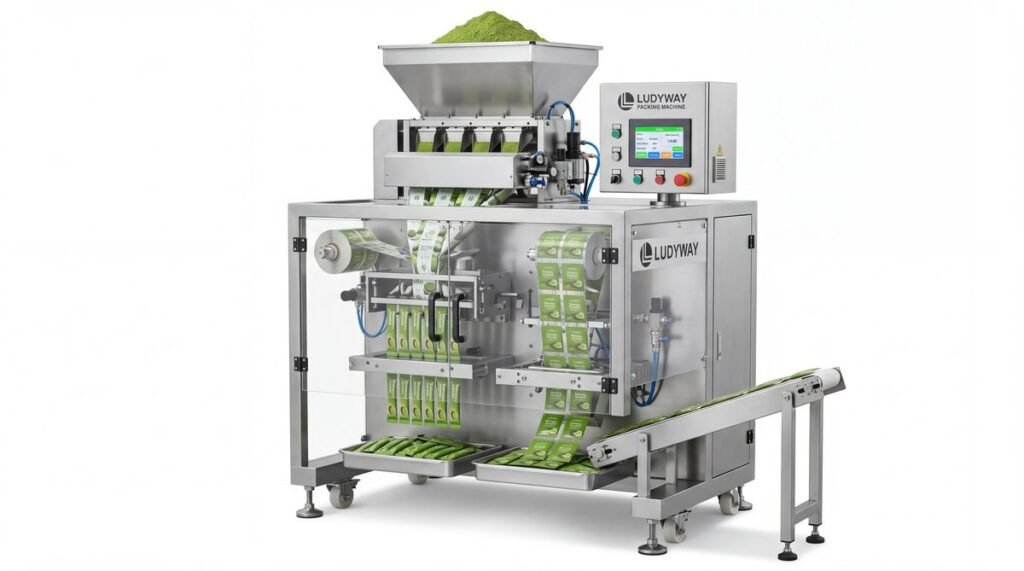
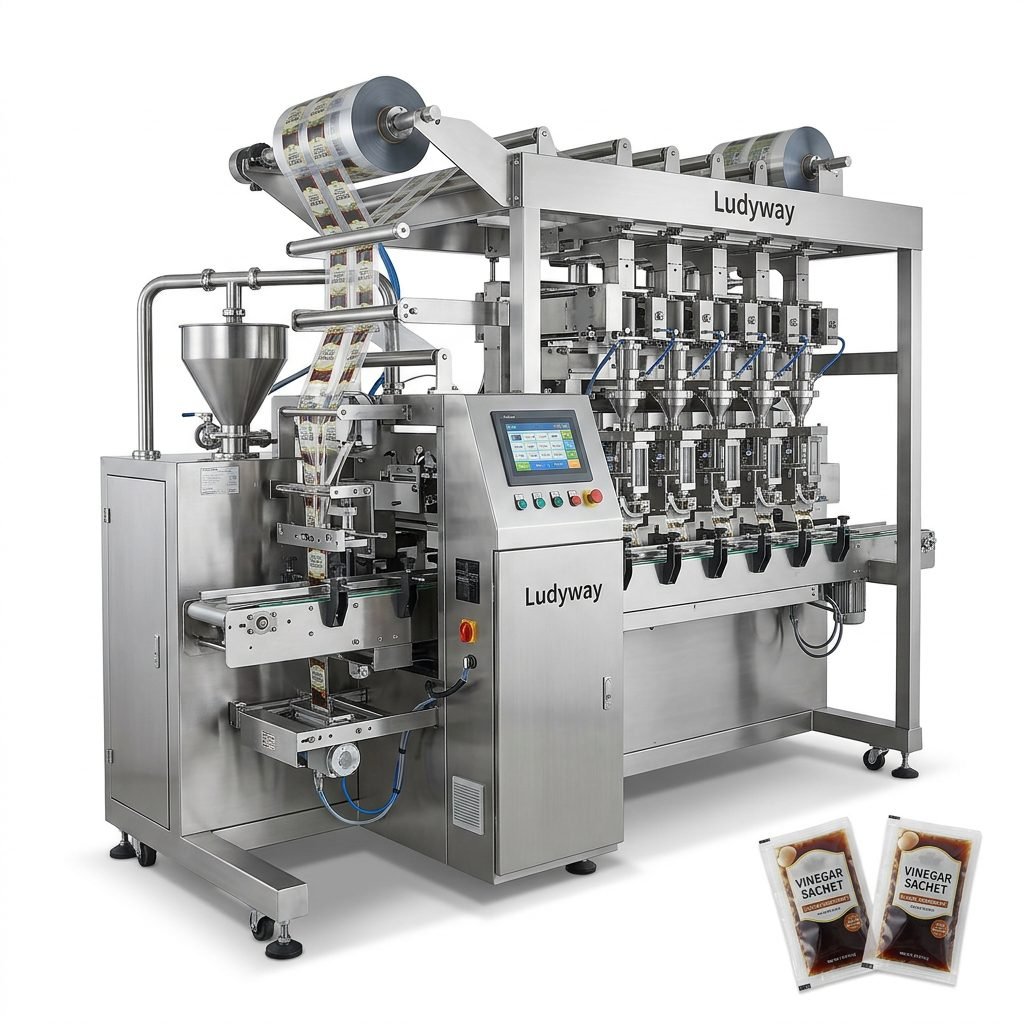
3. Stick Pack Packaging Machines
Designed to create long, narrow “stick” packs, often used for single-use detergent doses or samples.
- Best for: Single-serve portions, product samples, or travel-sized offerings.
- Advantage: Compact, portable final product and efficient material usage.
4. Open-Mouth Bagging Machines
Used for filling larger quantities of detergent powder into premade open-mouth bags (e.g., 1kg, 5kg, 25kg bags). They often include bag placers, weigh fillers, and sewing or heat-sealing stations.
- Best for: Bulk packaging for industrial, commercial, or large retail sizes.
- Advantage: Handles heavy-duty packaging at high speeds.
Key Features to Evaluate
When comparing machines, look beyond the basic type and scrutinize these critical features.
Weighing and Filling System
Accuracy is non-negotiable. Look for machines with advanced weigh fillers like multi-head weighers or auger fillers with servo motors.
Auger Filler: Common for powders. A rotating auger screw dispenses product. Servo-driven augers offer superior precision and control over fill weight.
Multi-Head Weigher: Offers extreme speed and accuracy for high-volume lines by combining small weighments from multiple buckets.
Dust Control and Hygiene
Detergent powder is dusty. A good machine should have integrated dust extraction ports, sealed mechanisms, and easy-clean designs (e.g., stainless steel contact parts, smooth surfaces) to protect the machine, product, and operator.
Sealing System
The seal must be strong and consistent to prevent leaks. Machines may use heat sealing (constant or impulse), ultrasonic sealing, or a combination. Ensure the system is compatible with your chosen packaging laminate (e.g., PET/PE, CPP).
Automation and Control
A modern packaging machine supplier will offer machines with user-friendly PLC-based touchscreen HMIs. Features to look for include:
- Recipe storage for different products.
- Production speed and count monitoring.
- Automatic fault diagnosis and alerts.
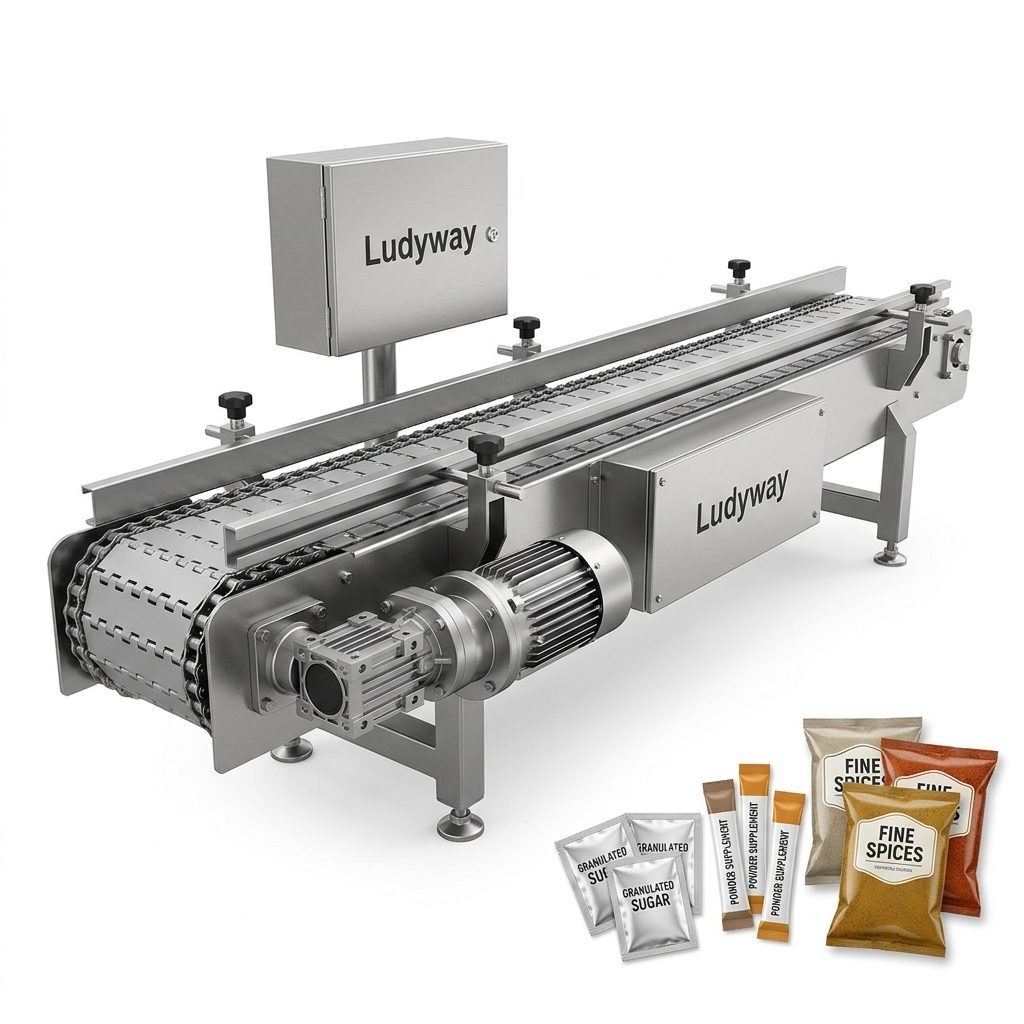
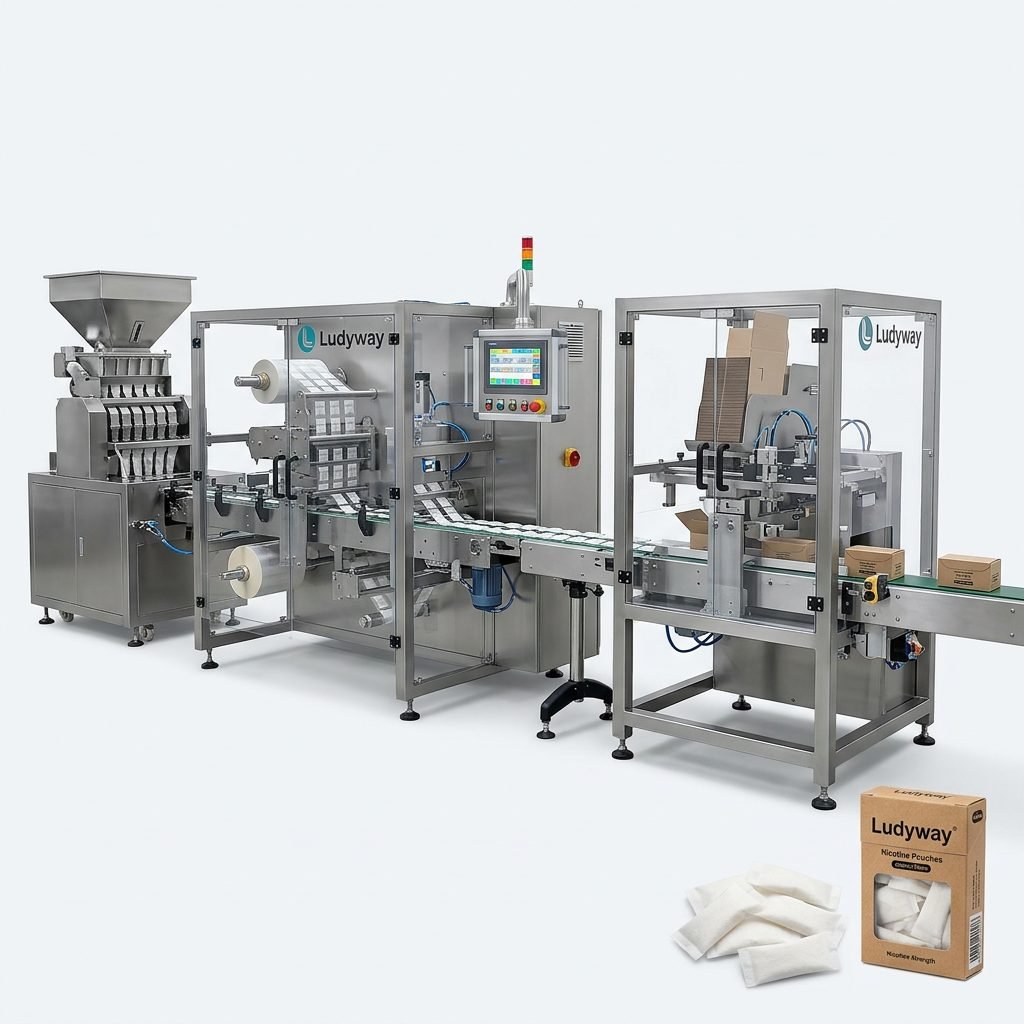
- Integration capability with upstream and downstream equipment (like cartoners).
Speed and Flexibility
Match the machine’s speed (bags/minute) to your current and future output needs. Flexibility for quick changeover between different bag sizes or powder types is a huge advantage for manufacturers with diverse product lines.
Essential Buying Tips
Follow this checklist to navigate the purchasing process successfully.
1. Define Your Requirements Precisely
Before contacting packaging machine manufacturers, document your needs:
- Product characteristics (bulk density, flowability, aggressiveness).
- Desired bag type, size range, and material.
- Required output speed (bags per hour/day).
- Available factory space and utilities (power, compressed air).
2. Prioritize Reliability and After-Sales Support
The machine is a long-term investment. Research the manufacturer’s reputation. A supplier with decades of industry experience often provides more robust machinery and comprehensive support. Inquire about:
- Warranty period and terms.
- Availability of spare parts.
- Technical support (remote, on-site).
- Training for your operators and maintenance staff.
3. Request a Live Product Test
Never buy based on specifications alone. Arrange to send your actual detergent powder and packaging material to the supplier for a live demonstration. This test reveals the machine’s real-world performance regarding filling accuracy, speed, dust handling, and seal quality.
4. Consider Total Cost of Ownership (TCO)
Look beyond the initial purchase price. Factor in:
- Energy consumption.
- Expected maintenance costs and part longevity.
- Potential for future upgrades.
- Operational efficiency (reduced giveaway, higher uptime).
A slightly higher initial investment in a more efficient, reliable machine often leads to lower TCO.
5. Plan for Integration and Future Growth
Consider how the machine will fit into your existing line. Discuss integration points with the supplier. Also, consider if the machine can be upgraded or run at higher speeds to accommodate your business growth in the coming years.
Frequently Asked Questions (FAQs)
Q1: What is the typical speed range for a detergent powder packaging machine?
A: Speeds vary widely based on the machine type and bag size. Vertical form-fill-seal machines can range from 30 to over 120 bags per minute for small to medium pouches. Stick pack machines can reach several hundred packs per minute. Larger open-mouth baggers may fill 5-15 bags per minute.
Q2: How do I control dust during the packaging process?
A: Choose a machine with built-in dust extraction ports to connect to your factory’s dust collection system. Features like sealed auger systems, dust covers, and suction nozzles at the filling point are crucial. Regular maintenance and cleaning are also essential.
Q3: Can one machine handle different bag sizes and powder types?
A: Many modern machines are designed for flexibility. Look for models with quick-change parts (like augers, forming tubes, and sealing jaws) and PLC controls that store recipes for different products, allowing for relatively fast changeovers, often in 15-30 minutes.
Q4: What is the most accurate filling system for detergent powder?
A: For most powdered detergents, a servo-driven auger filler offers an excellent balance of speed, accuracy (±0.5-1%), and cost-effectiveness. For the highest precision at very high speeds, a multi-head weigher is the top choice, though it is a larger investment.
Q5: What maintenance is required for these machines?
A: Daily cleaning to remove powder residue is vital. Regular maintenance includes lubricating moving parts (as per manual), checking and replacing worn seals and gaskets, calibrating the weighing system, and inspecting heating elements for the sealer. A preventive maintenance schedule from your supplier is highly recommended.