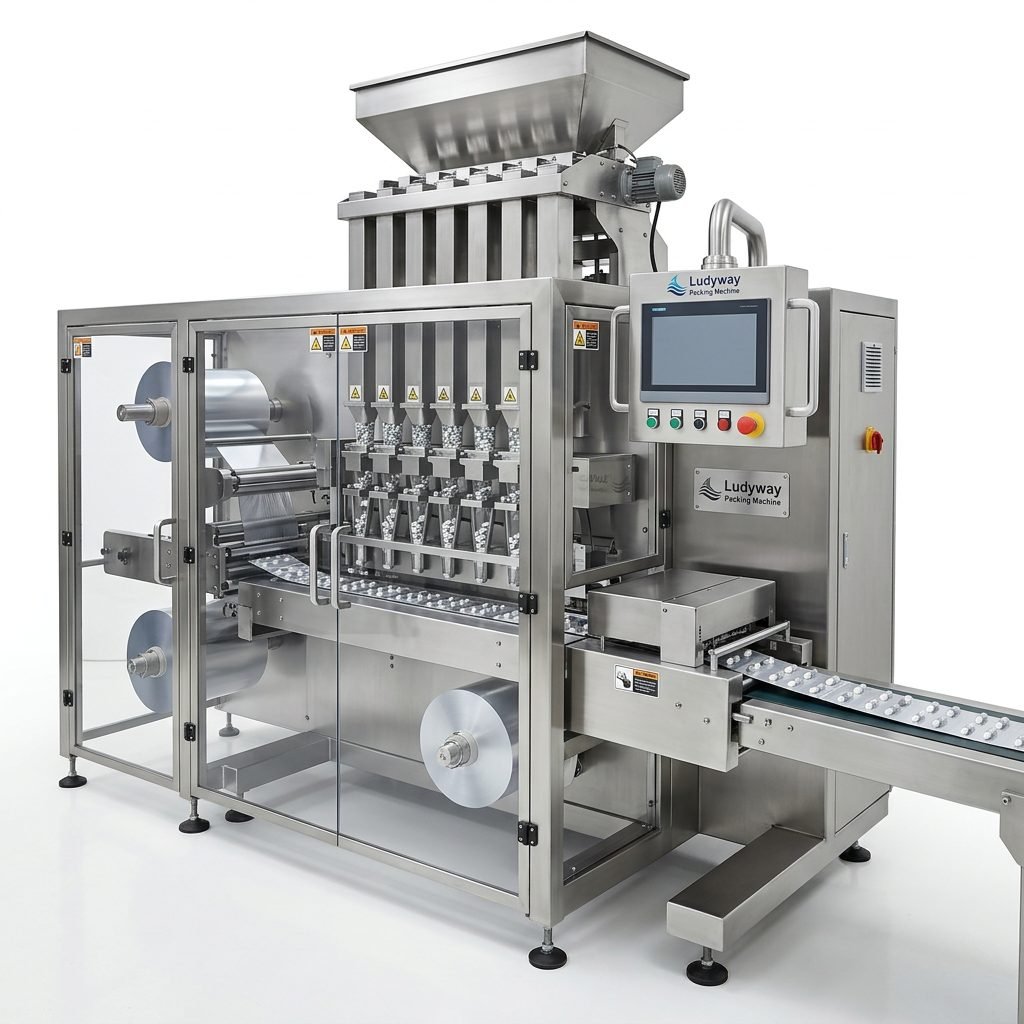
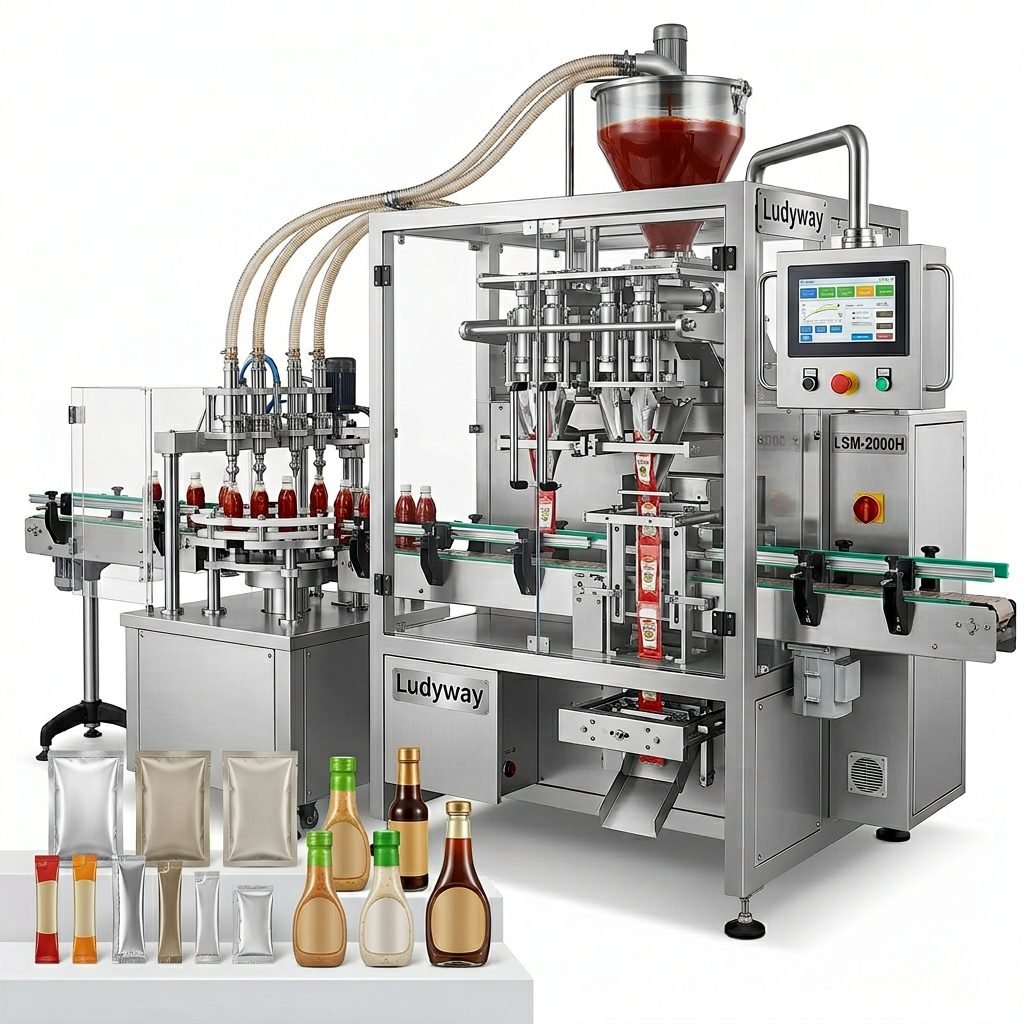
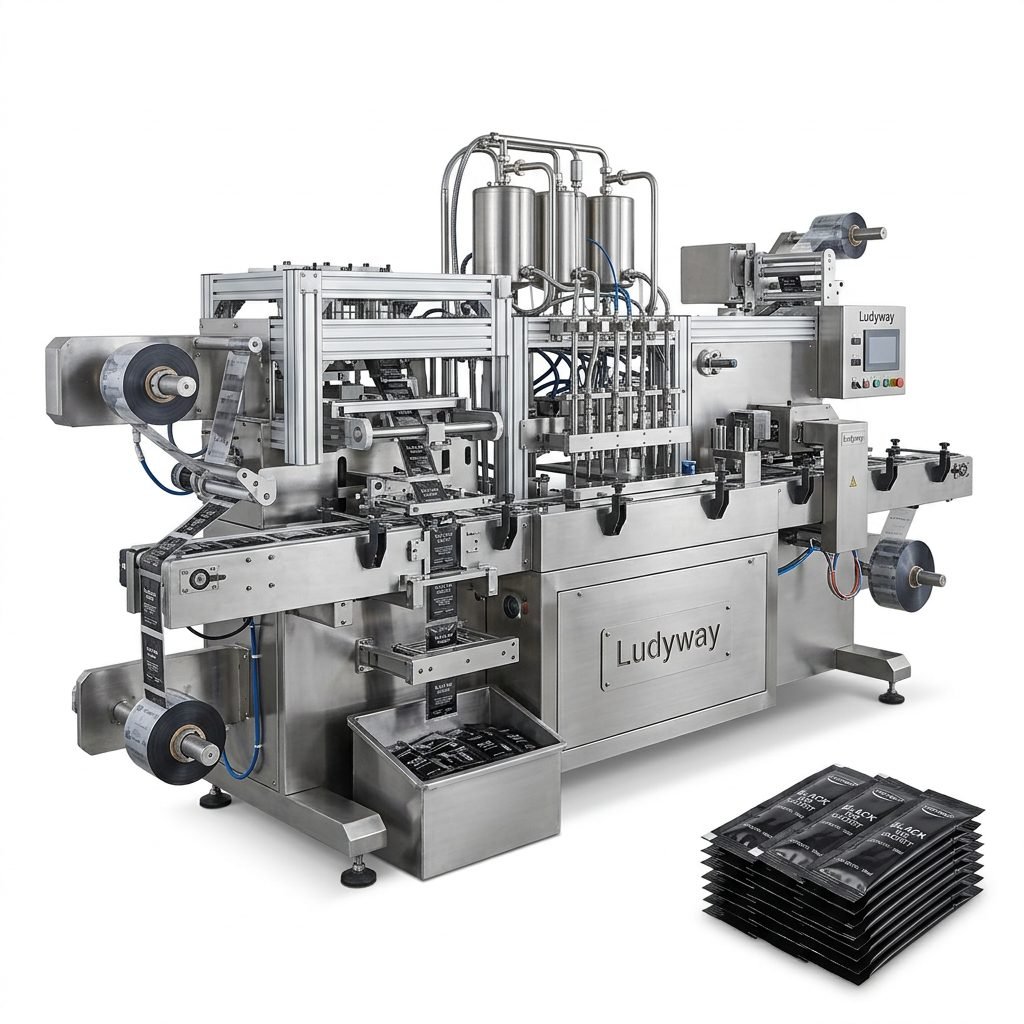
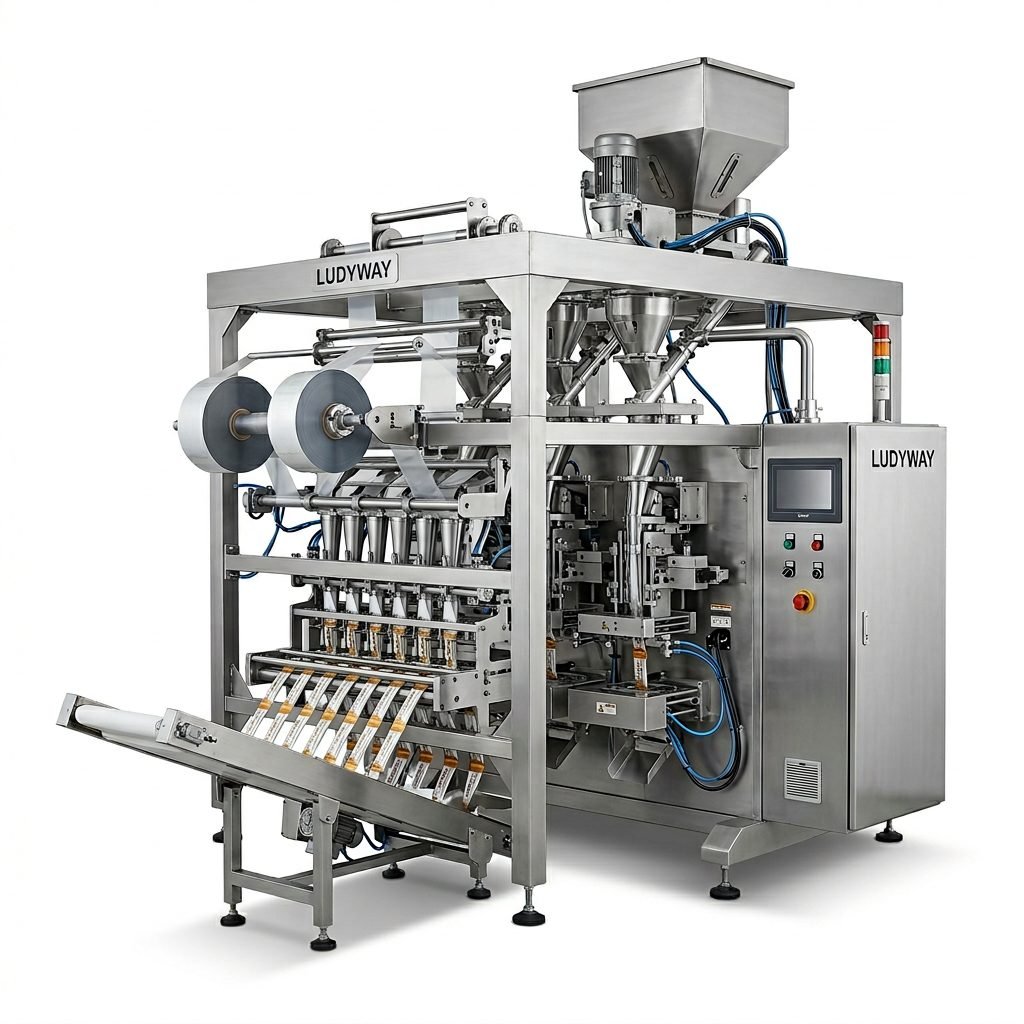
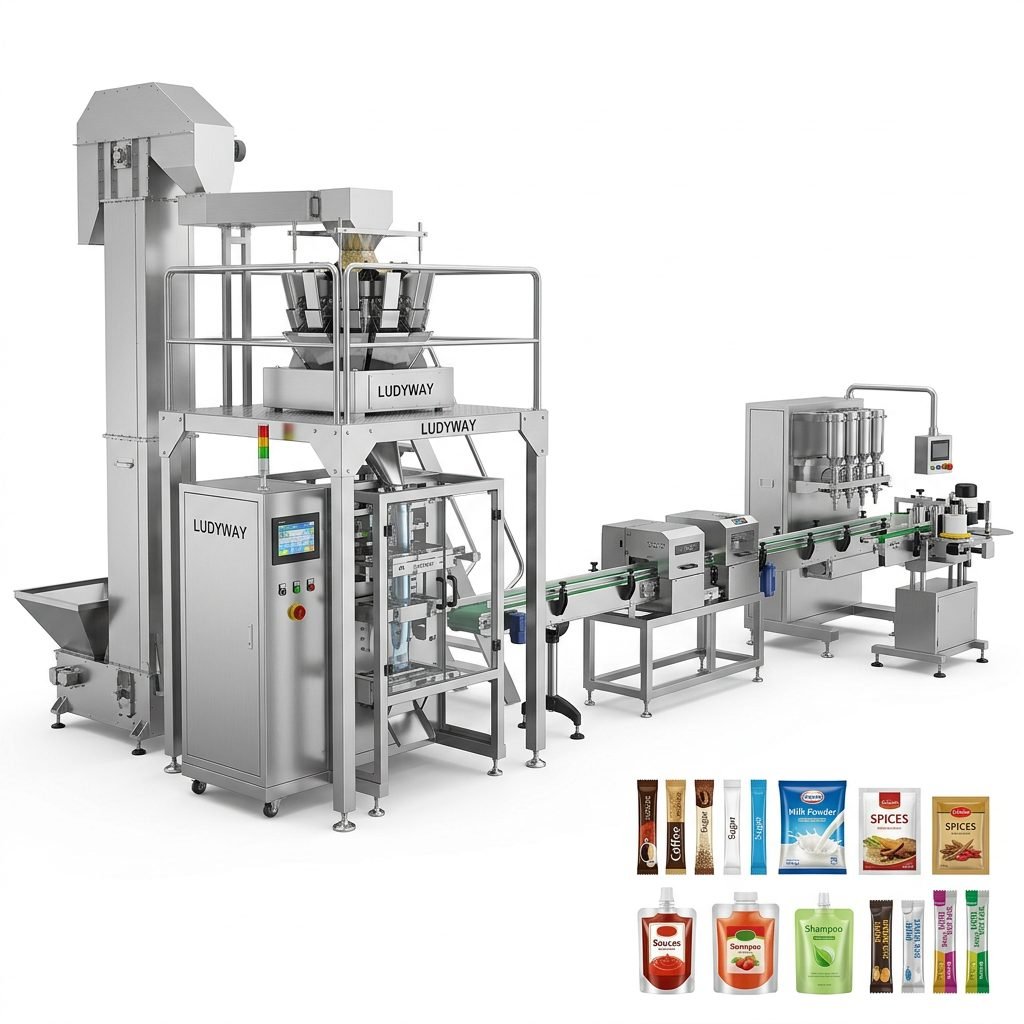
Automatic packaging machines are transforming modern production by helping manufacturers pack products faster, more accurately, and with lower labor dependence. From food and beverages to pharmaceuticals, cosmetics, chemicals, and pet products, high-speed automated systems are now essential for brands that need consistent output, clean packaging quality, and scalable growth.
Whether you are packing powders, granules, liquids, pastes, sachets, stick packs, pouches, bottles, or cartons, the right machine setup can reduce downtime, improve sealing quality, and keep your line running efficiently under demanding production targets.
Why Automatic Packaging Machines Matter in High-Speed Production
As product demand increases, manual or semi-automatic packing methods often become bottlenecks. Automatic packaging machines solve this problem by integrating feeding, dosing, filling, sealing, coding, inspection, and discharge into one continuous process. This improves both throughput and control.
- Higher productivity: Pack more units per minute with stable cycle times.
- Better accuracy: Reduce underfilling, overfilling, and sealing variation.
- Lower labor costs: Fewer manual handling steps across the line.
- Improved hygiene: Especially important for food and pharmaceutical applications.
- Consistent packaging appearance: Supports brand image and shelf appeal.
- Easy scalability: Add lanes, modules, conveyors, and end-of-line automation as demand grows.
Common Types of Automatic Packaging Machines
Different products require different packaging technologies. Choosing the right machine depends on product characteristics, package format, target speed, and plant layout.
| Machine Type | Suitable Products | Typical Package Formats |
|---|---|---|
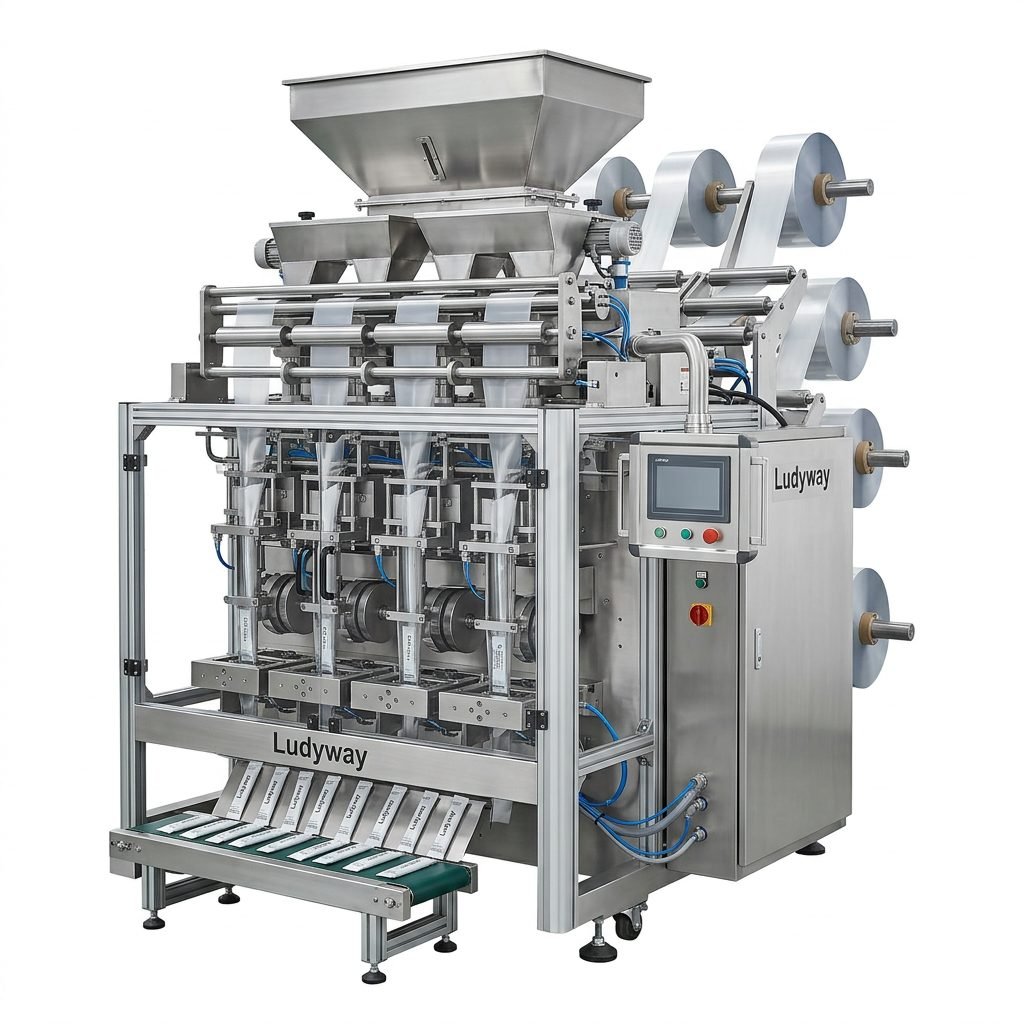
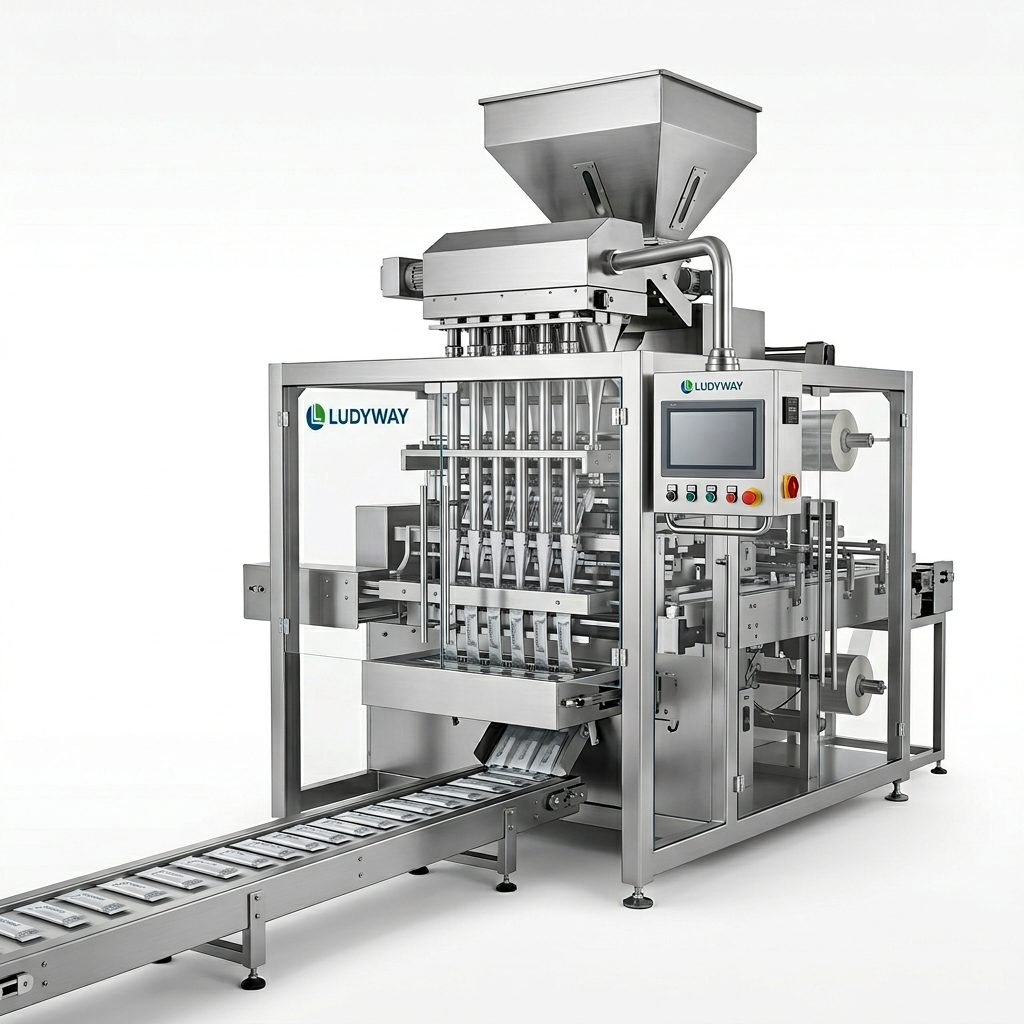
| Multi-lane stick pack machines | Powders, granules, liquids | Stick packs |
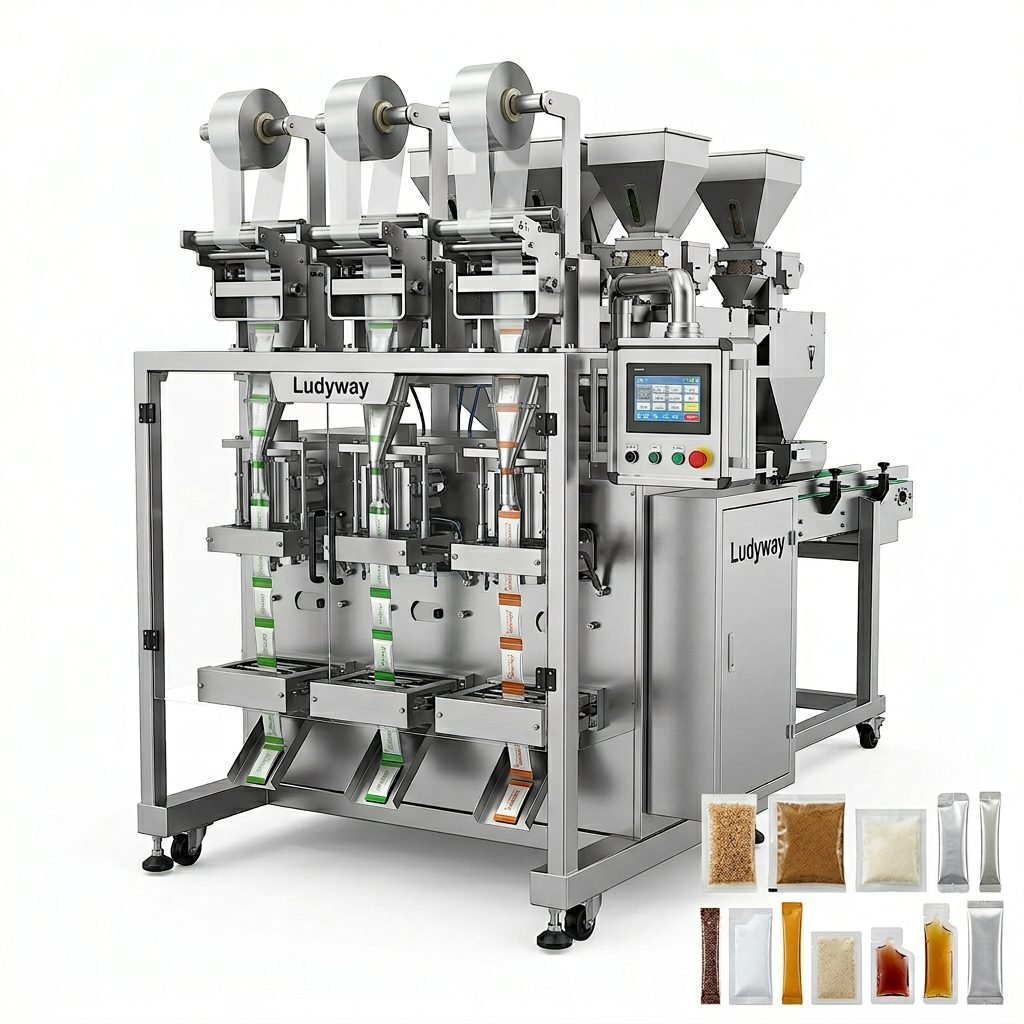
| Sachet packaging machines | Seasonings, supplements, sauces, detergents | 3-side or 4-side seal sachets |
| Vertical form fill seal machines | Snacks, grains, powders, frozen foods | Pillow bags, gusset bags, sachets |
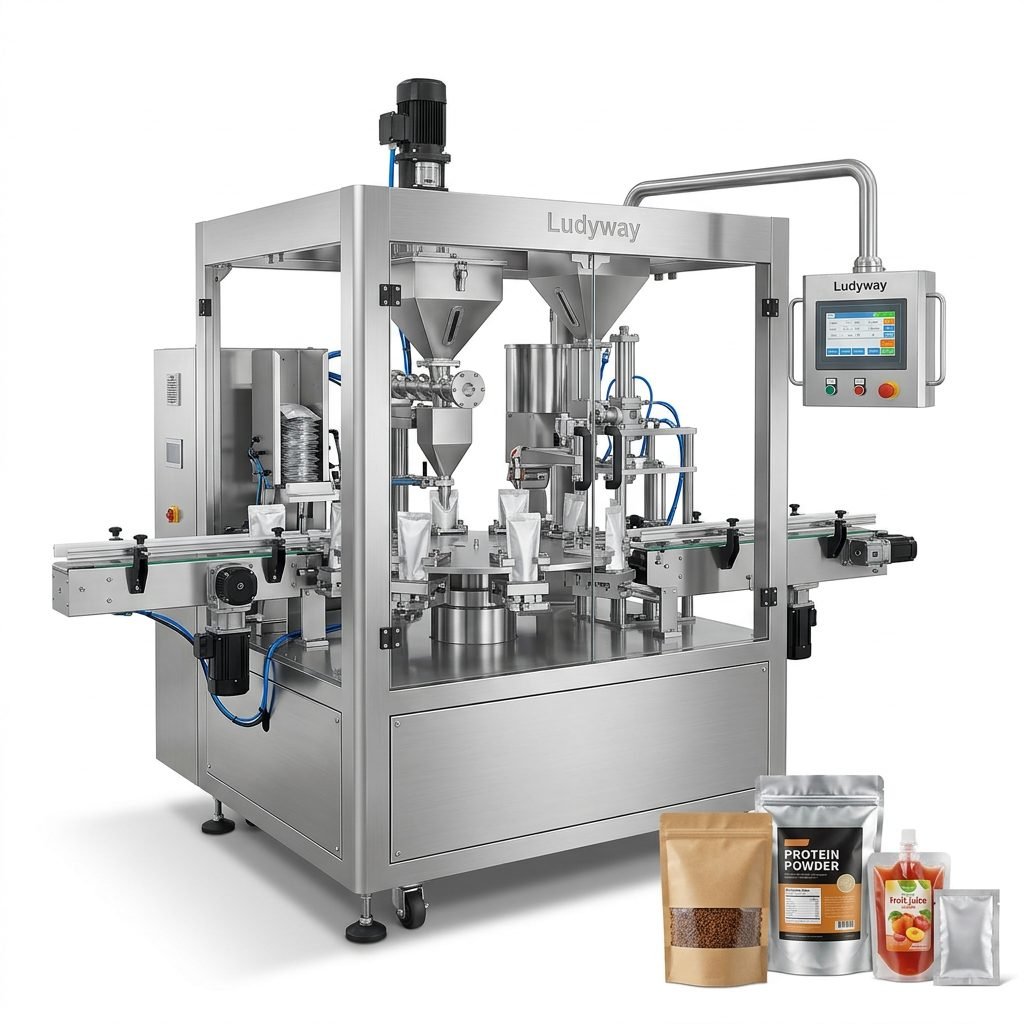
| Premade pouch machines | Powders, granules, liquids, pastes | Stand-up pouches, zipper pouches |
| Bottle filling and capping lines | Liquids, creams, capsules, tablets | Bottles, jars, vials |
| Cartoning and case packing systems | Finished primary packs | Cartons, cases, shipping packs |
Key Features to Look for in a High-Speed Packing Solution
Not all automatic packaging machines deliver the same performance. For efficient, high-speed product packing, buyers should focus on the total operating value of the machine, not just the initial purchase price.
1. Accurate Product Dosing
Precision filling is critical for cost control and compliance. Servo-driven augers, volumetric fillers, piston fillers, and multihead weighers can all be matched to the product type to improve dose consistency.
2. Reliable Sealing Performance
Strong, uniform seals reduce leakage, contamination, and returns. This matters especially for hygroscopic powders, sticky liquids, and pharmaceutical products that require packaging integrity.
3. Fast Changeover
If your factory handles multiple SKUs, rapid changeover between sizes and formats saves valuable production time. Tool-free adjustments and recipe memory help improve flexibility.
4. Integration with Upstream and Downstream Equipment
High-speed results usually come from a complete packaging line, not an isolated machine. Feeders, elevators, checkweighers, metal detectors, coding units, cartoners, and palletizing systems should work together smoothly.
5. Stable Continuous Operation
A fast machine is only valuable if it remains stable over long runs. Components, control systems, frame design, and maintenance accessibility all affect uptime.
6. Smart Control and Monitoring
Modern HMI systems, alarms, production counting, parameter memory, and fault diagnostics make daily operation easier and reduce troubleshooting time.
Industries That Benefit Most from Automatic Packaging Machines
Automatic packaging technology is widely used across sectors where speed, precision, cleanliness, and repeatability are essential.
- Food industry – coffee, sugar, spices, baking mixes, snacks, sauces, cereals, frozen foods
- Pharmaceutical industry – powders, granules, capsules, tablets, oral liquids, medical sachets
- Nutraceuticals and supplements – protein powder, vitamins, probiotics, electrolyte drinks
- Cosmetics and personal care – creams, lotions, serums, shampoos, facial products
- Chemical industry – detergents, cleaners, industrial powders, additives
- Pet food and animal nutrition – pellets, powders, treats, feed additives
How High-Speed Automation Improves ROI
When evaluating packaging equipment, return on investment should include more than output speed alone. A well-designed automatic line can improve profitability in several measurable ways.
| ROI Factor | Business Impact |
|---|---|
| Reduced labor | Lower staffing pressure and less manual intervention |
| Lower material waste | Better control of film, product fill, and reject rates |
| Higher uptime | More saleable output per shift |
| Improved quality consistency | Fewer complaints and stronger customer confidence |
| Scalable production | Supports future expansion without rebuilding the line |
Choosing the Right Machine for Your Product
The best automatic packaging machine is always application-specific. Before selecting equipment, manufacturers should review the following:
- Product form: powder, granule, liquid, paste, tablet, capsule, or pouch item
- Required pack size and packaging style
- Target speed per minute or per hour
- Expected level of automation
- Workshop space and layout limitations
- Industry compliance requirements
- Future SKU expansion and customization needs
For example, a free-flowing powder may work well with a multi-lane stick pack machine, while a chunky or irregular product may require a premade pouch system with a different feeding and dosing configuration. Likewise, pharmaceutical applications may demand stricter cleaning standards, validation support, and more precise process controls than general food applications.
Benefits of Turnkey Packaging Line Integration
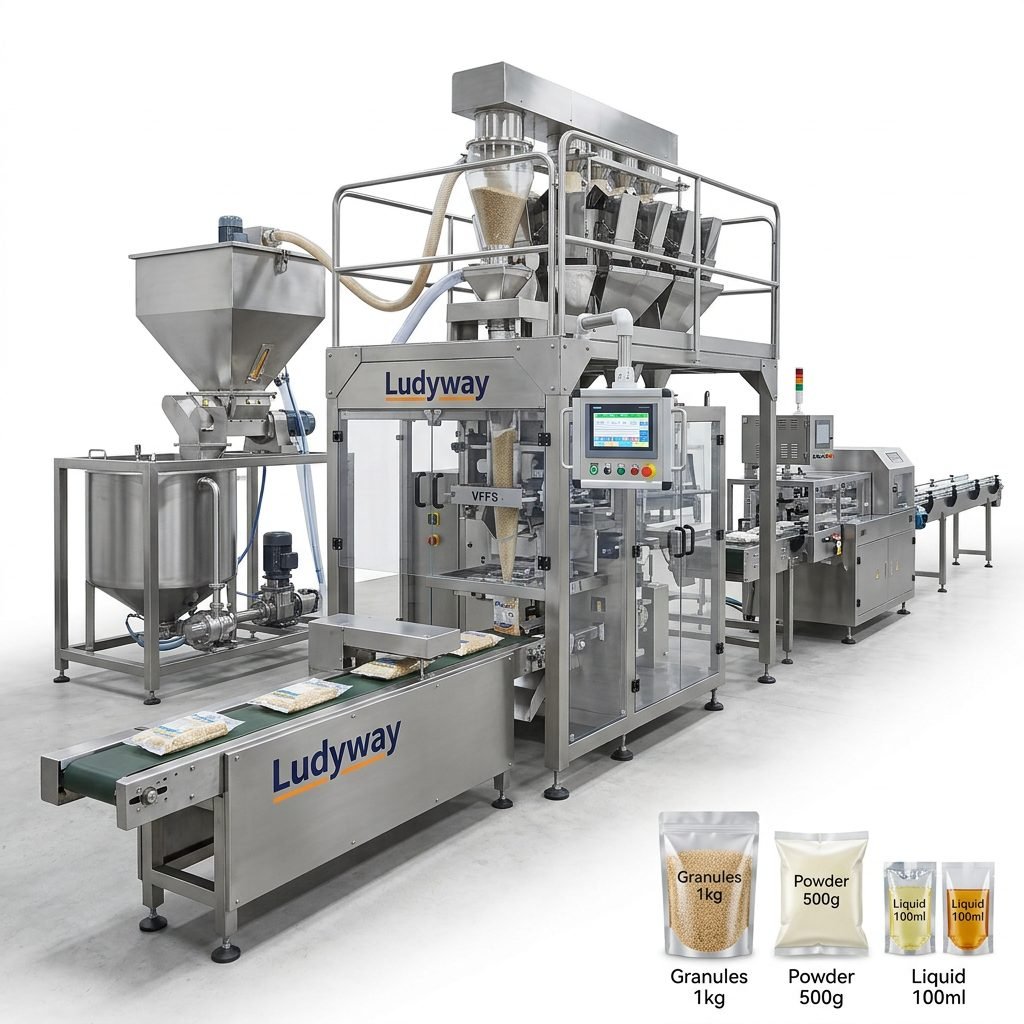
Many manufacturers now prefer complete turnkey systems instead of buying individual machines from multiple sources. A turnkey approach reduces compatibility issues and simplifies project management.
Advantages of integrated packaging lines include:
- Centralized engineering and line planning
- Better synchronization between each machine section
- More efficient installation and commissioning
- Single-source technical support
- Clearer responsibility for line performance
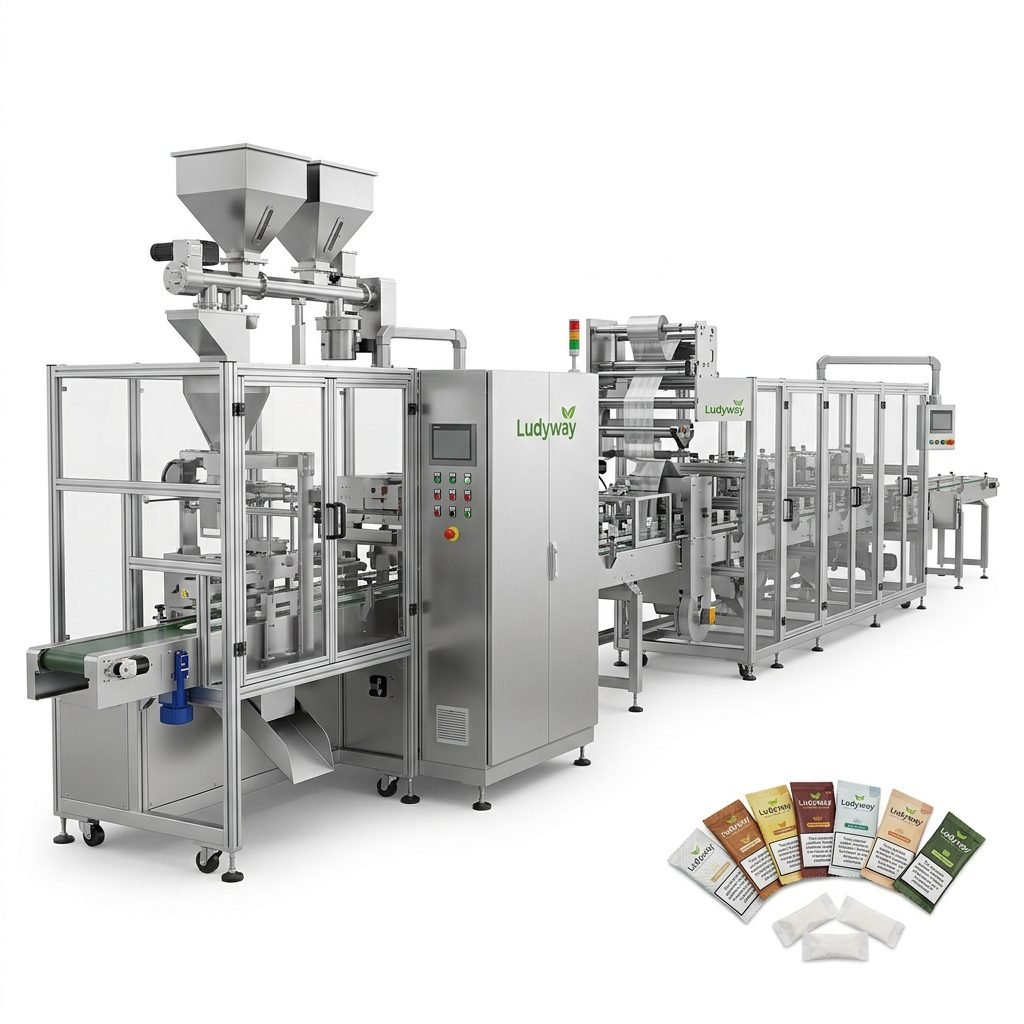
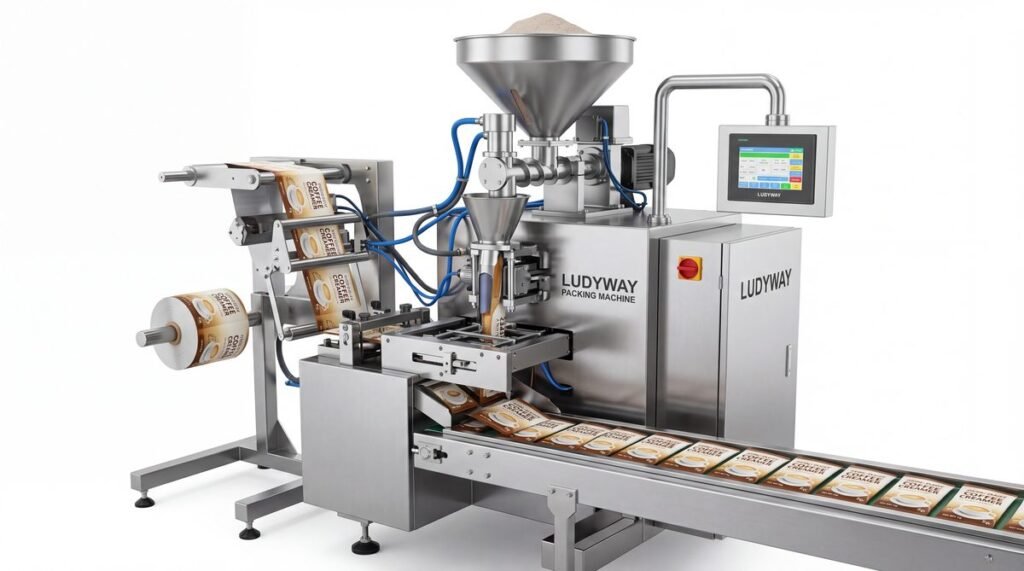
For businesses seeking flexible and scalable automation, Ludyway automatic packaging machines offer solutions ranging from standalone units to fully integrated turnkey packaging lines. As one of China’s leading packaging machinery manufacturers with more than 30 years of experience, the company supports applications across food, pharmaceutical, health supplement, cosmetic, chemical, and related industries.
Maintenance Tips for Long-Term Performance
Even the most advanced automatic packaging machine needs proper care to maintain high-speed efficiency. Preventive maintenance helps avoid unexpected downtime and protects production quality.
- Inspect sealing components regularly
- Clean product-contact parts according to material characteristics
- Check sensors, drives, and pneumatic elements
- Monitor wear parts before failure occurs
- Keep operators trained on setup and troubleshooting
- Maintain stable film and material supply quality
What to Ask Before Buying an Automatic Packaging Machine
To avoid mismatch and underperformance, buyers should ask practical technical questions during the evaluation stage.
- What products has this machine been tested on?
- What is the real production speed under working conditions?
- What filling accuracy can be achieved?
- How long does changeover take?
- Can the system integrate with feeders, checkweighers, and cartoners?
- What customization is available for future product lines?
- What after-sales service and spare parts support are provided?
Final Thoughts on Efficient, High-Speed Product Packing
Automatic packaging machines are no longer optional for manufacturers aiming to stay competitive in fast-moving markets. The right system can deliver higher output, better accuracy, lower operating costs, and stronger packaging consistency. From compact standalone equipment to full turnkey lines, automated packaging helps businesses respond faster to market demand while protecting product quality and operational efficiency.
If your goal is to improve line speed, reduce manual dependence, and build a more reliable packing process, investing in the right automatic packaging solution is a strategic step toward long-term production growth.