In the intricate world of packaging machinery, every component plays a vital role in ensuring smooth, efficient, and reliable operation. Among these, shaft collars are fundamental yet often overlooked mechanical parts. This guide provides a comprehensive overview of packaging machinery shaft collars, exploring their types, critical uses, and essential selection tips to optimize your production line’s performance.
Understanding Shaft Collars: The Unsung Heroes
Shaft collars are simple, ring-shaped devices designed to be mounted onto a shaft. Their primary function is to act as a mechanical stop, locating components axially on a shaft, or to secure elements in place to prevent lateral movement. In the high-speed, repetitive environment of packaging machinery, they provide crucial positioning and safety.
Core Function: To secure bearings, gears, sprockets, and other components in a precise location on a rotating or linear shaft, maintaining alignment and preventing slippage that could lead to downtime or product waste.
Primary Types of Shaft Collars Used in Packaging
Selecting the right type of collar is essential for application success. The main categories are defined by their method of attachment.
Set Screw Collars
These are the most common and economical type. They feature one or two set screws (grub screws) that are tightened against the flat surface of the shaft to secure the collar.
- Pros: Low cost, simple design, easy to install and adjust.
- Cons: Can mar or dent the shaft surface, which may be problematic for precision applications. Holding power is limited by screw torque.
- Best For: General positioning on low-to-medium torque shafts, non-critical applications, or where frequent adjustment is needed.
Clamp-Style Collars
Also known as two-piece collars, these consist of two halves that are drawn together by socket head cap screws. They exert a uniform 360-degree clamping force around the shaft.
- Pros: Excellent holding power without damaging the shaft. No marring, ideal for precision ground shafts. More reliable under high vibration or torque reversal.
- Cons: Higher cost than set screw types, slightly more complex installation.
- Best For: High-performance applications, precision shafts, high-vibration environments (common in filling and capping stations), and when shaft integrity must be preserved.
Threaded Collars
These collars have internal or external threads and are used in conjunction with threaded shafts or to secure components that require a threaded connection.
- Application: Often found in adjustment mechanisms for guide rails, tensioning systems, or in lead screw assemblies within packaging machines.
Critical Uses in Packaging Machinery Operations
Shaft collars are ubiquitous in packaging systems. Their roles are diverse and critical to machine function.
Component Positioning and Alignment
They act as positive stops for bearings within pillow blocks, ensuring gears and sprockets remain in precise meshing alignment. This is vital for timing in form-fill-seal machines where film feed must be synchronized with filling and sealing jaws.
Safety and Damage Prevention
Collars are used as limit stops on linear shafts and lead screws to prevent carriages or actuators from traveling beyond their intended range, which could crash into end frames and cause catastrophic damage.
Assembly and Maintenance Aids
They simplify machine assembly by providing fixed reference points. During maintenance, they allow for quick repositioning of components after a shaft or bearing is serviced, reducing machine recalibration time.
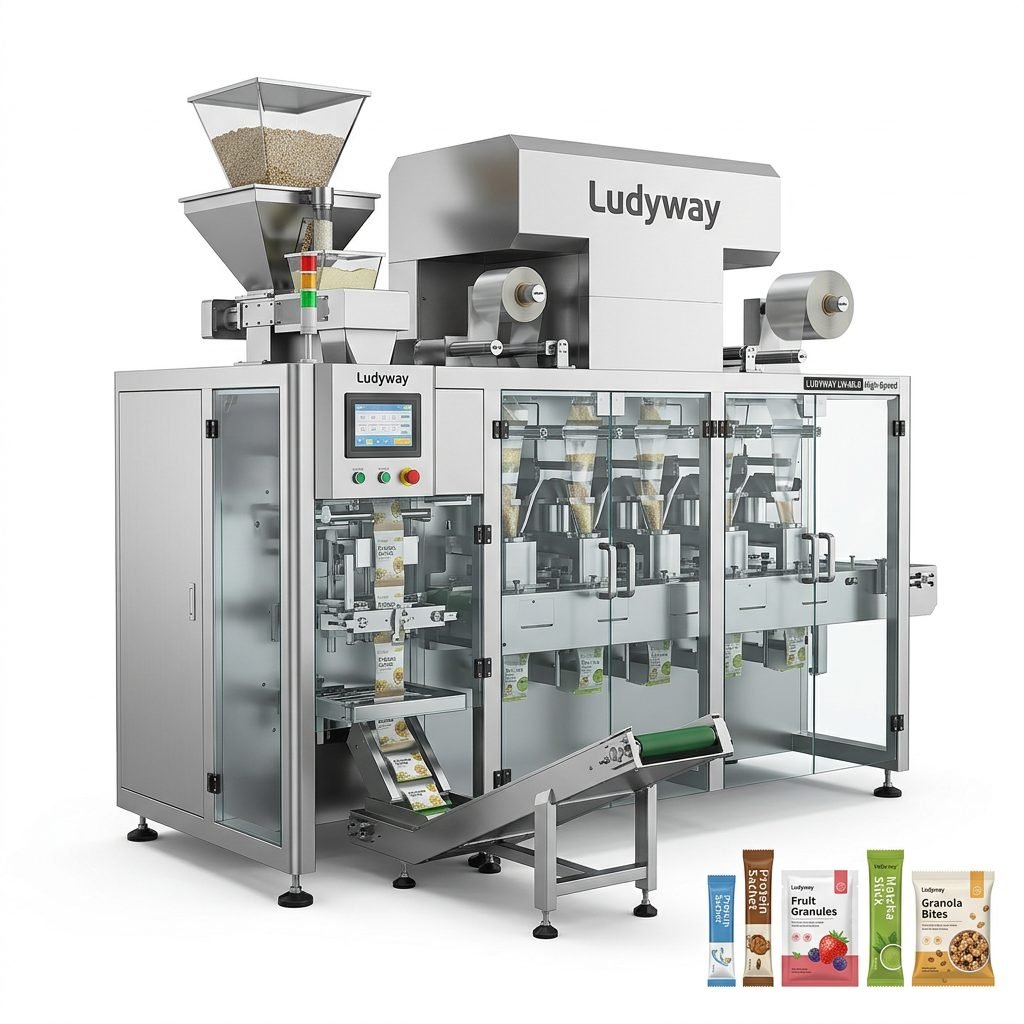
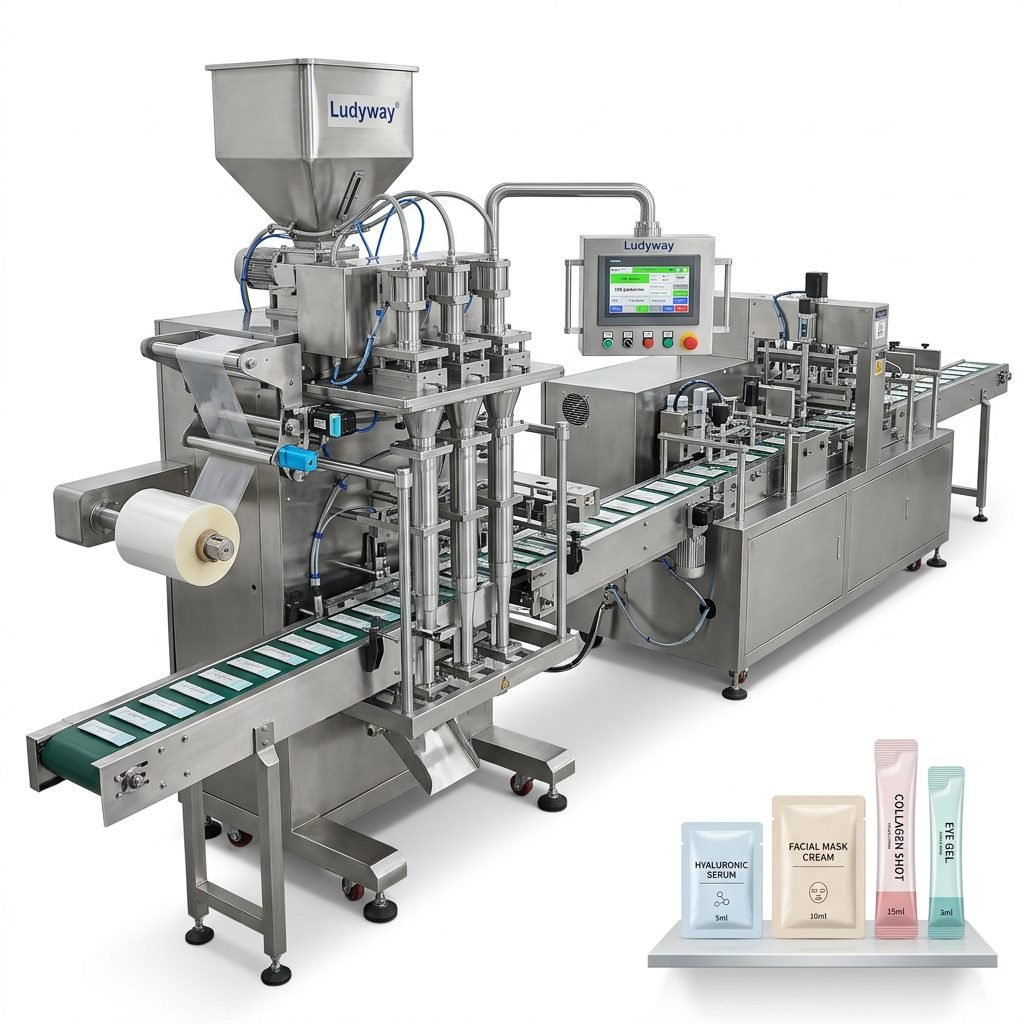
💡 Pro Tip: In high-speed sachet or stick pack machines, using clamp-style collars on drive shafts can significantly reduce maintenance-induced misalignment, leading to more consistent seal quality and fewer film breaks.
Selection Guide: Choosing the Right Shaft Collar
Making the correct choice involves evaluating several key factors related to your machine and process.
1. Assess the Application Load and Forces
Consider the axial and torsional loads the collar must withstand. High-torque drive shafts or components subject to sudden shock loads (like a cartoner indexer) require the superior holding force of a clamp-style collar. For light-duty positioning, a set screw collar may suffice.
2. Evaluate Shaft Type and Material
Is the shaft hardened, precision-ground, or coated? To protect valuable shaft finishes from damage, a clamp-style collar is mandatory. For standard mild steel shafts, a set screw collar is acceptable but may create wear points over time.
3. Consider Operational Environment
Packaging environments can be harsh. Factors include:
- Vibration: Filling, capping, and palletizing stations generate vibration. Clamp collars resist loosening better than set screws.
- Washdowns: In food or pharmaceutical packaging, equipment may be cleaned with water or chemicals. Choose stainless steel collars (e.g., 303 or 316 SS) with appropriate sealing if necessary.
- Temperature Cycles: Thermal expansion can affect fit. Clamp collars often handle thermal cycling more effectively.
4. Determine Required Precision and Adjustability
If the component location requires micron-level precision or needs to be frequently adjusted for different package sizes, the collar’s design and ease of adjustment become paramount. A split clamp collar allows for precise, damage-free repositioning.
5. Material Selection for the Collar
- Black Oxide Steel: General purpose, economical, offers some corrosion resistance.
- Stainless Steel: Essential for corrosion resistance in food, pharmaceutical, or humid environments. Provides high strength.
- Aluminum: Lightweight, good for high-speed components where reducing rotational mass is beneficial. Naturally corrosion-resistant.
- Plastic (Nylon, Acetal): Used in non-magnetic, electrically insulating, or very low-load applications. They won’t mar shafts.
Installation and Maintenance Best Practices
Proper handling ensures longevity and reliability.
Installation
- Always clean the shaft and collar bore before installation to prevent debris from affecting the grip.
- For set screw collars: Tighten the screw(s) to the recommended torque using a proper hex key. Avoid over-tightening, which can strip the socket.
- For clamp collars: Tighten the screws evenly in a crisscross pattern to ensure uniform clamping pressure around the shaft.
Maintenance
Include shaft collars in your routine machine inspection. Check for loose set screws or clamping bolts, especially after a period of initial run-in. Look for signs of fretting or movement on the shaft. Re-torque as specified by the manufacturer.
Common Questions (FAQs)
Q1: Can I replace a set screw collar with a clamp-style collar on my existing machine?
A: Yes, in most cases, this is a direct upgrade. Ensure the bore diameter and width are identical. The clamp collar will provide better holding power and protect your shaft.
Q2: How do I prevent shaft collars from loosening due to vibration?
A: For set screw collars, use a thread-locking adhesive on the screw threads. For both types, ensure proper installation torque. Clamp-style collars are inherently more vibration-resistant due to their design and larger fasteners.
Q3: What material should I choose for a packaging machine in a food production area?
A: Stainless steel (Type 316 is ideal) is the standard. It provides excellent corrosion resistance against cleaning agents, prevents contamination, and meets hygiene standards.
Q4: My collar keeps slipping on a smooth, hardened shaft. What should I do?
A: A set screw is likely the culprit, as it cannot bite into a hardened surface. Switch to a clamp-style collar, which relies on friction from uniform clamping force rather than deforming the shaft.
Q5: Are there specialty collars for unique packaging applications?
A: Yes. Manufacturers offer safety-lock collars with integrated locking elements, knurled collars for hand-adjustable applications, and even custom-designed collars for specific OEM machinery needs where standard sizes are insufficient.