For food processors, meat suppliers, seafood brands, central kitchens, and frozen-product businesses, a double chamber vacuum packing machine can be a smart investment when you need higher output, longer shelf life, and more consistent sealing. But price differences in the market can be significant. Some models seem affordable at first, while others cost more but deliver better long-term value.
In this guide, you’ll learn what affects pricing, what specifications matter most, and how to choose the best-value machine for your production goals without overpaying.

What Is a Double Chamber Vacuum Packing Machine?
A double chamber vacuum packing machine is a vacuum sealer with two working chambers and a movable lid or alternating process design. While one chamber is sealing, the operator can prepare the next batch in the other chamber. This improves packing efficiency and reduces waiting time.
These machines are widely used for:
- Fresh and frozen meat
- Seafood and fish products
- Prepared meals
- Cheese and dairy products
- Pickled foods
- Medical and industrial products requiring vacuum packaging
Typical Double Chamber Vacuum Packing Machine Price Range
The price depends on pump size, chamber dimensions, sealing length, construction quality, automation level, and customization. In general, buyers can expect the following market ranges:
| Machine Type | Typical Price Range | Suitable For |
|---|---|---|
| Entry-level double chamber model | US$2,500–US$5,000 | Small factories, startups, low-to-medium output |
| Mid-range industrial model | US$5,000–US$9,000 | Food processors, medium-volume operations |
| Heavy-duty high-capacity model | US$9,000–US$18,000+ | Large factories, export-oriented plants, continuous production |
Important: the lowest quote is not always the best deal. A cheaper machine may have a weaker vacuum pump, lower-grade stainless steel, shorter service life, or limited after-sales support.
Key Factors That Affect the Price
1. Vacuum Pump Brand and Capacity
The vacuum pump is one of the most important cost drivers. Higher-capacity pumps evacuate air faster and achieve more stable vacuum levels. Well-known pump brands or oil-lubricated industrial pumps usually increase the price, but they also improve performance and lifespan.
- Small pump = lower price, slower cycle
- Large pump = higher price, faster production
- Premium pump brand = higher upfront cost, often lower maintenance risk
2. Chamber Size
Larger chambers allow bigger bags or more products per cycle. If you pack large cuts of meat, seafood trays, or bulk products, bigger chamber dimensions may be necessary. More stainless steel material and stronger structural support naturally raise the machine price.
3. Sealing Bar Length and Quantity
Machines with longer sealing bars or multiple sealing bars can process more bags at one time. This improves efficiency, but also increases cost. For many businesses, paying more for higher output per cycle is worthwhile.
4. Material Grade and Build Quality
Industrial buyers should pay close attention to frame construction, chamber thickness, lid durability, and stainless steel grade. Food factories usually prefer durable stainless steel designs for hygiene and corrosion resistance, especially in wet or cold processing environments.
5. Control System and Features
Basic machines may offer simple timer-based controls. More advanced versions can include:
- Digital vacuum and sealing settings
- Soft air return
- Gas flushing or modified atmosphere options
- Error alarms
- Memory programs for different products
These features increase cost, but they can improve consistency and reduce operator mistakes.
6. Product Type and Application
Different industries need different configurations. Packing dry products is not the same as vacuum packing marinated meat, liquids, or delicate items. If your machine needs custom chamber depth, special sealing setup, or liquid-control design, the price will rise accordingly.
7. Voltage, Certification, and Export Requirements
For international buyers, machine pricing may also change based on local electrical standards, certification requirements, and destination market compliance. CE-related configurations, upgraded electrical components, and export packaging can all affect total cost.
How to Judge Value, Not Just Price
When comparing suppliers, focus on cost-performance ratio instead of unit price alone. A machine that saves labor, shortens cycle time, and reduces seal failure may generate better returns than a lower-priced alternative.
| Evaluation Point | Why It Matters | Value Impact |
|---|---|---|
| Cycle time | Faster packaging increases throughput | High |
| Seal quality | Reduces leakage and product loss | High |
| Pump durability | Impacts maintenance and uptime | High |
| Ease of cleaning | Important for food hygiene | Medium to High |
| Spare parts support | Improves long-term reliability | High |
| Customization capability | Fits your product and bag size better | Medium to High |
Best Choice by Business Type
Small Food Workshops or New Brands
If you are just entering the market, choose a compact double chamber machine with stable sealing quality and standard pump configuration. Avoid oversized models that increase your initial investment without matching production demand.
Medium-Sized Food Processing Plants
A mid-range industrial vacuum packer is usually the best balance. Look for a larger chamber, better pump, and programmable controls. This level often provides the best overall value for growing businesses.
Large Factories and Export Suppliers
For high-output operations, prioritize speed, consistency, and machine durability. A heavy-duty model may cost more upfront, but the labor savings and stable production can justify the investment quickly.
Questions to Ask Before Requesting a Quote
To get an accurate double chamber vacuum packing machine price, prepare the following details for the supplier:
- What product are you packing?
- What is the product size and weight?
- What bag dimensions do you use?
- How many packs per hour do you need?
- Do you pack dry, wet, oily, or liquid-containing products?
- What voltage and plug standard are required?
- Do you need gas flushing, customization, or special certification?
Providing these details helps you receive a quote that matches your actual application rather than a generic price.
Common Mistakes Buyers Make
- Choosing the cheapest machine without checking pump quality
- Ignoring chamber size and bag compatibility
- Overlooking service, spare parts, and technical support
- Buying excessive capacity that is unnecessary for current output
- Failing to ask about consumables and maintenance costs
Should You Buy from a China Manufacturer?
For many international buyers, sourcing from China offers a strong balance of price and manufacturing capability. The key is to work with a supplier that has real production experience, export knowledge, and customization ability.
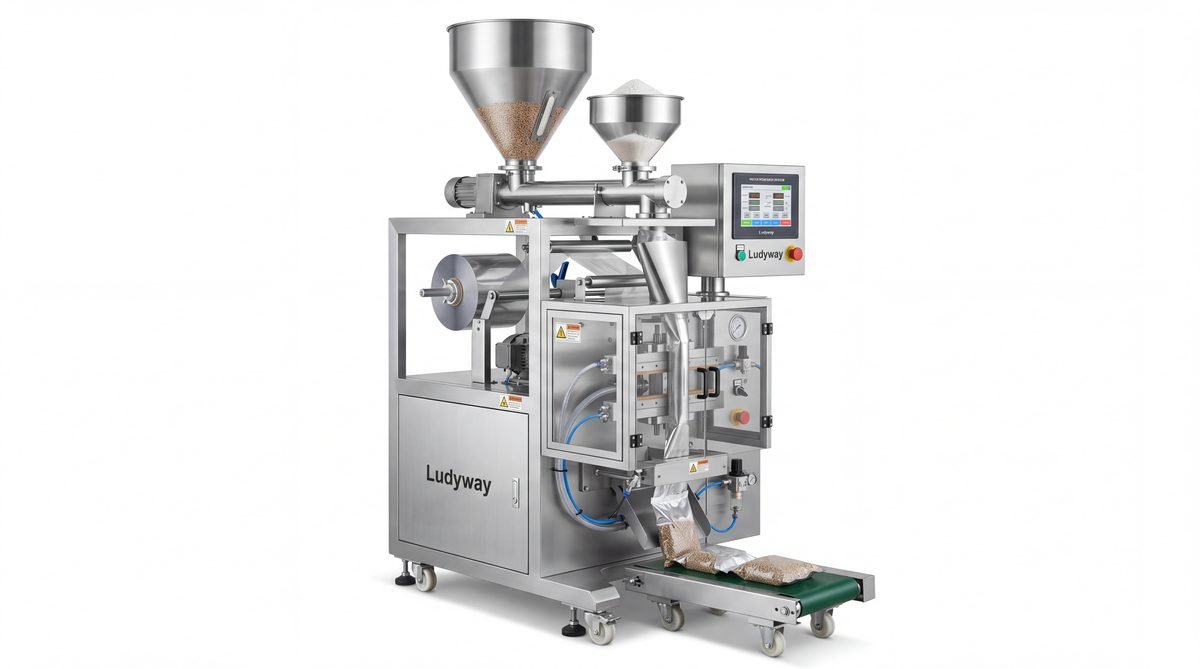
One example is Ludyway double chamber vacuum packing machine solutions, backed by more than 30 years of packaging machinery experience, a factory of over 20,000 square meters, and broad experience serving global markets in food, pharmaceutical, and related industries.
How to Choose the Best Value Machine
Use this simple decision framework:
- Step 1: Define your real output target per hour
- Step 2: Match chamber size and sealing length to your bag format
- Step 3: Compare pump quality, not just machine appearance
- Step 4: Review after-sales service and spare parts availability
- Step 5: Calculate long-term operating value, not only purchase price
If your business is growing steadily, a mid-to-high configuration machine often gives the best return because it avoids premature replacement and supports future production expansion.
Final Buying Insight
The right double chamber vacuum packing machine price is not simply the lowest one on the market. The best value comes from a machine that fits your product, meets your output requirements, delivers consistent seals, and remains reliable over time.
Before making a final decision, compare suppliers carefully, request detailed specifications, and ask for recommendations based on your exact packaging application. That approach will help you invest in a solution that supports productivity, product quality, and long-term business growth.