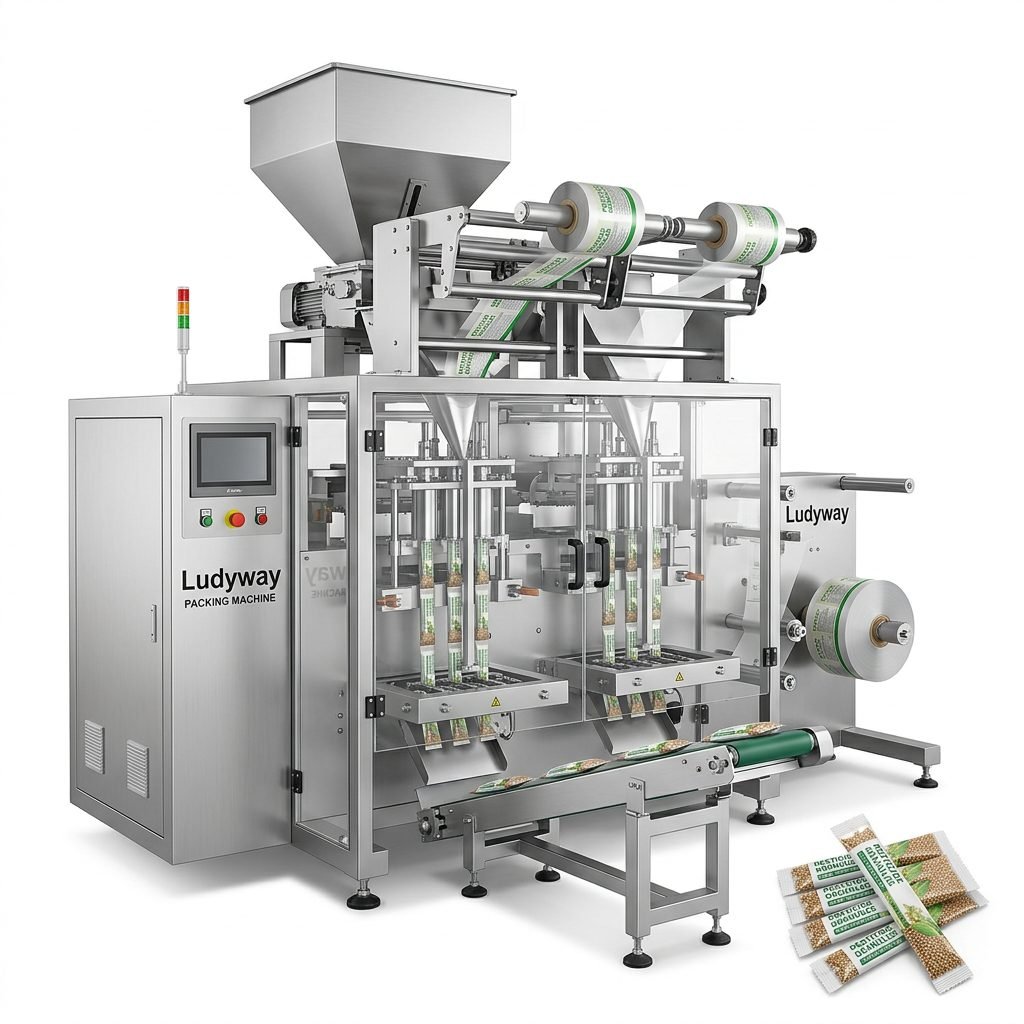
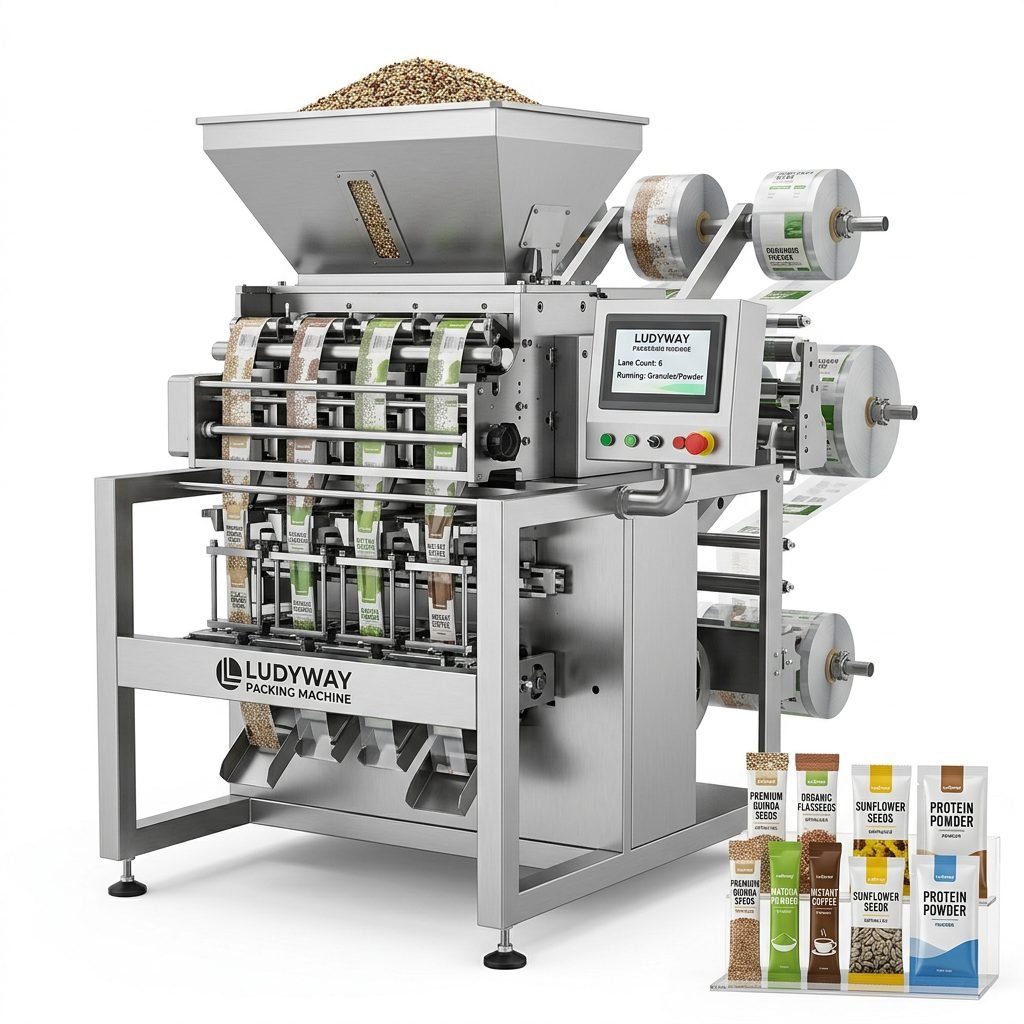
Selecting the right gift packaging machine is a critical decision for businesses looking to enhance product presentation, improve operational efficiency, and meet consumer expectations for beautifully packaged goods. Whether you are packaging chocolates, cosmetics, small electronics, or premium food items, the right equipment can transform your production line. This comprehensive guide will walk you through the different types of gift packaging machines, their key features, and a step-by-step process to help you choose the perfect one for your specific needs.
Understanding the Different Types of Gift Packaging Machines
The market offers a variety of packaging machines, each designed for specific formats and materials. Understanding these types is the first step in making an informed choice.
Vertical Form-Fill-Seal (VFFS) Machines
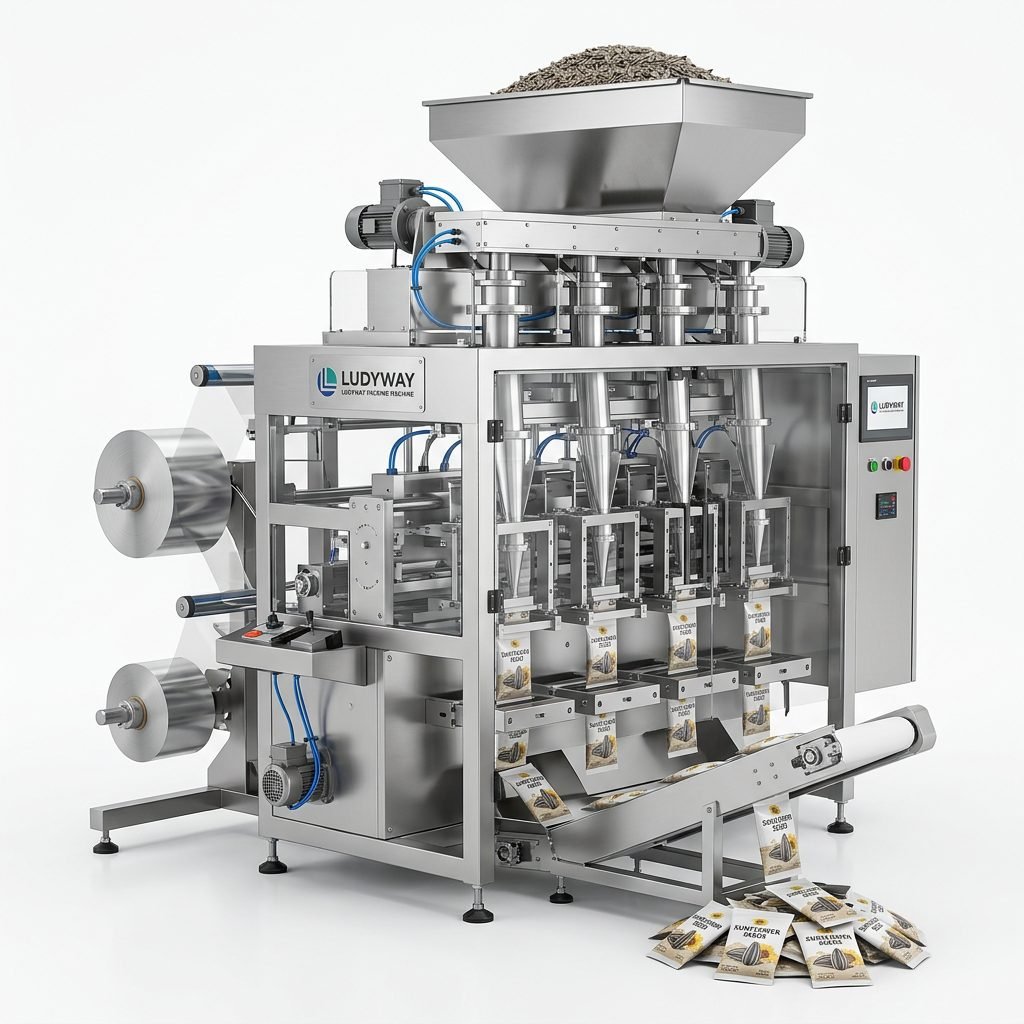
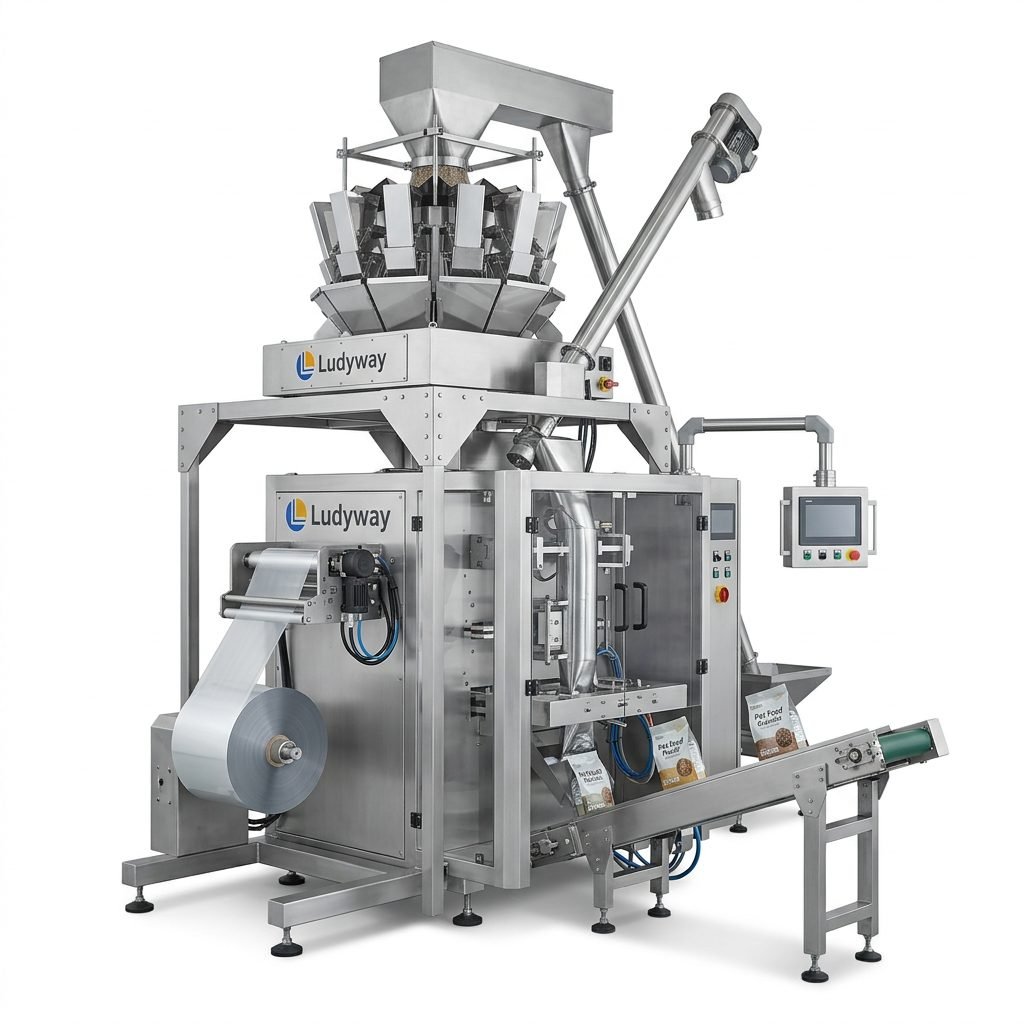
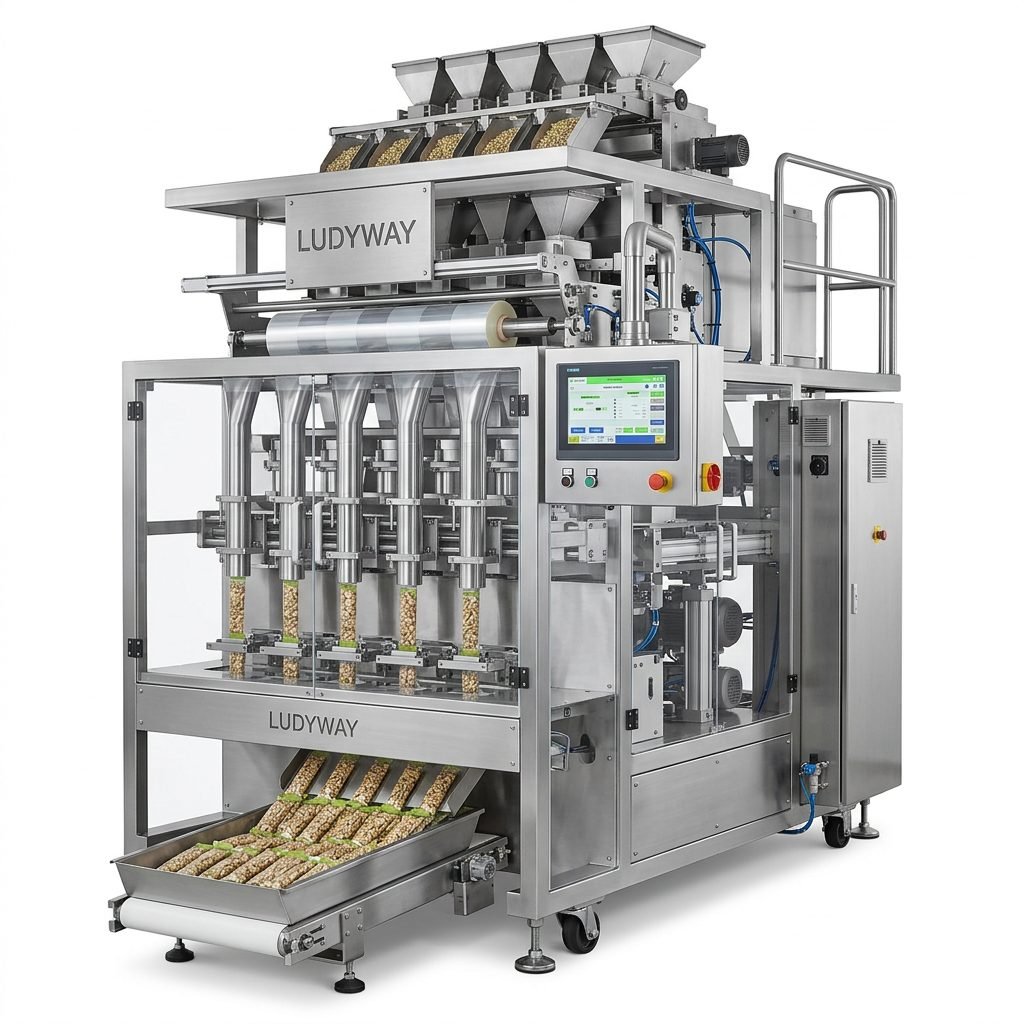
These are highly versatile and common machines. They form a bag from a roll of film, fill it with your product, and then seal it. They are excellent for packaging loose items like candies, nuts, or small toys into pillow bags or gusseted bags, which can then be placed inside a gift box.
Horizontal Flow Wrappers
Ideal for wrapping already formed or solid products like chocolate bars, soap bars, or small boxes. The product is placed on a continuous sheet of film, which is then folded around it and sealed at the ends and back. This creates a sleek, professional finish perfect for retail gift items.
Shrink Wrapping Machines
These machines use a loose sleeve or bag of shrink film placed around a product or a group of products (like a gift basket). Heat is then applied, causing the film to shrink tightly around the contents, creating a clear, tight, and protective seal that showcases the product inside.
Cartoning Machines
For businesses that use rigid gift boxes, cartoning machines automate the process of erecting, loading, and closing cartons. They can handle a wide range of box sizes and styles, significantly speeding up the process of placing your packaged product into its final gift-ready box.
Bundling Machines
These are used to group multiple individual items together into a single multi-pack, which is often desirable for gift sets. For example, bundling several small bottles of perfume or packets of gourmet coffee into one saleable unit.
Key Features to Evaluate in a Gift Packaging Machine
Beyond the basic type, several features determine a machine’s suitability, efficiency, and return on investment.
Production Speed and Output
Measured in packs per minute (PPM), this must align with your current and projected production volume. A mismatch can lead to bottlenecks or underutilized capital.
Flexibility and Changeover
Can the machine handle different product sizes and packaging materials with minimal downtime for adjustments? Quick-change features are vital for businesses with diverse product lines or seasonal gift offerings.
Packaging Material Compatibility
The machine must be compatible with the films, laminates, or papers you plan to use. Consider barrier properties for food safety, print quality for branding, and the material’s behavior during forming and sealing.
Automation and Integration Level
From semi-automatic to fully automated systems with robotic loaders and integrated checkweighers. Higher automation reduces labor costs and increases consistency but requires a larger initial investment.
Seal Integrity and Quality
Consistent, strong, and aesthetically pleasing seals are non-negotiable for gift packaging. Look for machines with precise temperature control and sealing mechanisms.
Ease of Operation and Maintenance
User-friendly interfaces, clear diagnostics, and accessible components for cleaning and maintenance reduce operational headaches and ensure long-term reliability.
How to Choose the Right Gift Packaging Machine: A Step-by-Step Guide
Follow this structured approach to narrow down your options and make a confident purchase decision.
Step 1: Define Your Product and Packaging Requirements
Start with the basics. What are you packaging? (Size, shape, weight, fragility). What is your desired final package? (Bag, flow wrap, shrink wrap, boxed). What material do you want to use? Answering these questions will immediately filter out unsuitable machine types.
Step 2: Analyze Your Production Volume and Goals
Calculate your average and peak daily output needs. Be realistic about future growth. This will guide you toward the necessary speed (PPM) and help decide between semi-automatic and fully automatic systems. Investing in a slightly higher capacity than your current need can be a wise strategy for growth.
Step 3: Set a Realistic Budget
Consider the Total Cost of Ownership (TCO), not just the purchase price. Factor in installation, training, maintenance, spare parts, and the cost of packaging materials. A more expensive, robust machine with lower operating costs may offer better value over time.
Step 4: Research and Shortlist Reputable Suppliers
Look for manufacturers or brands with a proven track record in gift or similar packaging. Ludyway Packing Machine, for instance, brings over a decade of specialized experience in providing tailored packaging solutions. Evaluate their industry experience, range of models, and customer support reputation.
Step 5: Request Demos and Ask for References
Never buy based on specifications alone. Request a live or video demonstration using a product and material similar to yours. Ask the supplier for contact information of current customers with similar applications and speak to them about their experience with the machine’s performance and the supplier’s service.
Step 6: Evaluate After-Sales Support and Service
The relationship with your supplier begins after purchase. Ensure they offer comprehensive support: installation supervision, operator training, readily available spare parts, and responsive technical service. A reliable partner like Ludyway emphasizes long-term cooperation and support, which is crucial for minimizing downtime.
Step 7: Consider Future-Proofing and Scalability
Choose a machine that can adapt. Can it handle potential new product sizes? Is the control system upgradable? Can it be integrated into a larger automated line in the future? Opting for modular or scalable solutions from innovative providers protects your investment.
Benefits of Automating Your Gift Packaging Process
Investing in a dedicated machine offers tangible returns beyond just wrapping products.
Consistent, High-Quality Presentation: Machines eliminate human error, ensuring every gift package has perfect seals, alignment, and tightness, enhancing brand perception.
Significant Increase in Productivity: Automation can package hundreds or thousands of units per hour, far surpassing manual methods, allowing you to scale operations efficiently.
Reduction in Labor Costs and Material Waste: Automated systems use materials more precisely and require less manual intervention, leading to direct cost savings.
Improved Hygiene and Safety: For food, cosmetic, or pharmaceutical gifts, automated handling minimizes product contact, improving hygiene and meeting strict safety standards.
Enhanced Operational Flexibility: Modern machines allow for quick changeovers between different products or seasonal packaging designs, letting you respond swiftly to market demands.
Frequently Asked Questions (FAQs)
What is the typical price range for a gift packaging machine?
Prices vary widely based on type, speed, and automation. Semi-automatic machines can start from a few thousand dollars, while high-speed, fully integrated automatic lines can cost hundreds of thousands. Defining your specific requirements is key to getting an accurate quote from suppliers like Ludyway Machinery.
Can one machine handle multiple different gift box sizes?
Yes, many cartoning and horizontal wrapping machines are designed with quick-change features. You can often switch between different size products by changing mechanical parts (like forming boxes or pushers) or simply inputting new parameters into the machine’s control panel, with changeover times ranging from minutes to an hour.
How important is after-sales service when purchasing this equipment?
Extremely important. Packaging machines are precision mechanical devices that require maintenance and occasional troubleshooting. A supplier with strong after-sales support ensures you have access to genuine spare parts, expert technical assistance, and operator training, which maximizes your machine’s uptime and lifespan.
What packaging materials work best with automated gift wrappers?
It depends on the machine type. Common materials include polypropylene (OPP, BOPP), polyethylene (PE), polyester, and laminates for bags and flow wraps; PVC, POF, or PE for shrink wraps; and various coated papers or cardstocks for cartons. Your machine supplier can recommend the best material for your product and machine combination.
How do I ensure the machine will work with my specific, fragile product?
This is where product testing is critical. Reputable suppliers will offer to test your actual product on their equipment before purchase. You should observe how the product is handled, transferred, and wrapped during the demo to ensure no damage occurs. Customizable handling mechanisms (soft belts, gentle pushers) are often available for delicate items.