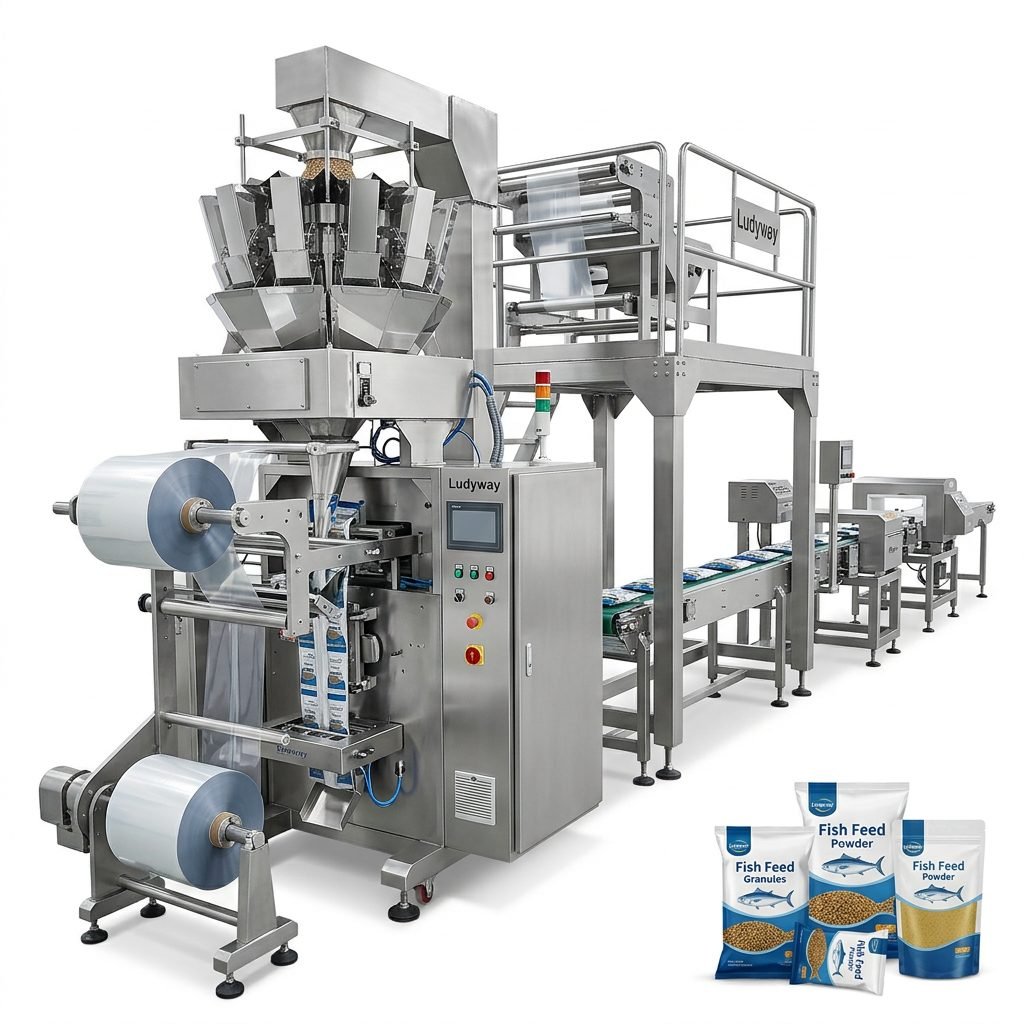
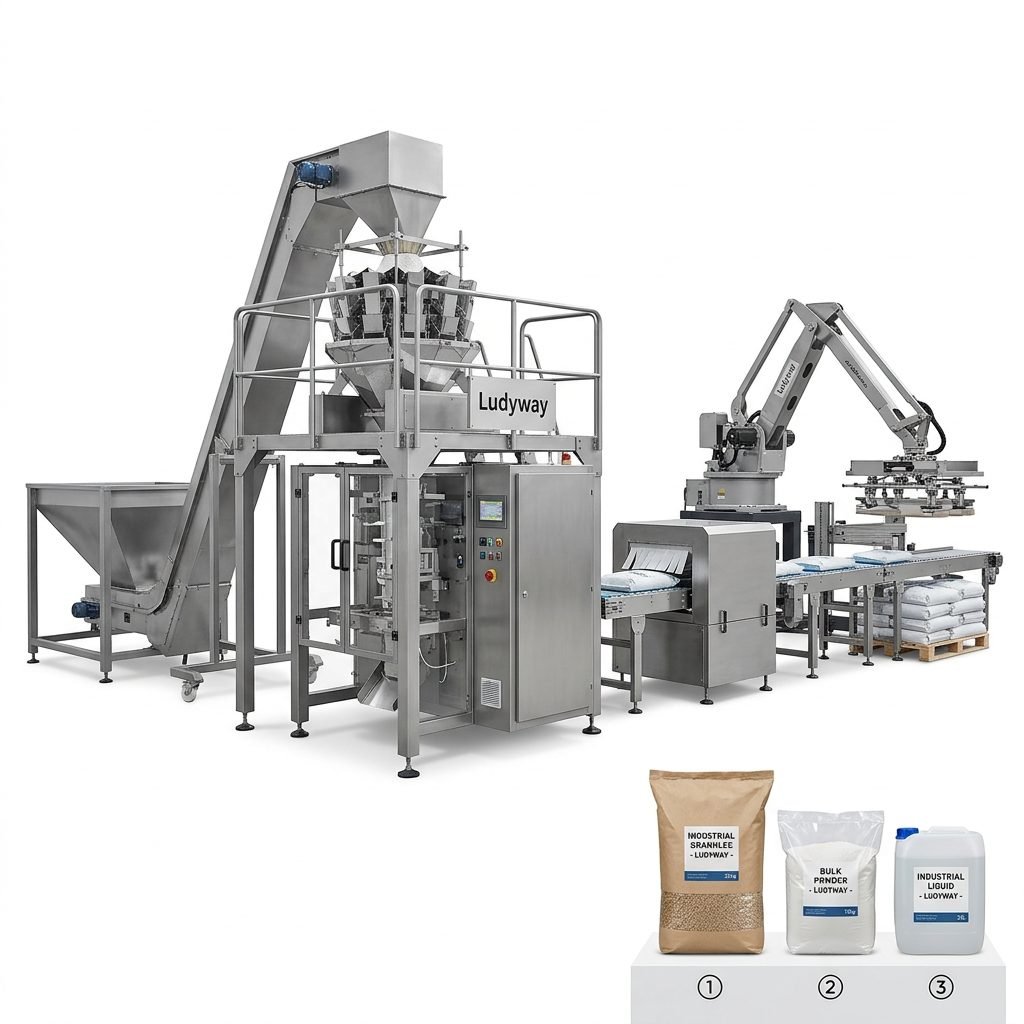
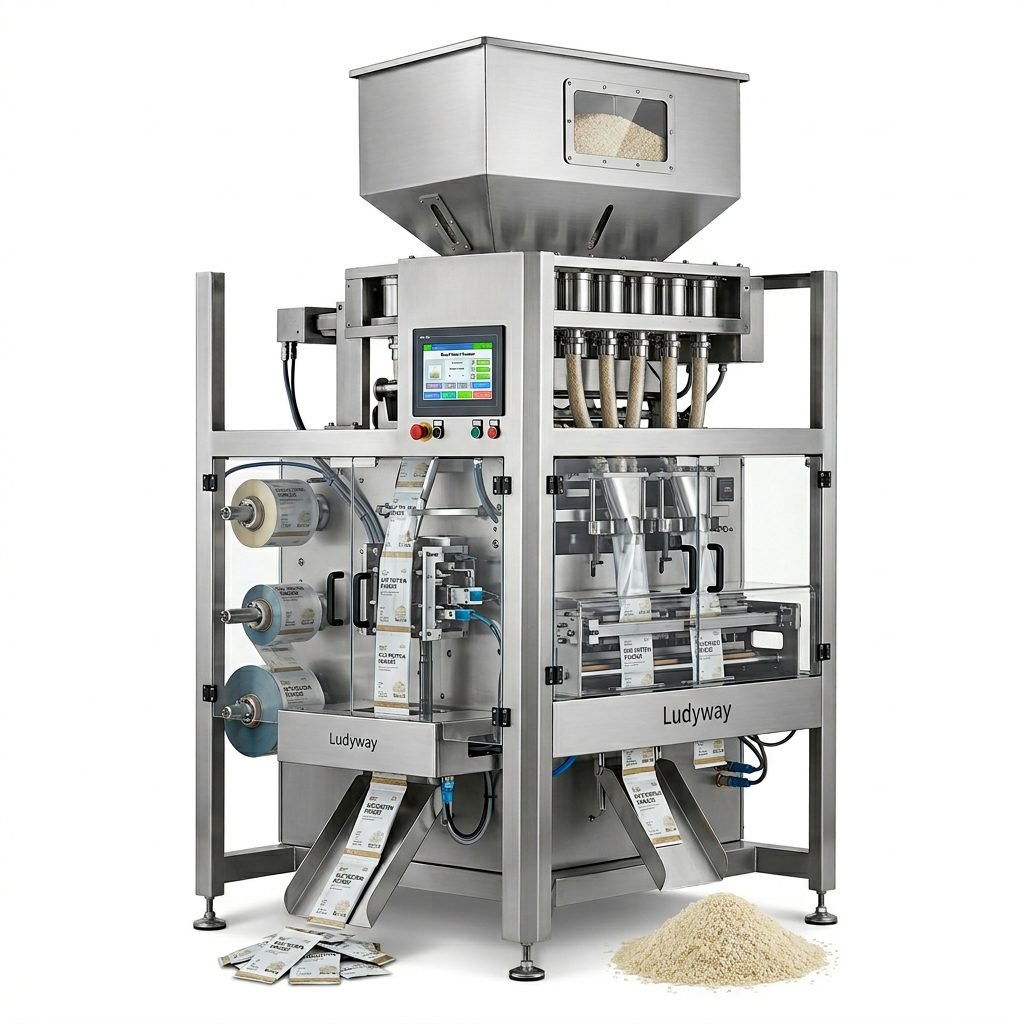
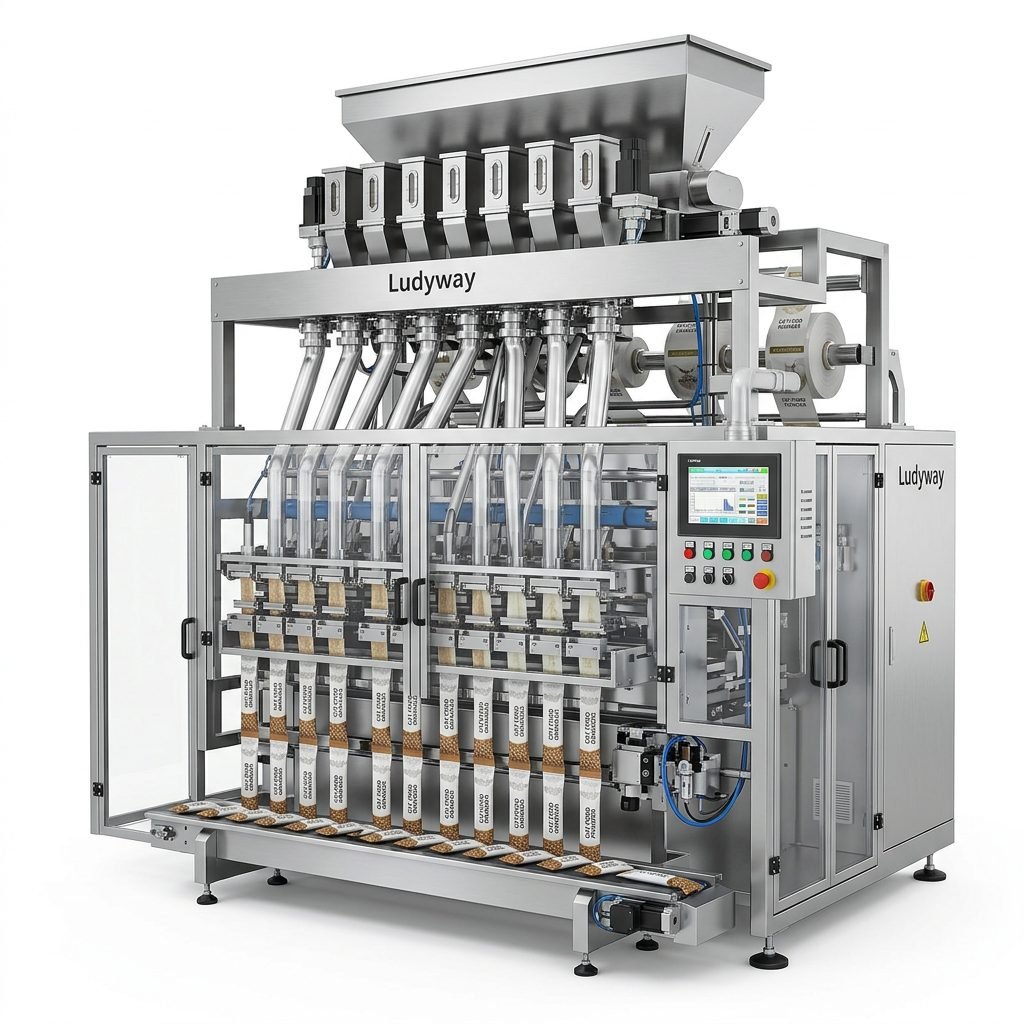
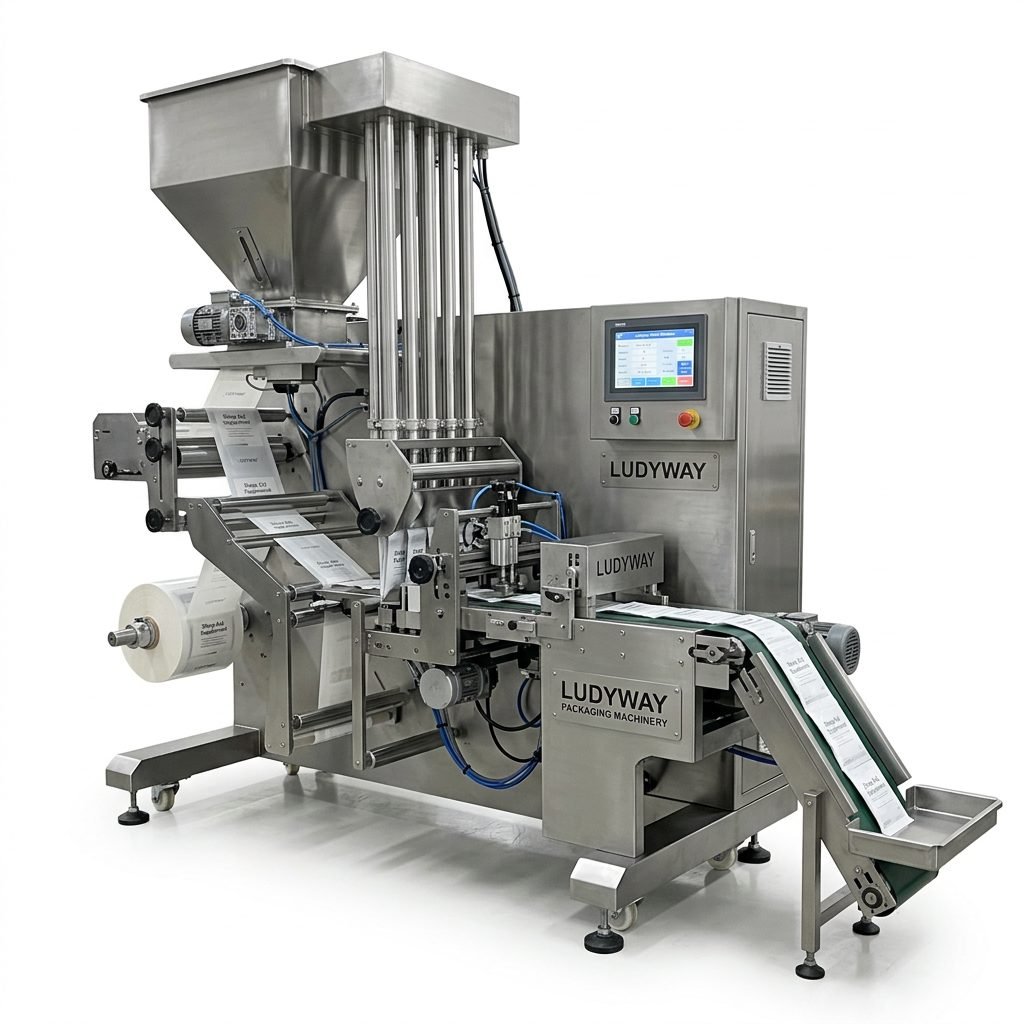
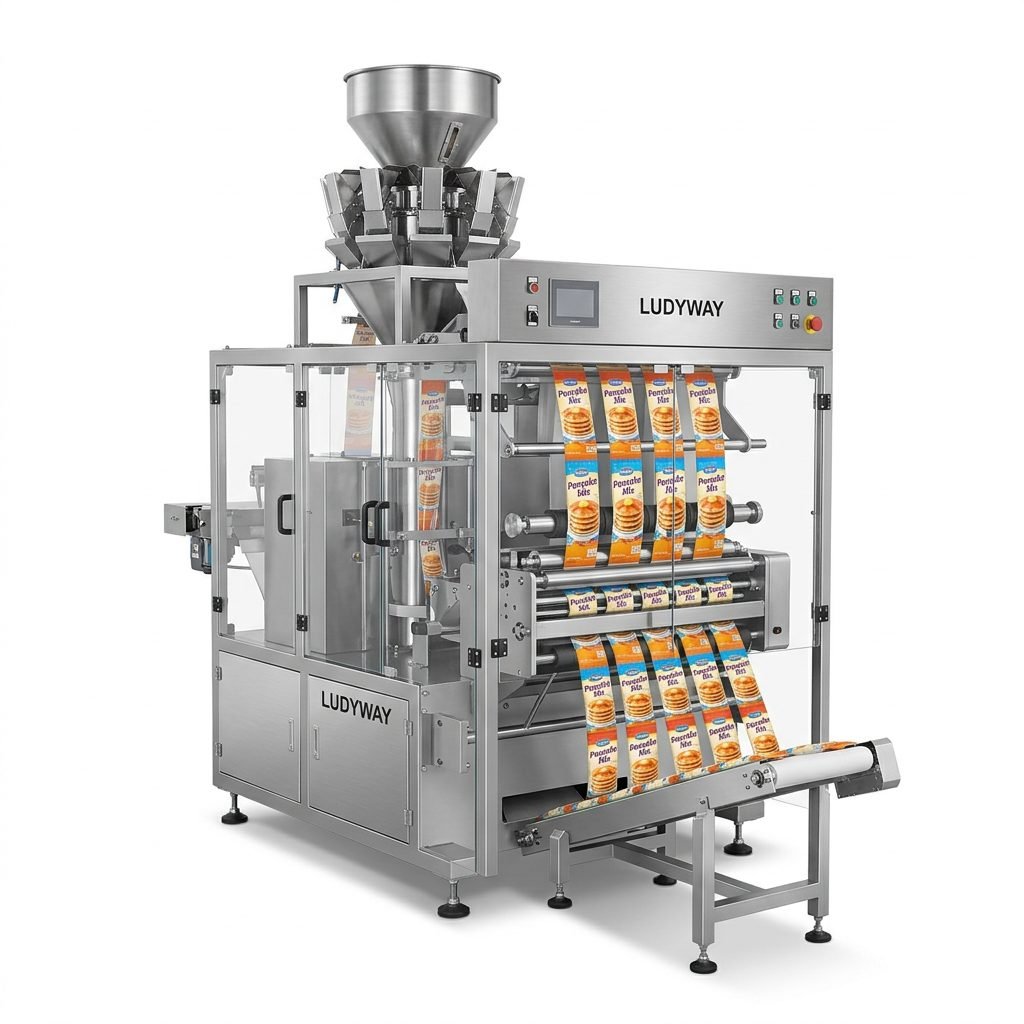
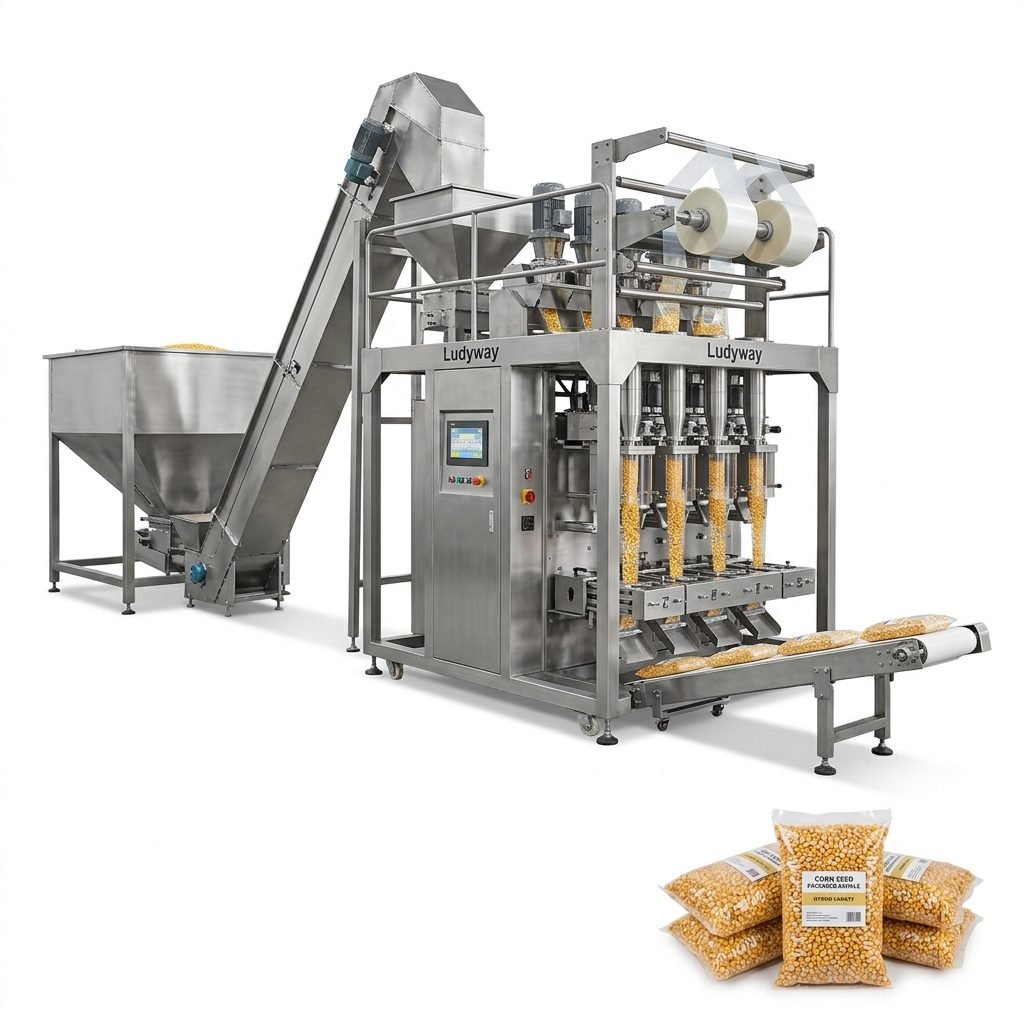
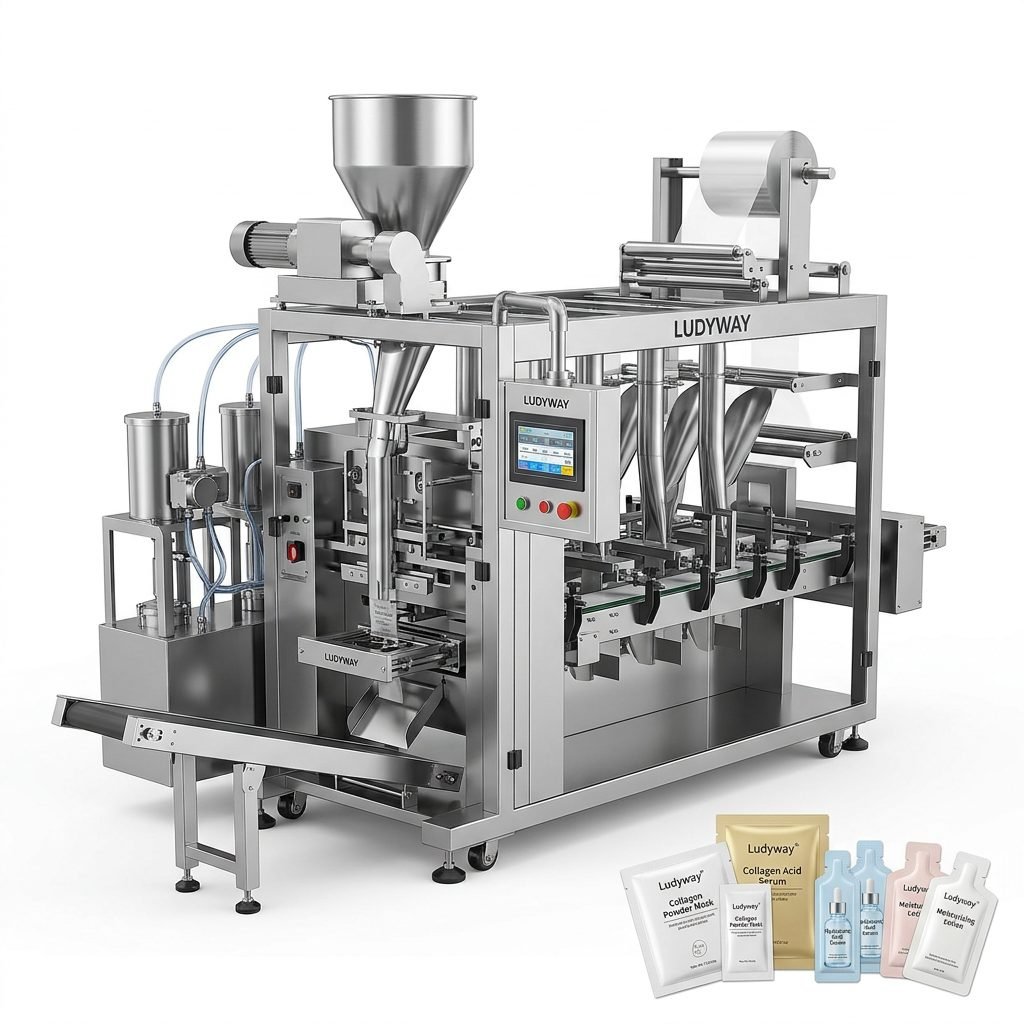
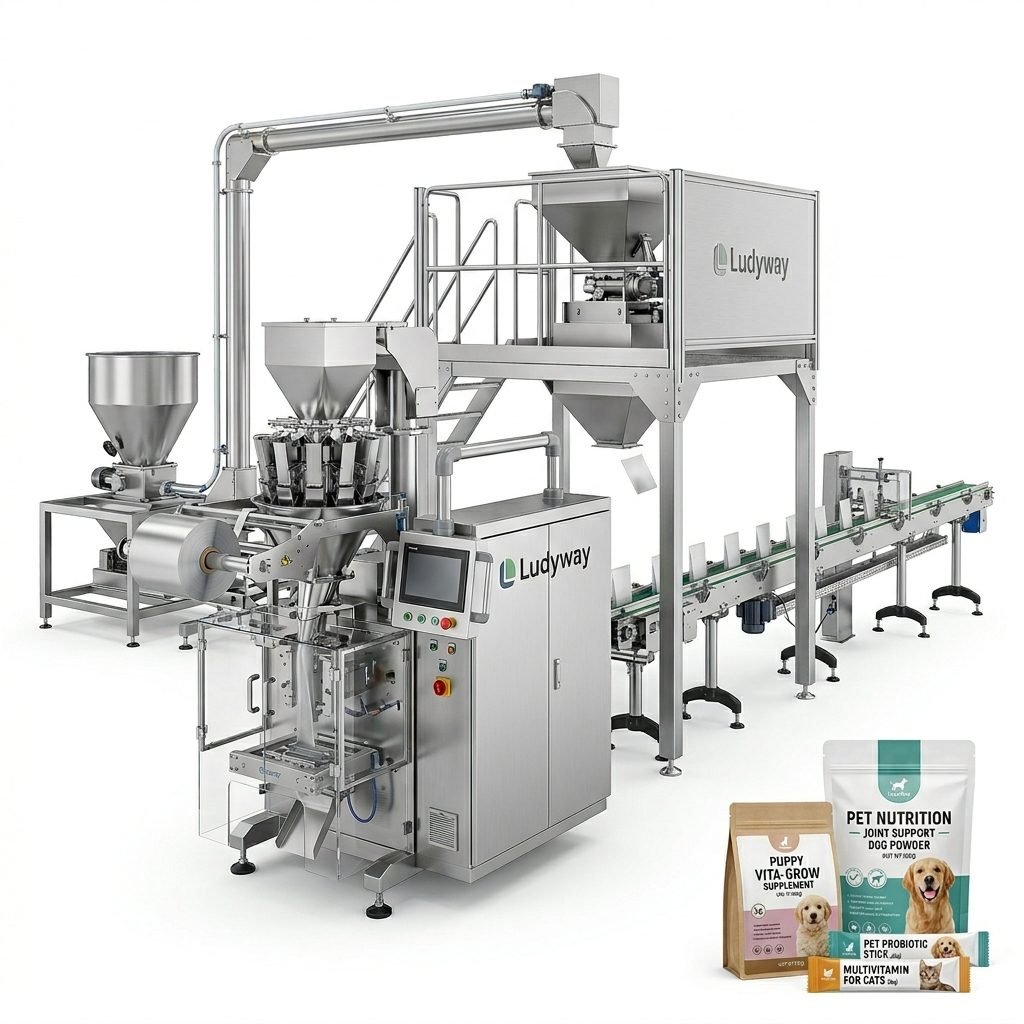
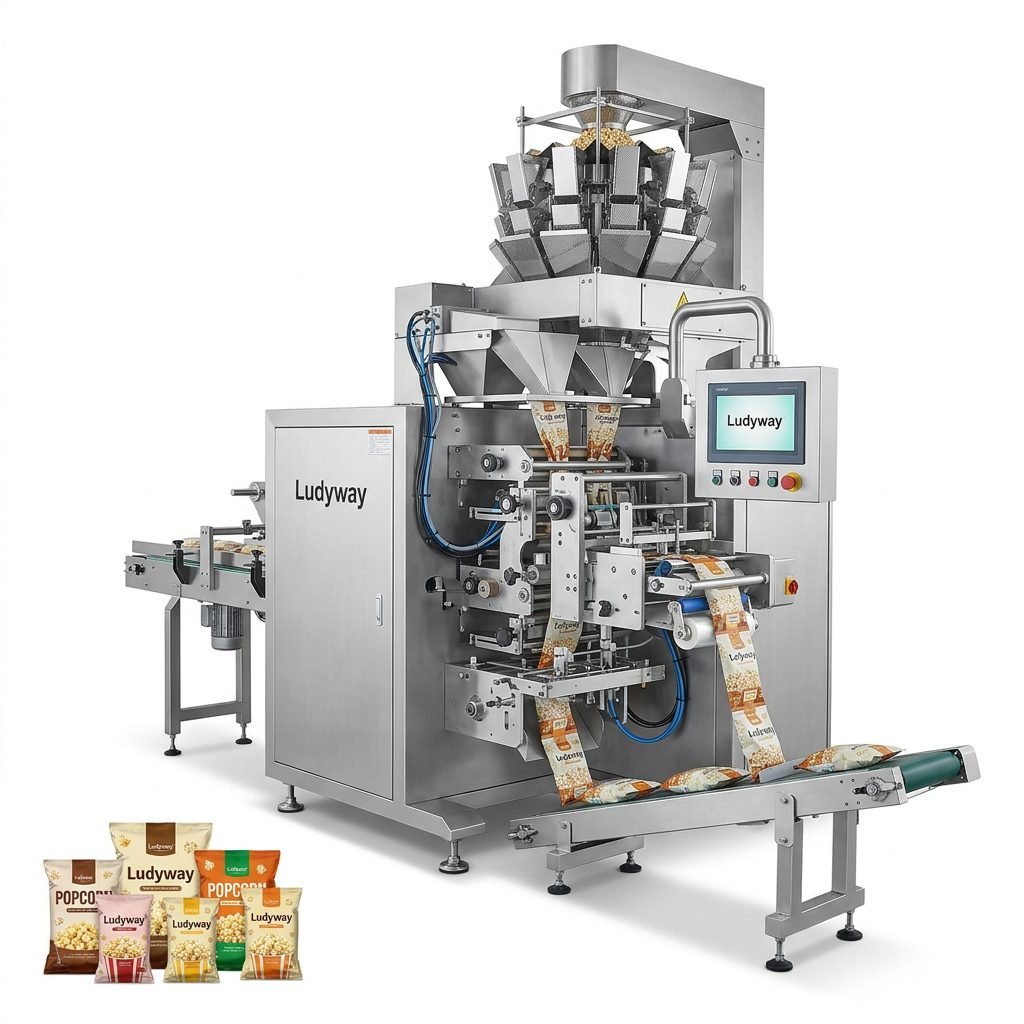
Effective technical support is the backbone of any successful packaging operation. A well-maintained packaging machine not only ensures consistent product quality and output but also minimizes costly downtime and extends the equipment’s lifespan. This comprehensive guide delves into the essential aspects of packaging machinery technical support, covering systematic troubleshooting, proactive maintenance, and strategic optimization to keep your production line running at peak efficiency.
Proactive maintenance can reduce unplanned downtime by up to 50% and increase machinery lifespan by 20-40%. Investing time in regular checks is far more cost-effective than emergency repairs.
Systematic Troubleshooting Methodology
When a packaging machine malfunctions, a structured approach is crucial. Avoid random part replacements and follow these steps:
Step 1: Initial Observation & Symptom Identification
Clearly define the problem. Is it a complete stoppage, inconsistent sealing, inaccurate dosing, or unusual noise? Document the exact symptom, machine model, and the product being packaged at the time of failure.
Step 2: Check the Most Common Culprits
Many issues stem from simple, overlooked factors. Always verify:
- Power Supply: Ensure stable voltage and that all emergency stops are disengaged.
- Material Feed: Check for film jams, misaligned roll paths, or empty hoppers.
- Mechanical Obstructions: Look for foreign objects in the sealing jaws, forming tube, or cutting mechanism.
- Basic Settings: Confirm that temperature, speed, and pressure settings haven’t been accidentally changed.
Step 3: Consult the Machine Manual & Error Codes
Modern intelligent packaging machines often display error codes. Cross-reference these codes with the manufacturer’s manual—it’s the fastest path to diagnosing electronic or sensor-related faults.
Step 4: Isolate the System
Determine if the issue is mechanical, electrical/pneumatic, or software-related. Listen for irregular sounds (mechanical), check solenoid valves and sensors (electrical), and review the human-machine interface (HMI) for alarms or frozen screens.
Proactive Maintenance: A Scheduled Approach
Preventive maintenance is non-negotiable for operational excellence. Implement a schedule based on hours of operation or production cycles.
Daily Maintenance Tasks
These quick checks should be part of the operator’s standard routine:
- Clean sealing jaws, forming collars, and product contact surfaces to prevent residue buildup.
- Visually inspect packaging film/web for consistent feed and tension.
- Lubricate guide rails and chains with manufacturer-approved lubricants (if specified for daily use).
- Check and empty waste collection bins from trimmers and dust collectors.
Weekly & Monthly Maintenance
Deeper inspections to catch wear before it causes failure:
- Inspect Critical Wear Parts: Examine sealing jaws for pitting, cutting blades for dullness, and gaskets/O-rings for cracks.
- Verify Pneumatic Systems: Check air filters, dryers, and regulator pressures. Drain moisture from air tanks.
- Tighten Mechanical Fasteners: Vibration can loosen bolts and nuts on frames, motors, and drive assemblies.
- Calibration Check: Verify the accuracy of weigh scales, metal detectors, or fill volume systems.
⚠️ Safety First!
Always follow Lockout-Tagout (LOTO) procedures before performing any maintenance. Ensure the machine is completely powered down and isolated from all energy sources (electrical, pneumatic, thermal).
Optimization for Peak Performance & Efficiency
Once your machine is running reliably, focus on optimization to boost output, reduce waste, and improve overall equipment effectiveness (OEE).
1. Speed & Efficiency Optimization
Do not simply run the machine at its maximum rated speed. Find the sweet spot where speed, product stability, and seal quality converge. Incrementally increase speed while monitoring for an increase in defective packs or misfeeds.
2. Material & Waste Reduction
Optimizing material use directly impacts profitability. Work with your packaging machine supplier to:
- Minimize film trim width through precise web guidance adjustment.
- Optimize seal time and temperature to use the minimum effective setting, saving energy and reducing film stress.
- Implement precise dosing systems to minimize product giveaway while staying within legal tolerances.
3. Integration with Upstream/Downstream Equipment
Your packaging machine is part of a system. Ensure smooth integration with feeders, conveyors, cartoners, and case packers. Proper synchronization eliminates bottlenecks. Consider turnkey production line solutions for seamless integration from the start.
4. Data-Driven Decision Making
Utilize the machine’s data logging capabilities. Track OEE, downtime reasons, and production counts. Analyzing this data reveals trends and pinpoints recurring issues, allowing for targeted improvements.
Building a Partnership with Your Supplier
Your relationship with the machinery manufacturer or supplier is a critical component of long-term technical support. Choose a partner like Ludyway Machinery, which offers:
- Readily Available Spare Parts: A reliable inventory of wear parts and critical components.
- Remote Support Capabilities: The ability to diagnose issues via phone, video, or secure remote connection to the HMI.
- Comprehensive Training: Thorough training for both operators and maintenance technicians is essential for empowering your team.
- Continuous Improvement Updates: Access to software updates or retrofits that can enhance machine performance and safety.
Frequently Asked Questions (FAQs)
Q1: My machine’s seals are weak or inconsistent. What should I check first?
A: First, check and clean the sealing jaws thoroughly. Then, verify the temperature setting with a contact pyrometer to ensure the heaters are reaching the set point. Finally, check the seal pressure and timing settings, and ensure the packaging film is within specification and compatible with the sealing method (e.g., thermal, impulse).
Q2: How often should I replace common wear parts like sealing jaws or cutting blades?
A: There’s no universal interval. It depends on production volume, abrasiveness of the product/dust, and material of the parts. Monitor them weekly. Replace sealing jaws when the coating wears off or surfaces become pitted. Replace blades when you notice tearing instead of clean cutting, or increased force required.
Q3: The machine is producing accurate weights but at a slower rate. What could be the cause?
A: This often points to a mechanical or pneumatic issue. Check for worn bearings or guides causing increased friction. Inspect pneumatic cylinders for slow movement, which could indicate insufficient air pressure, a failing regulator, or an obstructed valve. Also, review the machine’s acceleration/deceleration parameters in the drive settings.
Q4: Can I use any generic lubricant or spare part for my packaging machine?
A: It is strongly discouraged. Always use lubricants and spare parts specified by the original equipment manufacturer (OEM). Generic parts may have different tolerances, materials, or heat treatments, leading to premature failure, voided warranties, and potential safety hazards.
Q5: What is the single most important practice to extend my machine’s life?
A: Consistent and documented preventive maintenance. Adhering to a scheduled maintenance plan based on the manufacturer’s recommendations is the most effective way to prevent catastrophic failures, ensure consistent performance, and maximize the return on your equipment investment.