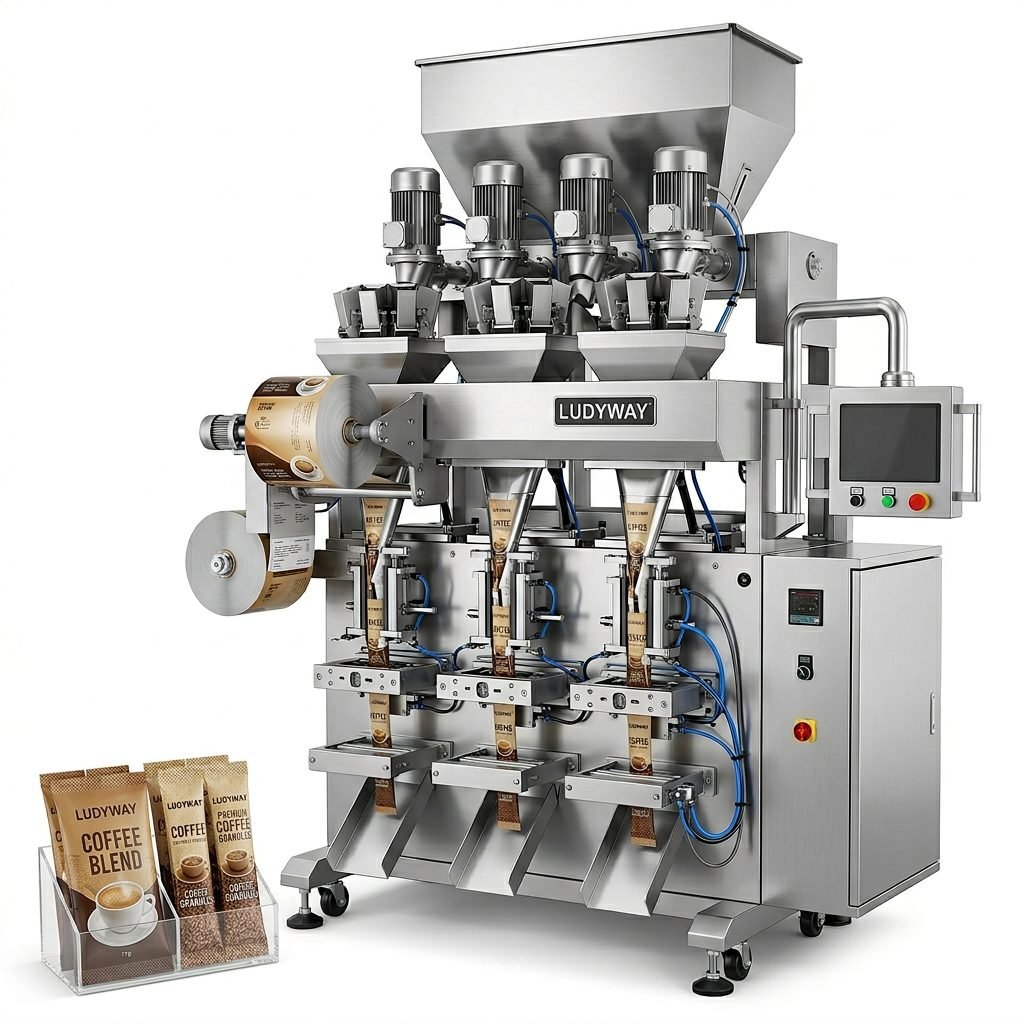
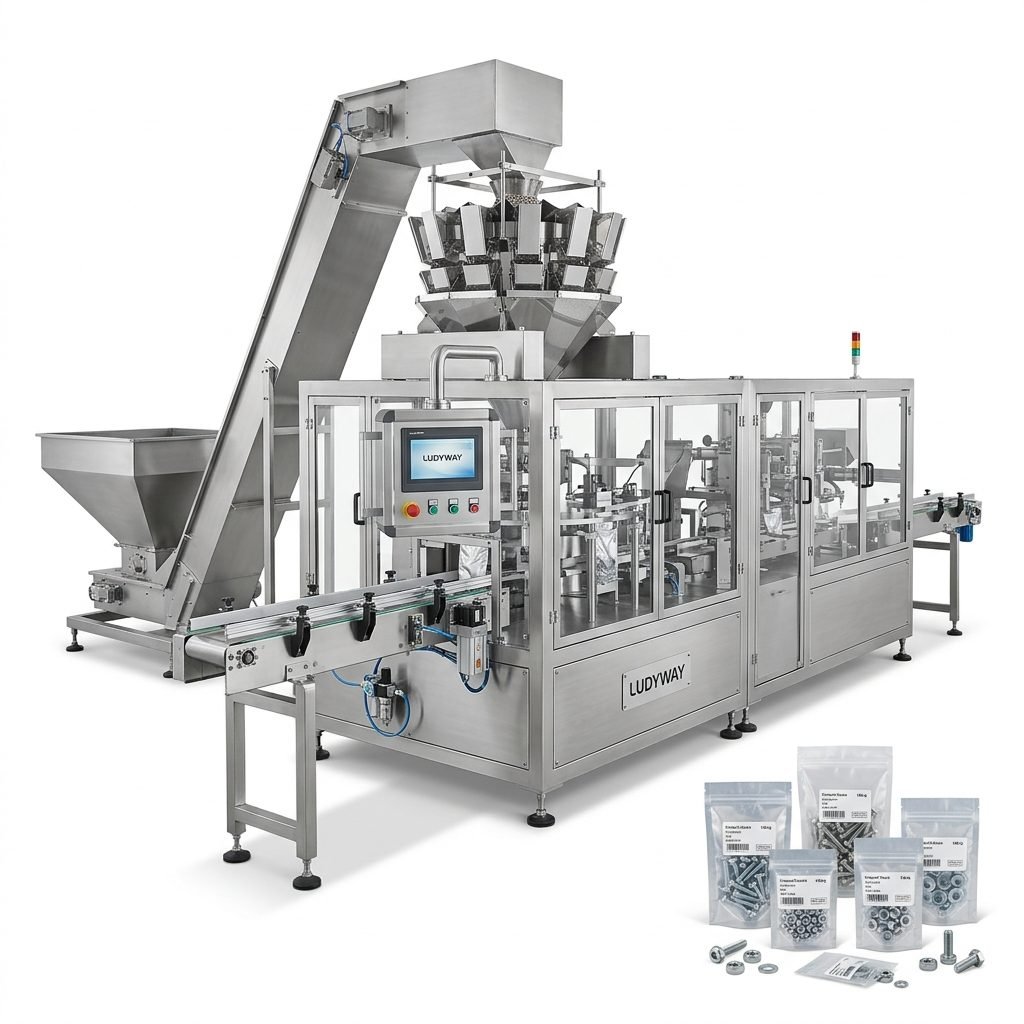
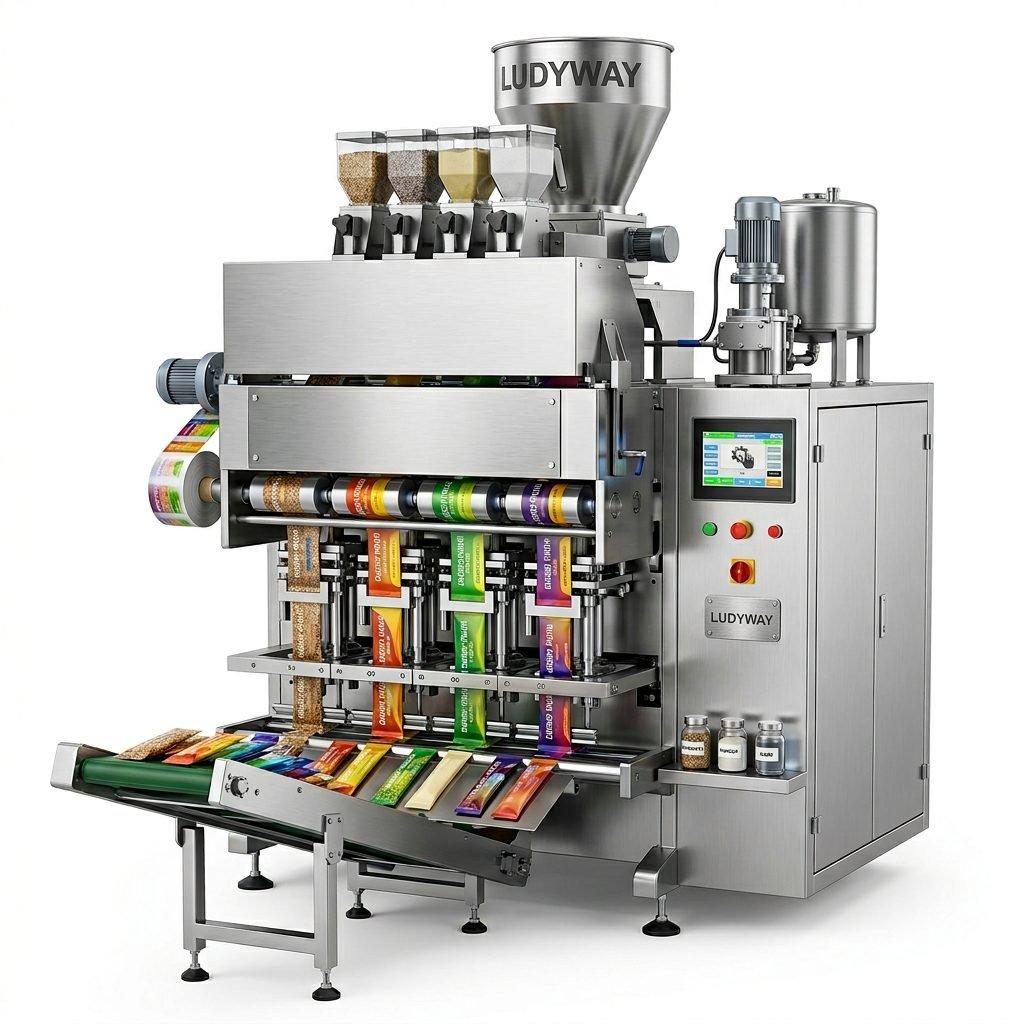
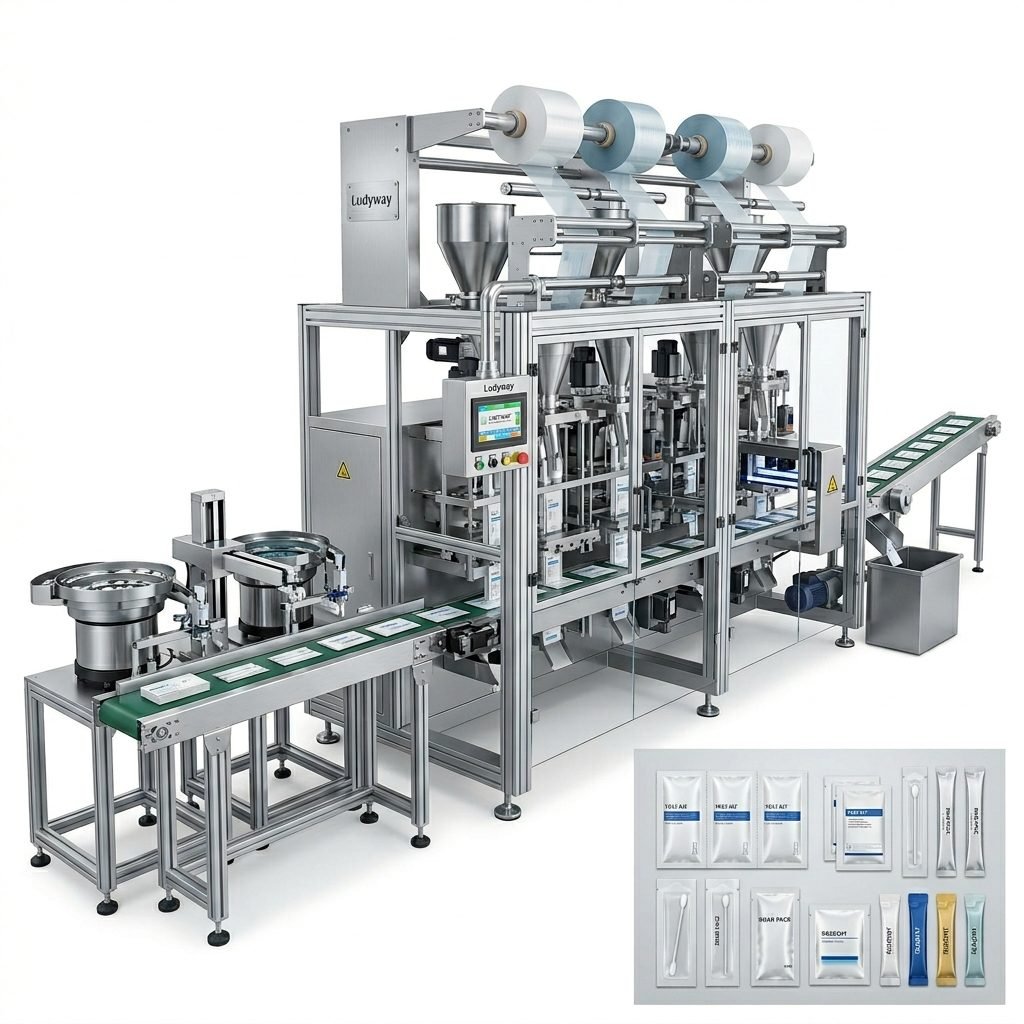
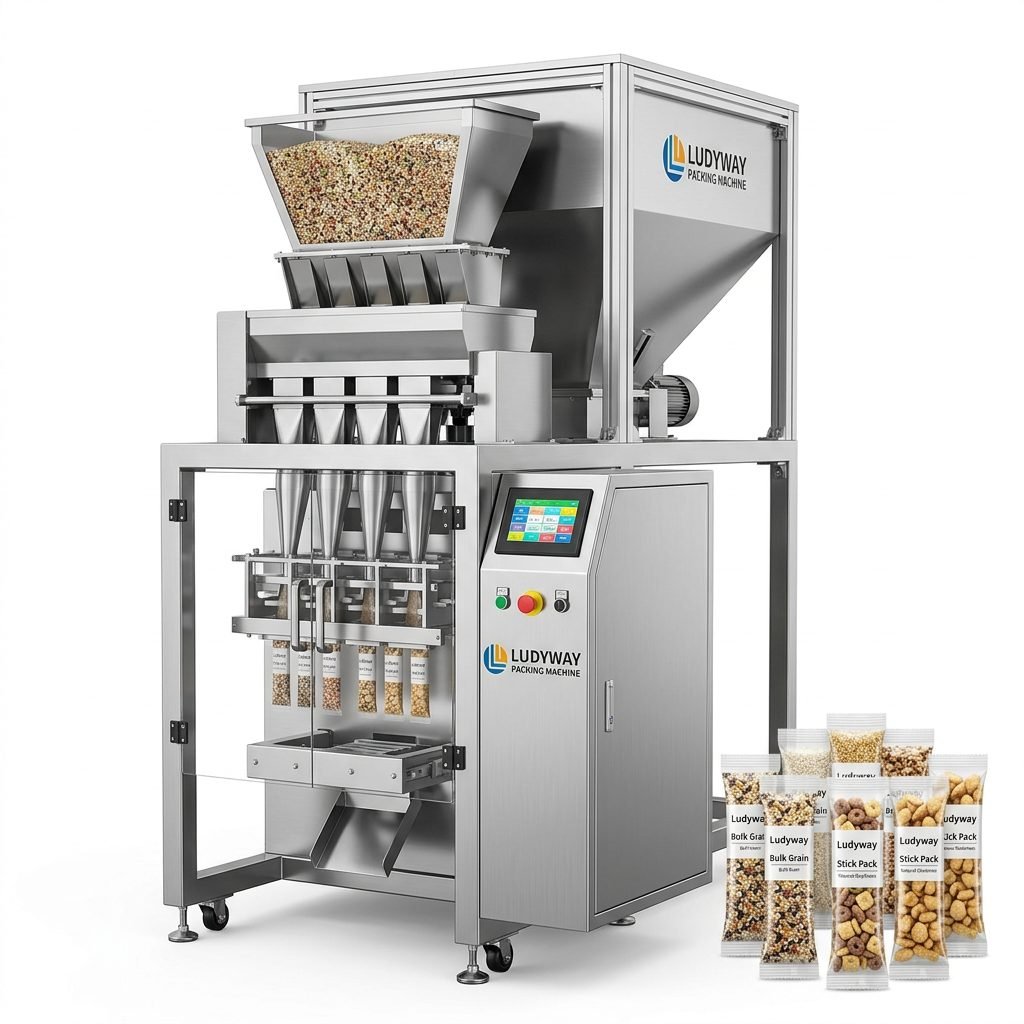
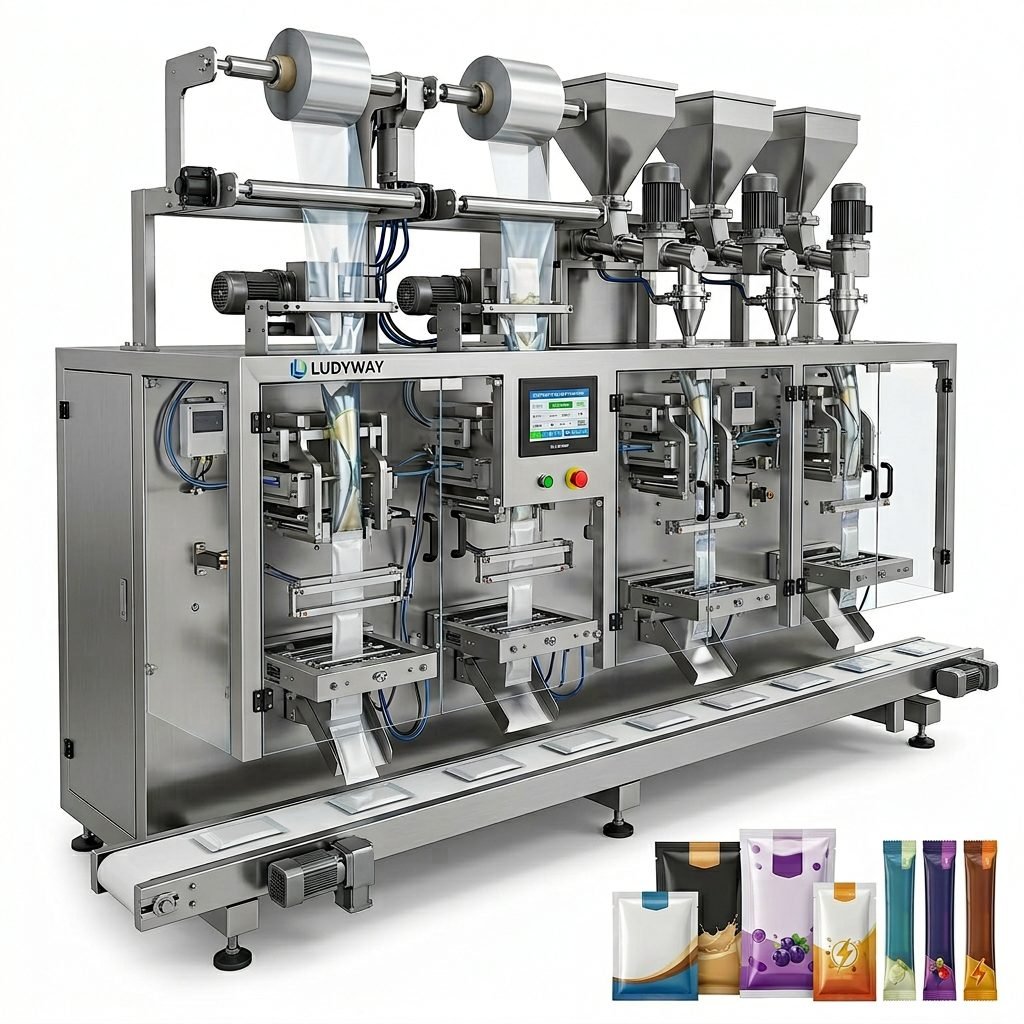
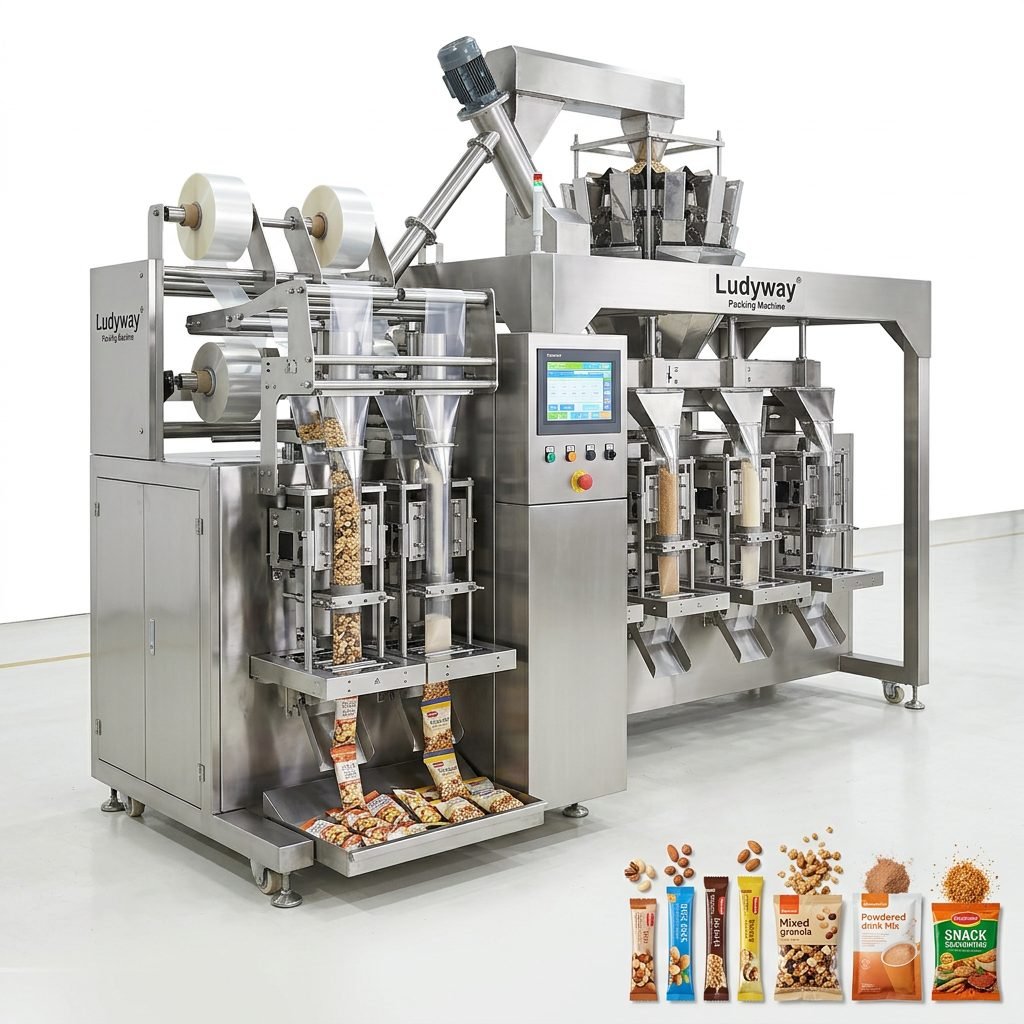
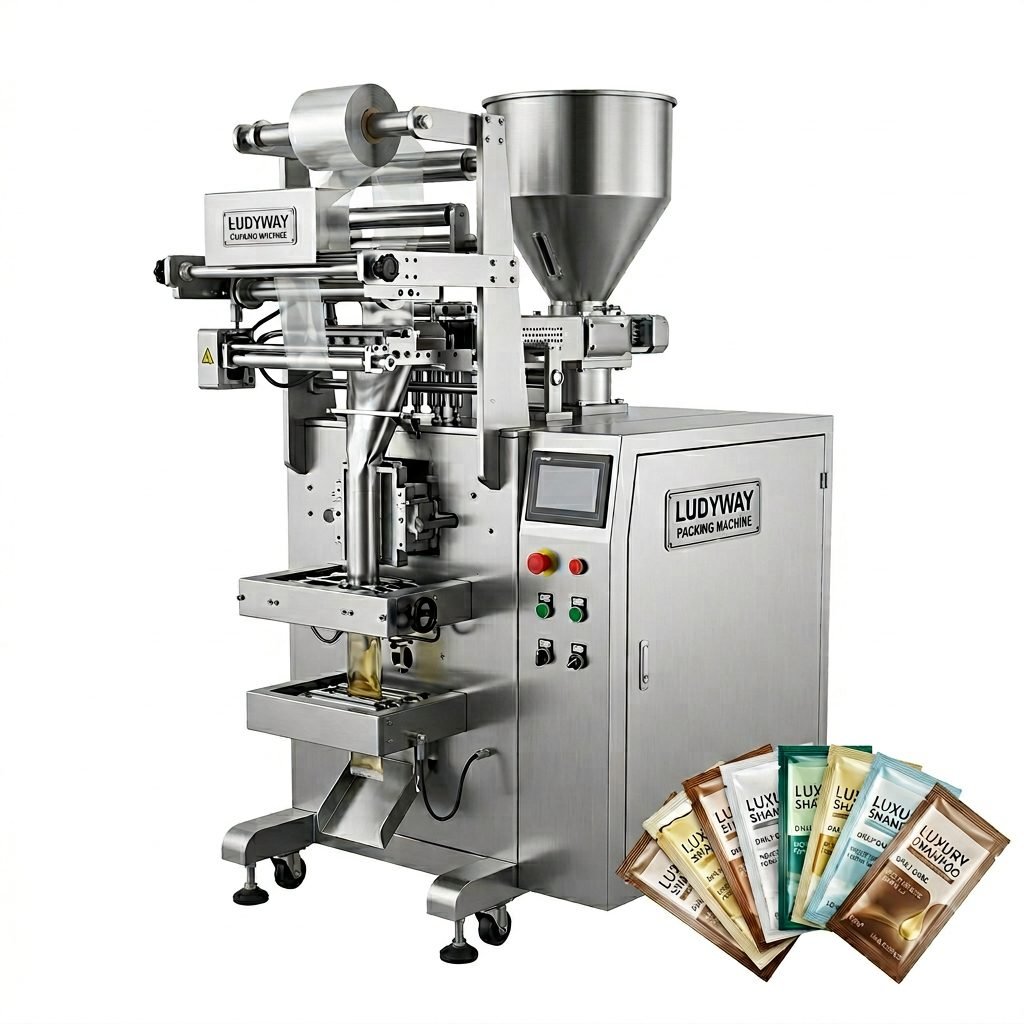
Strip packing machines are widely used in modern manufacturing to package tablets, capsules, softgels, lozenges, and other unit-dose products in sealed strips. For food, pharmaceutical, nutraceutical, and healthcare brands, this packaging format offers a practical balance of product protection, convenience, and production efficiency.
If you are evaluating a strip packing solution, understanding how the machine works, what benefits it delivers, and what features matter before purchase can help you avoid costly mistakes and choose equipment that supports long-term growth.
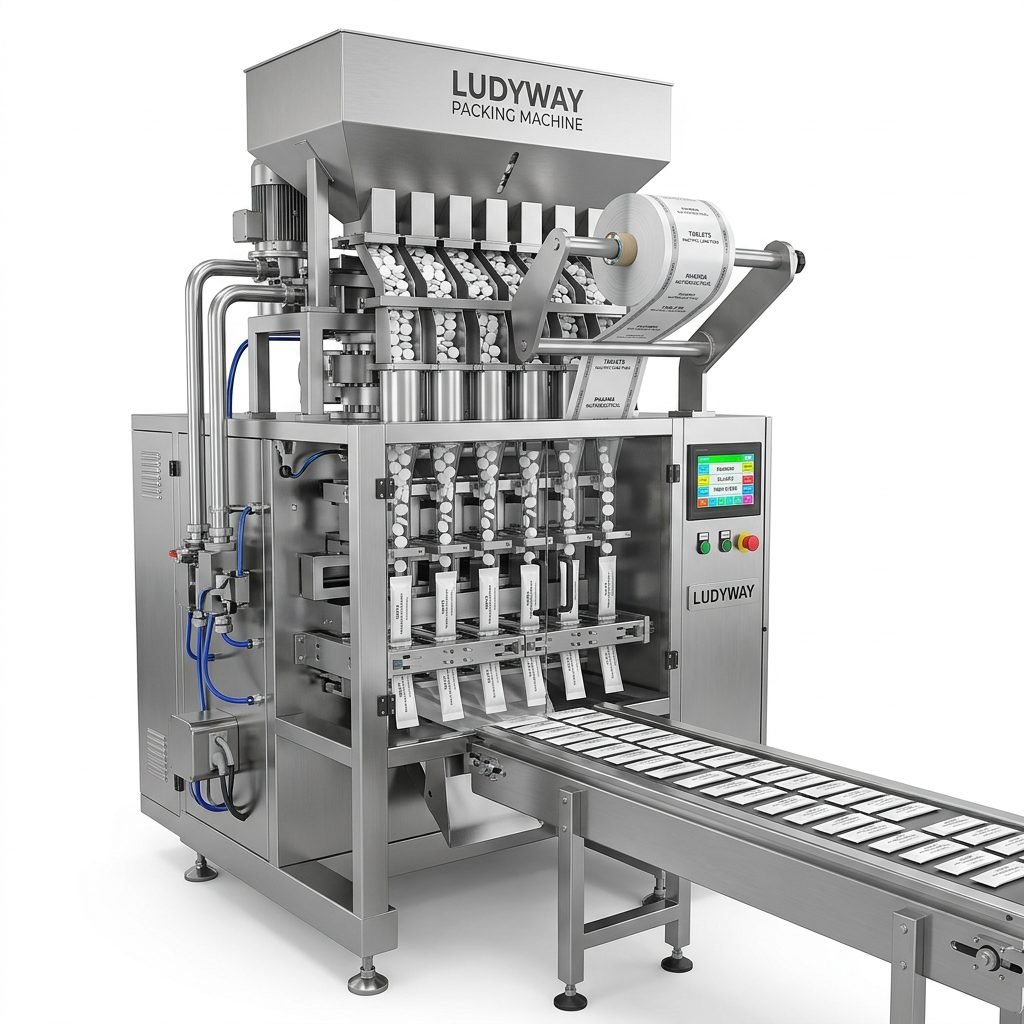
What Is a Strip Packing Machine?
A strip packing machine is an automated packaging system that seals products between two layers of heat-sealable film or foil. The machine forms a continuous strip containing multiple individual pockets, with each pocket holding a single dose or unit. After sealing, the strip can be cut into specified lengths for retail, hospital, or industrial distribution.
Strip packaging is especially common for:
- Tablets and capsules
- Effervescent products
- Nutraceutical doses
- Medical consumables
- Small food or confectionery portions
Compared with bottle filling or blister packaging, strip packing can be a highly efficient option for products that need compact, hygienic, and portion-controlled packaging.
How Does a Strip Packing Machine Work?
Although designs vary by manufacturer and application, most strip packing machines follow a similar working sequence.
1. Film Unwinding
Two rolls of packaging material are loaded onto the machine. These may be aluminum foil, laminated film, paper-foil composites, or other heat-sealable materials depending on the barrier requirement and product sensitivity.
2. Product Feeding
The product is fed into the machine through a dedicated feeding system. For tablets and capsules, this often includes vibratory feeders, channel guides, and synchronized indexing to ensure each unit falls accurately into position.
3. Registration and Positioning
The upper and lower films are aligned precisely so the product sits correctly within each sealing area. Advanced machines use sensors and servo control systems to maintain stable registration, even at higher speeds.
4. Heat Sealing
The two layers are sealed together around the product using controlled temperature and pressure. This creates individual cavities or compartments in a continuous strip. Sealing quality is one of the most critical factors because it affects shelf life, moisture protection, and package integrity.
5. Batch Coding and Embossing
Many strip packing machines integrate coding systems to print batch numbers, manufacturing dates, expiry dates, or other traceability information directly onto the strip.
6. Perforation and Cutting
The sealed strip is perforated or cut into the required number of units. Finished strips can then move to cartoning, boxing, case packing, or manual collection.
7. Inspection and Rejection
Higher-end systems may include vision inspection, missing-product detection, seal inspection, and reject mechanisms to maintain consistent packaging quality.
Main Components of a Strip Packing Machine
When comparing models, it helps to understand the key components that directly influence machine performance:
| Component | Function |
|---|---|
| Film Roll Holder | Supports and feeds upper and lower packaging materials |
| Feeding System | Controls product orientation and placement |
| Sealing Station | Applies heat and pressure to form sealed strip packs |
| Coding Unit | Prints batch, lot, or date information |
| Cutting Device | Cuts continuous strips into set lengths |
| PLC / HMI Control System | Allows operation, parameter setting, and troubleshooting |
| Safety and Inspection Modules | Improve product safety, compliance, and line reliability |
Key Benefits of Using a Strip Packing Machine
Improved Product Protection
Strip packs can provide a strong barrier against moisture, oxygen, dust, and contamination. This is especially important for pharmaceuticals and nutraceuticals that require stable storage conditions.
Accurate Unit-Dose Packaging
Each product is separated into its own sealed compartment, which reduces handling errors and supports easy dosage management for end users.
High Packaging Efficiency
Automated strip packing machines can run continuously at high speed, reducing labor dependence and increasing output consistency. This is a major advantage for companies scaling production.
Compact Packaging Format
Strip packs take up less storage and transportation space than many rigid packaging formats. This can lower logistics costs and improve packaging density.
Better Hygiene and Compliance
For pharmaceutical and healthcare applications, strip packing supports clean handling and traceable packaging processes. Machines built to GMP-oriented standards can help manufacturers meet strict quality requirements.
Flexible Customization
Manufacturers can configure strip length, pocket size, film type, print layout, and cutting style according to product and market needs.

Industries That Commonly Use Strip Packing Machines
- Pharmaceutical industry: tablets, capsules, unit-dose medicines
- Nutraceutical industry: vitamins, supplements, herbal products
- Healthcare sector: medical consumables and single-use products
- Food industry: candies, seasonings, drink powders, small portions
- Veterinary products: animal health tablets and supplements
Strip Packing Machine vs. Blister Packing Machine
Many buyers compare strip packing with blister packaging before making a decision. Both formats are effective, but they serve different packaging goals.
| Feature | Strip Packing | Blister Packing |
|---|---|---|
| Packaging Material | Two layers of foil or film | Formed plastic cavity with backing foil |
| Barrier Protection | Very good, especially with foil | Good, varies by material |
| Package Size | Compact and flexible | More rigid and display-friendly |
| Typical Applications | Capsules, tablets, unit-dose strips | Retail pharmaceutical presentation |
| Machine Complexity | Often simpler for certain products | May require thermoforming process |
If your priority is moisture protection, compact dosage packaging, and continuous high-volume sealing, strip packing may be the better option.
What to Consider Before Buying a Strip Packing Machine
Product Type and Shape
The machine must match your product’s size, hardness, fragility, and flow behavior. Tablets, soft capsules, and irregular products may require different feeding and guiding systems.
Required Output Speed
Choose a machine based on your current production volume and future expansion plans. Buying too small may create a bottleneck; buying too large may raise unnecessary costs.
Packaging Material Compatibility
Check what materials the machine can handle and whether they meet your barrier, sealing, and regulatory requirements. Material thickness and sealability can significantly influence machine performance.
Sealing Quality and Accuracy
Stable sealing temperature, pressure control, and product alignment are essential. Poor sealing can lead to leakage, contamination, or product rejection.
Machine Construction and Compliance
For pharmaceutical and food applications, stainless steel construction, hygienic design, and compliance with relevant standards are important. Look for machines that support cleaning, maintenance, and validation requirements.
Ease of Operation
A user-friendly HMI, recipe storage, alarm systems, and quick changeover functions reduce operator training time and improve production uptime.
Maintenance and Spare Parts
Ask about preventive maintenance schedules, wear parts, technical documentation, and after-sales support. Long-term service availability is just as important as the machine itself.
Integration With Other Equipment
If you need a complete line, confirm whether the strip packing machine can connect with feeding systems, inspection units, cartoners, case packers, and palletizing systems.
Buyer tip: Always test your actual product and packaging film before finalizing the order. A factory acceptance test with real samples can reveal sealing, speed, and feeding issues early.
Questions to Ask a Strip Packing Machine Supplier
- What products has this machine packed successfully before?
- What is the real production speed under stable operating conditions?
- What film and foil materials are supported?
- How accurate is feeding and indexing?
- What are the standard and optional inspection features?
- How long does changeover take for different product sizes?
- What certifications and quality controls are available?
- What spare parts and remote support can be provided?
- Can the machine be customized for my line layout?
- What is the lead time for production, installation, and commissioning?
Signs of a High-Quality Strip Packing Machine
- Stable running at target speed
- Consistent seal strength across all lanes
- Low product damage rate
- Precise cutting and neat strip appearance
- Minimal downtime during long production runs
- Simple cleaning and maintenance access
- Reliable electrical and pneumatic components
- Good supplier communication and technical support
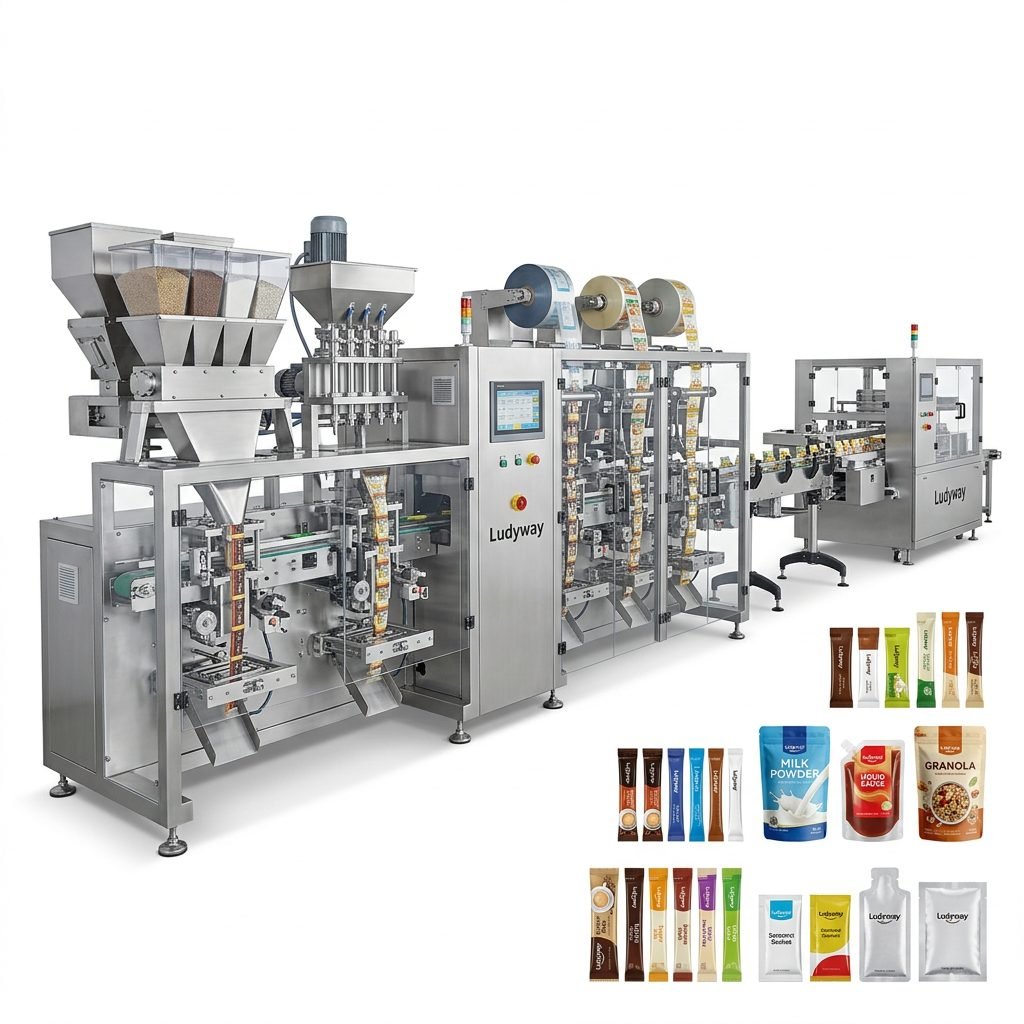
Choosing Between a Standalone Machine and a Turnkey Line
Some manufacturers only need a standalone strip packing machine. Others need a complete automated line that includes feeding, sealing, coding, inspection, cartoning, boxing, and palletizing.
A turnkey line may be the better choice when you want:
- Higher automation and lower labor dependence
- Unified control between multiple machines
- Better production flow and line efficiency
- Single-source technical responsibility
- Future scalability for new product formats
For businesses planning long-term capacity growth, working with an experienced line integrator can reduce coordination risks. Companies such as strip packing machine manufacturer Ludyway are often considered by buyers looking for packaging machinery and turnkey packaging line solutions across food, pharmaceutical, health supplement, and related industries.
Common Buying Mistakes to Avoid
- Choosing based on price alone
- Ignoring material compatibility
- Not testing real products before purchase
- Overlooking maintenance access and spare parts
- Failing to confirm actual production capacity
- Not planning for future SKUs or packaging changes
- Underestimating installation and operator training needs
Final Thoughts for Buyers
A strip packing machine can be a smart investment for manufacturers that need efficient, hygienic, and reliable unit-dose packaging. The best machine is not simply the fastest model, but the one that matches your product characteristics, packaging material, compliance standards, output goals, and long-term production plan.
Before making a decision, compare machine structure, sealing performance, automation level, supplier experience, and after-sales capability. A well-selected strip packing solution can help improve product protection, operational efficiency, and packaging consistency for years to come.