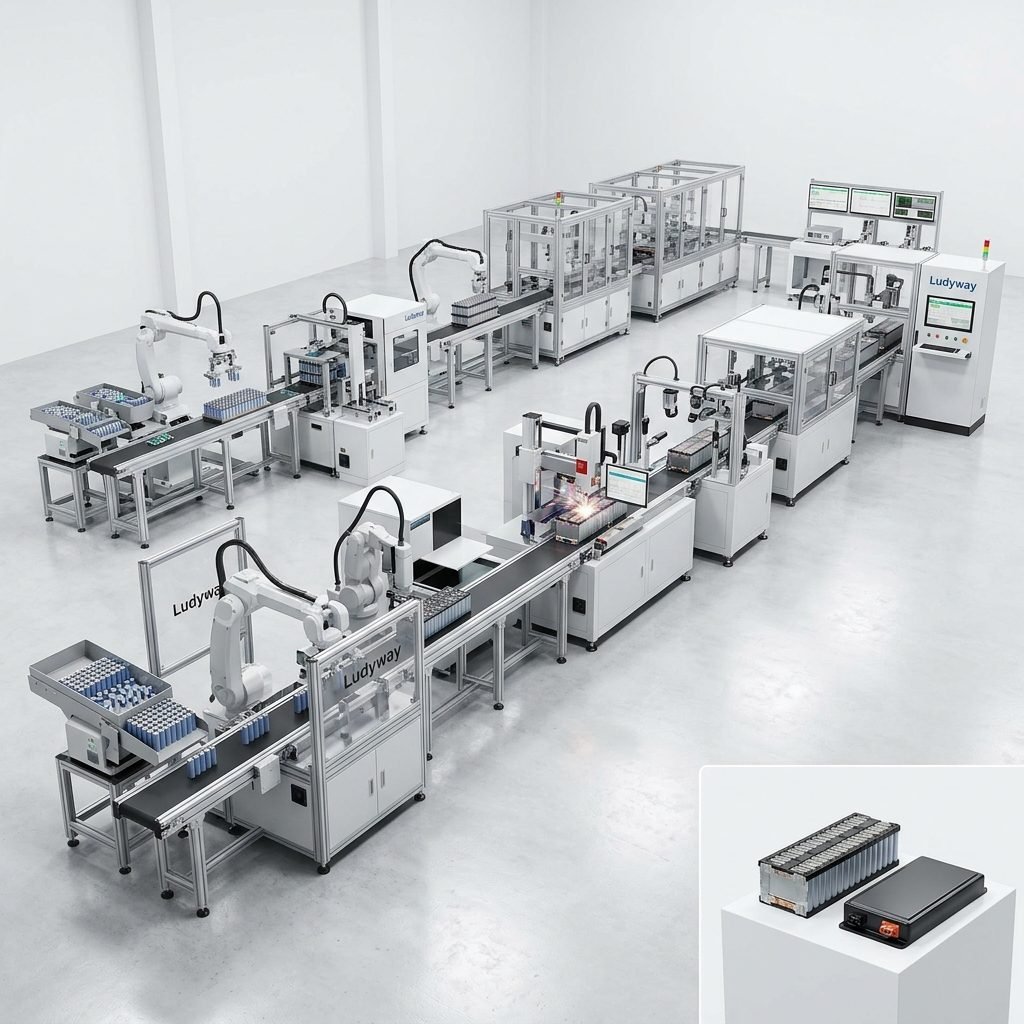
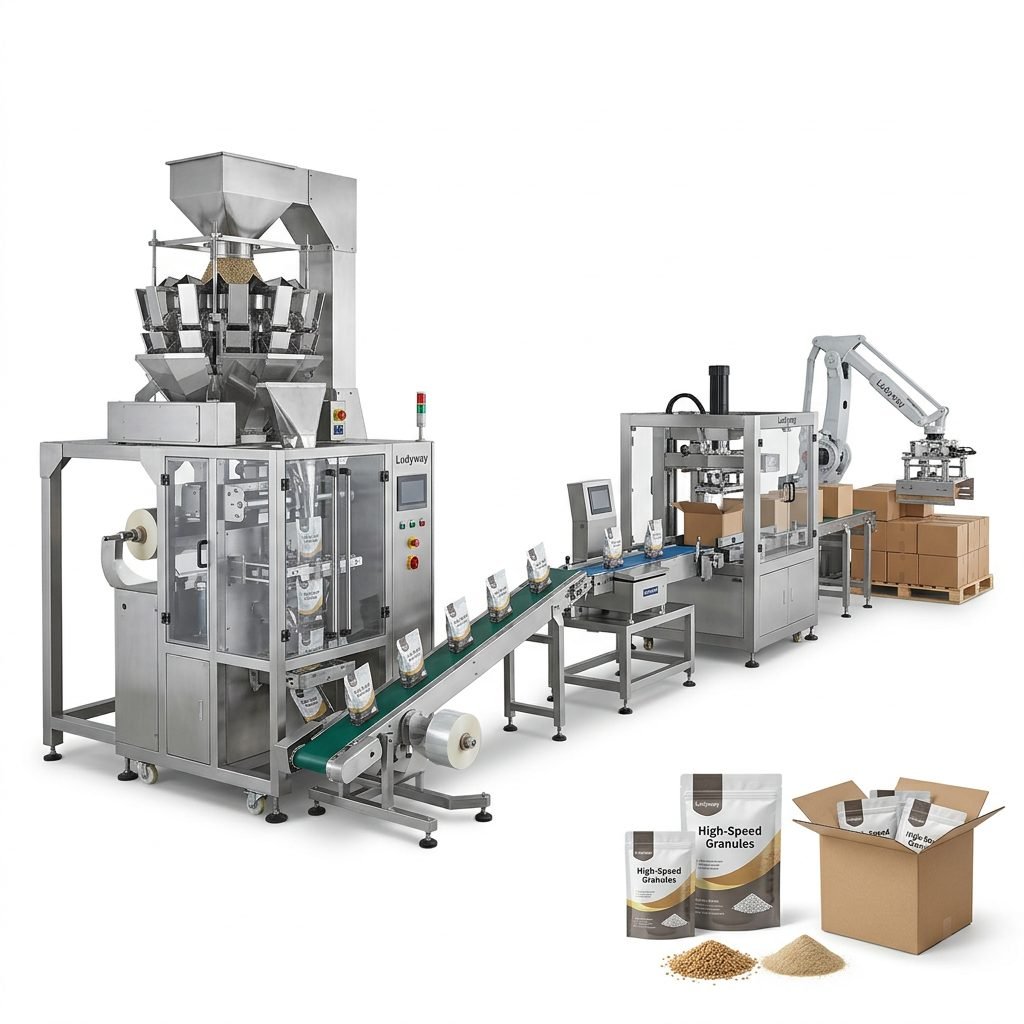
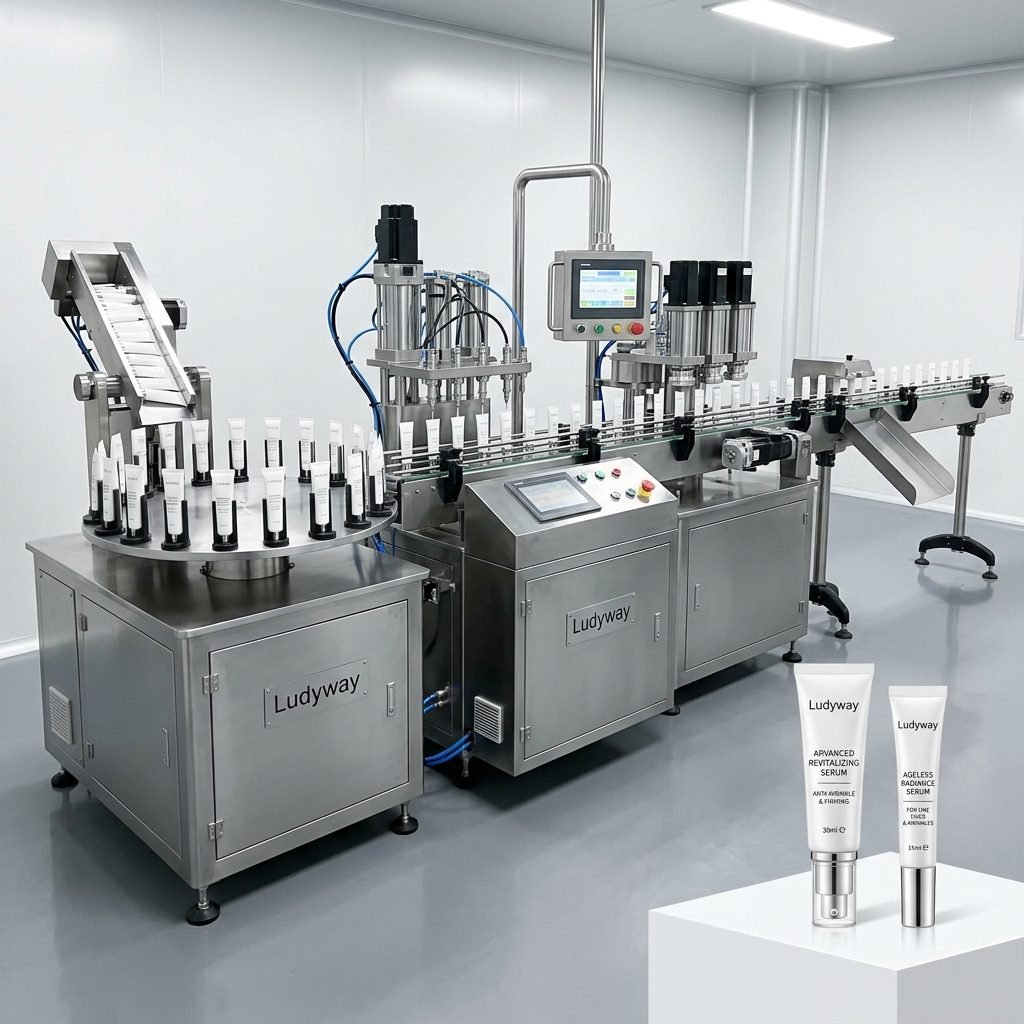
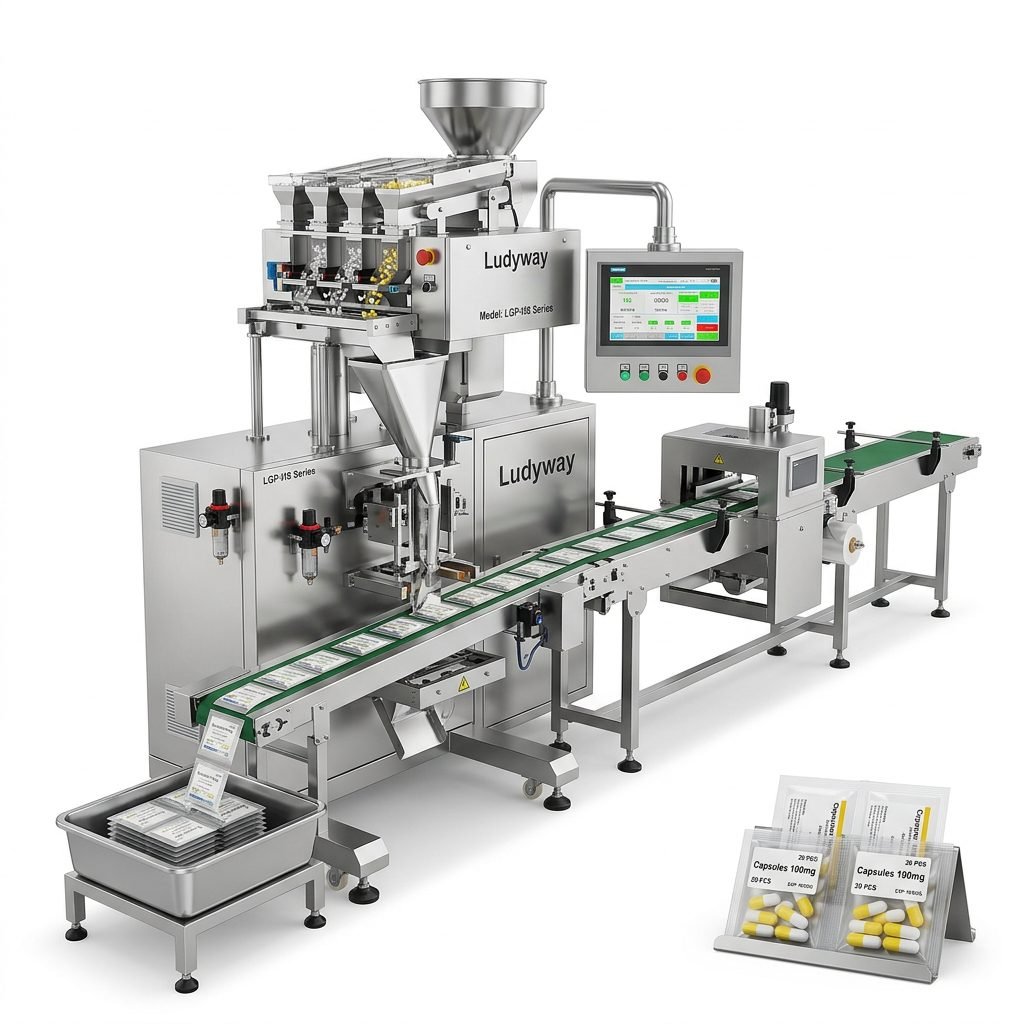
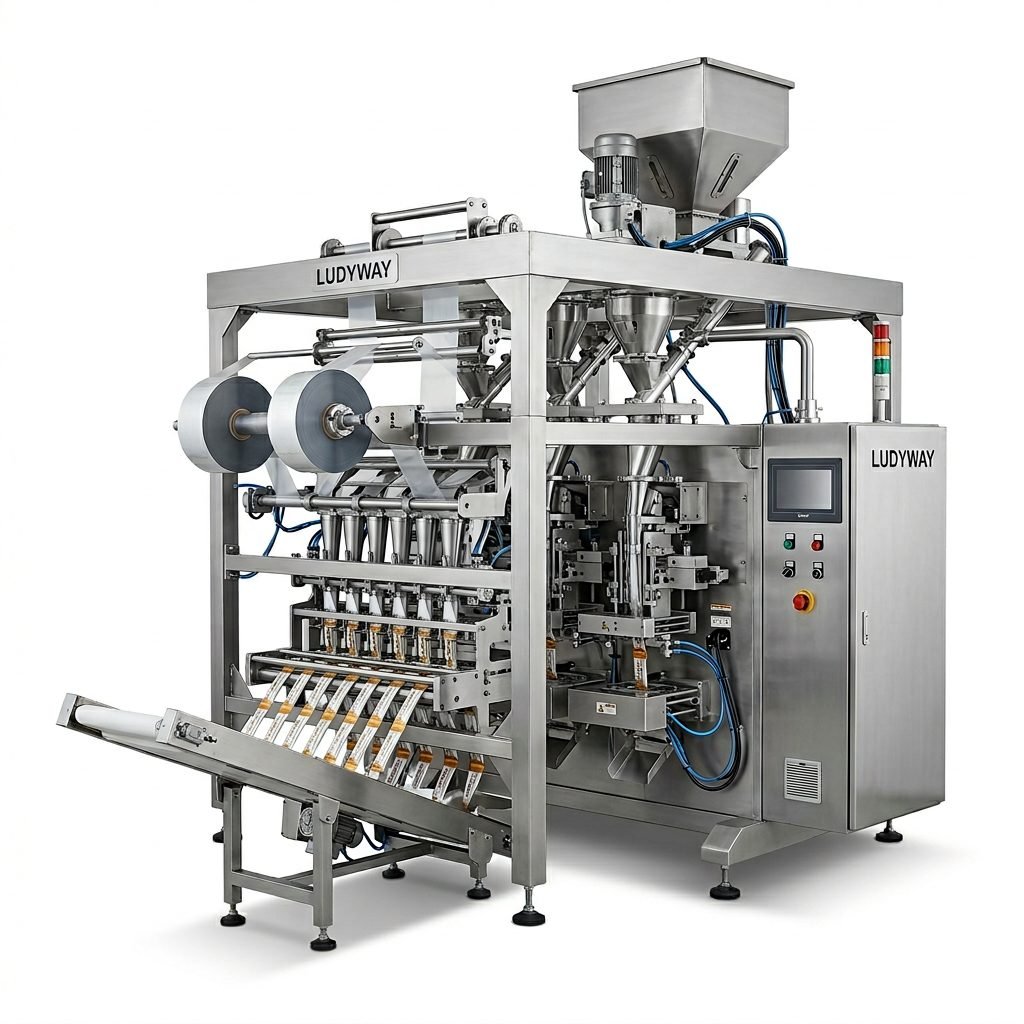
Effective operation of packaging equipment is fundamental to maintaining productivity, ensuring product quality, and, most importantly, safeguarding personnel. Comprehensive training programs are not just an operational requirement but a critical investment in operational excellence and workplace safety. This guide delves into the essential skills, safety protocols, and industry best practices that form the cornerstone of proficient packaging equipment operation.
Core Operational Skills for Packaging Machinery
Mastering the operation of packaging equipment requires a blend of technical knowledge and practical hands-on ability. Operators must move beyond basic button-pushing to develop a deep understanding of the machinery’s functions.
Machine Setup & Configuration
Proper setup is the first critical step. This involves:
- Material Loading: Correctly loading film reels, spools, or packaging materials to prevent jams and ensure consistent feed.
- Parameter Input: Accurately entering product-specific parameters such as fill weight, package length, sealing temperature, and speed into the machine’s control system (often an HMI or PLC interface).
- Tooling Changeover: Safely and efficiently changing forming collars, filling nozzles, or sealing jaws for different package formats or products.
Running & Monitoring
Once the line is operational, vigilant monitoring is key. Operators must be trained to:
- Continuously observe the packaging process for defects like poor seals, incorrect filling, or misaligned printing.
- Interpret machine diagnostics and error messages to understand the root cause of a stoppage.
- Perform minor running adjustments to maintain optimal performance, such as fine-tuning tension controls or guiding systems.
Basic Troubleshooting & Maintenance
Preventing minor issues from becoming major downtime is a vital skill. Essential troubleshooting knowledge includes:
- Clearing common jams in the film path, product feed, or discharge conveyor.
- Identifying and replacing worn consumable parts, such as sealing jaws or cutter blades.
- Performing routine lubrication and cleaning as outlined in the machine’s manual.
For more complex maintenance and technical support, partnering with an experienced supplier like Ludyway Packing Machine ensures access to expert knowledge and genuine spare parts.
Non-Negotiable Safety Procedures
Safety must be the absolute priority in any industrial environment. A robust safety culture protects employees and protects the business from costly accidents and regulatory penalties.
Personal Protective Equipment (PPE)
Mandatory PPE varies by machine but typically includes:
- Safety glasses to protect eyes from flying debris or product dust.
- Hearing protection in high-noise areas.
- Cut-resistant gloves when handling sharp materials or tooling.
- Closed-toe, non-slip safety shoes.
Lockout/Tagout (LOTO)
This is a critical procedure for preventing the unexpected energization or startup of machinery during service or maintenance. All operators and technicians must be rigorously trained to:
- Notify affected personnel.
- Shut down the equipment using normal procedures.
- Isolate all energy sources (electrical, pneumatic, hydraulic).
- Apply lockout devices and tags to each energy isolation point.
- Verify a zero-energy state before beginning work.
Emergency Protocols
Clear, well-rehearsed responses to emergencies save lives. Training must cover:
- Location and operation of all Emergency Stop (E-Stop) buttons.
- Procedures for reporting injuries, spills, or equipment malfunctions.
- Evacuation routes and assembly points.
Best Practices for Optimal Performance & Longevity
Adhering to best practices maximizes equipment efficiency, extends its service life, and ensures consistent output quality.
Pre-Startup Checks
Develop a daily checklist that includes verifying machine cleanliness, checking lubrication levels, inspecting safety guards and interlocks, and ensuring all tools and loose items are cleared from the work area.
Consistent Cleaning & Sanitation
Especially crucial in food and pharmaceutical packaging, a strict cleaning schedule prevents product contamination and maintains machine hygiene. Use approved cleaning agents and follow manufacturer guidelines to avoid damaging sensitive components.
Data-Driven Operation
Modern packaging machines generate valuable data on output, efficiency (OEE), and downtime. Train operators to record this data accurately. Analyzing trends can reveal opportunities for process improvement and predictive maintenance, preventing failures before they occur. Implementing intelligent packaging systems can automate much of this data collection and analysis.
Continuous Learning & Documentation
Technology evolves. Encourage operators to participate in refresher courses and training on new features. Maintain up-to-date, accessible machine manuals, Standard Operating Procedures (SOPs), and maintenance logs at the workstation. This creates a knowledge base that is invaluable for onboarding new staff and troubleshooting recurring issues.
Frequently Asked Questions (FAQs)
Q1: How often should packaging equipment undergo formal training refreshers?
A: Refresher training should be conducted at least annually. However, it should also be mandatory whenever a significant machine modification occurs, a new model is introduced, or after a safety incident to reinforce protocols.
Q2: What is the single most important safety rule for operators?
A: Never bypass or disable safety guards, light curtains, or interlocks. These devices are in place specifically to prevent contact with moving parts and other hazards.
Q3: How can we reduce product waste during machine setup and changeover?
A: Implement and practice Single-Minute Exchange of Die (SMED) principles. Standardize tooling, use quick-release mechanisms, and have pre-configured recipes in the machine’s control system to minimize adjustment time and material run-off.
Q4: Who is responsible for performing complex mechanical repairs?
A: Complex repairs should always be handled by qualified maintenance technicians or the equipment supplier’s service engineers. Operators should be trained to identify problems and perform only the basic troubleshooting and maintenance tasks outlined in their training and manuals.
Q5: Where can we find reliable packaging equipment and training support?
A: Partnering with a reputable supplier with a strong track record is essential. Companies like Ludyway Machinery, with decades of industry experience, not only provide advanced equipment but often offer comprehensive operation and maintenance training as part of their service, ensuring clients achieve optimal performance from their investment.