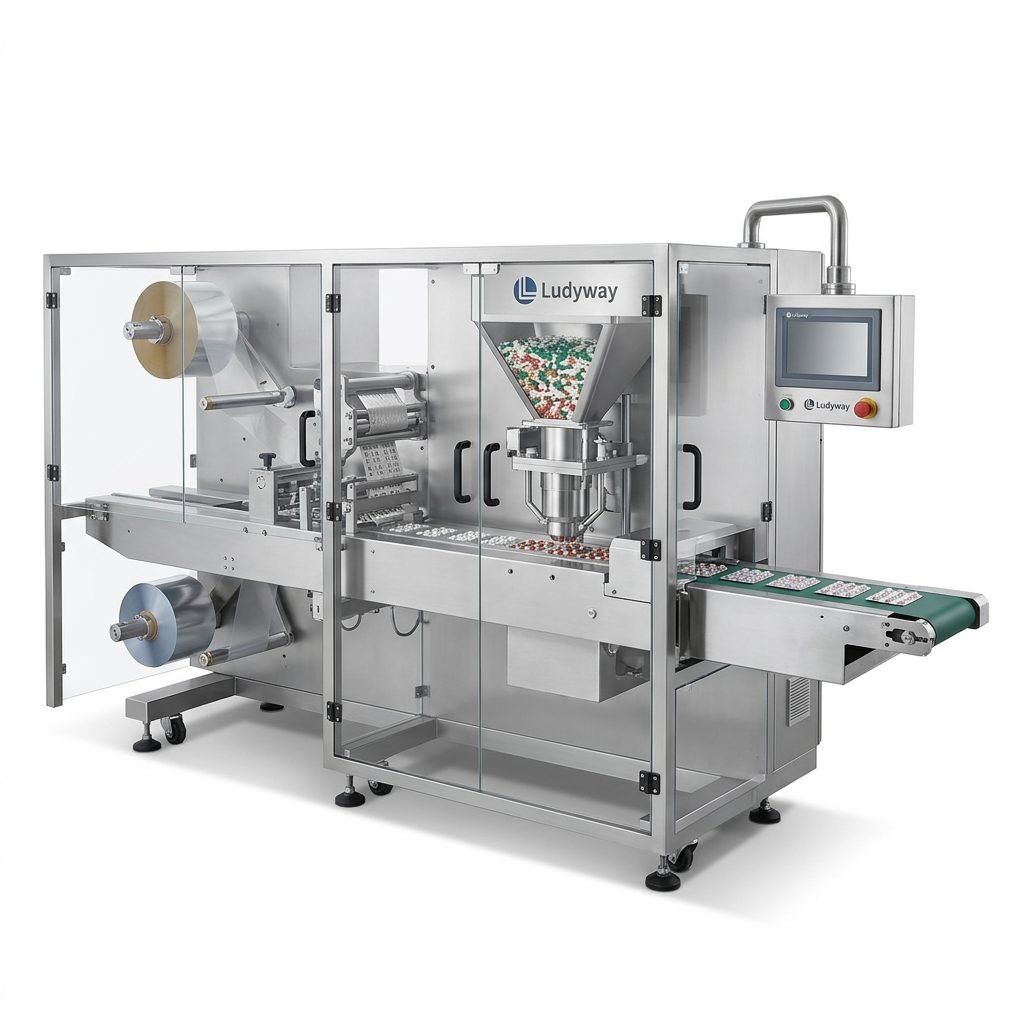
Investing in a drink packaging machine is a critical decision for any beverage manufacturer looking to scale production, ensure product quality, and meet international market demands. Whether you are packaging liquid drinks, powdered mixes, or granule-based beverages, selecting the right equipment requires a thorough understanding of your product characteristics, production goals, and target market regulations. This global buying guide walks you through the essential factors to consider when choosing a drink packaging machine, helping you make an informed and strategic investment.
Understanding Your Drink Product and Packaging Format
Before evaluating specific machines, you must clearly define your product’s physical properties and desired packaging style. The viscosity, particle size, and sensitivity of your drink product directly influence the type of filling and sealing technology required.
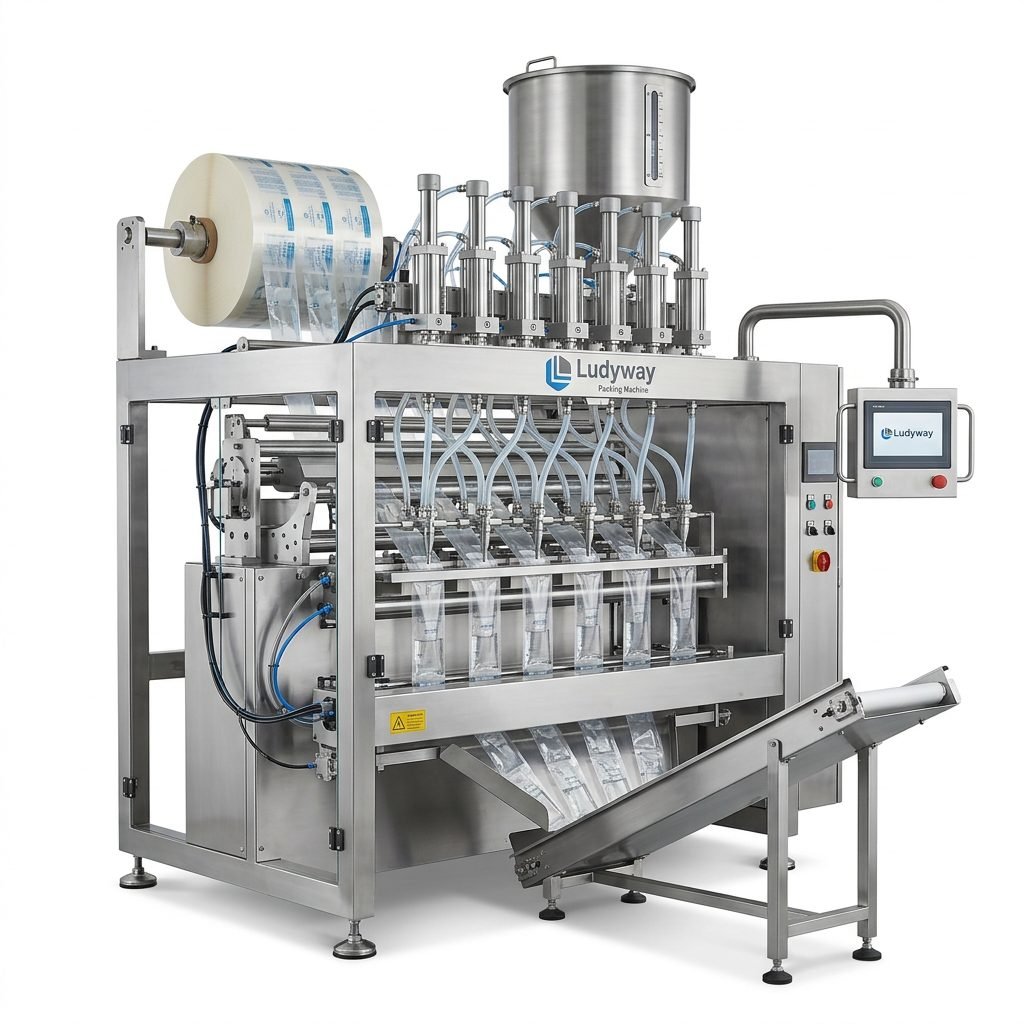
- Liquid drinks: Water, juices, energy drinks, and syrups require precise liquid filling systems, often with multi-nozzle configurations for high-speed production.
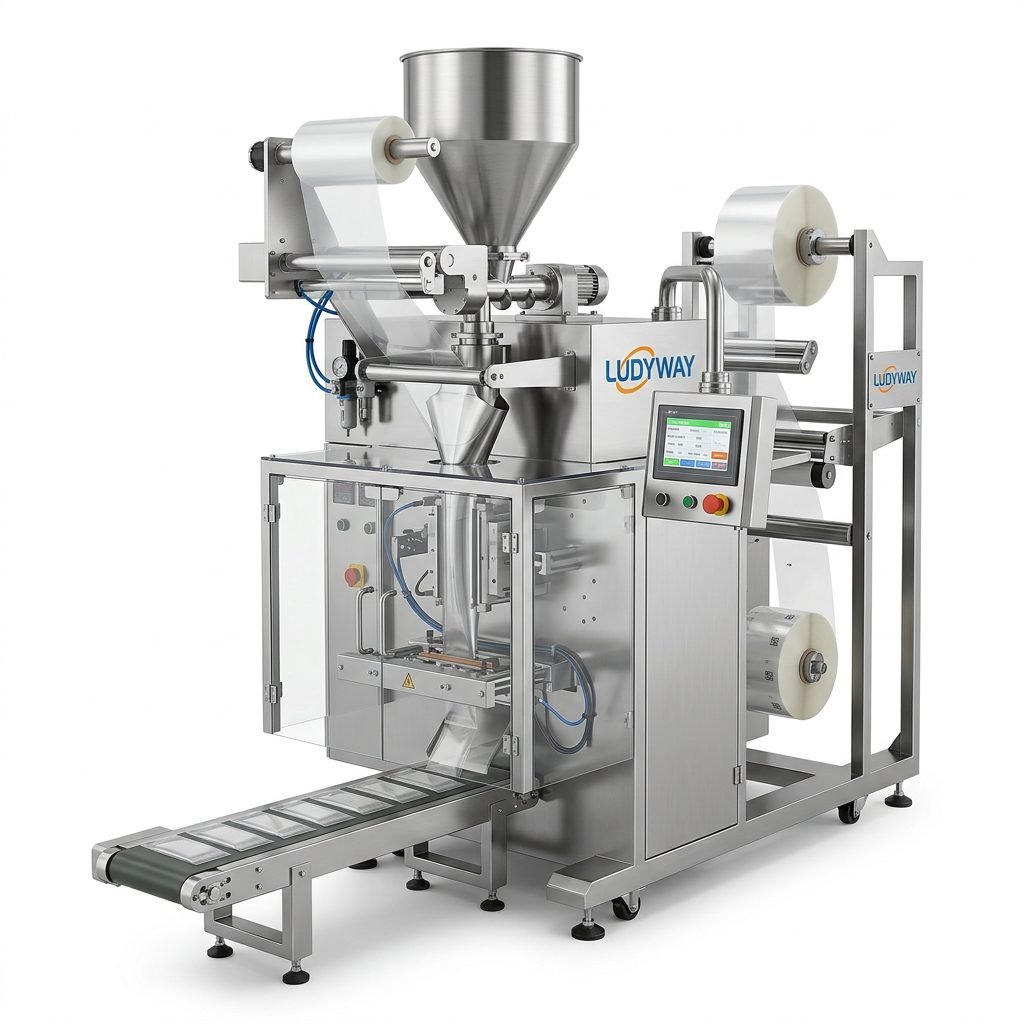
- Powdered beverages: Instant coffee, protein shakes, milk tea powder, and electrolyte mixes need auger or volumetric cup fillers that handle fine to free-flowing powders without dusting.
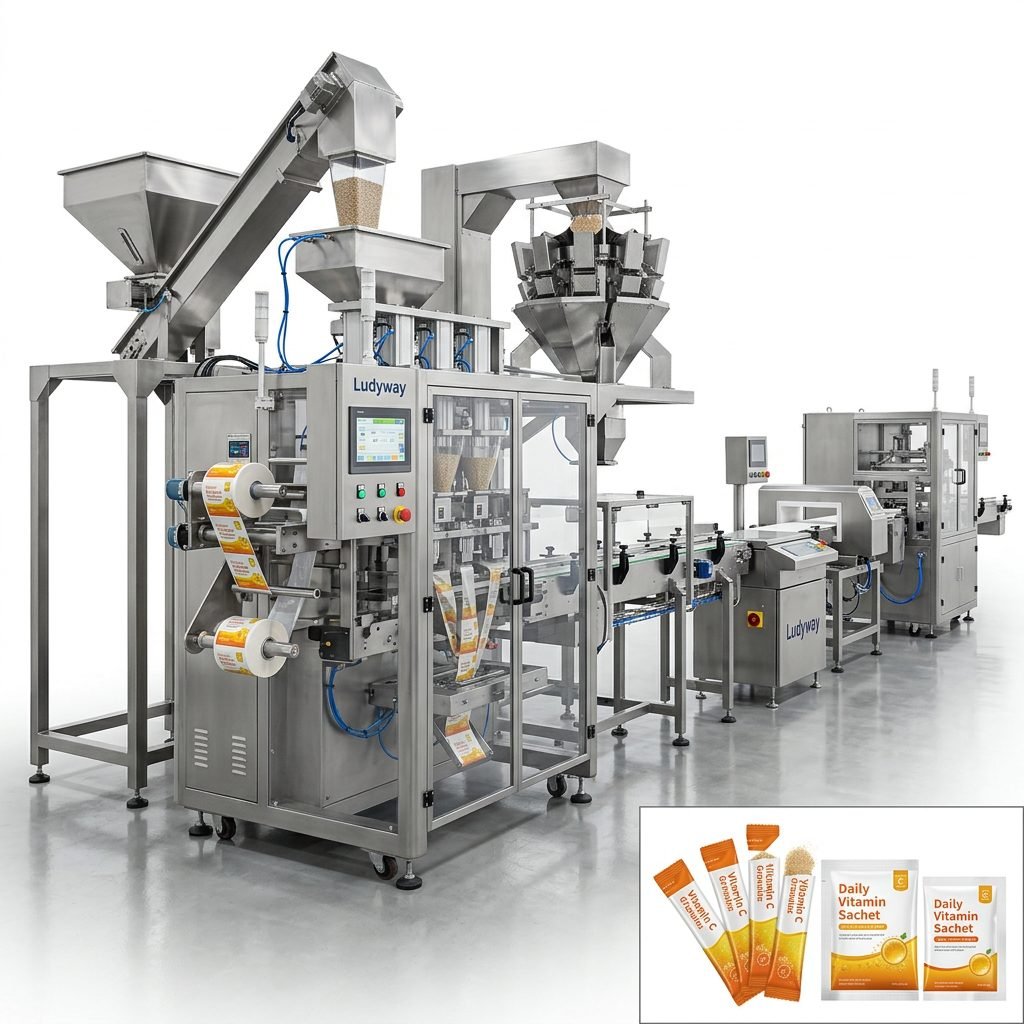
- Granule-based drinks: Herbal tea blends, instant granule beverages, and effervescent drink granules require specialized weighers and fillers to prevent breakage and ensure accurate dosing.
Common packaging formats for drink products include stick packs, sachets, pouches, and bottles. Each format serves different market segments, from single-serve convenience to family-sized portions, and requires specific machine configurations to achieve optimal sealing integrity and shelf appeal.
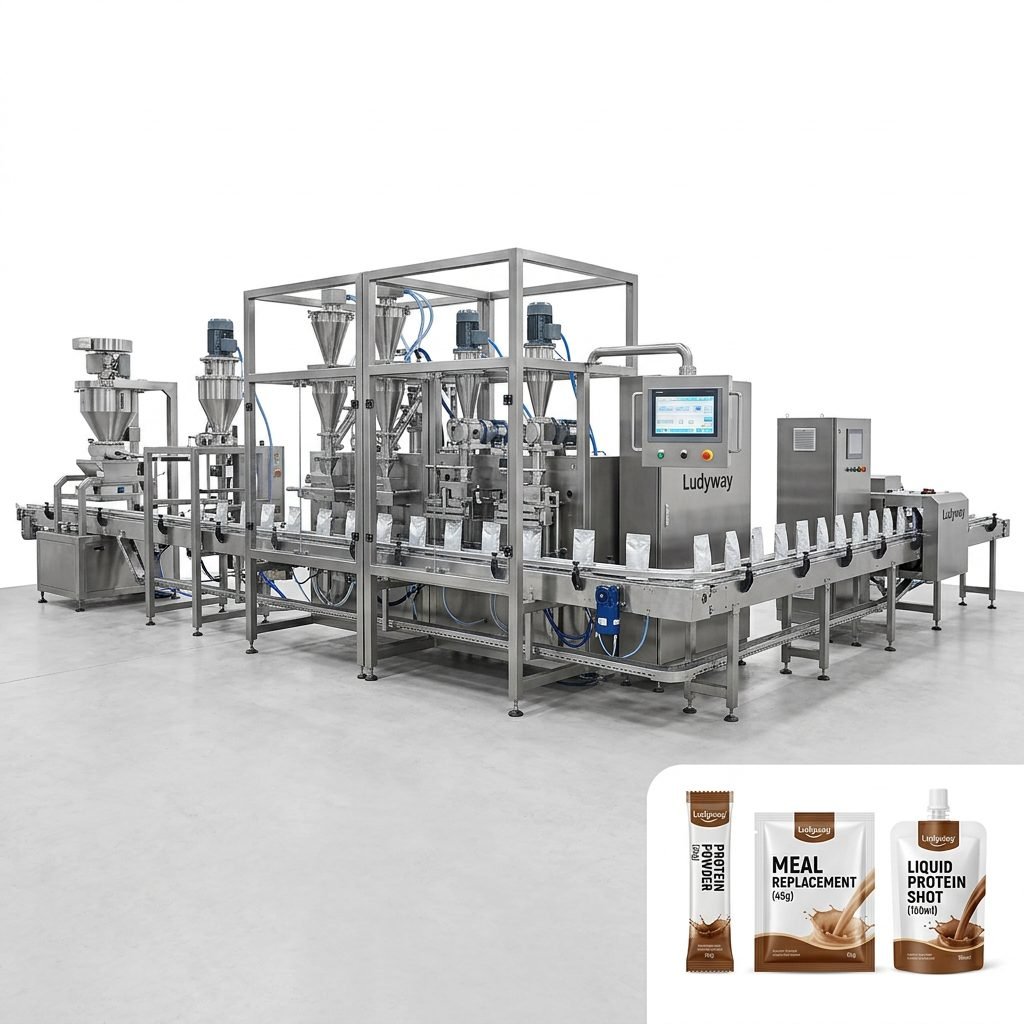
Key Packaging Formats for Global Drink Markets
| Packaging Format | Typical Applications | Target Market |
|---|---|---|
| Stick Pack | Instant coffee, energy drink powder, electrolyte mixes | Single-serve, on-the-go consumers |
| Sachet | Fruit juice concentrate, liquid shots, drink mixes | Emerging markets, sample packs |
| Stand-up Pouch | Protein powder, meal replacement drinks, premium teas | Retail shelves, e-commerce |
| Bottle Filling | Ready-to-drink beverages, juices, functional drinks | Supermarkets, convenience stores |
Types of Drink Packaging Machines
Understanding the different machine types available on the global market is essential for matching your production needs with the right technology. Each category offers distinct advantages in terms of speed, flexibility, and automation level.
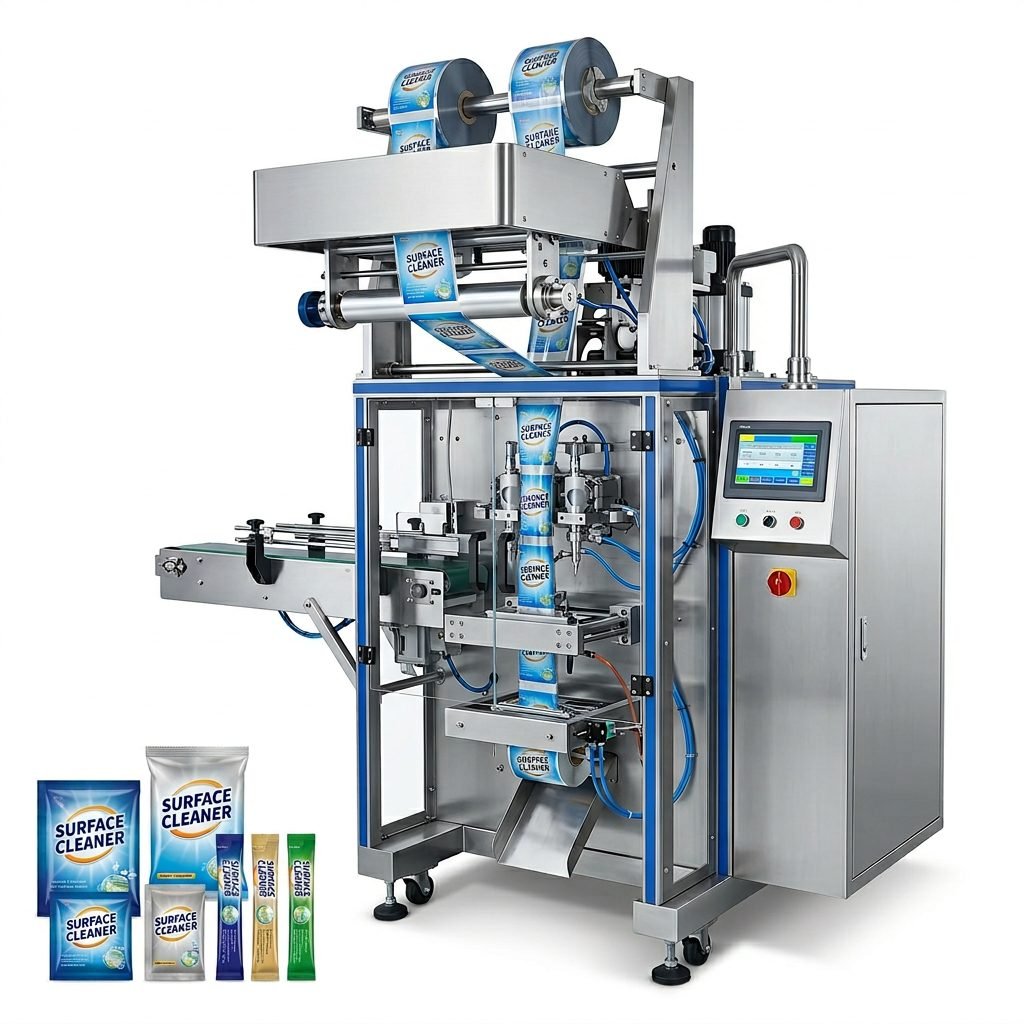
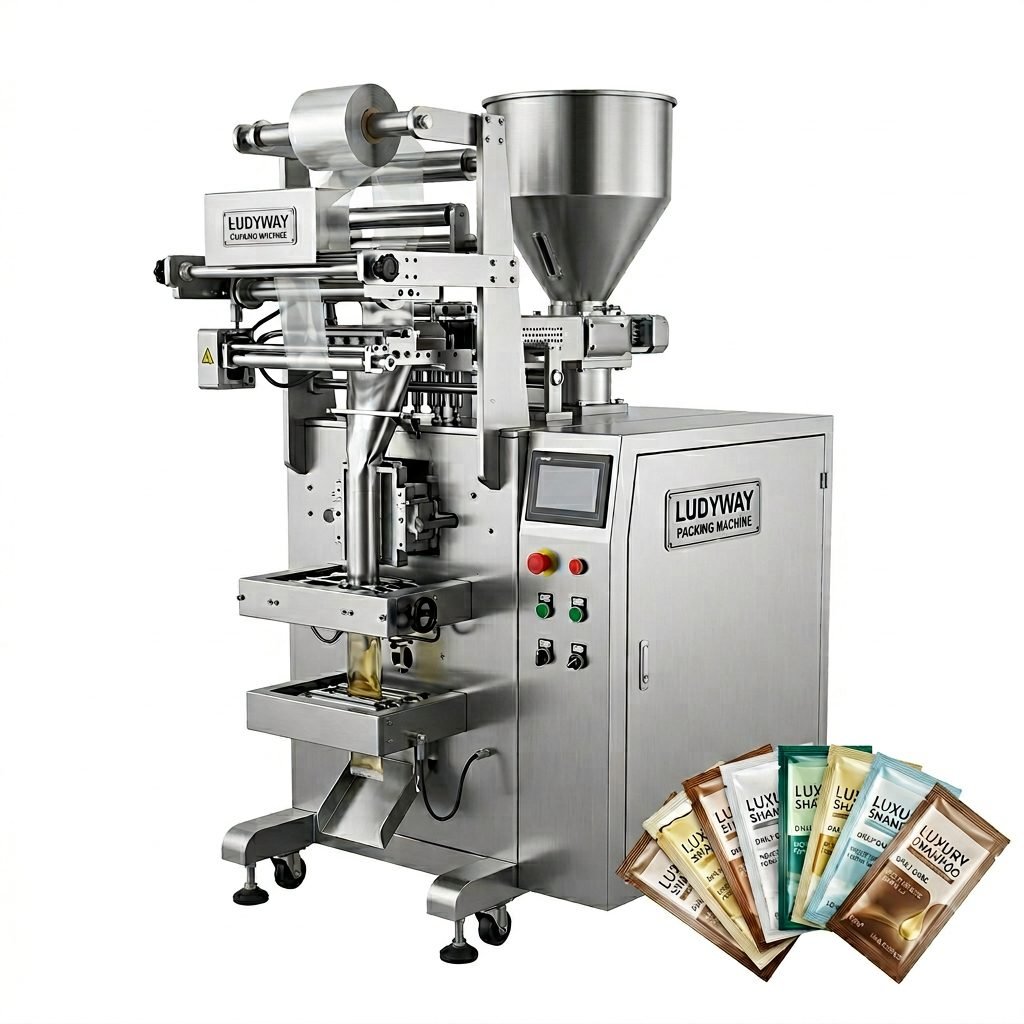
- Vertical Form Fill Seal (VFFS) Machines: Ideal for powder and granule drinks, these machines form a pouch from a flat roll of film, fill it with product, and seal it. They are highly versatile and support various bag styles including pillow bags, gusseted pouches, and stick packs.
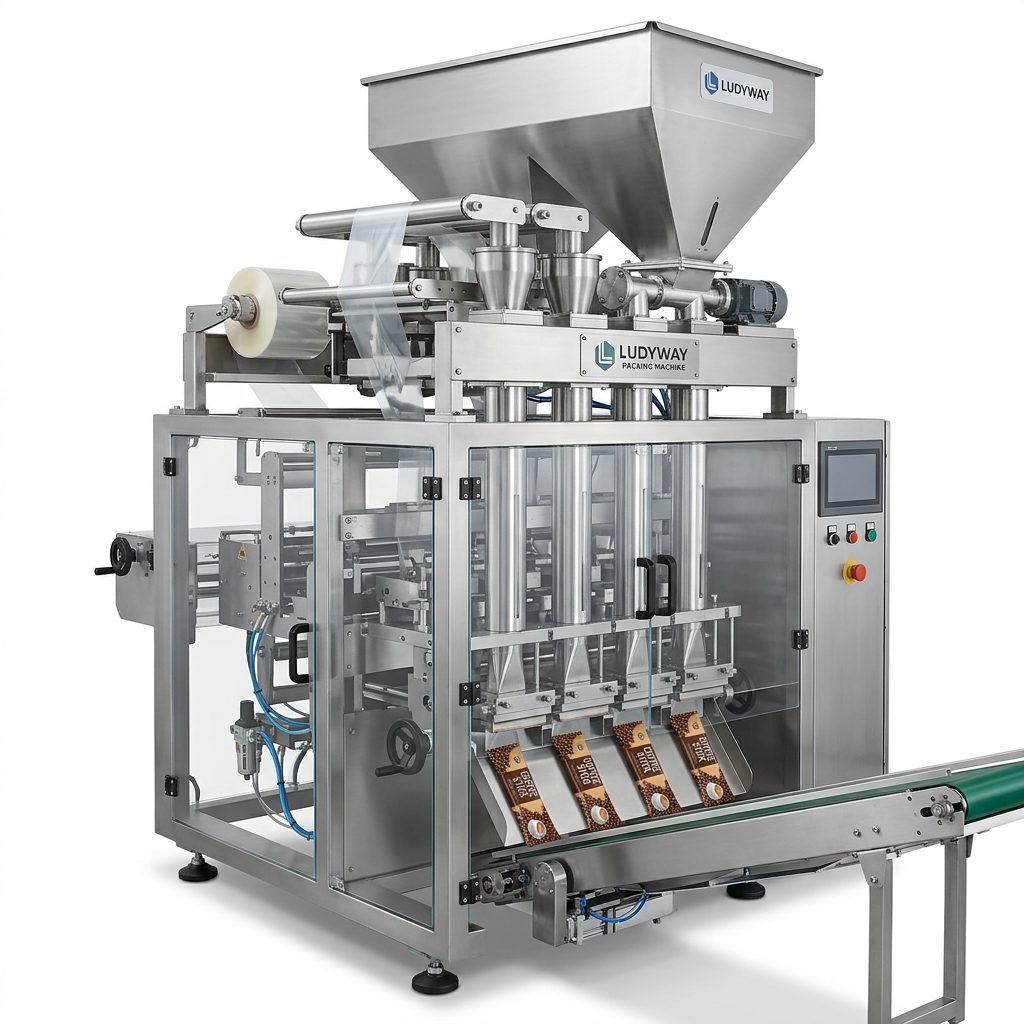
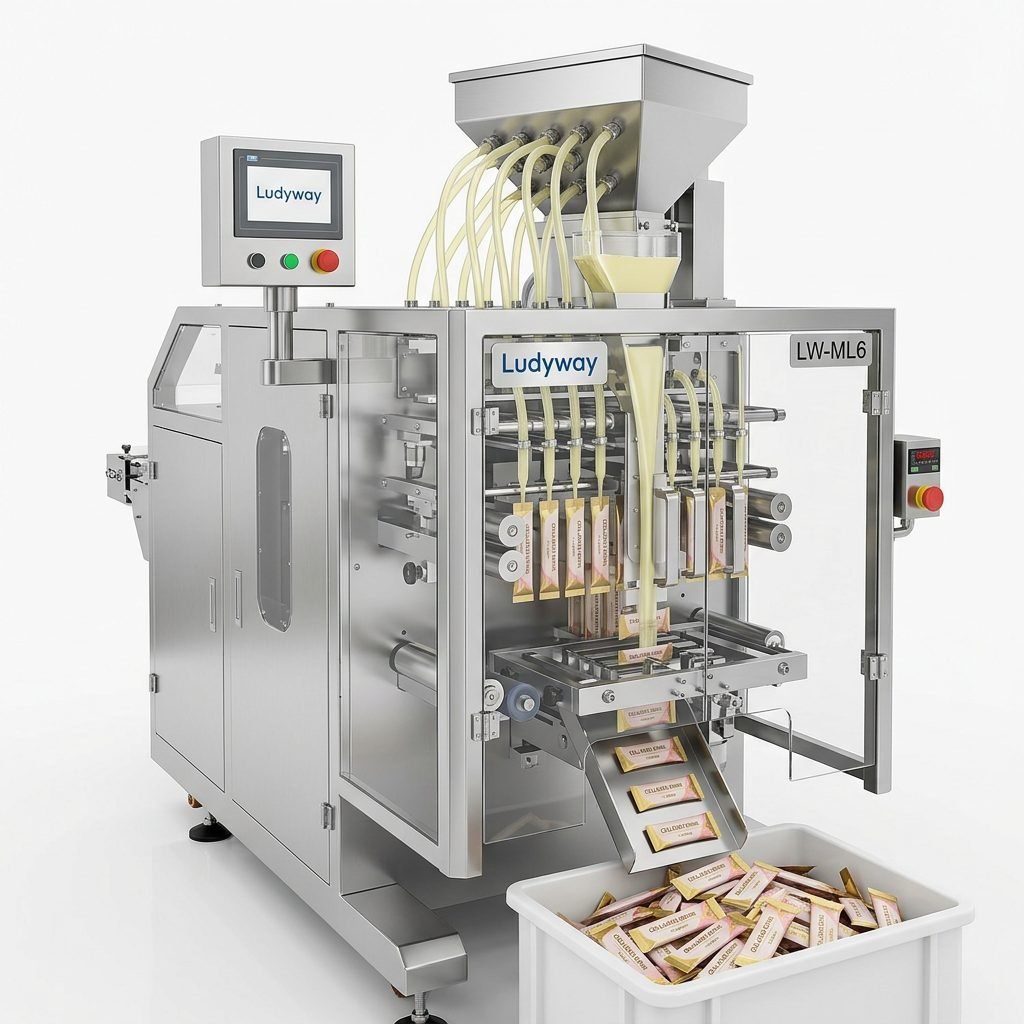
- Multi-Lane Stick Pack Machines: Designed for high-volume production of narrow stick packs, these systems can run 4 to 20 lanes simultaneously, dramatically increasing output for products like instant coffee, sugar, and drink powder mixes.
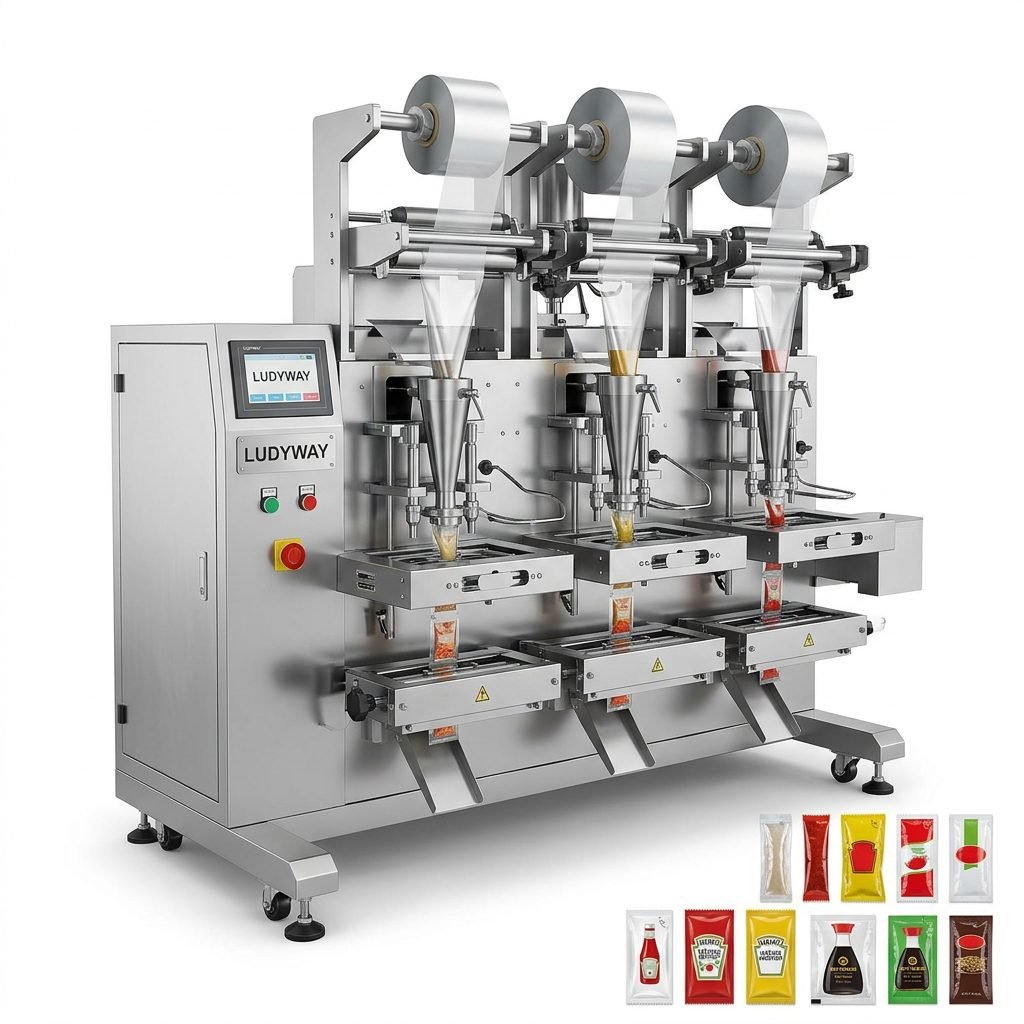
- Liquid Filling and Sealing Machines: Specifically engineered for beverages with varying viscosities, from water-thin liquids to thick syrups and concentrates. These machines often integrate with pre-made pouch or bottle handling systems for complete packaging lines.
- Pre-Made Pouch Fill and Seal Machines: These systems take pre-formed pouches, open them, fill with liquid or powder, and seal. They are popular for premium drink products that require high-quality, shaped, or spouted pouches with excellent shelf presence.
Critical Factors to Evaluate When Buying a Drink Packaging Machine
Beyond the machine type, several operational and technical factors determine the long-term success of your packaging investment. Carefully assessing these elements will help you avoid costly mistakes and production bottlenecks.
1. Production Capacity and Speed Requirements
Calculate your actual and projected output needs. A multi-lane stick pack machine may produce over 400 packs per minute, while a single-lane sachet machine might deliver 40-80 packs per minute. Align machine speed with your upstream processing and downstream cartoning capabilities to create a balanced, efficient line. Overinvesting in speed without matching infrastructure creates waste; underinvesting limits growth.
2. Accuracy and Filling Precision
Precision in filling is non-negotiable, especially for high-value ingredients like protein powder, collagen peptides, or specialty coffee. Look for machines equipped with servo-driven auger fillers, multi-head weighers, or mass flow meters that guarantee consistent fill weights and minimize product giveaway. This directly impacts your profitability and regulatory compliance.
3. Material Compatibility and Film Requirements
Not all packaging films work with every machine. Consider whether you need aluminum foil, polyethylene, laminated structures, or biodegradable materials. The machine’s sealing temperature range, dwell time, and jaw design must be compatible with your chosen film to ensure hermetic seals and extended shelf life. This is especially critical for drink products sensitive to moisture and oxygen.
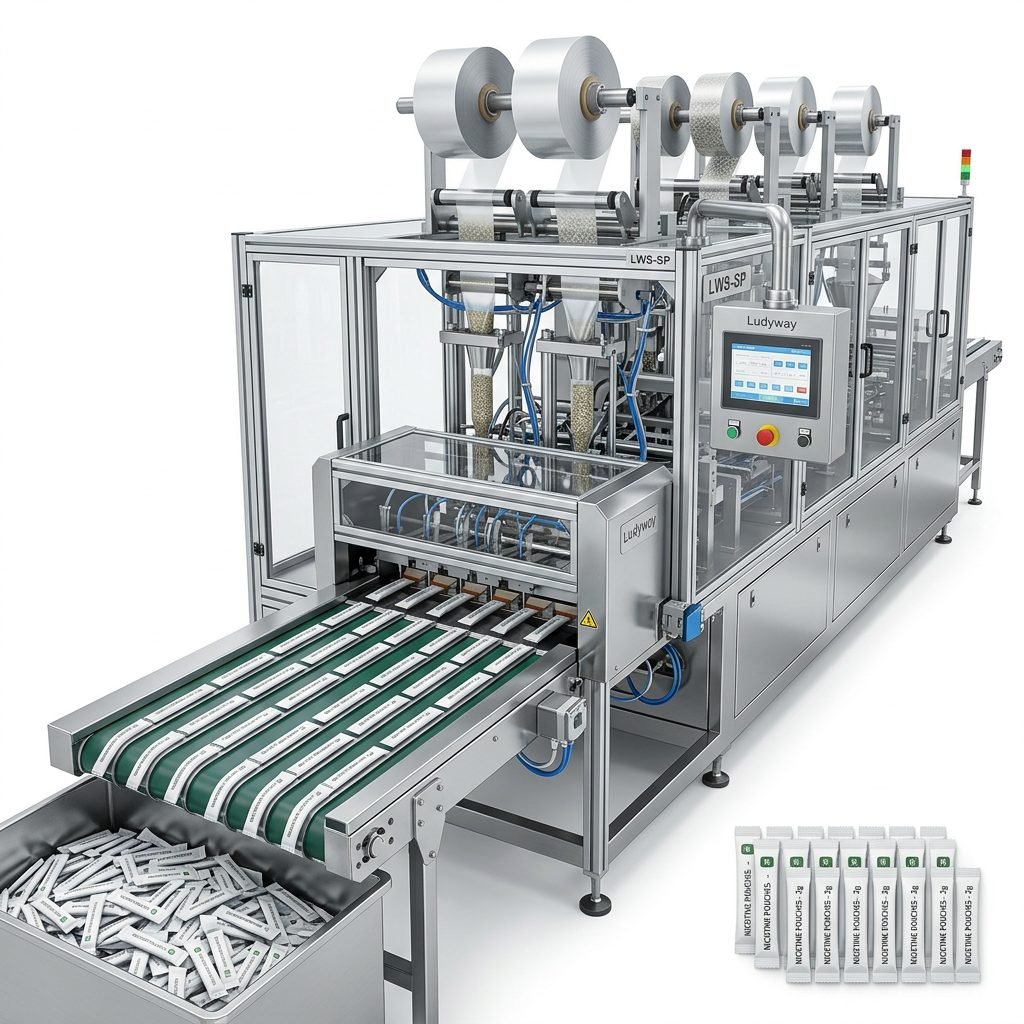
4. Cleanability and Hygiene Design
For drink packaging, hygiene is paramount. Machines should feature tool-free disassembly, washdown-compatible components, and sloped surfaces to prevent product accumulation. Look for IP65 or higher-rated electrical enclosures if wet cleaning is required. Compliance with FDA food contact substance regulations and ISO packaging standards ensures your equipment meets international food safety expectations.
5. Automation Level and Integration Capabilities
Modern drink packaging lines often include integrated solutions such as automatic feeding systems, checkweighers, metal detectors, and cartoning machines. A machine that supports seamless communication with upstream and downstream equipment via standard industrial protocols reduces manual handling, minimizes errors, and improves overall equipment effectiveness (OEE).
Global Regulatory and Market Considerations
Exporting packaged drinks means navigating diverse regulatory landscapes. Your chosen packaging machine must be capable of meeting the standards in your target regions.
- North America: Compliance with FDA regulations for food packaging materials and labeling is mandatory. Equipment should support accurate net weight filling and tamper-evident seal requirements as outlined by PMMI industry resources.
- European Union: Adherence to EU packaging and packaging waste directives, including material restrictions and recycling targets, is essential. Review guidelines from the European Commission on packaging waste.
- Flexible Packaging Standards: The Flexible Packaging Association provides valuable data and sustainability resources that influence global packaging trends and material choices.
- Emerging Markets: Countries in Southeast Asia, Africa, and Latin America often prioritize affordable, single-serve formats like sachets and stick packs. Machines must be robust, easy to operate, and capable of running a wide range of locally available films.
Total Cost of Ownership and ROI Analysis
The purchase price is only one component of the total cost. A comprehensive analysis should include:
- Initial investment: Machine cost, tooling, and installation.
- Operational costs: Film material consumption, energy usage, and labor requirements.
- Maintenance and spare parts: Availability of critical components and technical support response time.
- Downtime and efficiency: Reliable machines with high uptime percentages generate more revenue over their lifespan compared to cheaper alternatives that frequently break down.
A slightly higher upfront investment in a robust, automated multi-lane system often yields a faster return on investment through reduced labor, lower film waste, and higher throughput.
Supplier Selection and After-Sales Support
Choosing the right supplier is as critical as choosing the right machine. Evaluate potential partners based on their industry experience, technical expertise, and global service network. Verify that the supplier offers factory acceptance testing (FAT), on-site installation, operator training, and readily available spare parts. A manufacturer with a proven track record in the food and pharmaceutical sectors, such as Ludyway, can provide the reliability and ongoing support needed for sustained production success.
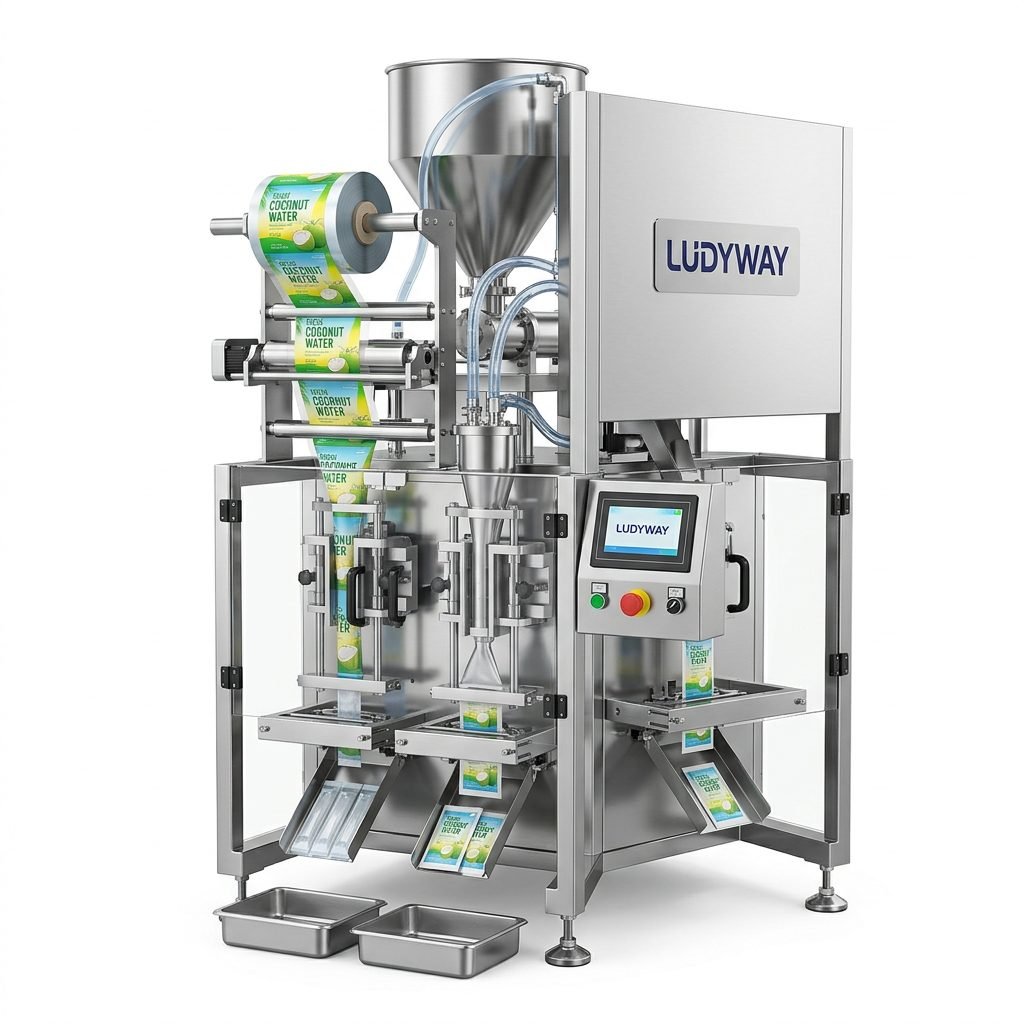
Making Your Final Decision
Selecting a drink packaging machine is a strategic decision that impacts your brand, operational efficiency, and market competitiveness. By carefully analyzing your product requirements, production goals, regulatory obligations, and total cost of ownership, you can identify the equipment that best fits your business model. Prioritize flexibility, precision, and supplier reliability to build a packaging operation that scales efficiently and delivers consistent quality to consumers worldwide.
For further reading on packaging machinery market research and state of the industry reports, explore the latest data and trends that shape the global packaging landscape.