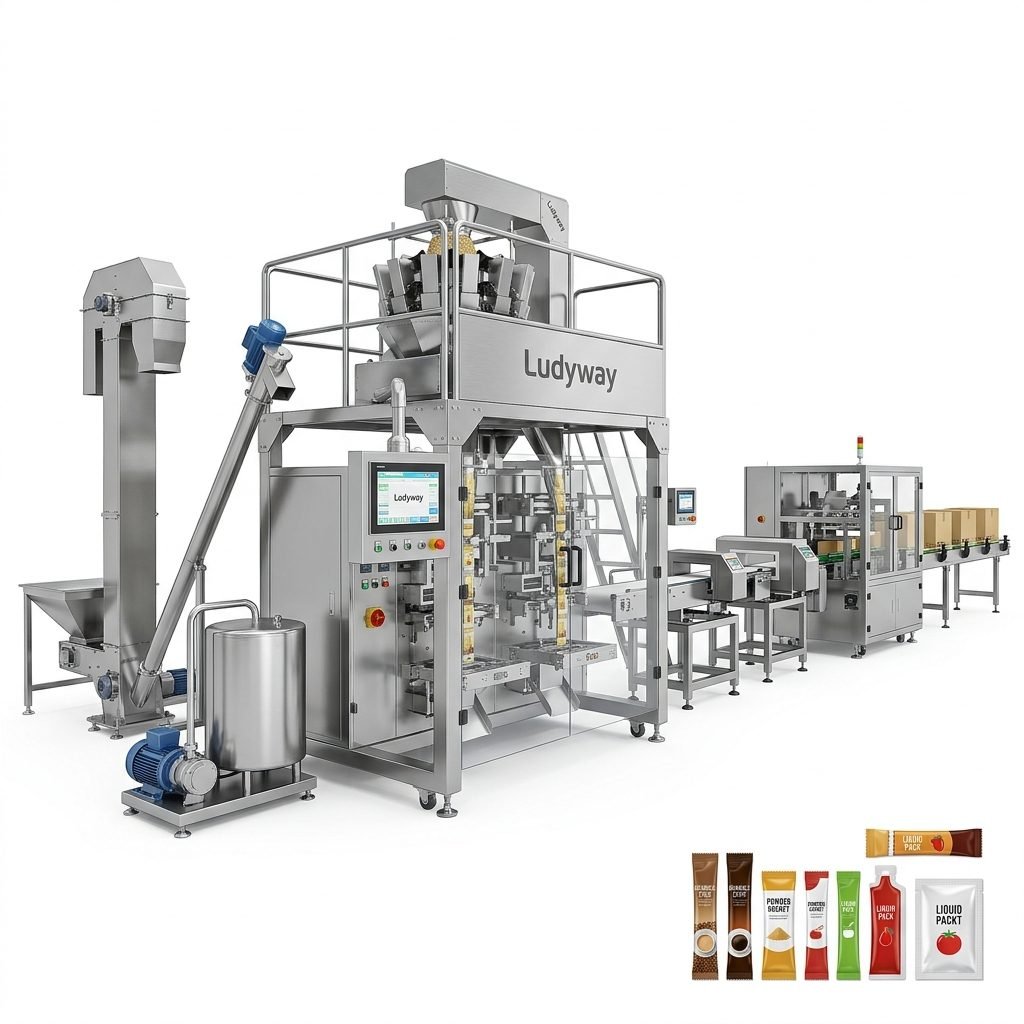
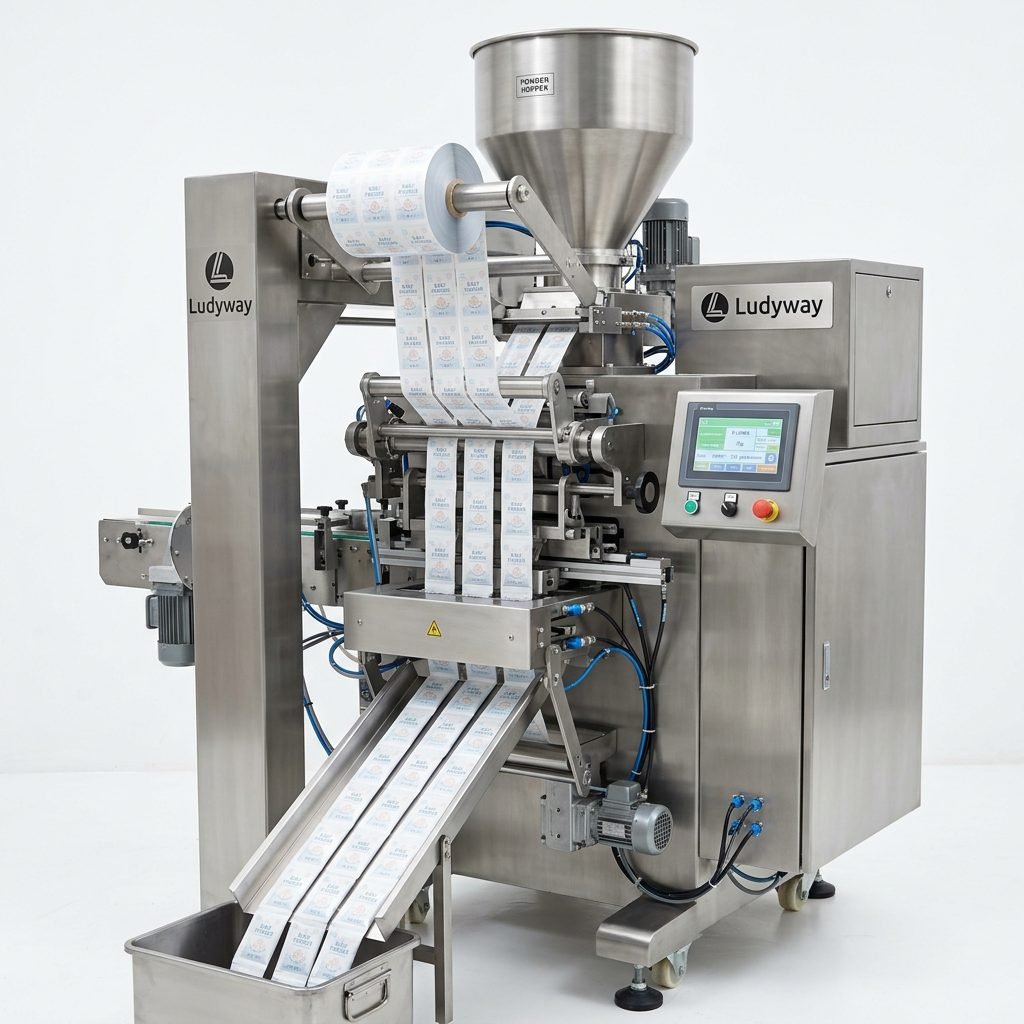
Investing in a tube packing machine is a significant decision for manufacturers in the food, pharmaceutical, cosmetic, and chemical industries. The right equipment can dramatically improve production efficiency, reduce waste, and ensure consistent product quality. However, with dozens of configurations, filling technologies, and automation levels available, the selection process can feel overwhelming. This guide walks you through the essential factors to evaluate before making your purchase, helping you match the right tube packing machine to your specific production requirements.
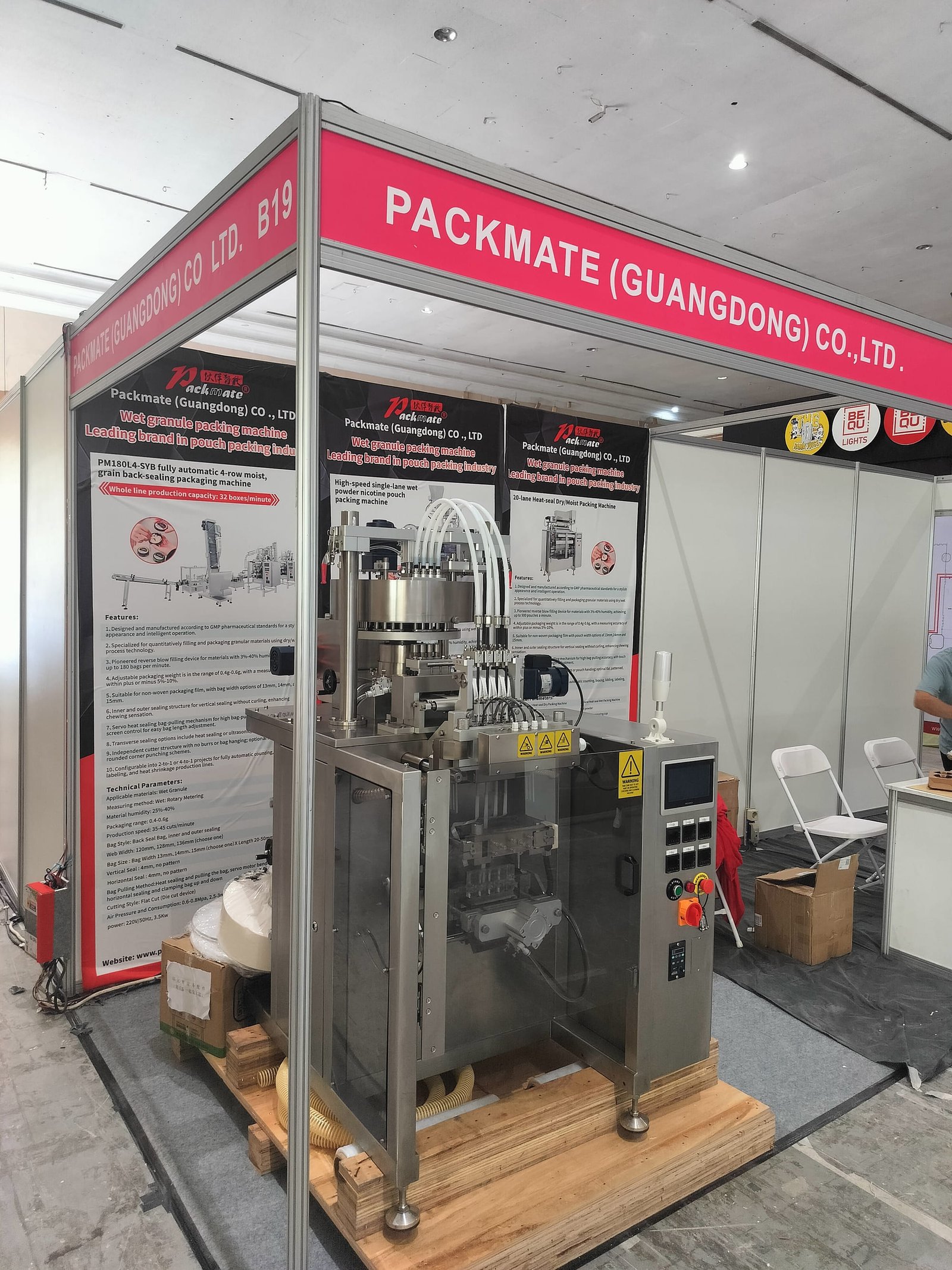
Understanding Your Tube Packaging Requirements
Before comparing machine specifications, start by clearly defining what you need the equipment to accomplish. Every production environment has unique demands, and understanding these upfront will narrow your options considerably.
- Product characteristics — Is your product a paste, cream, gel, ointment, or high-viscosity liquid? The rheology of your product directly determines which filling system will work best. Highly viscous products like industrial greases require different handling than low-viscosity cosmetic creams.
- Tube specifications — What tube materials are you using? Flexible packaging tubes come in laminate, aluminum, plastic, and co-extruded formats. Tube diameter, length, and closure type (flip-top, screw cap, nozzle) all affect machine configuration.
- Production volume — Are you running small batches of 500 tubes per day or high-speed lines producing 15,000+ tubes per hour? This single factor often determines whether you need a semi-automatic or fully automatic tube filling machine.
- Filling volume range — Does your product line require filling volumes from 1ml to 500ml? Multi-range flexibility may be essential if you package different product sizes on the same line.
Types of Tube Packing Machines
The tube packaging machinery market offers several distinct machine categories. Understanding the differences helps you avoid overpaying for capabilities you do not need or, conversely, buying equipment that cannot keep up with demand.
| Machine Type | Best For | Typical Speed Range | Automation Level |
|---|---|---|---|
| Manual Tube Fillers | Startups, R&D labs, small batches | 100-500 tubes/hour | Low |
| Semi-Automatic Machines | Mid-volume production, contract packagers | 800-3,000 tubes/hour | Medium |
| Fully Automatic Inline Systems | High-volume manufacturing, 24/7 operations | 4,000-15,000+ tubes/hour | High |
| Rotary Tube Fillers | Ultra-high-speed lines, multi-station filling | 10,000-20,000+ tubes/hour | Fully automated |
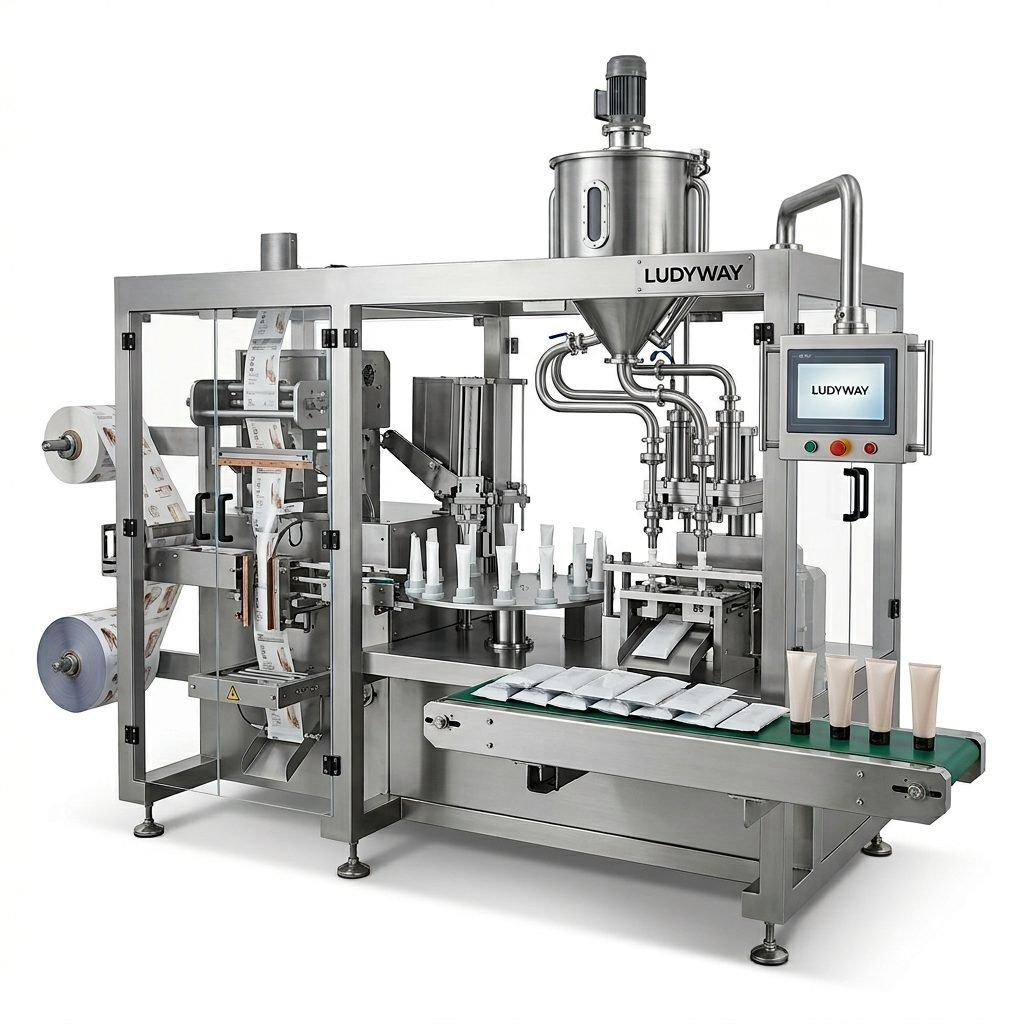
Critical Technical Specifications to Evaluate
When comparing tube packing machines from different suppliers, several technical parameters deserve close attention. These specifications directly impact production efficiency, product quality, and long-term reliability.
Filling Accuracy and Dosing Technology
The filling system is the heart of any tube packaging machine. Options include piston fillers, peristaltic pump systems, gear pump metering, and net-weight filling. Piston fillers excel with viscous pastes and creams, offering volumetric accuracy within ±0.5%. Peristaltic pumps provide sterile, closed-system filling ideal for pharmaceutical products. The packaging machinery market continues to evolve with servo-driven dosing systems that deliver exceptional precision across varying product viscosities.
Tube Sealing Methods
Tube sealing quality directly affects product shelf life and leak prevention. The main sealing technologies include:
- Hot air sealing — Uses heated air to melt and fuse the tube material; common for plastic and laminate tubes
- Hot jaw sealing — Employs heated metal jaws with pressure; offers strong, consistent seals for multi-layer materials
- Ultrasonic sealing — Uses high-frequency vibration for clean seals; ideal for products sensitive to heat
- Impulse sealing — Applies brief electrical pulses; suitable for certain thermoplastic tubes
Coding, Inspection, and Quality Control
Modern tube packaging lines integrate coding systems for batch numbers and expiration dates, vision inspection for seal integrity verification, and checkweighing stations to confirm fill weights. These features ensure compliance with packaging standards and regulatory requirements across global markets.
Material Compatibility and Changeover Flexibility
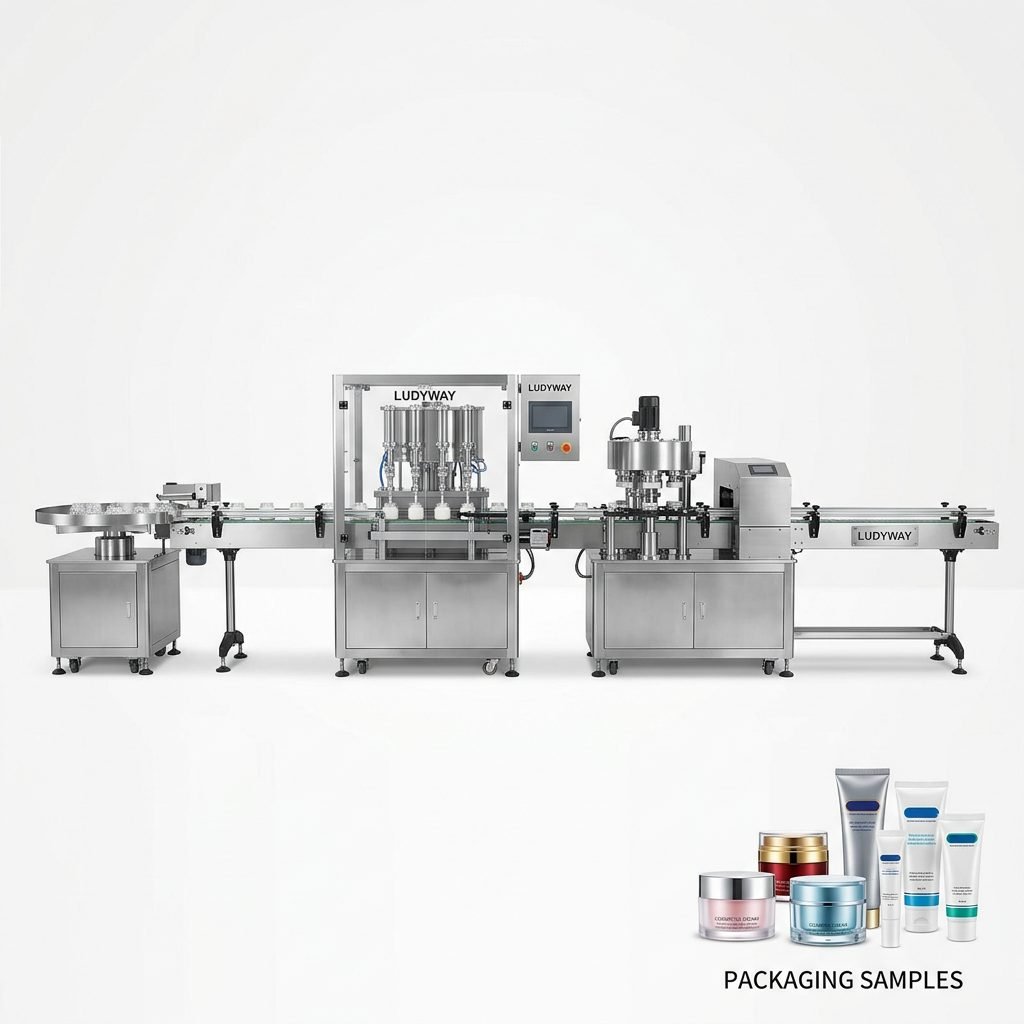
A key consideration for manufacturers running multiple product lines is changeover speed and material versatility. Machines with tool-less changeover designs can reduce downtime from hours to minutes when switching between different tube sizes or product formulations. Quick-release filling nozzles, adjustable tube holders, and programmable recipes stored in the PLC significantly enhance operational flexibility.
Compliance and Industry-Specific Requirements
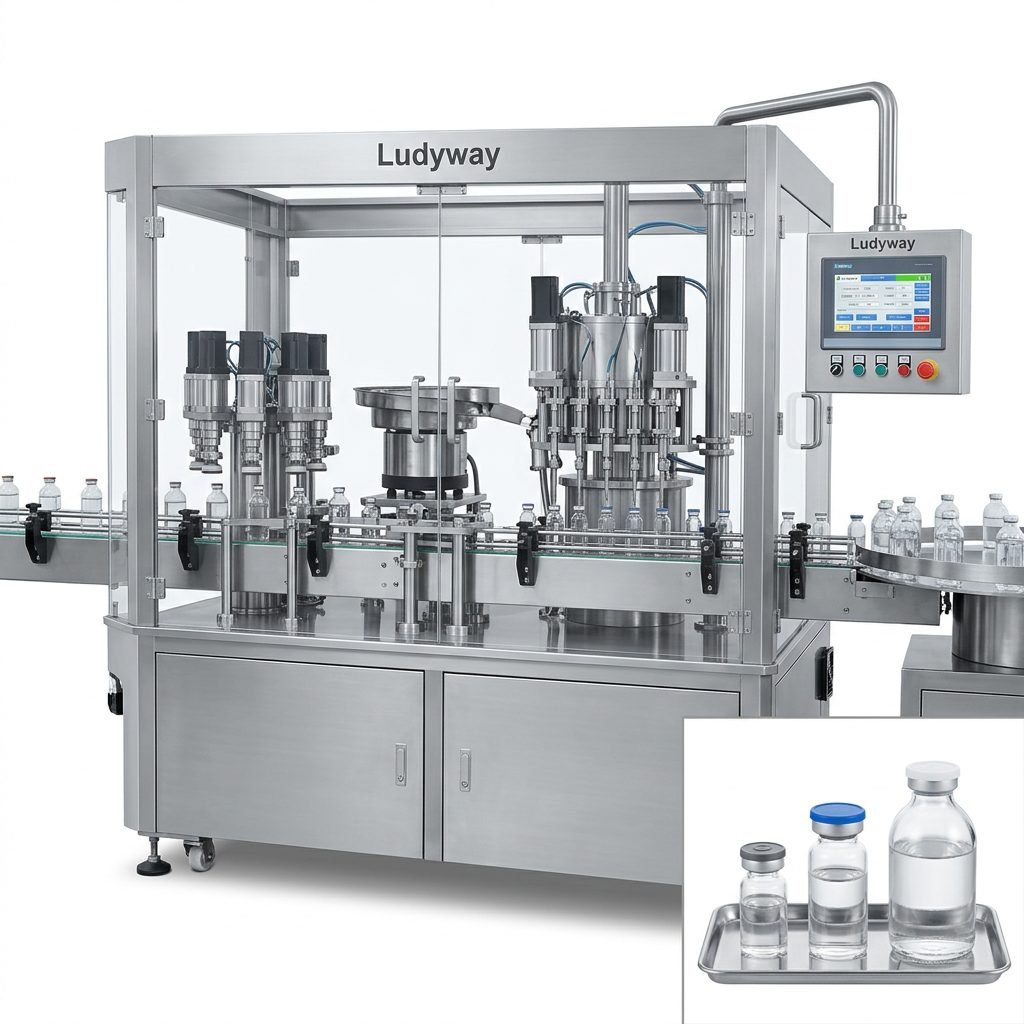
Different industries impose different regulatory demands on packaging equipment. Pharmaceutical tube fillers must comply with GMP guidelines, often requiring stainless steel construction, validated cleaning procedures, and documented qualification protocols. Food-grade machines need sanitary designs with easy disassembly for CIP (clean-in-place) compatibility. Cosmetic manufacturers may prioritize quick batch changeovers and aesthetic handling to prevent tube scratching or marking.
For pharmaceutical applications, FDA packaging regulations and ISO 11607 standards for terminally sterilized medical devices may apply. Ensure your chosen machine supplier can provide the necessary documentation packages, including IQ/OQ/PQ validation support where required.
Evaluating Suppliers and After-Sales Support
The relationship with your equipment supplier extends far beyond the initial purchase. Consider these factors when evaluating tube packing machine manufacturers:
| Evaluation Criteria | Why It Matters |
|---|---|
| Industry experience | Manufacturers with decades of specialization understand the nuances of different products and can recommend proven configurations |
| Installation and commissioning support | Proper setup by factory-trained technicians prevents early operational issues and accelerates time-to-productivity |
| Spare parts availability | Global parts distribution networks minimize downtime when components need replacement |
| Remote diagnostics capability | Modern machines with remote access allow suppliers to troubleshoot issues without on-site visits |
| Operator training programs | Comprehensive training ensures your team can operate, clean, and maintain the equipment correctly |
| Custom engineering capabilities | The ability to modify standard designs for unique products or factory layouts adds significant long-term value |
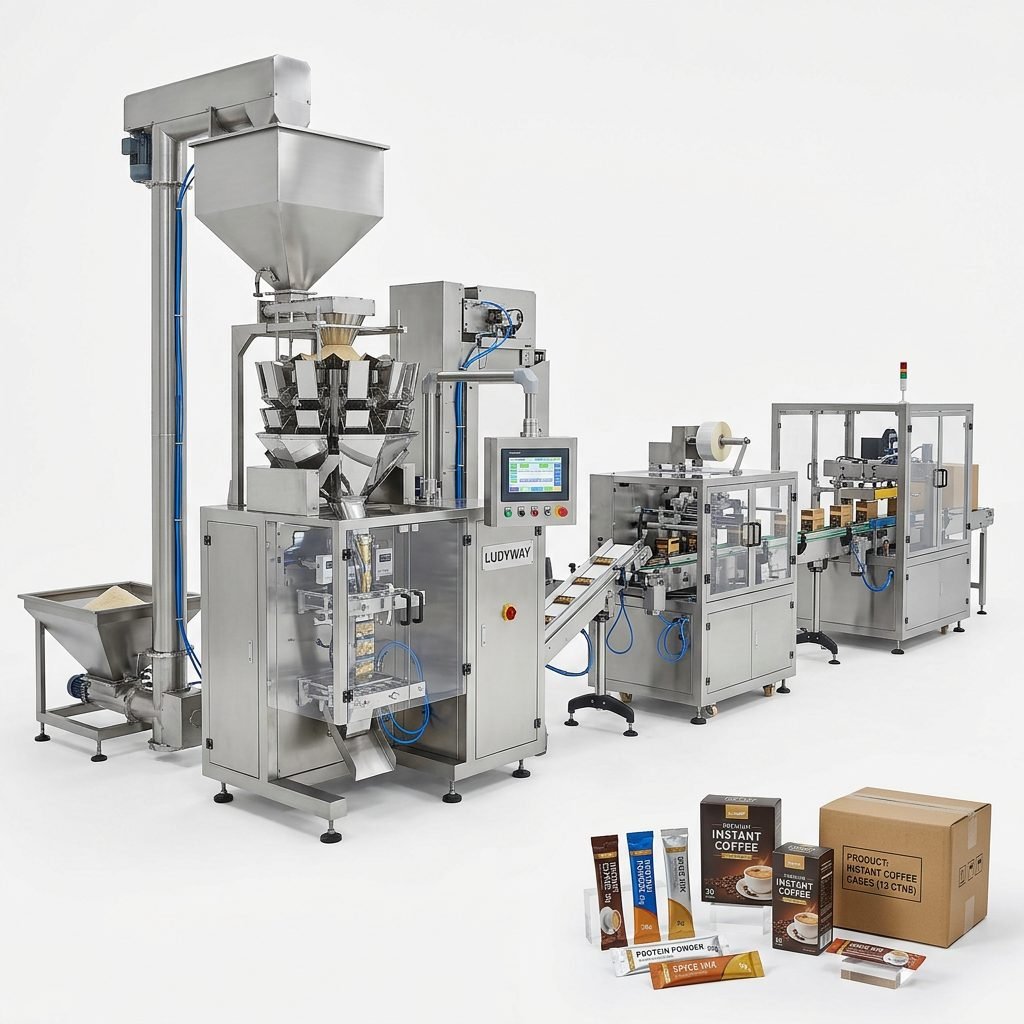
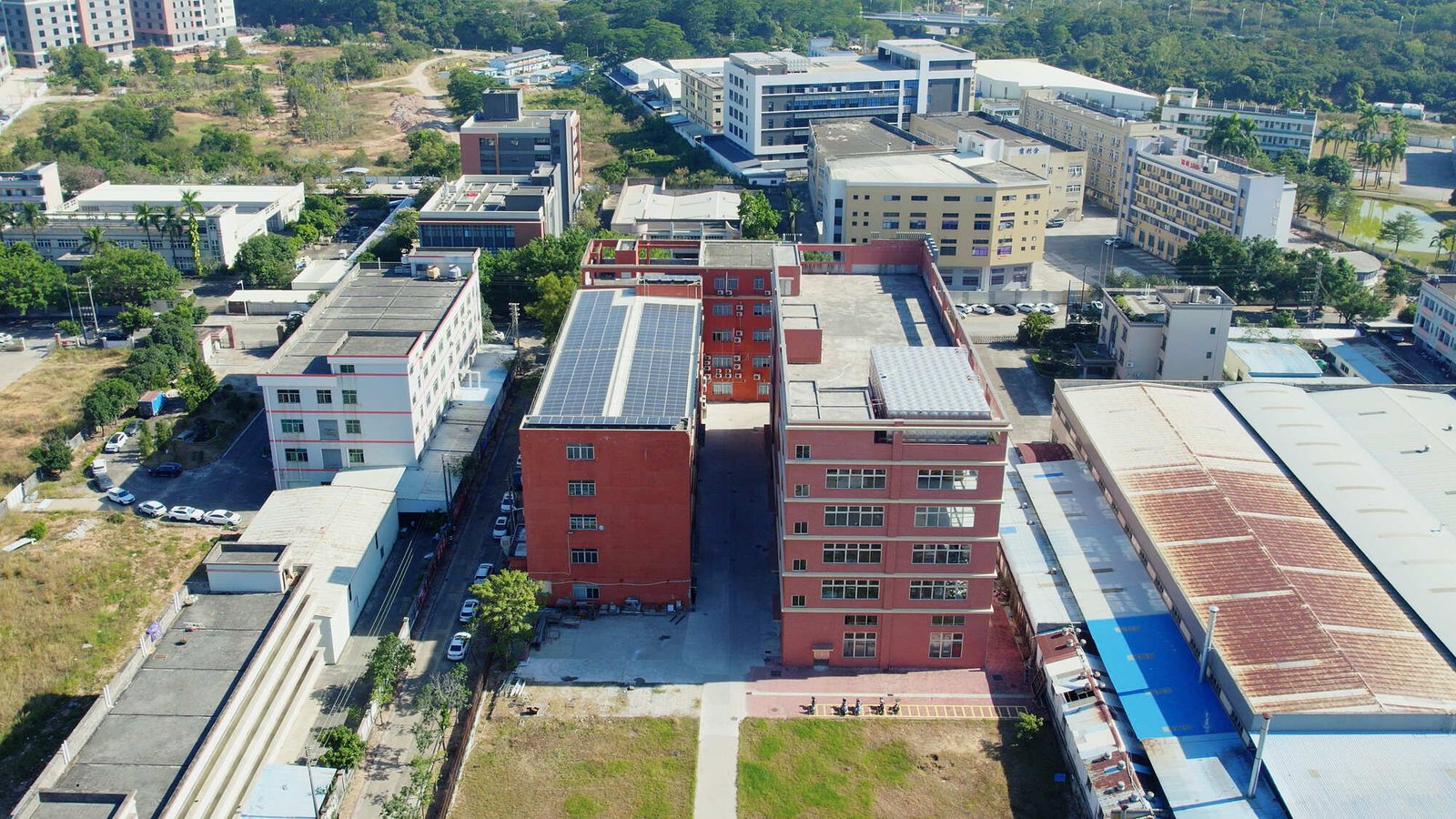
For manufacturers seeking a comprehensive solution, some suppliers like Ludyway Machinery offer turnkey packaging systems that integrate tube filling with cartoning, case packing, and palletizing equipment. With over 30 years of industry experience, a 20,000-square-meter manufacturing facility, and service coverage in more than 100 countries, experienced packaging machinery manufacturers can provide integrated solutions from a single source, simplifying project management and ensuring system-wide compatibility.
Total Cost of Ownership Considerations
The purchase price of a tube packing machine represents only a fraction of its total lifetime cost. A thorough financial analysis should account for:
- Initial capital expenditure — Machine cost, tooling, installation, and facility modifications
- Operational costs — Energy consumption, compressed air requirements, consumable parts
- Maintenance expenses — Preventive maintenance schedules, spare parts inventory, service contracts
- Downtime impact — Revenue lost during unplanned stoppages; invest in reliability upfront
- Training investment — Operator and maintenance personnel training costs
- Future scalability — Can the machine accommodate higher speeds or additional formats later?
According to the 2026 State of the Industry report, packaging equipment buyers increasingly prioritize total cost of ownership and energy efficiency alongside upfront pricing when making capital equipment decisions.
Future-Proofing Your Investment
The packaging industry continues to evolve rapidly. Sustainability trends, smart factory integration, and changing consumer preferences all influence equipment requirements. Consider machines that offer:
- Industry 4.0 readiness — OEE monitoring, predictive maintenance alerts, and ERP integration via standard protocols
- Sustainable packaging compatibility — Ability to run recyclable mono-material tubes or bio-based alternatives
- Modular architecture — Field-upgradable modules that add functionality without replacing the entire machine
- Energy-efficient operation — Servo-driven systems that consume power proportional to output rather than running continuously
The Flexible Packaging Association continues to report growing demand for packaging machinery that can handle sustainable materials without compromising line speed or seal integrity. Selecting a machine with this flexibility built in positions your operation for long-term competitiveness.
Making the Final Decision
Choosing the right tube packing machine requires balancing technical specifications, production demands, regulatory requirements, supplier capabilities, and total cost of ownership. Start by thoroughly documenting your current and anticipated future needs. Request detailed proposals from multiple suppliers, and whenever possible, conduct factory acceptance tests with your actual products. Visit reference installations to observe machines running in real production environments. The time invested in due diligence during selection pays significant dividends through years of reliable, efficient operation.
Whether you are upgrading an existing line or building a new production facility, the right tube packing machine becomes a cornerstone of your manufacturing capability. Prioritize quality, reliability, and supplier partnership over short-term cost savings to secure equipment that will serve your business for the next decade and beyond.
Ready to explore tube packing solutions tailored to your production requirements? Contact a qualified packaging machinery manufacturer to discuss your specific application and receive expert guidance on equipment selection, line integration, and turnkey project delivery.