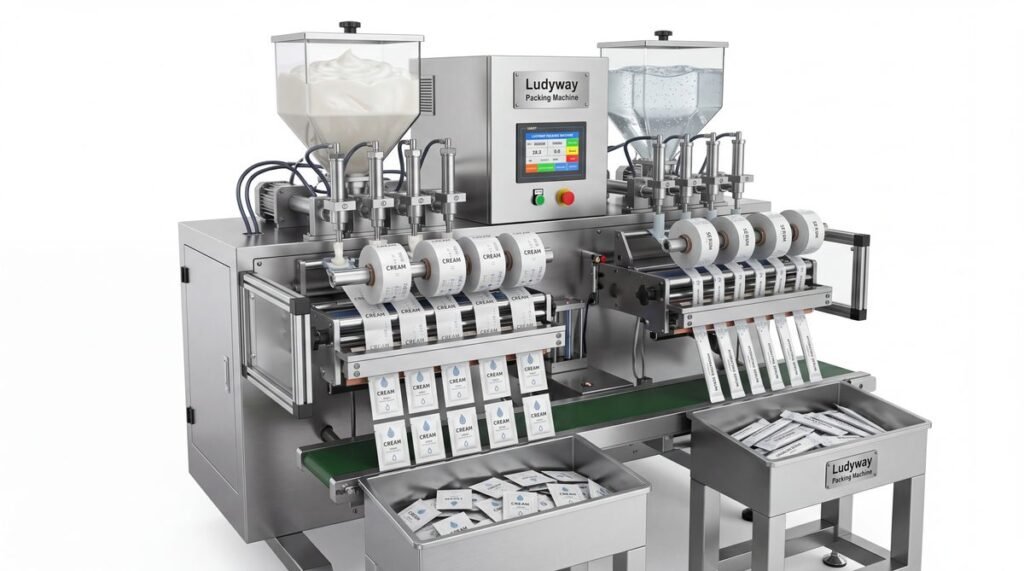
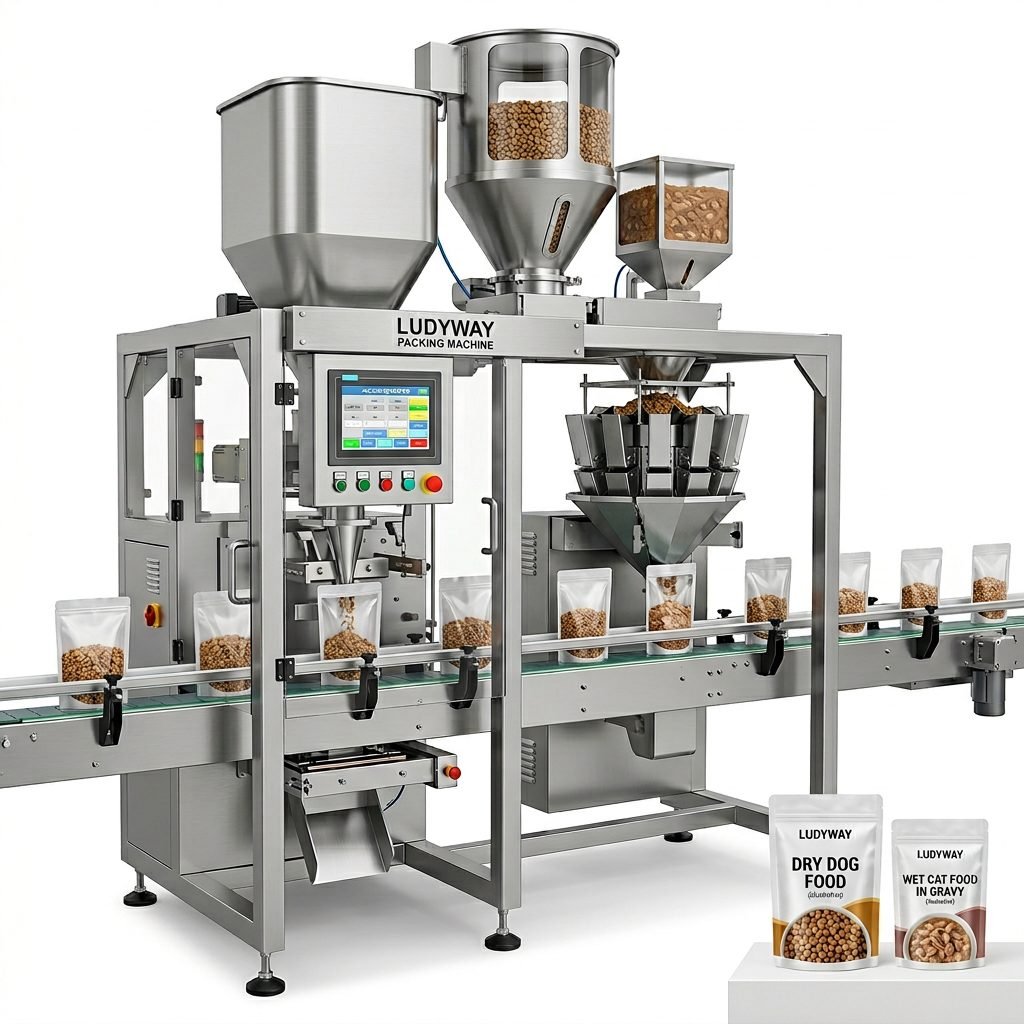
When buyers search for a drinking water packing machine, the first question is usually simple: how much does it cost? The real answer depends on far more than the base machine itself. Capacity, packaging format, automation level, material quality, filling accuracy, and after-sales support all influence the final investment.
If you are comparing suppliers, planning a new bottled water or sachet water line, or upgrading existing equipment, understanding the true pricing structure will help you avoid underbuying or overspending.
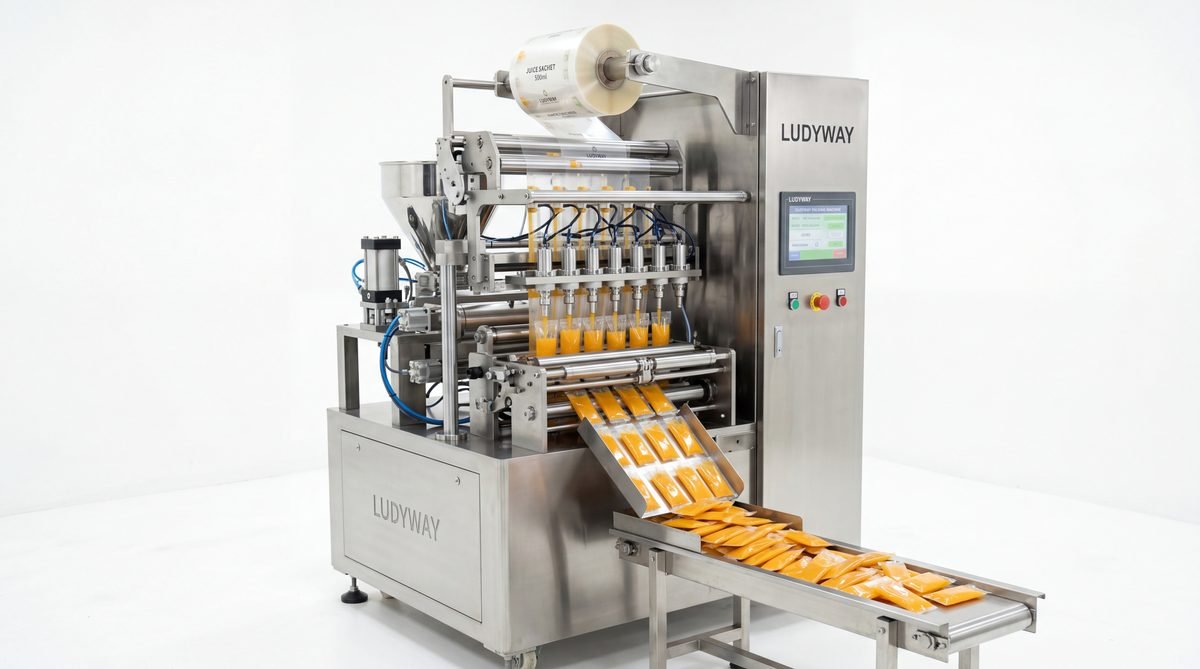
Typical Drinking Water Packing Machine Price Range
Prices vary widely because “drinking water packing machine” can refer to several different solutions, from entry-level pouch fillers to fully automatic bottled water lines. The table below gives a practical market reference.
| Machine Type | Estimated Price Range | Best For |
|---|---|---|
| Semi-automatic water pouch packing machine | USD 3,000–8,000 | Small startups, local distribution |
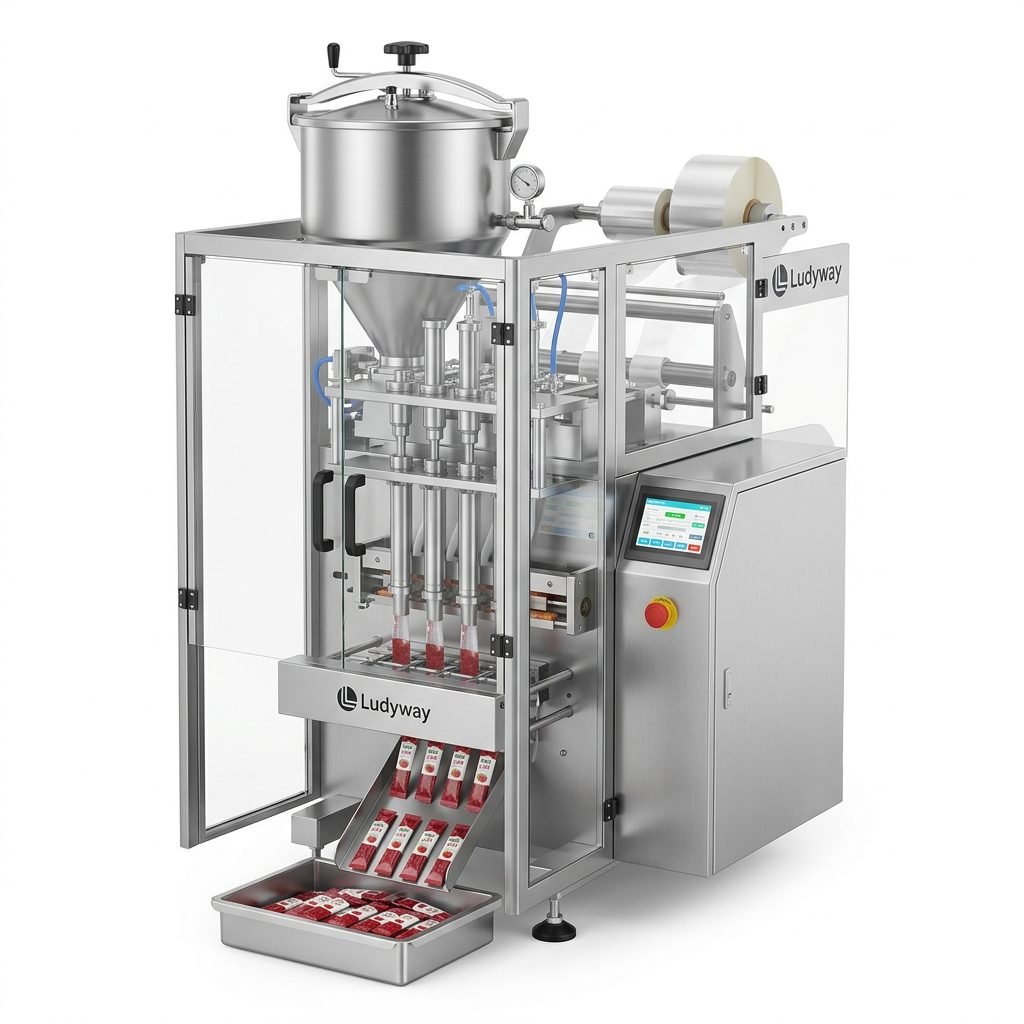
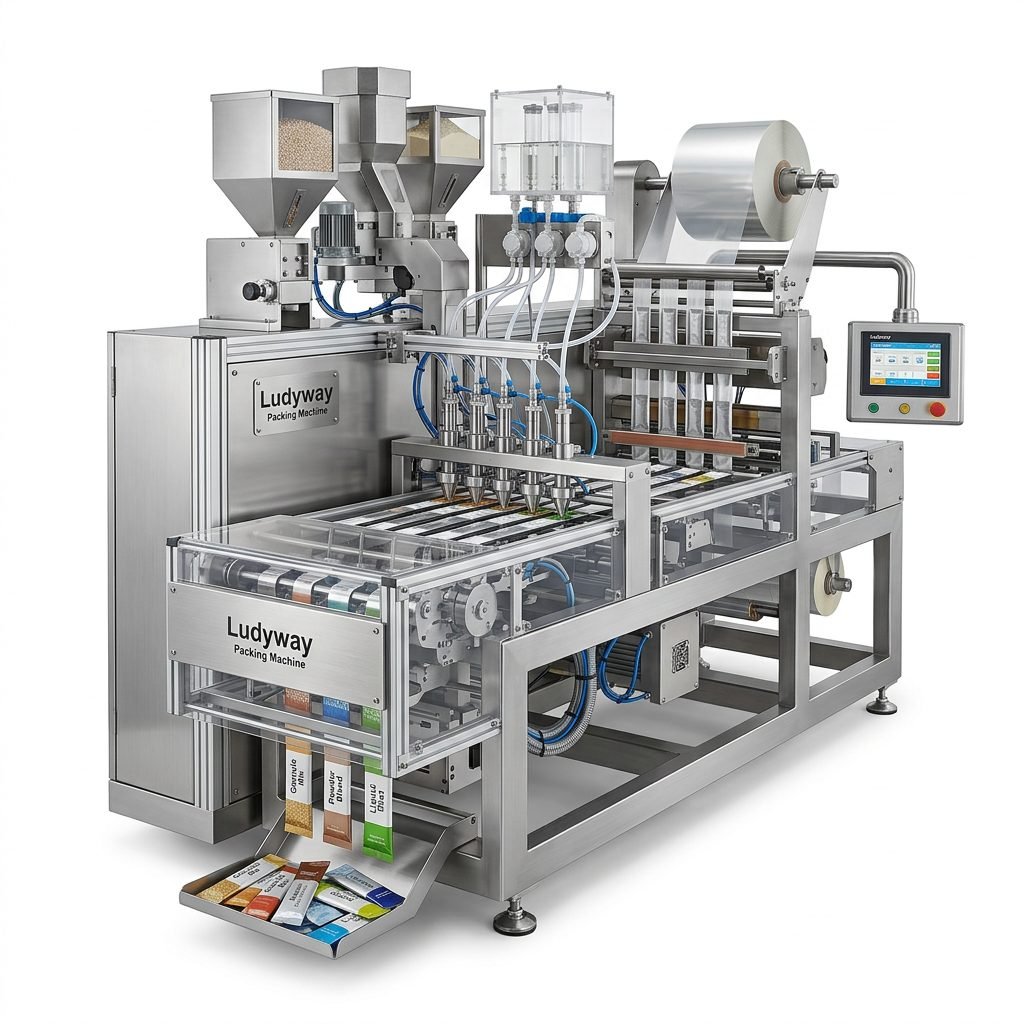
| Automatic sachet/stick pack water machine | USD 8,000–25,000 | Compact liquid packaging production |
| Automatic bottled water filling and capping machine | USD 15,000–60,000 | Growing beverage manufacturers |
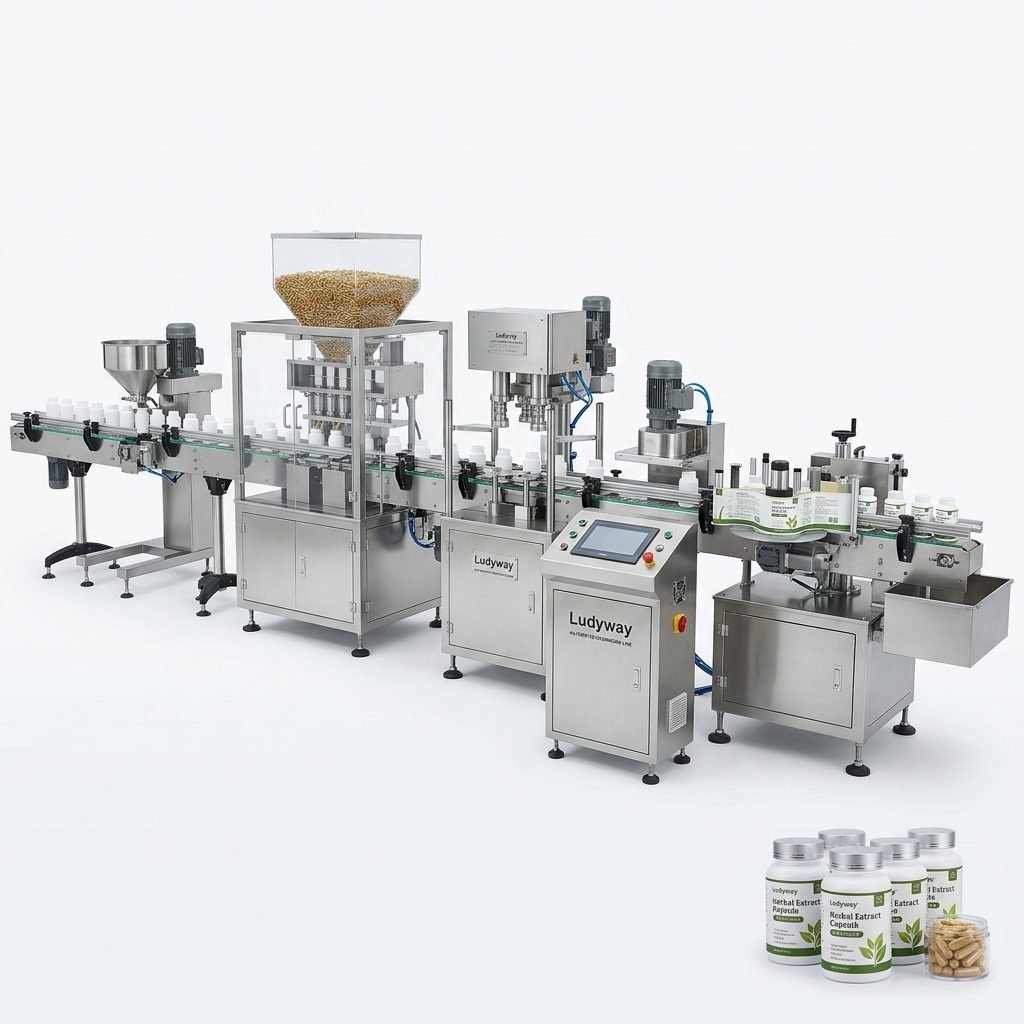
| Complete bottled water production line | USD 50,000–300,000+ | Medium to large-scale operations |
Important: quoted prices may or may not include water treatment, bottle blowing, labeling, date coding, conveyors, shrink wrapping, and installation. Always confirm exactly what is included.
What Affects the Cost of a Drinking Water Packing Machine?
1. Packaging Format
The packaging style has a major impact on machine price. Water can be packed in:
- Bottles
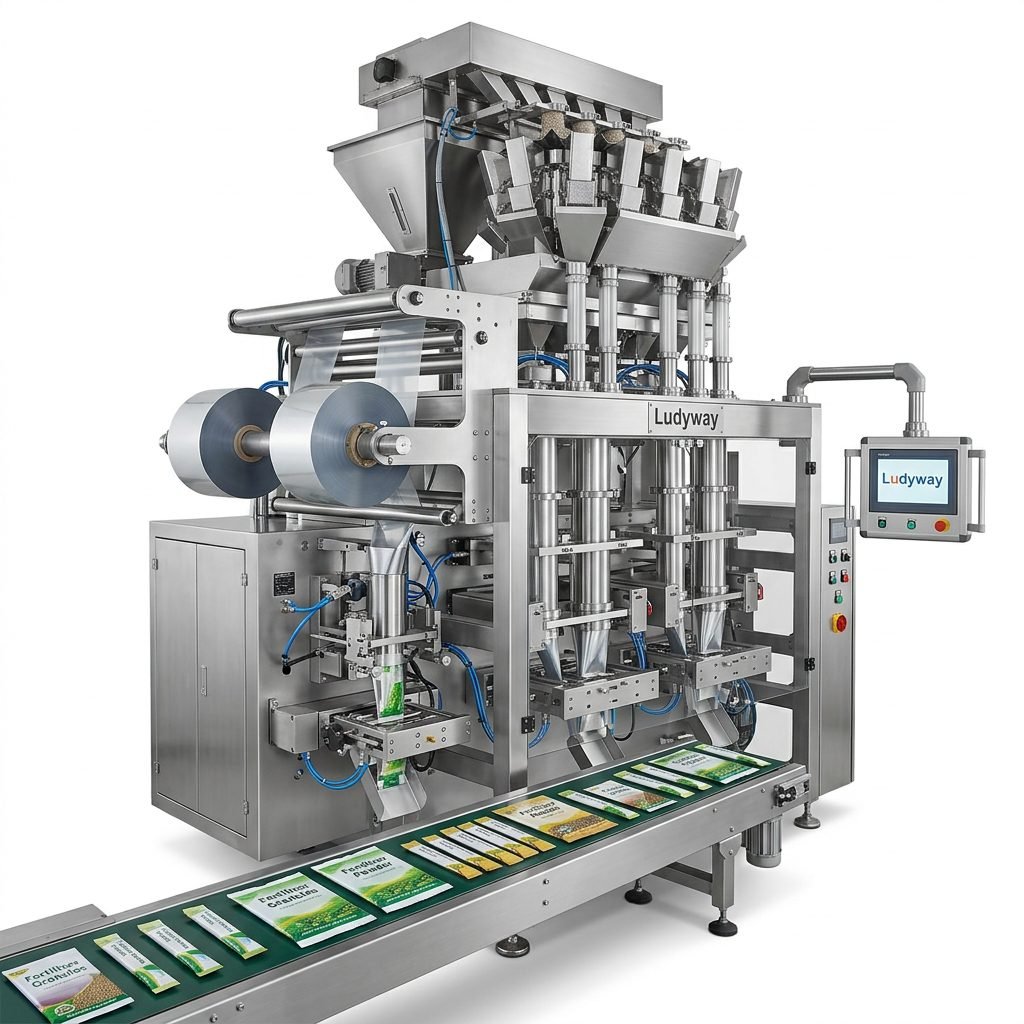
- Sachets
- Stick packs
- Pouches
- Cups or specialty containers
Bottled water systems are usually more expensive because they often require rinsing, filling, capping, labeling, and secondary packaging. Sachet or pouch systems can be more economical for entry-level projects, especially in markets where low-unit-cost packaging is important.
2. Production Capacity
Higher speed means more complex engineering and a higher machine price. A machine running at a few hundred packs per hour will cost much less than a line producing thousands of bottles per hour.
Capacity should be matched to your realistic sales forecast, not just your ideal future demand. Buying too large too early can hurt cash flow, while buying too small can limit growth and increase labor cost.
3. Automation Level
The more automatic the machine, the higher the initial investment, but the lower the labor dependency. Fully automatic systems can perform multiple steps with fewer operators, better consistency, and reduced human error.
| Automation Level | Initial Cost | Labor Need | Suitable Stage |
|---|---|---|---|
| Semi-automatic | Lower | Higher | Pilot or startup production |
| Fully automatic | Higher | Lower | Established or scaling factories |
4. Filling Accuracy and Hygiene Standards
For drinking water, hygiene is not optional. Machines built with food-grade contact parts, stainless steel structures, sanitary piping, and precise filling valves generally cost more. However, these features are essential for maintaining product safety and brand reputation.
If your target market has stricter compliance expectations, you may need:
- 304 or 316 stainless steel contact parts
- CIP-compatible design
- UV sterilization or ozone integration
- Dust-free or clean filling environment
- Certified electrical and safety components
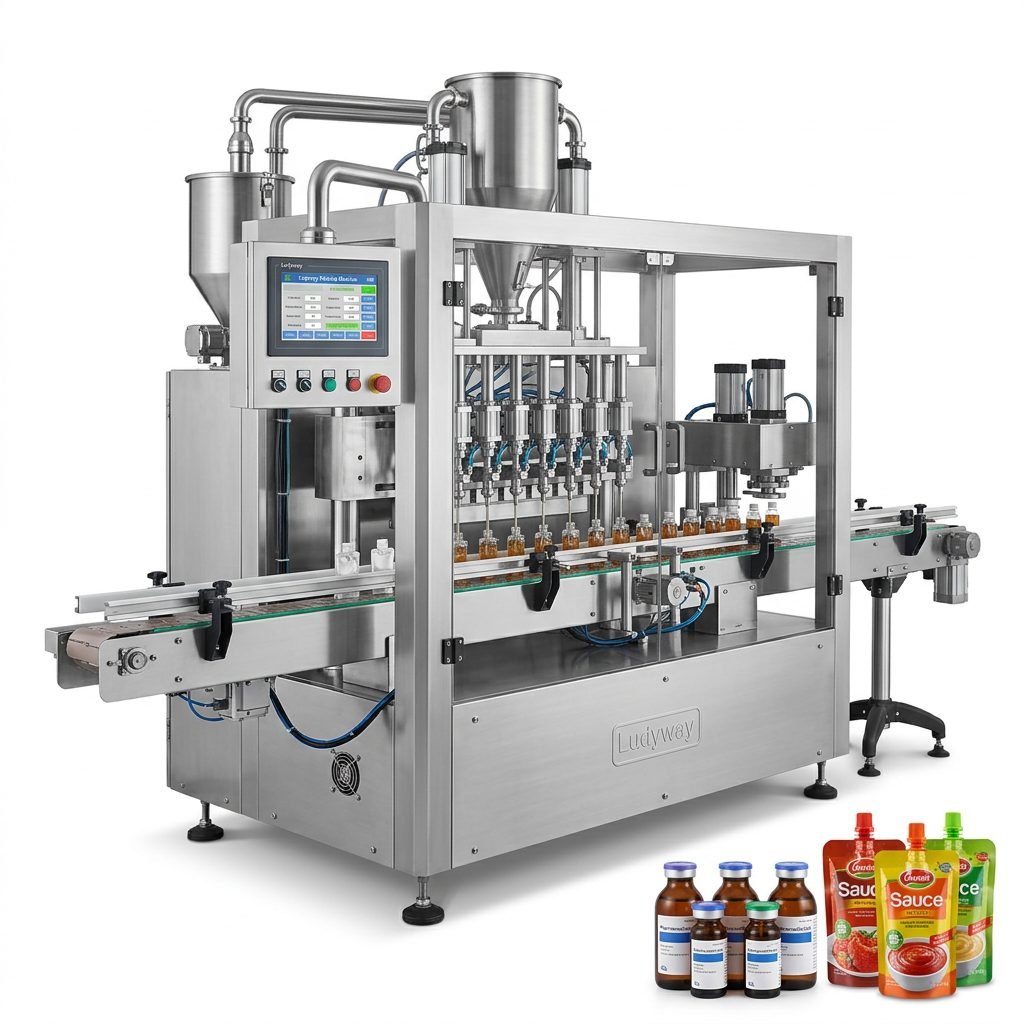
5. Core Component Brands
PLC systems, touch screens, pneumatic parts, motors, and sensors all influence cost. Machines using internationally recognized electrical brands often cost more, but they may offer better reliability, easier spare parts sourcing, and stronger long-term stability.
6. Customization Requirements
Standard machines are usually cheaper than customized ones. If your project requires special bottle sizes, unusual pouch dimensions, custom voltage, language interface, local safety standards, or line integration with existing equipment, the price will increase.
7. Supporting Equipment in the Line
Many buyers focus only on the filler, but a real drinking water packaging project may include several supporting units:
- Water treatment system
- Storage tanks
- Bottle blowing machine
- Cap sorter and cap feeder
- Labeling machine
- Date coding machine
- Shrink wrapper or carton packer
- Conveyor system
A complete line naturally costs more upfront, but it often provides better efficiency and compatibility than buying separate machines from multiple vendors.
Hidden Costs Buyers Often Miss
The purchase price is only one part of the total investment. Before making a decision, calculate the full cost of ownership.
- Shipping and import duties — ocean freight, customs clearance, local taxes, and inland transport can be significant.
- Installation and commissioning — some suppliers include remote guidance only, while onsite service is extra.
- Operator training — proper training reduces downtime and packaging defects.
- Spare parts — sealing elements, nozzles, sensors, and wear parts should be budgeted in advance.
- Maintenance and downtime risk — a cheaper machine with poor reliability may cost more in the long run.
- Packaging film, bottles, caps, and labels — material compatibility affects both speed and running cost.
How to Choose the Right Machine for Your Business
Define Your Product Format First
Before asking for a quote, clarify exactly what you plan to pack:
- Pure drinking water or flavored water
- Bottle, sachet, or pouch
- Single size or multiple sizes
- Hot fill or normal temperature fill
- Retail packs or bulk supply
The more clearly you define the application, the more accurate the supplier’s recommendation and quote will be.
Match Capacity to Market Demand
Ask yourself:
- How many packs or bottles do you need per hour?
- How many operating hours per day?
- What is your 12–24 month growth target?
A scalable system is often the smartest choice. It keeps your initial investment reasonable while leaving room for expansion.
Check Machine Stability, Not Just Price
A low quote can be attractive, but reliability matters more. Review actual case references, testing videos, spare part support, and service response time. Stable production usually creates more value than saving a small amount on the initial purchase.
Evaluate the Supplier’s Engineering Capability
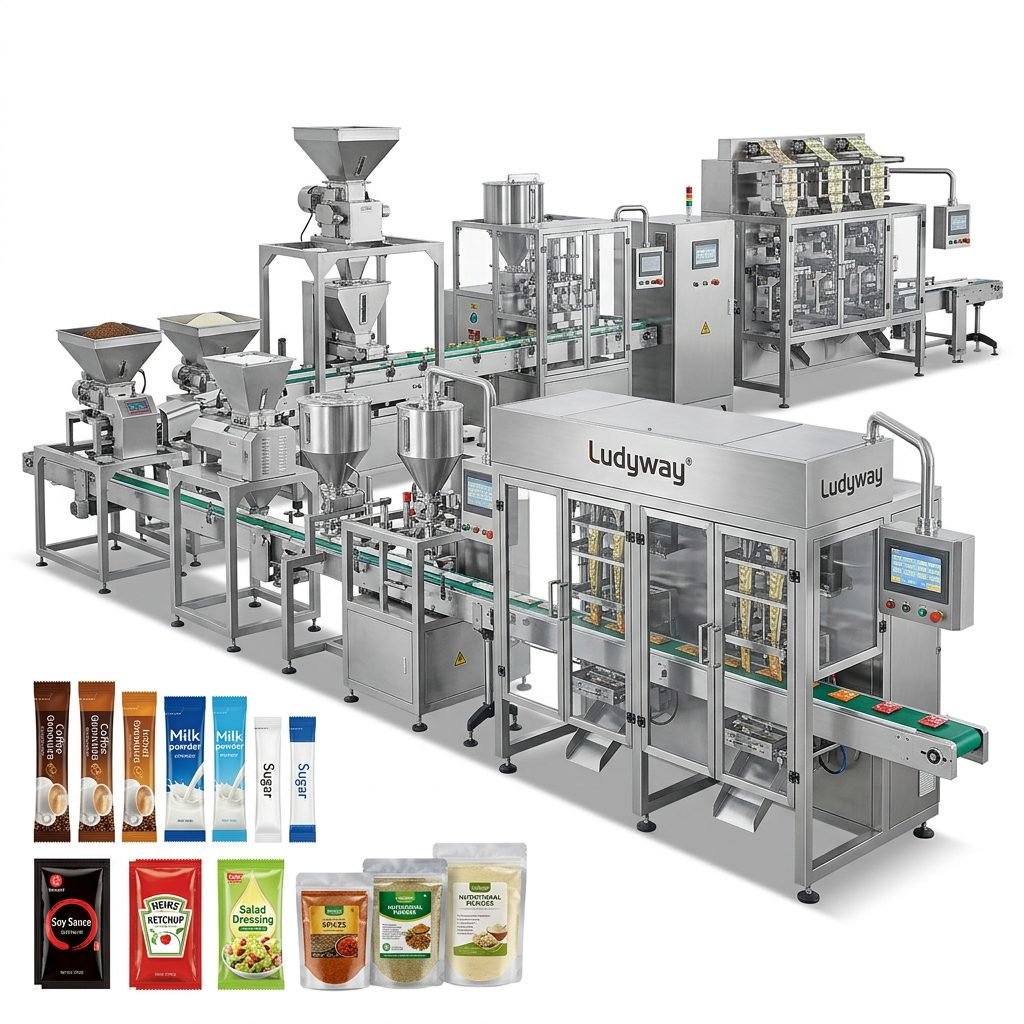
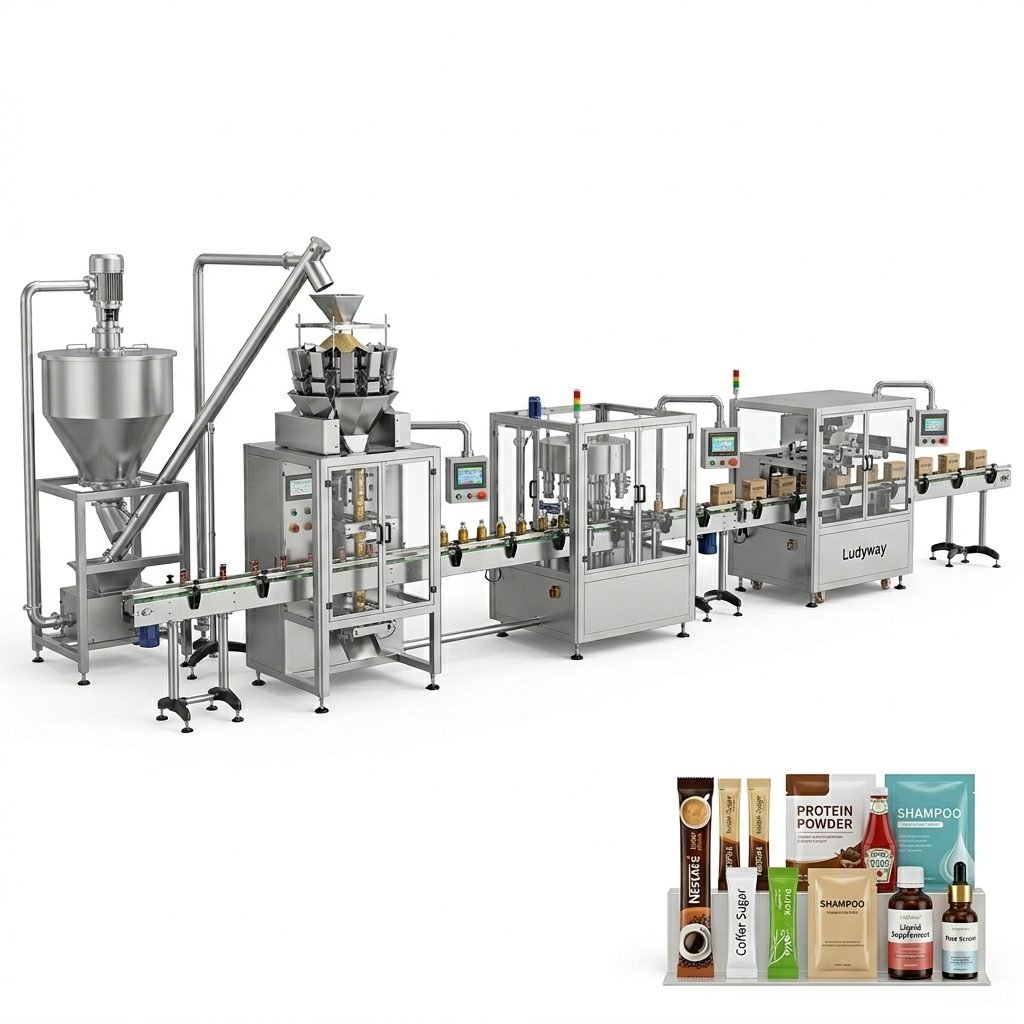
For water packaging projects, supplier capability matters as much as machine specifications. Buyers often prefer manufacturers with line integration experience, export history, and customization ability. One example is Ludyway drinking water packing machine solutions, backed by more than 30 years of packaging industry experience, a factory of over 20,000 square meters, and turnkey packaging line capabilities for global markets.
Questions to Ask Before Requesting a Quote
To get a useful and accurate price, prepare the following details:
- What liquid are you packing?
- What package type do you need?
- What volume per pack or bottle?
- What production speed do you require?
- Do you need a standalone machine or complete line?
- What voltage and electrical standard does your factory use?
- Do you need local installation or remote support?
- What is your target market and compliance requirement?
Best Choice by Business Stage
| Business Stage | Recommended Option | Reason |
|---|---|---|
| Startup | Compact semi-automatic or entry automatic machine | Lower upfront cost, easier operation |
| Growing brand | Fully automatic water packing system | Improves consistency and labor efficiency |
| Large manufacturer | Turnkey high-speed production line | Supports large output, integration, and quality control |
Final Buying Tips
- Compare technical value, not just the price tag.
- Ask for machine videos, sample testing, and reference projects.
- Confirm what is included in the quotation line by line.
- Check availability of spare parts and after-sales support.
- Choose a machine that fits your current demand and future growth.
The right drinking water packing machine is not necessarily the cheapest one. It is the machine that delivers stable output, hygienic filling, manageable running costs, and reliable support for your business goals. When you evaluate total value instead of only initial cost, you are far more likely to make a profitable long-term decision.