Dry food packaging plays a critical role in preserving product quality, extending shelf life, and ensuring consumer safety. The right packaging equipment is essential for efficiency, consistency, and meeting industry standards. This guide provides a comprehensive overview of dry food packaging machinery, covering various types, key features, and practical buying considerations.
Common Types of Dry Food Packaging Equipment
The market offers a diverse range of equipment tailored to different product forms, production speeds, and packaging styles. Understanding the primary categories is the first step in selecting the right machine.
Vertical Form-Fill-Seal (VFFS) Machines
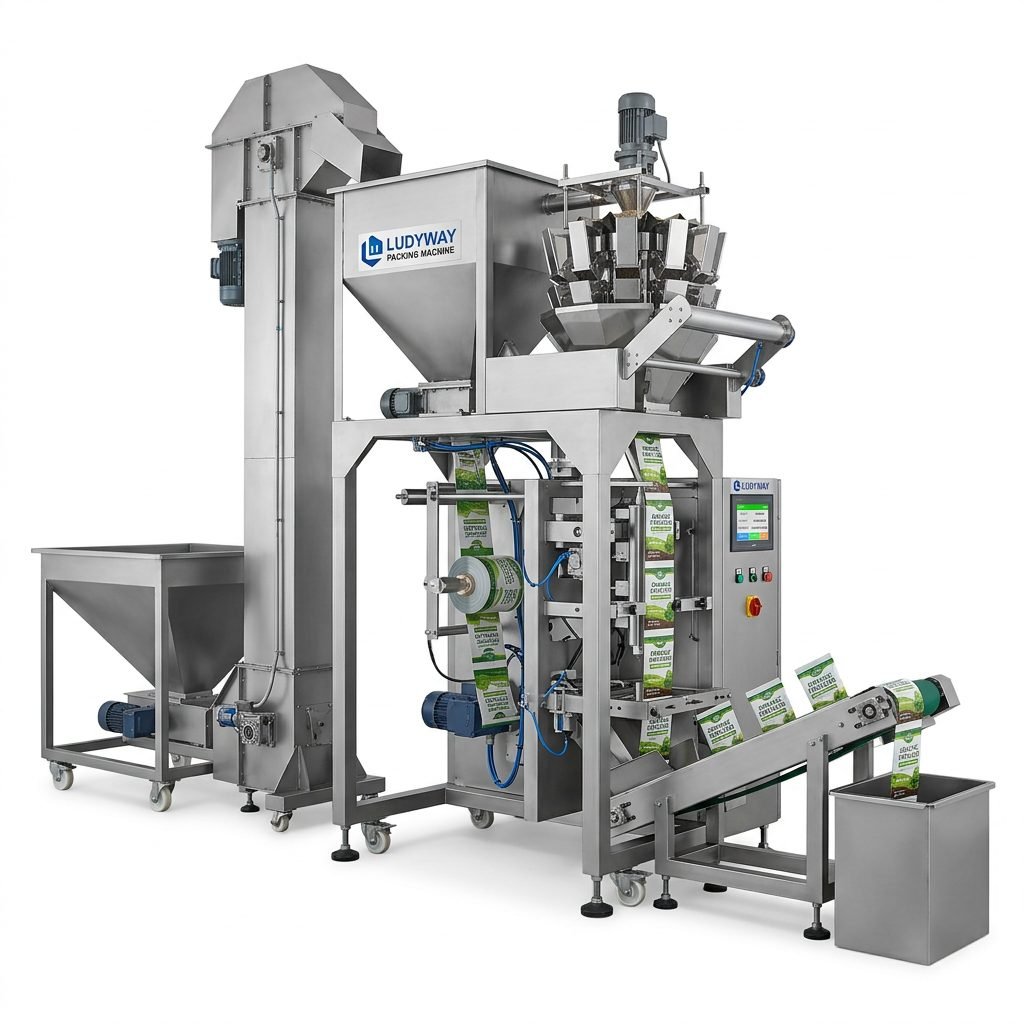
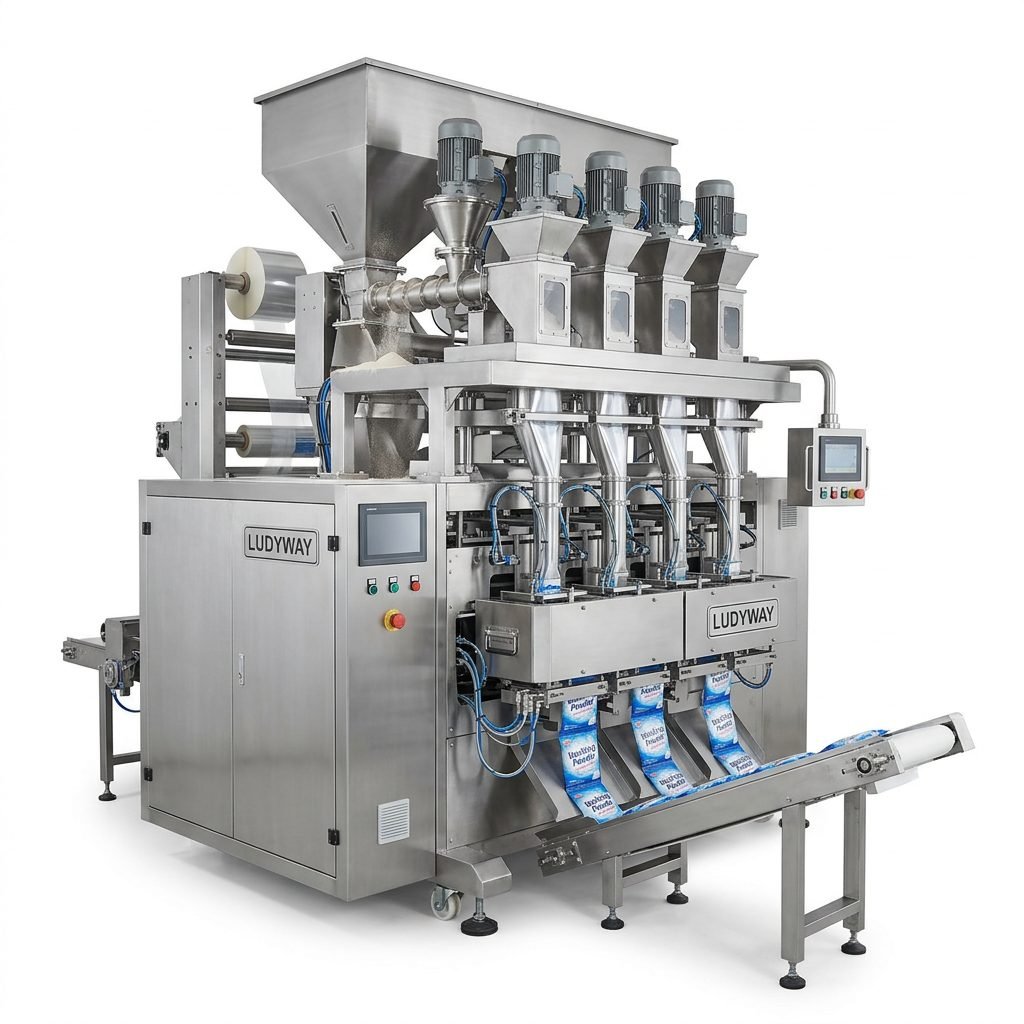
These are among the most versatile and widely used systems. They form bags from a roll of film, fill them with product, and then seal them. Ideal for granules, powders, seeds, and small pieces. They offer high speed and flexibility in bag sizes.
Horizontal Form-Fill-Seal (HFFS) Machines
Typically used for more rigid structures or specific bag styles like pillow packs. The film moves horizontally, and the product is placed before the final seal. Excellent for biscuits, snack bars, and frozen foods.
Pre-Made Bag Packers
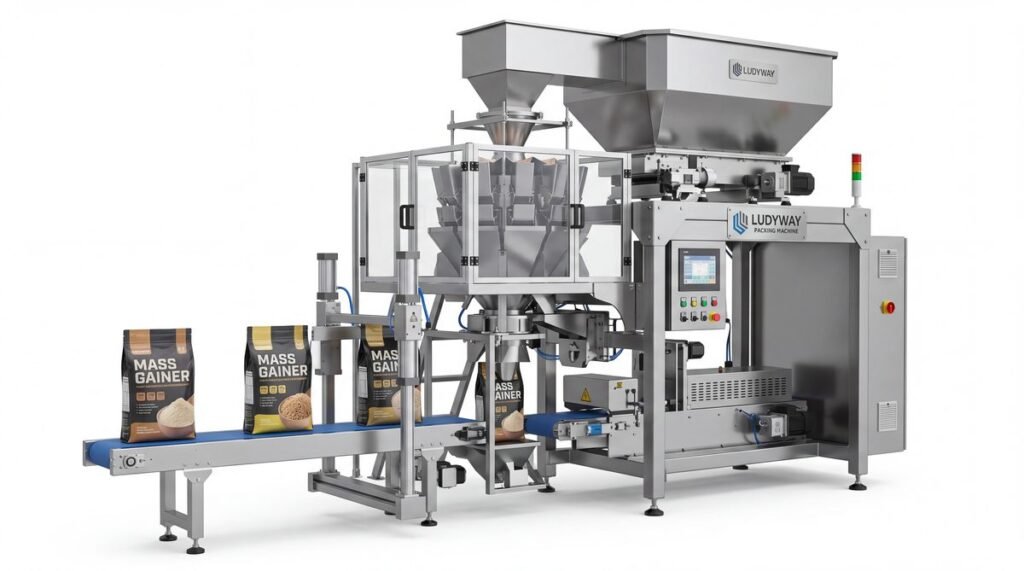
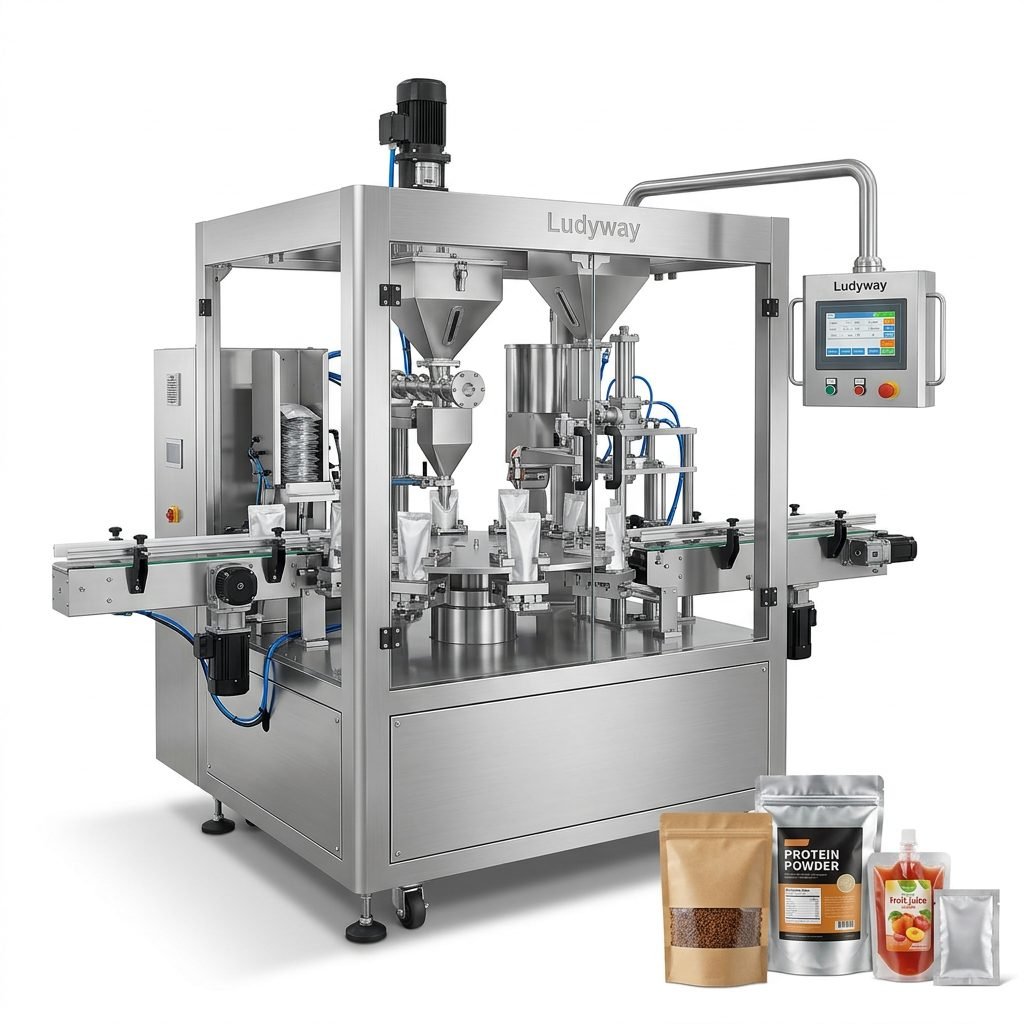
These machines use pre-manufactured bags, which are opened, filled, and sealed. Suitable for products where the bag material or print quality is paramount, such as premium coffee or tea. Speeds are generally lower than VFFS but offer superior bag presentation.
Multi-Lane Stick Pack & Sachet Machines
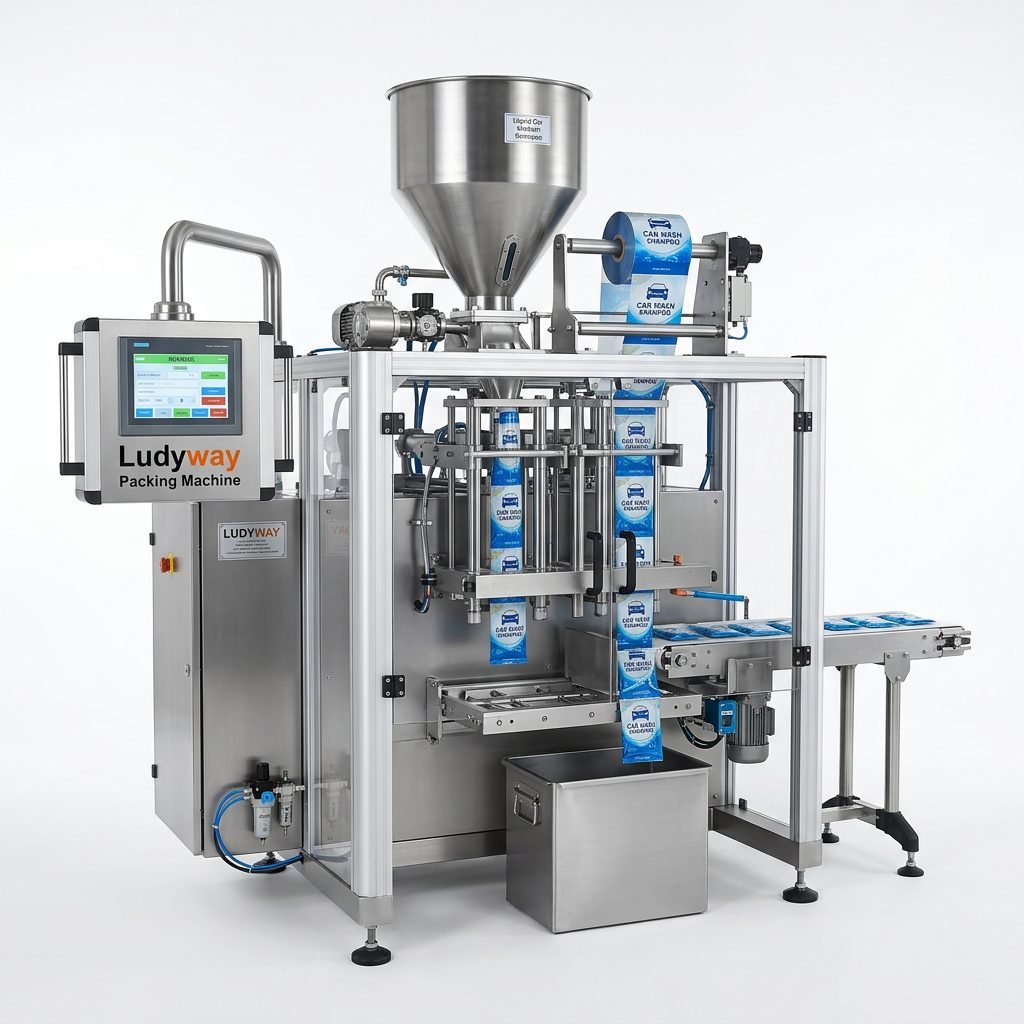
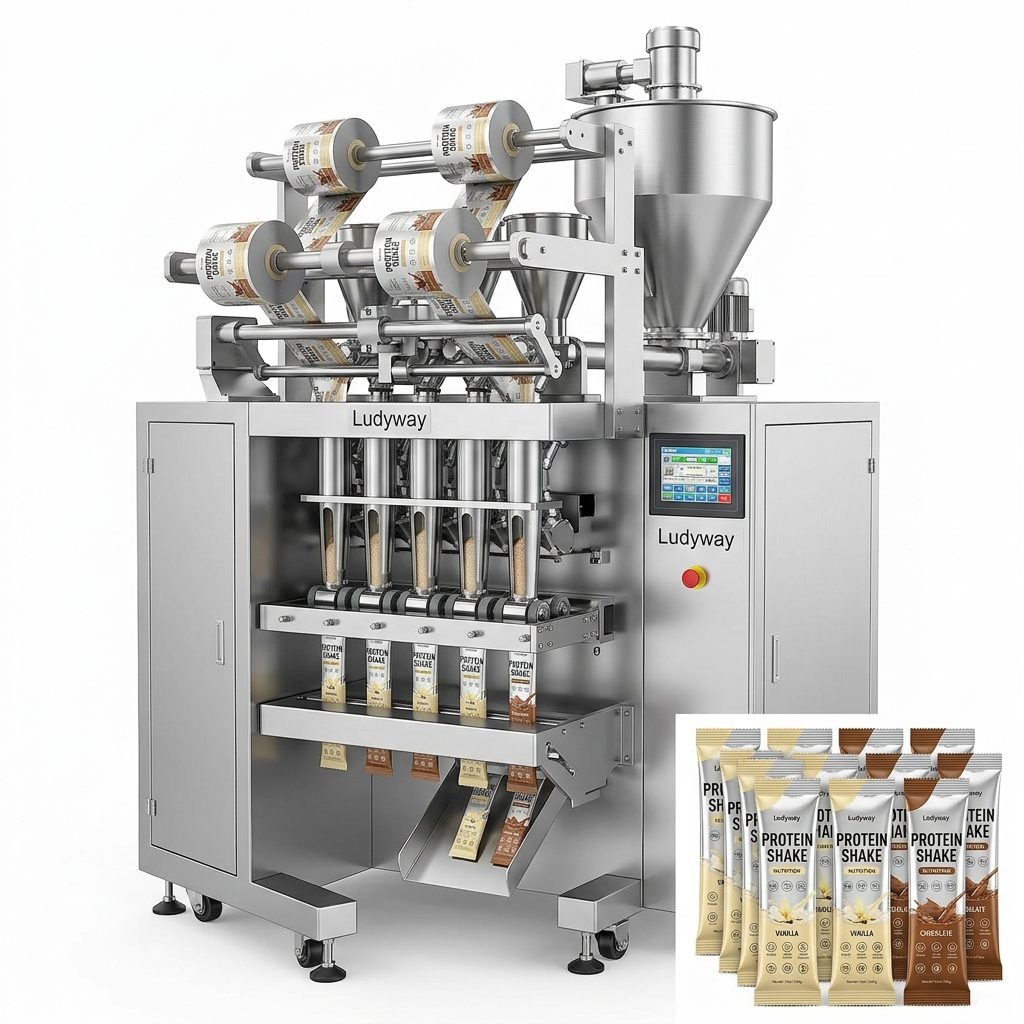
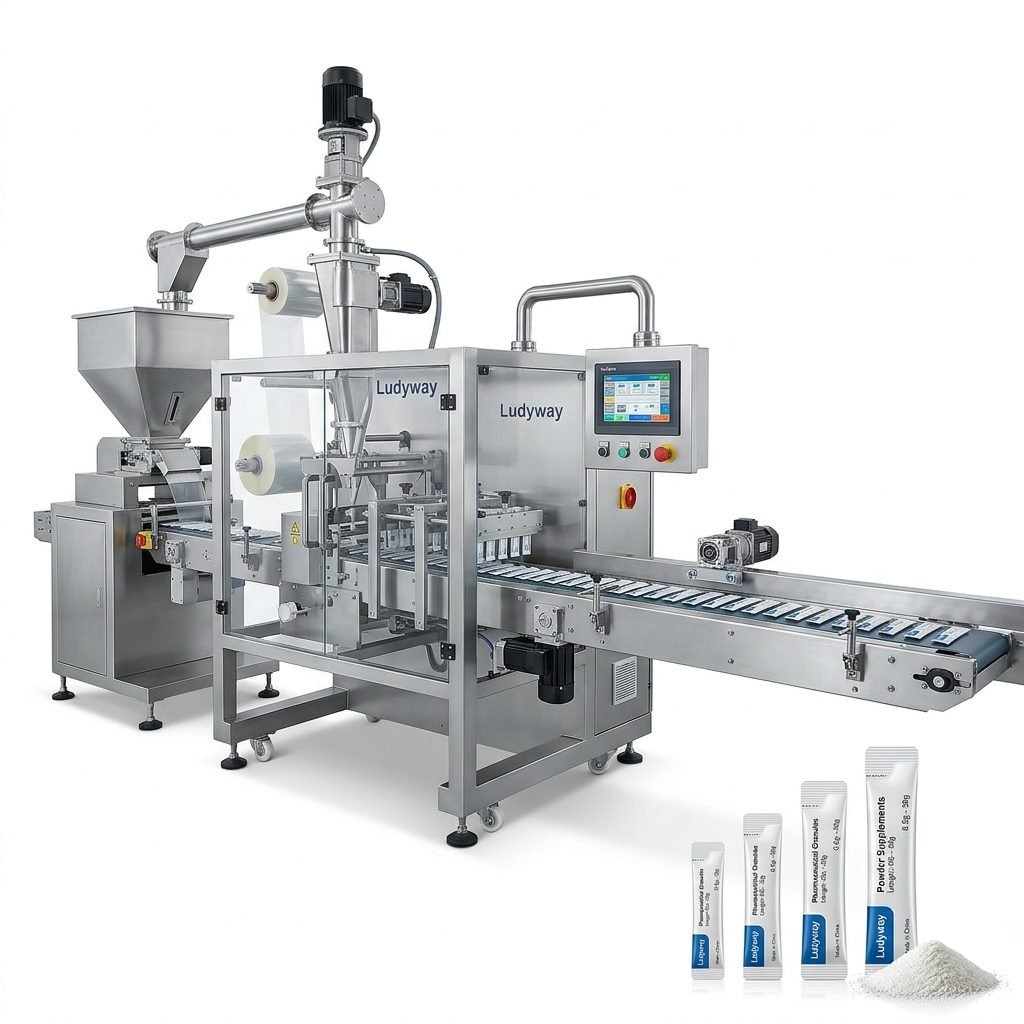
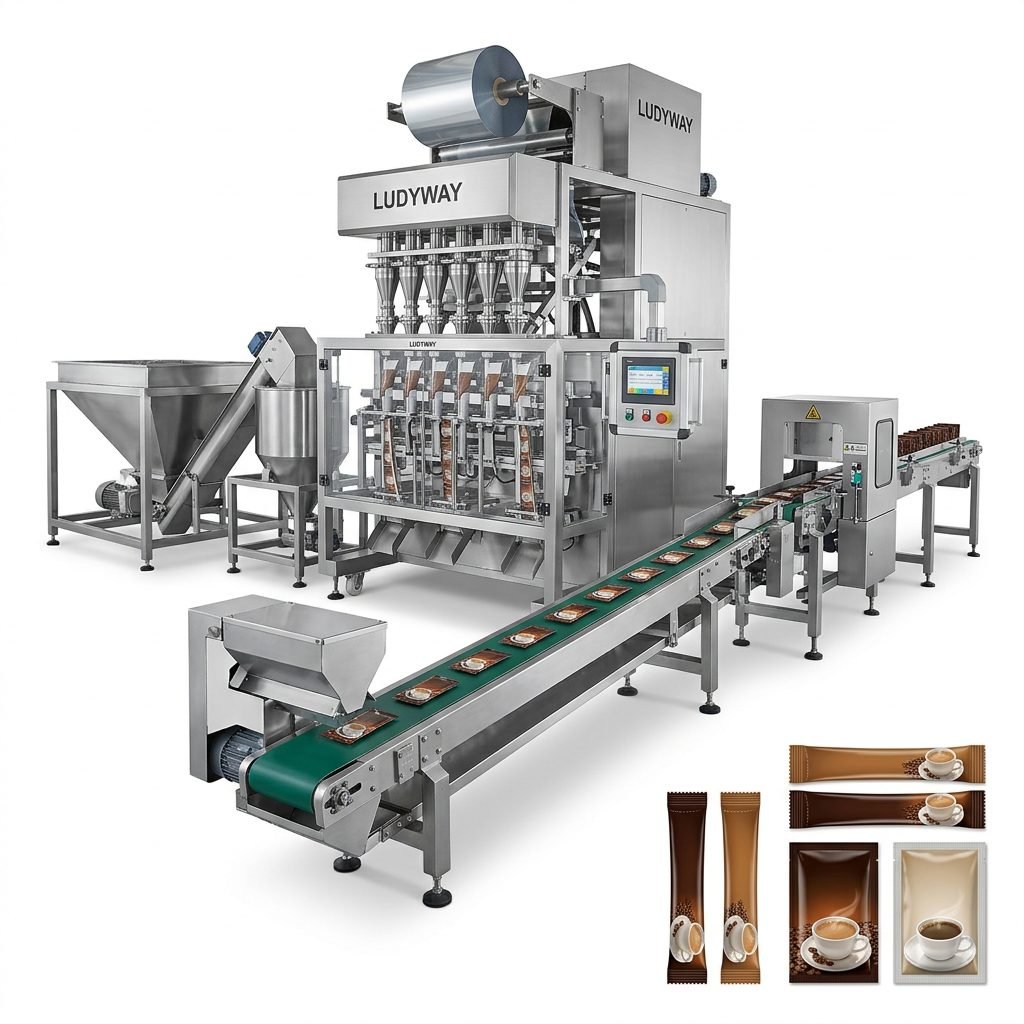
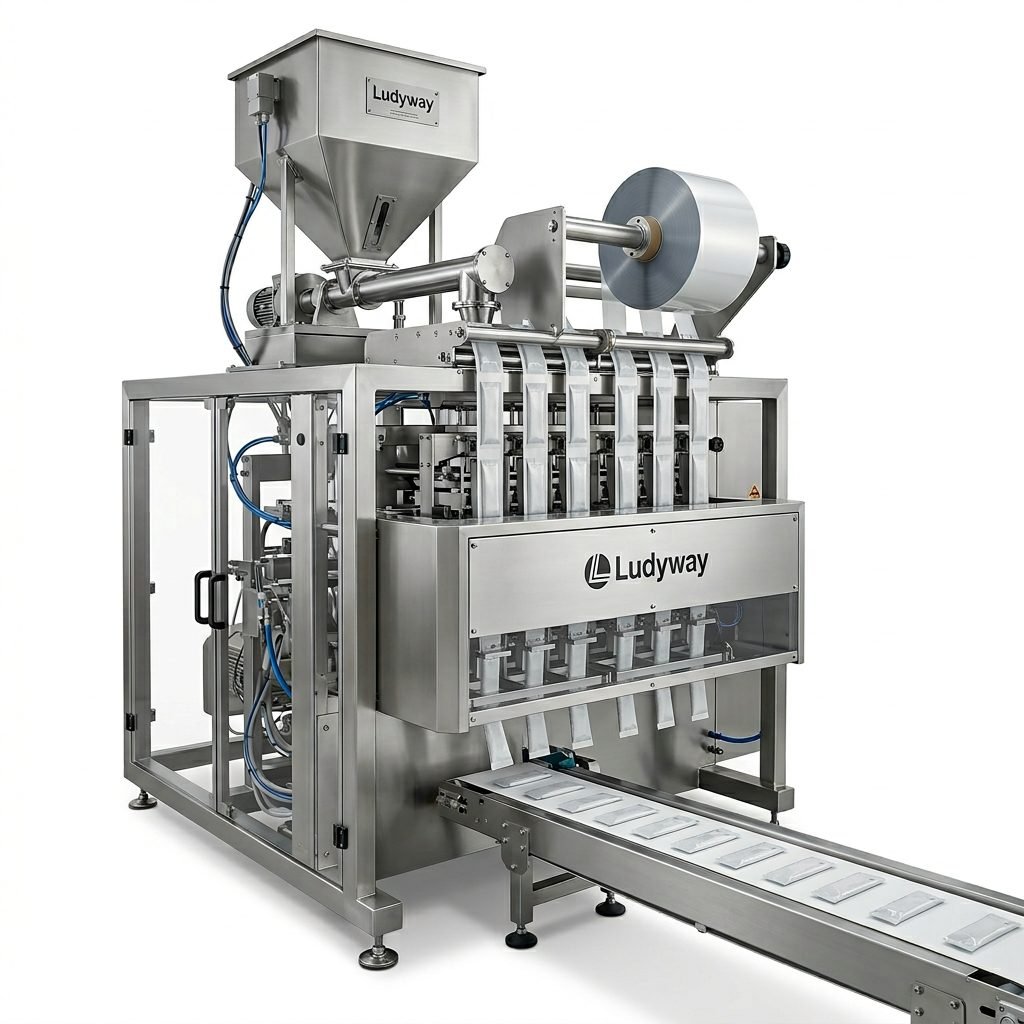
Designed for high-volume production of small, single-serve portions. They operate multiple lanes simultaneously, creating small stick packs or sachets for products like instant drink mixes, seasoning, and supplements. Companies like Ludyway Machinery specialize in such efficient, multi-lane solutions.
Auger Fillers & Weighing Systems
Critical for accurate filling, especially for powders and granules. They use a rotating auger to dispense product. Multi-head weighers are used for irregular pieces like nuts or snacks, providing high-speed and precise weight control.
Key Features & Technological Advancements
Modern packaging equipment incorporates advanced features that enhance performance, hygiene, and ease of use.
Automation & Control Systems
Touchscreen PLC (Programmable Logic Controller) interfaces allow for easy parameter setting, recipe storage, and changeovers. Look for user-friendly software that minimizes downtime.
Hygienic Design & Materials
Food-grade stainless steel (e.g., SS304, SS316) contact parts, smooth surfaces without crevices, and easy-clean designs are non-negotiable for food safety compliance.
Precision Filling Technology
Advanced servo motors for auger drives and film feeding ensure remarkable accuracy and reduced product giveaway. Weight feedback systems automatically correct deviations.
Flexibility & Quick Changeover
Machines with tool-less changeovers for bag size or product type significantly increase production efficiency for short runs. Modular designs are a plus.
Integrated Quality Checks
Features like metal detection, checkweighers, and vision systems can be integrated into the line to ensure every package meets quality standards.
Essential Buying Tips for Your Business
Selecting equipment is a significant investment. A systematic evaluation ensures you choose a machine that delivers a strong return on investment.
1. Analyze Your Product & Production Needs
Define your product characteristics (size, shape, flowability, abrasiveness). Calculate your required output speed (bags/minute) and consider future growth. Determine your primary packaging materials (film type, thickness).
2. Prioritize Reliability & After-Sales Support
The machine’s uptime is crucial. Research the manufacturer’s reputation, the robustness of the machine’s construction, and the availability of spare parts and technical support. A supplier with extensive industry experience, like those with over 30 years in the field, often provides more reliable long-term partnerships.
3. Evaluate Total Cost of Ownership (TCO)
Look beyond the initial purchase price. Factor in operating costs (energy, film waste), maintenance expenses, potential for upgrades, and the cost of downtime. A slightly higher initial investment in a robust machine can lead to lower TCO.
4. Request a Product Test
Always send your actual product sample to the supplier for a live machine test. This demonstrates the machine’s filling accuracy, speed with your product, and compatibility with your packaging material.
5. Consider Scalability & Integration
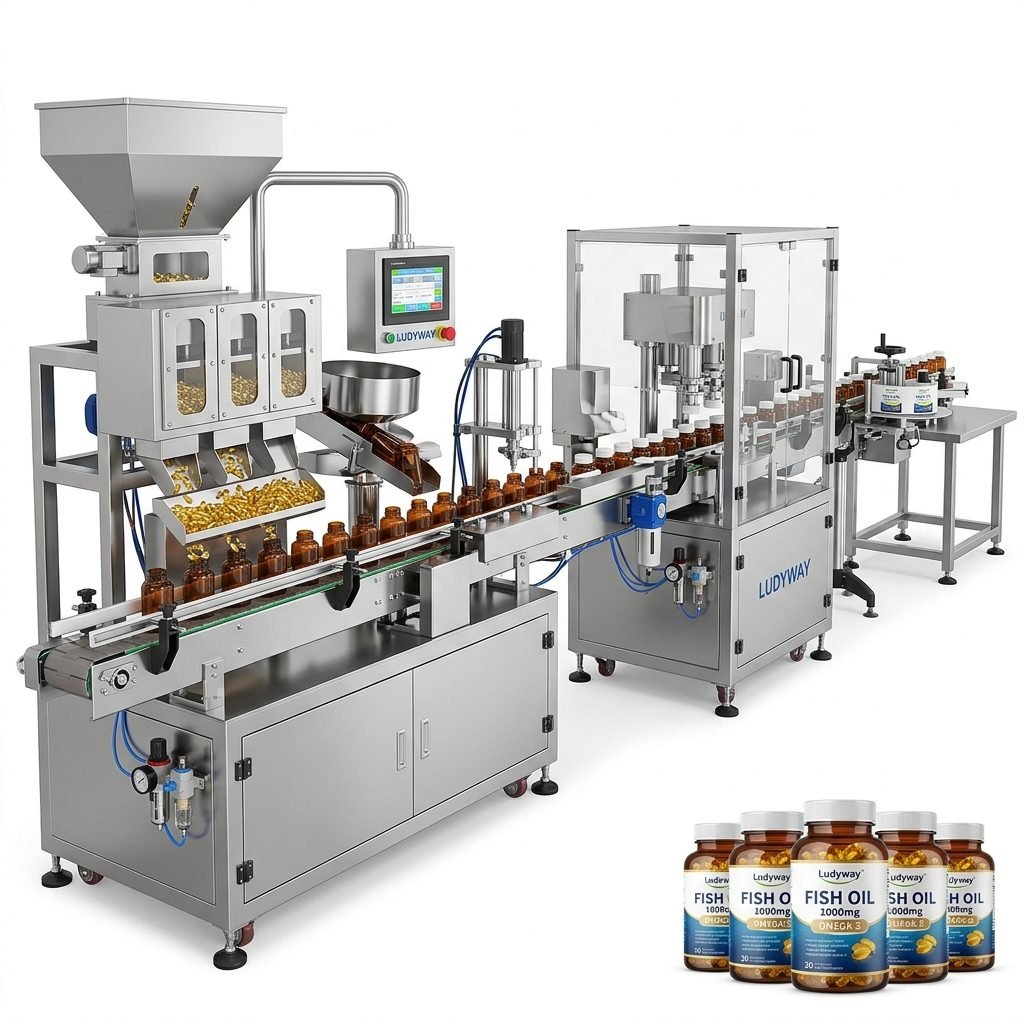
If you plan to expand, consider if the machine can be integrated with upstream (e.g., feeding systems) and downstream (e.g., cartoning) equipment. Choosing a supplier capable of providing complete turnkey production line solutions can simplify future expansion.
Frequently Asked Questions (FAQs)
What type of packaging machine is best for powdered spices?
For powdered spices, a Vertical Form-Fill-Seal (VFFS) machine with a precision auger filler is typically the best choice. It handles fine powders well, provides excellent sealing to preserve aroma, and allows for small sachet or pouch sizes. Ensure the machine has good dust extraction features.
How important is the material of the machine’s contact parts?
Extremely important. For dry food, food-grade stainless steel (at least SS304) is standard. It prevents corrosion, is easy to clean and sanitize, and meets global food safety regulations. It ensures no contamination interacts with your product.
Can one machine handle different bag sizes and products?
Yes, many modern machines are designed for flexibility. Look for models with “quick changeover” capabilities, where bag forming tools and fillers can be changed with minimal tools and time. This is ideal for manufacturers producing multiple product lines.
What key after-sales services should I expect from a supplier?
You should expect comprehensive installation and commissioning, operator training, readily available spare parts, and prompt technical support (remote and on-site if needed). A reliable supplier will offer a clear warranty and service agreement. Exploring a supplier’s company profile and history can give insight into their service commitment.
What are the benefits of a multi-lane stick pack machine?
Multi-lane machines offer dramatically higher output for single-serve products by running several packaging lanes in parallel. They maximize production efficiency, reduce per-unit cost, and are perfect for high-volume items like instant coffee sticks, sugar, or sauce powders.