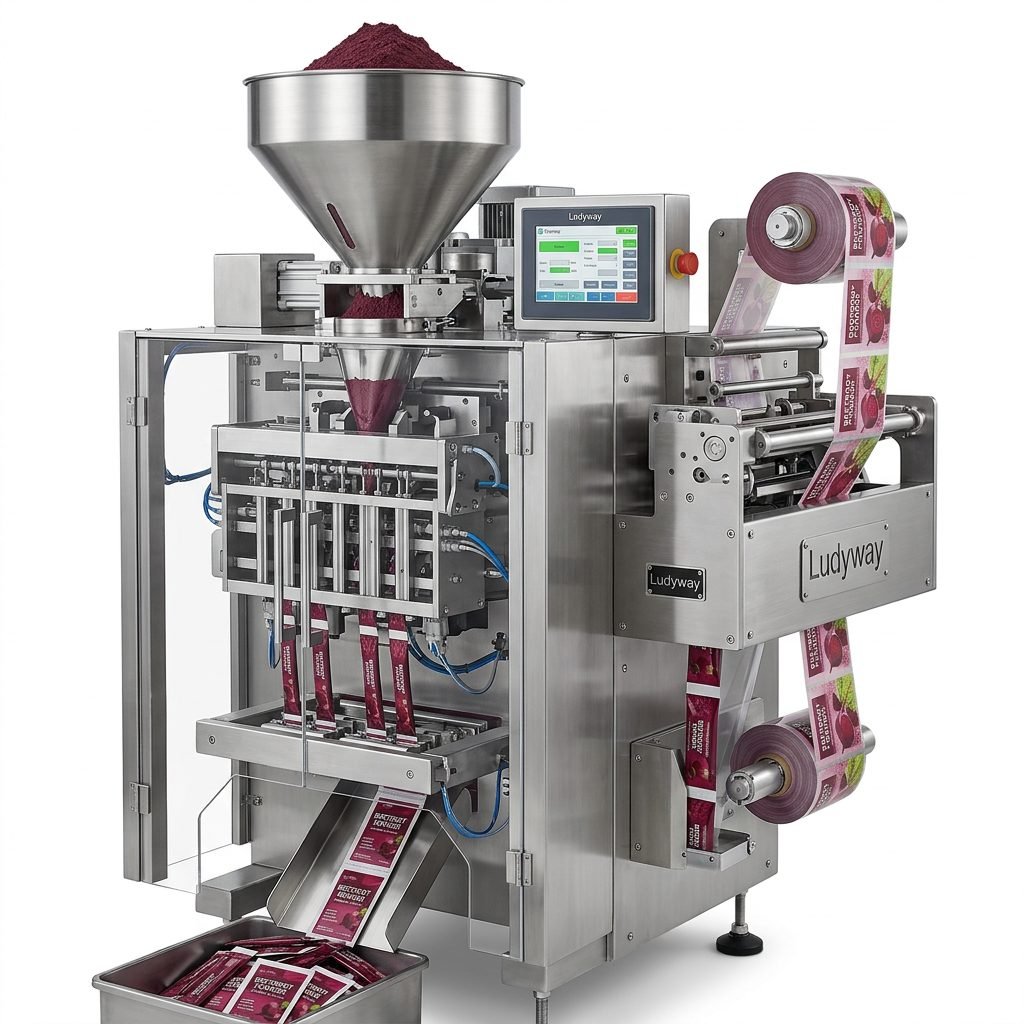
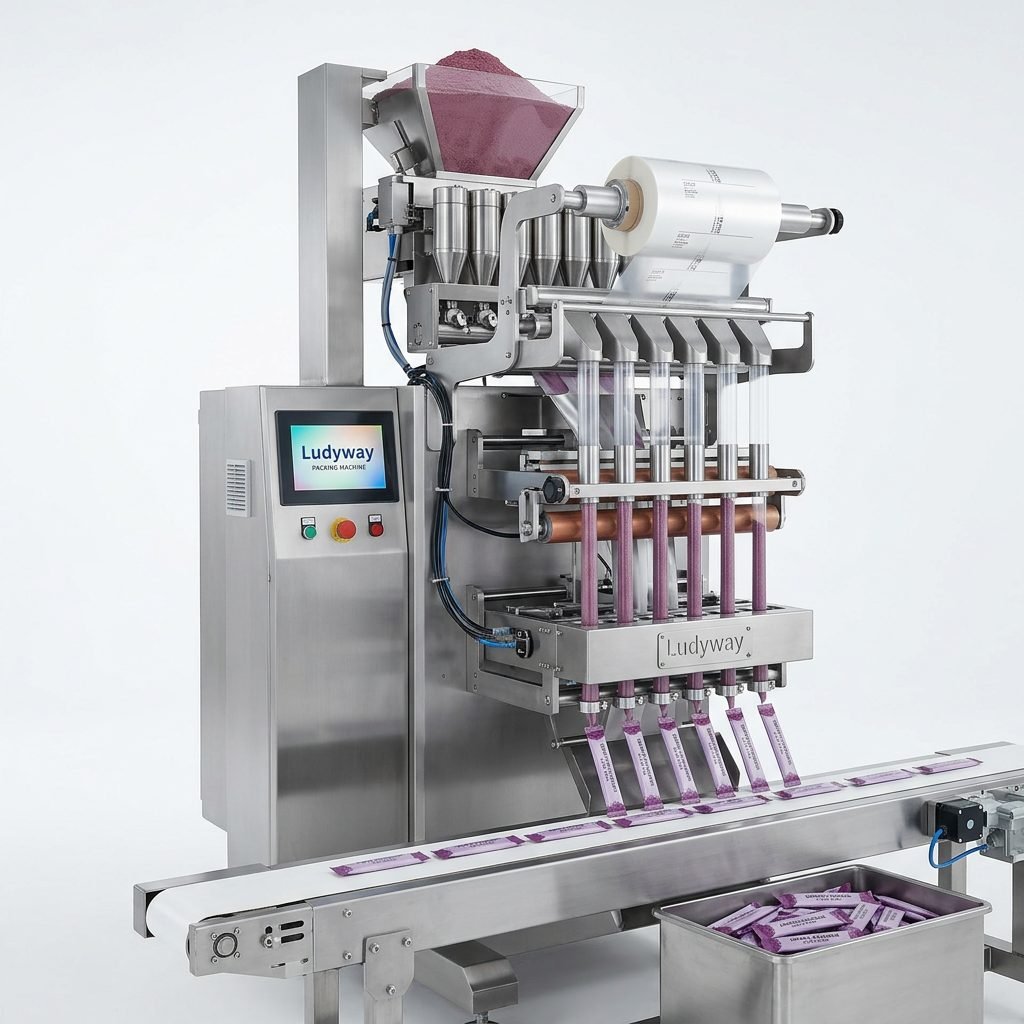
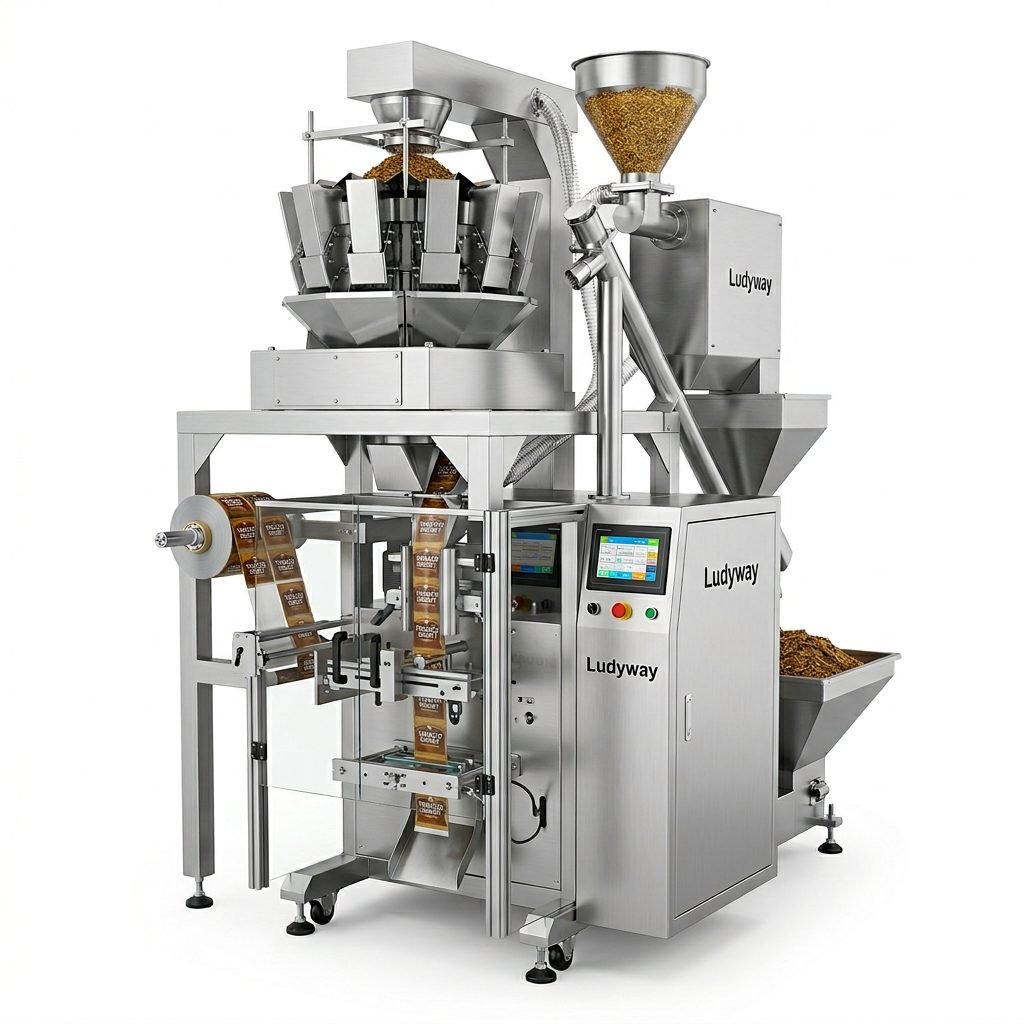
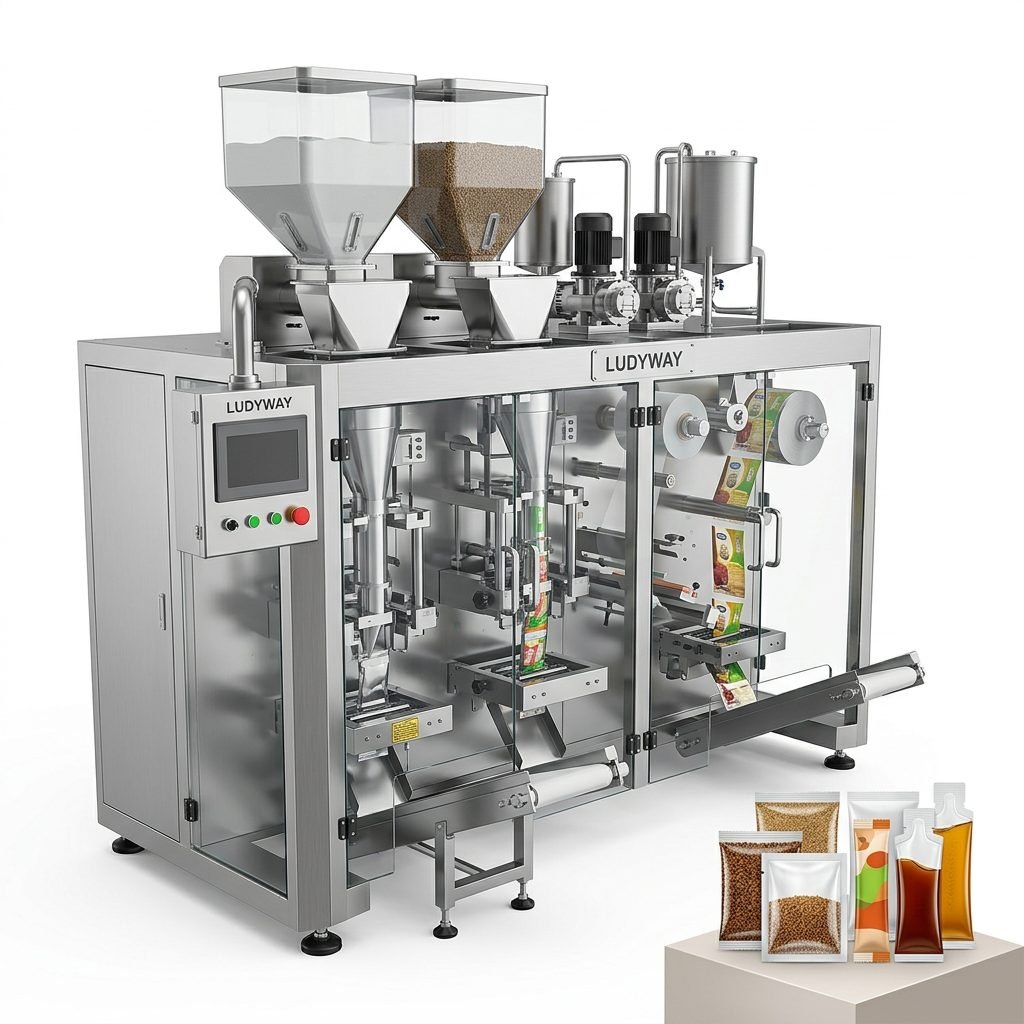
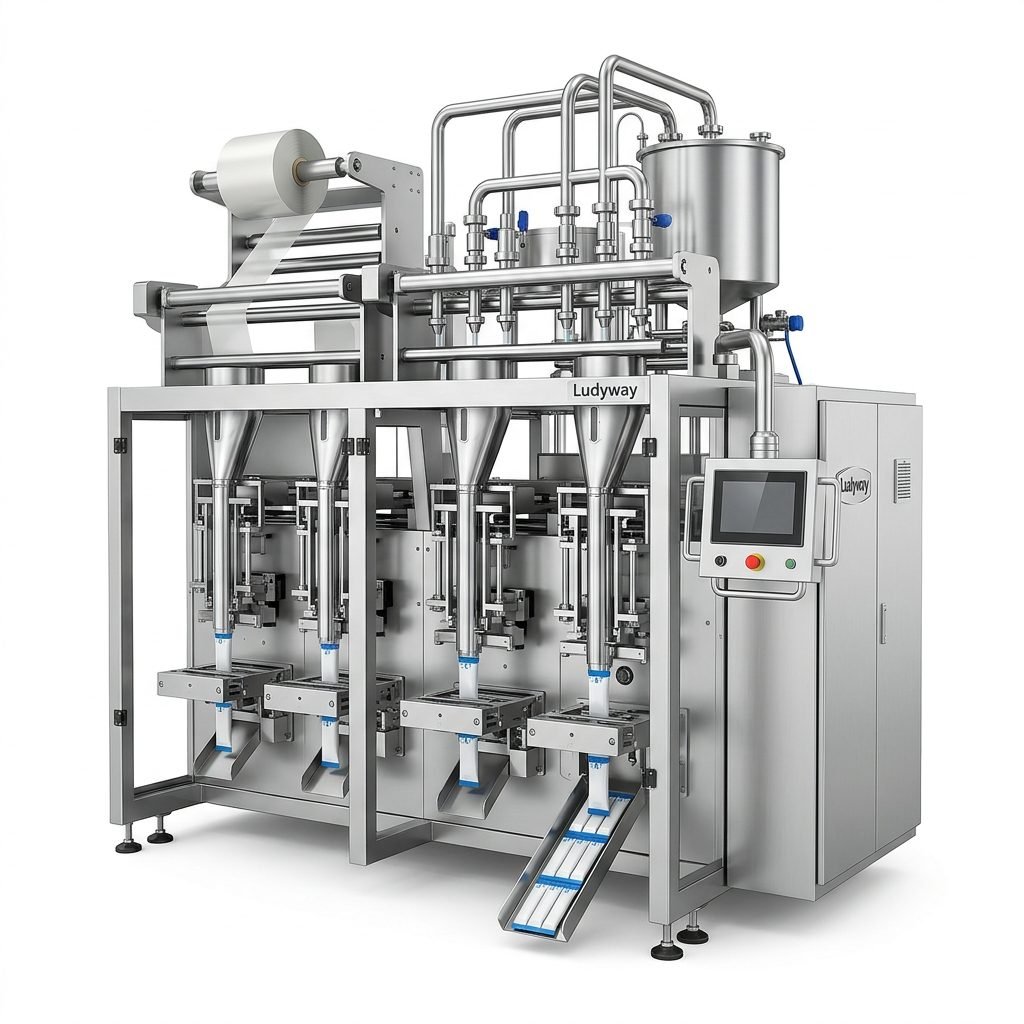
In the fast-paced world of manufacturing and product distribution, efficient packaging is not just a final step—it’s a critical component of productivity, product integrity, and brand presentation. Among the most versatile and widely adopted technologies for this purpose is the Form-Fill-Seal (FFS) packaging machine. This system integrates multiple packaging functions into one continuous, automated process, offering significant advantages for businesses packaging everything from food powders and pharmaceutical granules to liquid condiments and single-serve beverages.
The Core Mechanics: How Form-Fill-Seal Technology Works
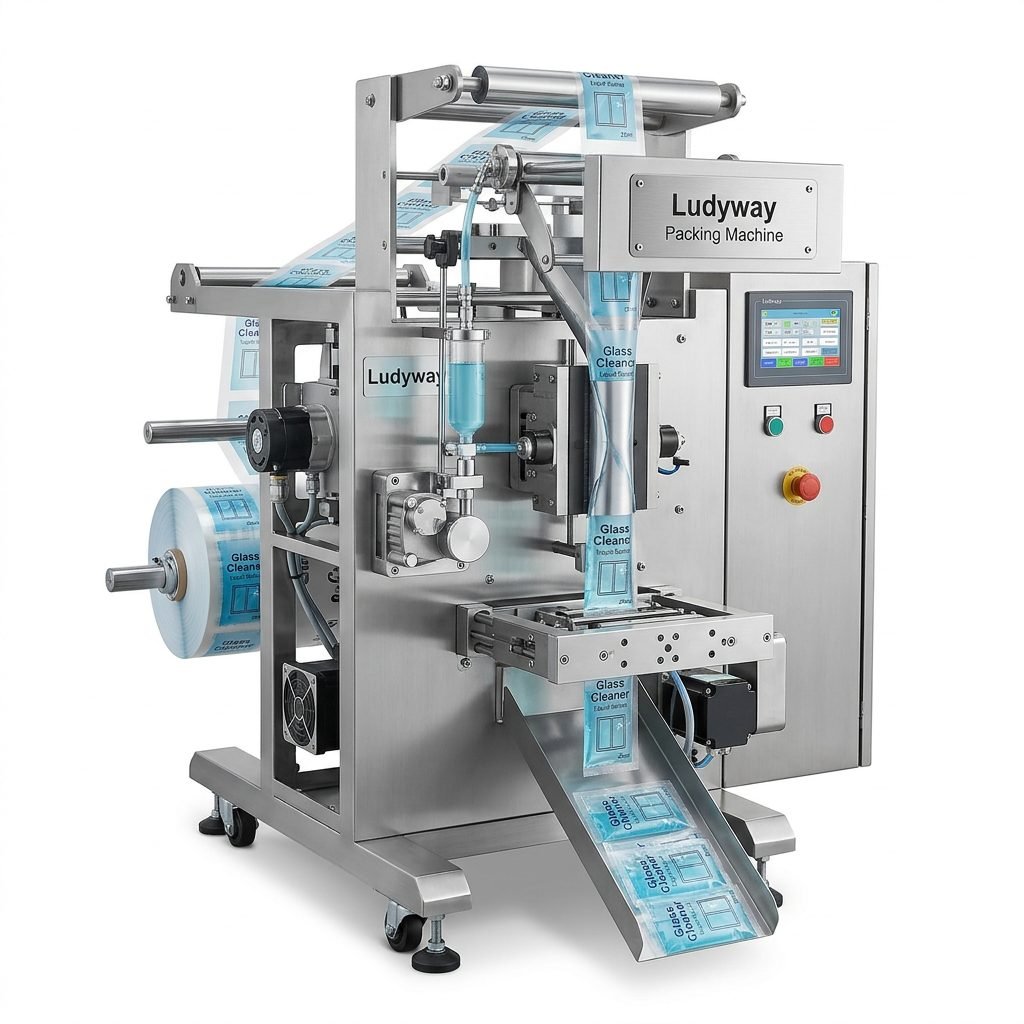
An FFS machine is essentially a self-contained packaging plant. It transforms a flat roll of packaging film—be it plastic, laminate, or foil—into finished, filled, and sealed pouches or sachets in one seamless operation. The process can be broken down into its three namesake stages.
1. Forming the Package
The process begins with a roll of packaging material mounted on an unwind unit. The film is fed through a series of guides and tensioners to ensure smooth, consistent movement. It then passes through a forming collar or shoulder, a precisely engineered tool that shapes the flat film into a tube. For vertical machines, this tube is created around a vertical filling tube; for horizontal machines, the film is formed into a longitudinal tube or shaped into individual pockets on a forming die.
2. Filling the Product
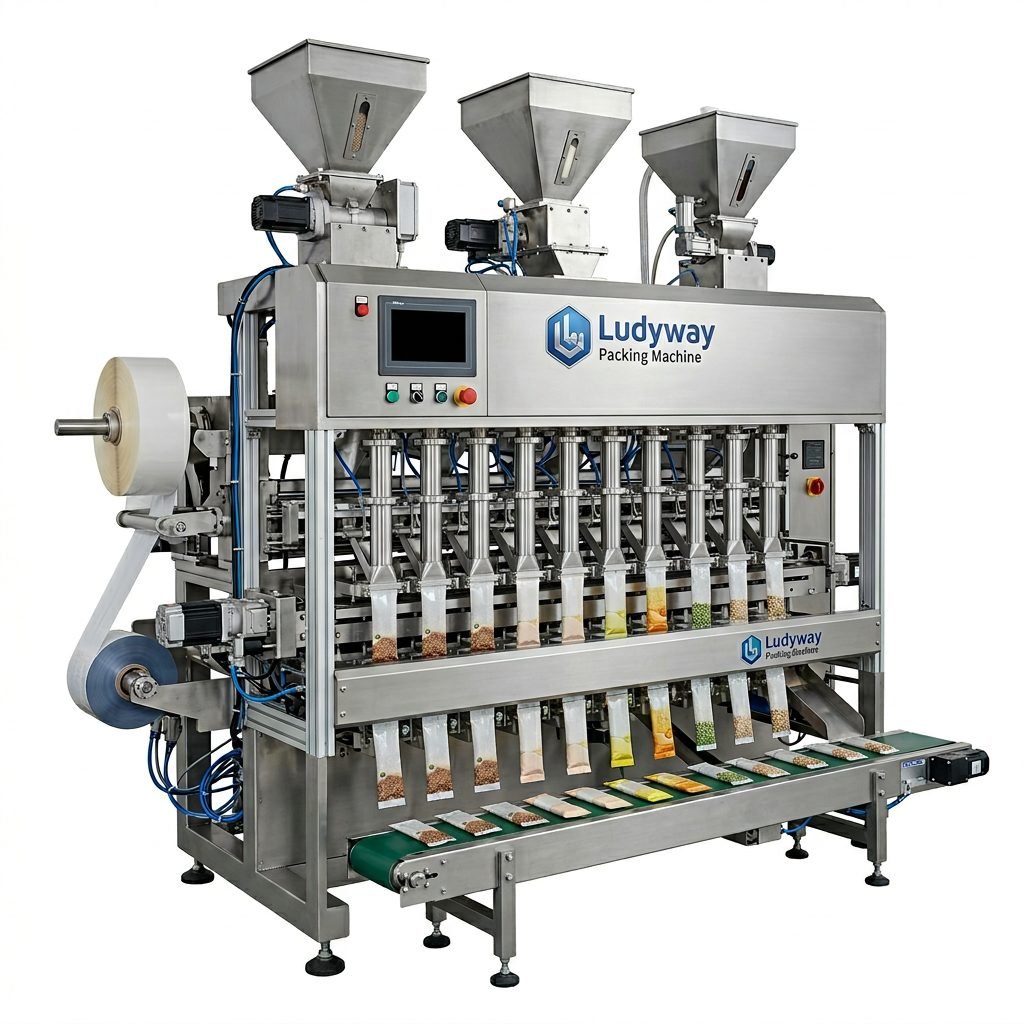
Once the package is formed, the product is accurately metered into it. This is the heart of the system’s flexibility. Different filling systems are employed based on the product characteristics:
- Volumetric Cup Fillers: Ideal for uniform granules, powders, or small pieces (e.g., coffee, seeds).
- Auger Fillers: Excellent for fine powders, spices, and non-free-flowing products, using a rotating screw for precise measurement.
- Liquid Pumps: Used for water, oils, sauces, and shampoos, offering high accuracy through piston or peristaltic pumps.
- Weighing Systems (Net Weigh Scales): Provide the highest accuracy for valuable products like pharmaceuticals or premium food items by weighing each dose before release.
3. Sealing and Cutting
After filling, the package moves to the sealing station. Heated sealing jaws (or cold seal for pressure-sensitive materials) come together to create airtight, tamper-evident seals. For a back-sealed pouch, the longitudinal seal is made first, followed by the top and bottom transverse seals that also separate individual packs. The sealed pouches are then cut from the film web, resulting in neat, finished packages ready for collection and boxing.
Key Advantages of FFS Packaging Systems
Adopting FFS technology brings transformative benefits to production lines, making it a cornerstone of modern packaging operations for companies like Ludyway Packing Machine.
- Space and Cost Efficiency: By combining forming, filling, and sealing into one machine, FFS systems reduce floor space, minimize material handling, and lower labor costs compared to using multiple discrete machines.
- Material Savings & Sustainability: Using film from a roll minimizes waste compared to pre-made bags. Modern machines allow for precise film control and can often utilize thinner, recyclable, or compostable materials effectively.
- Hygiene and Product Protection: The enclosed, automated process limits human contact, reducing contamination risk. It creates a consistent, hermetic seal that protects against moisture, oxygen, and contaminants, extending shelf life.
- High Flexibility: Quick changeovers between pouch sizes, materials, and products allow manufacturers to run shorter batches and respond quickly to market demands.
- Enhanced Speed and Output: Modern FFS machines are engineered for high-speed operation, capable of producing hundreds of pouches per minute, dramatically increasing production throughput.
Choosing the Right FFS System for Your Needs
Selecting an FFS machine is a significant investment. The right choice depends on a careful analysis of your specific product, production goals, and operational environment. Here’s a structured approach to guide your decision.
Step 1: Analyze Your Product
The product’s physical properties dictate the machine’s core configuration. Consider these factors in detail:
- Physical State: Is it a granule, powder, liquid, paste, or solid piece? This directly determines the type of filling system required (auger, pump, volumetric cup).
- Flow Characteristics: Does it flow freely (like rice) or is it cohesive and sticky (like certain spices or cosmetic creams)? This affects hopper design and filling mechanism choice.
- Hygiene & Sensitivity: Does it require a sterile or cleanroom environment (pharmaceuticals, medical products)? Or is it sensitive to oxygen or moisture (coffee, vitamins)? This influences material selection and machine construction standards (e.g., stainless steel contact parts).
Step 2: Define Packaging Specifications
Clearly outline the final package you need to produce. Key specifications include:
- Pouch Style & Size: Three-side seal sachet, four-side seal pouch, stand-up pouch (with gusset), or stick pack? What are the minimum and maximum dimensions (length, width)?
- Film Material: Mono-layer plastic (PE, PP), high-barrier laminates (PET/AL/PE), paper composites, or biodegradable films? The machine must be compatible with your chosen material’s sealing properties.
- Production Speed (Output): Calculate your required output in pouches per minute (PPM) or per shift. Be realistic about your peak and average needs to size the machine correctly.
Step 3: Evaluate Machine Types & Features
With your product and package specs in hand, compare the two main FFS architectures and their features.
Vertical Form-Fill-Seal (VFFS) Machines
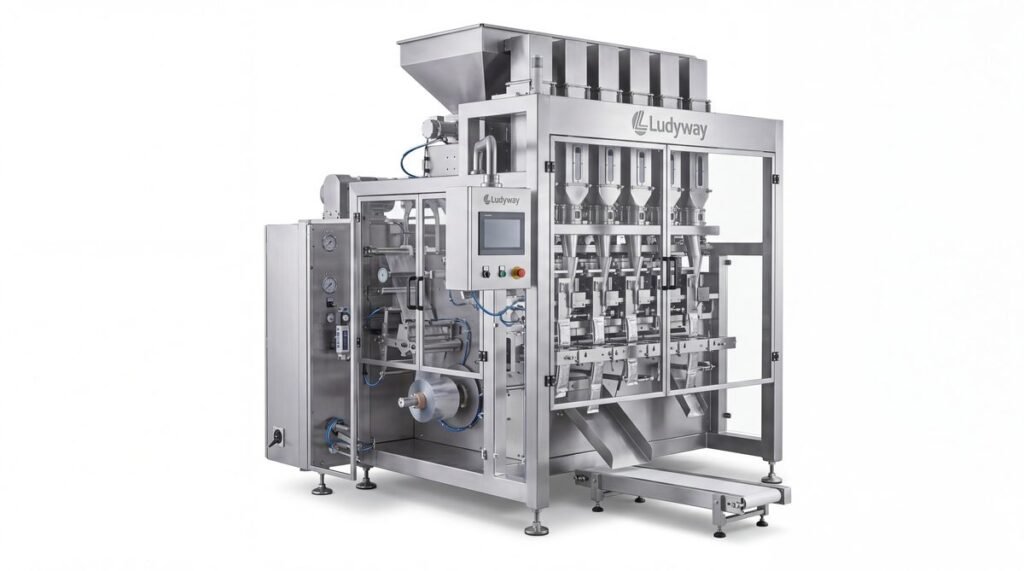
Ideal for free-flowing products like snacks, granules, powders, and some liquids. Product is filled vertically by gravity into a tube of film. They are generally more compact and cost-effective for simpler applications. Look for features like servo-driven film pull, touchscreen HMI, and quick-change forming tubes.
Horizontal Form-Fill-Seal (HFFS) Machines
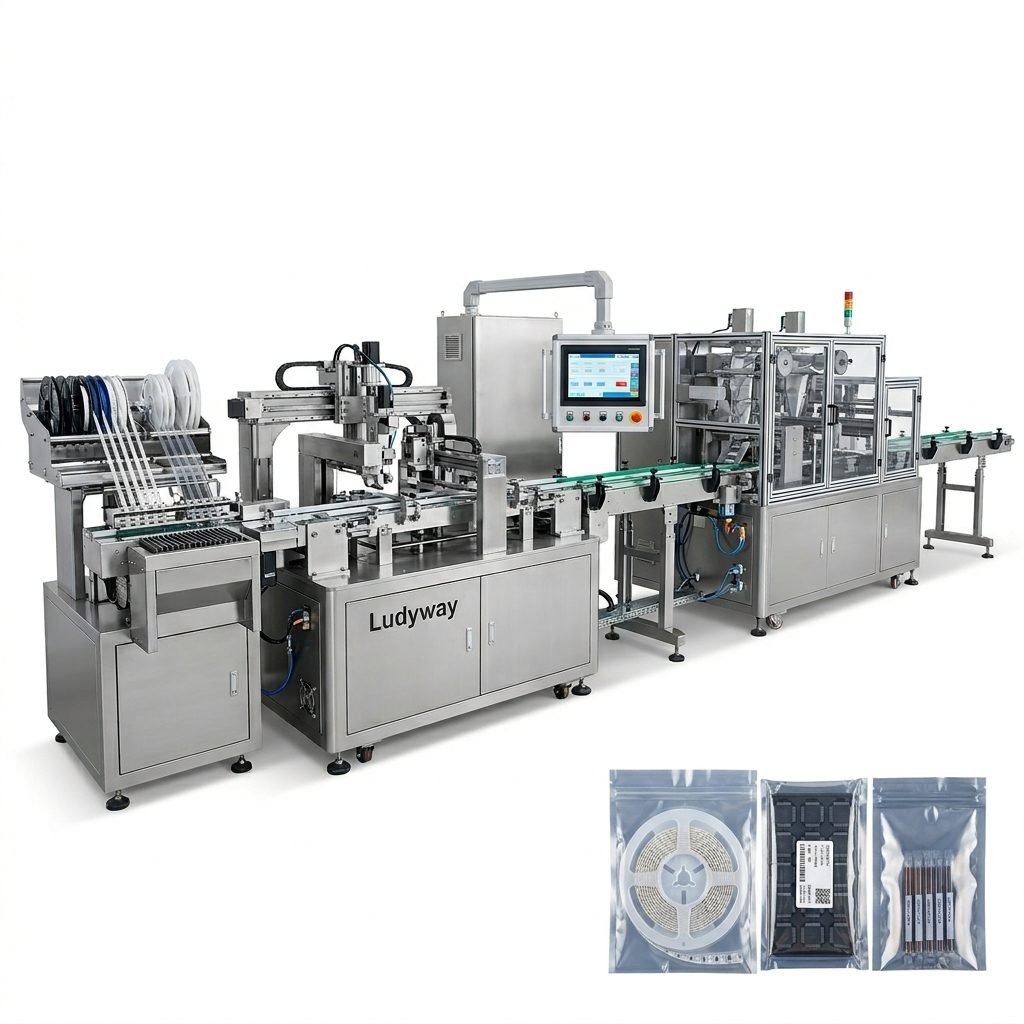
Better suited for non-free-flowing, delicate, or liquid products that need to be placed, not poured—such as cookies, medical devices, wet wipes, or viscous liquids. The film is formed horizontally into pockets. They often offer more flexibility in pouch shape and can handle multi-lane production for very high outputs. Key features include precision thermoforming capabilities and advanced product handling systems.
Furthermore, assess the level of automation integration needed. Can the machine be easily linked to upstream equipment (like mixers or conveyors) and downstream systems (like cartoners or case packers)? Choosing a supplier with strong engineering support and a history of innovation is crucial for seamless integration.
Step 4: Consider Supplier Support and Long-Term Value
The machine is just one part of the equation. The supplier partnership is vital for long-term success.
- Technical Expertise & Customization: Can they tailor the solution to your unique challenge? Do they have experience with similar products?
- After-Sales Service: What is the availability of spare parts, on-site technical support, and remote diagnostics? Downtime is costly.
- Training & Documentation: Comprehensive operator and maintenance training ensures you get the most from your investment from day one.
- Regulatory Compliance: Ensure the machine meets relevant safety and industry standards (CE, FDA, GMP for food/pharma) for your target markets.
Common Questions About FFS Packaging Machines
1. What is the main difference between Vertical (VFFS) and Horizontal (HFFS) machines?
The primary difference lies in the orientation of the packaging process and the product handling. VFFS machines are best for free-flowing products filled by gravity into a vertical film tube. HFFS machines form film into horizontal pockets and are better for placing non-free-flowing, delicate, or liquid items, often allowing for more complex pouch shapes.
2. Can one FFS machine handle different types of products?
Yes, many FFS machines are designed for flexibility. However, switching between vastly different product types (e.g., from a fine powder to a viscous liquid) typically requires changing the filling system (e.g., auger to pump) and potentially other parts like the forming collar. Quick-changeover designs minimize downtime for such switches.
3. How do I determine the right production speed for my needs?
Calculate your required annual or monthly output, then work backward. Consider your shift patterns, desired efficiency (accounting for changeovers and maintenance), and future growth. It’s often advisable to choose a machine with a 15-20% higher capacity than your current peak need to accommodate future demand increases.
4. What packaging materials can be used with an FFS system?
FFS machines are compatible with a wide range of heat-sealable roll stock, including polyethylene (PE), polypropylene (PP), laminates (e.g., PET/PE, MET/PE), and foil-based materials. The key is that the material must have a sealant layer. Machines can be configured with different sealing jaw temperatures and pressures to suit the material.
5. How important is after-sales service when purchasing an FFS machine?
Extremely important. Reliable technical support, readily available spare parts, and expert maintenance services are critical for minimizing costly production downtime. A supplier with a strong global service network and a commitment to long-term partnership, like experienced providers in the industry, offers invaluable peace of mind and protects your investment.