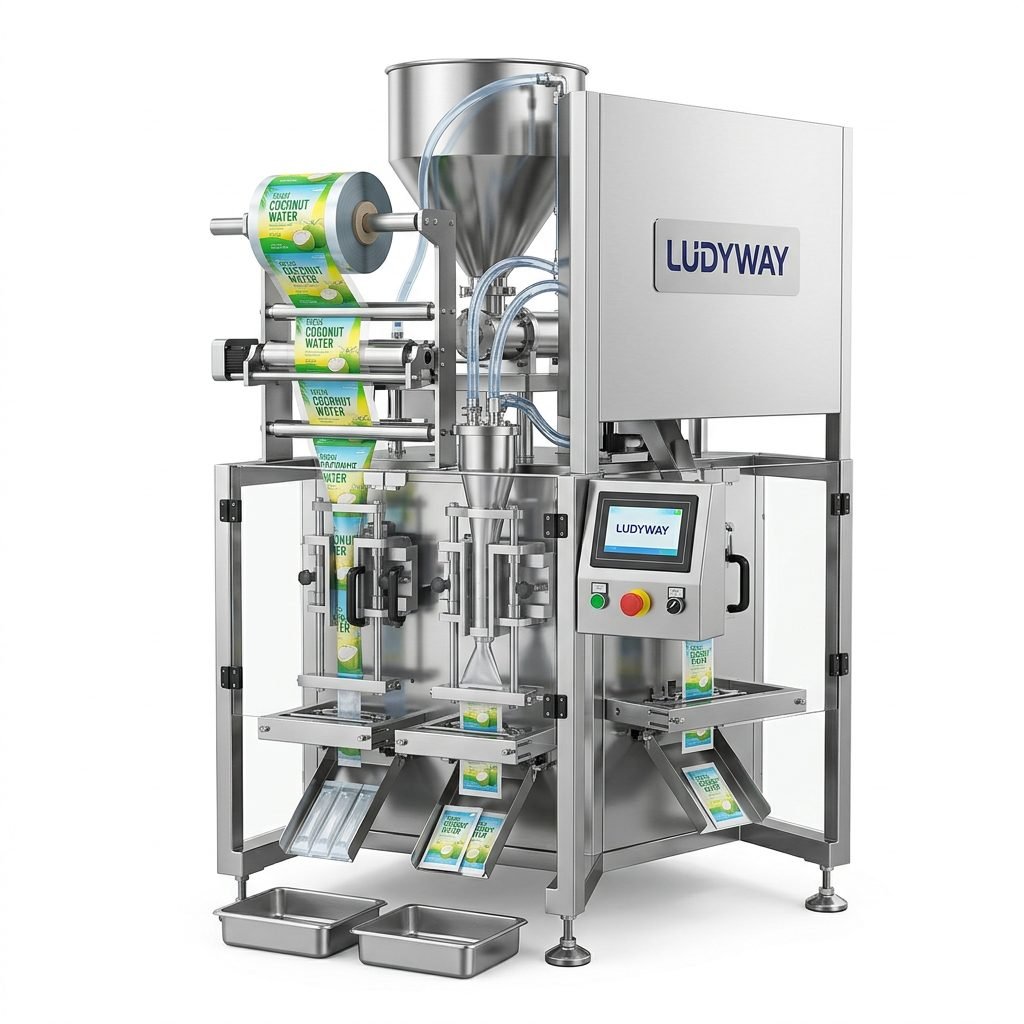
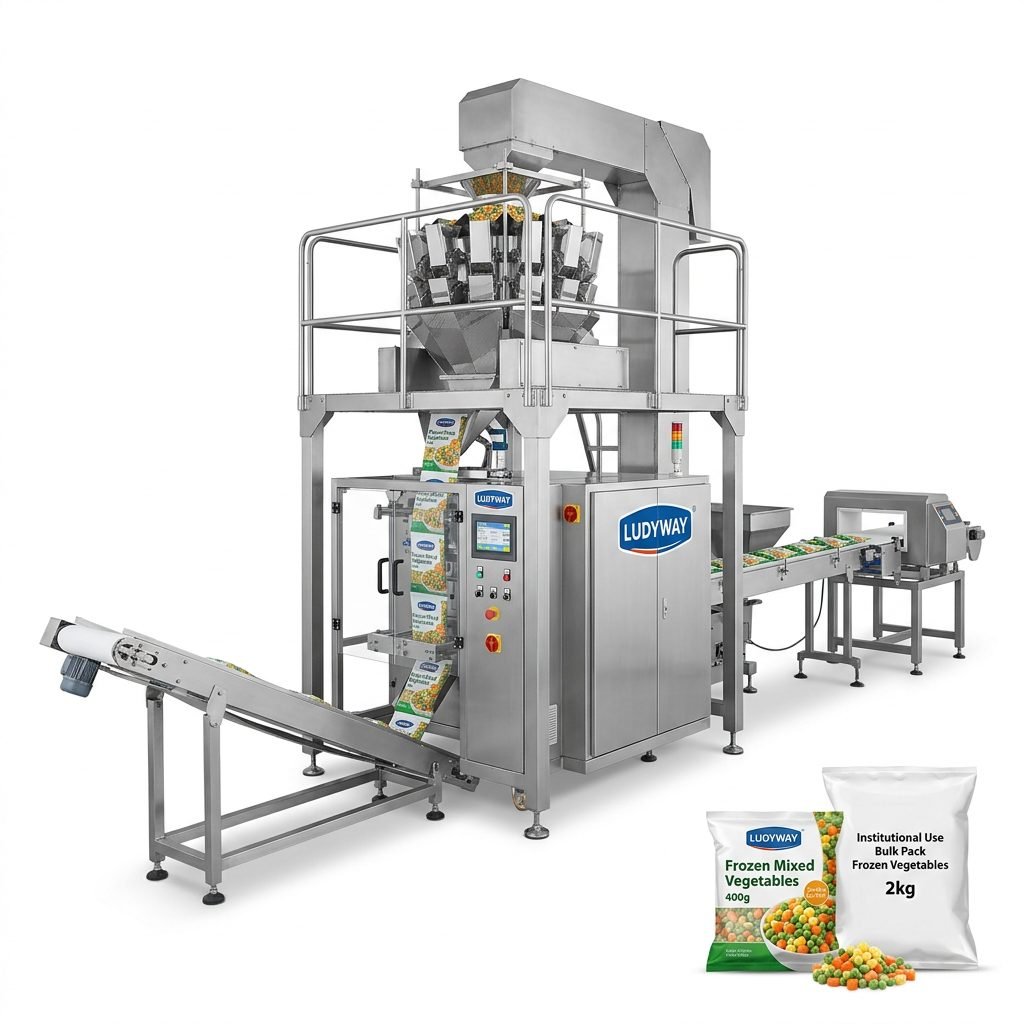
For small businesses and startups in the food industry, the right packaging equipment can make all the difference. Investing in small-scale food packaging equipment is a strategic move that balances initial cost with long-term operational efficiency, product quality, and brand presentation. Unlike large, industrial systems designed for massive throughput, these cost-effective machines are engineered for flexibility, ease of use, and scalability, perfectly aligning with the growth trajectory of a new venture.
Why Small-Scale Packaging Machines Are a Smart Investment
Starting a food business involves numerous critical decisions, and packaging is often at the forefront. It’s the final touchpoint before your product reaches the customer, influencing shelf appeal, freshness, and perceived value. Small-scale packaging equipment offers a gateway to professional packaging without the prohibitive capital expenditure of large.
Key Advantage: The primary benefit is cost-effectiveness. These machines have a lower purchase price, require less floor space, and often consume less power. They allow you to achieve a high-quality, consistent pack that builds brand credibility from day one.
Core Types of Equipment for Small Operations
The choice of machine depends heavily on your product form. Here’s a breakdown of the most common and practical types for small businesses:
Vertical Form-Fill-Seal (VFFS) Machines
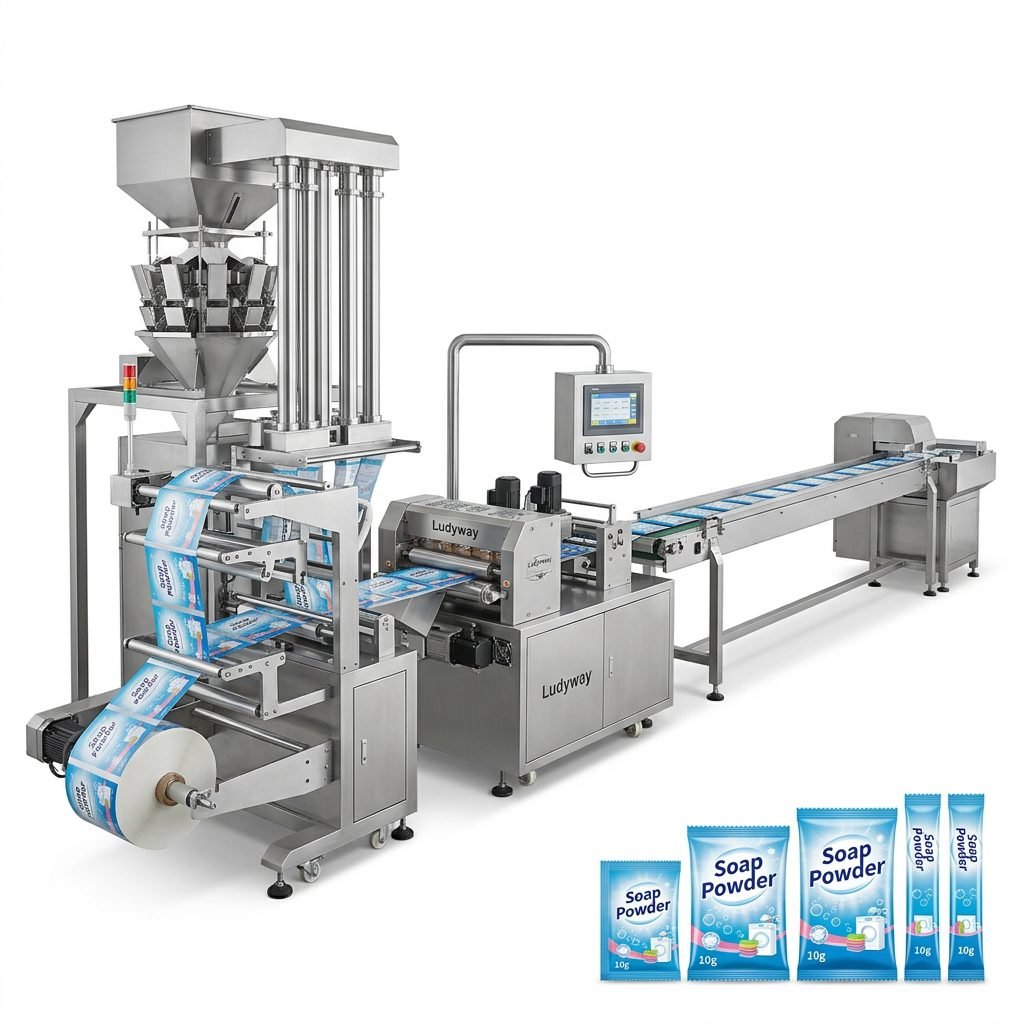
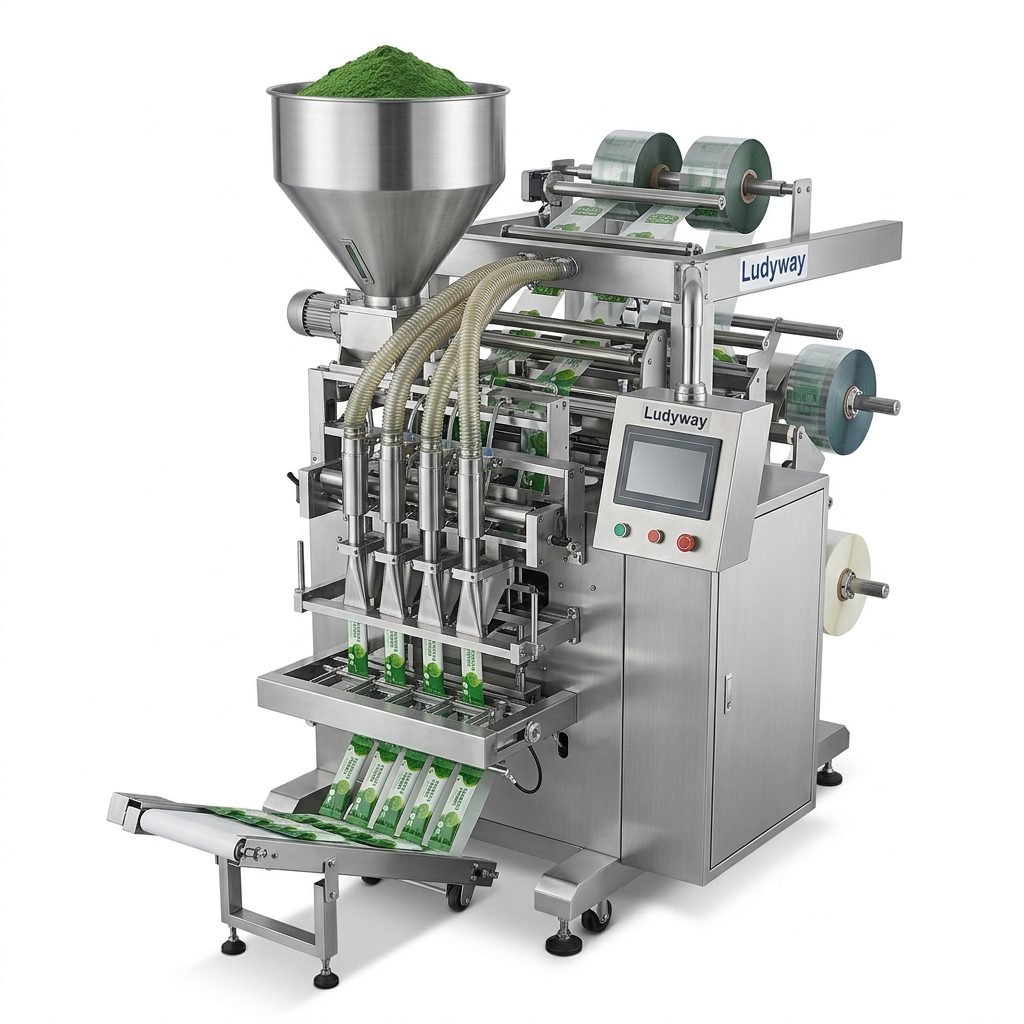
These are the workhorses of small-scale packaging. A VFFS machine forms a bag from a roll of film, fills it with your product (like snacks, granules, or powders), and seals it—all in one continuous operation. They are incredibly versatile and can handle a wide range of package sizes and materials.
- Ideal for: Coffee, nuts, spices, powdered drinks, small confectionery items.
- Benefit: Minimal material waste and quick changeover between products.
Tabletop Liquid & Pouch Fillers
For sauces, oils, dressings, or honey, semi-automatic liquid fillers are essential. These machines accurately measure and dispense liquids into bottles, jars, or pre-made pouches. Pouch filling machines, often using pre-formed stand-up pouches, are also popular for their modern look and efficiency.
→ Pro Tip: When choosing a liquid filler, prioritize accuracy and ease of cleaning. Look for models with food-grade contact parts and simple adjustment mechanisms for different viscosities.
Stick Pack and Sachet Machines
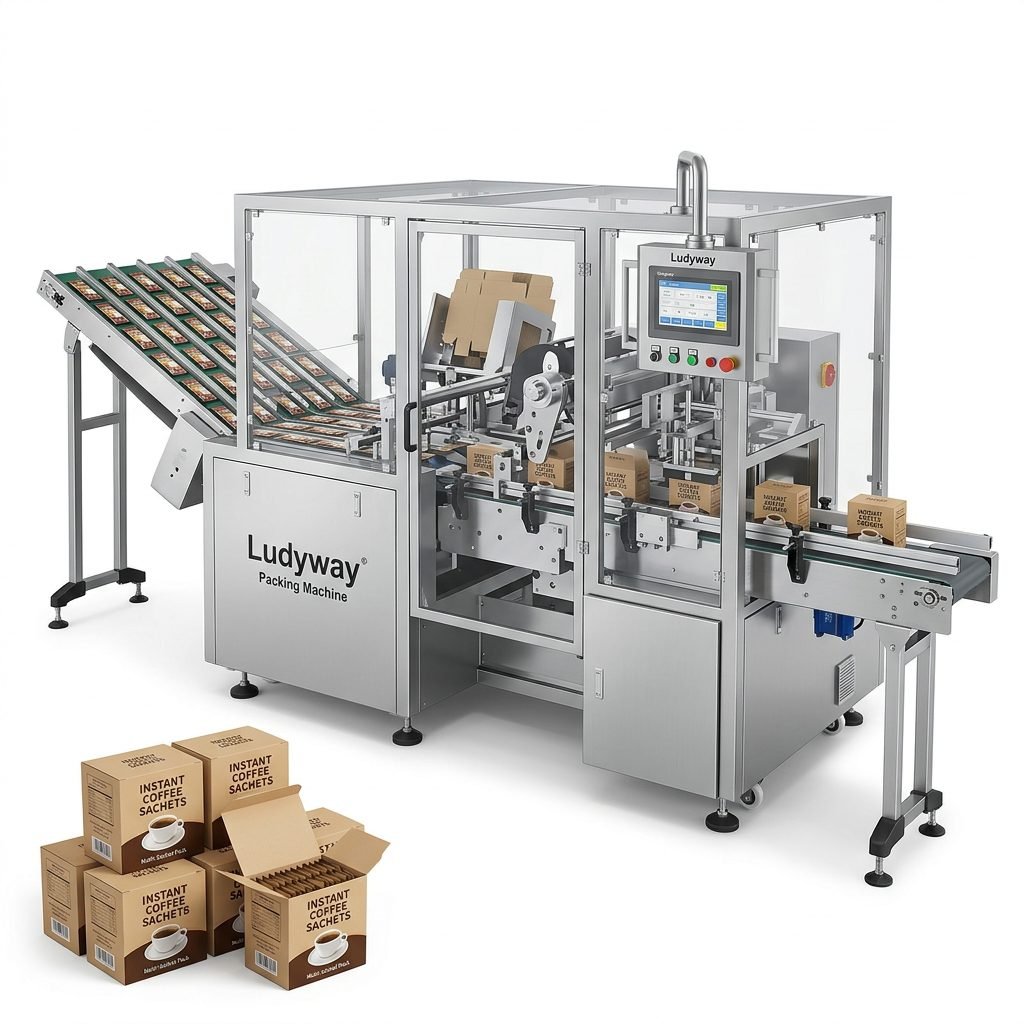
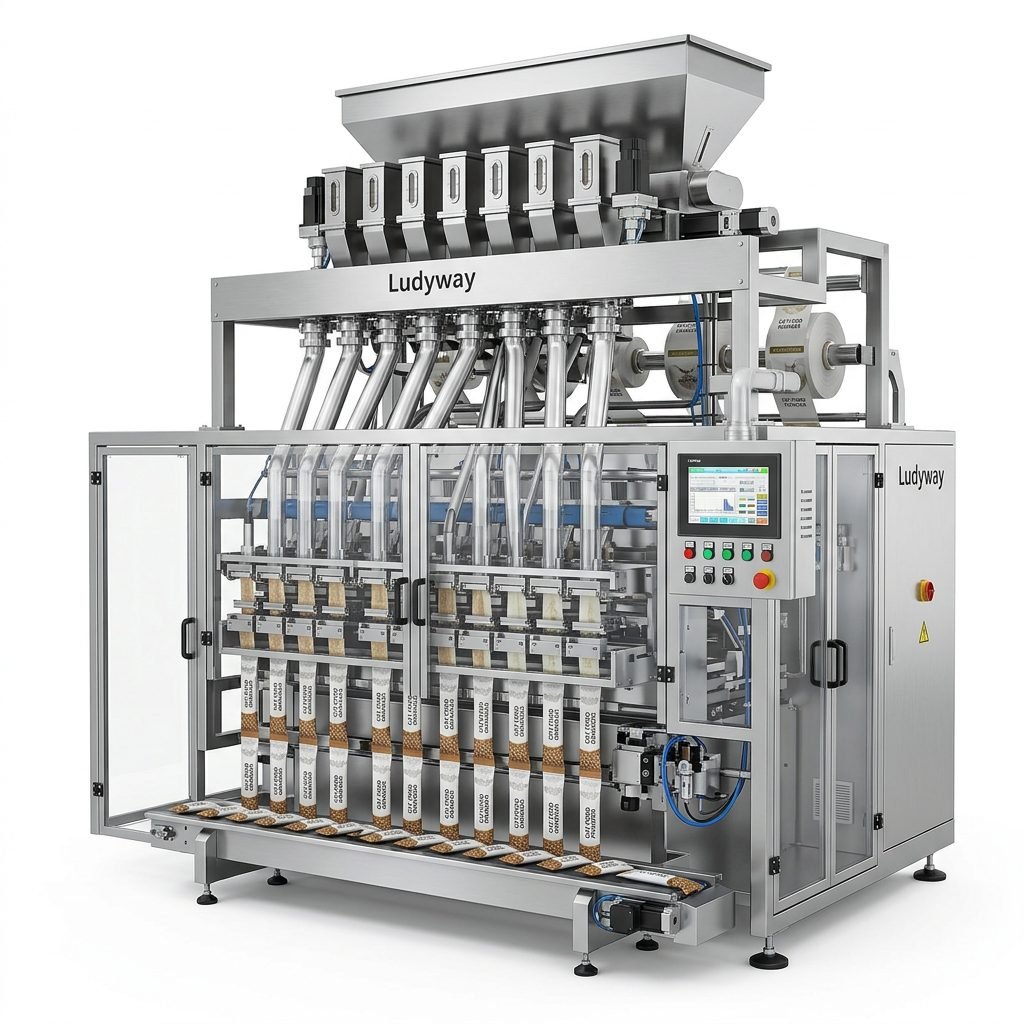
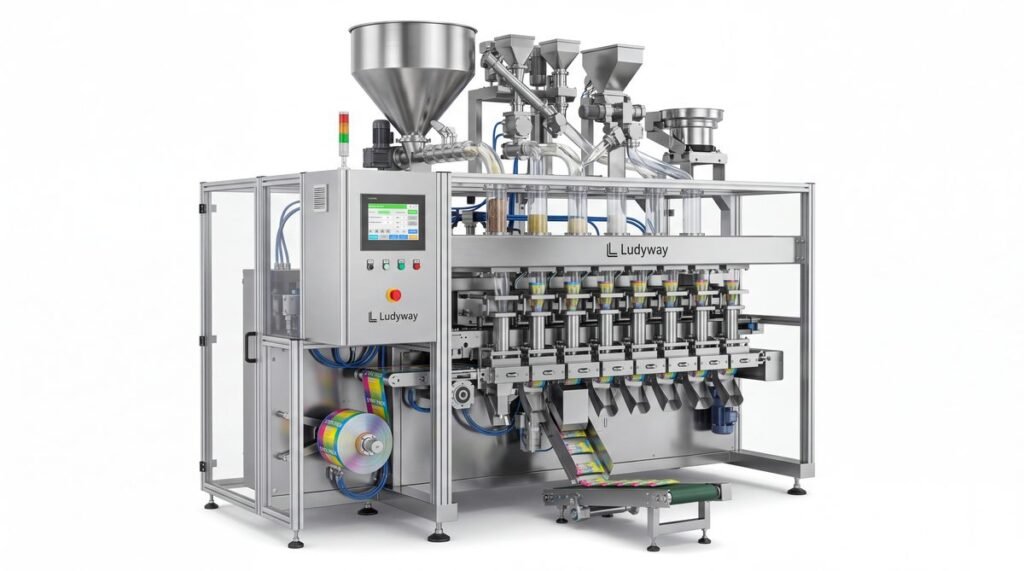
Perfect for single-serve portions, stick pack machines create long, narrow packs ideal for instant coffee, drink mixes, supplements, or condiments. Sachet machines create small rectangular pouches. These formats are hugely popular for sampling, convenience, and reducing waste.
Beyond the Machine: Key Factors for Success
Purchasing the equipment is just the first step. To ensure a smooth operation, consider these critical factors:
1. Packaging Material Compatibility
Your machine must work seamlessly with your chosen packaging film or pouch material. Consider barrier properties (to keep out oxygen and moisture), seal integrity, and print quality if using pre-printed rolls. Discuss your material specs with your packaging equipment supplier to ensure compatibility.
2. Scalability and Future-Proofing
The best small-scale machine is one that can grow with you. Look for modular designs where you can add features like weight checkers, date coders, or automated feeding systems later. Choosing a supplier with a broad range of packaging machine models means you can upgrade within the same ecosystem.
3. Ease of Operation and Maintenance
As a small team, you likely don’t have a dedicated engineer. User-friendly controls, clear manuals, and accessible service points are crucial. Reliable suppliers offer comprehensive training and have readily available spare parts.
Companies with deep industry experience understand the pain points of startups and design their support services accordingly, ensuring you get the most out of your investment from day one.
Maximizing Your Return on Investment
A cost-effective machine isn’t just about a low sticker price. True ROI comes from reliability, efficiency, and quality output.
- Reduce Labor Costs: Automating packaging frees up staff for other tasks and increases output consistency.
- Minimize Product Waste: Precise filling reduces giveaway, directly protecting your profit margins.
- Enhance Brand Image: Professional, consistent packaging builds consumer trust and allows for premium positioning.
- Improve Flexibility: Quickly run small batches for farmers’ markets, online orders, or custom client requests.
Conclusion: Building a Foundation for Growth
For a small food business or startup, investing in the right small-scale packaging equipment is an investment in your brand’s future. It transforms a manual, variable process into a streamlined, professional operation. By focusing on versatile, reliable, and scalable machines from experienced partners, you lay a solid foundation for quality, efficiency, and growth. The initial step towards automation is the most significant one, setting the stage for increased production capacity, market expansion, and long-term success.
Frequently Asked Questions (FAQs)
1. What is the typical price range for a small-scale food packaging machine?
Prices vary widely based on type and automation level. Basic semi-automatic machines (e.g., auger fillers, manual sealers) can start from a few thousand dollars. More advanced, automatic systems like entry-level VFFS or stick pack machines typically range from $10,000 to $30,000. It’s crucial to consider total cost of ownership, including maintenance and potential future upgrades.
2. How difficult is it to operate and maintain this equipment?
Modern small-scale machines are designed for user-friendliness. Reputable suppliers provide hands-on training for your team. Maintenance usually involves routine cleaning, lubrication, and part inspections—tasks outlined in the user manual. Choosing a supplier with strong technical support and available spare parts is key to minimizing downtime.
3. Can one machine handle different types of products or package sizes?
Versatility is a major feature of many small-scale machines. For example, a VFFS machine can be adjusted to create different bag lengths and widths by changing the forming tube and adjusting settings. Changeover times vary, so if you plan to run multiple products frequently, discuss “quick-change” features with your supplier.
4. Where can I source packaging materials compatible with the machine?
Your equipment supplier is often the best starting point. They can recommend reliable film or pouch suppliers and ensure the material specifications (thickness, seal layer, coefficient of friction) are compatible with their machine. They may also offer guidance on sourcing printed materials for your brand.
5. How do I know if my business is ready to upgrade from manual to automated packaging?
Key indicators include: consistently high order volumes that are straining manual packing, the need for more uniform and professional packaging, rising labor costs, increased product waste from manual filling, or plans to sell to larger retailers who require precise weight control and coding. An automated system addresses these challenges directly.