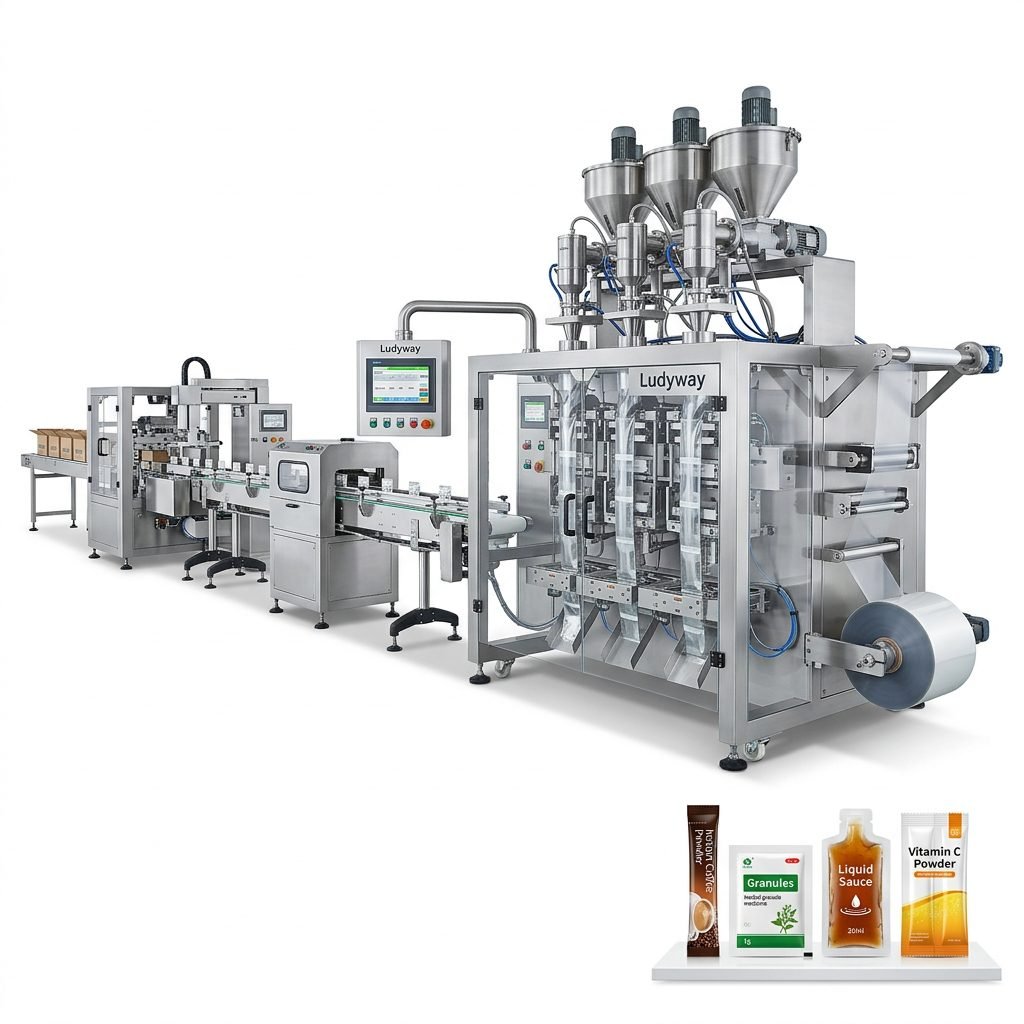
Investing in a dry food packaging machine is a critical decision for food manufacturers across Oceania. Whether you are packing spices in Fiji, dried fruits in Australia, or pet food in New Zealand, the right equipment directly impacts your shelf life, branding, and operational efficiency. This guide breaks down the essential features, regional cost considerations, and expert tips to help you select the perfect system for granules, powders, and dry solids.
Understanding Oceania’s Unique Packaging Demands
The Oceania food processing market is distinct. Strict biosecurity import laws in Australia and New Zealand heavily influence food contact material regulations. Furthermore, the vast geographic spread of the Pacific Islands requires robust, low-maintenance machinery that can handle high humidity and salt-laden air. When sourcing a dry food packing machine, you must prioritize stainless steel construction and sealed electrical components to prevent corrosion.
Key Features to Look For
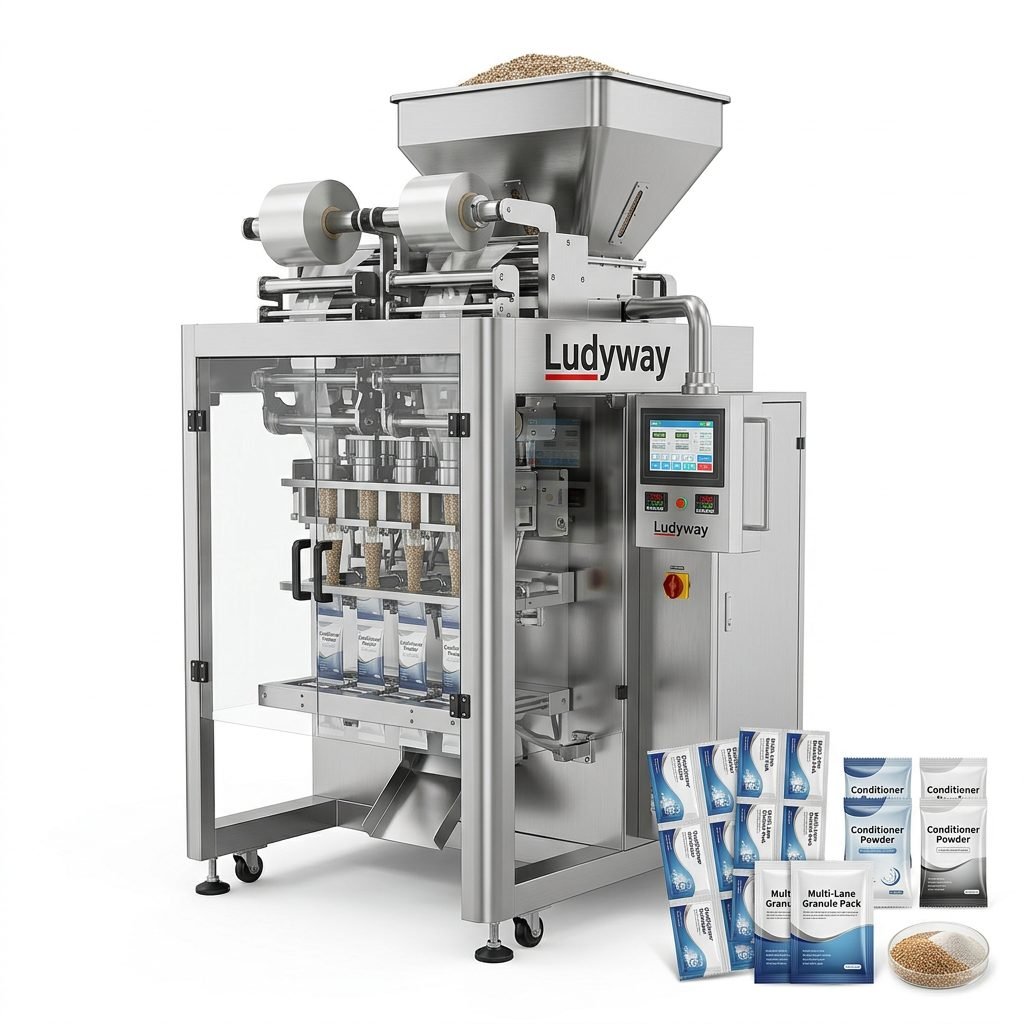
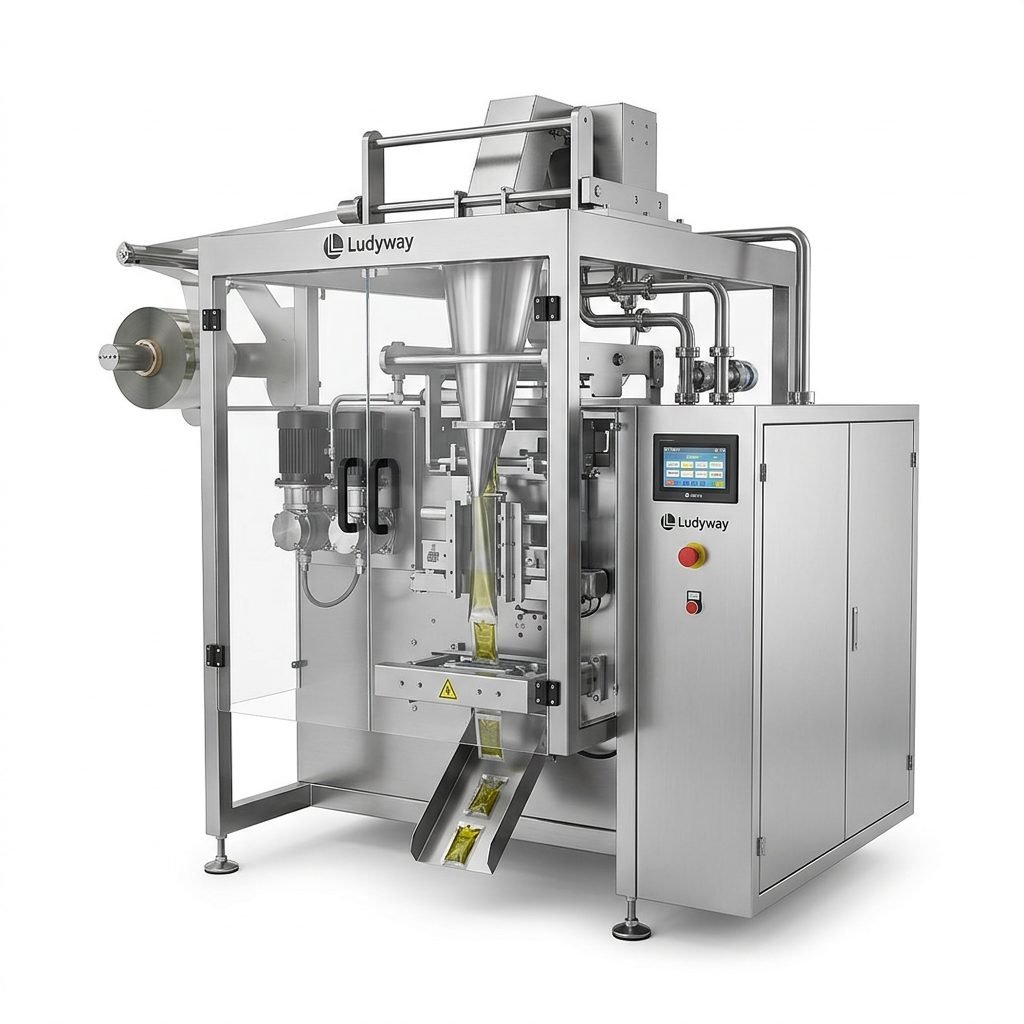
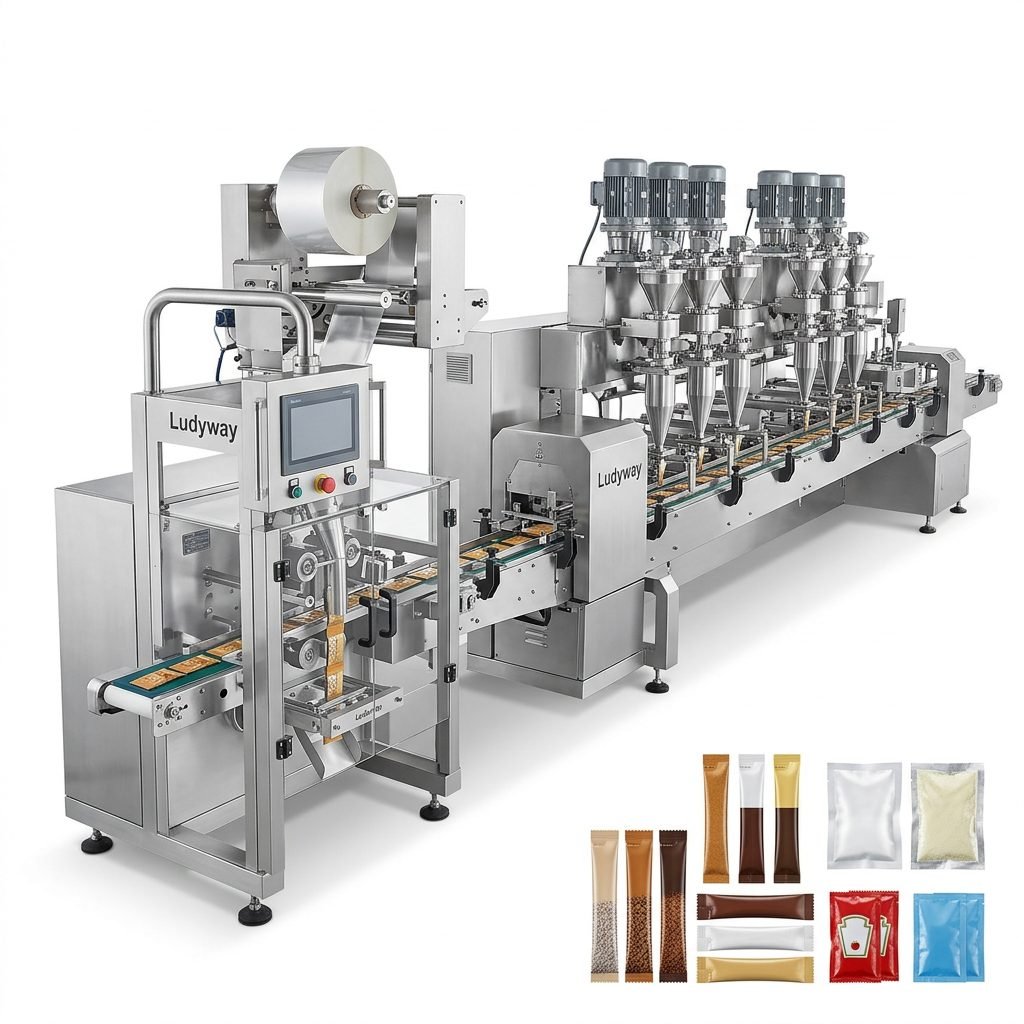
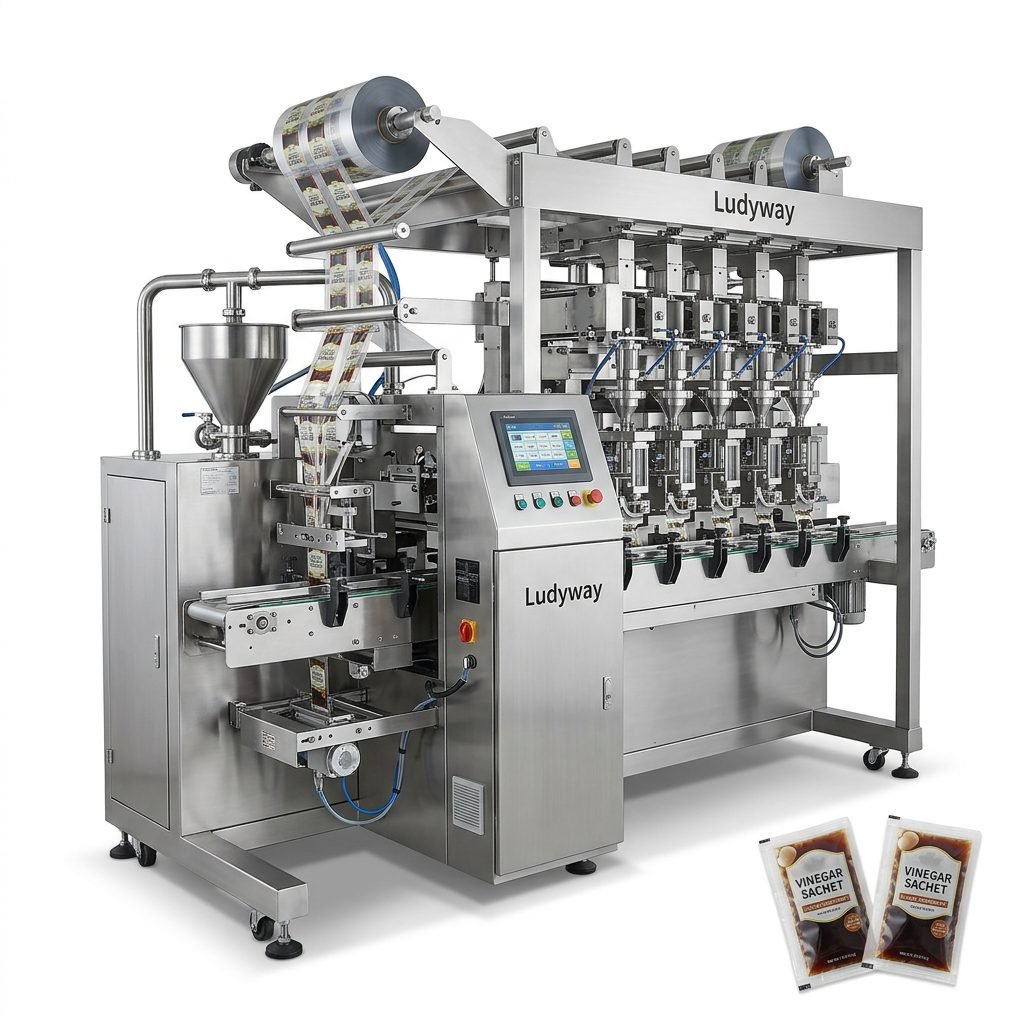
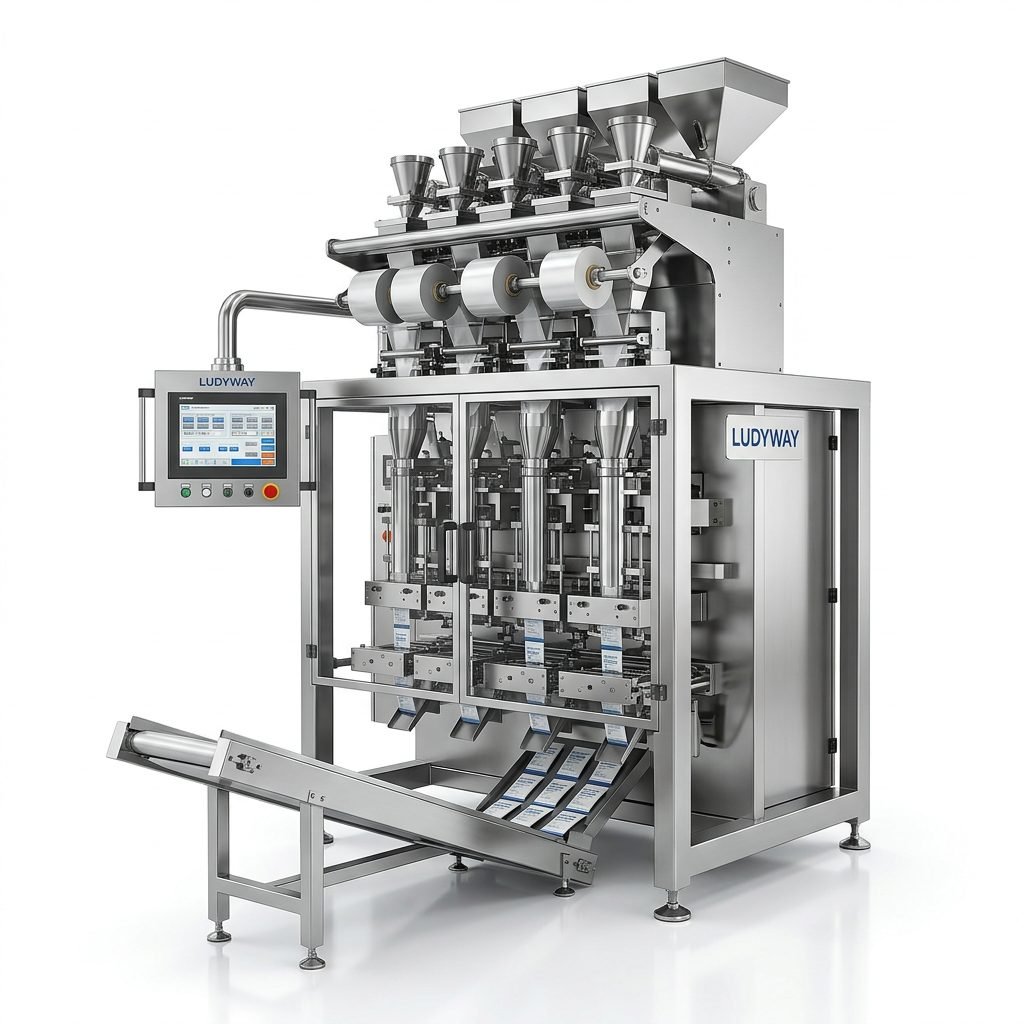
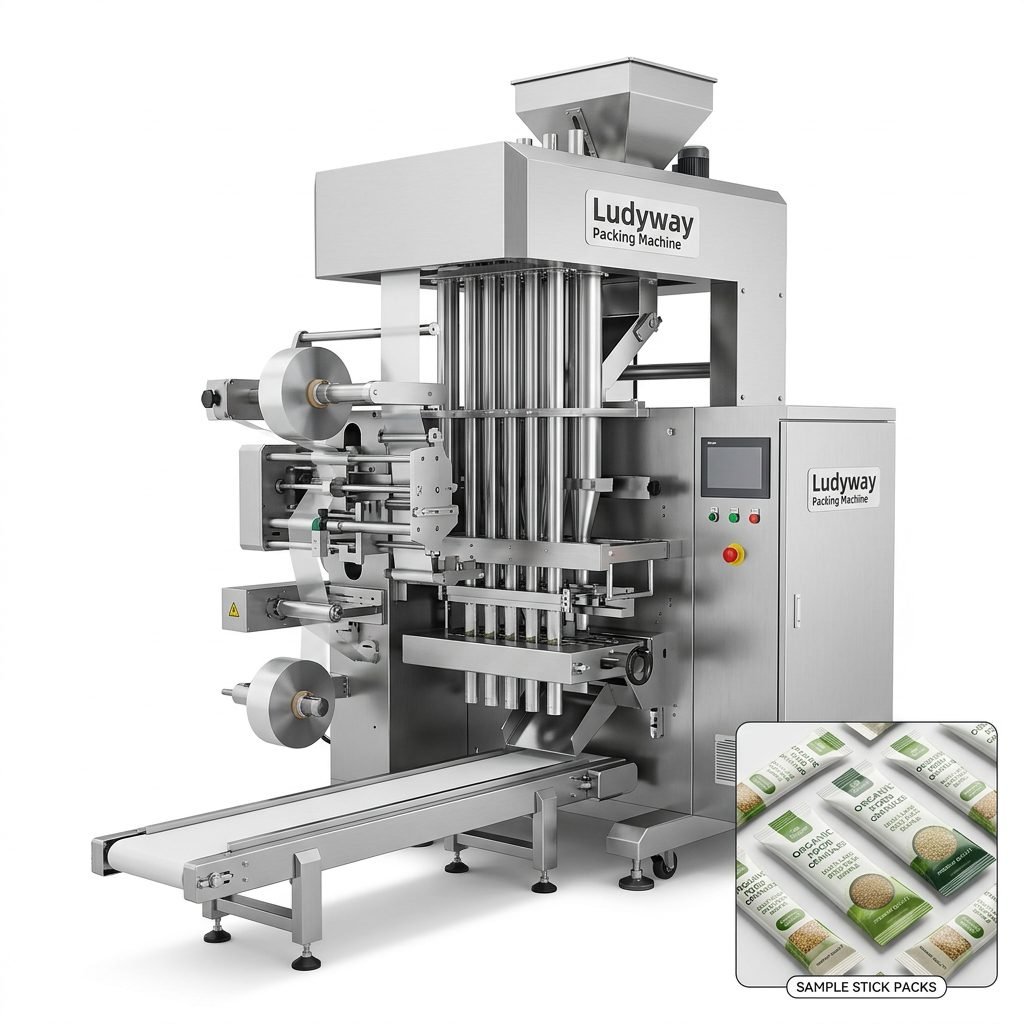
Modern vertical form fill seal (VFFS) machines and multi-lane stick pack systems dominate the market. Here is what to evaluate:
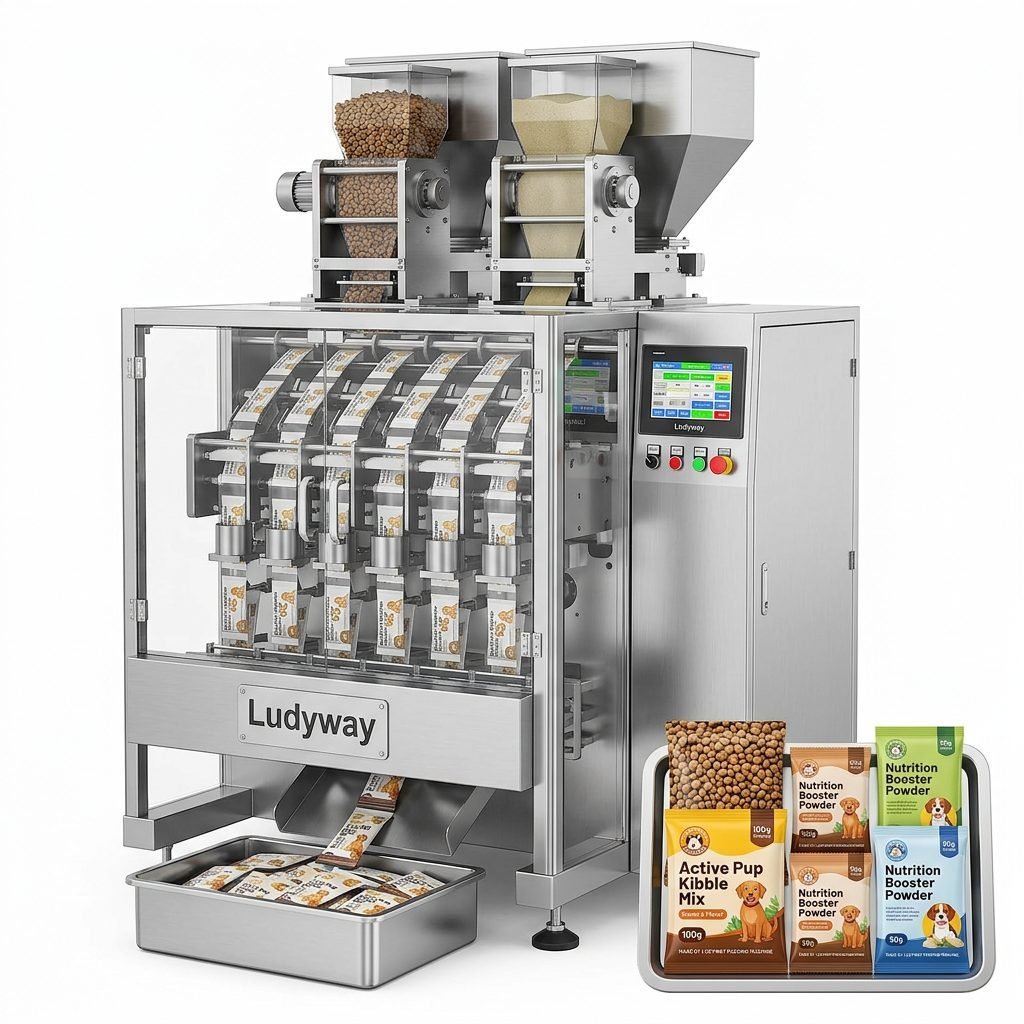
- Multi-Lane Capability: Essential for high-volume output. A multi-lane packaging machine can significantly boost your sticks-per-minute rate.
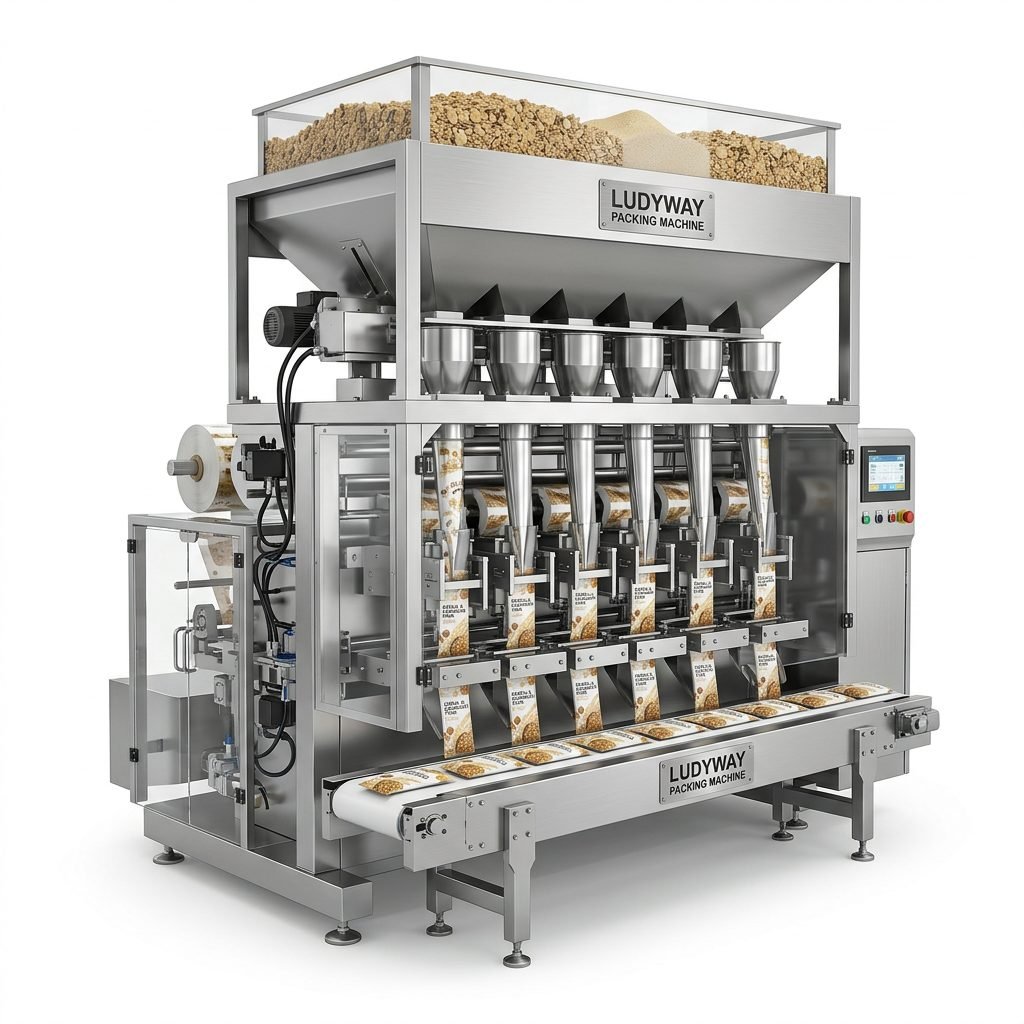
- Weighing Accuracy: Multi-head weighers ensure compliance with Oceania’s strict net weight legislations. Look for systems that minimize product giveaway.
- Quick Changeover: If you pack various products like muesli and rice, tool-less changeover parts reduce downtime.
Cost Analysis: Budgeting for the Oceania Market
The cost of a dry food packaging machine varies widely based on automation level. A basic single-lane sachet machine might start at a lower price point, while a fully automated turnkey line with cartoning and case packing represents a significant capital investment. However, considering the high labor costs in Australia and New Zealand, automation offers a rapid return on investment (ROI).
| Machine Type | Speed Range (Packs/Min) | Estimated Payback Period | Best For |
|---|---|---|---|
| Single-Lane Sachet | 40 – 80 | 12 – 18 months | Startups, Specialty Spices |
| Multi-Lane Stick Pack | 200 – 600 | 6 – 12 months | Sugar, Instant Coffee, Supplements |
| Bulk Bagging System | 5 – 15 | 18 – 24 months | Flour, Pet Food, Agricultural Goods |
Freight and Import Duties
When importing into Oceania, remember to factor in shipping costs and Goods and Services Tax (GST). Equipment sourced from reputable packaging machine manufacturers often ships in high-cube containers. Always confirm if the supplier handles Incoterms like CIF (Cost, Insurance, and Freight) to ports such as Sydney, Auckland, or Suva. DDP (Delivered Duty Paid) terms are often preferred by first-time buyers to avoid hidden charges.
Top Tips for Selecting a Reliable Partner
Choosing a supplier is as vital as choosing the machine itself. A dependable partner provides more than just hardware; they deliver a long-term production solution. Industry standards, such as those outlined by the ISO Packaging Standards, should be a baseline requirement for any equipment you consider.

1. Verify After-Sales Support
Oceania’s remoteness makes remote diagnostics and local agent support crucial. Check if the supplier offers 24/7 online support to cover time zone differences.
2. Inspect Material Compatibility
Not all machines handle sticky powders or sharp granules well. Request a video of a factory acceptance test (FAT) with your specific dry food product.
3. Assess the Packaging Film Waste
With rising eco-consciousness in the Pacific region, minimizing film waste is non-negotiable. Look for machines with precise film tracking and quick-splice unwinds.
Integrating Complete Lines
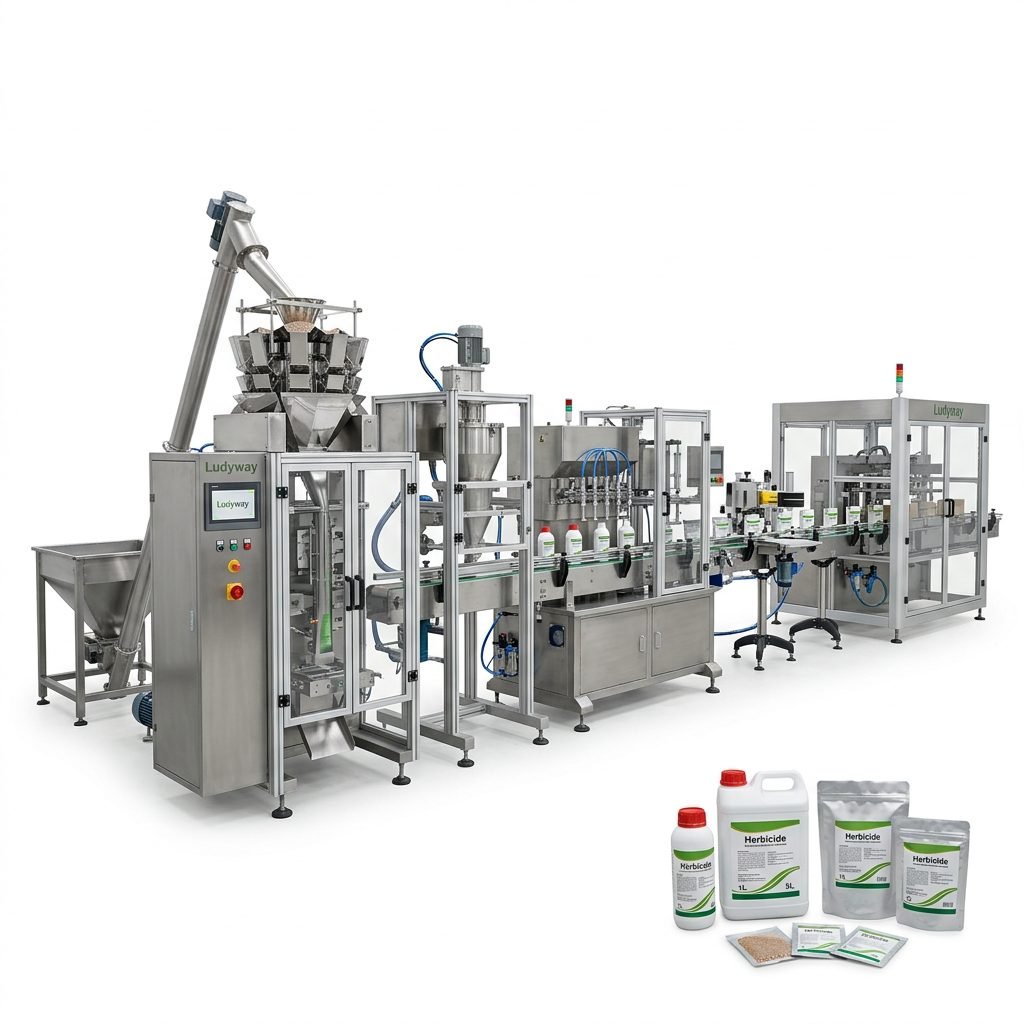
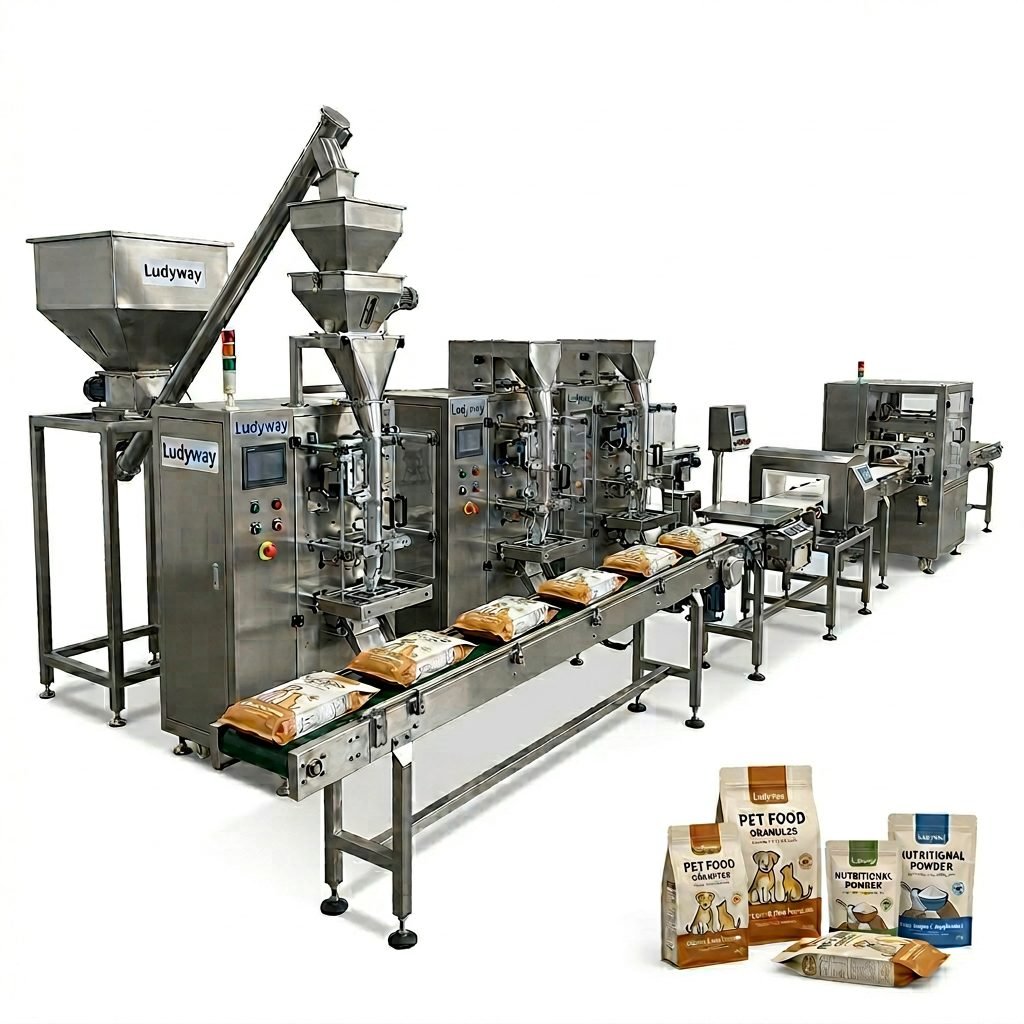
For scaling businesses, a single machine is rarely enough. The most successful operations invest in turnkey packaging lines that integrate filling, checkweighing, and cartoning. For instance, a factory producing dry pet kibble in Australia would benefit from a combination of a high-speed multi-head weigher and an automatic case packer to meet supermarket demands.
When assessing the total cost of ownership, remember that energy efficiency is key. Advanced servo-driven systems significantly reduce power consumption compared to older mechanical models, aligning with the region’s sustainability goals. For a deeper dive into market trends, the Flexible Packaging Association provides valuable data on material usage and waste reduction targets.
Common Pitfalls to Avoid
- Ignoring the Climate: Failing to specify tropicalized electricals for Fiji or PNG leads to sensor failures.
- Undersizing the Hopper: Constant refilling kills efficiency. Match hopper volume to your batch mixer size.
- Overlooking Future Needs: Buying a machine that cannot be upgraded to multi-lane or gas flushing limits your growth.
Conclusion: Future-Proofing Your Production
Selecting the right dry food packaging machine in Oceania requires balancing upfront cost with long-term reliability. By focusing on hygienic design, automation, and local support, you build a resilient supply chain ready for export markets. Whether you are packing dry soup mixes or bulk snack granules, prioritize machinery that adapts to your growing product range. Leading global suppliers, such as Ludyway, deliver advanced engineering and customizable solutions that empower food businesses to thrive in competitive markets with efficiency and confidence—without compromising product quality or operational reliability.
Reference Resources: