Choosing the right dry food packaging machine can directly affect production speed, packaging accuracy, product freshness, labor cost, and long-term profitability. Whether you pack nuts, grains, cereal, coffee powder, spices, pet food, snack mixes, flour, sugar, dried fruit, or other dry products, the ideal solution depends on your material characteristics, pack format, production goals, and future expansion plans.
A poor machine choice can lead to underfilling, broken product, frequent downtime, sealing defects, and unnecessary maintenance. A well-matched system helps your operation run smoothly, maintain consistent quality, and scale with confidence.

Why the Right Machine Matters for Dry Food Packaging
Dry food products are not all the same. Some are free-flowing, such as rice or sugar. Others are dusty, fragile, oily, irregular, sticky, or mixed in size. Because of this, one machine type does not fit every packaging project.
- Protect product texture, aroma, and shelf life
- Reduce giveaway and improve weight consistency
- Minimize dust contamination and sealing failures
- Lower manual labor dependence
- Support faster throughput and better output planning
- Improve retail presentation and transport stability
If your dry food packaging line is expected to run for years, it is worth evaluating the machine from both current production needs and future capacity growth.
Start by Understanding Your Product Characteristics
The first step is to define exactly what kind of dry food you are packing. This determines the feeding method, dosing system, sealing structure, and suitable machine design.
Key product questions to ask
- Is the product a powder, granule, pellet, flake, or mixed material?
- Does it flow easily or bridge inside the hopper?
- Is it fragile, such as chips or freeze-dried fruit?
- Does it create dust during filling?
- Is it oily, static-prone, or moisture-sensitive?
- What is the target fill weight range?
- Do you need retail packs, single-serve sachets, or bulk bags?
| Product Type | Typical Filling Method | Packaging Concern |
|---|---|---|
| Powders like flour, coffee, spice mix | Auger filler | Dust control, accurate dosing, seal cleanliness |
| Granules like sugar, rice, beans | Cup filler or weigh filler | Speed, weight consistency, smooth product flow |
| Fragile snacks or dried fruit | Multihead weigher | Gentle handling, reduced breakage |
| Pet food or mixed dry food | Combination weighing system | Irregular shape handling, accurate portioning |
Choose the Right Packaging Format
Your desired package style strongly influences machine selection. Different markets and sales channels require different packaging forms.
Common dry food pack formats
- Pillow bags
- Gusset bags
- Quad seal bags
- Stand-up pouches
- Sachets
- Stick packs
- Premade pouches
- Bulk sacks or large open-mouth bags
For example, single-serve seasoning powder, drink powder, sugar, and coffee products often use sachet or stick pack systems. Larger dry food items such as cereal, nuts, rice, or pet kibble may fit vertical form fill seal systems or premade pouch machines better.
Main Types of Dry Food Packaging Machines
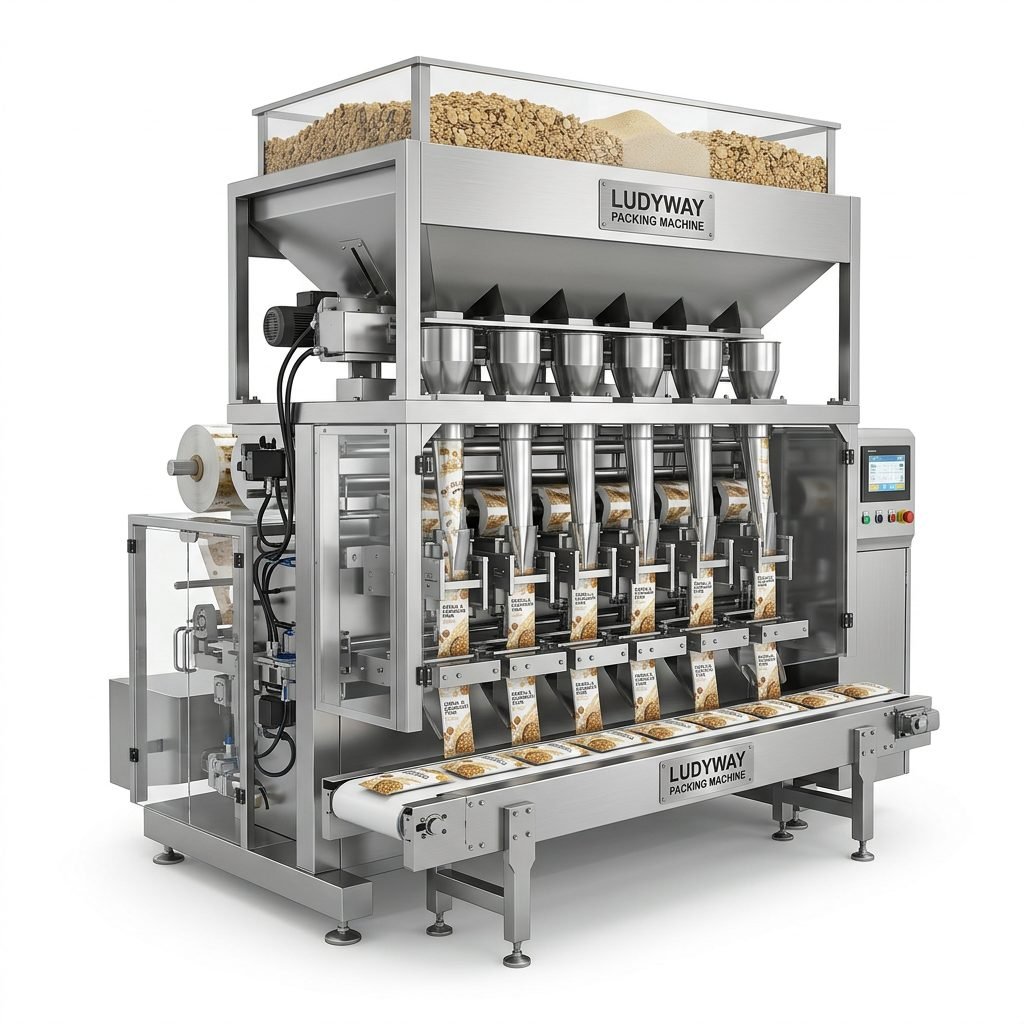
1. Vertical Form Fill Seal Machines
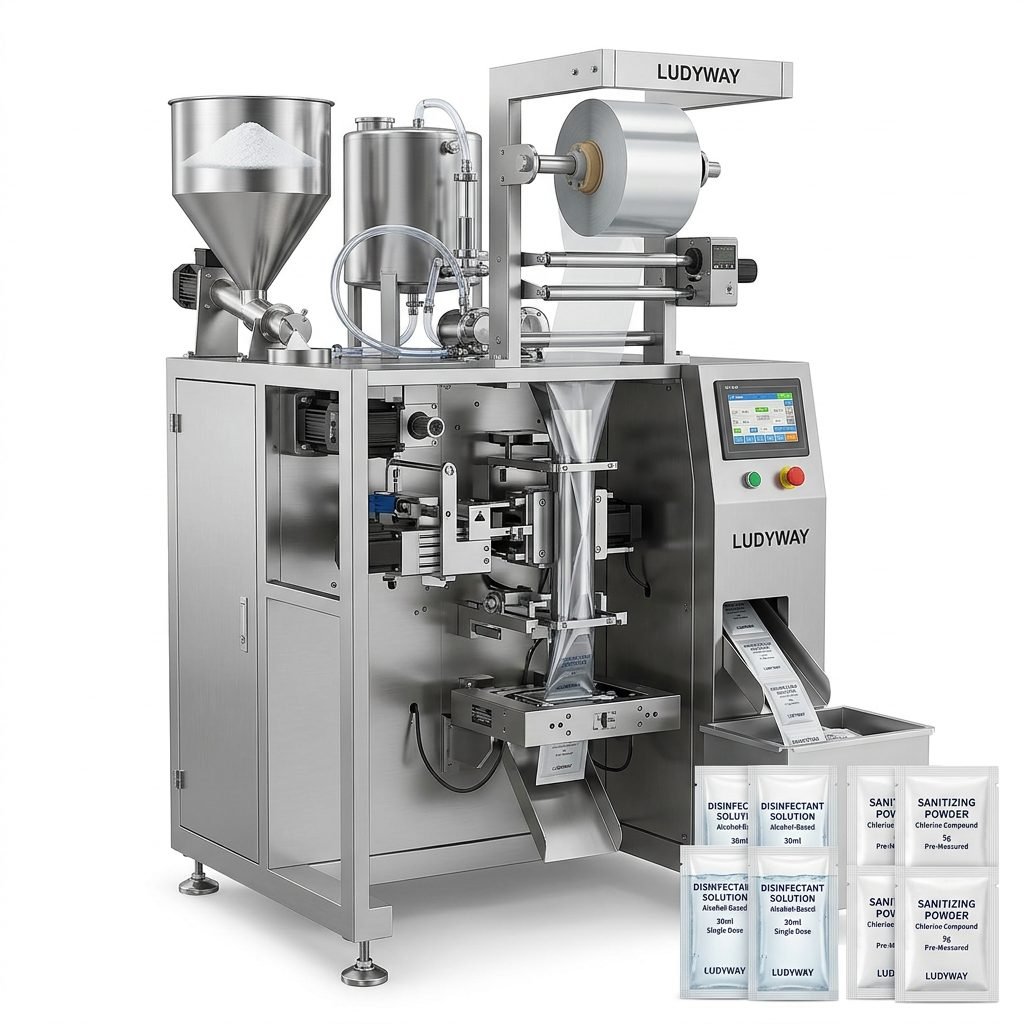
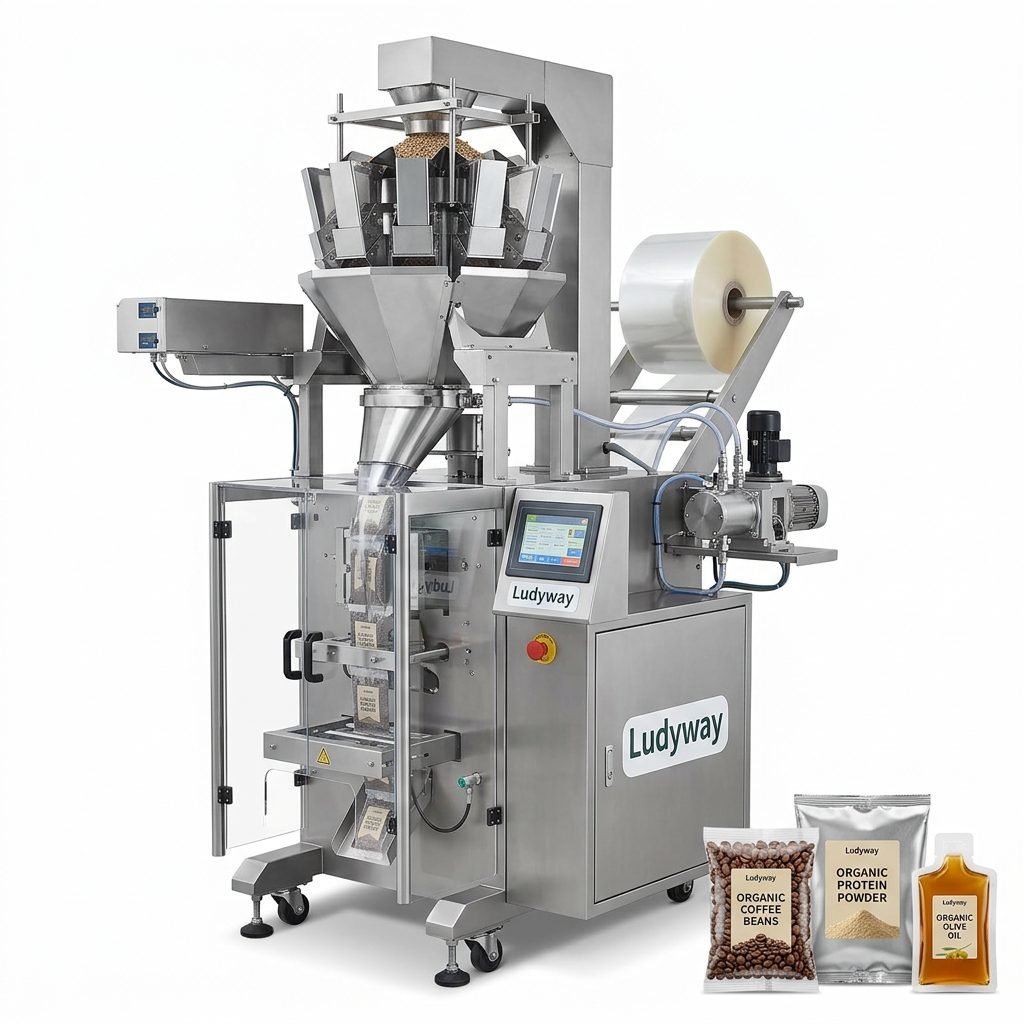
VFFS machines are widely used for dry food packaging because they are efficient, flexible, and suitable for many bag styles. They are ideal for granules, powders, beans, rice, snacks, and similar products.
- Good for medium to high production volumes
- Can integrate auger fillers, cup fillers, or multihead weighers
- Suitable for pillow, gusset, and some larger bag formats
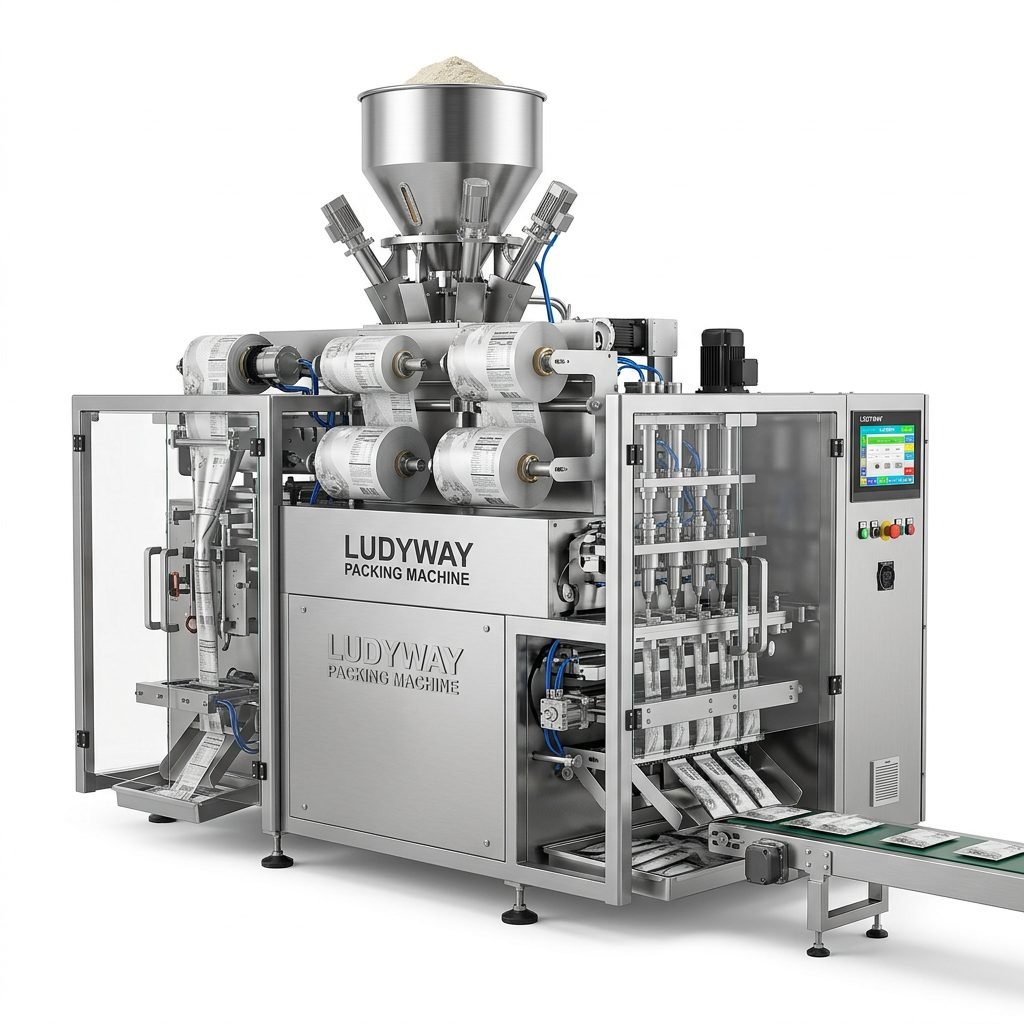
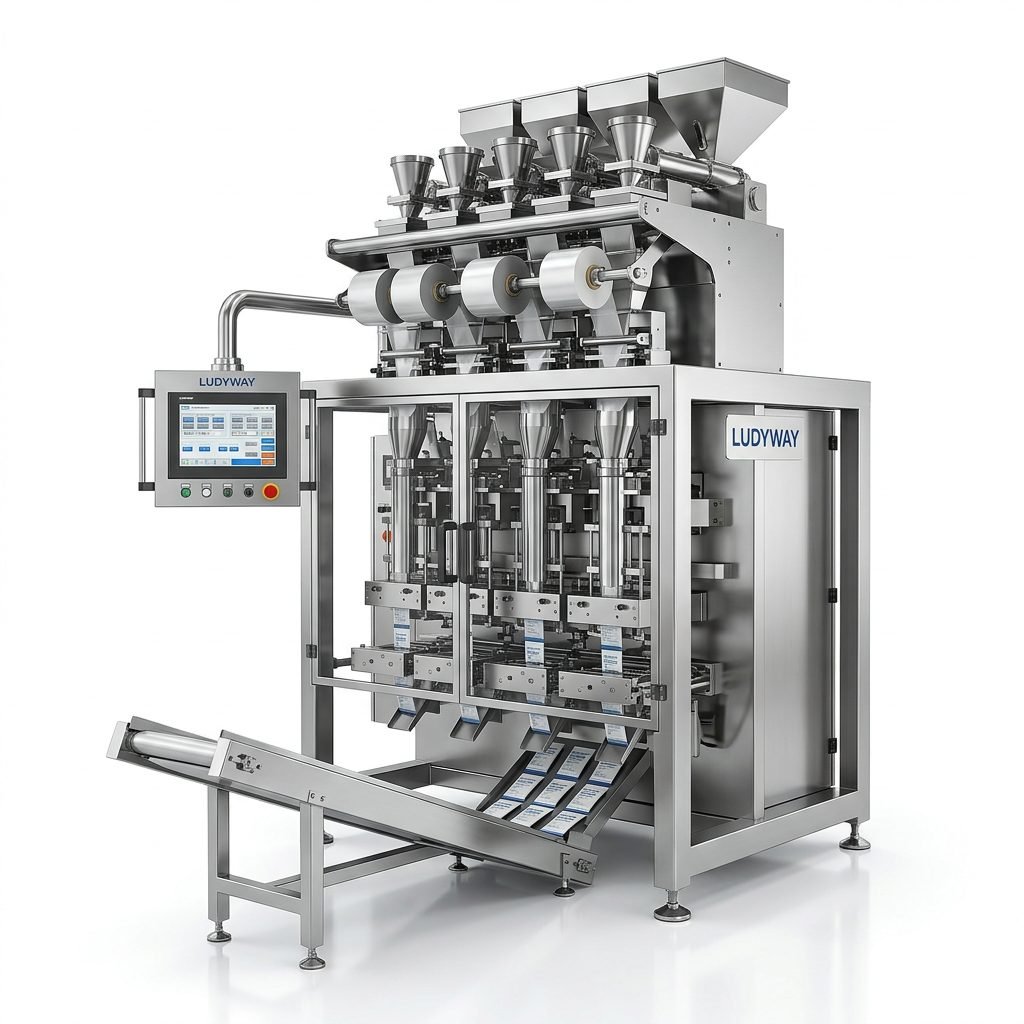
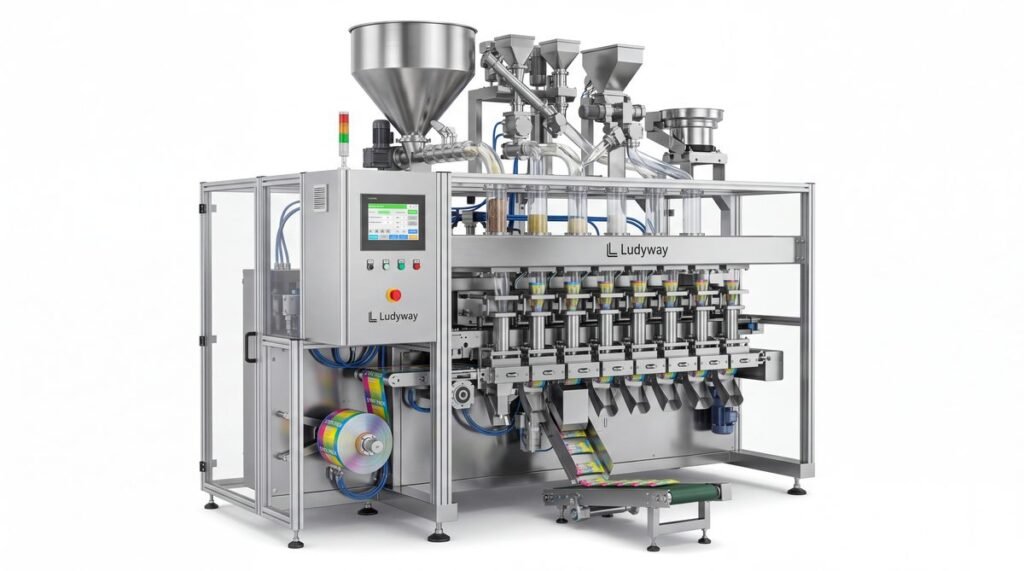
2. Multi-Lane Sachet and Stick Pack Machines
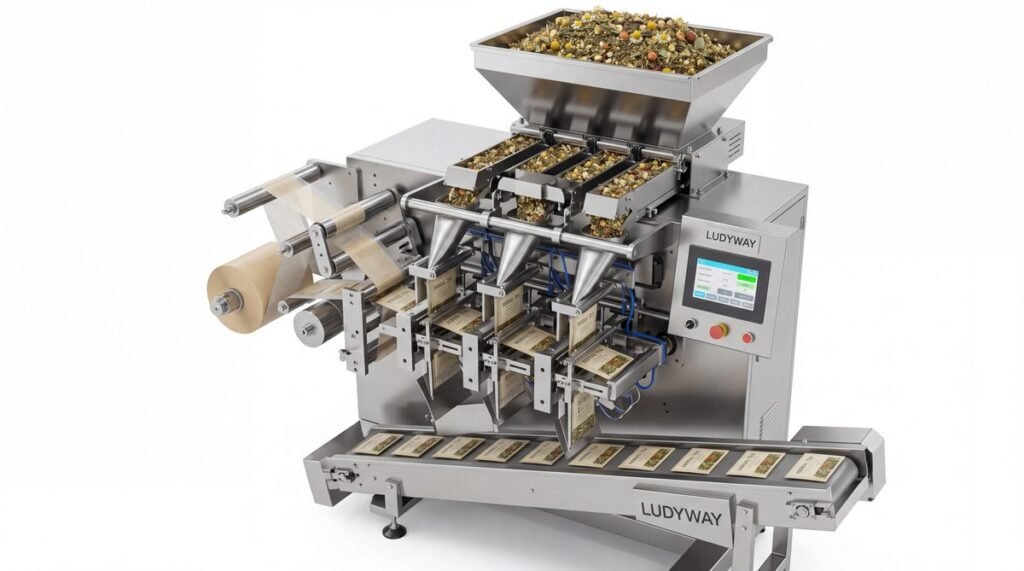
These machines are best for small-dose dry food products such as coffee powder, sugar, seasoning, functional beverage powders, and nutrition supplements. They provide high output in compact single-dose packaging.
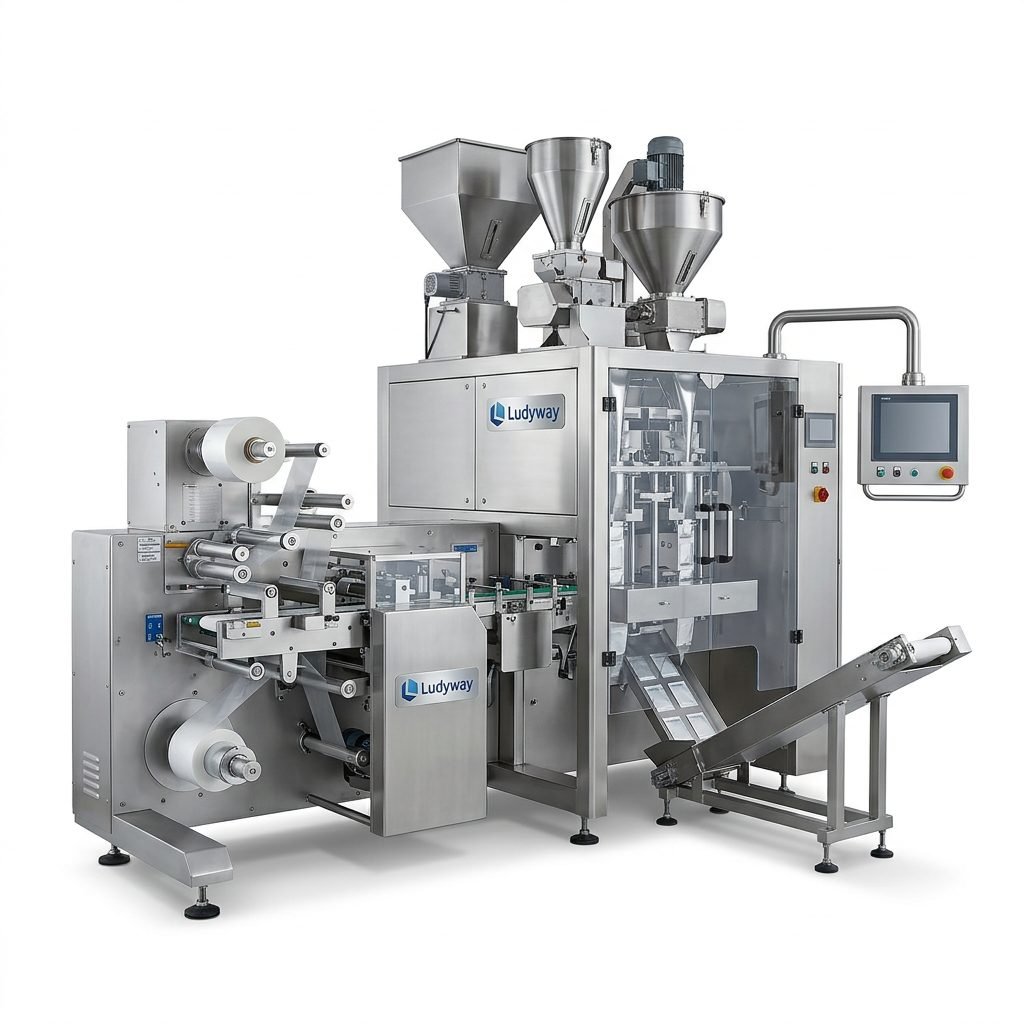
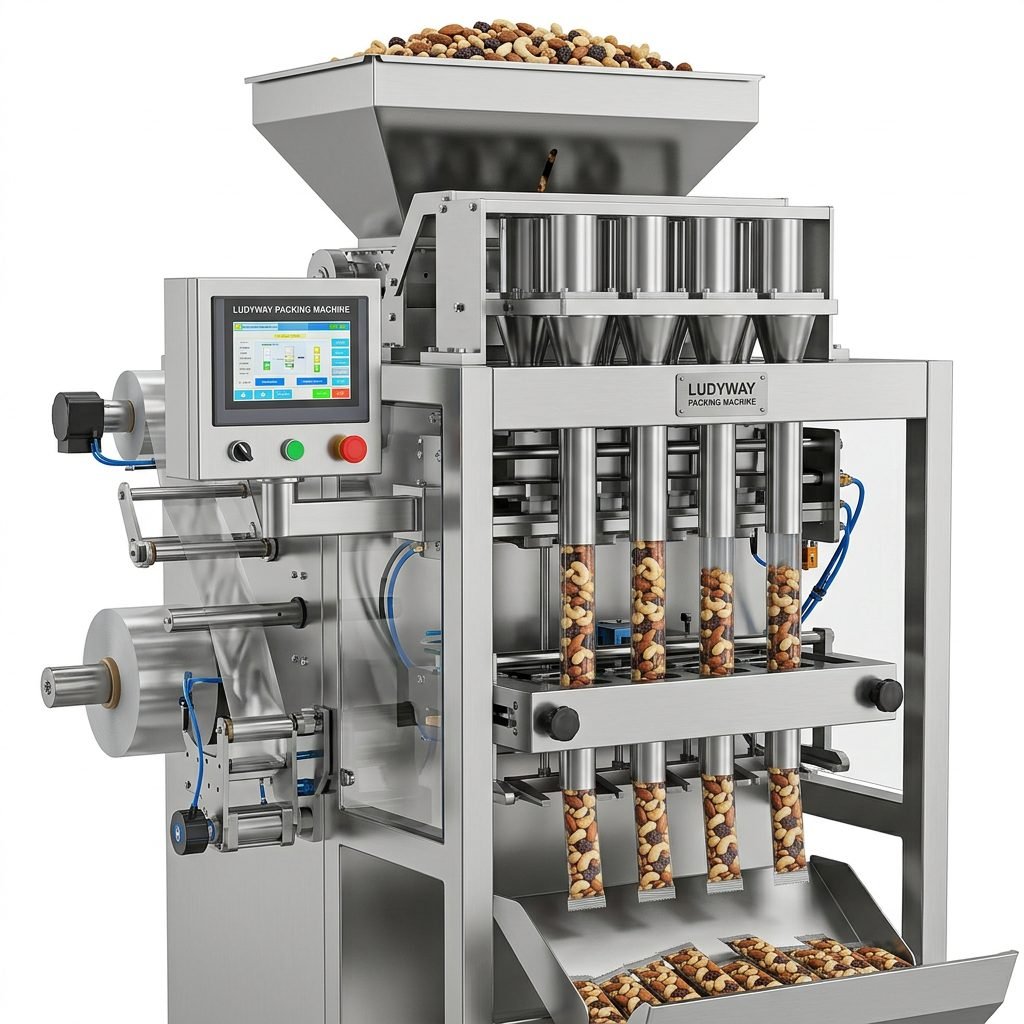
3. Premade Pouch Packing Machines
If shelf appearance and premium packaging are priorities, premade pouch machines are a strong option. They are often used for nuts, granola, pet treats, dried fruit, and specialty foods.
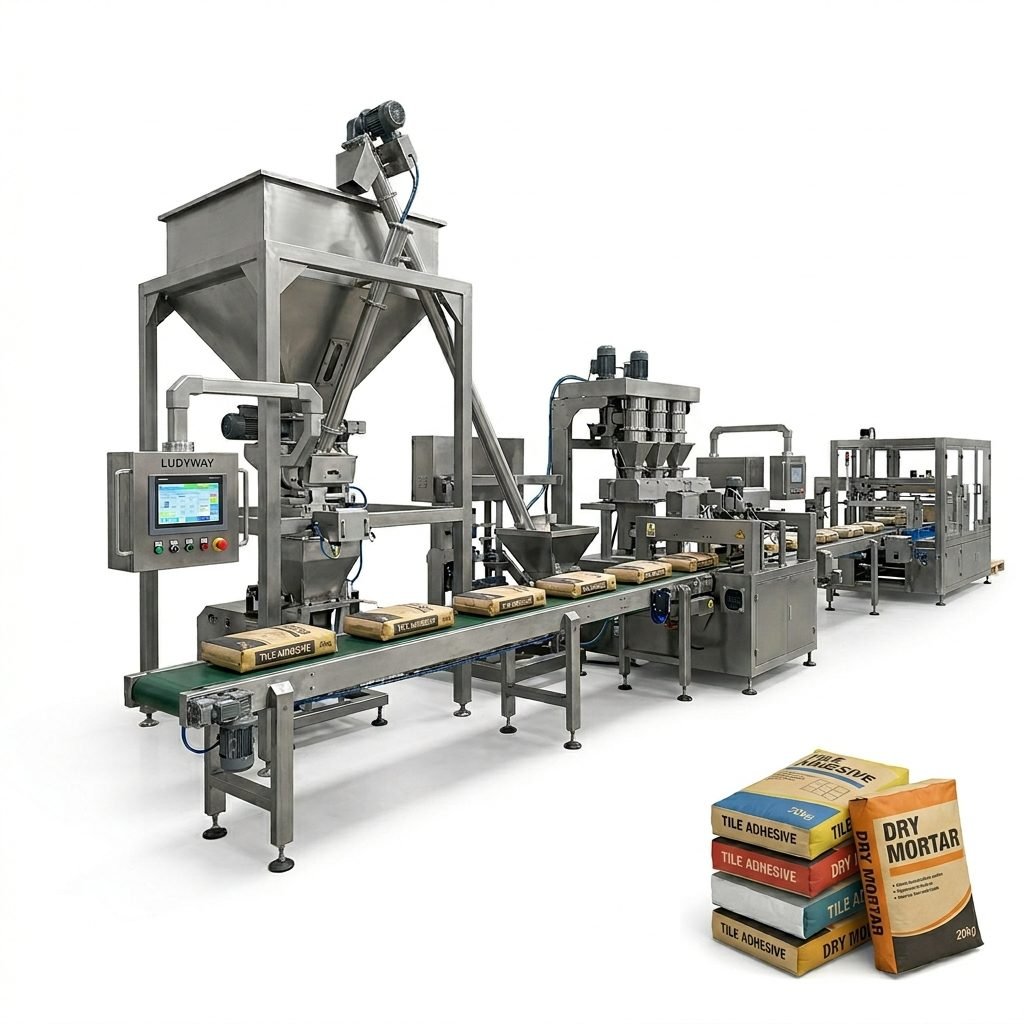
4. Bulk Bagging Systems
For large-volume dry food packing such as flour, grains, animal feed, or industrial food ingredients, bulk weighing and bagging systems are usually more appropriate than retail pack machines.
How to Match the Filling System to the Product
The filler is one of the most important components in the full machine setup. Even a well-built packaging machine can perform poorly if the dosing system is not matched to the product.
| Filling System | Best For | Advantages |
|---|---|---|
| Auger filler | Powders | Precise dosing, good for dusty materials |
| Volumetric cup filler | Free-flowing granules | Simple structure, economical, fast |
| Multihead weigher | Snacks, mixed dry foods, irregular shapes | High accuracy, suitable for premium products |
| Linear weigher | Granules and simple dry foods | Balanced cost and accuracy |
Key Performance Factors to Evaluate Before Buying
Packaging speed
Do not choose based only on the highest speed shown in a brochure. Ask for the real speed with your actual product and target bag size. Powder behavior, bag length, sealing time, and filling method all affect output.
Accuracy
Small weight deviations add up quickly. Overfilling increases product giveaway, while underfilling may create compliance and customer issues.
Seal quality
For dry food, poor seals can cause leakage, moisture entry, and shelf-life reduction. If your product is dusty, sealing performance becomes even more important.
Machine stability
A machine that runs fast for short periods but stops frequently is not efficient. Stable long-term operation matters more than peak speed.
Changeover convenience
If you run several SKUs, ask how long it takes to change bag size, adjust weight range, replace forming parts, and clean contact surfaces.
Cleaning and hygiene
For food applications, the structure should support easy cleaning, smooth surfaces, and safe food-contact materials. Powders especially require design attention to avoid buildup.
Important Questions to Ask the Supplier
- Has this machine packed products similar to mine before?
- Can you provide video proof using similar material?
- What is the realistic production capacity per hour?
- What packaging materials are compatible?
- How is dust managed during filling and sealing?
- What wear parts require regular replacement?
- Is operator training included?
- What after-sales support and spare parts service are available?
- Can the line be upgraded later with checkweighers, metal detection, cartoning, or palletizing?
Do Not Ignore Packaging Materials
Film structure and bag material compatibility are often overlooked during machine selection. Dry food products may require moisture barrier, oxygen barrier, puncture resistance, or premium shelf appearance. The machine should support your planned film type and sealing requirements.
This is especially important for:
- Powders sensitive to humidity
- Products requiring nitrogen flushing
- Sharp or hard granules that may stress the pack
- Retail products where package finish affects consumer trust
Think Beyond the Machine: Consider the Whole Line
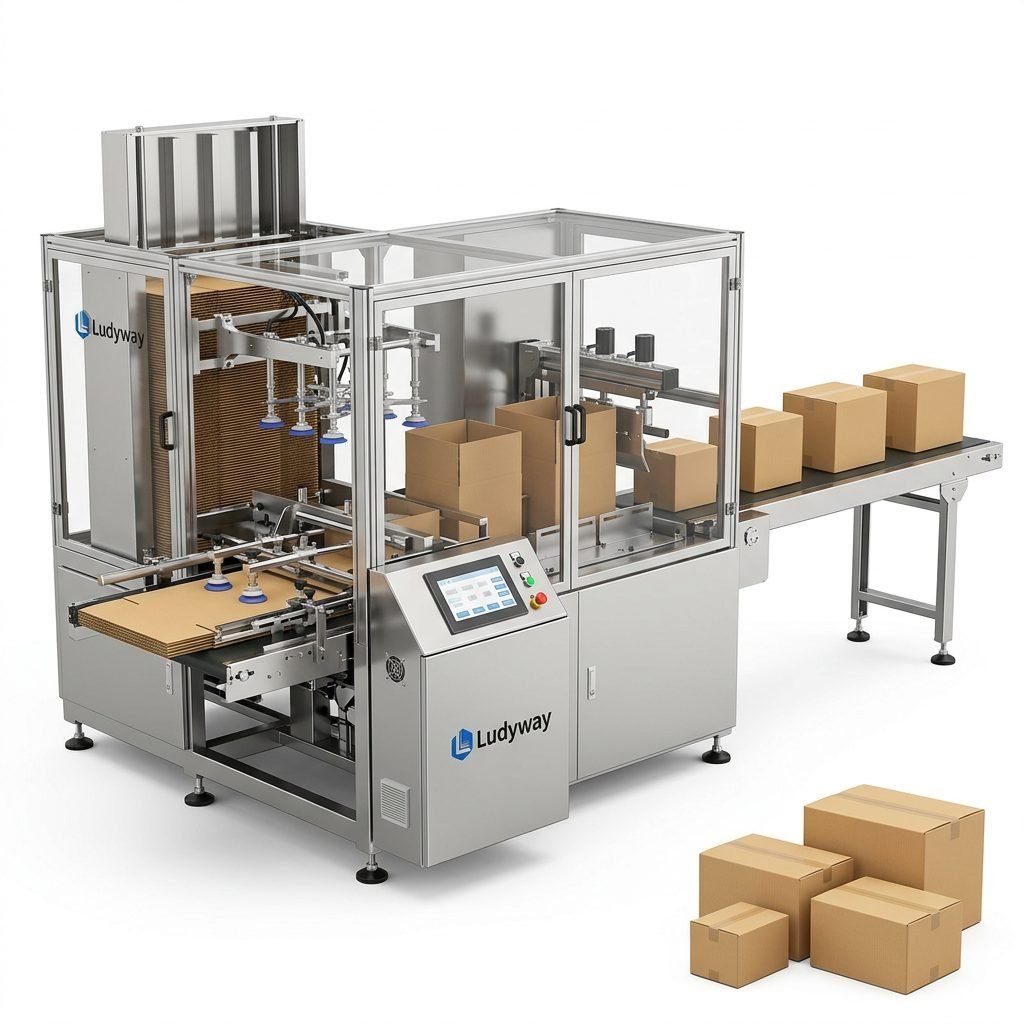
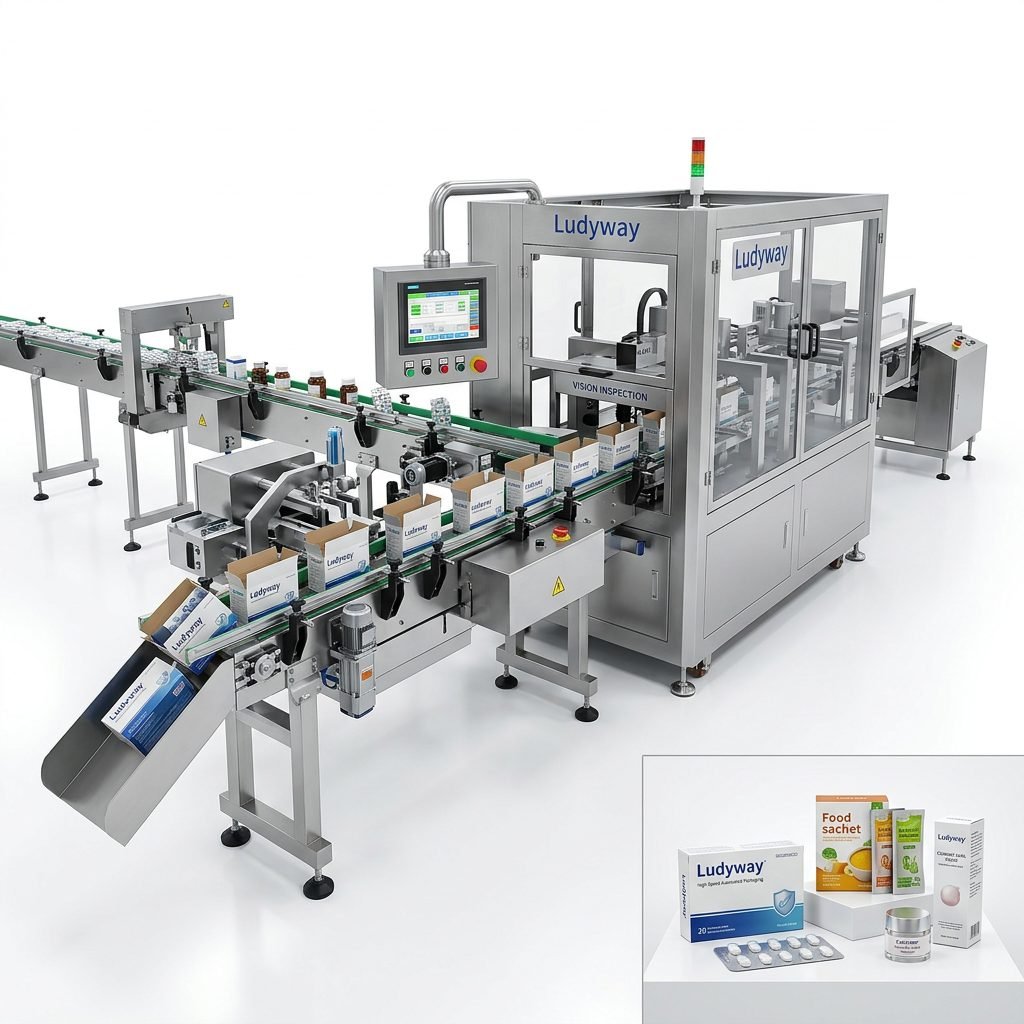
Efficient packaging is not only about the main machine. A complete dry food packaging system may also include feeding, weighing, metal detection, coding, inspection, case packing, and palletizing. If your business is growing, line integration can save significant cost later.
A reliable manufacturer such as Ludyway dry food packaging machine solutions can help buyers evaluate both standalone equipment and turnkey line planning, especially for projects requiring scalable automation.
Signs a Machine Is Right for Your Business
- It matches your product flow characteristics
- It supports your required bag type and size range
- Its actual speed fits your production target
- It delivers stable fill accuracy and strong seals
- It is easy to clean and maintain
- It leaves room for future SKU and capacity expansion
- It comes with dependable technical support
Common Mistakes When Choosing a Dry Food Packaging Machine
- Buying only on price rather than total operating value
- Selecting speed without verifying product compatibility
- Ignoring dust, bridging, or product breakage issues
- Overlooking cleaning and changeover efficiency
- Failing to plan for future packaging formats or output growth
- Not testing the machine with real sample product
Final Buying Checklist
| Checklist Item | Why It Matters |
|---|---|
| Product type confirmed | Determines filler and machine structure |
| Package format defined | Affects machine model and sealing layout |
| Real speed verified | Prevents overestimating capacity |
| Accuracy tested | Reduces giveaway and quality risk |
| Cleaning and maintenance reviewed | Supports uptime and food safety |
| Support and spare parts confirmed | Protects long-term production continuity |
Conclusion
The best dry food packaging machine is the one that fits your product behavior, packaging format, output target, and business growth plan. Instead of focusing only on machine price or advertised speed, look at the full picture: filling method, seal quality, stability, hygiene, changeover ease, and system expandability.
When chosen carefully, the right equipment can help you improve efficiency, maintain product quality, reduce waste, and build a more competitive packaging operation for the long term.