In today’s competitive fresh produce market, extending shelf life and minimizing waste are not just operational goals—they are critical business imperatives. The journey from farm to fork is fraught with challenges that can degrade quality and lead to significant financial losses. This is where advanced produce packaging equipment steps in as a game-changer. By creating optimal protective environments, the right packaging solutions directly combat spoilage, preserve nutritional value, and enhance product appeal, ensuring that fresh fruits, vegetables, and herbs reach consumers in peak condition.
The Critical Role of Packaging in Fresh Produce Preservation
Fresh produce is a living, breathing commodity that continues to respire after harvest. This natural process, if unmanaged, leads to moisture loss, texture degradation, and accelerated spoilage. Modern packaging technology is designed to manage this respiration by controlling the atmosphere surrounding the product.
Key Function: The primary function of advanced packaging is to establish a modified atmosphere (MAP) or controlled atmosphere (CAP). By carefully balancing gases like oxygen, carbon dioxide, and nitrogen inside the package, these systems slow down metabolic activity, inhibit microbial growth, and dramatically extend freshness.
Core Benefits of Optimized Produce Packaging
Investing in the right packaging equipment delivers a powerful return on investment across the entire supply chain.
1. Significant Shelf Life Extension
By slowing respiration and oxidation, MAP/CAP technology can extend the salable life of produce by 50% to 400%. For example, delicate berries or leafy greens can gain several extra days of freshness, reducing the frequency of delivery and opening up new, more distant markets.
2. Drastic Reduction in Food Waste
An estimated one-third of all food produced globally is lost or wasted. Robust, fit-for-purpose packaging is a frontline defense. It protects against physical damage during transit, reduces dehydration, and prevents contamination, ensuring more of what is harvested actually gets consumed.
3. Enhanced Product Safety and Quality
Advanced packaging systems often incorporate features like anti-fog films for clear visibility and high-barrier materials that block contaminants. This maintains food safety standards and ensures the product looks as fresh as it is, building consumer trust and brand reputation.
Exploring Top Packaging Equipment Solutions
The ideal packaging solution depends on the product type, volume, and supply chain requirements. Here’s a breakdown of leading technologies.
Modified Atmosphere Packaging (MAP) Machines
MAP machines are the industry standard for extending the shelf life of fresh-cut produce, salads, and pre-portioned fruits. They evacuate air from a pre-formed tray or pouch and flush it with a precise gas mixture before sealing.
- Best For: Pre-cut vegetables, fruit salads, fresh herbs, and mushroom packs.
- Advantage: Creates a custom gas environment tailored to the specific respiration rate of the product.
Vertical Form-Fill-Seal (VFFS) Machines
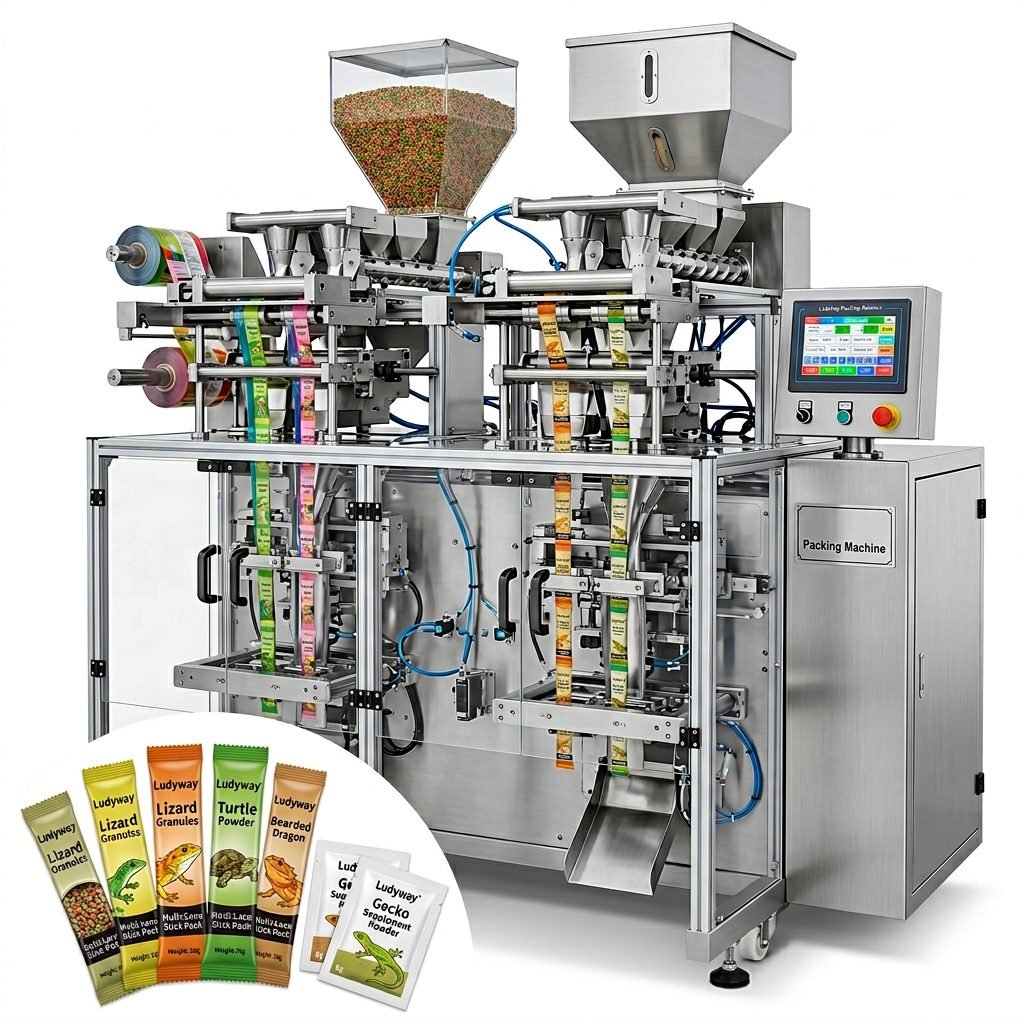
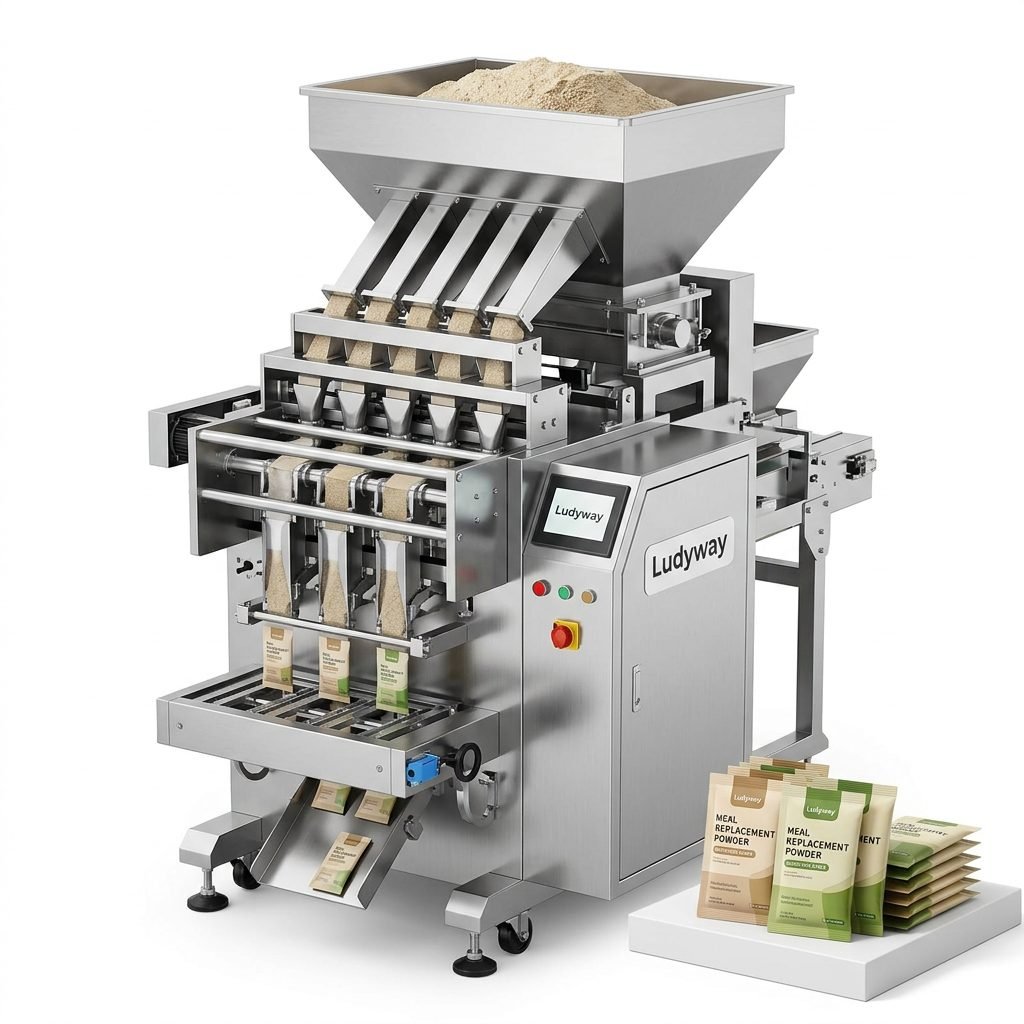
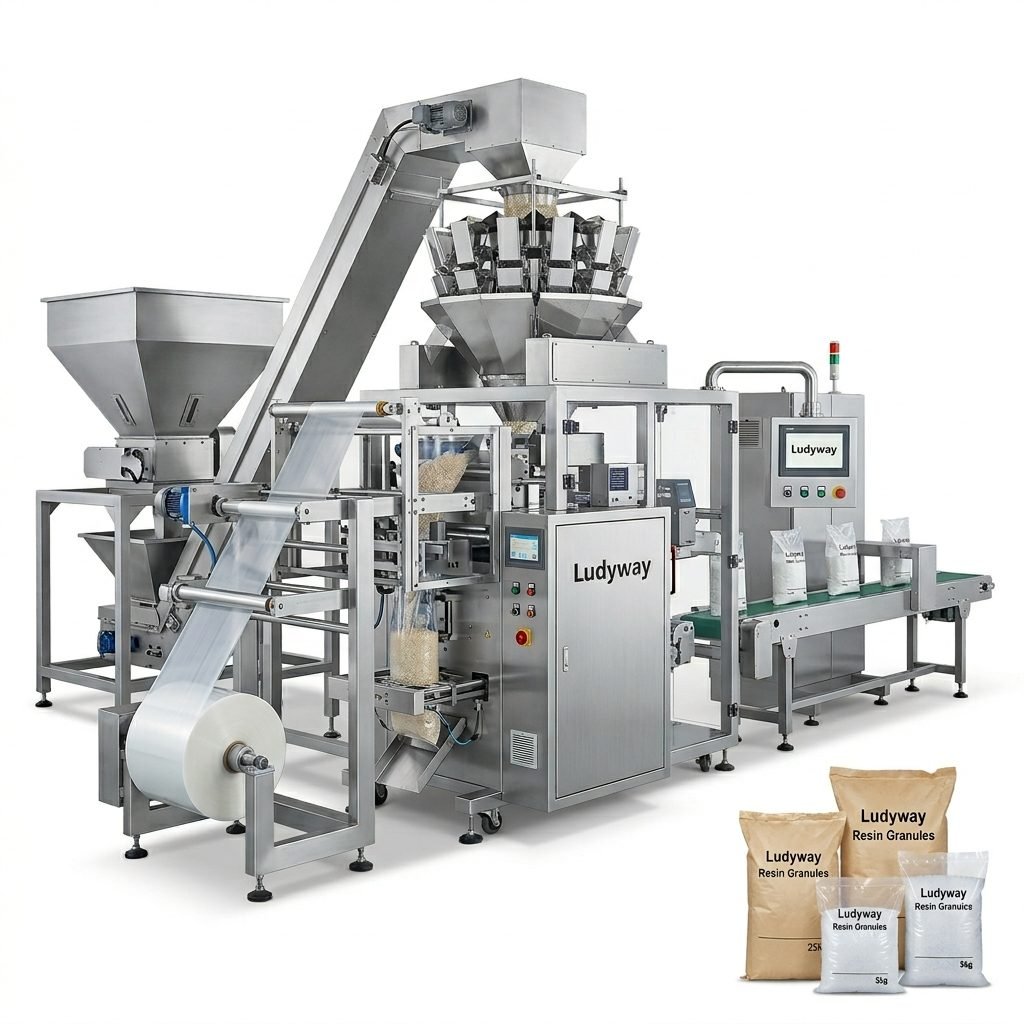
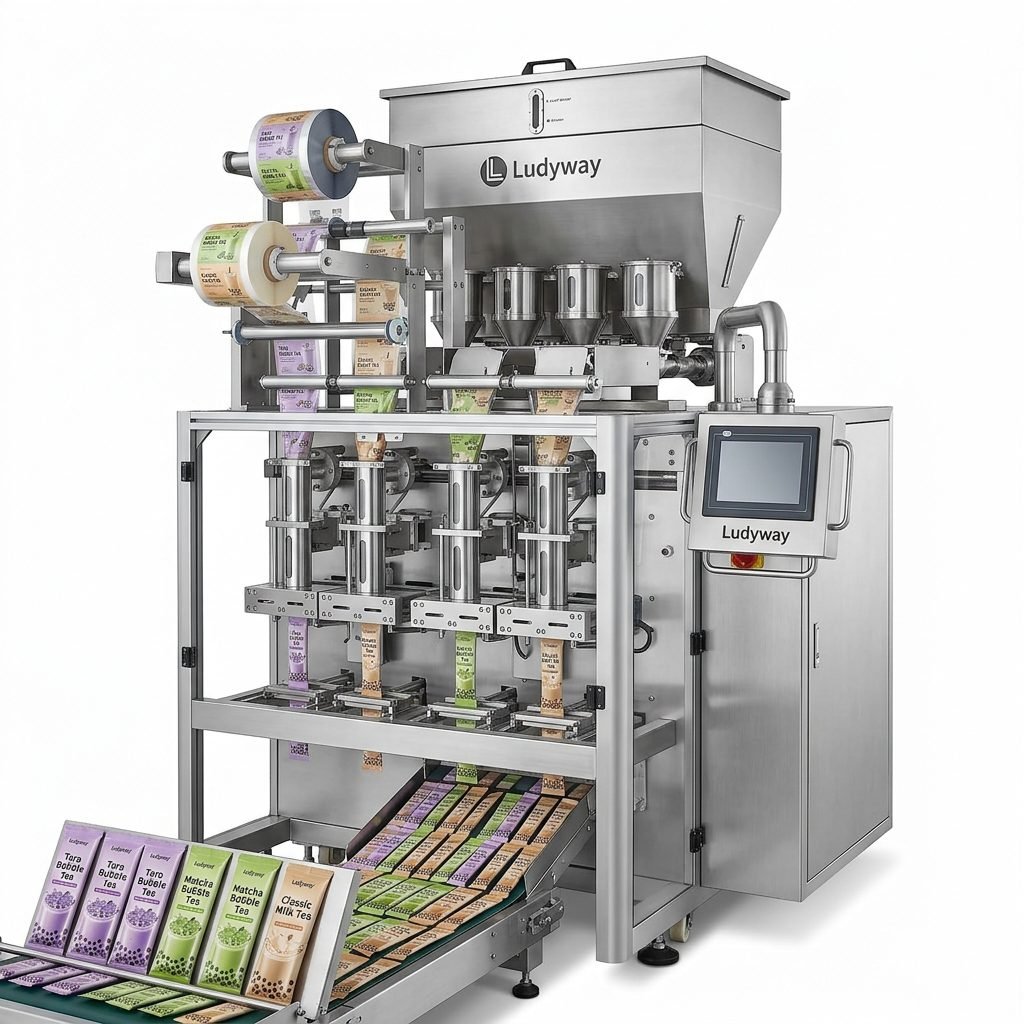
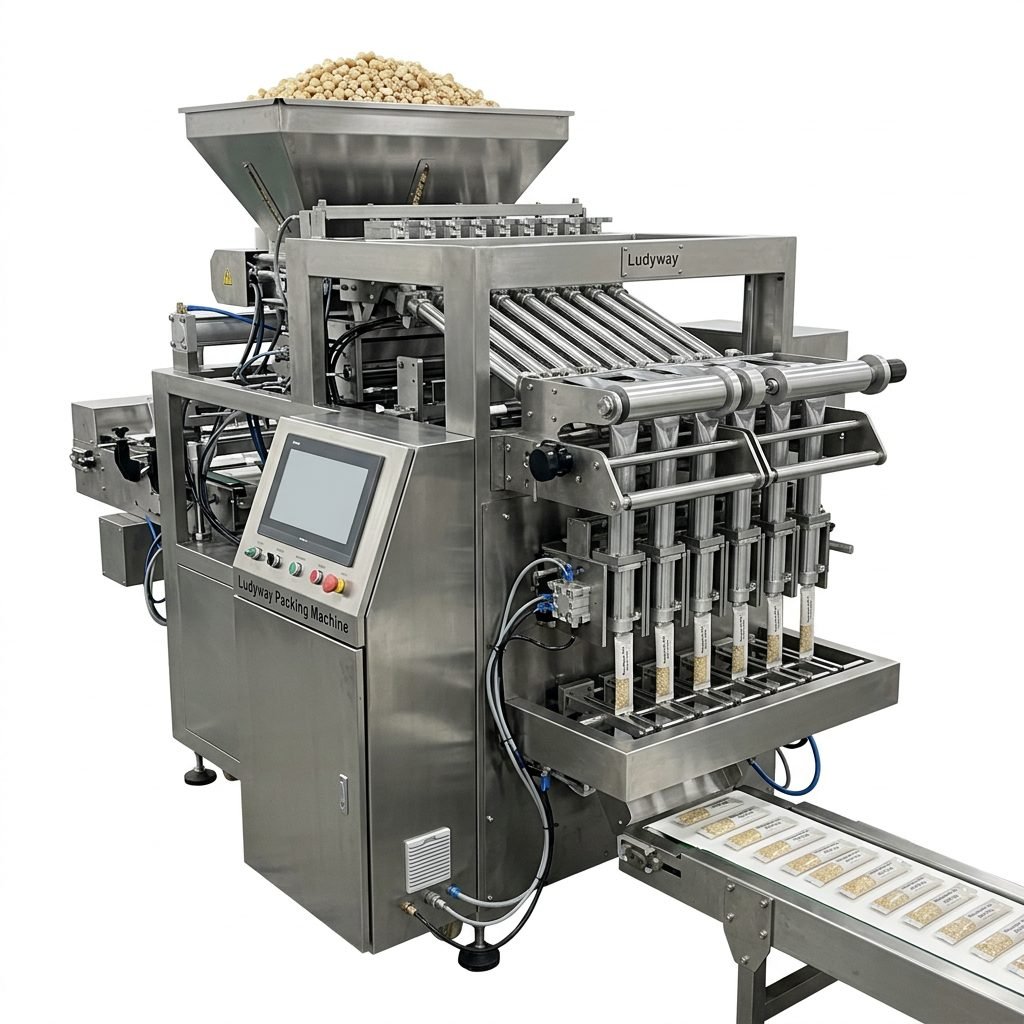
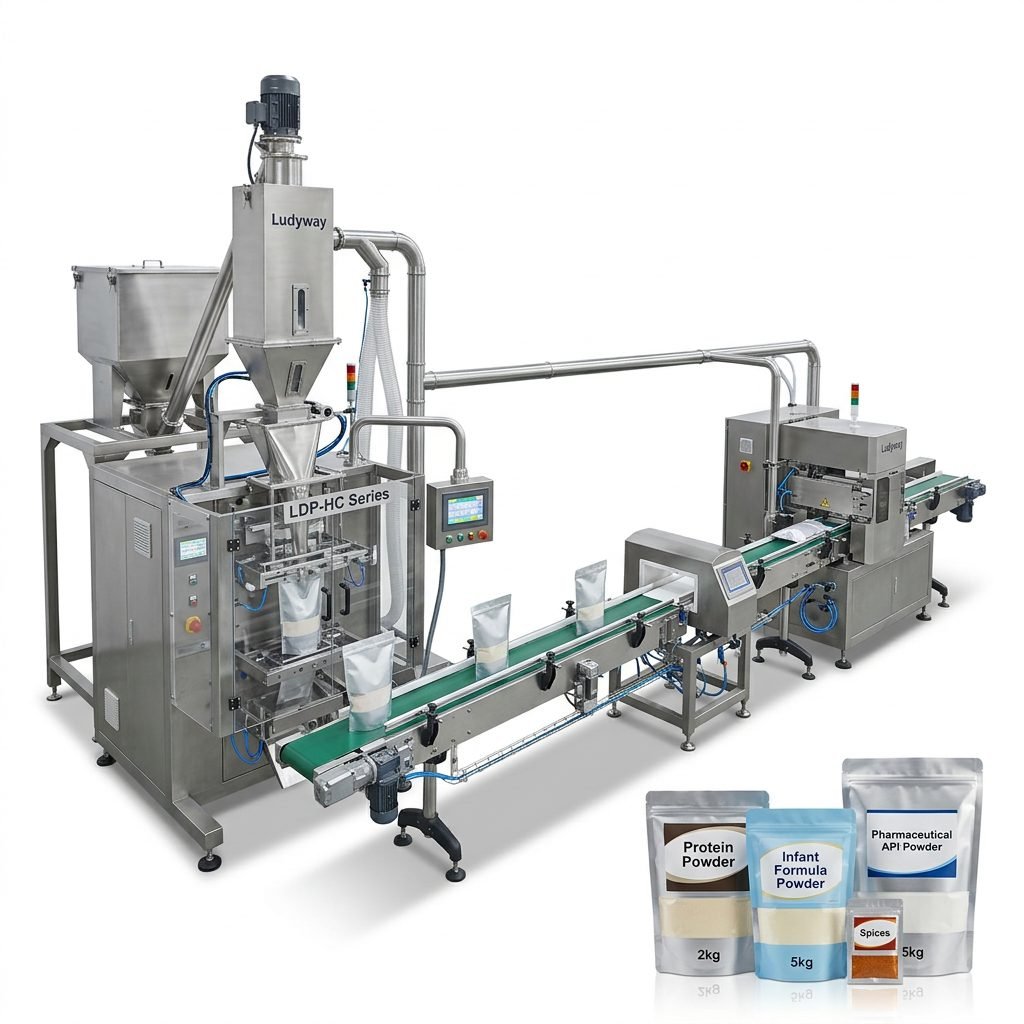
These versatile machines form bags from a roll of film, fill them with product (like potatoes, onions, or apples), and seal them in one continuous operation. Modern VFFS systems can be integrated with gas flushing for MAP applications.
- Best For: Bulk items, whole fruits, root vegetables, and granular produce like beans.
- Advantage: High-speed, efficient, and flexible for various bag sizes and styles.
Skin Packaging and Tray Sealing Systems
These systems use a bottom web (often a pre-formed plastic tray or cardboard) and a top film that is heated and vacuum-drawn tightly over the product, conforming to its shape.
- Best For: Delicate items like tomatoes, peaches, asparagus, and premium cuts of produce.
- Advantage: Excellent product presentation, superior protection from bruising, and reduced material use compared to clamshells.
Choosing the Right Partner for Your Packaging Line
Selecting equipment is only half the battle. Partnering with a knowledgeable supplier is crucial. A provider like Ludyway Packing Machine, with deep industry experience, offers more than just machinery. They provide tailored solutions, considering your product characteristics, desired output, and integration with existing production lines. Look for partners who offer comprehensive support, from initial consultation and customized engineering to after-sales service and spare parts.
Implementing a Successful Packaging Strategy
Transitioning to advanced packaging requires careful planning.
Step 1: Product & Market Analysis
Understand the specific spoilage mechanisms of your product and the expectations of your target market. Does the product require high moisture retention? Is visual appeal paramount?
Step 2: Material Selection
The packaging film is as important as the machine. Work with your supplier to select films with the correct gas transmission rates, moisture barriers, and seal integrity. Sustainable, recyclable, or compostable materials are increasingly important.
Step 3: Integration and Training
Ensure the new equipment integrates seamlessly into your production flow. Comprehensive operator training is essential to maximize efficiency, minimize downtime, and maintain consistent packaging quality.
The Future: Smart and Sustainable Packaging
The evolution continues toward intelligent packaging with time-temperature indicators and RFID tags for real-time supply chain monitoring. Simultaneously, the push for circular economy principles is driving innovation in bio-based, recyclable, and reduced-plastic packaging formats. Future-proof equipment should offer the flexibility to adapt to these evolving materials and consumer demands.
Ultimately, investing in top-tier produce packaging equipment is an investment in product integrity, brand value, and sustainability. By creating an optimized micro-environment for fresh food, businesses can deliver superior quality to consumers, expand their geographic reach, and make a tangible impact on the global challenge of food waste.
Frequently Asked Questions (FAQs)
1. How much can Modified Atmosphere Packaging (MAP) extend the shelf life of my produce?
The extension varies significantly by product. For example, delicate leafy greens may see a 50-100% increase (adding 3-7 days), while harder vegetables like broccoli or cauliflower can have shelf life extended by 200% or more. A detailed analysis with your packaging supplier is needed for precise figures.
2. Is advanced packaging equipment only suitable for large-scale producers?
Not at all. While high-speed lines exist for large facilities, there is a wide range of semi-automatic and compact fully automatic machines designed for mid-sized farms, food processors, and value-added producers. The key is finding a scalable solution that matches your current and projected volume.
3. How do I balance shelf-life extension with sustainability goals?
This is a key industry focus. The goal is to use the minimum effective packaging. This includes exploring thinner, high-performance films, mono-material structures that are easier to recycle, and integrating compostable materials where appropriate. The reduction in food waste achieved by effective packaging often has a greater positive environmental impact than the packaging itself.
4. What is the typical maintenance requirement for this type of equipment?
Regular preventive maintenance is essential for consistent performance and longevity. This typically includes daily cleaning, lubrication of moving parts, inspection of seals and cutting blades, and periodic calibration of gas mixers and scales. A reliable supplier will provide a clear maintenance schedule and ready access to spare parts.
5. Can one machine handle different types of produce?
Versatility depends on the machine type. A Vertical Form-Fill-Seal (VFFS) machine can often handle different products with a change of film and adjustment of filling parameters. Tray sealers and MAP machines may require different tray sizes or mold tools. Discuss your product mix with your equipment provider to find the most flexible and cost-effective configuration.