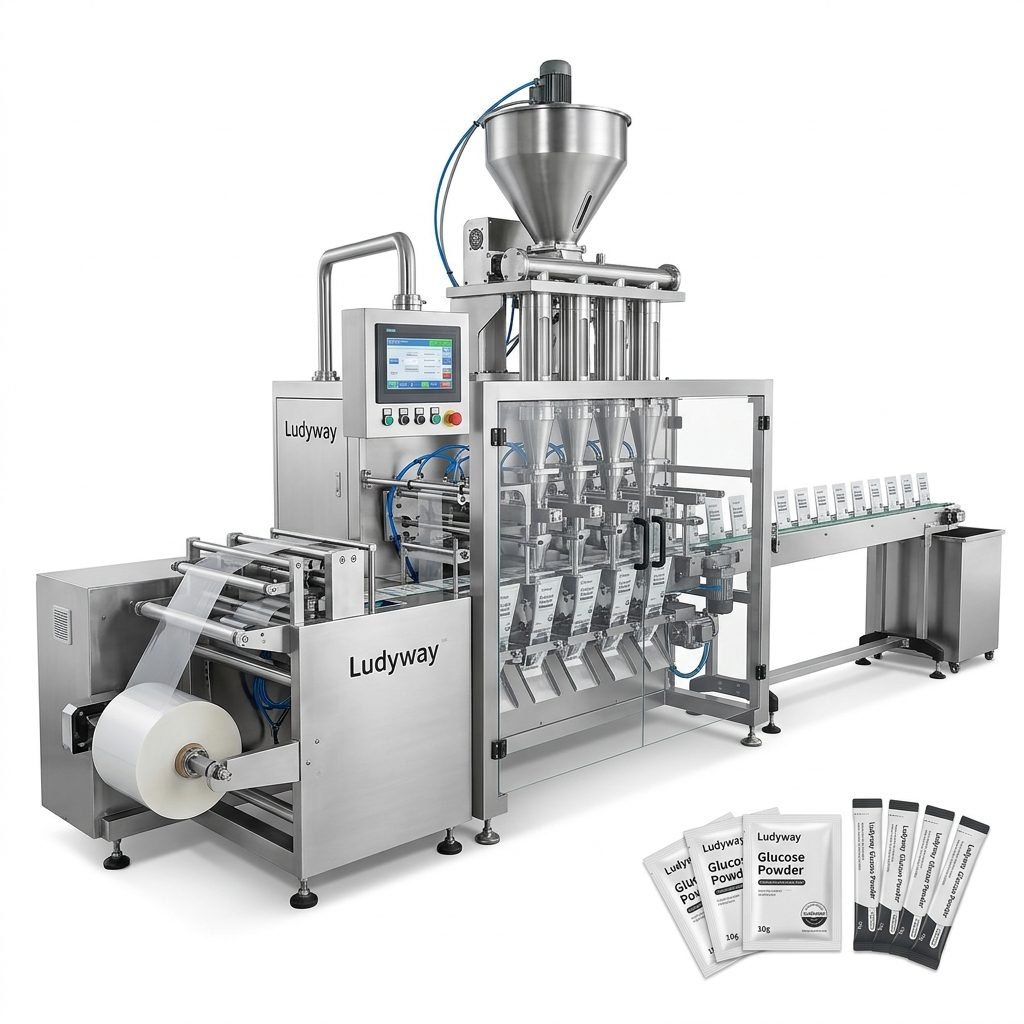
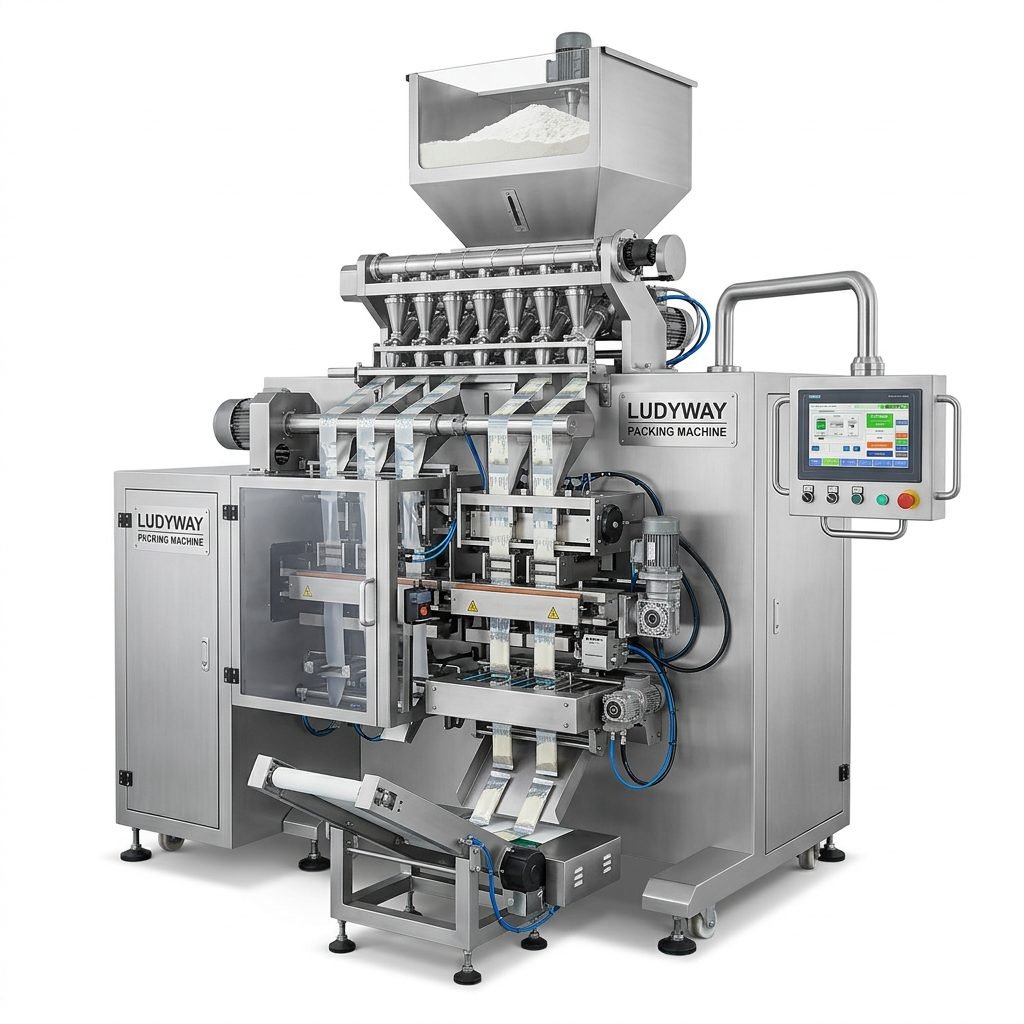
Soup packaging plays a critical role in product freshness, shelf life, transport safety, and consumer convenience. Whether you produce instant soup powder, seasoning-based soup mixes, or liquid soup concentrates, the right packaging machine can improve output, reduce waste, and support consistent sealing quality.
In this guide, you’ll learn the main types of soup packaging machines, their benefits, and the most important factors to evaluate before making an investment.
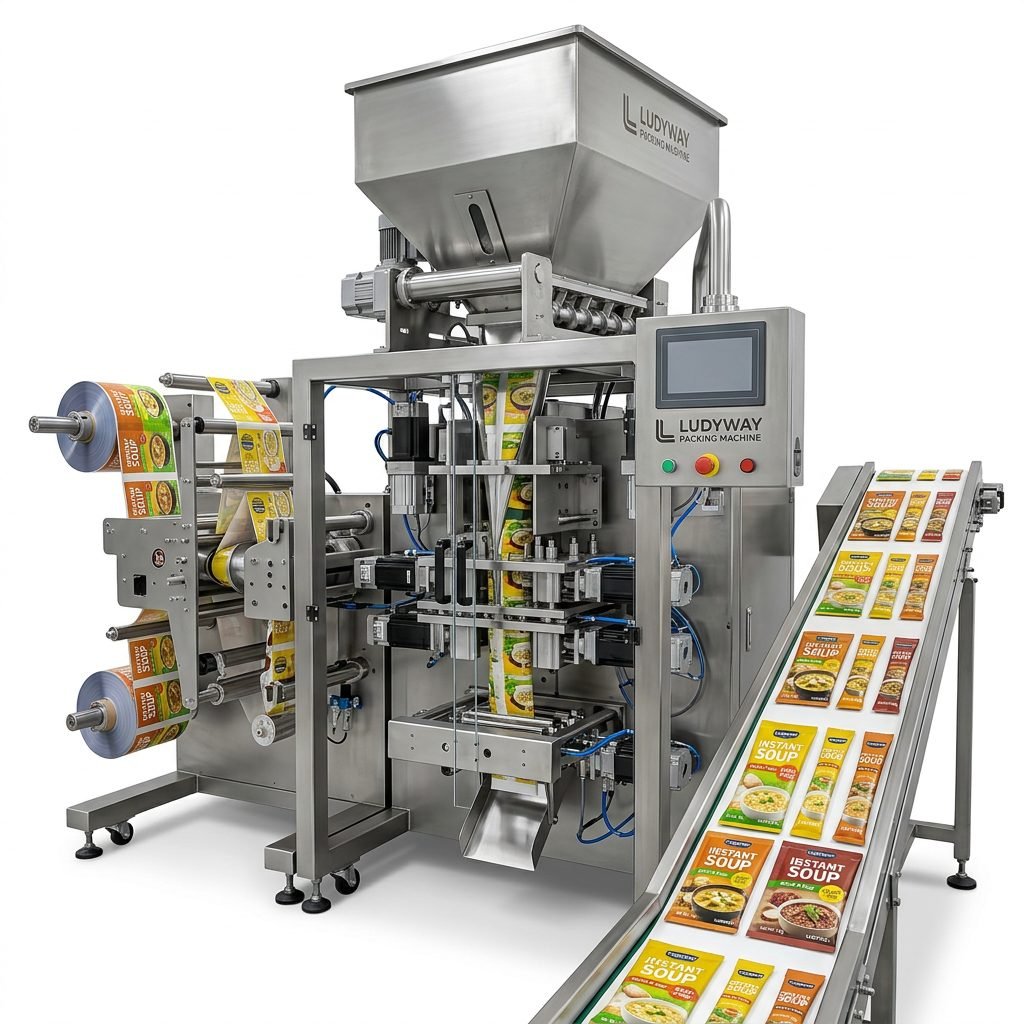
What Is a Soup Packaging Machine?
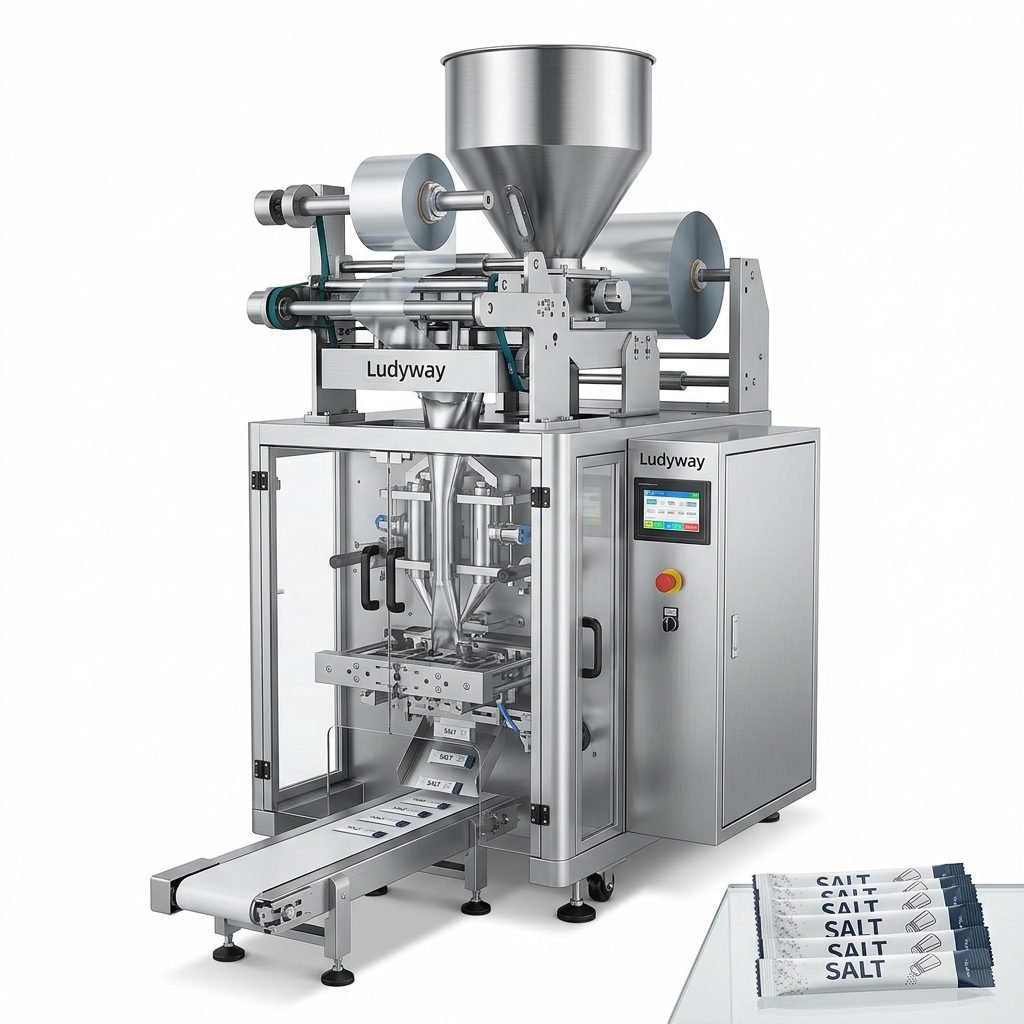
A soup packaging machine is automated equipment designed to fill and seal soup products into specific package formats. Depending on the product type, the machine may handle:
- Soup powder
- Granular soup mixes
- Freeze-dried soup ingredients
- Liquid soup bases
- Paste or concentrated soup formulations
These machines are widely used in food factories, seasoning plants, ready-meal production facilities, and contract packaging operations. Common output formats include sachets, stick packs, pouches, and larger bulk bags for foodservice or industrial supply.
Main Types of Soup Packaging Machines
1. Powder Soup Packaging Machines
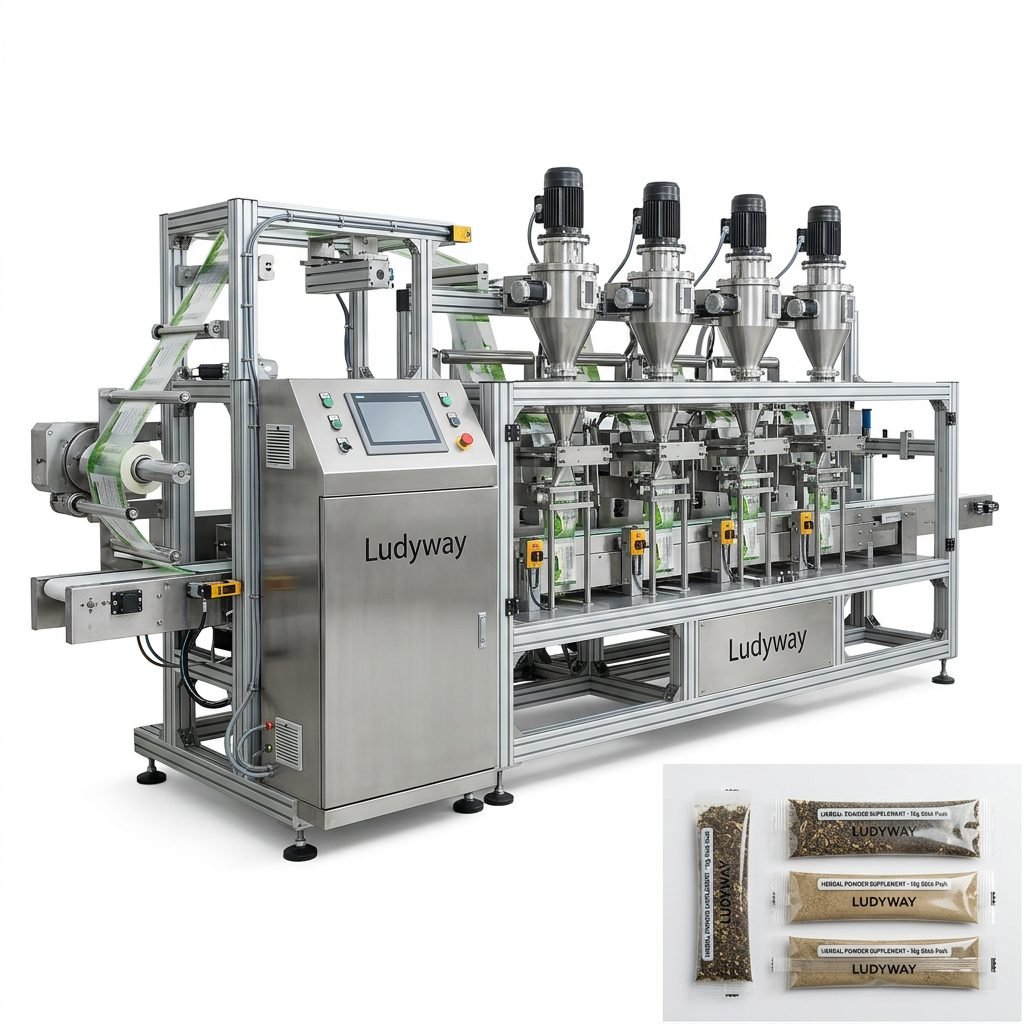
These machines are ideal for dry soup powders such as cream soup mixes, instant broth powder, mushroom soup powder, and dehydrated seasoning blends. They usually use auger filling systems for accurate dosing and stable filling performance.
Best for: fine powders, instant soups, powdered broth, seasoning soup bases
2. Granule Soup Packaging Machines
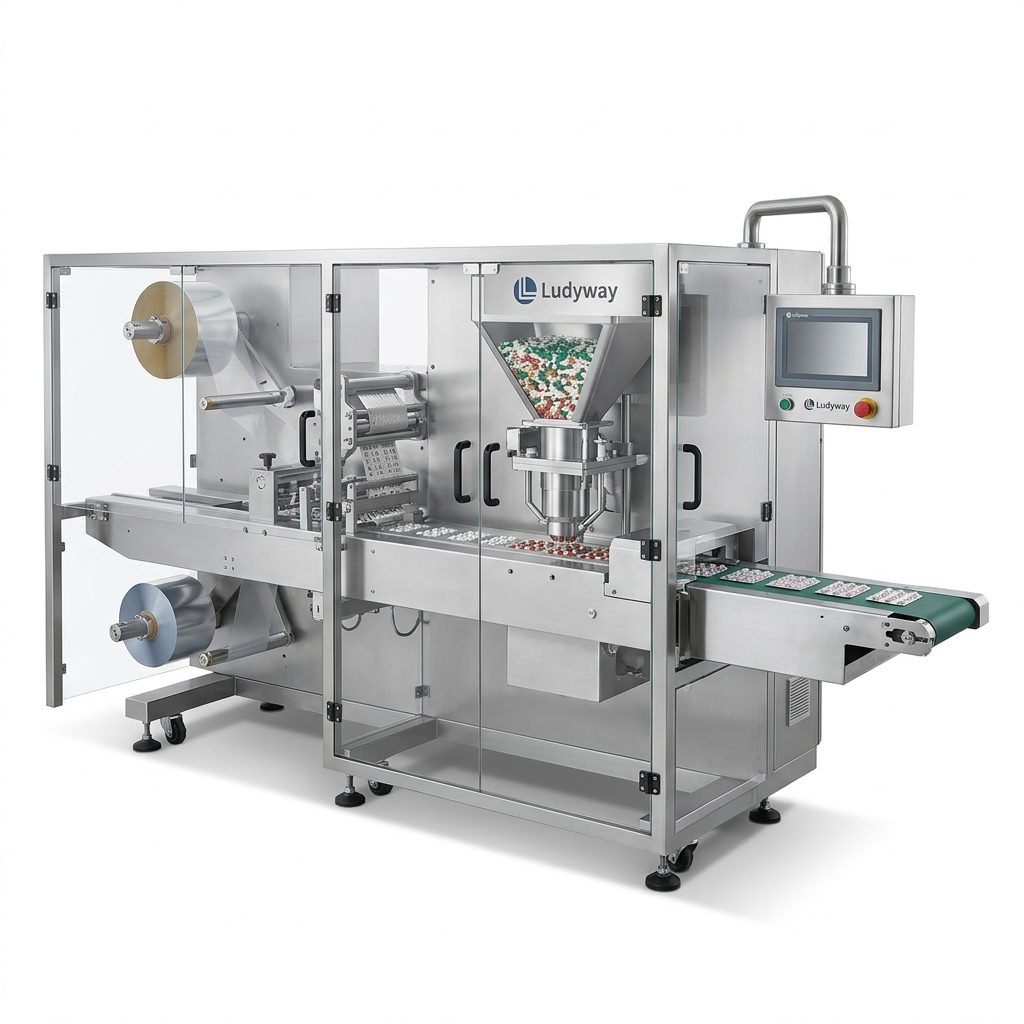
Granule machines are suitable for soup products that include dried vegetables, spice particles, dehydrated herbs, croutons, or mixed seasoning granules. These systems often use cup fillers or weighing systems to maintain portion accuracy.
Best for: chunky dry soup mixes, dehydrated ingredient blends, soup toppings
3. Liquid Soup Packaging Machines
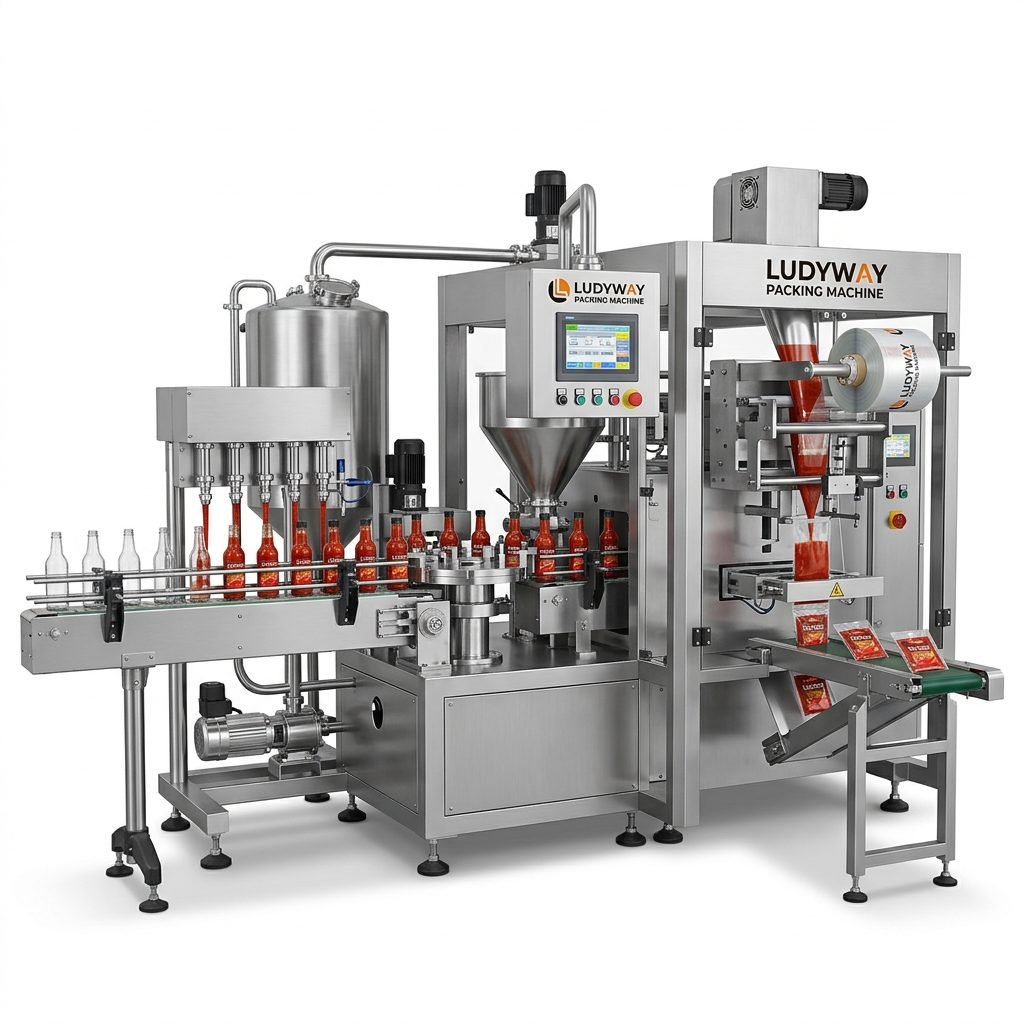
For soup concentrates, broths, sauces, or liquid soup bases, liquid filling and sealing machines are the preferred choice. They are designed to handle flowable products while reducing dripping and maintaining seal integrity.
Best for: broth concentrates, soup base liquids, ready-to-use seasonings
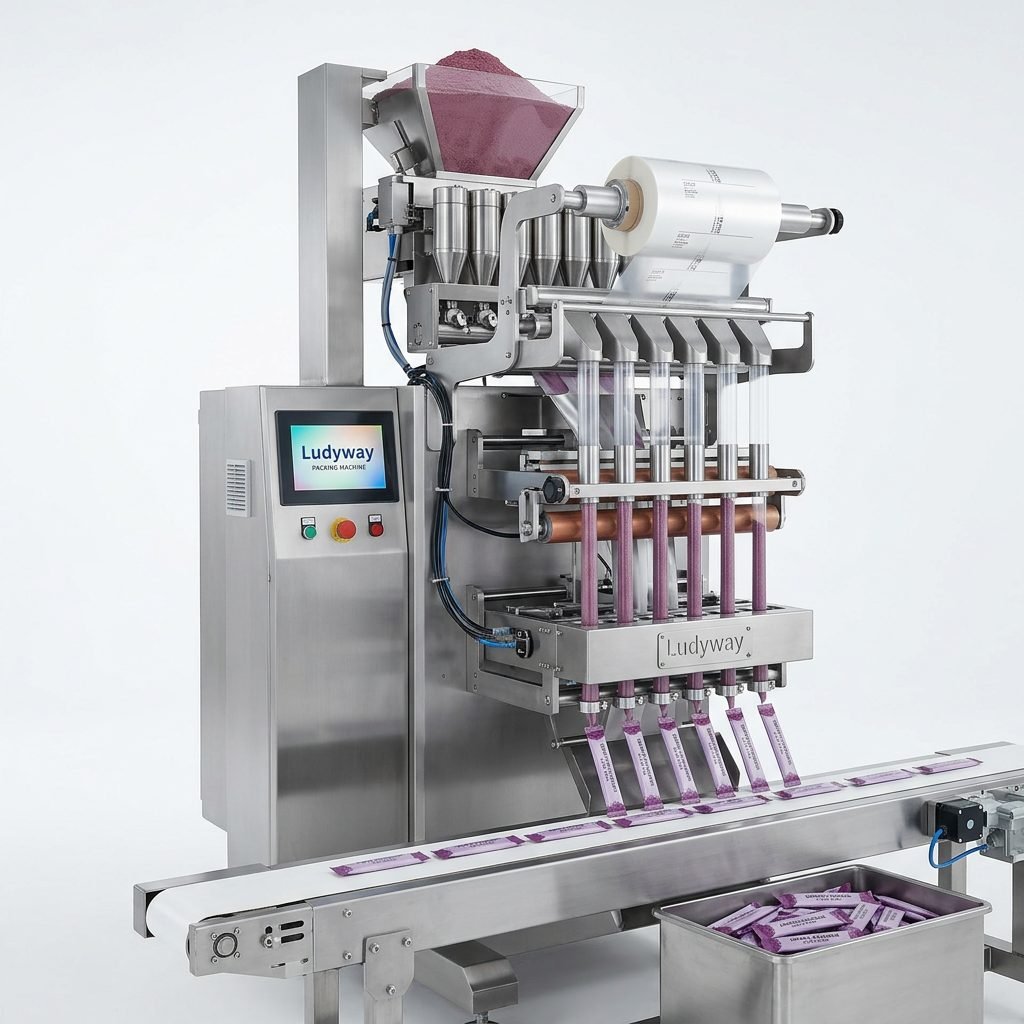
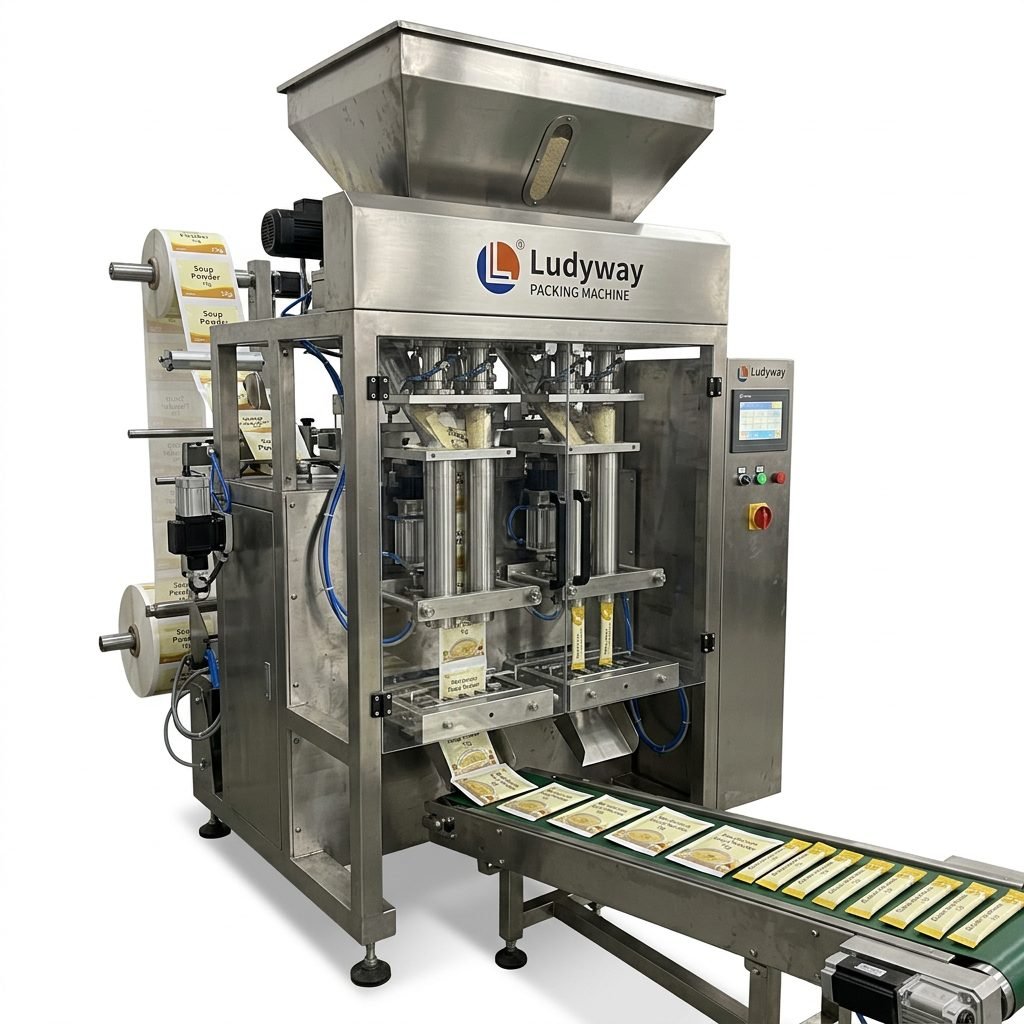
4. Multi-Lane Sachet and Stick Pack Machines
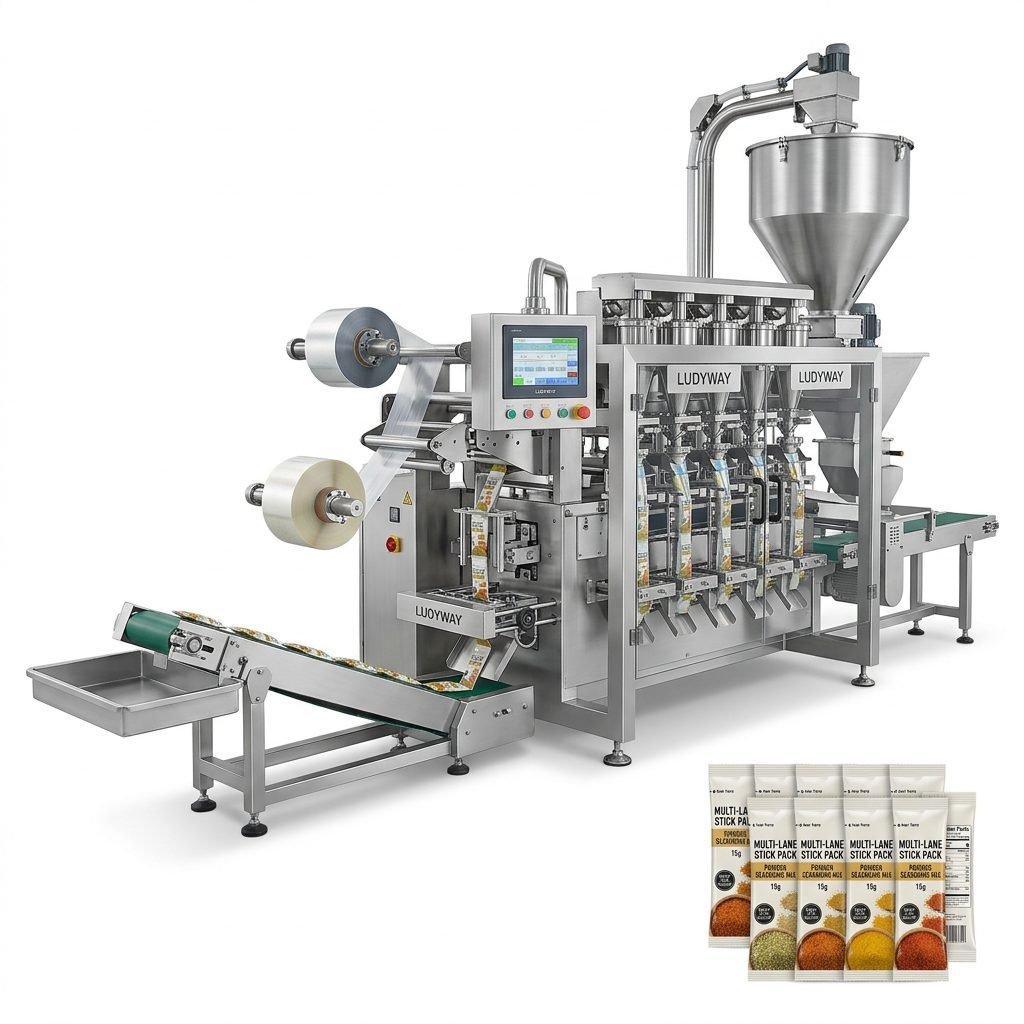
Multi-lane systems are designed for high-speed production of small single-serve soup packs. They can significantly increase throughput by forming, filling, and sealing multiple lanes simultaneously.
Best for: retail sachets, travel-size portions, instant single-serve soup products
5. Premade Pouch Packaging Machines
Premade pouch systems are a good fit for brands that need a more premium package appearance. They support stand-up pouches, zipper pouches, and shaped bags for better shelf presentation and consumer convenience.
Best for: premium soup products, retail-ready pouches, larger pack sizes
| Machine Type | Suitable Product | Typical Packaging Format | Main Advantage |
|---|---|---|---|
| Powder packaging machine | Soup powder, broth powder | Sachet, stick pack, pouch | Accurate filling for fine powders |
| Granule packaging machine | Mixed dry soup ingredients | Sachet, pouch | Handles particles and blends well |
| Liquid packaging machine | Soup base, broth concentrate | Sachet, pouch, bottle | Clean filling for flowable products |
| Multi-lane machine | Single-serve soup products | Multi-lane sachet, stick pack | High output and efficiency |
| Premade pouch machine | Retail and premium soup products | Stand-up pouch, zipper pouch | Strong shelf appeal |
Benefits of Using a Soup Packaging Machine
Improved Packaging Speed
Manual packing limits production capacity and increases labor dependency. Automated soup packaging machines deliver faster and more stable output, especially for growing brands and large-volume manufacturers.
Better Filling Accuracy
Accurate filling is essential for cost control and product consistency. Even small overfills can create major losses over time. A quality machine helps maintain reliable dosing across every pack.
Stronger Seal Quality
Proper sealing protects soup products from moisture, contamination, and leakage. This is particularly important for instant soup powder and liquid soup concentrates that require stable shelf life.
Lower Labor Costs
Automation reduces the need for repetitive manual handling. This helps businesses save on labor while also reducing operator fatigue and human error.
More Professional Product Presentation
Neat, consistent packaging improves brand image and helps products stand out on retail shelves or in e-commerce channels.
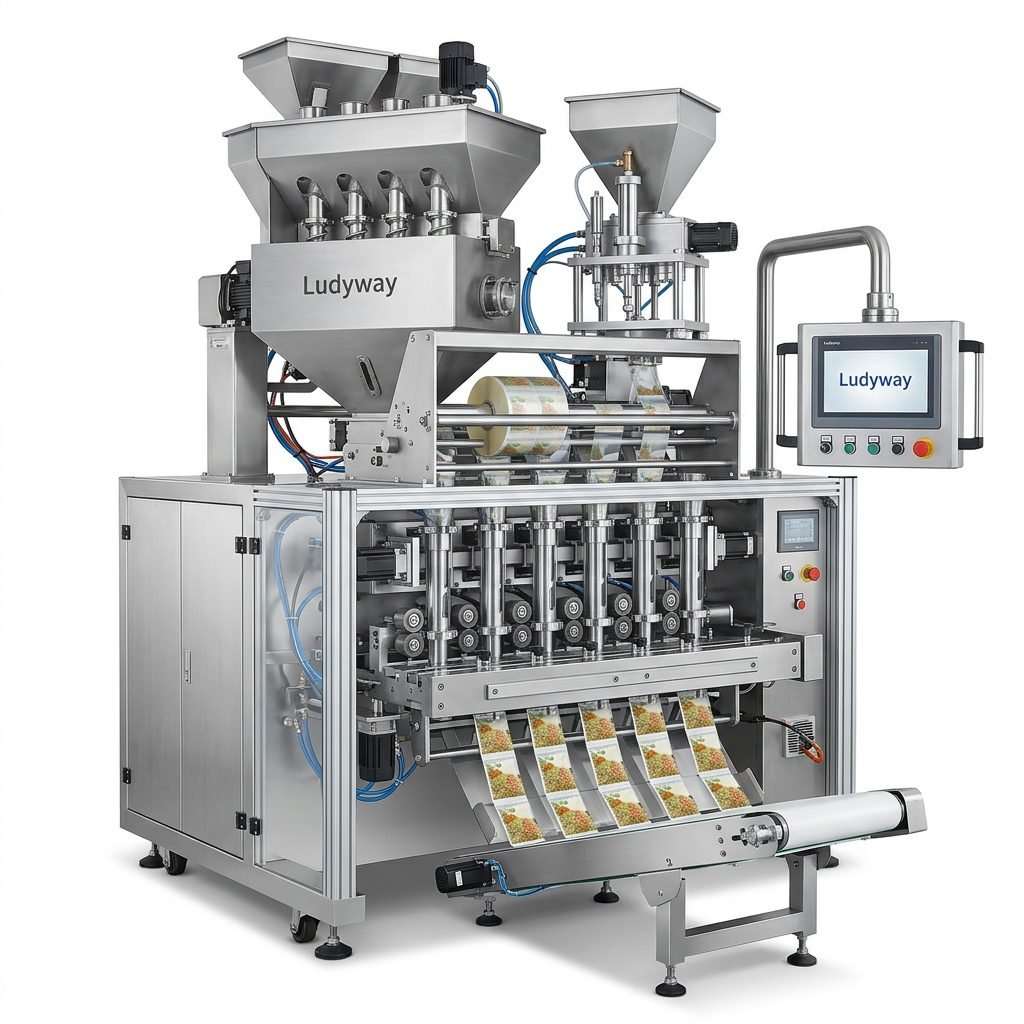
Common Packaging Formats for Soup Products
The best machine also depends on the package style you want to produce. Popular soup packaging formats include:
- Sachets – economical and ideal for single-use portions
- Stick packs – slim, portable, and suitable for instant soup powders
- Pouches – available in flat or stand-up styles for retail shelves
- Bulk bags – used for foodservice, industrial kitchens, or ingredient supply
- Bottles or jars – suitable for liquid soup bases or concentrated products
How to Choose the Best Soup Packaging Machine
Know Your Soup Product Type
Start with the physical characteristics of your product. Ask the following:
- Is the soup a powder, granule, liquid, or paste?
- Does it contain mixed particles or fragile ingredients?
- Does it flow freely or bridge easily?
- Is dust control required during filling?
Matching the machine to product behavior is one of the most important purchasing decisions.
Define Your Required Output
Production volume matters. A small business may need a compact machine with moderate output, while a large factory may require a high-speed multi-lane line. Choose equipment that fits both your current needs and future expansion plans.
Select the Right Packaging Format
Your machine must support the bag style, pack size, and film type you plan to use. If you sell both retail and foodservice formats, a more flexible machine may be the better investment.
Check Filling Accuracy and Stability
Reliable filling performance improves profitability. Ask suppliers about dosing tolerance, speed under real production conditions, and how the machine performs with your exact soup formula.
Review Material and Hygiene Standards
For food packaging, machine contact parts should be made from suitable food-grade materials such as stainless steel. Easy cleaning, hygienic design, and low residue retention are also important.
Consider Automation Level
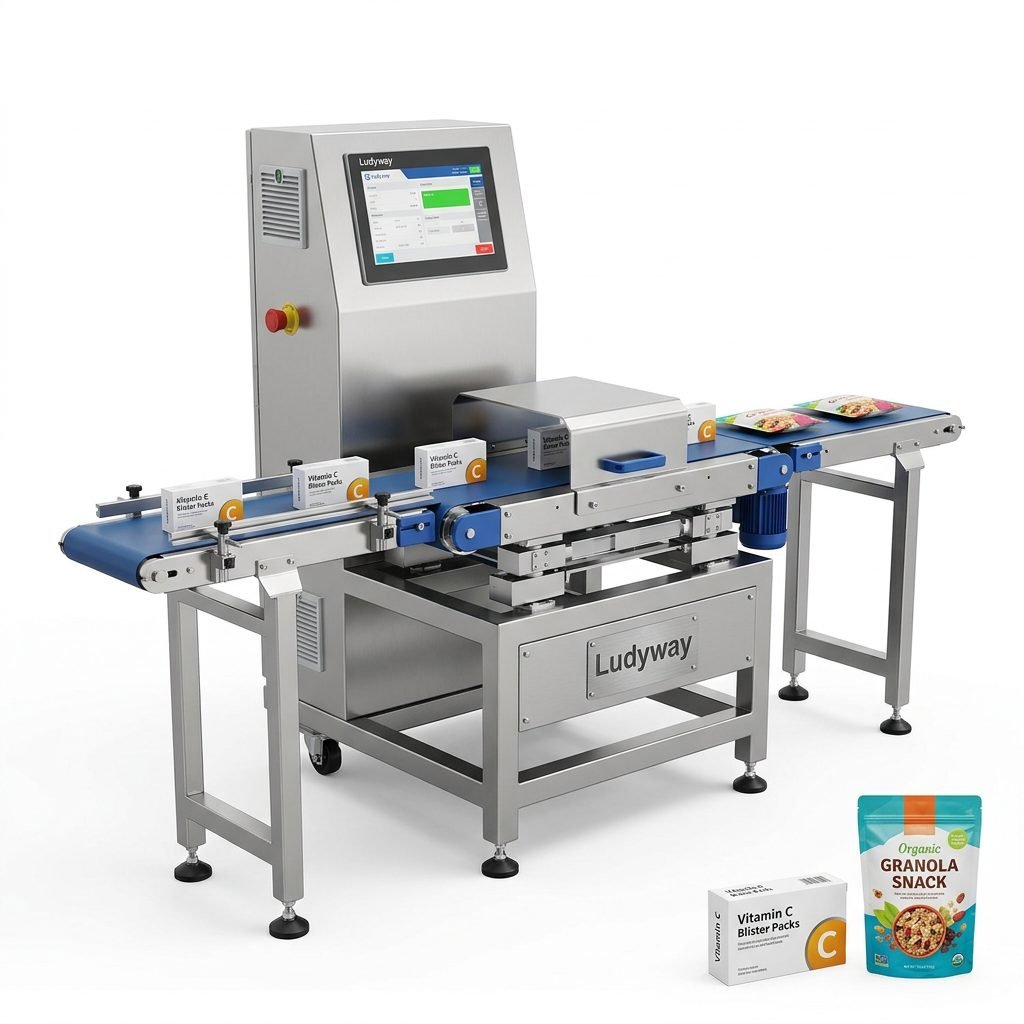
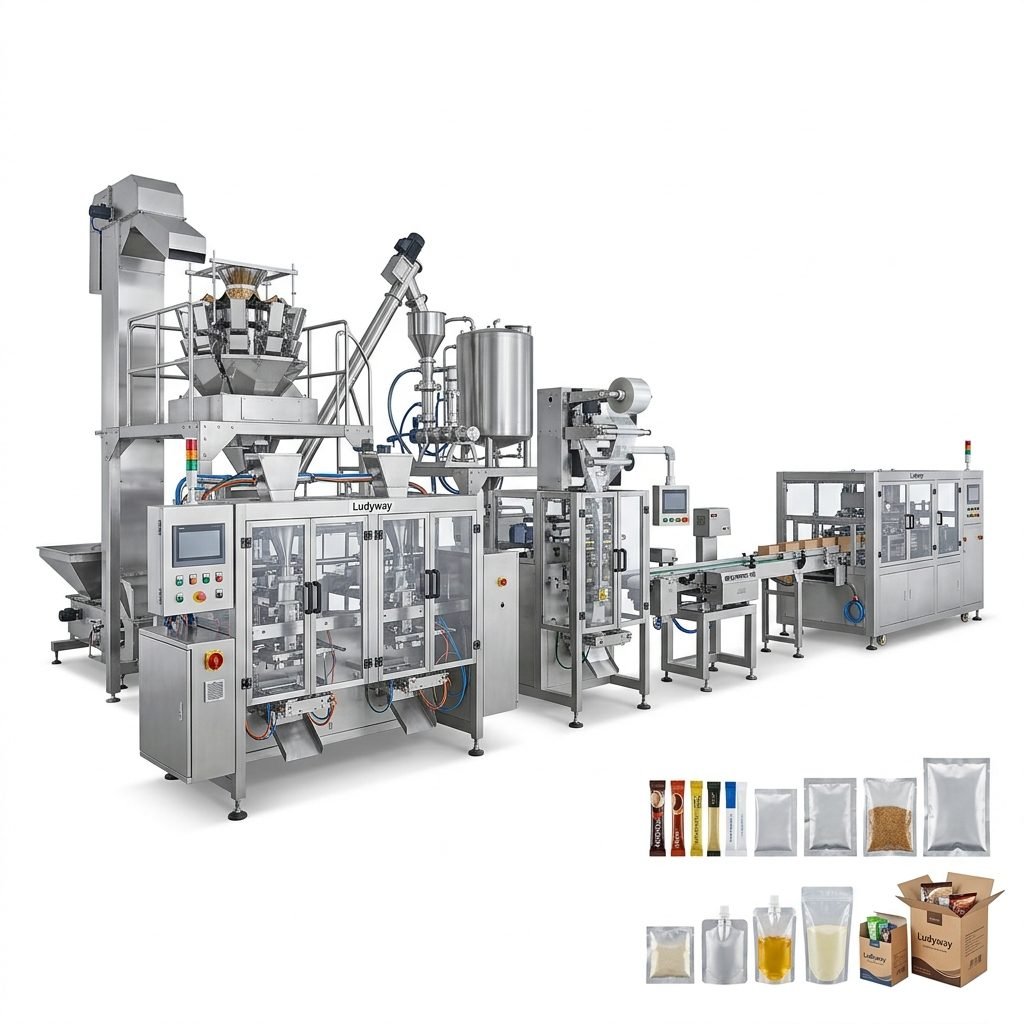
Some buyers only need a standalone machine. Others need a complete automatic line with feeding, filling, sealing, coding, check weighing, cartoning, and conveying. The best choice depends on labor availability, floor space, and budget.
Look at Customization Options
Soup packaging often varies by ingredient size, bag dimensions, and required output. A supplier that offers customized solutions can help ensure the machine fits your actual production process rather than forcing you to adapt to a standard model.
| Selection Factor | Why It Matters | What to Ask |
|---|---|---|
| Product form | Determines filling system type | Can it handle powder, granule, or liquid soup? |
| Capacity | Affects ROI and production planning | How many packs per minute can it achieve? |
| Package style | Must match your market needs | Does it support sachets, stick packs, or pouches? |
| Accuracy | Impacts cost control | What is the filling tolerance? |
| Cleaning and hygiene | Important for food safety | Is the machine easy to clean and maintain? |
| Technical support | Supports long-term operation | What after-sales service is available? |
Key Features to Look For
- Servo-driven control for more precise operation
- Stable sealing temperature control
- Easy changeover for different bag sizes
- Dust collection options for powder soup products
- Nitrogen flushing for freshness protection when needed
- Date coding and batch printing integration
- Check weigher and metal detector compatibility
- User-friendly touchscreen interface
Who Needs a Soup Packaging Machine?
These machines are useful for a wide range of businesses, including:
- Instant soup manufacturers
- Seasoning and spice brands
- Ready-meal and convenience food producers
- Private label food packers
- Contract packaging companies
- Export-oriented food manufacturers
Why Supplier Experience Matters
A packaging machine is not just a one-time purchase. It is a long-term production asset. Choosing an experienced manufacturer helps reduce installation risks, improve line integration, and ensure access to spare parts and technical support.
If you are evaluating food packaging equipment for soup products, Ludyway soup packaging machine solutions are backed by more than 30 years of industry experience, a manufacturing base of over 20,000 square meters, and broad capabilities in standalone machines and turnkey packaging lines for powders, granules, liquids, and pouch-based products.
Final Buying Tips
- Test the machine with your real soup product before purchase.
- Confirm actual output, not only theoretical speed.
- Check compatibility with your packaging film or pouch materials.
- Review cleaning and maintenance requirements carefully.
- Choose a supplier that can support future upgrades and line expansion.
Conclusion
The best soup packaging machine depends on your product type, packaging format, output target, and automation goals. Powder soups, granule mixes, and liquid soup bases all require different filling technologies, so understanding your application is essential.
By selecting the right machine, food manufacturers can achieve higher efficiency, more accurate filling, better package quality, and stronger long-term production performance. For businesses aiming to scale soup production with reliable automation, investing in the right packaging solution is a smart step forward.