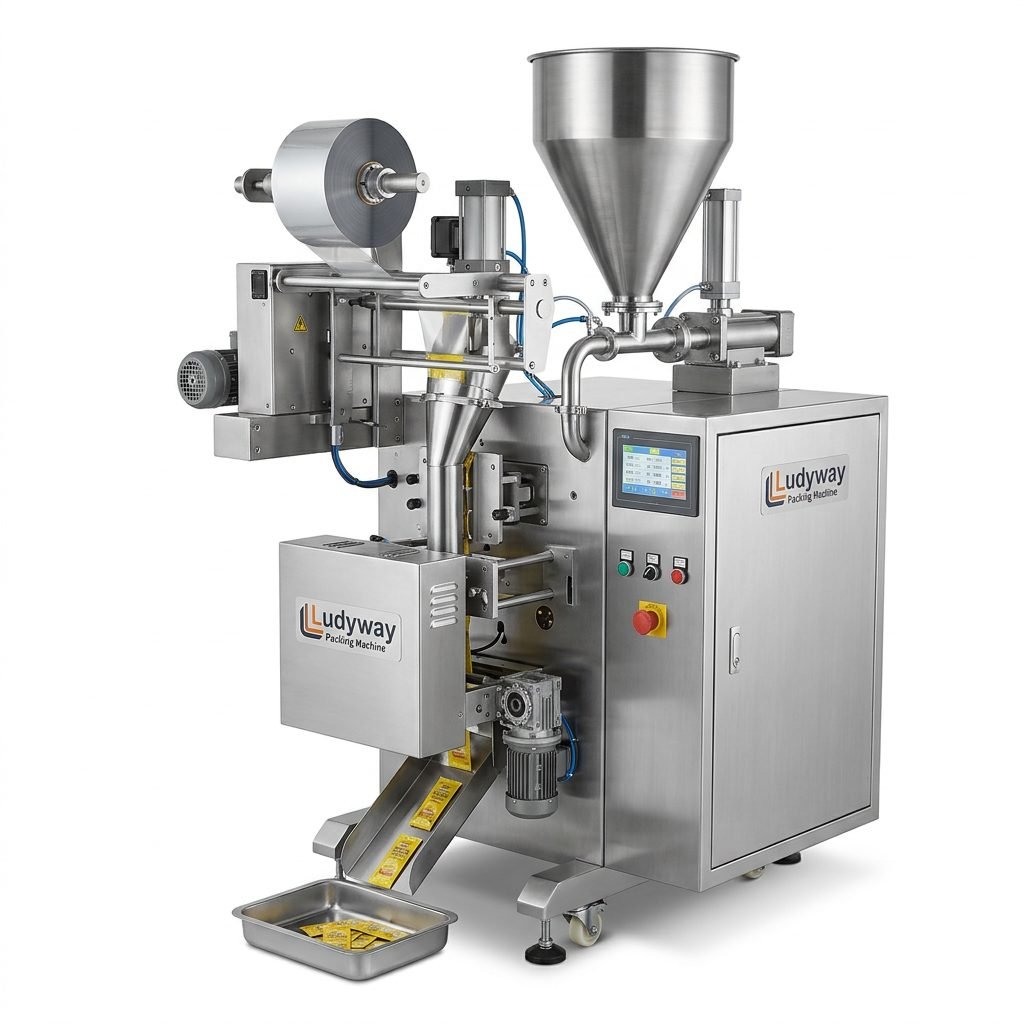
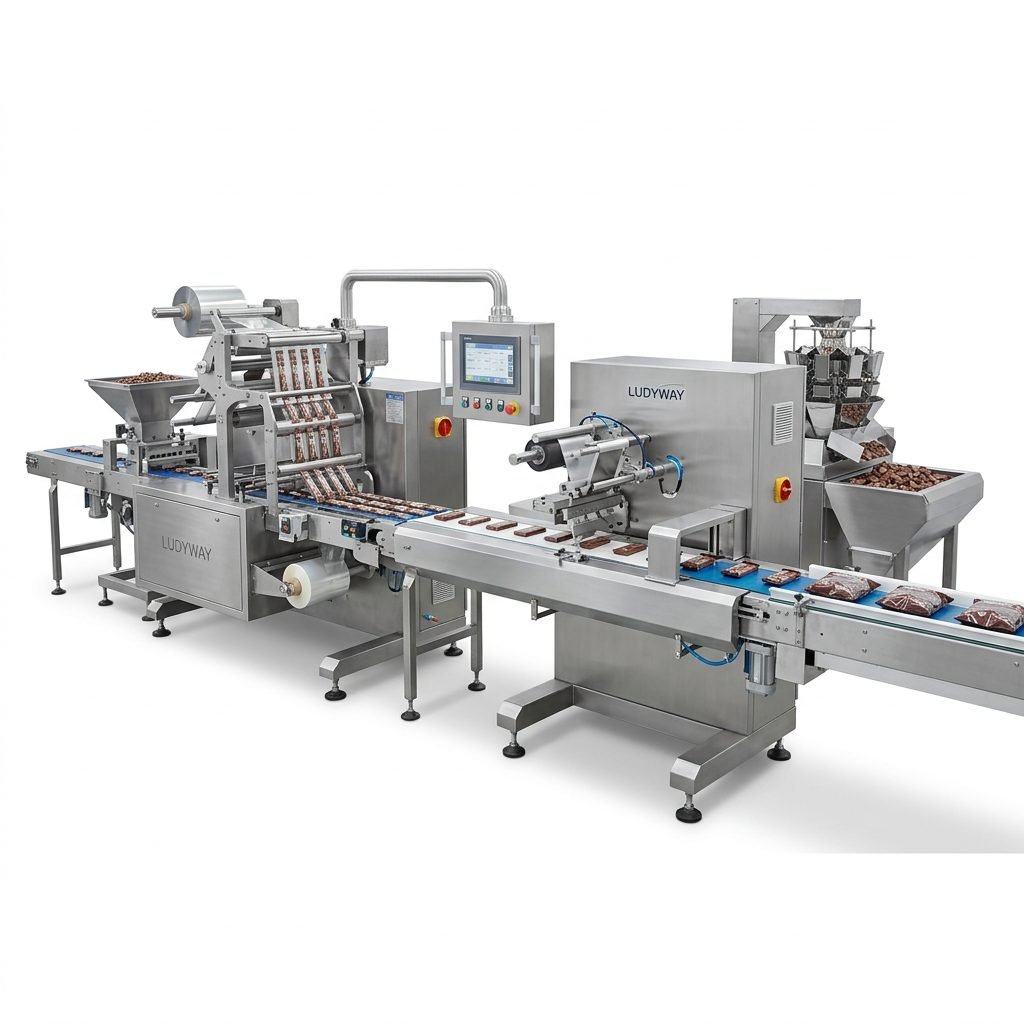
Paneer is a fresh dairy product that demands speed, cleanliness, and packaging consistency.
In modern food production, the right paneer packing machine does much more than seal packs—it helps reduce contamination risk, improve shelf presentation, control weight accuracy, and support scalable output for retail, foodservice, and wholesale channels.
Whether you produce paneer in cubes, blocks, shredded form, or vacuum-packed portions, choosing the right machine configuration can directly affect product freshness, labor cost, and customer satisfaction. A reliable system should support hygienic contact parts, stable sealing, easy washdown, and flexible pack formats for changing market needs.
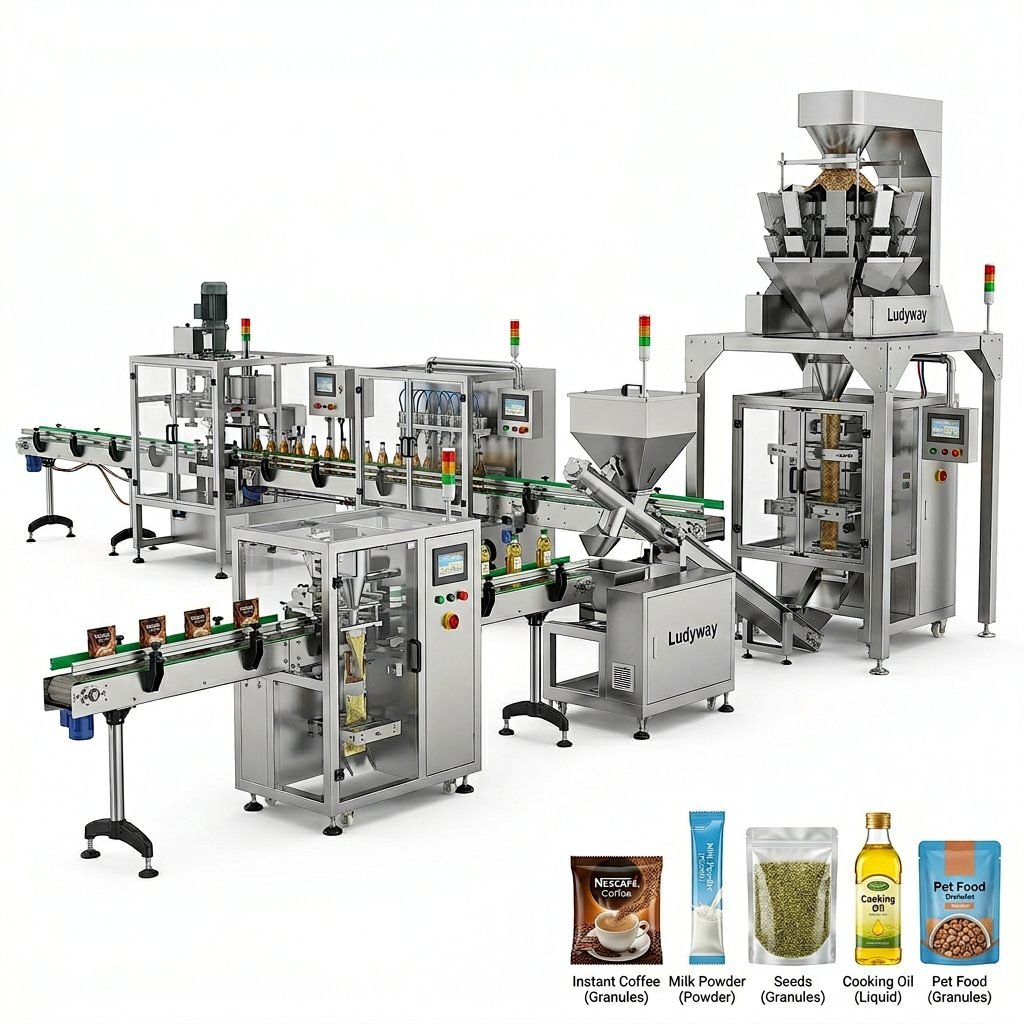
Why a Specialized Paneer Packing Machine Matters
Paneer is sensitive to moisture, temperature, and handling. Manual packing often leads to uneven filling, poor seal integrity, and inconsistent hygiene standards. An automated solution helps dairy processors maintain better product quality while meeting commercial demand.
- Improved hygiene: Reduced manual contact lowers contamination risks.
- Higher efficiency: Faster packing cycles increase daily output.
- Better accuracy: Controlled filling reduces giveaway and waste.
- Stronger sealing: Reliable sealing protects freshness during transport and storage.
- Professional appearance: Uniform packaging improves retail appeal.
Common Packaging Formats for Paneer
Different markets require different paneer packaging formats. The best machine should match your product form, production capacity, and distribution channel.
| Packaging Format | Suitable Paneer Type | Main Advantage |
|---|---|---|
| Vacuum Pouches | Blocks, cubes | Extended freshness and neat presentation |
| Thermoformed Packs | Retail blocks and premium packs | Strong protection and attractive shelf look |
| Tray Sealed Packs | Cubes, slices, marinated paneer | Convenient for chilled retail display |
| Flow Wrap Packs | Uniform blocks | Fast throughput for mass production |
| Premade Pouches | Diced or specialty paneer | Flexible branding and resealable options |
Key Features to Look for in a Paneer Packing Machine
Not every food packaging machine is suitable for dairy products. Paneer processors should focus on equipment built for hygienic and stable operation.
1. Food-Grade Contact Parts
Stainless steel construction and easy-clean product contact surfaces are essential. This helps prevent residue buildup and supports food safety compliance.
2. Accurate Portioning
Paneer value depends on consistent pack weight. A precise filling or loading system helps avoid underfill complaints and overfill losses.
3. Reliable Seal Quality
Seal failure can lead to spoilage, leakage, and transport damage. A good machine should deliver even temperature control and secure sealing performance.
4. Hygienic Machine Design
Smooth surfaces, fewer dead corners, quick disassembly, and washdown-friendly parts are especially valuable for dairy environments.
5. Flexible Pack Sizes
Producers often supply multiple SKUs, from small retail packs to larger foodservice sizes. Flexible tooling helps reduce changeover time.
6. Integration with Complete Lines
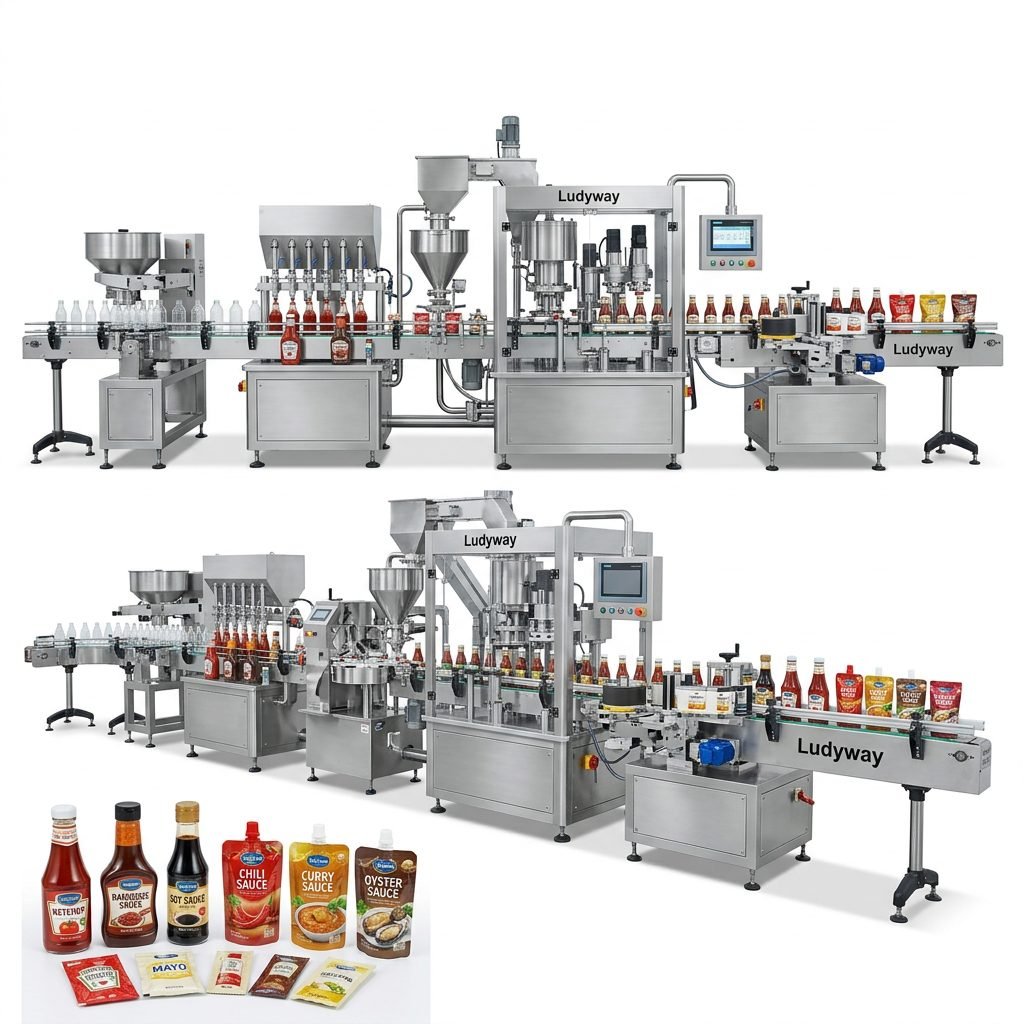
A paneer packing machine may need to work with cutting, conveying, weighing, vacuuming, coding, labeling, and cartoning systems. Integrated automation improves overall plant efficiency.
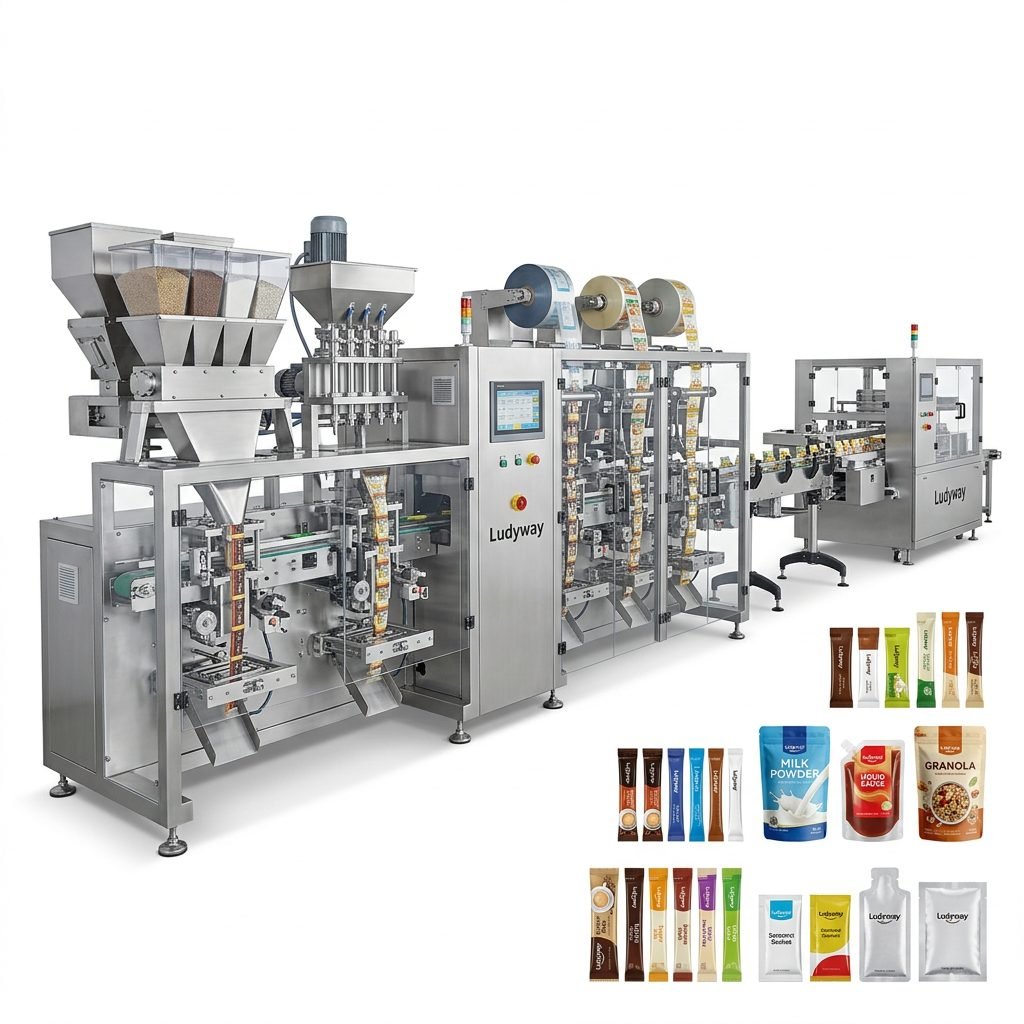
Types of Paneer Packing Machines
The ideal machine depends on product condition, target output, and packaging style. Below are common machine types used in food and dairy applications.
- Vacuum packaging machines for longer shelf life and compact sealing.
- Tray sealing machines for chilled retail presentation and modified atmosphere options.
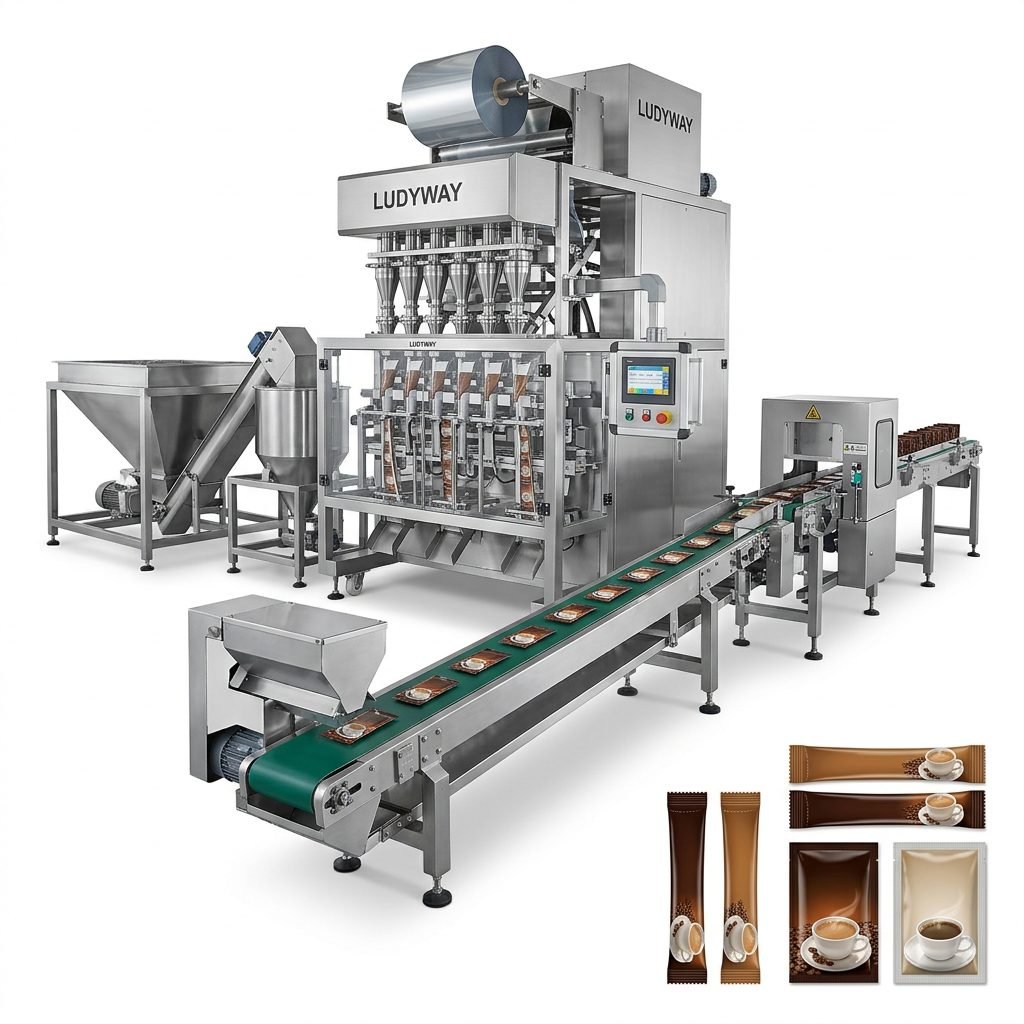
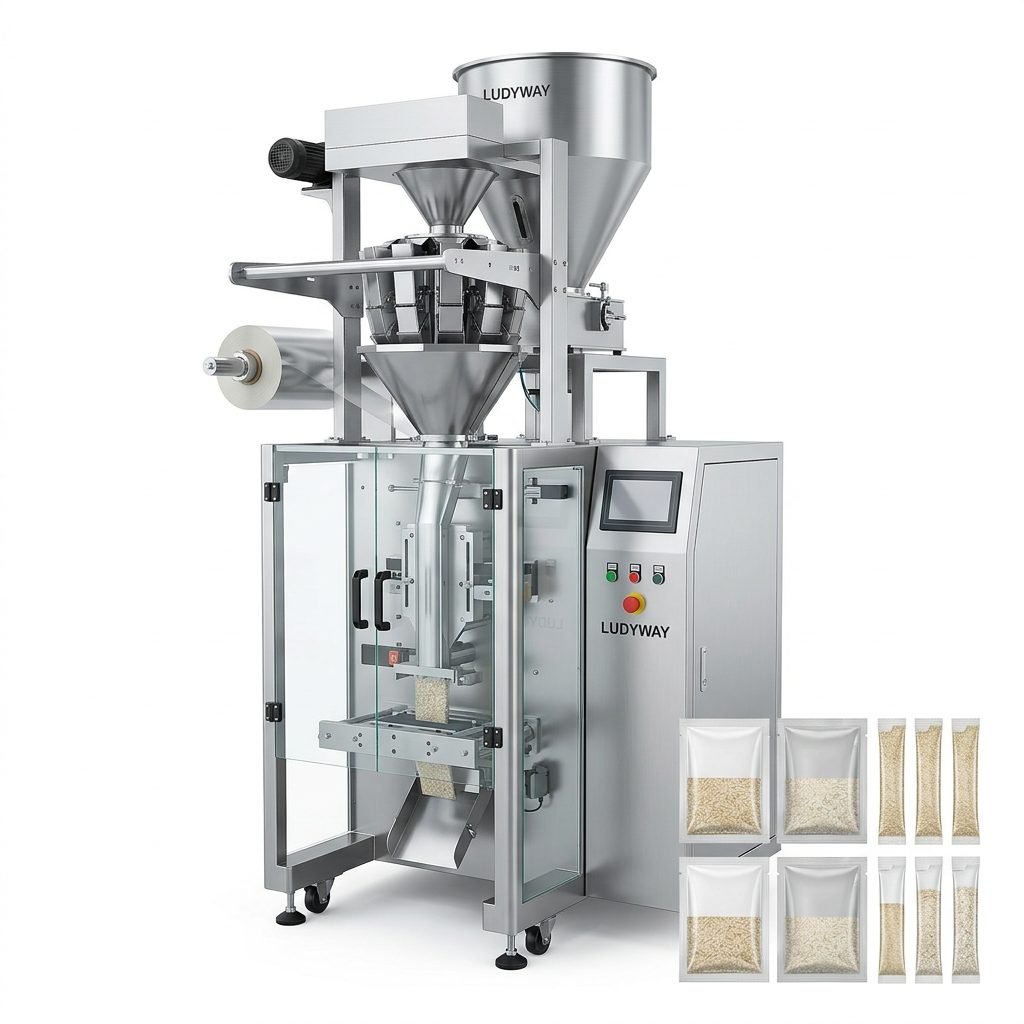
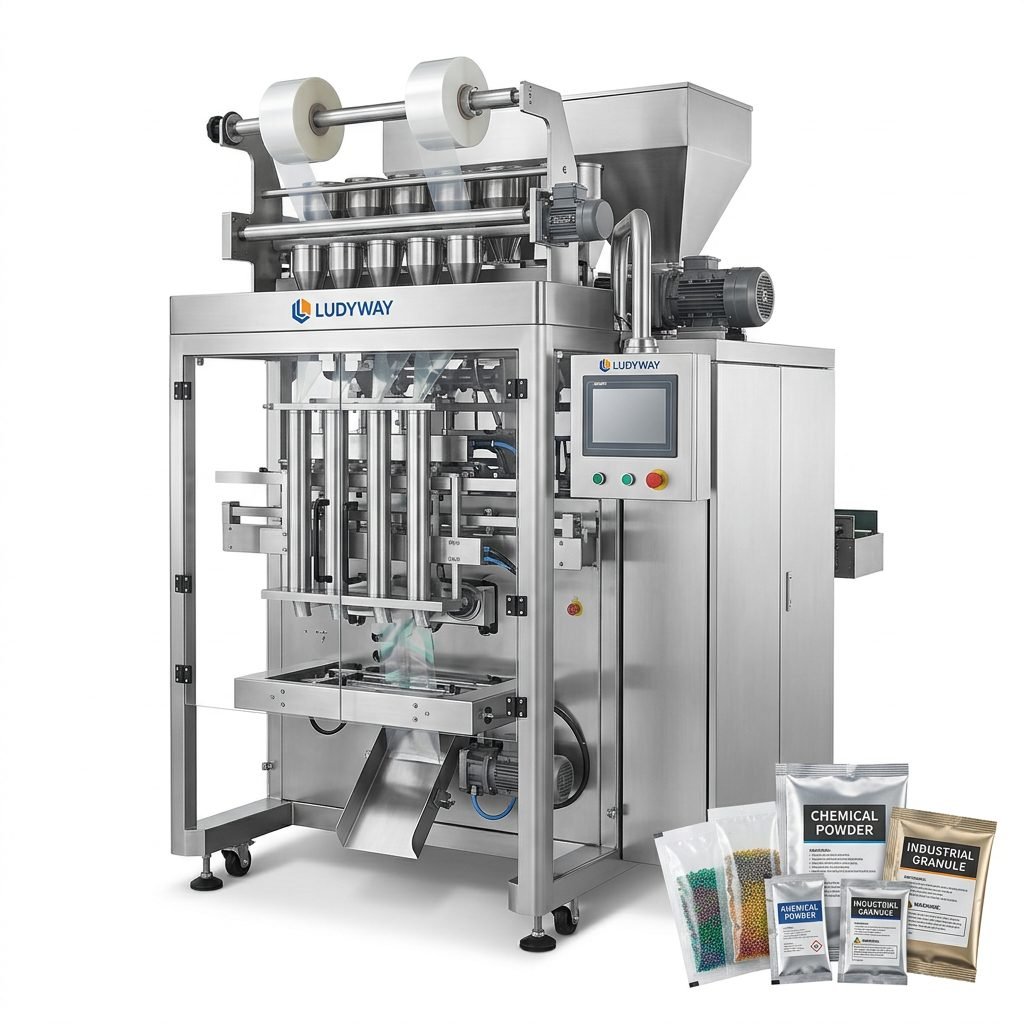
- Form-fill-seal machines for automated high-volume pouch production.
- Flow wrapping machines for fast wrapping of consistent paneer blocks.
- Premade pouch filling systems for premium or specialty paneer packaging.
How Automation Improves Hygienic Packaging
Hygiene is one of the biggest priorities in paneer processing. Automated packaging reduces repeated hand contact and supports more controlled production conditions. When paired with proper sanitation procedures, automated systems help create a cleaner and more dependable packaging workflow.
- Less direct handling of paneer during filling and sealing
- Reduced cross-contamination risks
- More stable production environment
- Faster cleaning and maintenance routines
- Better traceability through coding and labeling integration
Best Solutions for Fast and Efficient Paneer Packaging
For processors aiming to increase output without sacrificing quality, the best solution is usually not a standalone unit alone, but a well-matched packaging system. This can include product feeding, portion control, primary packaging, date coding, checking, and final packing.
| Production Need | Recommended Solution | Expected Benefit |
|---|---|---|
| Small retail packs | Tray sealer or vacuum pouch machine | Cleaner presentation and freshness protection |
| High-volume production | Automatic form-fill-seal or flow wrap line | Higher speed and lower labor dependency |
| Multiple SKU sizes | Flexible machine with quick changeover | Faster switching and better utilization |
| Strict hygiene targets | Washdown-friendly stainless steel design | Safer and easier sanitation management |
| Turnkey expansion | Integrated packaging line solution | Better coordination from feeding to final packing |
How to Choose the Right Machine for Your Paneer Business
Before investing, it is important to evaluate both your current production reality and your future growth plan. A machine that is too small may create bottlenecks, while an oversized system may increase upfront costs unnecessarily.
Consider These Factors
- Daily or hourly output target
- Paneer shape, texture, and moisture level
- Preferred packaging material
- Shelf-life requirement
- Available factory space
- Manual, semi-automatic, or fully automatic operation
- Need for coding, labeling, metal detection, or checkweighing
If you are planning long-term expansion, selecting a modular solution can be a smarter investment. It allows you to add conveyors, inspection systems, and end-of-line automation later without replacing the full machine setup.
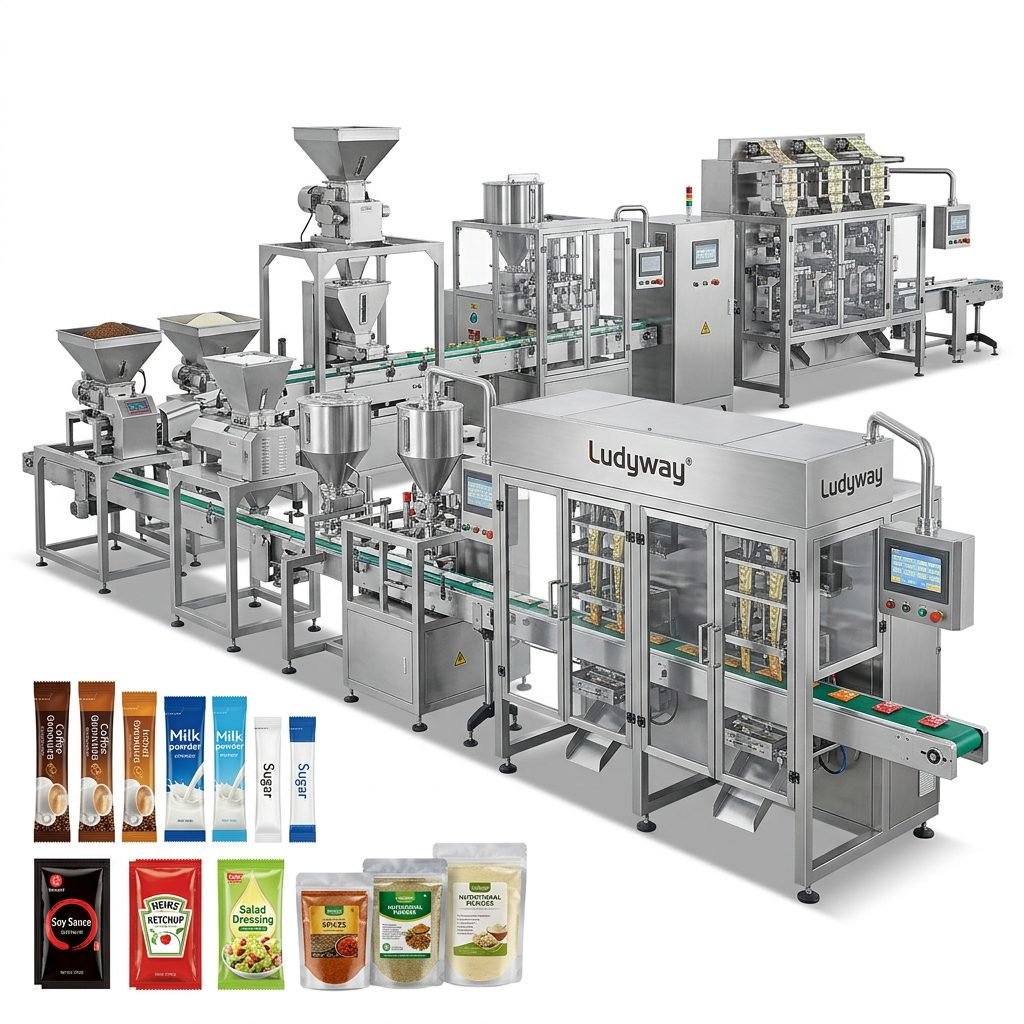
Benefits of Turnkey Packaging Lines for Paneer Producers
Many dairy businesses now prefer turnkey systems instead of buying separate machines from multiple sources. A turnkey approach improves compatibility, simplifies installation, and makes future maintenance easier.
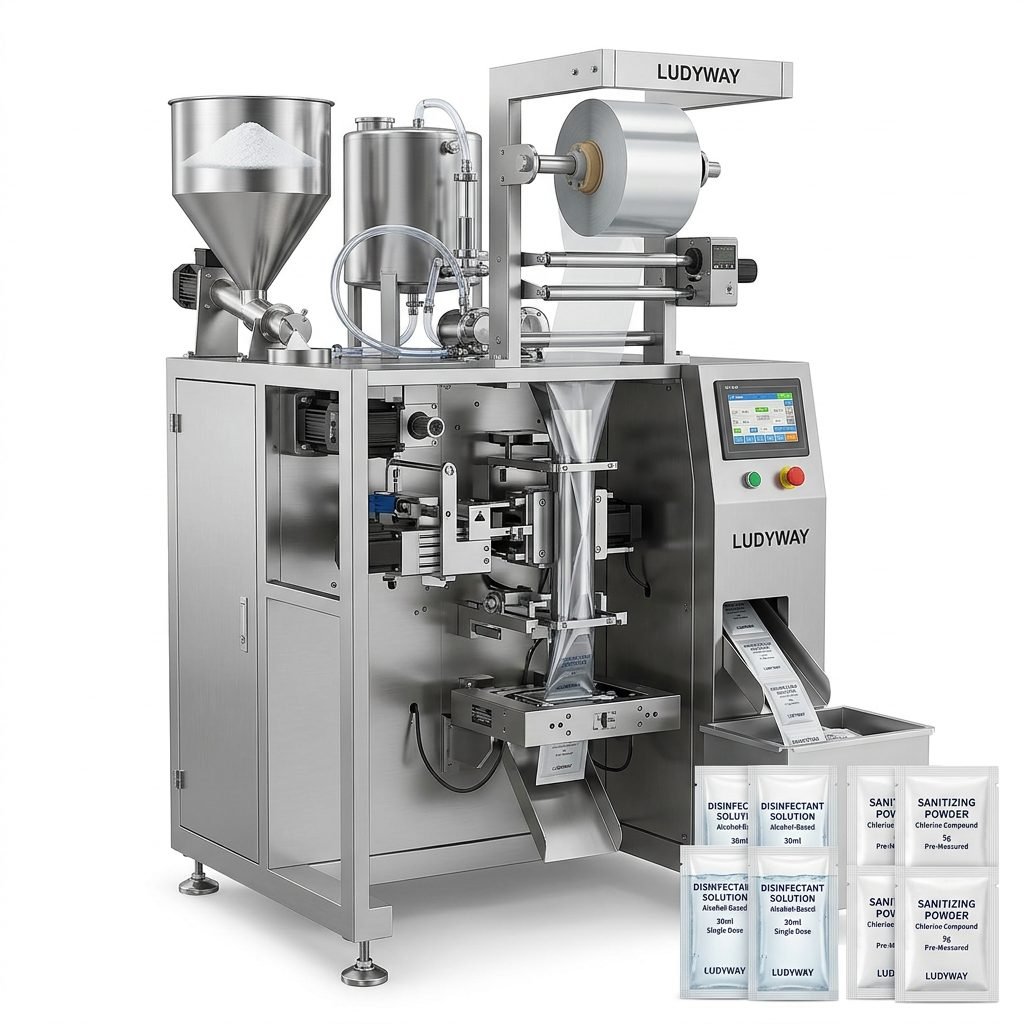
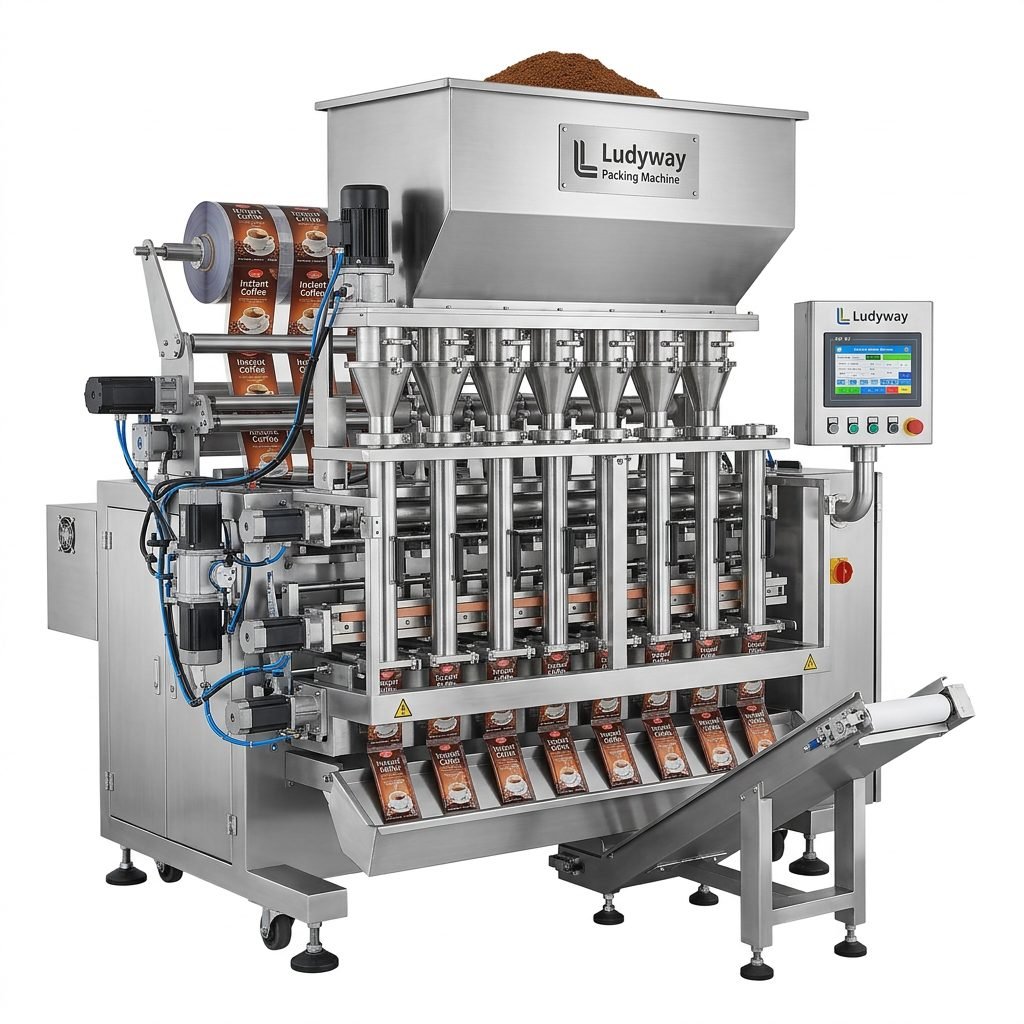
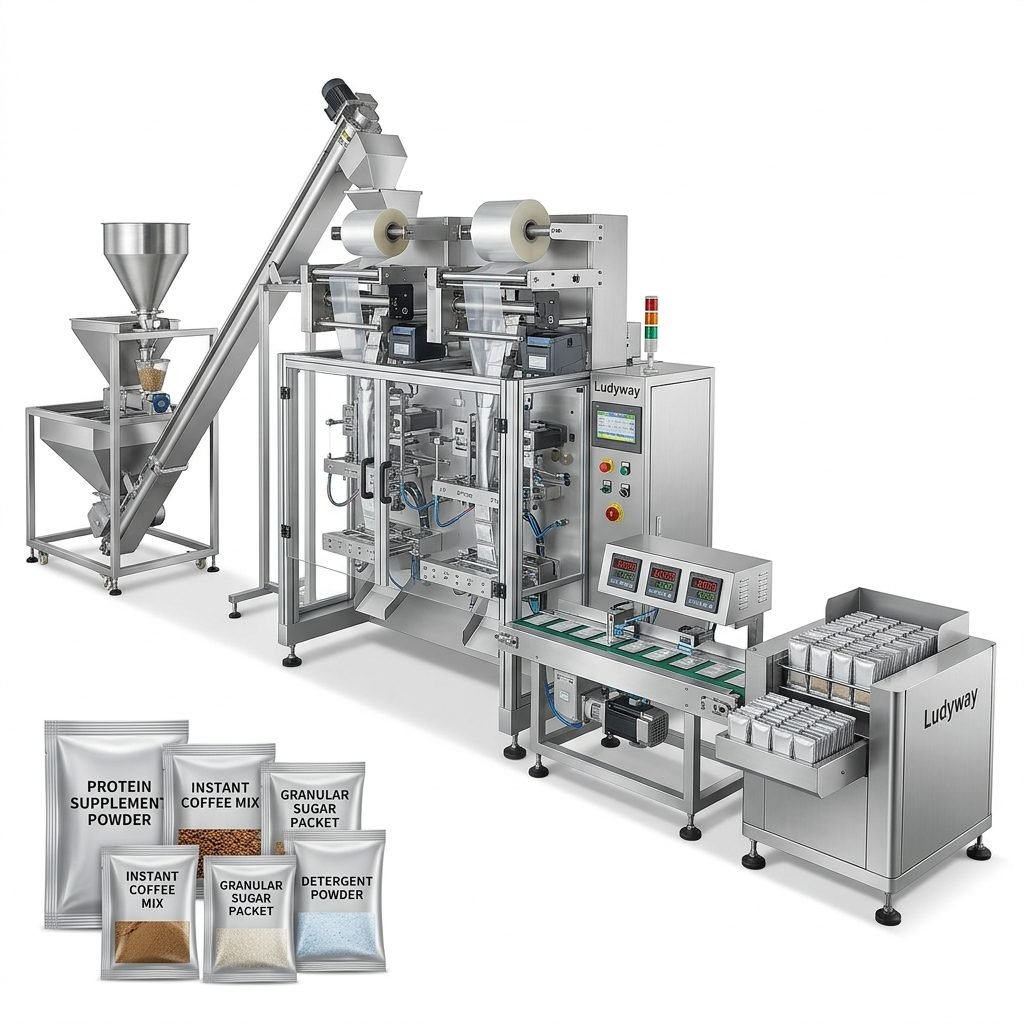
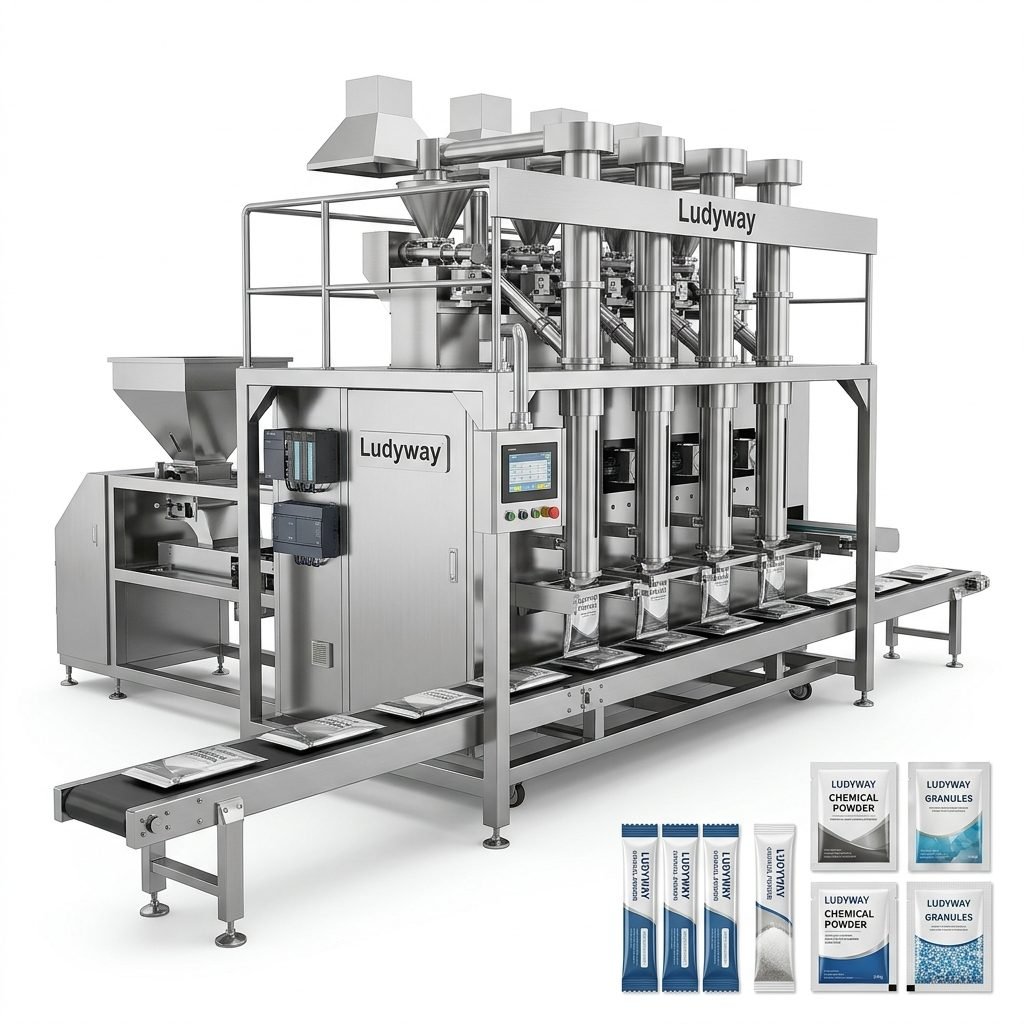
As one of China’s leading packaging machine and turnkey packaging line manufacturers,
Ludyway
provides automation solutions that can be adapted for a wide range of food packaging applications, helping manufacturers improve consistency, efficiency, and production coordination.
Maintenance Tips for Long-Term Performance
Even the best paneer packing machine needs regular maintenance to keep performance stable. Preventive care reduces downtime and protects seal quality and hygiene.
- Clean food contact parts after each production cycle.
- Check sealing components for wear and temperature consistency.
- Inspect belts, conveyors, and sensors regularly.
- Calibrate filling and weighing systems on schedule.
- Train operators on both use and sanitation procedures.
Final Buying Insight for Paneer Packaging Success
The best paneer packing machine is one that balances fast throughput, hygienic design, and reliable packaging quality. For growing dairy brands, the right equipment can improve product shelf life, reduce labor pressure, and create a stronger market image.
If your goal is efficient paneer packaging with room for future scaling, focus on machines that are easy to clean, adaptable to multiple pack formats, and capable of integration into a complete automated line. That combination delivers the strongest long-term value for modern food production.