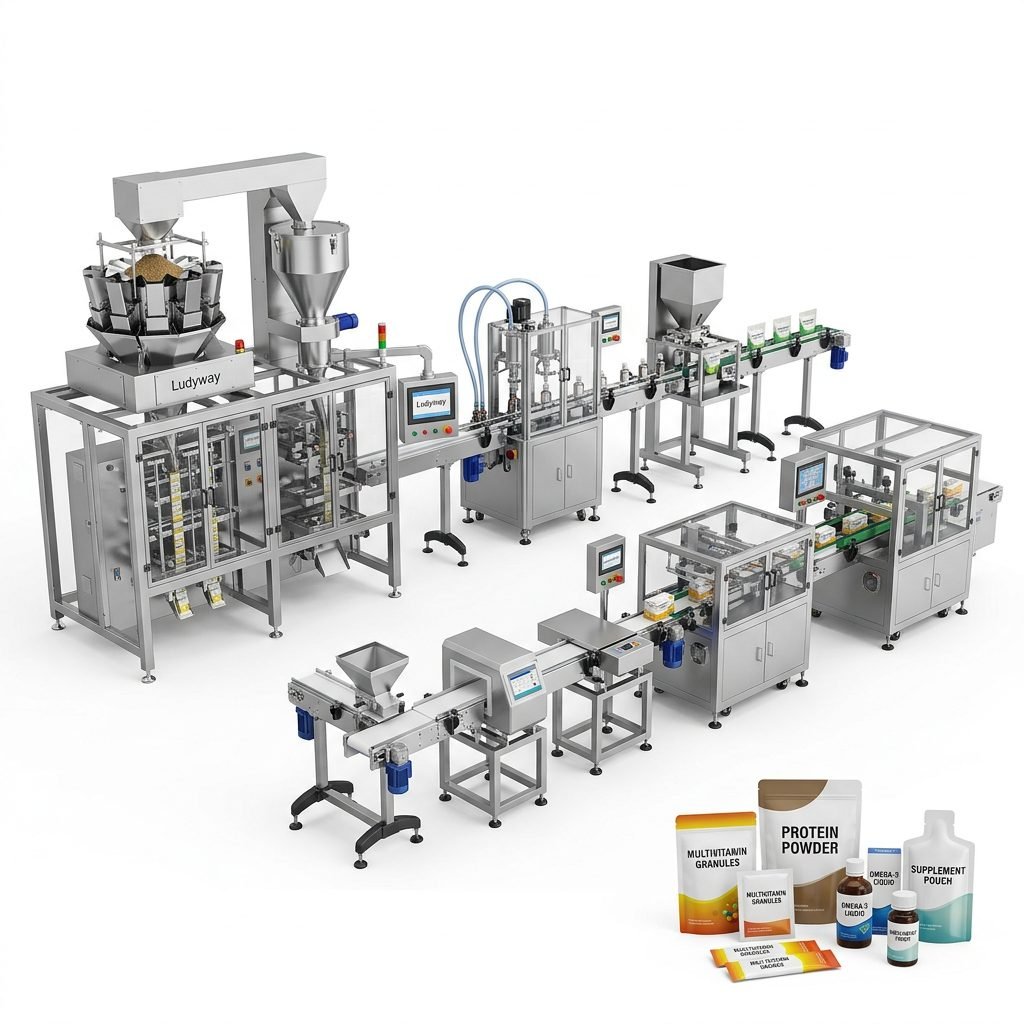
In the fast-paced world of manufacturing, efficient and reliable packaging is a critical component of production lines. Excel packaging machinery represents a category of high-performance equipment designed to streamline the packaging process for a wide range of products, from food and pharmaceuticals to chemicals and consumer goods. These systems are engineered for precision, speed, and adaptability, helping businesses optimize their operations and meet market demands.
Core Types of Excel Packaging Machinery
The term “Excel” in this context often signifies machinery that excels in performance, offering superior automation and control. The market offers several primary types, each suited to specific packaging formats and materials.
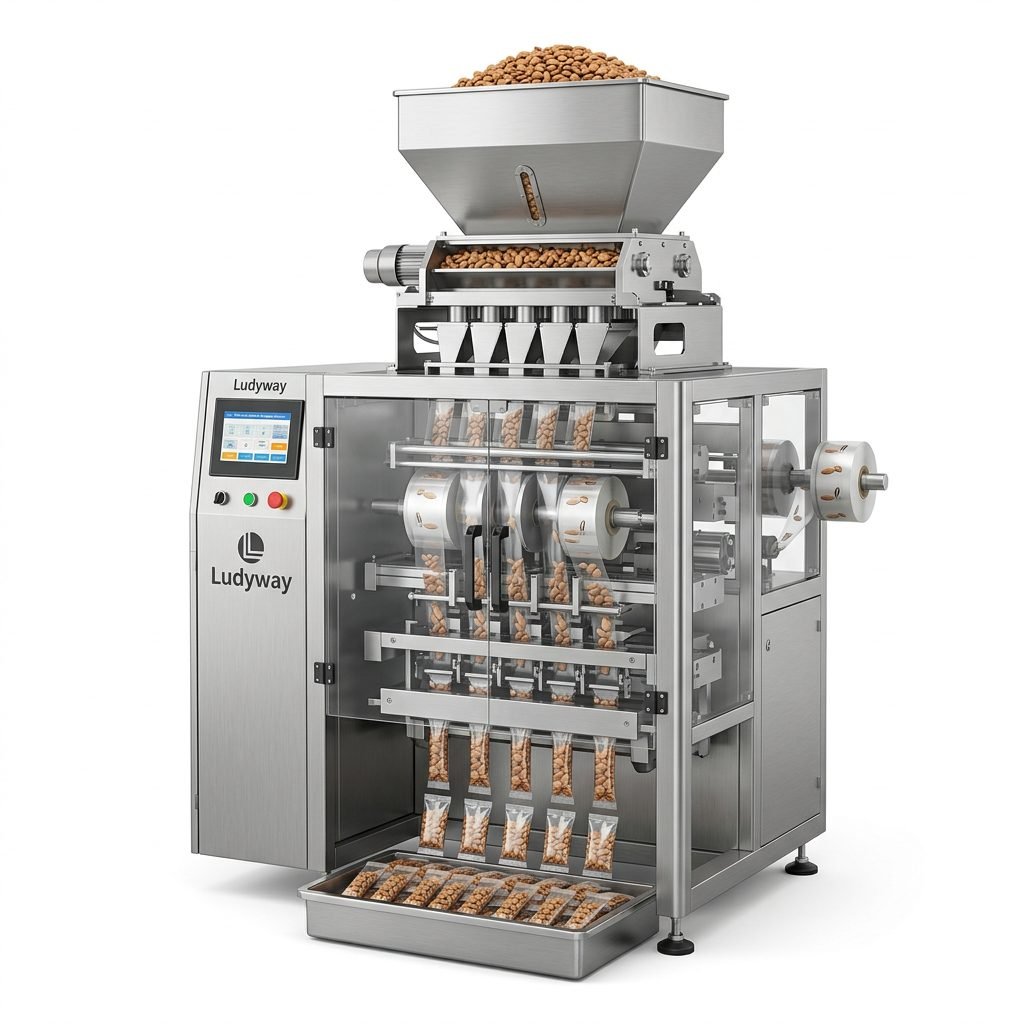
Vertical Form-Fill-Seal (VFFS) Machines
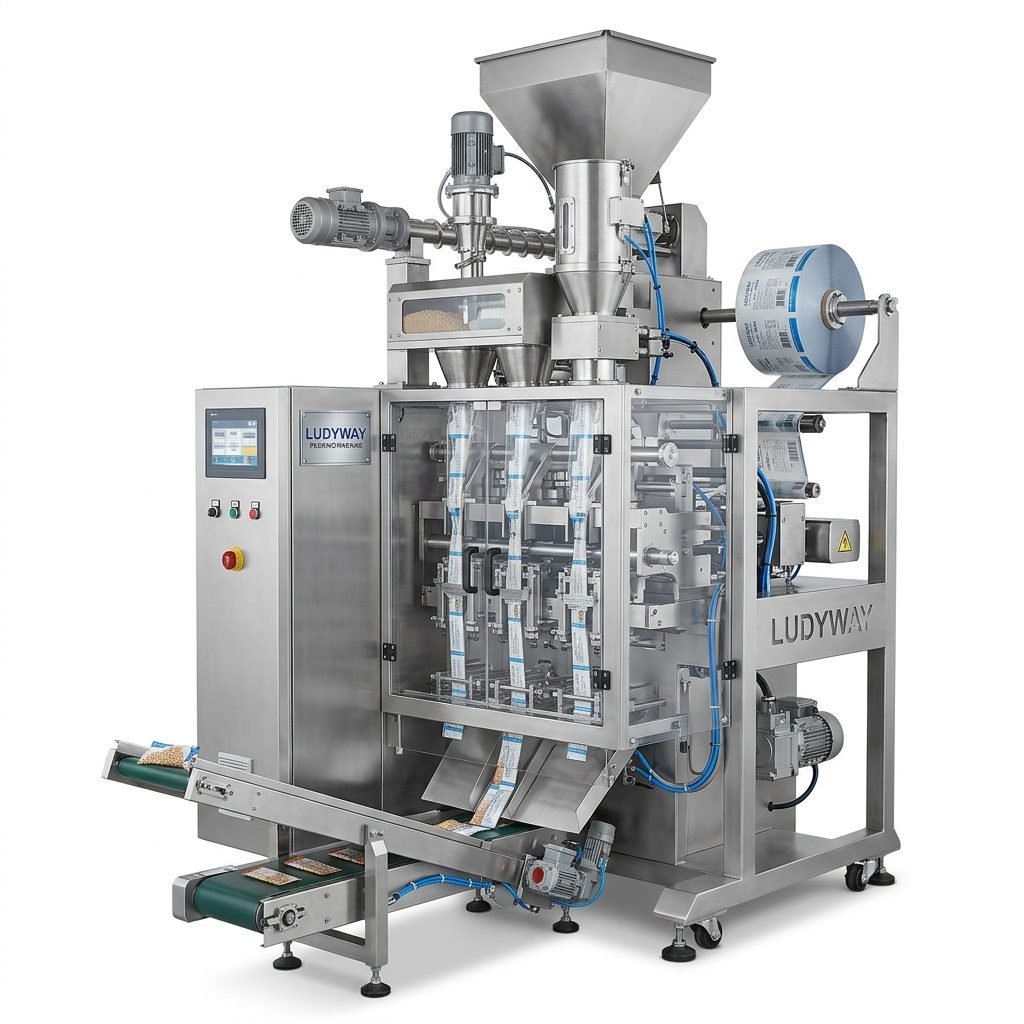
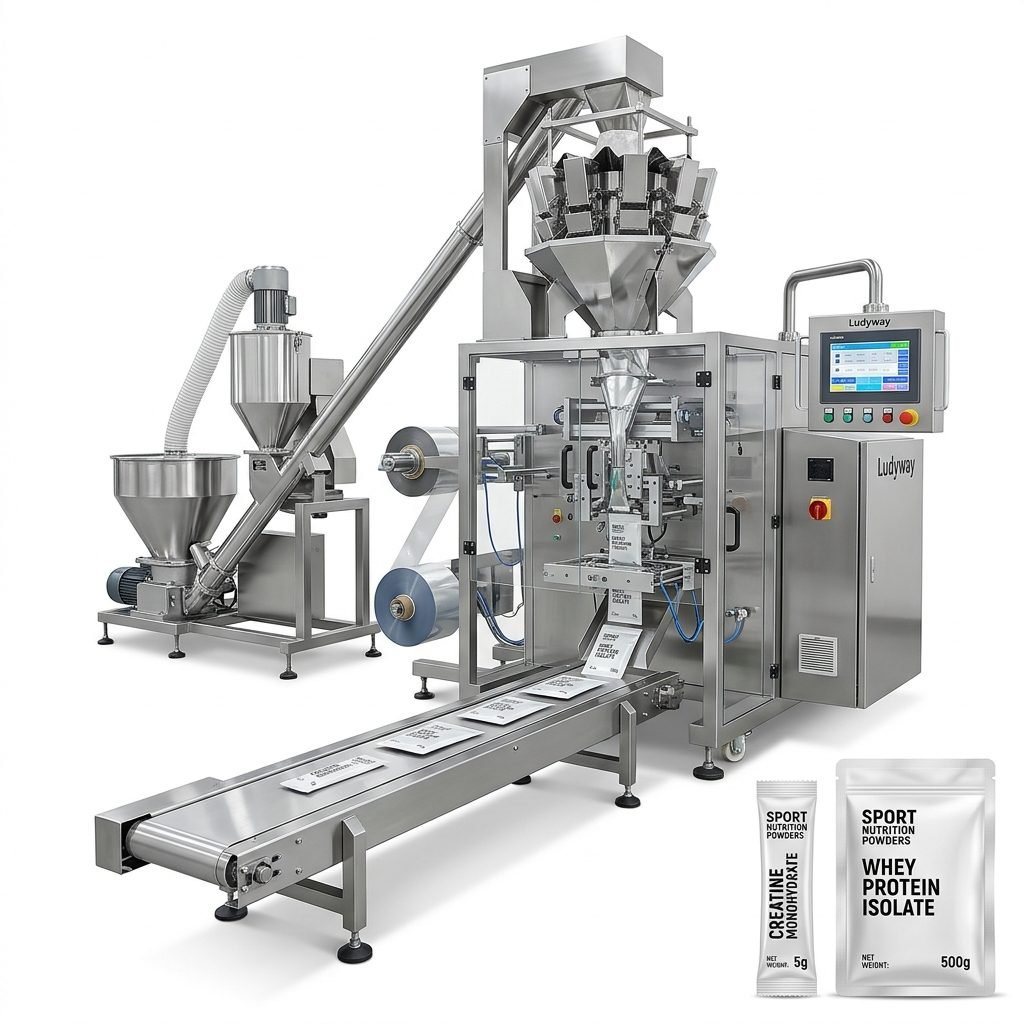
These are among the most versatile and common packaging systems. They form a bag from a roll of flat packaging film, fill it with the product, and then seal it—all in a continuous vertical motion. Ideal for granules, powders, seeds, and small solid items, VFFS machines are known for their high speed and efficiency in producing pillow bags or gusseted bags.
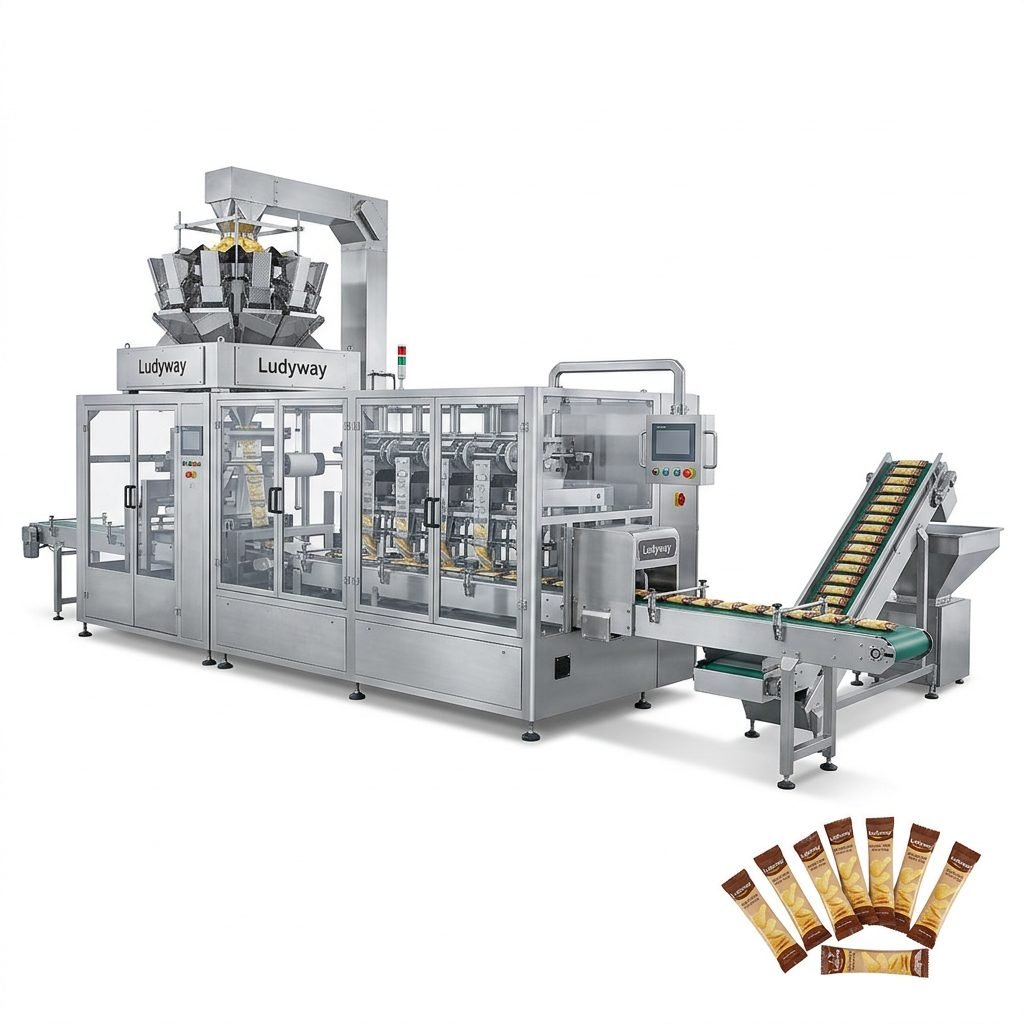
Horizontal Form-Fill-Seal (HFFS) Machines
Operating on a horizontal plane, these machines are typically used for more complex packaging shapes and multi-product arrangements. They are excellent for creating tray-and-lid packages, flow-wrap packs, and blister packs. HFFS systems are frequently chosen for bakery items, confectionery, medical devices, and hardware where product presentation is key.
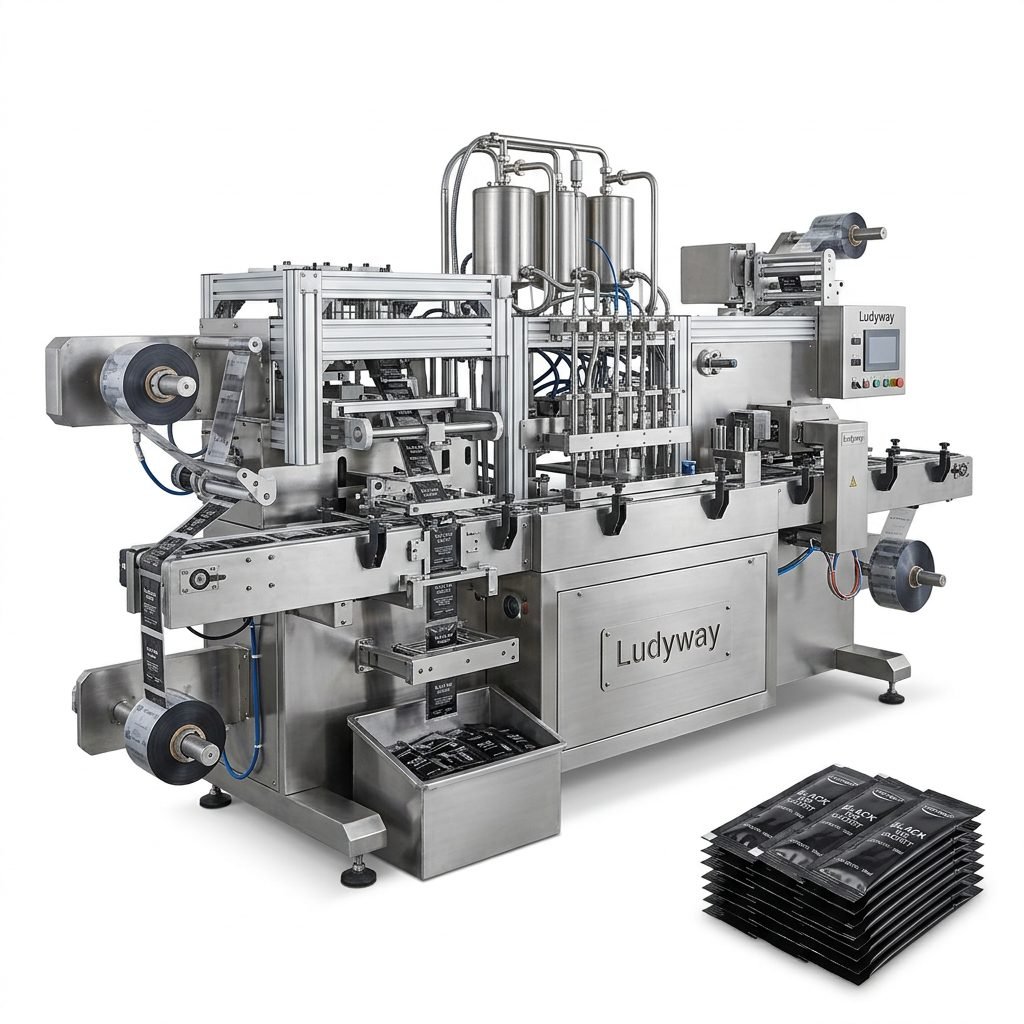
Liquid & Paste Filling Machines
Specialized for handling viscous products, these systems range from simple semi-automatic piston fillers to fully automated rotary filling lines. They ensure accurate volumetric or weight-based filling into bottles, tubes, sachets, or pouches. Precision is paramount here to minimize waste and ensure consistent product dosage.
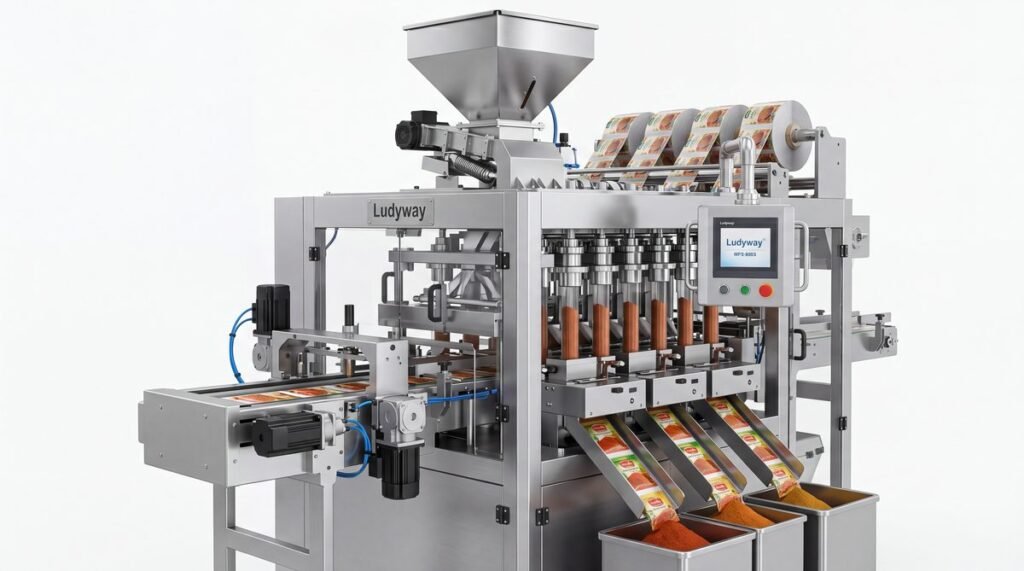
Stick Pack and Sachet Packaging Machines
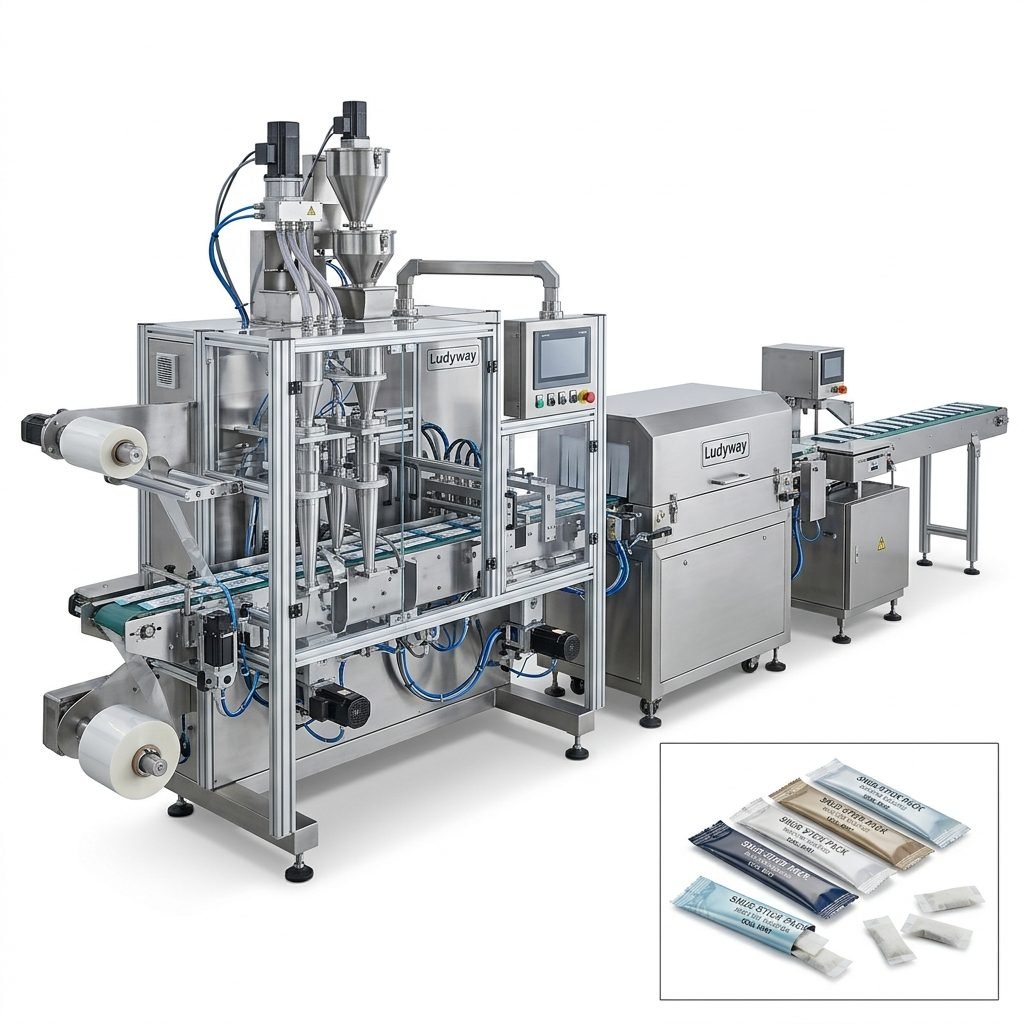
Designed for single-serve or sample-sized portions, these machines are highly popular in the food, beverage, pharmaceutical, and cosmetic industries. They create small, sealed packets from roll stock film, offering an economical and convenient packaging solution. Modern multi-lane systems can produce dozens of stick packs per minute, dramatically increasing output.
Working Principles and Automation
Understanding how these machines function is crucial for selection and operation. The core principle involves a synchronized sequence of forming, filling, and sealing, governed by a Programmable Logic Controller (PLC).
The Forming Process
A roll of packaging material (laminate, film, or foil) is fed into the machine. It passes through a forming collar or shaping tool, where it is precisely folded into the desired bag or pouch shape. The longitudinal seal is created at this stage.
The Filling Stage
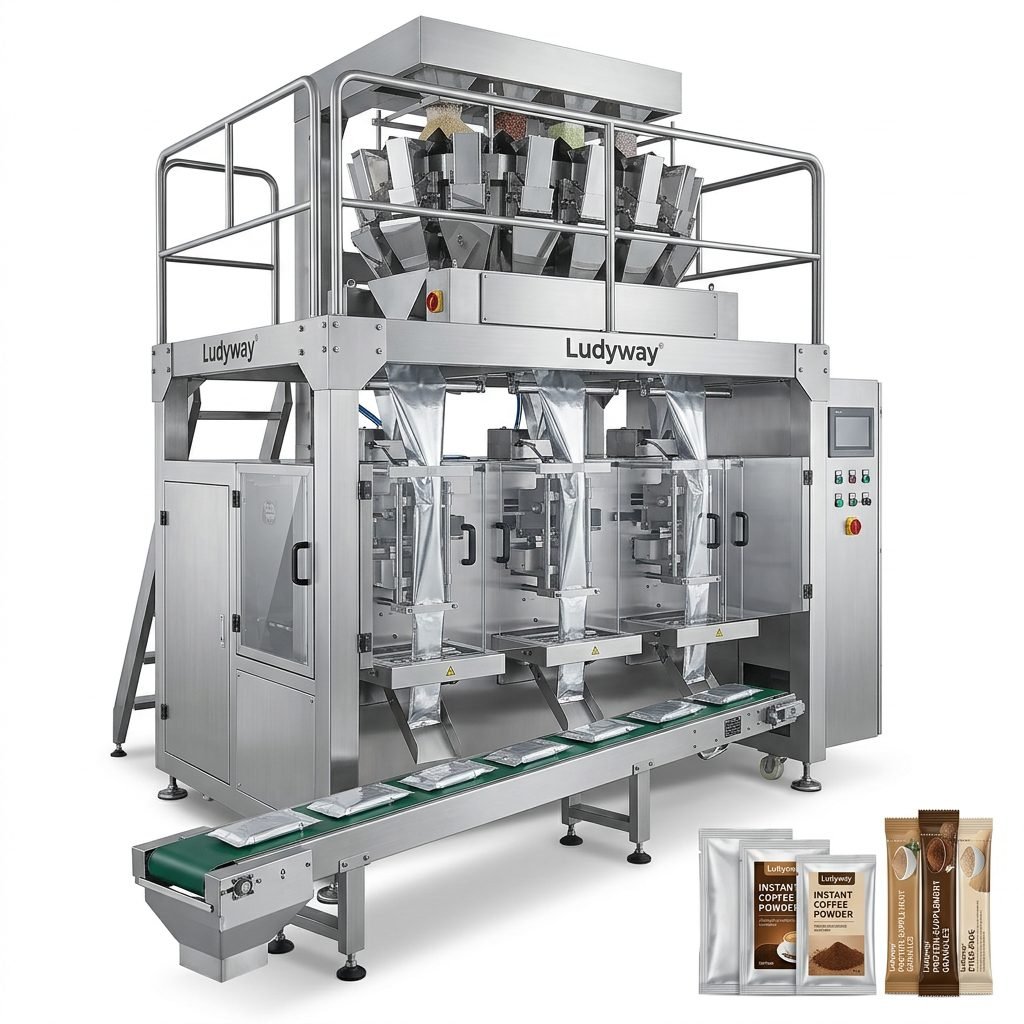
Pre-measured product—by weight (using multi-head weighers), volume (using augers or pumps), or count—is delivered into the newly formed package. Advanced systems feature servo-driven augers and weight feedback systems to achieve filling accuracies within fractions of a gram.
The Sealing and Cutting
After filling, the package moves to the sealing jaws. Heated jaws create the top (transverse) seal, simultaneously cutting the finished package from the film web. Some systems include gas flushing for modified atmosphere packaging (MAP) to extend shelf life.
The level of automation can vary. Stand-alone machines require manual feeding of product and film, while fully integrated turnkey packaging lines include automated product conveyors, checkweighers, metal detectors, and cartoning systems, requiring minimal human intervention.
How to Choose the Right Excel Packaging System
Selecting the optimal machinery is a strategic decision that impacts productivity, cost, and product quality. Here is a structured approach to guide your choice.
1. Analyze Your Product Characteristics
This is the most critical starting point. Consider the product’s physical state (powder, granule, liquid), its flowability, abrasiveness, and any special requirements like hygroscopicity or fragility. For instance, a fine, aerated powder requires a different auger and hopper design than free-flowing granules. The choice of a sachet packaging machine versus a stick pack machine might depend on the portion size and powder characteristics.
2. Define Packaging Specifications
Determine your desired package type (pillow bag, stand-up pouch, stick pack, sachet), material (mono-film, laminate structure), and dimensions. Also, consider future needs—will you need to run different package sizes? A machine with quick-change parts and recipe memory saves significant time during product changeovers.
3. Evaluate Required Output Speed
Calculate your current and projected production volumes. Machine speeds are measured in packs per minute (PPM). Ensure the machine’s maximum speed meets your peak demand with some buffer. Remember, a machine that runs reliably at 80% of its max speed is often better than one constantly pushed to 100%.
4. Assess Integration and Footprint
Will the machine be a standalone unit or part of a larger line? Evaluate the available factory space (footprint) and the machine’s integration capabilities with upstream (mixers, processors) and downstream (labelers, cartoners) equipment. Compatibility is key for smooth material flow.
5. Prioritize Ease of Use and Support
A user-friendly Human-Machine Interface (HMI) reduces training time and operator error. More importantly, consider the supplier’s reputation for after-sales service, availability of spare parts, and technical support. A reliable partner like Ludyway Machinery, with deep industry experience, can provide invaluable guidance and long-term support, ensuring your investment pays off for years.
6. Consider Hygiene and Safety Standards
For food, pharmaceutical, or cosmetic applications, the machine must comply with relevant hygiene standards (e.g., FDA, EHEDG). Look for features like stainless steel construction (grade 304 or 316), smooth surfaces without crevices, and easy-clean designs. Safety guards and emergency stops are non-negotiable.
Conclusion
Investing in Excel packaging machinery is an investment in your operation’s future efficiency and scalability. By thoroughly understanding the different machine types, their working principles, and carefully evaluating your specific needs against the selection criteria, you can choose a system that not only meets today’s requirements but also adapts to tomorrow’s challenges. The right partnership with a knowledgeable equipment provider is crucial in navigating this complex landscape and implementing a solution that delivers a strong return on investment through enhanced productivity, reduced waste, and consistent, high-quality packaging.
Frequently Asked Questions (FAQs)
What is the main difference between VFFS and HFFS machines?
The primary difference is the orientation of package formation. VFFS machines create bags vertically from a single roll of film, ideal for free-flowing products. HFFS machines form packages horizontally, often using pre-printed film and sometimes a separate bottom web, making them better for complex shapes, multi-packs, or delicate items that cannot be dropped vertically.
How accurate are the filling systems on these machines?
Modern Excel packaging machines offer very high accuracy. For powders and granules, multi-head weighers can achieve accuracies of ±0.5-1 gram, while servo-auger systems can reach ±0.1-1% of the target weight. Liquid fillers using piston or pump technology are similarly precise. The required accuracy depends entirely on your product cost and regulatory needs.
Can one machine handle different packaging materials?
Most machines are designed to handle a range of materials within a specific category (e.g., various laminates for pouches). However, switching between vastly different materials (like thick laminate to very thin film) often requires changing the forming tools, sealing jaws, and temperature profiles. Machines with “quick-change” features simplify this process.
What kind of maintenance do these machines require?
Regular maintenance is essential for longevity and consistent performance. Daily tasks include cleaning and visual inspection. Weekly or monthly maintenance involves lubricating moving parts, checking seal jaw integrity, and calibrating scales. An annual professional service check is recommended. A good supplier will provide a detailed maintenance schedule.
Is operator training provided with the machine purchase?
Reputable suppliers almost always include comprehensive operator and maintenance technician training as part of the purchase package. This typically occurs during installation and commissioning at your facility. Look for suppliers who offer detailed manuals, video guides, and ongoing access to technical support for questions that arise after installation.