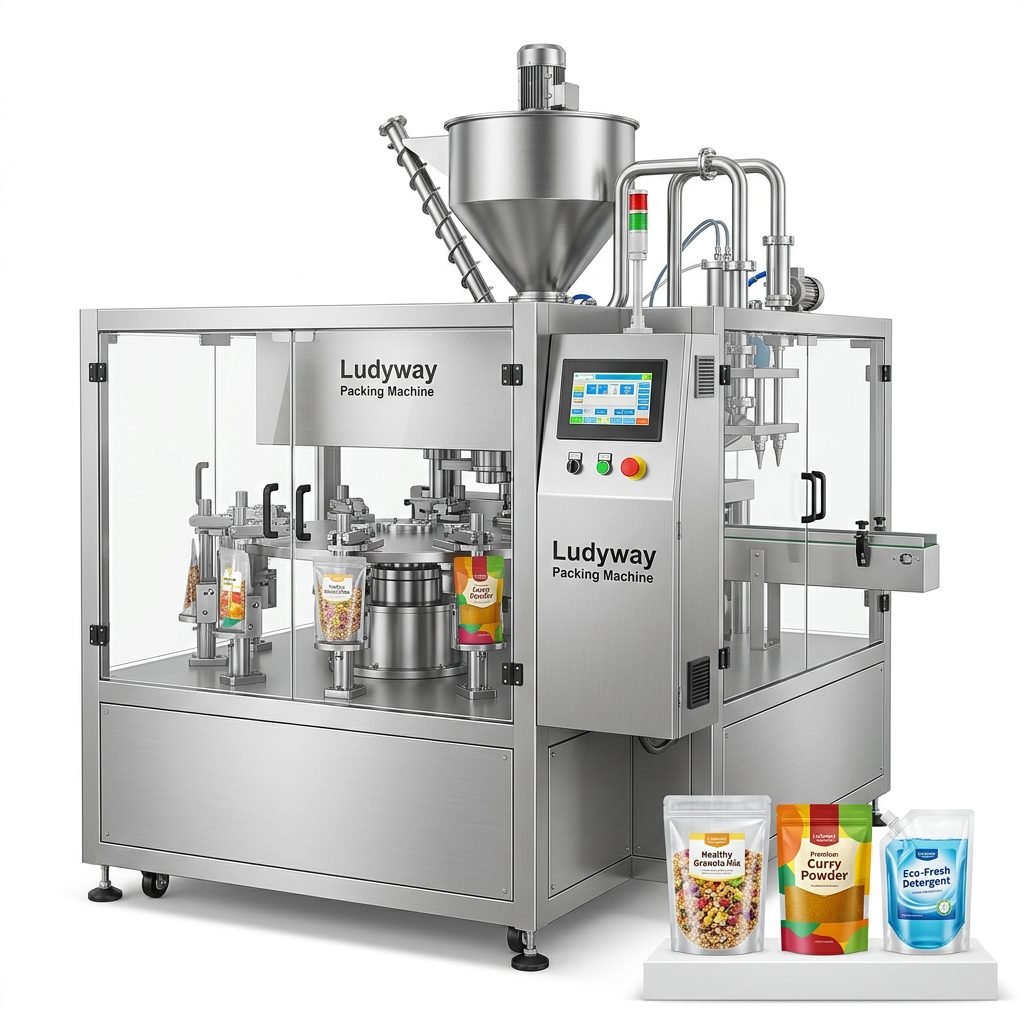
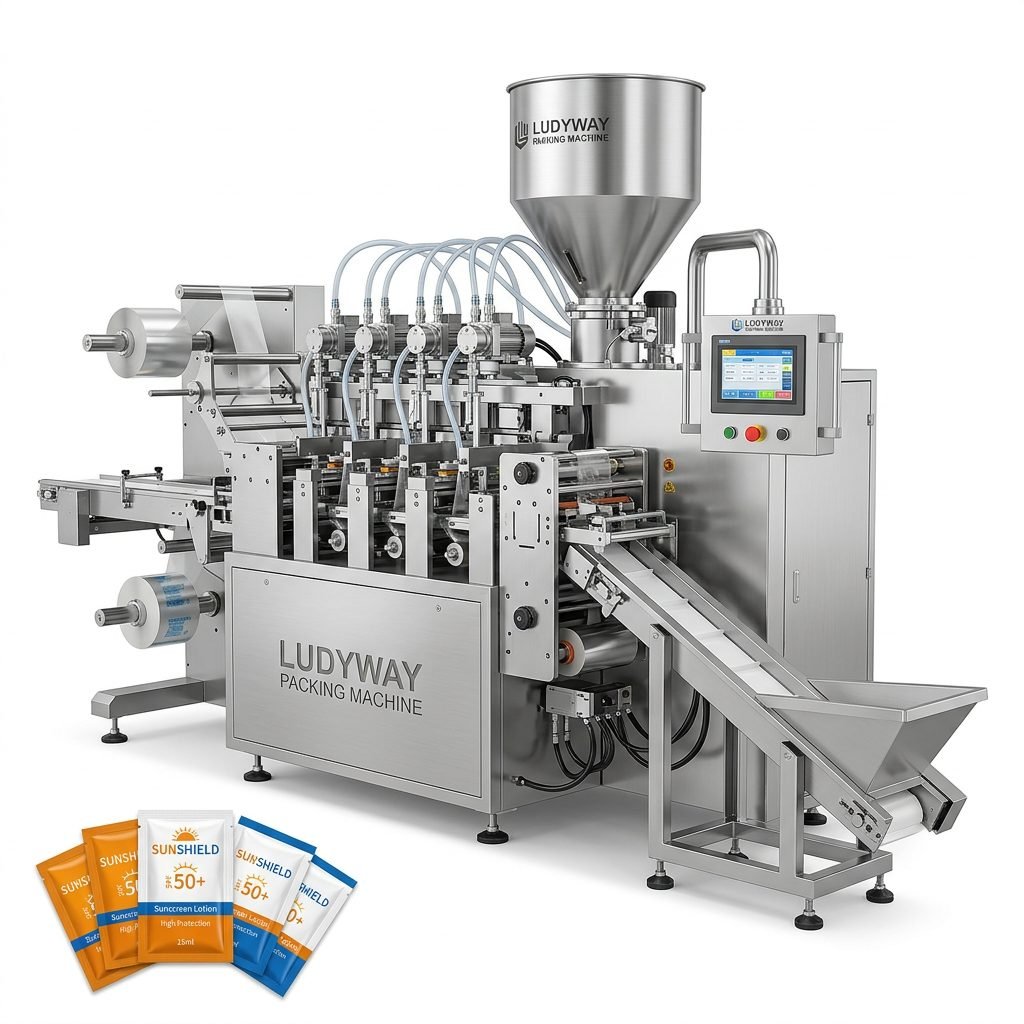
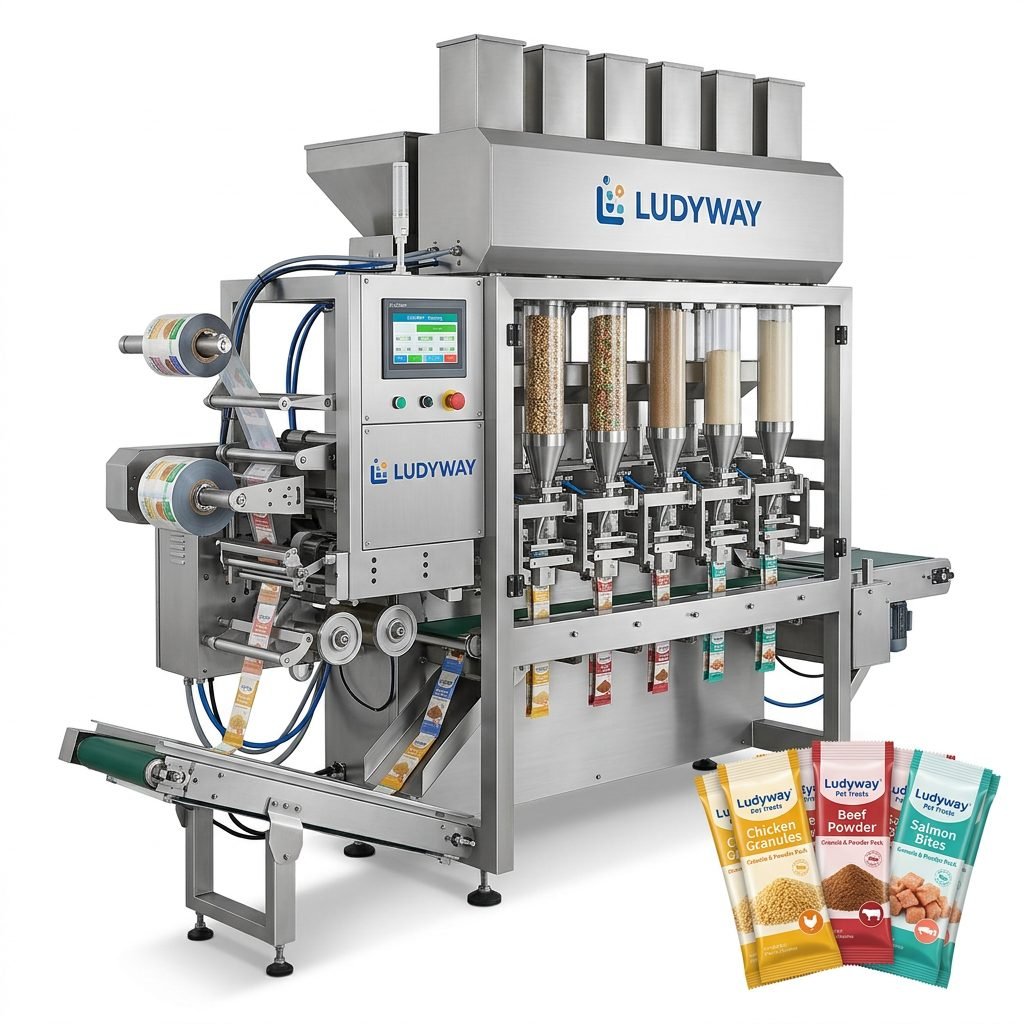
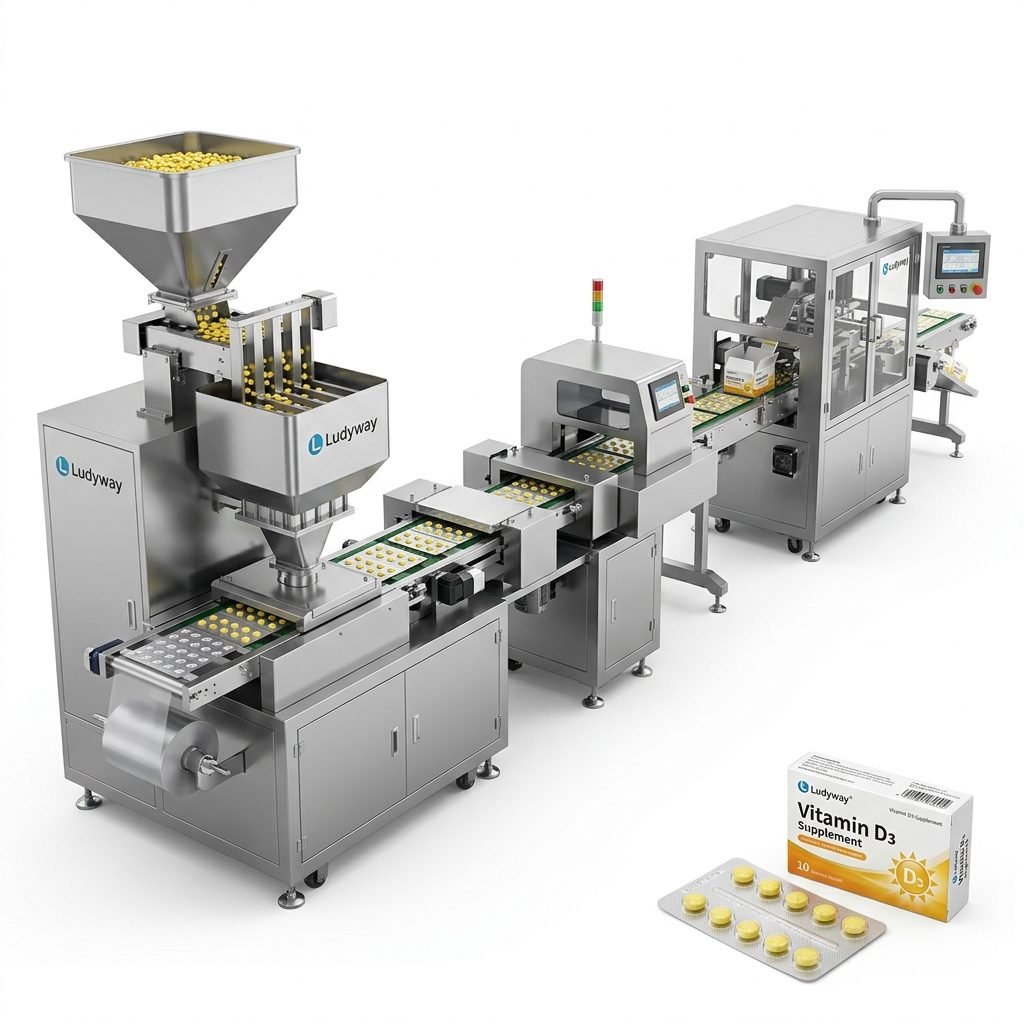
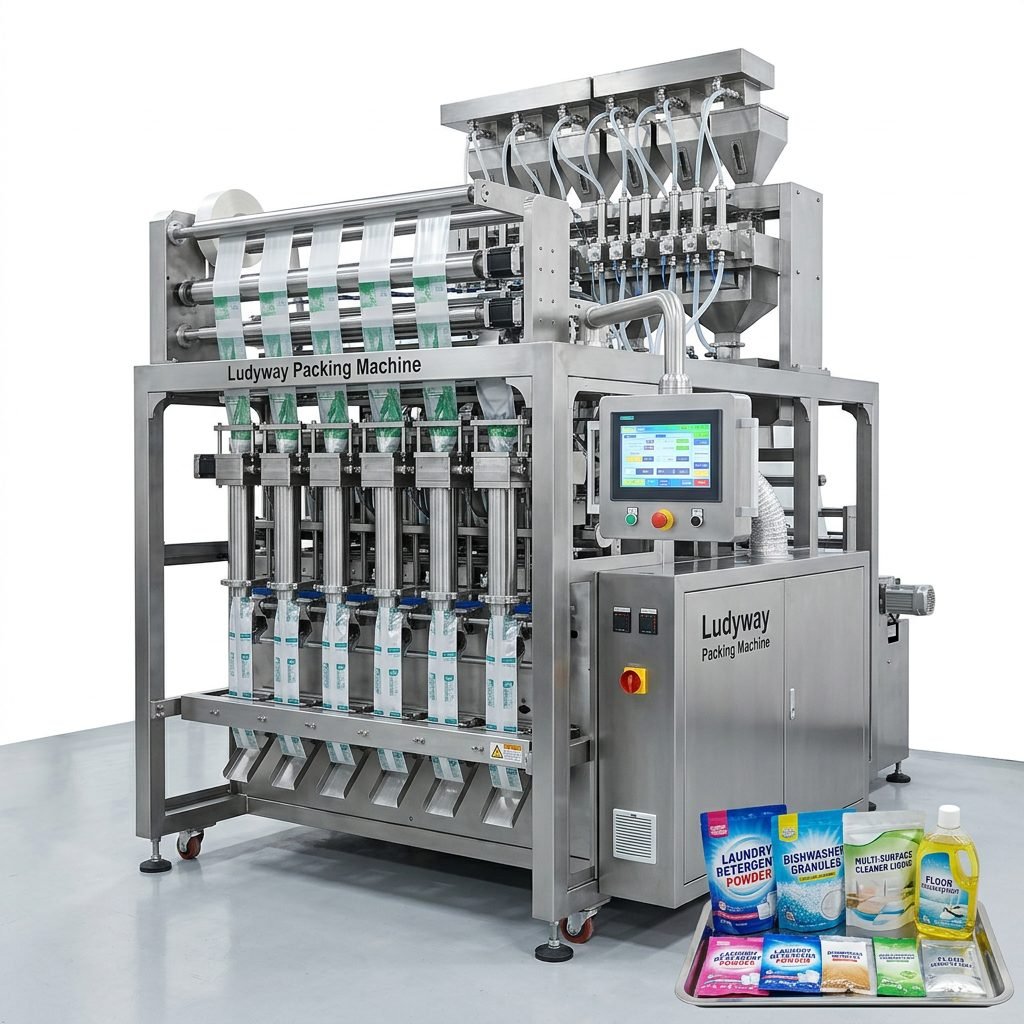
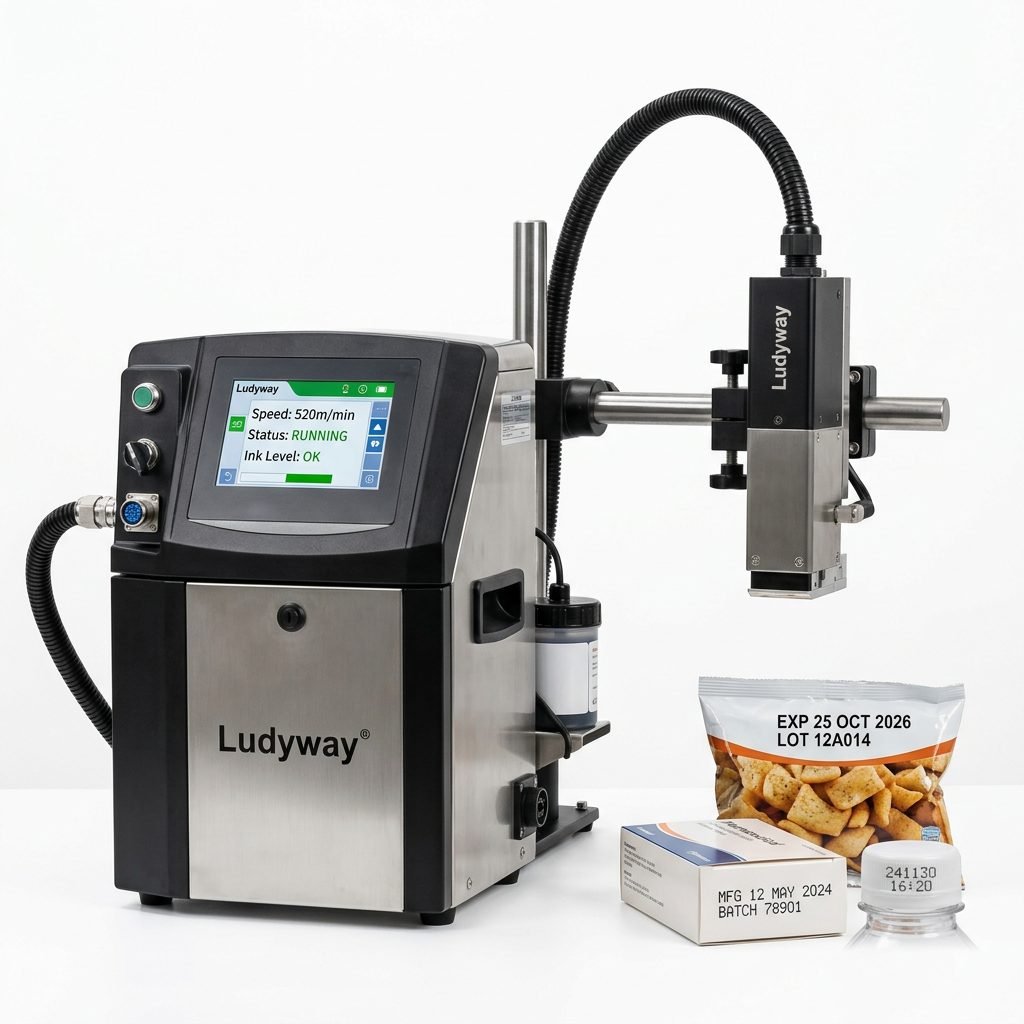
A Yamato packing machine is widely associated with reliable weighing and packaging performance in modern production environments. For food, pharmaceutical, nutraceutical, chemical, and daily-use product manufacturers, these machines are often considered when businesses need accurate dosing, faster throughput, and more consistent package quality. Understanding the features, common applications, and buying points can help you choose the right equipment for your packaging goals.
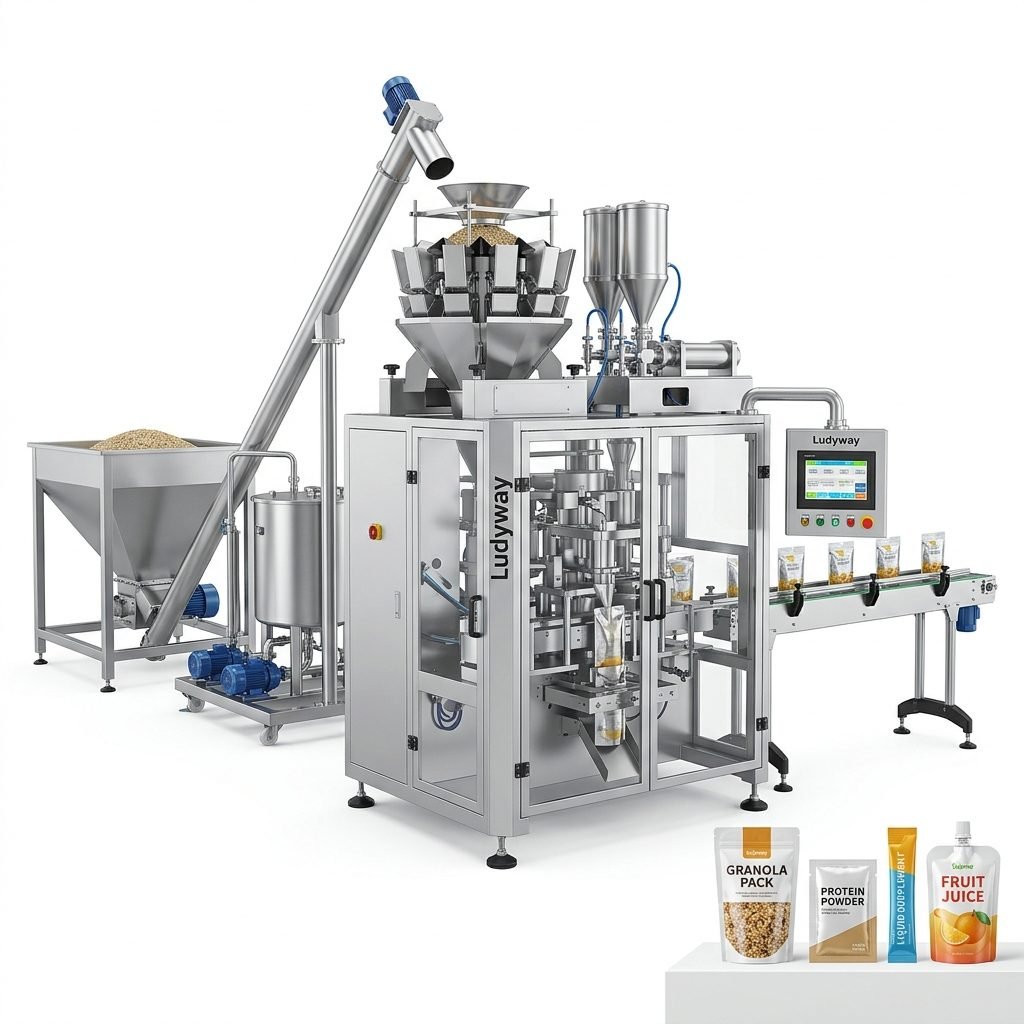
In many cases, buyers are not only looking for a single machine but a complete, scalable packaging solution that integrates weighing, filling, sealing, coding, inspection, and end-of-line handling. This is why many global manufacturers also evaluate experienced turnkey suppliers such as Ludyway packaging machine manufacturer when planning new packaging projects or upgrading automated lines.
What Is a Yamato Packing Machine?
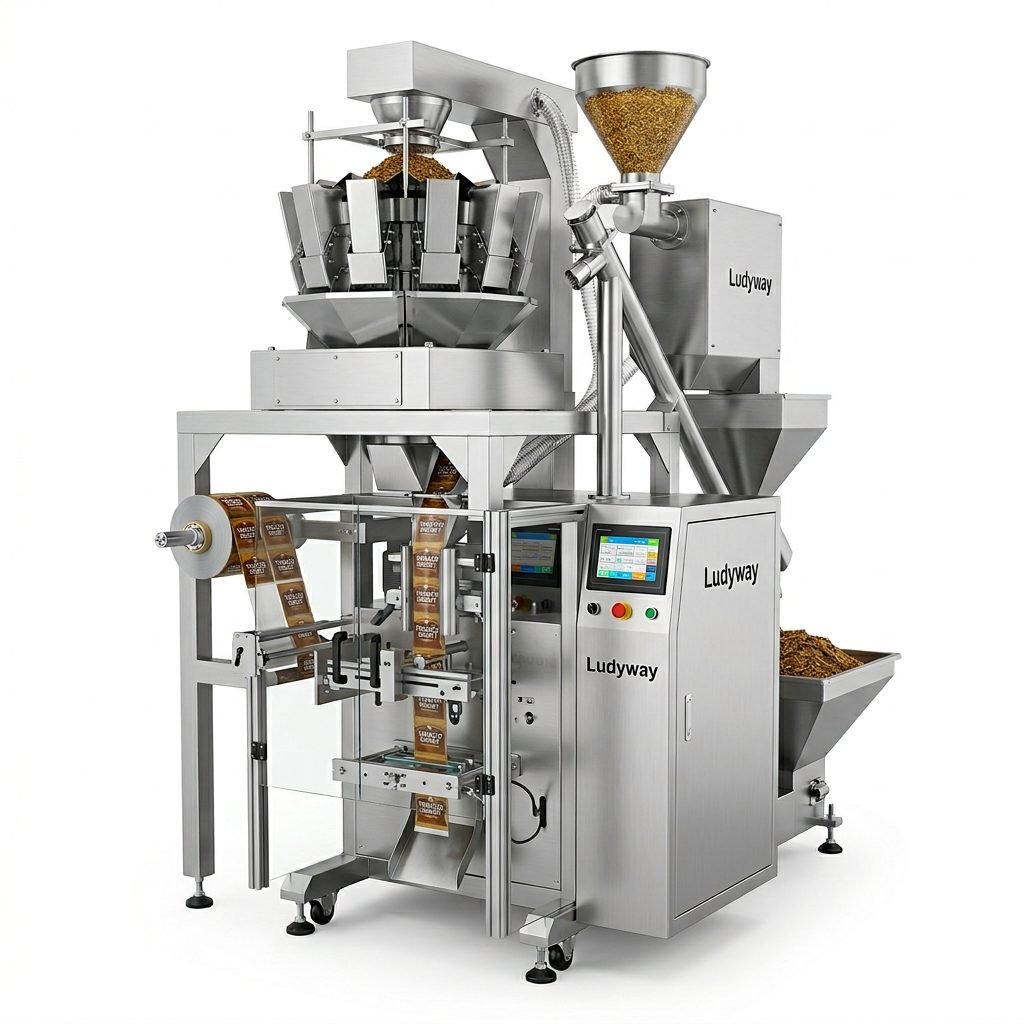
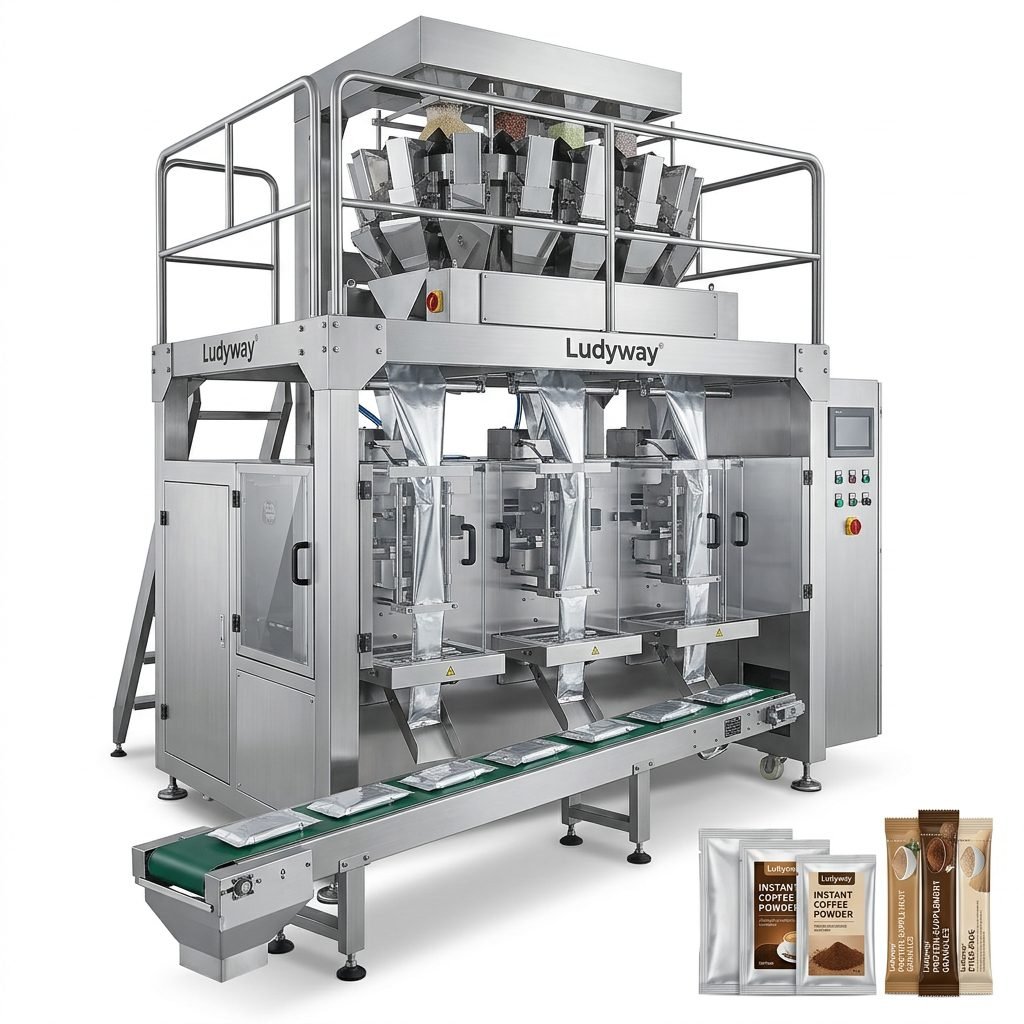
A Yamato packing machine generally refers to packaging equipment connected with high-precision weighing and packaging operations, especially in applications where product consistency matters. In practical purchasing discussions, this usually includes systems built around multihead weighers, bagging machines, vertical form fill seal systems, pouch filling units, and integrated packaging lines.
These machines are commonly used to handle:
- Granules and snack foods
- Powders and nutritional products
- Frozen foods
- Pet food and feed products
- Pharmaceutical granules and sachet materials
- Hardware and small counted items
The core value of this type of machine is simple: accurate weighing, stable packaging speed, and dependable sealing quality.
Key Features of a Yamato Packing Machine
1. High Weighing Accuracy
One of the main reasons buyers consider this category of equipment is weighing precision. Advanced weighing systems reduce giveaway, improve cost control, and help maintain consistent pack weight across large production volumes.
2. Fast Production Speed
High-speed packaging is critical for competitive manufacturing. Whether packing nuts, coffee, sugar, pet snacks, or health supplements, a well-configured machine can significantly increase output while reducing manual labor dependency.
3. Wide Product Compatibility
A quality machine should handle different material characteristics, including free-flowing granules, irregular solids, sticky products, and fine powders. This flexibility makes it easier to switch between SKUs and adapt to market demand.
4. Intelligent Control System
Modern packaging equipment often includes touch-screen controls, recipe memory, fault alarms, automatic parameter adjustment, and production monitoring. These functions improve usability and reduce setup time.
5. Hygienic and Durable Construction
For food and pharmaceutical applications, stainless steel construction and easy-clean design are essential. Buyers should pay attention to sanitation, corrosion resistance, and maintenance accessibility.
6. Integration With Full Packaging Lines
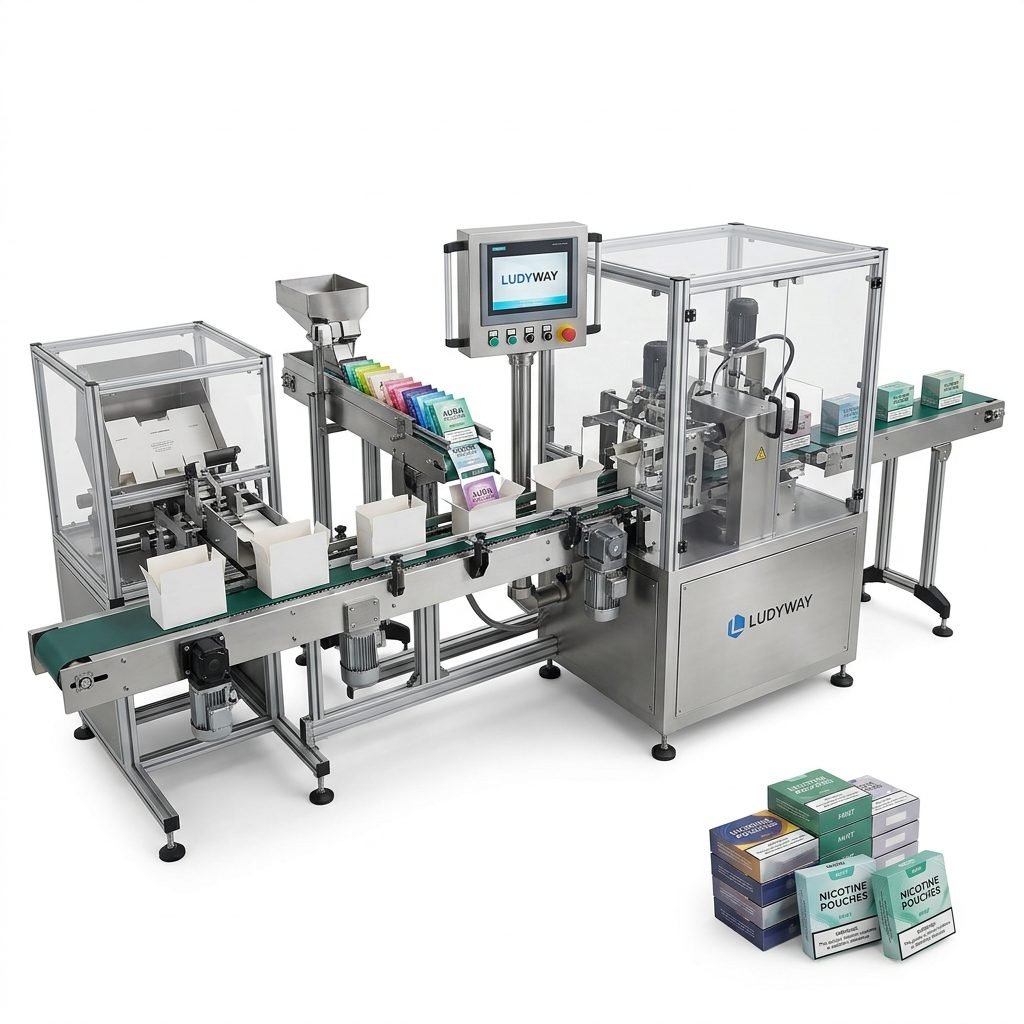
A standalone machine can work well for simple operations, but many factories benefit more from integrated solutions. These may include feeders, elevators, checkweighers, metal detectors, coding systems, cartoning units, and palletizing equipment.
| Feature | Buyer Benefit |
|---|---|
| Precision weighing | Reduces product giveaway and improves cost control |
| High-speed operation | Increases throughput and supports larger orders |
| Flexible product handling | Suitable for multiple product types and package formats |
| Automation controls | Simplifies operation and reduces setup errors |
| Line integration capability | Supports end-to-end packaging efficiency |
Common Uses Across Industries
Food Industry
Food manufacturers use these machines for chips, nuts, candy, frozen foods, grains, coffee, spices, sugar, flour, protein powder, and seasoning products. Accurate portioning and clean sealing are especially important for retail-ready packaging.
Pharmaceutical and Health Supplement Industry
For pharmaceutical granules, oral powders, electrolyte sachets, collagen products, probiotics, and nutrition packs, stable dosing and hygienic design are essential. In these sectors, repeatability and compliance-friendly design matter as much as speed.
Pet Food and Animal Nutrition
Pet snacks, kibble, granules, feed additives, and supplement powders require durable systems that can handle variable densities and shapes. Many buyers in this sector also want larger bagging options and bulk handling integration.
Chemical and Household Products
Detergents, cleaning powders, granules, desiccants, additives, and industrial materials are also common applications. Material compatibility, dust control, and corrosion resistance become especially important here.
Types of Packaging Systems Often Compared With Yamato Packing Machines
When buyers research Yamato-related solutions, they usually compare several machine categories before making a final decision:
- Multihead weigher with VFFS machine for snacks, granules, and frozen foods
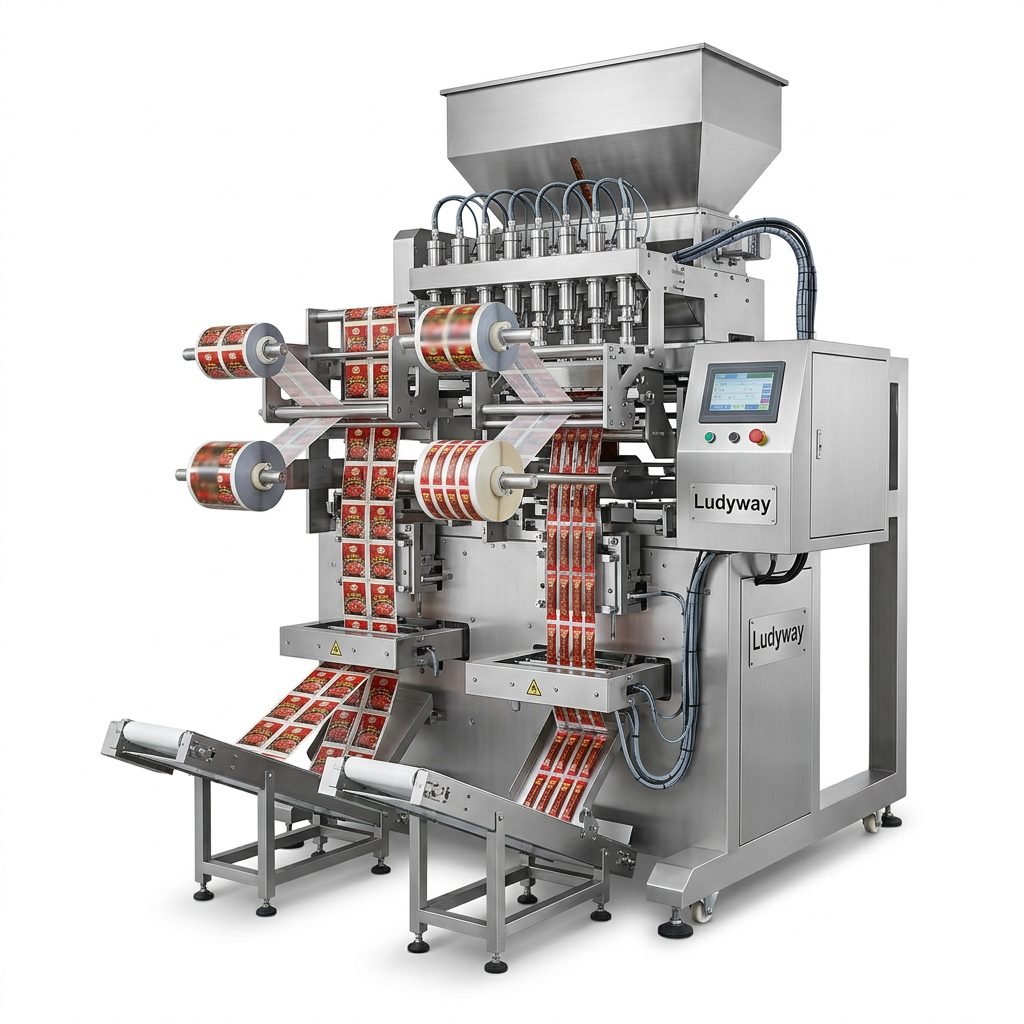
- Sachet packing machine for powders, granules, liquids, and pastes
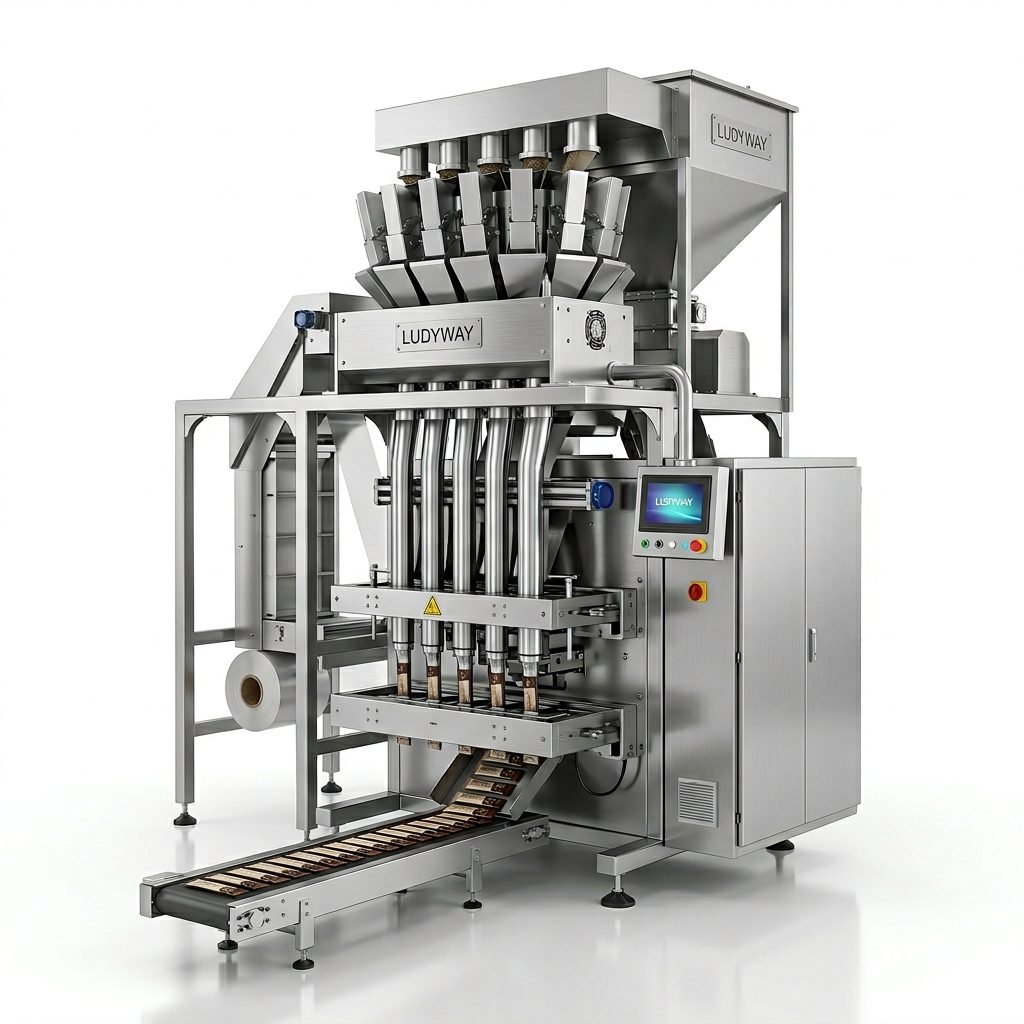
- Stick pack machine for single-dose food, pharma, and supplement products
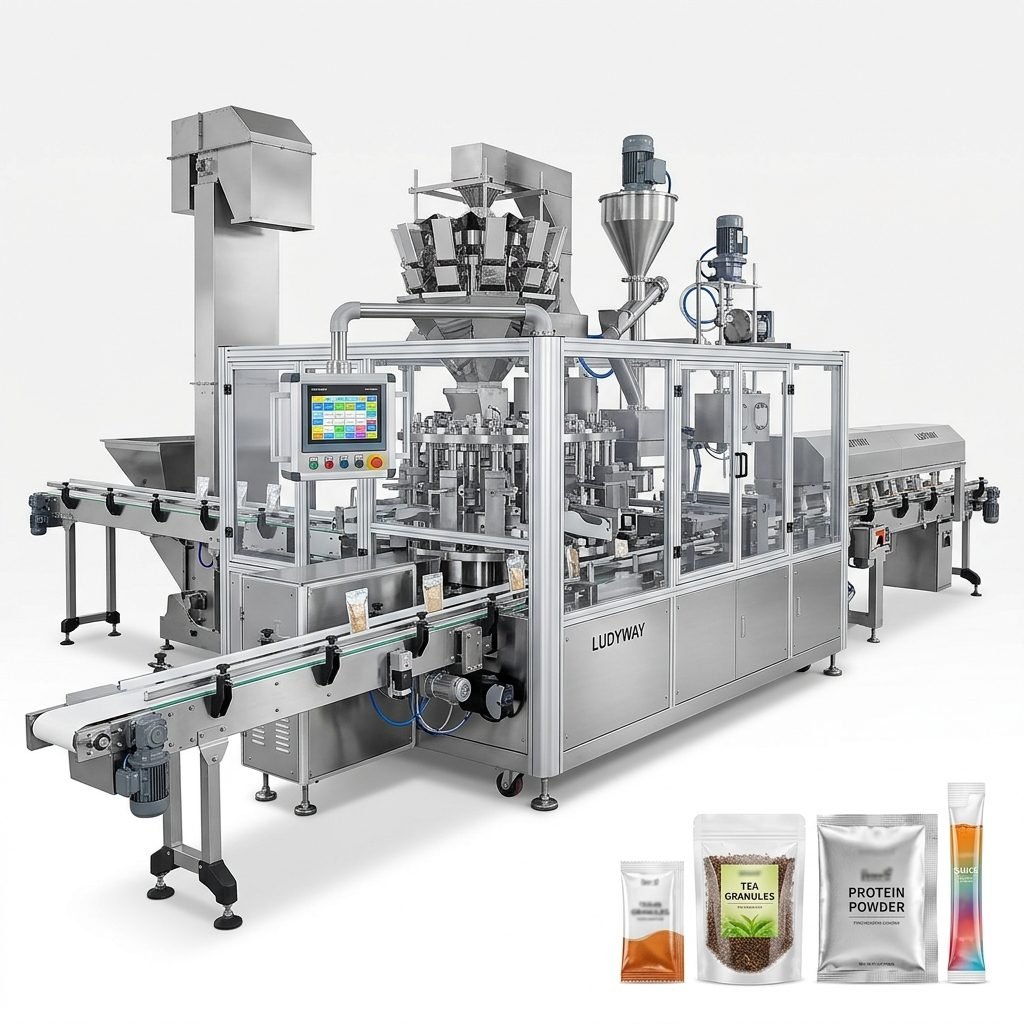
- Premade pouch filling machine for premium retail packaging
- Bulk bagging machine for feed, grains, fertilizer, and industrial products
- Turnkey packaging line for integrated production automation
How to Choose the Right Machine
Understand Your Product Characteristics
Start with the material itself. Is it powder, granule, sticky, fragile, irregular, or dusty? Product behavior directly affects the feeder type, weigher design, sealing method, and discharge configuration you need.
Define Package Format
Your package format determines the machine structure. Common options include:
- Pillow bags
- Gusset bags
- Quad seal bags
- Sachets
- Stick packs
- Premade pouches
- Bottles or jars with filling lines
Calculate Required Output
Do not choose a machine based only on peak speed claims. Evaluate your real production target per hour, per shift, and per month. Also consider future expansion so you do not outgrow the equipment too soon.
Check Accuracy and Waste Control
A lower-priced machine may cost more in the long run if it causes product giveaway, inconsistent fills, or high reject rates. Over time, precision has a direct effect on profitability.
Evaluate Maintenance and Service Support
Reliable after-sales support is critical. Ask about spare parts availability, remote technical support, training, manuals, and troubleshooting response time. These factors strongly influence long-term uptime.
Consider Full-Line Compatibility
If you may later add coding, inspection, cartoning, or palletizing, choose equipment that can be integrated smoothly. A modular packaging strategy often provides better long-term return on investment.
| Buying Factor | What to Ask |
|---|---|
| Product type | Is the machine suitable for powder, granule, liquid, or mixed applications? |
| Pack size range | What minimum and maximum filling weights can it handle? |
| Speed | What is the actual stable running speed under production conditions? |
| Accuracy | What weighing tolerance can be achieved for your product? |
| Automation level | Can it connect with feeders, printers, checkweighers, and case packers? |
| Service | How quickly can the supplier provide support and replacement parts? |
Standalone Machine or Turnkey Line?
This is a key buying decision. A standalone machine may be ideal for smaller operations, pilot production, or simple packaging workflows. However, growing manufacturers often benefit more from a turnkey line that combines multiple functions into one coordinated system.
A complete line may include:
- Product feeding and conveying
- Weighing or dosing unit
- Form-fill-seal or pouch filling machine
- Date coding or labeling
- Metal detection or checkweighing
- Cartoning and case packing
- Palletizing and end-of-line automation
For factories with labor shortages, strict quality standards, or ambitious growth targets, a turnkey packaging line can create stronger long-term efficiency than purchasing individual units separately.
Important Questions to Ask Before Buying
- What products will be packed now and in the future?
- What packaging materials and bag styles will be used?
- What speed is needed for normal production, not just laboratory testing?
- How easy is the machine to clean and maintain?
- Can the supplier provide installation guidance and operator training?
- Are spare parts and technical support available internationally?
- Can the machine be customized for your industry requirements?
Signs of a Reliable Supplier
The machine itself is only part of the investment. The supplier’s engineering and manufacturing capability can be just as important. Look for:
- Long industry experience
- Proven export background
- Broad machine portfolio
- Customization ability
- Factory scale and production capacity
- Case studies and real application references
- Ongoing after-sales support
For global buyers, especially those seeking both standalone machines and complete lines, supplier depth matters. A manufacturer with broad application experience can better match the machine to the product, packaging material, local compliance expectations, and future expansion plan.
Final Buying Insight
Choosing the right Yamato packing machine or equivalent packaging solution depends on more than brand recognition. The best choice is the one that matches your product type, packaging format, speed target, plant layout, hygiene requirements, and automation roadmap.
If your business needs precise weighing, stable operation, and room for growth, focus on equipment that offers accuracy, flexibility, easy integration, and dependable technical support. For many manufacturers, that means evaluating not only the machine itself but also whether the supplier can deliver a complete packaging solution that keeps production efficient for years to come.