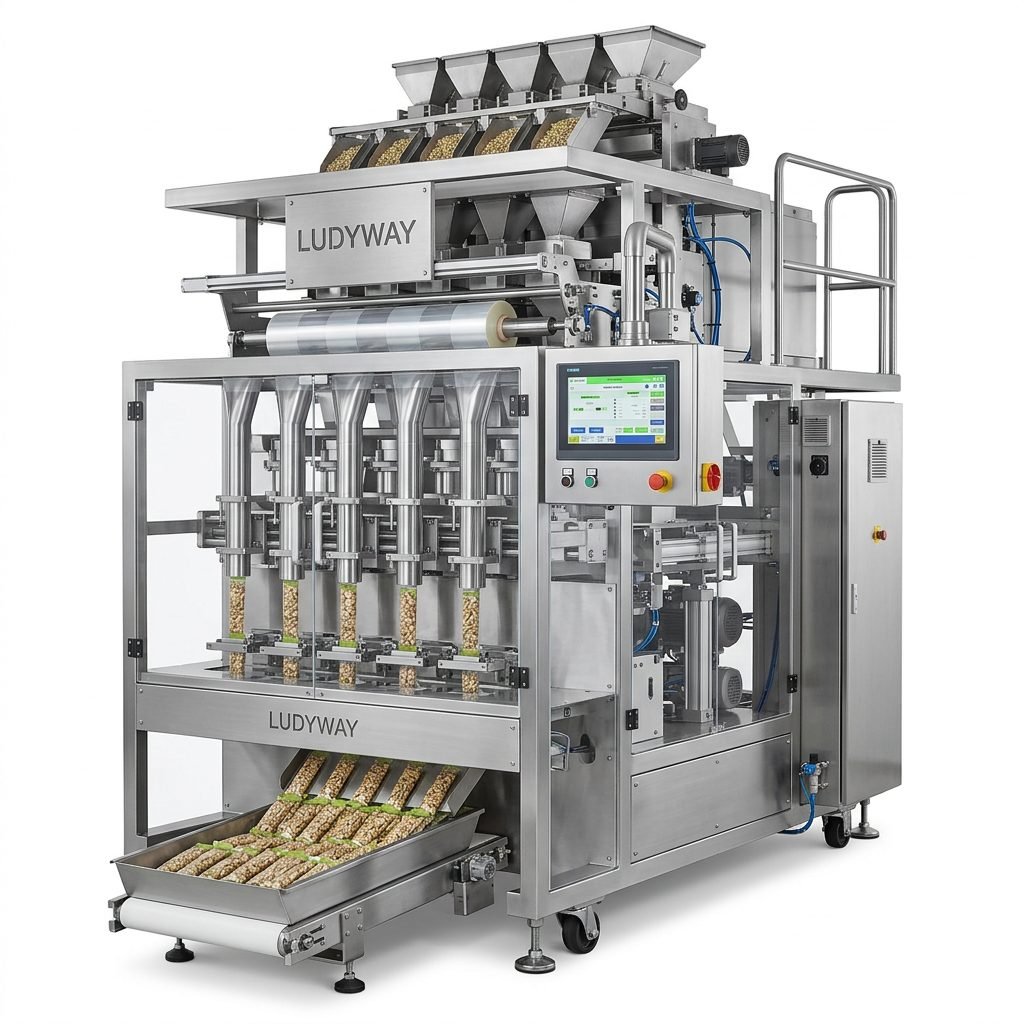
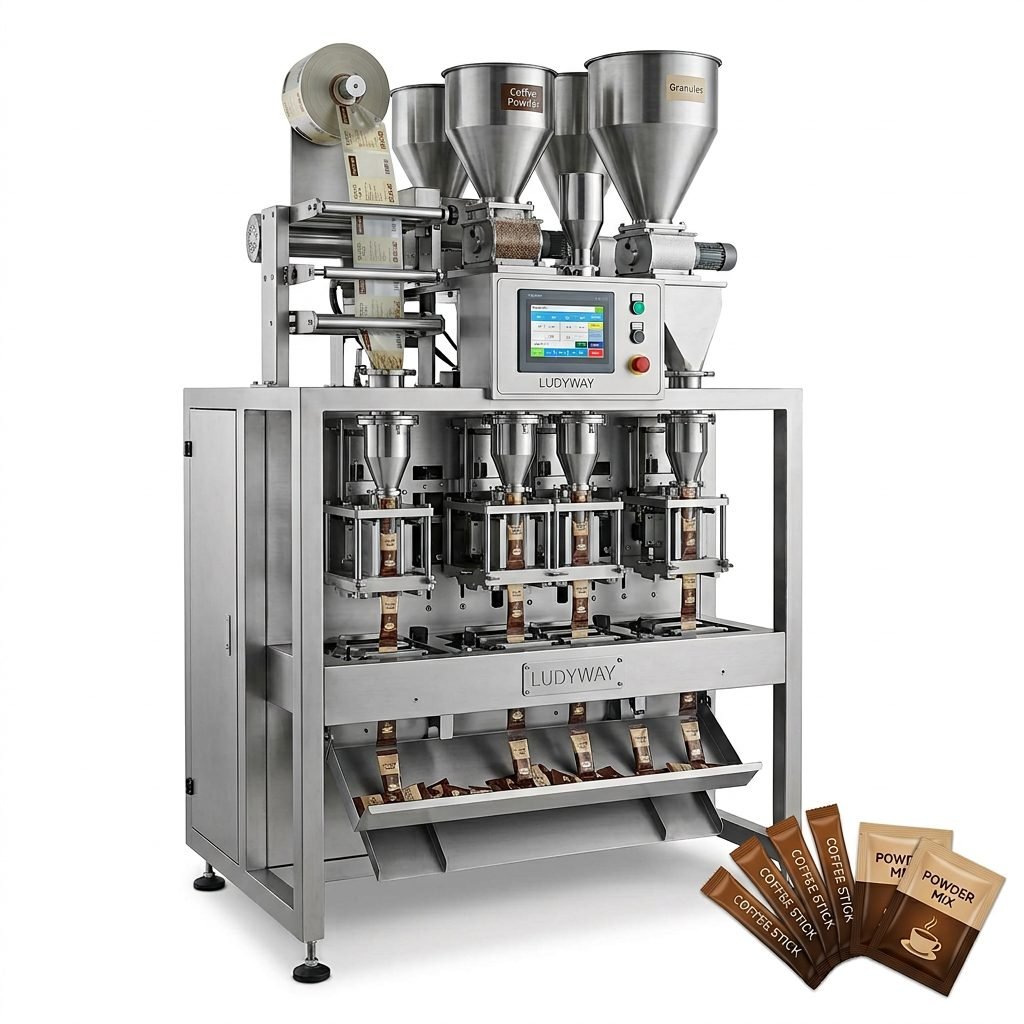
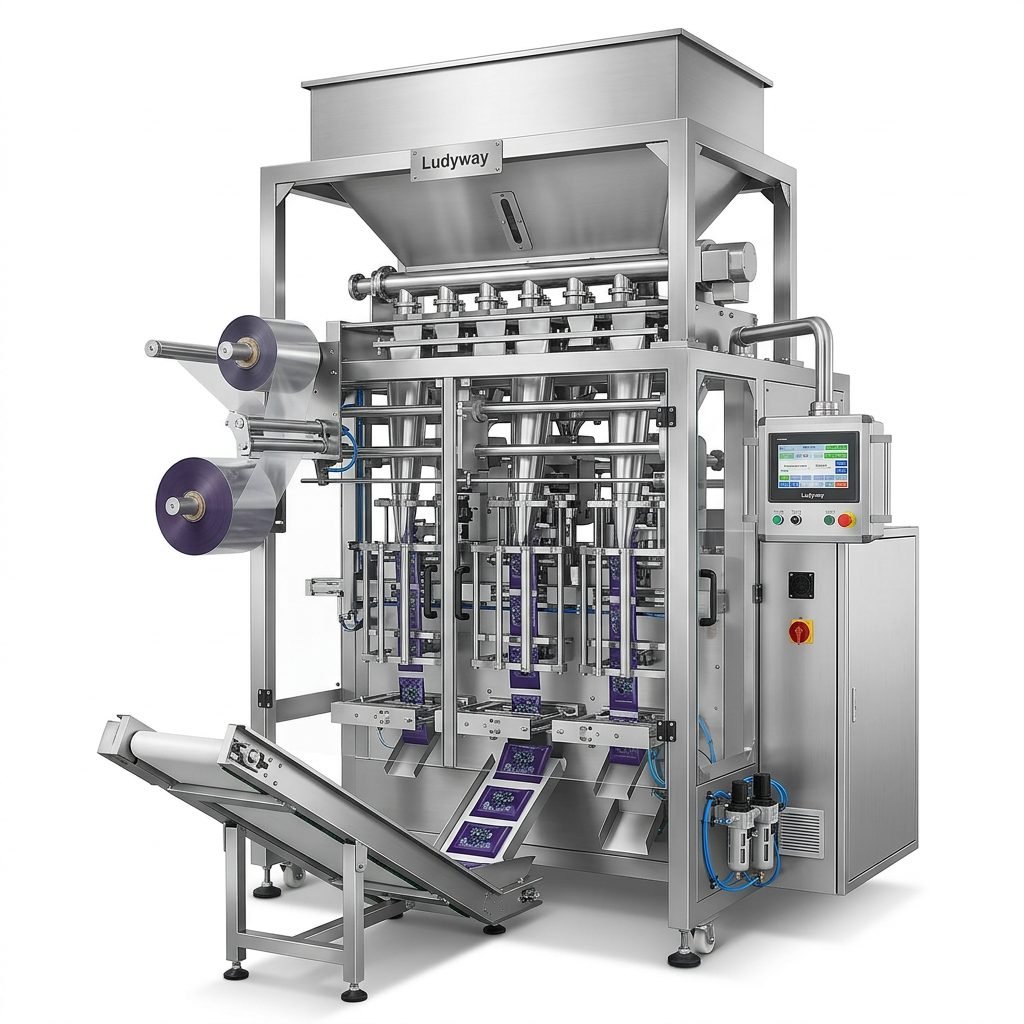
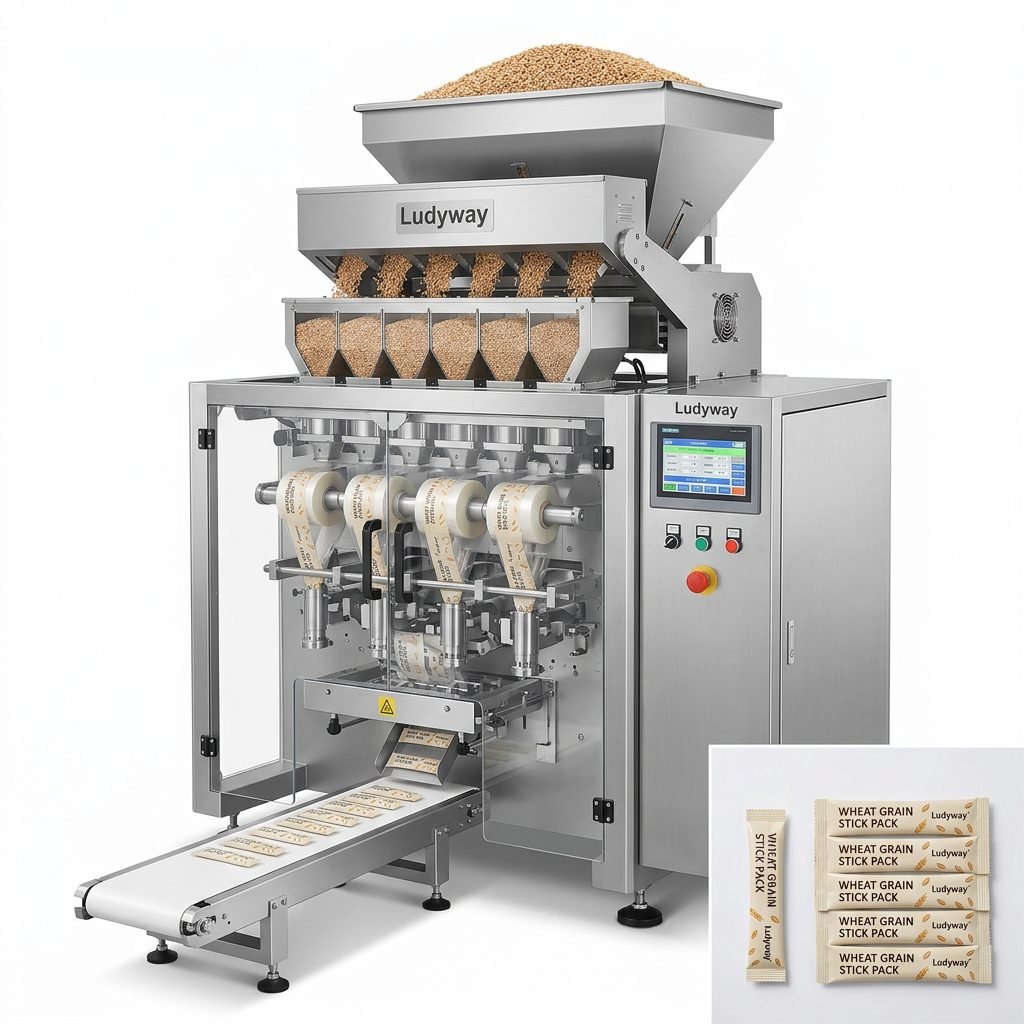
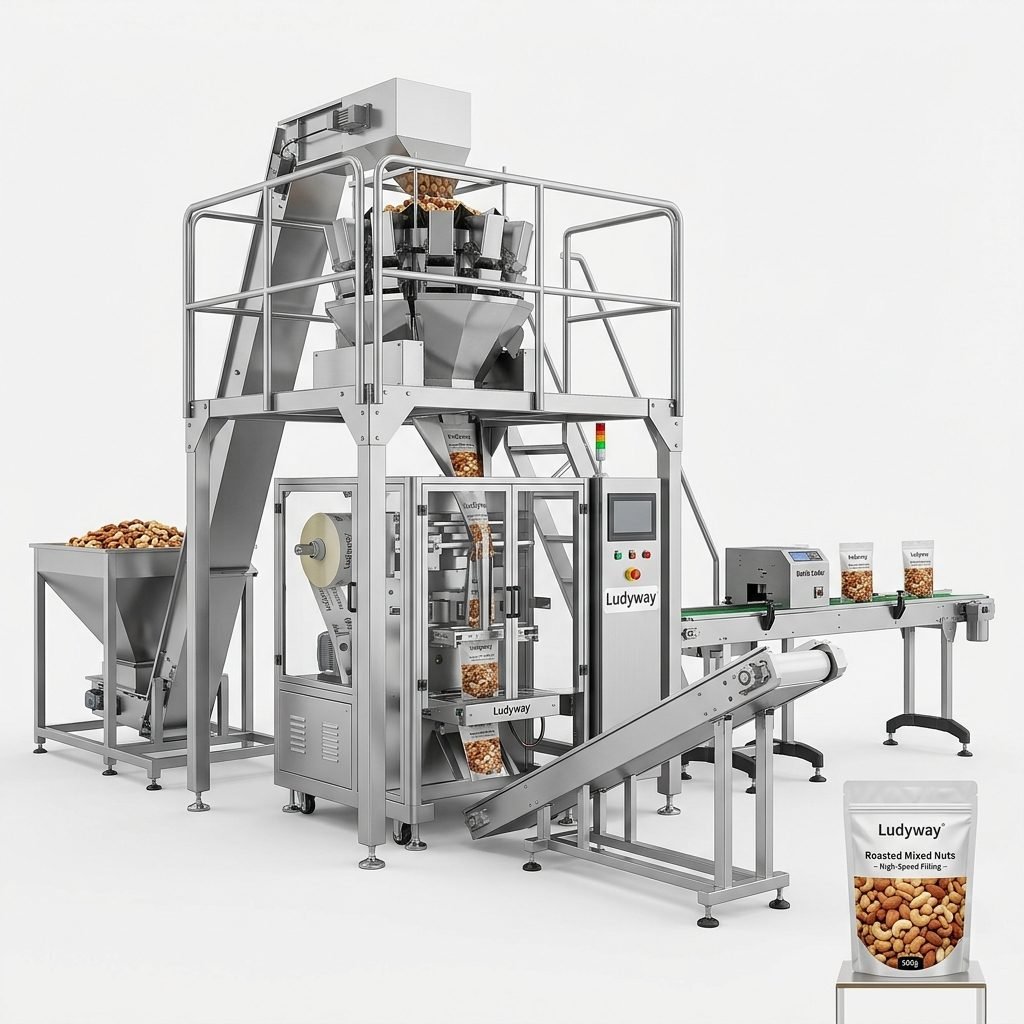
Choosing the right flour packaging machine is a critical decision for any bakery, mill, or food production facility. An automatic flour packing solution not only streamlines your operation but also ensures product consistency, reduces waste, and maintains the quality of your flour from the production line to the end consumer. This guide will walk you through the key factors to consider when selecting the perfect system for your needs.
Understanding Your Flour Packaging Requirements
Before diving into machine specifications, it’s essential to clearly define your operational requirements. The type of flour you package—whether it’s all-purpose, bread flour, cake flour, or specialty blends—can influence the packaging process. Some flours are more prone to dusting or have different flow characteristics.
Key Consideration: Production Volume is the cornerstone of your decision. Are you a small artisanal bakery or a large-scale industrial mill? Your required output, measured in bags per minute or hour, will directly determine the level of automation and machine speed you need.
Furthermore, consider your packaging formats. Do you need to fill pre-made bags, or does your process require form-fill-seal (FFS) technology to create bags from roll stock? Common sizes range from small 1kg or 2lb bags for retail to large 25kg or 50lb sacks for commercial use. The versatility to handle multiple bag sizes on one machine can be a significant advantage.
Core Technologies in Automatic Flour Packing
Modern flour packaging machines primarily utilize two types of filling systems: volumetric and gravimetric (weighing).
Volumetric Fillers
These machines use a cup or auger system to dispense a pre-set volume of flour. They are generally faster and more cost-effective for lower-accuracy applications. However, because flour density can vary, volumetric filling may lead to weight inconsistencies, which can be a critical issue for retail products where net weight is strictly regulated.
Gravimetric Weighing Fillers
Gravimetric systems, such as multi-head weighers or net weigh scales, measure the flour by weight. This technology offers superior accuracy and consistency, crucial for compliance and reducing product give-away. While the initial investment is higher, the precision often leads to long-term savings and brand protection.
Choosing Between Auger and Impeller
Within these systems, the discharge mechanism is vital:
- Auger Filling: A rotating screw gently moves flour through a tube. It’s excellent for minimizing dust and product degradation, making it ideal for fine, low-density flours.
- Impeller Filling: Uses a high-speed spinning impeller to force product out. It’s very fast and suitable for high-volume, free-flowing products, but may generate more dust.
Essential Features for Efficiency and Hygiene
Beyond the basic filling function, several features define a high-quality flour packaging machine.
✔ Dust Control Systems: Flour dust is a major concern for both product loss and worker safety. Look for machines with integrated dust extraction ports, sealed filling heads, and smooth surfaces that are easy to clean.
✔ Easy Changeover & Flexibility: The ability to quickly switch between different bag sizes or flour types minimizes downtime. Features like tool-less adjustments, preset recipes, and user-friendly HMIs (Human-Machine Interfaces) are invaluable.
✔ Sanitary Design: In food production, hygiene is non-negotiable. Machines should be constructed with food-grade materials (e.g., stainless steel contact parts), have minimal crevices, and be designed for easy access and cleaning.
✔ Integration Capabilities: Your packing machine should seamlessly integrate with upstream equipment (like sieves or conveyors) and downstream systems (like checkweighers, metal detectors, or case packers). Consider machines with standard communication protocols (like PLC controls) for future automation.
The Value of a Reliable Supplier
Your relationship with the packaging machine manufacturer is as important as the machine itself. A supplier with deep industry experience brings invaluable expertise. For instance, Ludyway Machinery, with over 30 years in the industry, understands the nuanced challenges of powder packaging. They don’t just sell a machine; they provide a solution tailored to your specific production line and goals.
Consider a supplier’s support structure. Do they offer comprehensive installation, training, and after-sales service? Can they provide spare parts quickly? A partner with a strong track record, like those with extensive international project delivery experience, ensures you have support throughout the machine’s lifecycle, maximizing your return on investment.
Implementing Your New Flour Packing Line
Successful implementation goes beyond unpacking the machine. A thorough site assessment is needed to ensure proper placement, power supply, and compressed air connections. Operator training is critical for safety, efficiency, and basic troubleshooting. Finally, plan for a commissioning period where the machine is fine-tuned for your specific flour and bags, ensuring it meets all your performance metrics for speed, accuracy, and reliability.
Frequently Asked Questions (FAQs)
1. What is the typical accuracy I can expect from an automatic flour packing machine?
High-quality gravimetric systems can achieve accuracies within ±1-2 grams for small bags (1-5kg) and within ±10-20 grams for larger 25kg bags. Volumetric systems are less precise, often with variations of ±5-10 grams or more, depending on product flow characteristics.
2. How do I control the dust generated during the flour packing process?
Look for machines designed with dust containment in mind. Key features include sealed filling heads with dust extraction ports, integrated suction hoods, and smooth, easy-to-clean surfaces. Connecting these ports to a central dust collection system is highly recommended for a clean production environment.
3. Can one machine handle different types of flour and bag sizes?
Many modern machines are designed for flexibility. Quick-change parts (like augers, funnels, and forming tubes) and digital recipe storage on the HMI allow for relatively fast changeovers between different flour types and bag sizes, making them suitable for producers with a diverse product range.
4. What is the lead time for a new automatic flour packaging line?
Lead times vary significantly based on complexity and customization. A standard machine might be delivered in 8-12 weeks, while a fully customized turnkey line with integration can take 4-6 months or more. Planning ahead and engaging with your supplier early in the process is crucial.
5. What kind of maintenance does an automatic flour packer require?
Regular daily cleaning is the most important task. Scheduled maintenance typically includes lubricating moving parts, checking seals and gaskets for wear, calibrating scales, and inspecting electrical components. A reliable supplier will provide a detailed maintenance schedule and training for your team.