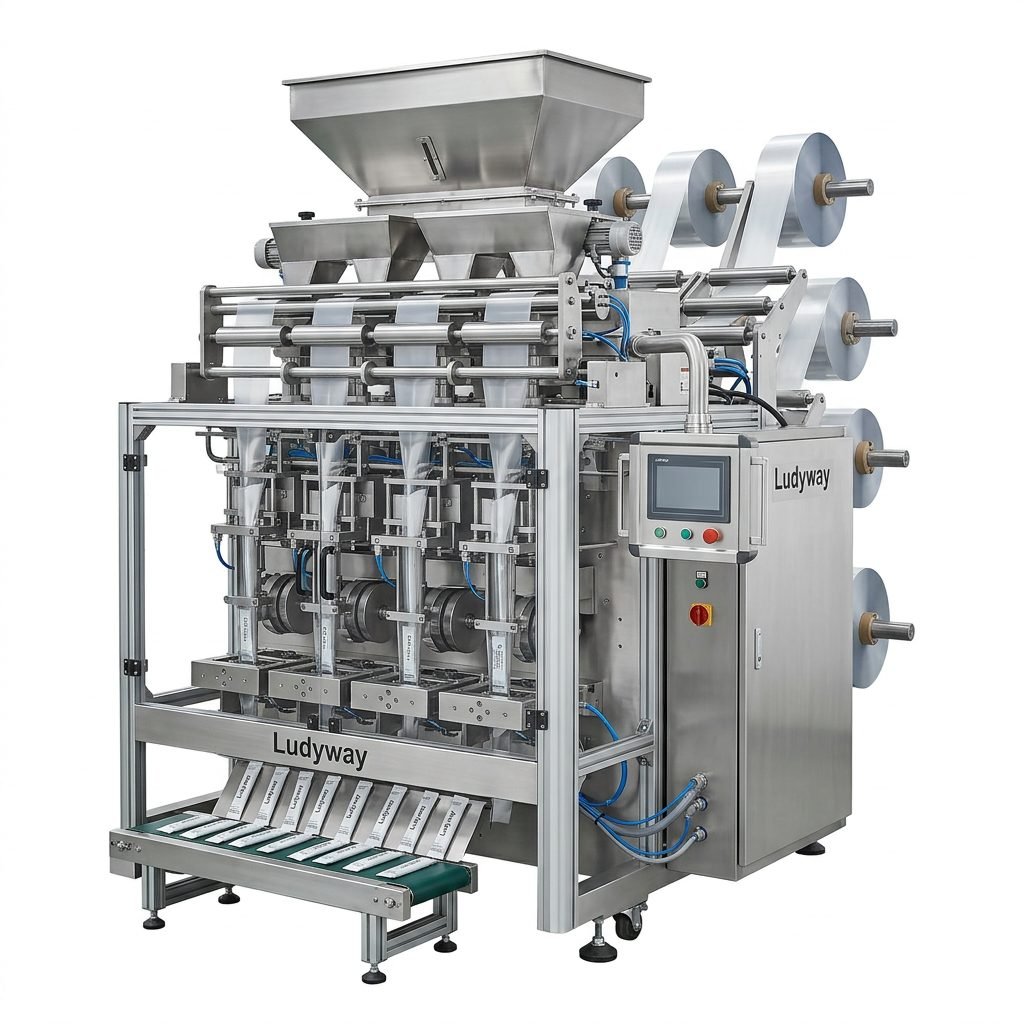
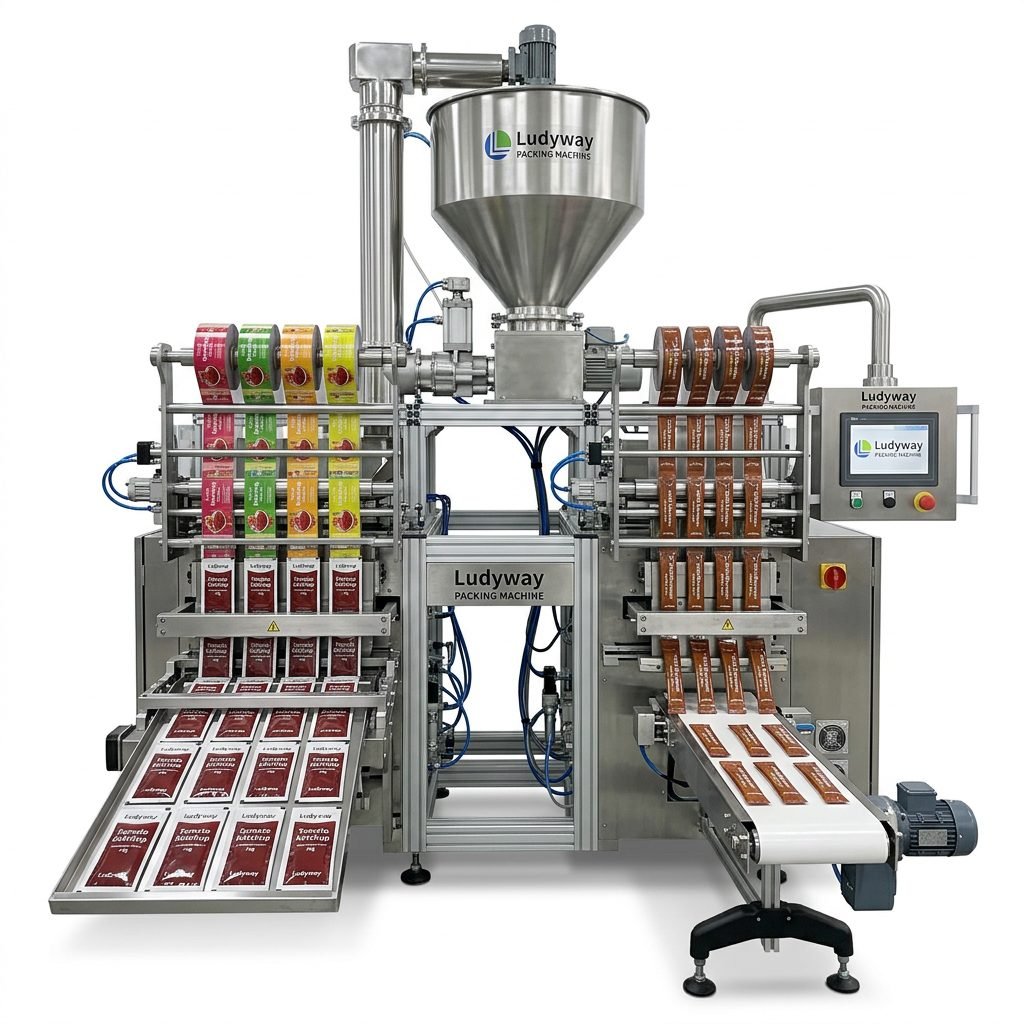
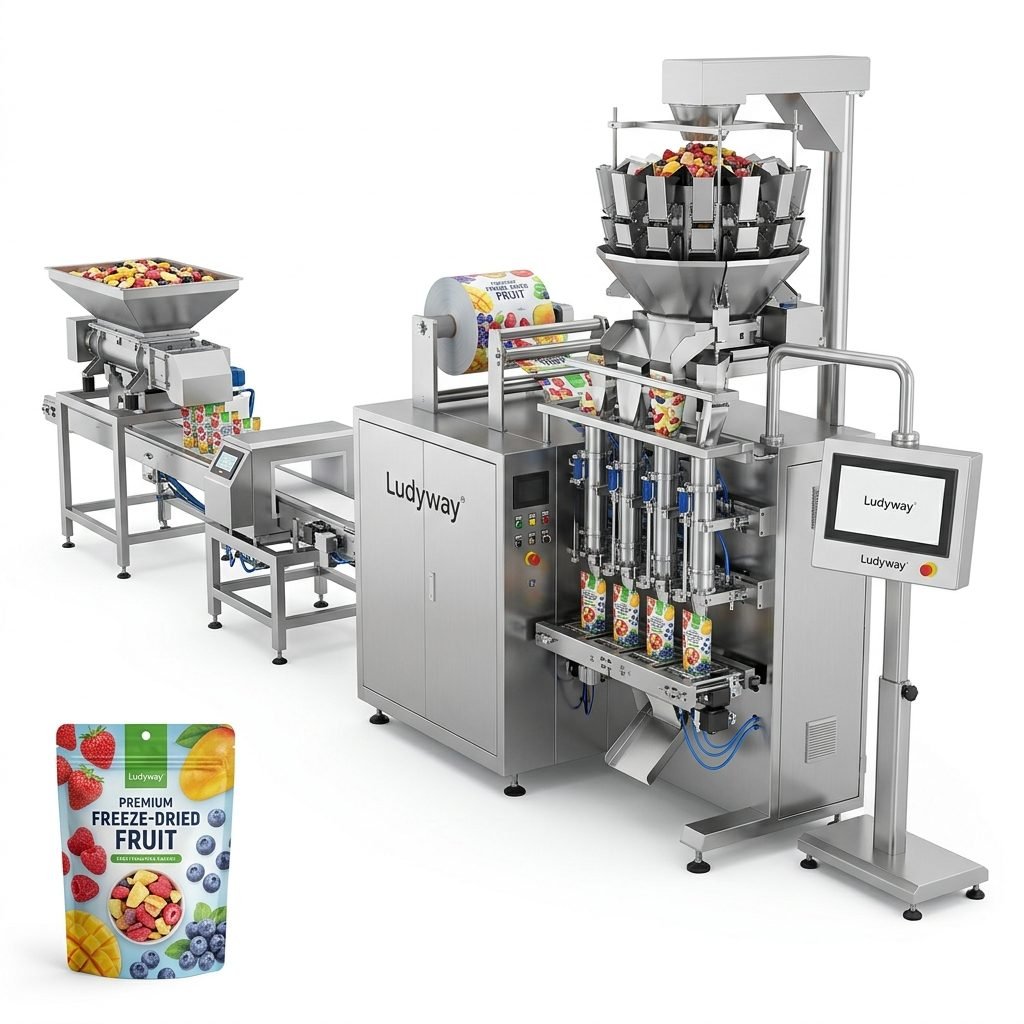
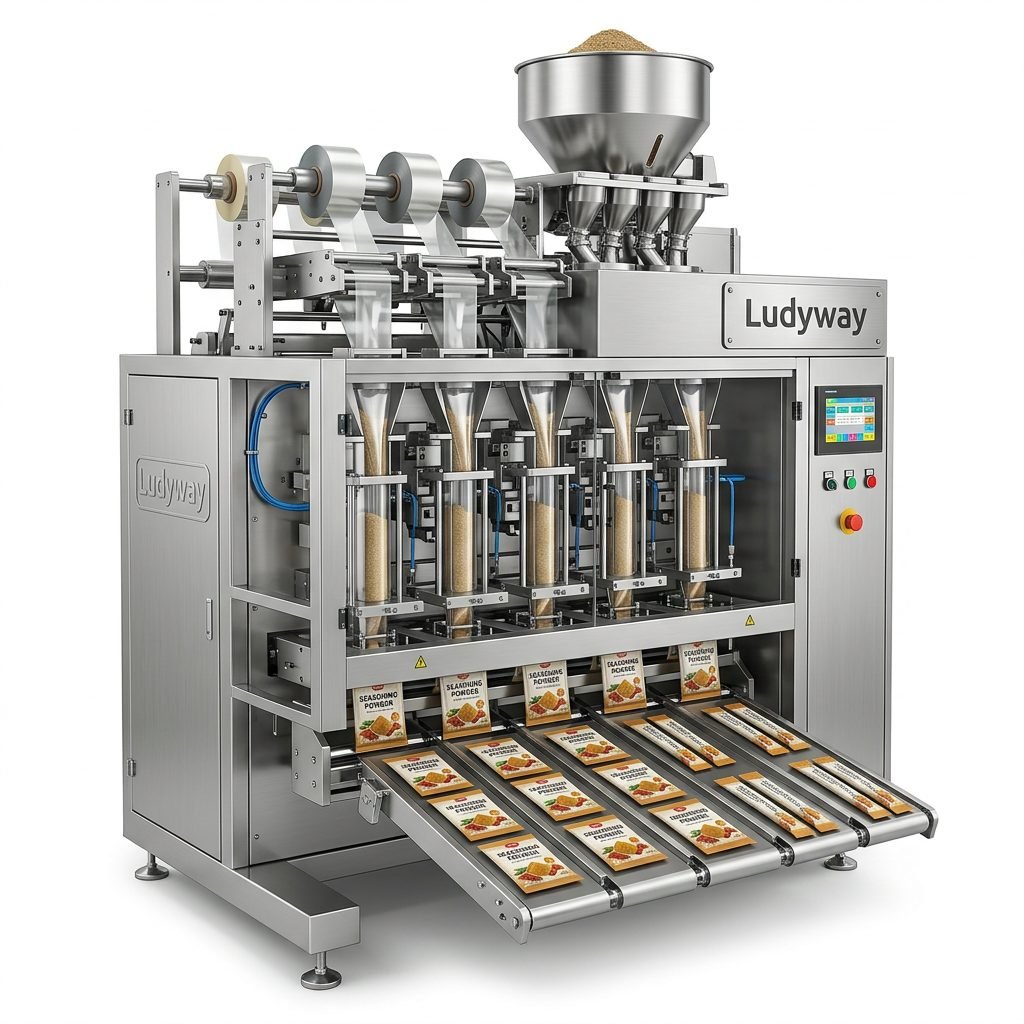
A flow pack packaging machine is one of the most widely used solutions for wrapping individual products quickly, neatly, and consistently. It is commonly used in food, pharmaceutical, cosmetic, household, and consumer goods industries because it can create attractive sealed packs with high production efficiency.
If you are evaluating flow wrapping equipment for your production line, understanding how the machine works, where it performs best, and what to look for before buying can help you avoid costly mistakes and choose a machine that fits your product, speed target, and packaging material.
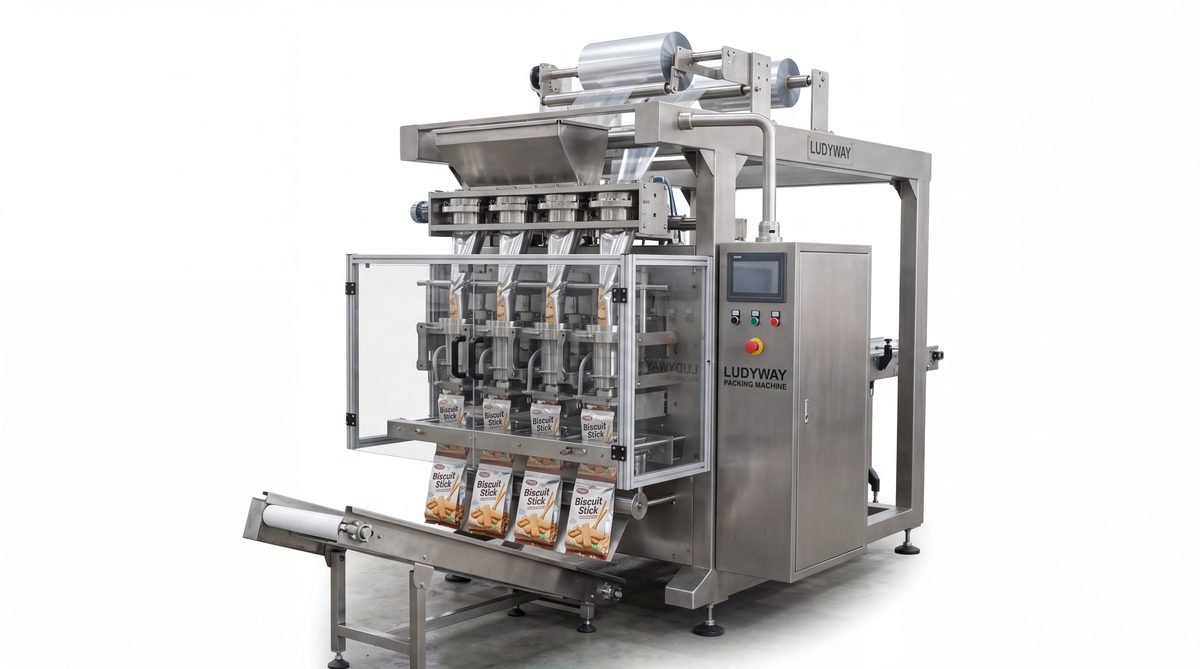
What Is a Flow Pack Packaging Machine?
A flow pack packaging machine, also called a horizontal flow wrapper or HFFS machine, is a packaging system that wraps products in a continuous roll of film. The film is formed around the product, sealed along the length, and then sealed and cut across the ends to create a finished pillow pack or similar package style.
This packaging format is popular because it offers:
- Clean and professional product presentation
- Fast automatic wrapping for high-volume production
- Good protection against dust, moisture, and contamination
- Compatibility with printed films and retail-ready branding
- Flexible application across many product categories
How Does a Flow Pack Packaging Machine Work?
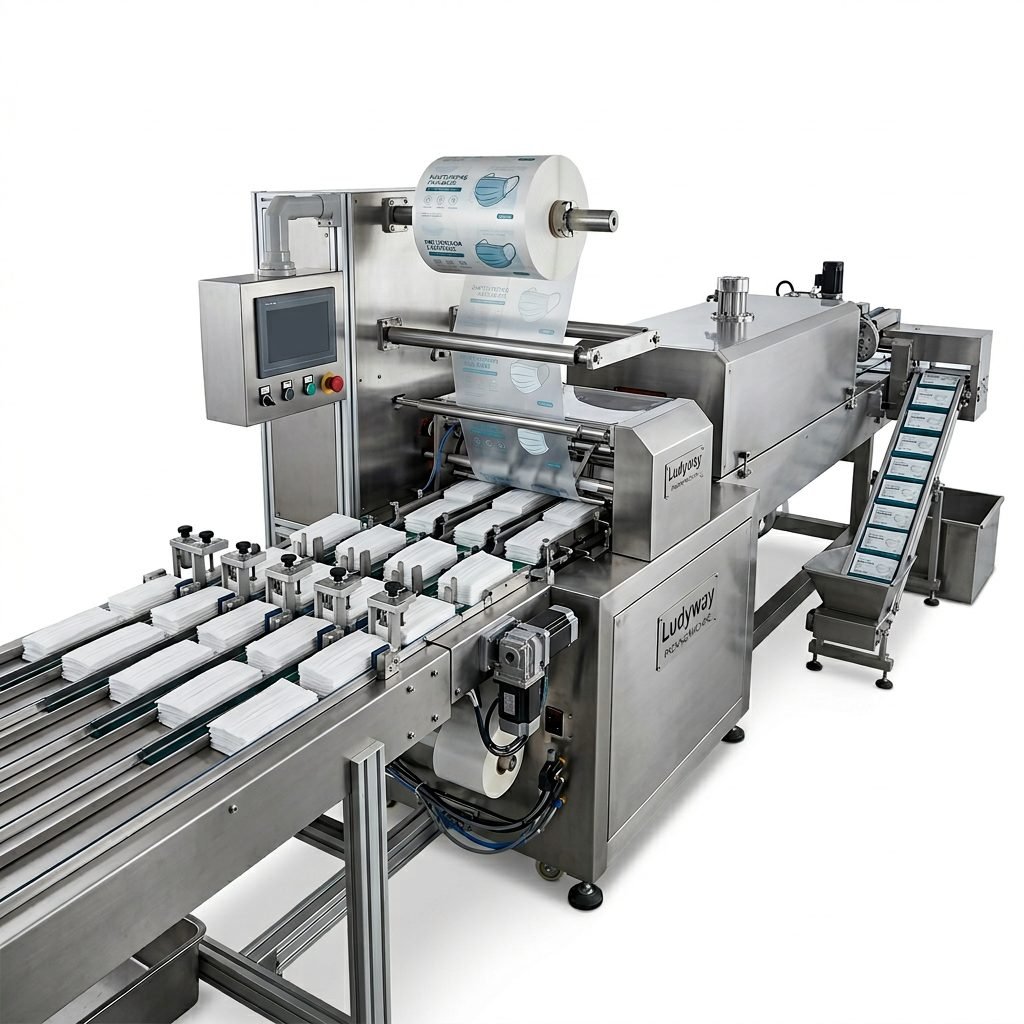
Although machine designs vary by product type and automation level, the working principle is generally straightforward. The machine moves products forward, wraps them in film, seals the package, and discharges the finished pack continuously.
Step-by-Step Working Process
- Product feeding: Products are placed manually or automatically onto the infeed conveyor.
- Spacing and alignment: The machine arranges products at the correct pitch to ensure accurate sealing and cutting.
- Film unwinding: Packaging film is pulled from a film roll and guided toward the forming section.
- Film forming: A forming box or shoulder shapes the flat film around the product.
- Longitudinal sealing: The film edges are sealed together to create the back or fin seal.
- End sealing and cutting: Rotary jaws seal the front and rear ends of each pack and cut the packages apart.
- Discharge: The completed packs exit the machine for coding, inspection, cartoning, or case packing.
Main Components of a Flow Wrapper
- Infeed conveyor
- Product spacing device
- Film roll holder and film tracking system
- Forming box
- Longitudinal sealing unit
- Rotary end sealing jaws
- Cutting system
- PLC and touchscreen controls
- Sensors for registration marks and product detection
- Date coding or printing integration
| Machine Section | Function |
|---|---|
| Infeed conveyor | Transfers products into the wrapping area |
| Film unwind system | Feeds packaging film smoothly at controlled tension |
| Forming box | Shapes flat film around the product |
| Longitudinal sealer | Creates the center or fin seal along the pack length |
| End sealing jaws | Seal both ends and separate individual packages |
| Control system | Synchronizes machine speed, sealing, cutting, and tracking |
Common Products Packed by Flow Pack Machines
Flow pack machines are highly versatile. They are suitable for products that need individual wrapping, easy handling, and an attractive shelf appearance.
Typical Applications
- Biscuits, cookies, wafers, and bakery items
- Chocolate bars and confectionery
- Instant noodles seasoning kits and snack components
- Soap bars and hygiene items
- Medical devices and sterile consumables
- Face masks and personal care sachet kits
- Hardware parts and consumer accessories
- Frozen foods and portion-packed goods
Key Benefits of a Flow Pack Packaging Machine
For manufacturers focused on output, consistency, and package appearance, flow wrapping offers several important advantages.
1. High Packaging Speed
Flow wrappers are built for continuous motion, making them ideal for medium- to high-speed production. This helps businesses increase daily output without relying heavily on manual labor.
2. Attractive Retail Packaging
The finished package is clean, neat, and easy to print with brand graphics, batch codes, and promotional messaging. This improves shelf appeal and brand recognition.
3. Better Product Protection
Properly selected film and sealing settings can help protect products from dust, moisture, and outside contact. For many food and medical products, this is critical for quality and compliance.
4. Lower Labor Requirement
Automation reduces repetitive manual packing work, improves consistency, and lowers the risk of human error in sealing and pack count.
5. Flexible Integration
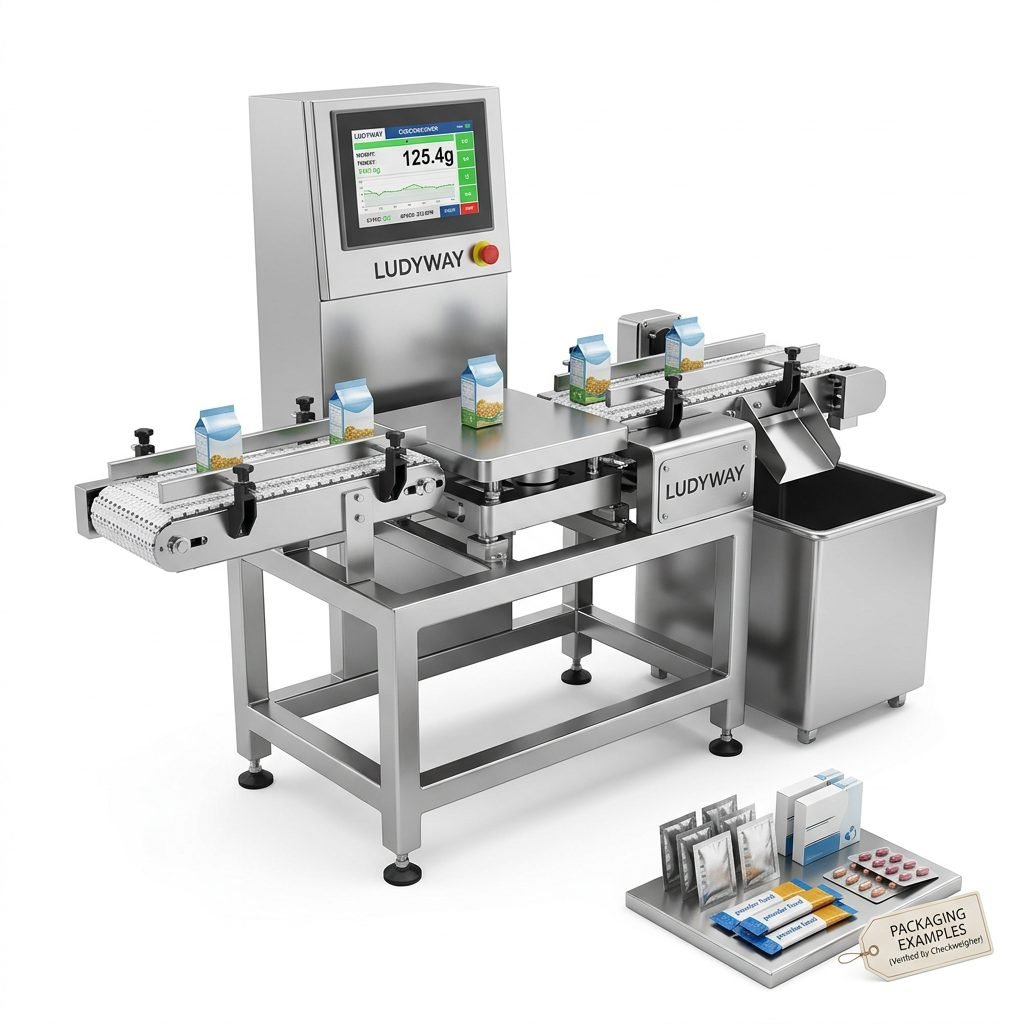
A flow pack machine can often be integrated with feeders, printers, checkweighers, metal detectors, cartoners, and case packers for a more complete packaging line.
6. Material Efficiency
Compared with some other package styles, flow wrapping can use film efficiently while still achieving a secure and attractive package.
| Benefit | Business Impact |
|---|---|
| High speed | Increases production capacity |
| Stable sealing | Reduces rejects and rework |
| Good appearance | Improves shelf presentation and branding |
| Automation | Cuts labor cost and manual handling |
| Line compatibility | Supports full packaging line upgrades |
Types of Flow Pack Packaging Machines
Not every flow wrapper is the same. The right type depends on product shape, speed, film type, and required seal quality.
By Automation Level
- Semi-automatic flow pack machines: Better for lower output or more manual product loading
- Fully automatic flow pack machines: Ideal for continuous production with automatic feeding and synchronization
By Product Handling Style
- Standard horizontal flow wrappers for regular products
- Servo-driven machines for high precision and easy adjustment
- High-speed rotary jaw models for large-volume production
- Modified atmosphere or nitrogen flushing models for sensitive food products
- Medical-grade flow wrappers for sterile or clean packaging requirements
Flow Pack vs Other Packaging Machines
Buyers often compare flow wrappers with vertical form fill seal machines, premade pouch machines, or shrink wrapping equipment. Each has different strengths.
| Machine Type | Best For | Package Style |
|---|---|---|
| Flow pack machine | Solid, single-piece, tray-supported, or grouped products | Pillow pack / flow wrap |
| VFFS machine | Powders, granules, and free-flowing products | Pouches and bags |
| Premade pouch machine | Premium pouch packaging | Stand-up or flat pouches |
| Shrink wrapper | Bundling or outer wrapping | Shrink film wrap |
What to Consider Before Buying a Flow Pack Packaging Machine
Choosing a machine based only on price can create long-term production problems. The better approach is to match the equipment to your actual product and factory conditions.
Product Characteristics
- Product dimensions and shape
- Fragility or deformation risk
- Single-piece or multi-pack format
- Dry, wet, sticky, or oily surface conditions
Required Output
Be clear about your target packs per minute, current output, and future production growth. A machine that is too small will quickly become a bottleneck.
Packaging Material Compatibility
Check whether the machine supports your preferred film type, such as laminated film, BOPP, CPP, recyclable materials, or barrier films. Seal temperature and film tracking performance matter a lot.
Seal Quality and Product Protection
For food, pharma, and personal care products, consistent seals are essential. Ask for sample packs produced with your own product and film.
Machine Footprint and Factory Layout
Make sure the machine fits your available floor space and can connect smoothly with upstream feeding and downstream packing systems.
Control System and Ease of Use
A user-friendly touchscreen, recipe storage, servo control, and fast format changeover can save significant setup time.
After-Sales Support
Good technical support, spare parts availability, training, and remote troubleshooting are often just as important as the machine itself.
Buying Checklist for Flow Pack Machine Buyers
- Confirm your product size range and pack style
- Define required speed in packs per minute
- Test your actual packaging film on the machine
- Check seal strength and package appearance
- Verify changeover time for different SKUs
- Ask about servo motors, PLC brand, and electrical components
- Review safety guards and compliance features
- Understand spare parts and service response time
- Evaluate integration with printers, feeders, and cartoners
- Request videos, case studies, and sample pack proofing
Industries That Benefit Most from Flow Wrapping
Flow wrapping is especially valuable in industries where speed, hygiene, visual consistency, and unit packaging are critical.
Food Industry
Used for bakery items, snack bars, biscuits, frozen foods, confectionery, and prepared food components. It helps maintain freshness while improving retail presentation.
Pharmaceutical and Medical Industry
Suitable for medical disposables, test kits, wipes, dressings, and some individually wrapped healthcare products where cleanliness and seal integrity matter.
Cosmetics and Personal Care
Common for face masks, wipes, soap bars, and personal care kits that require neat wrapping and strong branding.
Industrial and Consumer Goods
Also used for hardware, accessories, small tools, and bundled consumer products that need organized presentation and barcode-ready wrapping.
Common Problems and How to Avoid Them
Poor Sealing
This may result from incorrect temperature, unsuitable film, or unstable product feed. Proper film selection and parameter tuning are essential.
Film Tracking Errors
Printed film requires stable mark tracking. A reliable sensor system and servo control can reduce misalignment.
Product Jams
Improper spacing, irregular product shape, or unstable infeed can lead to jams. Product handling design should match the real product condition.
Excessive Downtime
Choose a machine with accessible maintenance points, clear diagnostics, and dependable parts support.
Should You Buy a Standalone Machine or a Full Packaging Line?
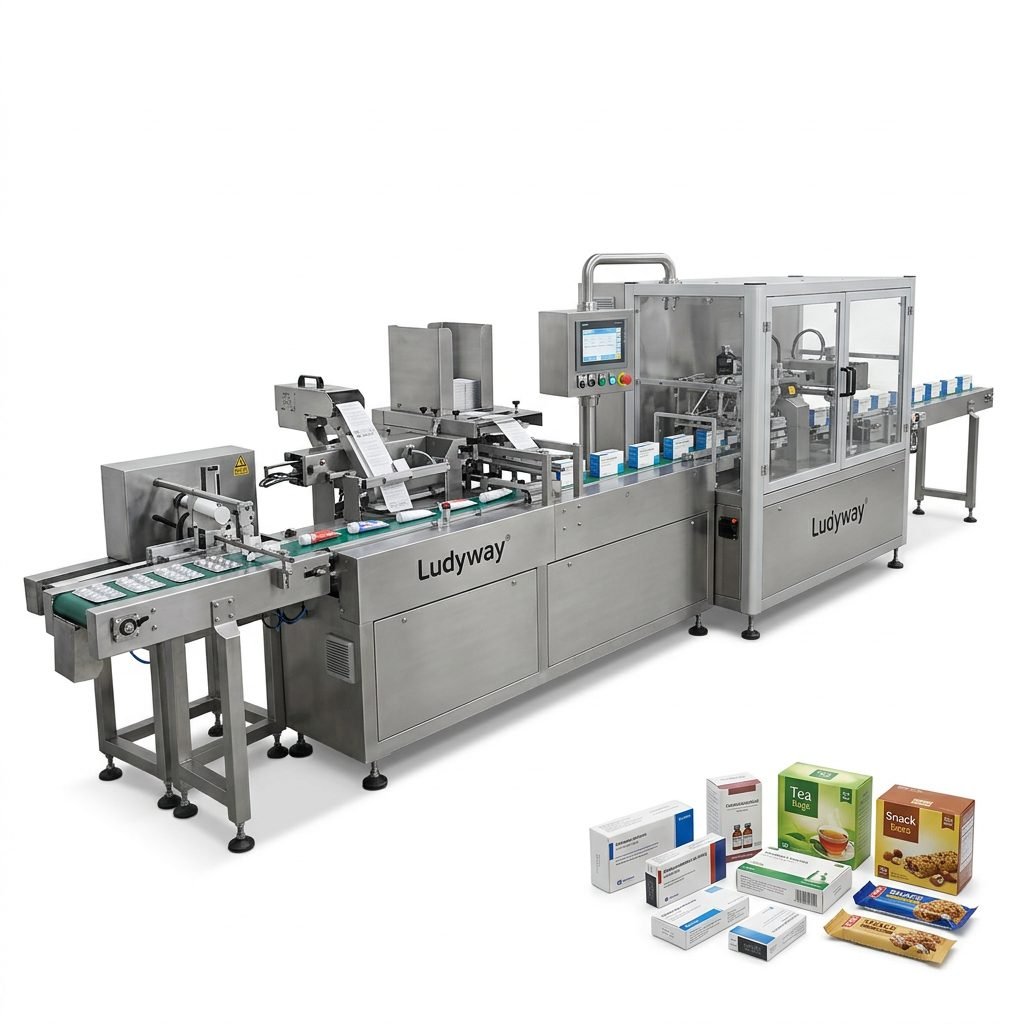
If you only need wrapping, a standalone machine may be enough. But if your goal is to improve total production efficiency, a complete packaging line may offer better long-term value. This can include feeding, flow wrapping, coding, inspection, cartoning, case packing, and palletizing.
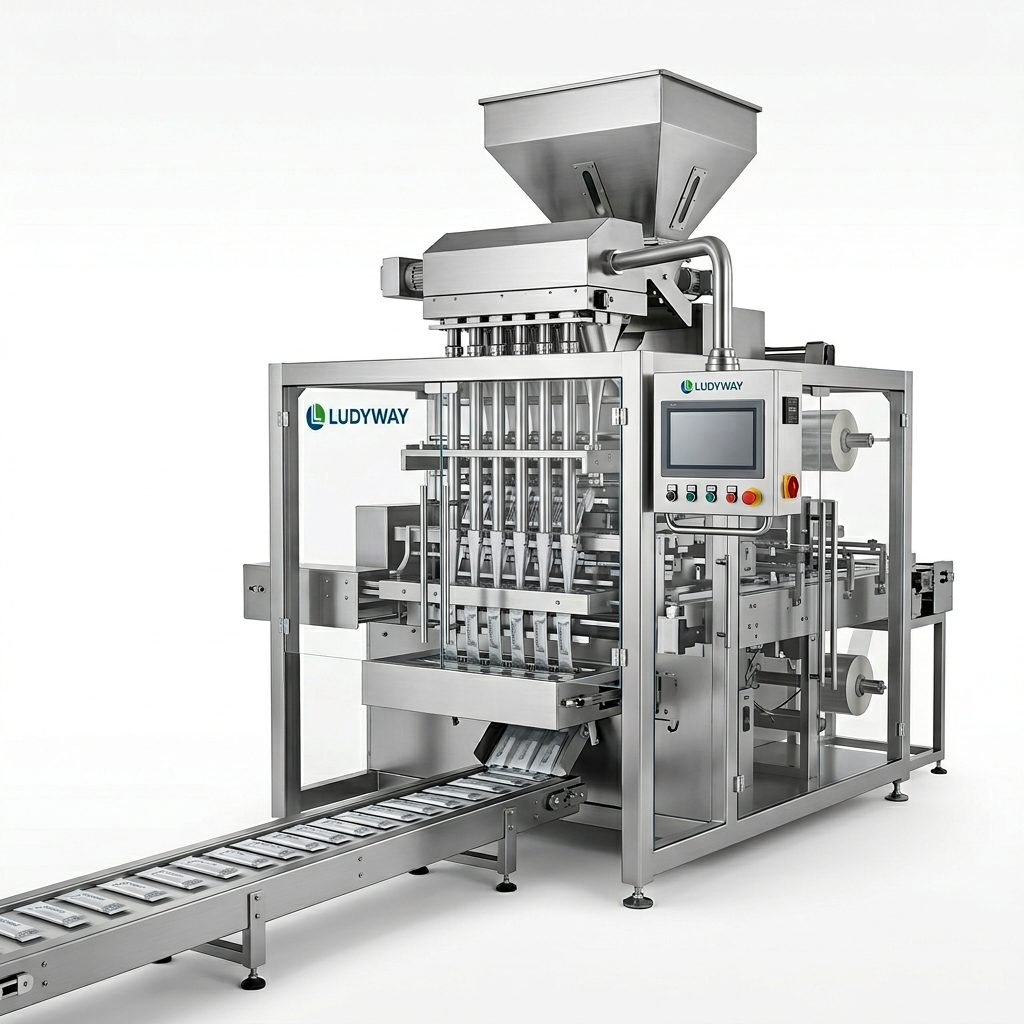
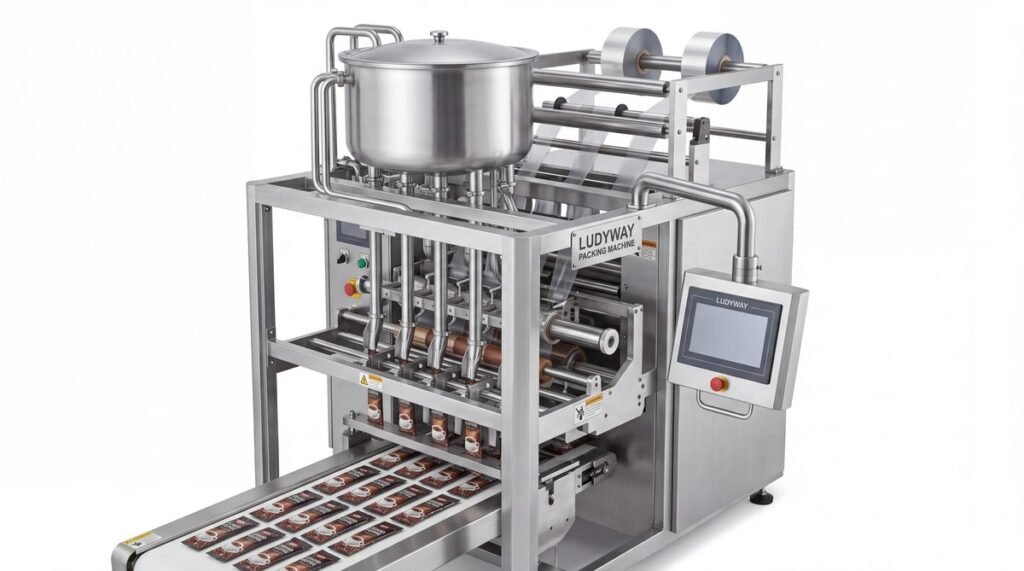
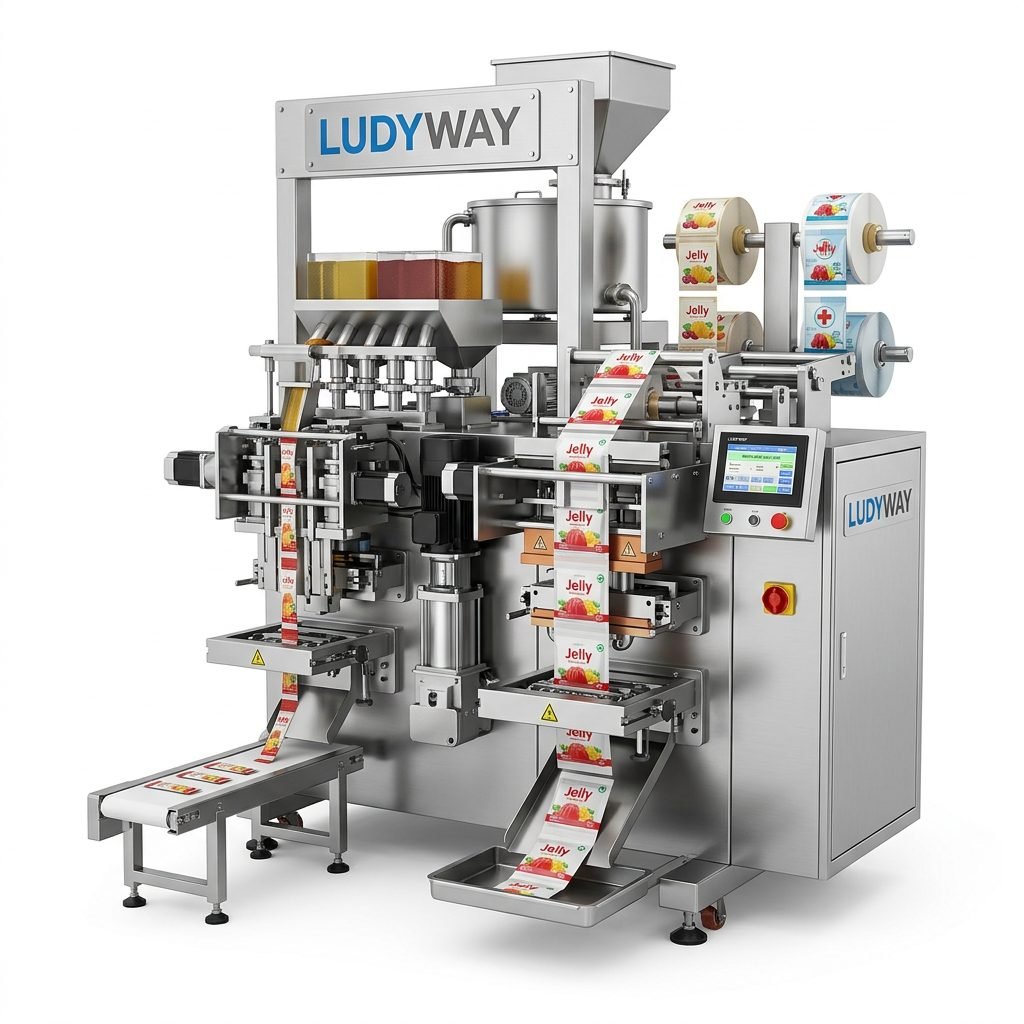
For manufacturers looking for scalable automation, Ludyway packaging machine solutions are often considered for both standalone equipment and turnkey packaging lines across food, pharmaceutical, health supplement, and related industries.
Final Tips for Choosing the Right Flow Pack Packaging Machine
- Choose based on product fit, not only machine speed
- Request real product testing before purchase
- Think about future SKU expansion and automation upgrades
- Pay attention to sealing consistency and machine stability
- Prioritize supplier experience and technical support
A well-matched flow pack packaging machine can improve productivity, reduce manual work, protect product quality, and strengthen your retail presentation. When selected carefully, it becomes more than a packaging machine—it becomes a long-term production asset.