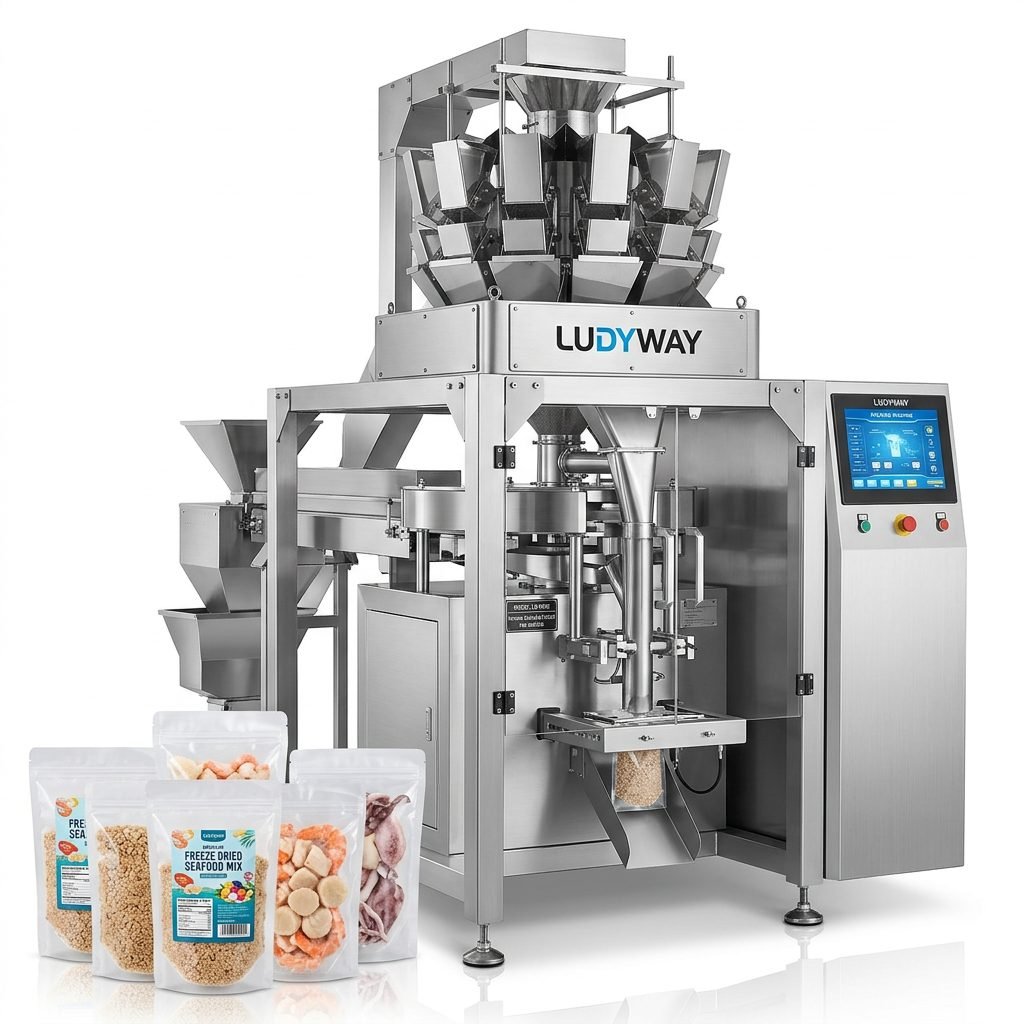
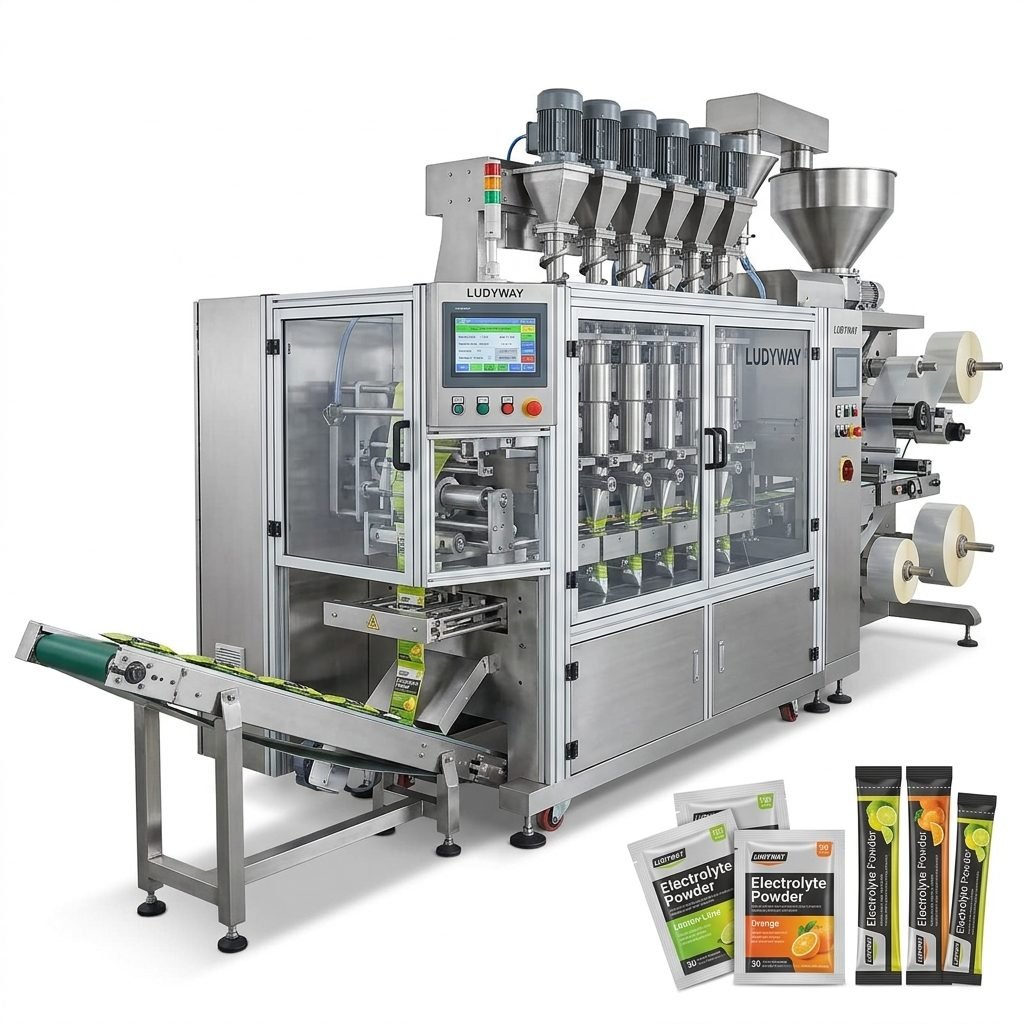
When investing in a food packaging machine, the first question that comes to mind is invariably about the cost. However, the price tag you see is rarely the whole story. The true cost of a food packaging machine is influenced by a complex interplay of factors, from its core technology and production capacity to the level of automation and the specific materials it handles. Understanding these variables is crucial for making an informed investment that balances upfront expenditure with long-term operational efficiency and return on investment.
Breaking Down the Initial Investment
The sticker price of a packaging machine is just the starting point. This initial cost can range from a few thousand dollars for a basic, semi-automatic unit to several hundred thousand dollars for a fully integrated, high-speed automated line. The primary cost drivers at this stage include:
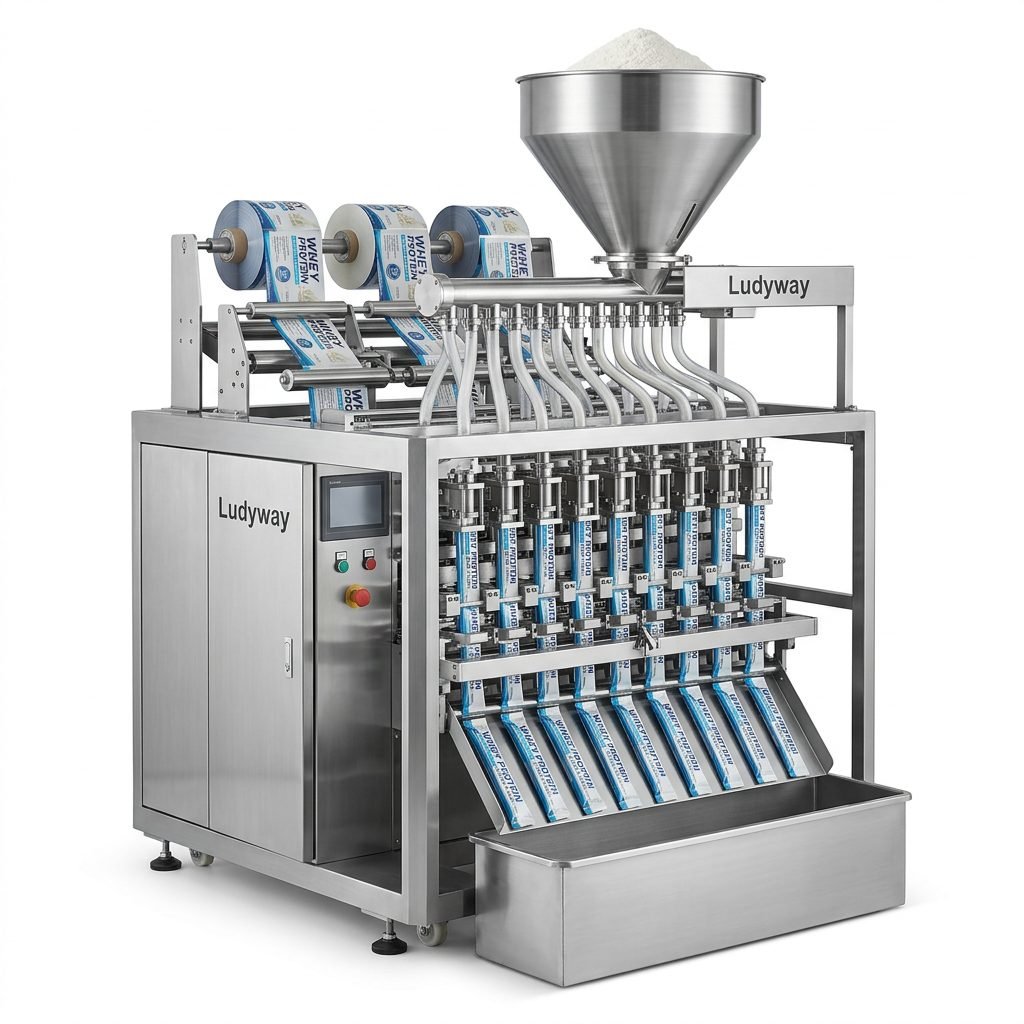
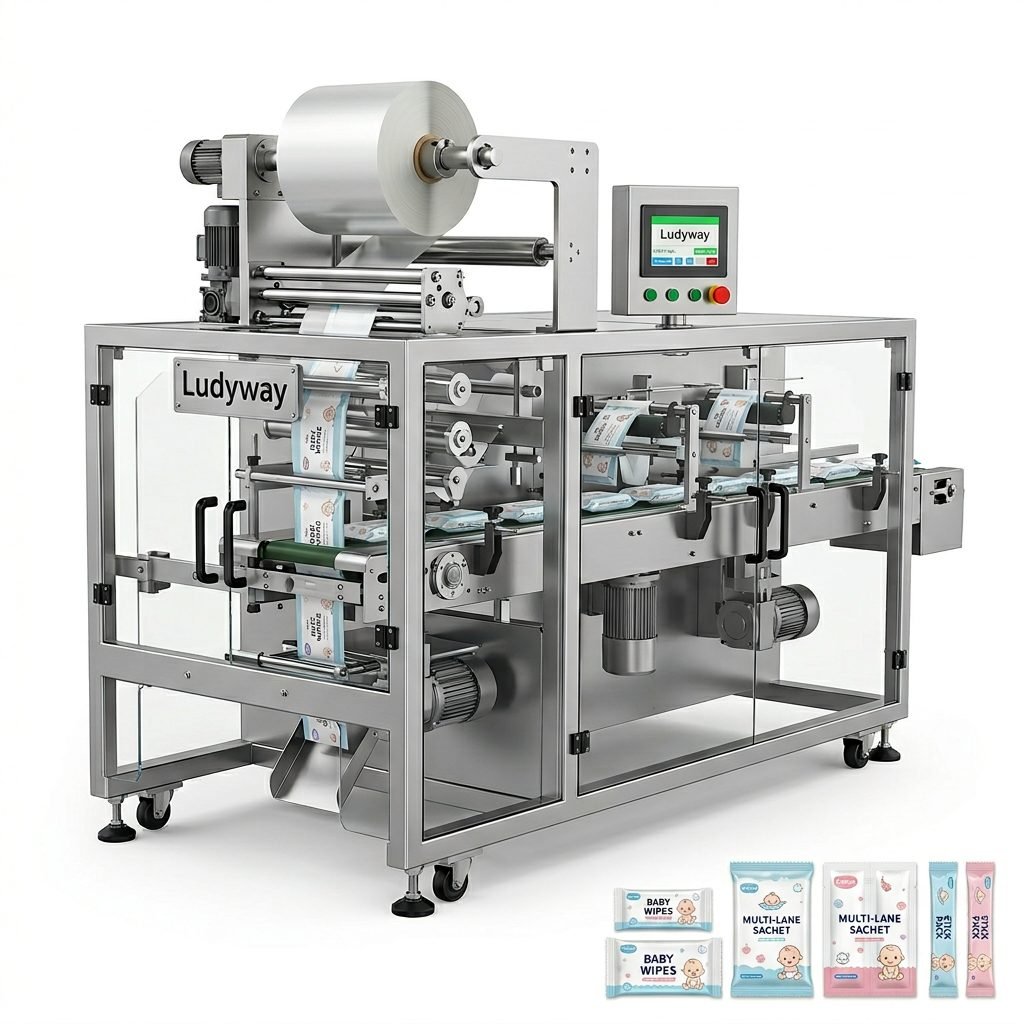
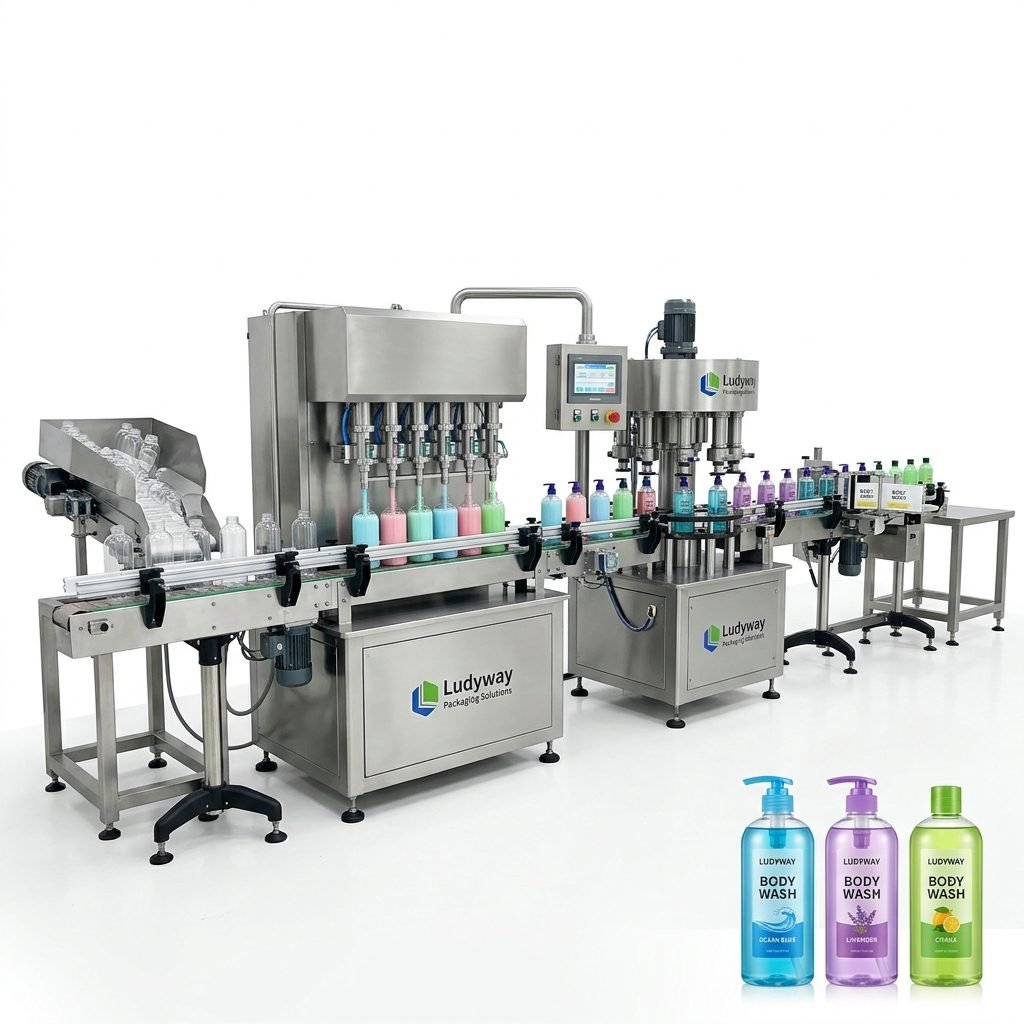
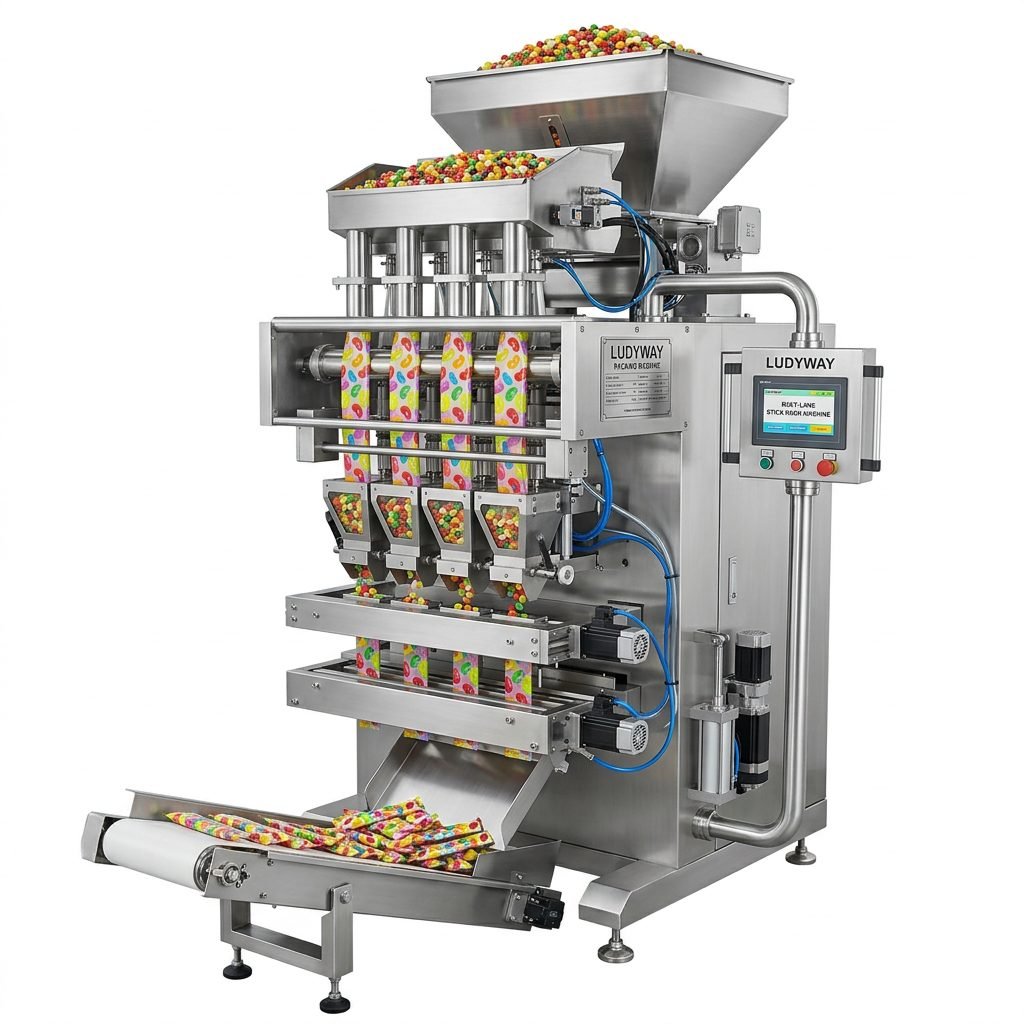
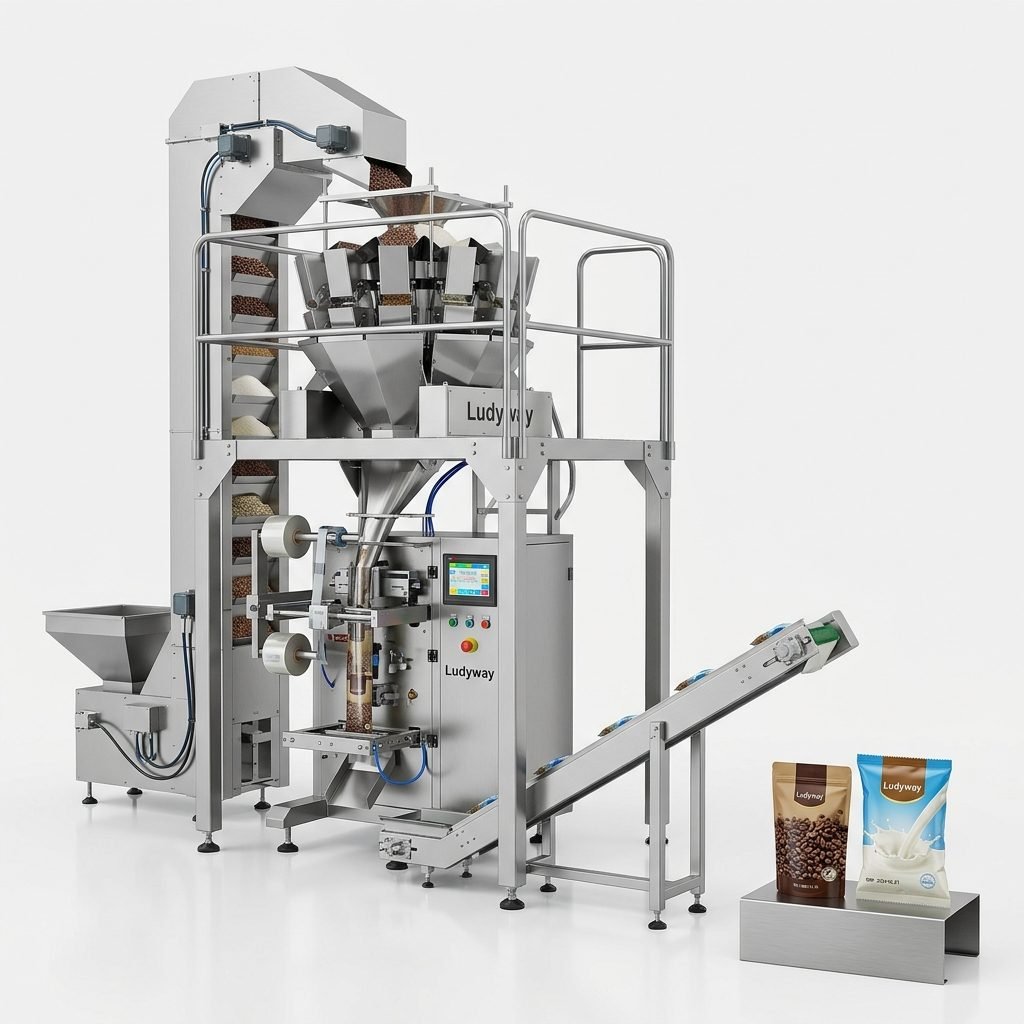
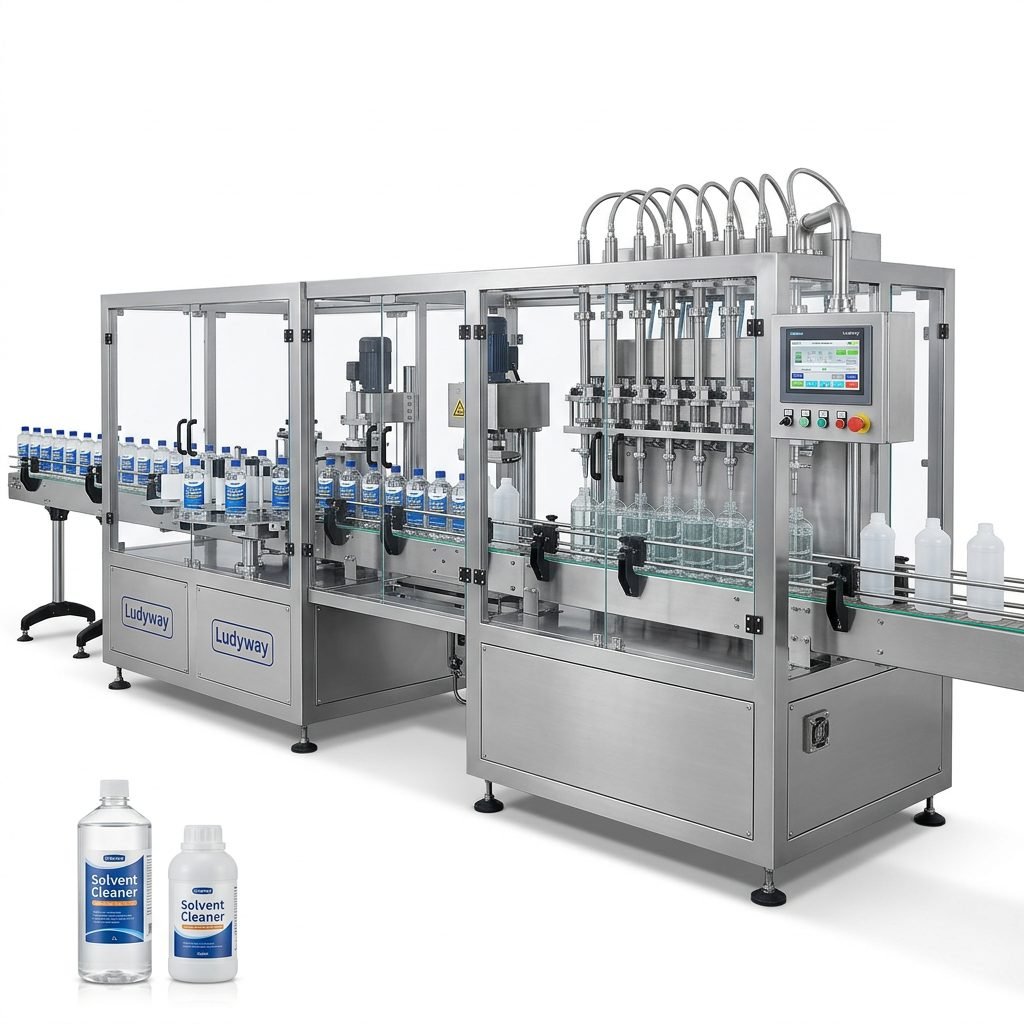
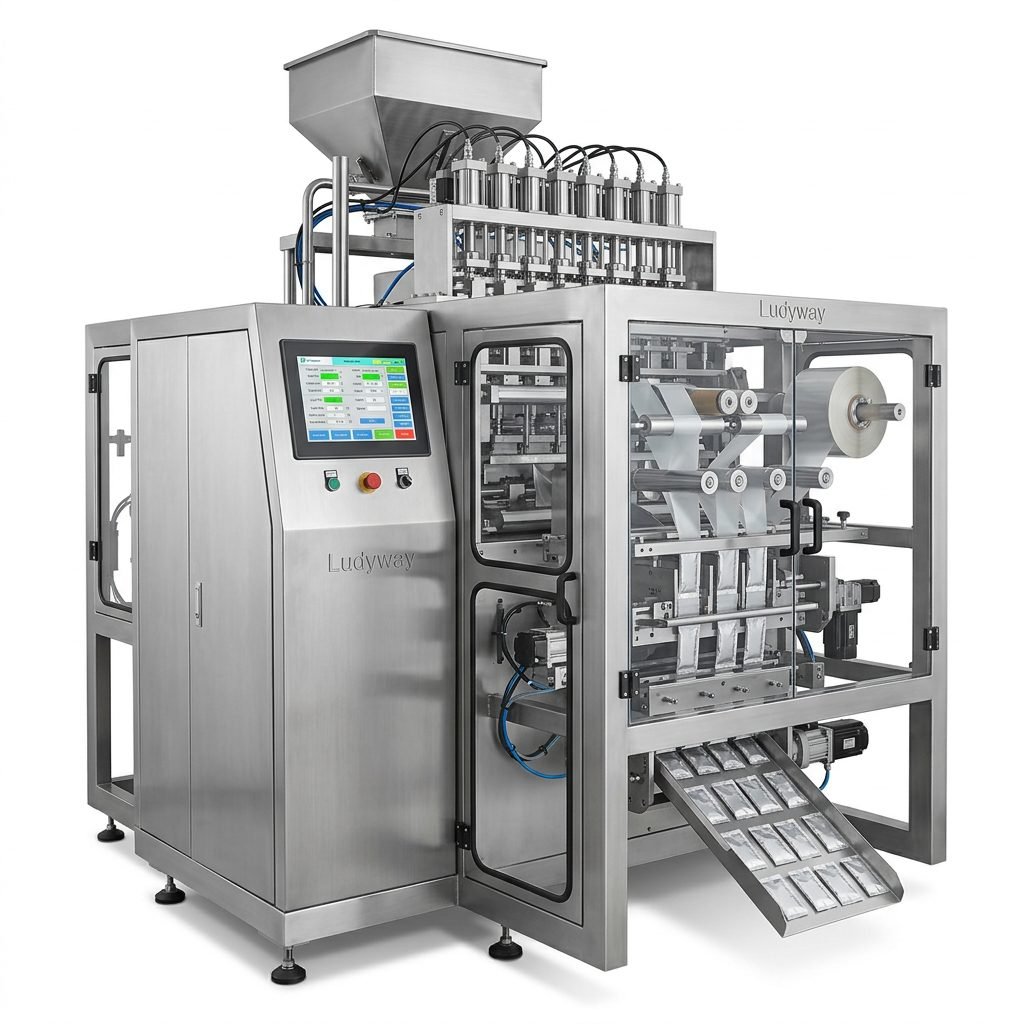
Machine Type and Technology: A simple vertical form-fill-seal (VFFS) machine for pouches will cost significantly less than an advanced aseptic liquid filling line or a multi-lane stick pack machine. The sophistication of the sealing mechanism, precision of the dosing system, and integration of vision inspection systems all add to the base cost.
Production Speed and Output: Machines are rated by cycles per minute (CPM) or packages per minute (PPM). A higher-speed machine designed for large-scale production requires more robust components, advanced motors, and sophisticated control systems, commanding a higher price. It’s essential to match the machine’s speed with your actual production volume to avoid overpaying for unused capacity or underinvesting in a machine that becomes a bottleneck.
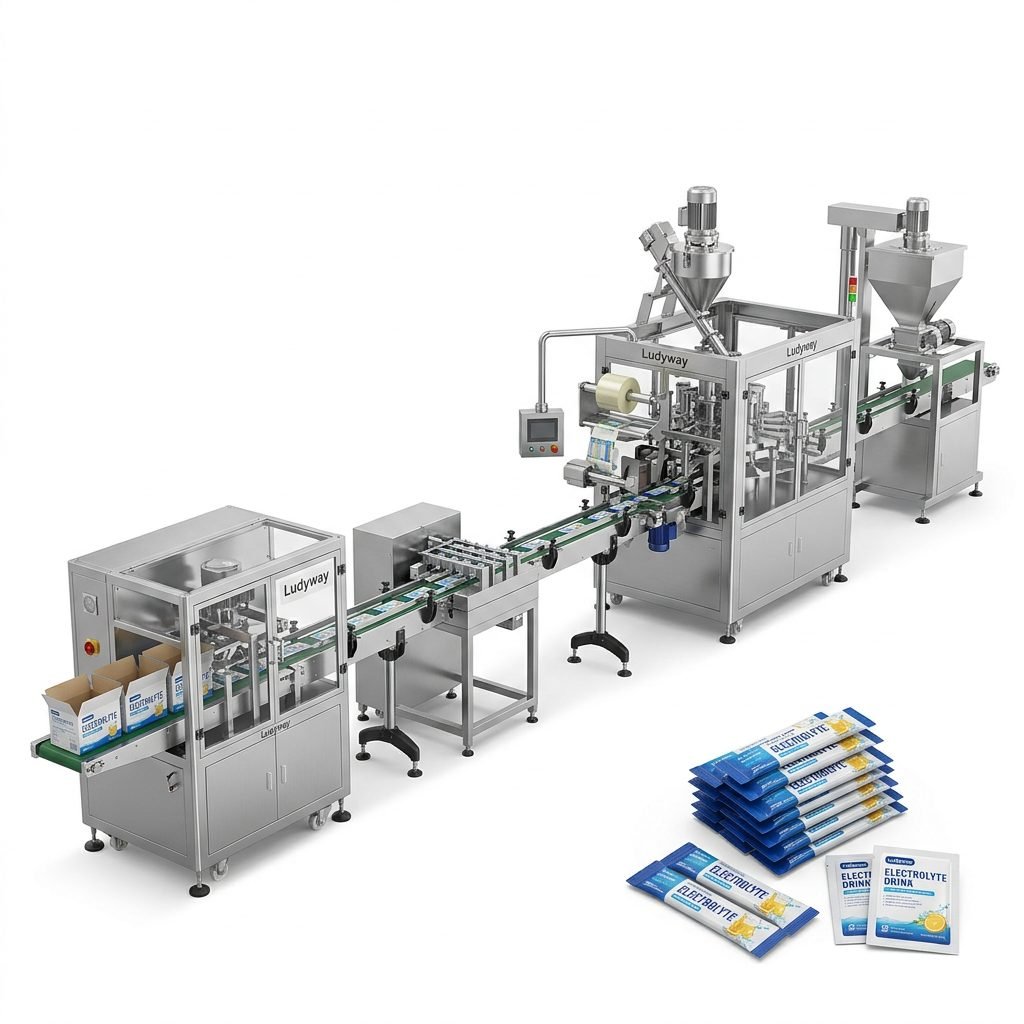
Level of Automation: Semi-automatic machines, which require manual feeding or indexing, are the most affordable. Fully automatic machines with automated feeding, conveying, and cartoning integration represent a much larger investment. The cost of robotic palletizers or integrated checkweighers, while adding to the initial price, can drastically reduce labor costs and improve consistency over time.
Key Factors That Impact the Total Cost of Ownership
Looking beyond the purchase price reveals the Total Cost of Ownership (TCO), which is often a more accurate measure of value. A cheaper machine with high maintenance costs and frequent downtime can ultimately be more expensive than a pricier, more reliable model.
1. Material Compatibility and Flexibility
A machine’s ability to handle your specific packaging materials is paramount. The cost is affected by:
- Film Type: Running complex multi-layer laminates or high-barrier films may require more powerful sealing jaws, precise temperature control, and specialized film handling systems, increasing the machine’s complexity and cost.
- Package Format Changeovers: If you produce multiple product sizes or pouch styles, a machine with quick-change features (like tool-less changeover systems) will cost more upfront but save immense time and labor costs during production runs.
2. Precision and Product Integrity
For food products, especially spices, supplements, or high-value ingredients, dosing accuracy is non-negotiable. Machines equipped with high-precision auger fillers, weight-based fillers, or liquid piston pumps are more expensive but minimize product giveaway, ensure compliance, and protect your brand’s reputation for consistency.
Did You Know?
Even a 1-gram overfill on millions of packages can result in massive annual product loss. Investing in precision filling technology often pays for itself through reduced giveaway.
3. Hygiene, Safety, and Compliance Standards
Food-grade manufacturing demands specific construction standards. Machines built with stainless steel contact parts, IP-rated washdown motors, and smooth, crevice-free surfaces for easy cleaning (following guidelines like EHEDG or 3-A) are more costly to manufacture. However, they are essential for meeting food safety regulations and avoiding costly contamination-related shutdowns.
4. After-Sales Support and Service
The initial quote should always be considered alongside the supplier’s support ecosystem. A reliable partner like Ludyway Packing Machine provides value beyond the hardware. Key support cost factors include:
- Warranty Period and Terms: A comprehensive warranty can save thousands in early repair costs.
- Availability of Spare Parts: Locally stocked common parts reduce machine downtime from days to hours.
- Technical Training and Support: Access to detailed manuals, online resources, and responsive technical support ensures your team can operate and maintain the machine effectively, maximizing its lifespan.
Making a Smart Investment Decision
Choosing the right machine is a strategic decision. Start by conducting a thorough analysis of your current and future needs. Create a detailed specification list covering your product type, required output, packaging materials, and necessary certifications. Obtain quotes from multiple reputable suppliers, but compare them on TCO, not just purchase price. Consider the supplier’s reputation, industry experience, and portfolio of successful installations. A partner with over 30 years of industry experience brings invaluable insight into optimizing your packaging line for efficiency and reliability.
Finally, view the machine as a productivity tool, not just a cost center. The right automated packaging solution from a trusted provider can reduce labor dependency, minimize material waste, increase line efficiency, and ensure consistent, high-quality output—all contributing to a faster return on your investment and a stronger competitive position in the market.
Frequently Asked Questions (FAQs)
What is the typical price range for a food packaging machine?
There is no single “typical” price. Semi-automatic tabletop machines can start around $5,000 – $15,000. Standard automatic vertical pouch machines often range from $30,000 to $80,000. High-speed, multi-lane, or specialized machines (like liquid fillers or stick pack machines) can range from $100,000 to over $500,000 for a complete turnkey line.
Are used or refurbished machines a good way to save cost?
They can be, but carry higher risk. It’s crucial to buy from a reputable dealer who can provide service history, perform thorough reconditioning, and offer a warranty. For critical applications or where latest safety standards are required, a new machine from a reliable supplier like Ludyway is often the safer long-term investment.
What are the most common hidden costs after purchase?
Common hidden costs include: installation and commissioning fees, utility hookups (electrical, air, water), necessary peripheral equipment (compressors, chillers, conveyors), ongoing costs for spare parts and preventive maintenance, and operator training costs.
How can I reduce the operating cost of my packaging machine?
Focus on efficiency: implement preventive maintenance to avoid costly breakdowns, optimize film usage to reduce waste, train operators thoroughly to minimize errors, and consider upgrades that improve speed or accuracy. Choosing a machine designed for easy cleaning can also reduce sanitation labor time.
Why does supplier reputation matter more than the lowest price?
The machine is a long-term asset. A reputable supplier ensures quality manufacturing, provides reliable technical support, stocks spare parts, and helps you optimize your line. The lowest-priced machine often comes with minimal support, leading to higher downtime, frustration, and ultimately, a higher total cost of ownership.