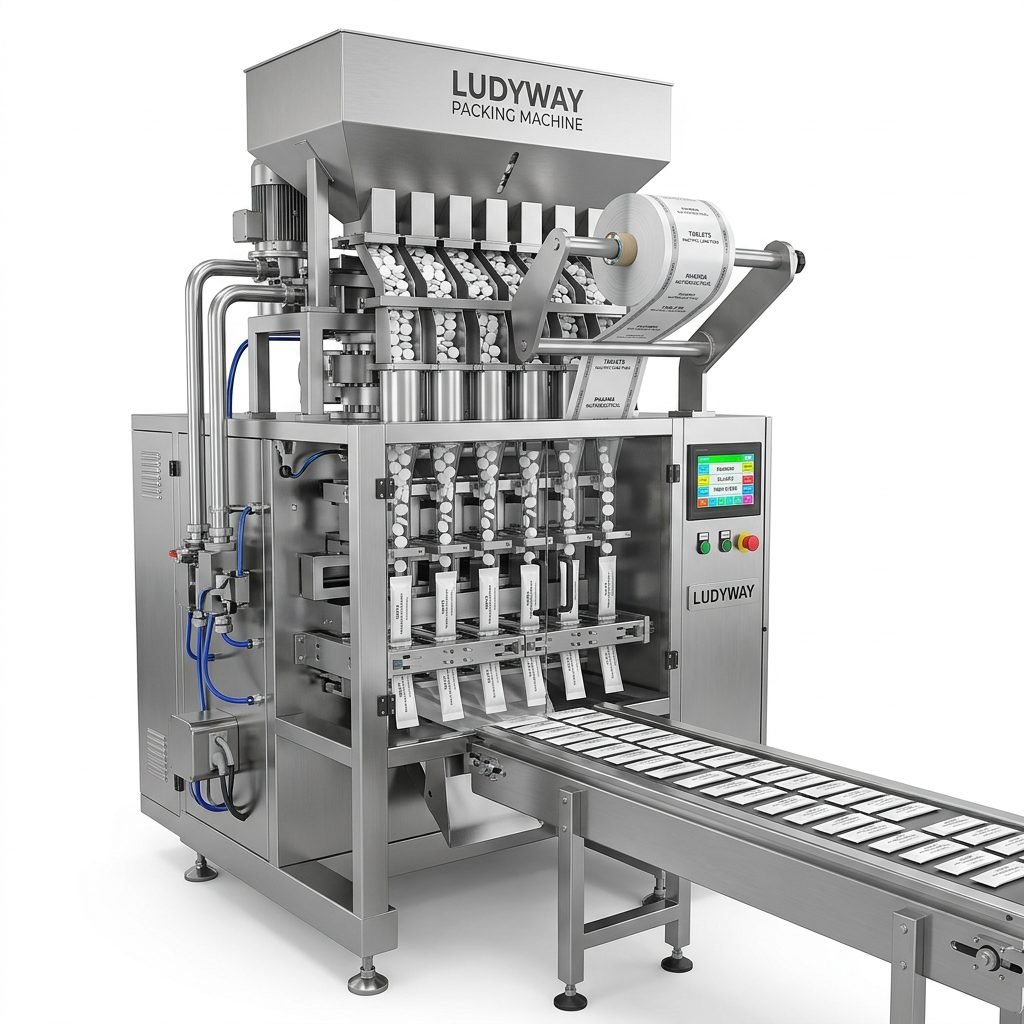
For brands packaging sauces, creams, gels, oils, syrups, detergents, and other flowable products, a pickle pouch packing machine offers a practical way to improve consistency, reduce manual labor, and increase output. Whether you are packing liquid or paste products in sachets, stick packs, or premade pouches, the right automatic system can transform production efficiency while maintaining sealing quality and fill accuracy.
Modern pouch packing equipment is designed for diverse industries including food, pharmaceutical, cosmetic, household chemical, and health supplement applications. For manufacturers handling products with different viscosities, the ideal solution combines stable dosing, hygienic contact parts, precise sealing control, and flexibility for multiple pouch formats.
What Is a Pickle Pouch Packing Machine?
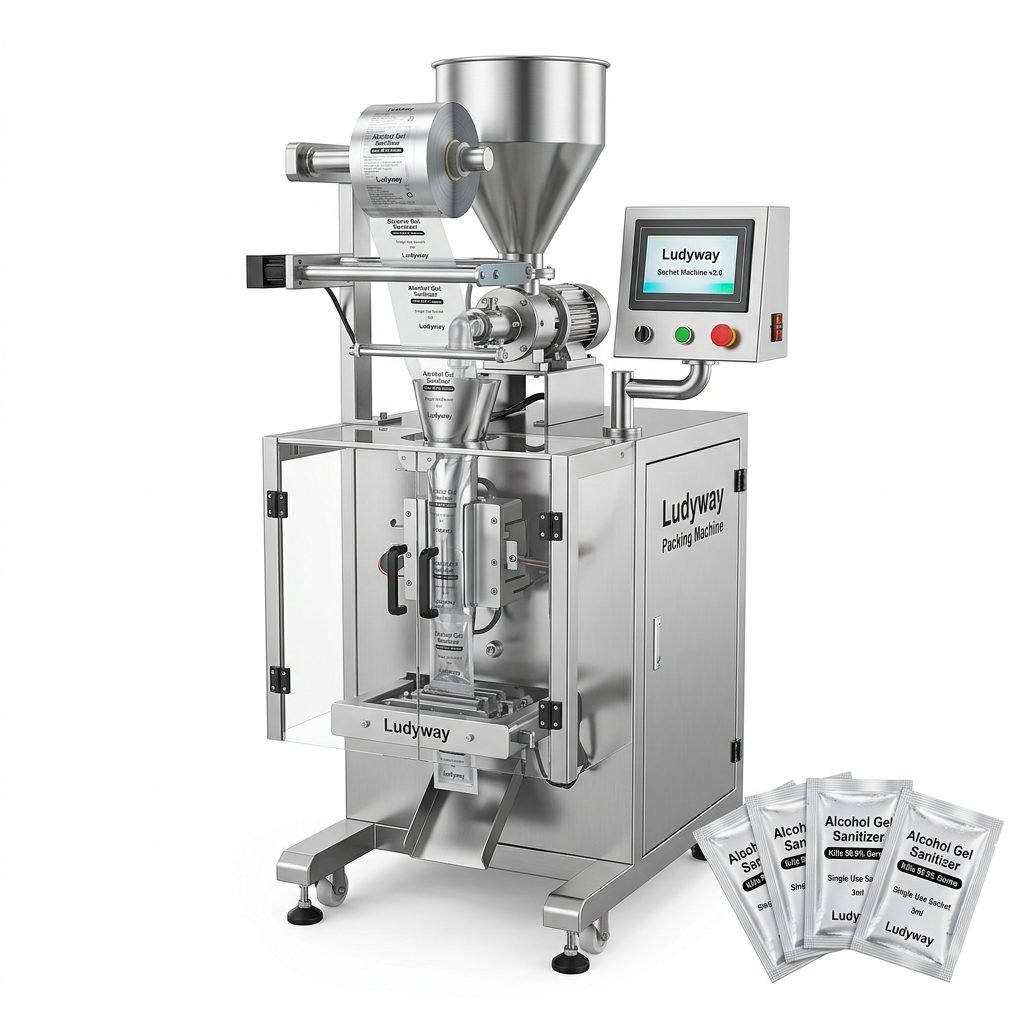
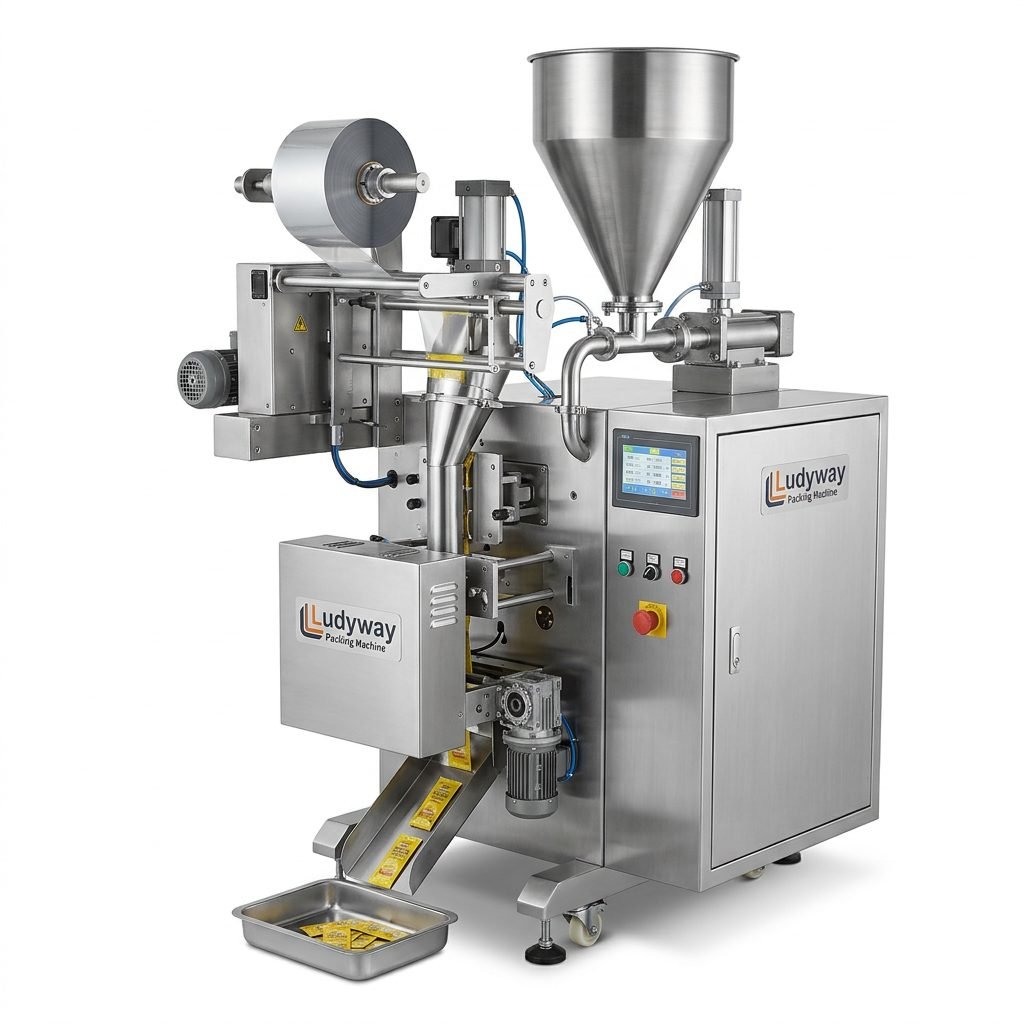
A pickle pouch packing machine is an automated packaging system used to fill and seal pouches with liquid, semi-liquid, or paste-like products. Although often associated with pickles, chutneys, sauces, and condiments, these machines are also widely used for ketchup, mayonnaise, jam, honey, shampoo, lotion, disinfectant gel, and similar materials.
Depending on the application, the machine may work with:
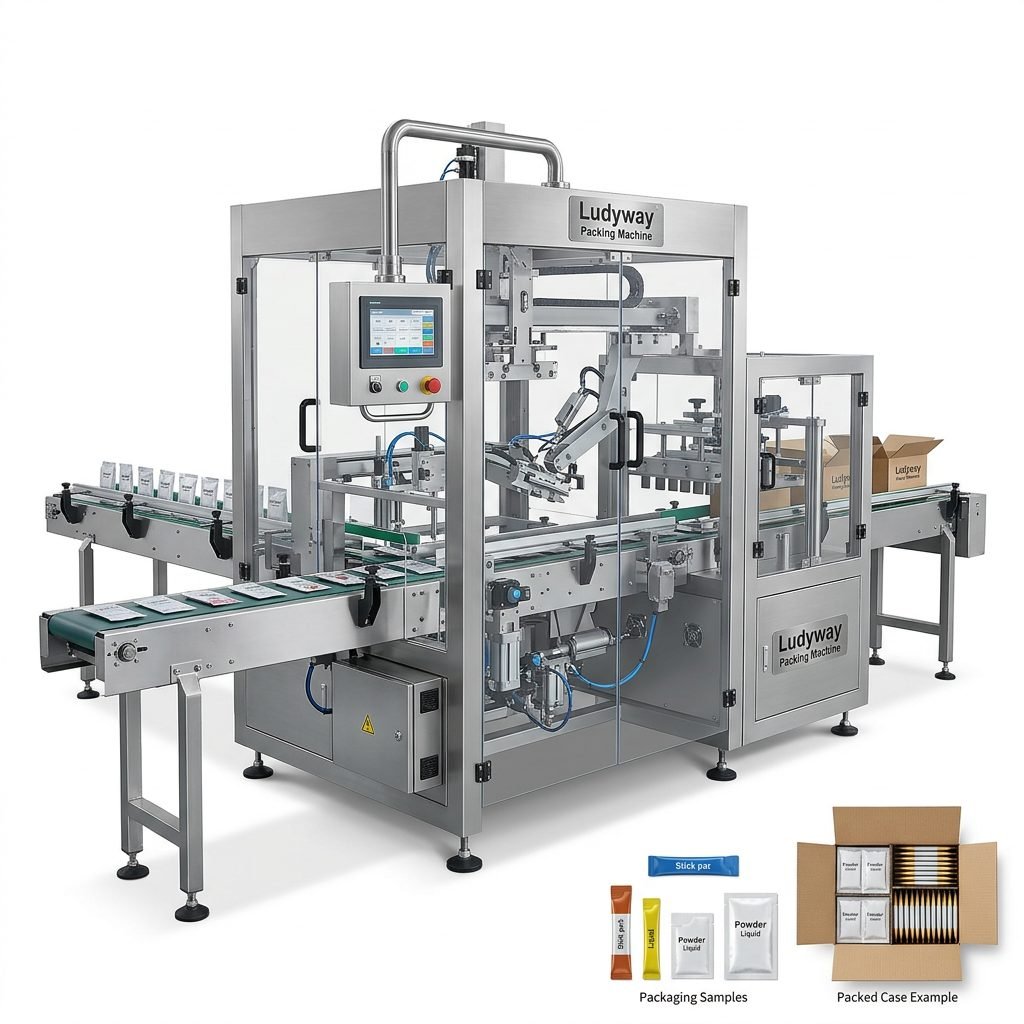
- Three-side seal sachets
- Four-side seal sachets
- Back-seal stick packs
- Premade pouches
- Spouted or custom pouch formats
These systems are especially valuable for manufacturers that need high-speed automatic pouch packaging with repeatable performance and clean sealing results.
Why Automatic Pouch Packing Matters for Liquid and Paste Products
Liquid and paste materials are harder to handle than dry products because they can drip, foam, string, leak, or contaminate the sealing area. Manual packing is slow and often creates uneven fill weights and poor pouch appearance. An automatic machine helps solve these issues through controlled feeding, synchronized filling, and reliable sealing.
- Improved fill accuracy for products with different viscosities
- Higher production speed compared with manual packaging
- Better hygiene through stainless-steel contact parts and enclosed systems
- Reduced product waste caused by spills and overfilling
- Consistent pouch appearance for retail and export packaging
- Lower labor dependency and easier production management
Common Products Packed by These Machines
A pickle pouch packing machine is suitable for far more than pickled foods. With the proper filling system, it can package many liquid and paste products across industries.
| Industry | Typical Products | Recommended Filling Type |
|---|---|---|
| Food | Pickle sauce, ketchup, mustard, jam, honey, mayonnaise, curry sauce | Piston pump or servo liquid filler |
| Pharmaceutical | Oral liquids, gels, medical creams, rehydration liquids | High-precision hygienic filling system |
| Cosmetic | Lotion, serum, shampoo, conditioner, face cream | Servo piston or peristaltic filling |
| Household Chemical | Detergent, floor cleaner, hand sanitizer, liquid soap | Corrosion-resistant liquid dosing system |
Key Features to Look For
1. Accurate Filling for Different Viscosities
Not all pickle or sauce products behave the same way. Some are watery, while others contain pulp, spice particles, or thick paste. A good machine should support accurate filling for both low- and high-viscosity materials. Servo-controlled piston pumps are often preferred because they offer stable volume control and easy parameter adjustment.
2. Strong Sealing Performance
Liquid leakage usually starts with poor sealing. Machines designed for liquid and paste packaging need proper temperature control, clean sealing jaws, and synchronized pouch handling to ensure pouch edges remain neat and secure.
3. Hygienic Construction
Food and pharma applications require contact parts made from stainless steel and structures that are easy to wash down. Smooth surfaces, quick disassembly, and sanitary pipe connections all support faster cleaning and safer production.
4. Flexible Pouch Options
Manufacturers often need to switch between package sizes. A flexible machine can handle different bag lengths, filling volumes, and pouch structures with minimal changeover time.
5. Intelligent Control System
A touchscreen HMI, recipe storage, alarm display, and automatic parameter setting make production easier to manage. For growing factories, this also helps reduce operator errors and improve uptime.
How the Packaging Process Works
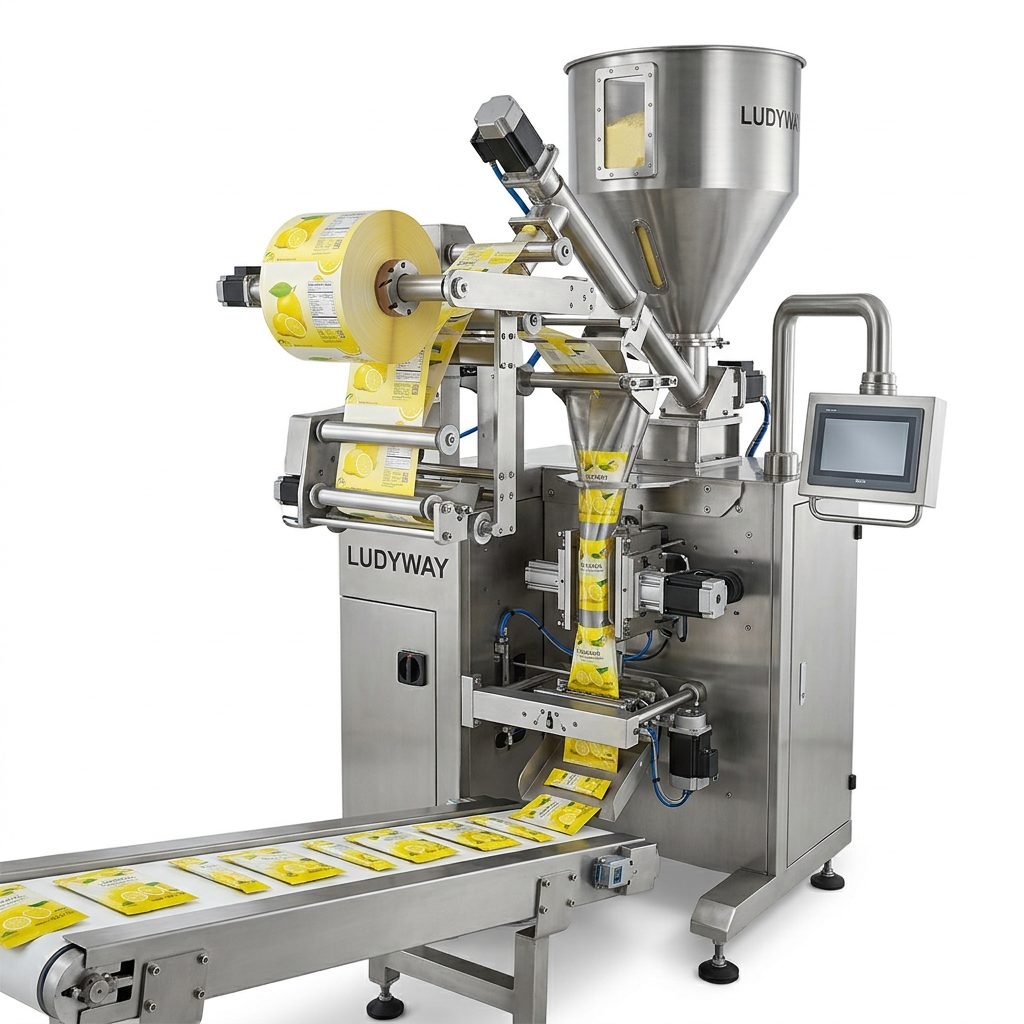
A typical automatic pickle pouch packaging process follows several linked steps:
- Film or pouch feeding
- Pouch forming or pouch opening
- Product dosing and filling
- Air removal or product settling if required
- Heat sealing
- Date coding or batch marking
- Cutting, counting, discharge, or downstream packing
When integrated correctly, the entire process runs continuously, allowing manufacturers to achieve efficient automatic packaging solutions with lower downtime and better throughput.
Machine Types for Different Production Needs
| Machine Type | Best For | Advantages |
|---|---|---|
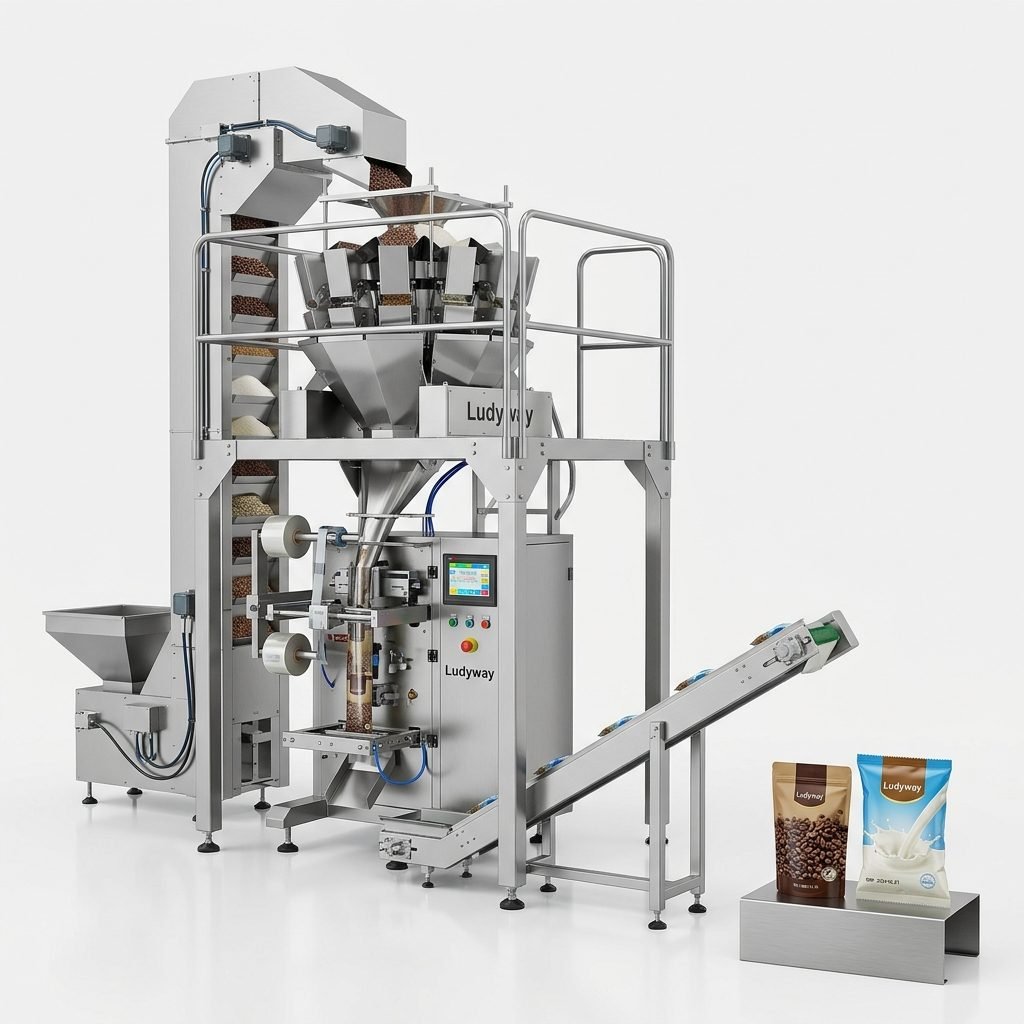
| Vertical form fill seal machine | Standard sachet and pillow pouch production | Compact structure, efficient operation, good for continuous production |
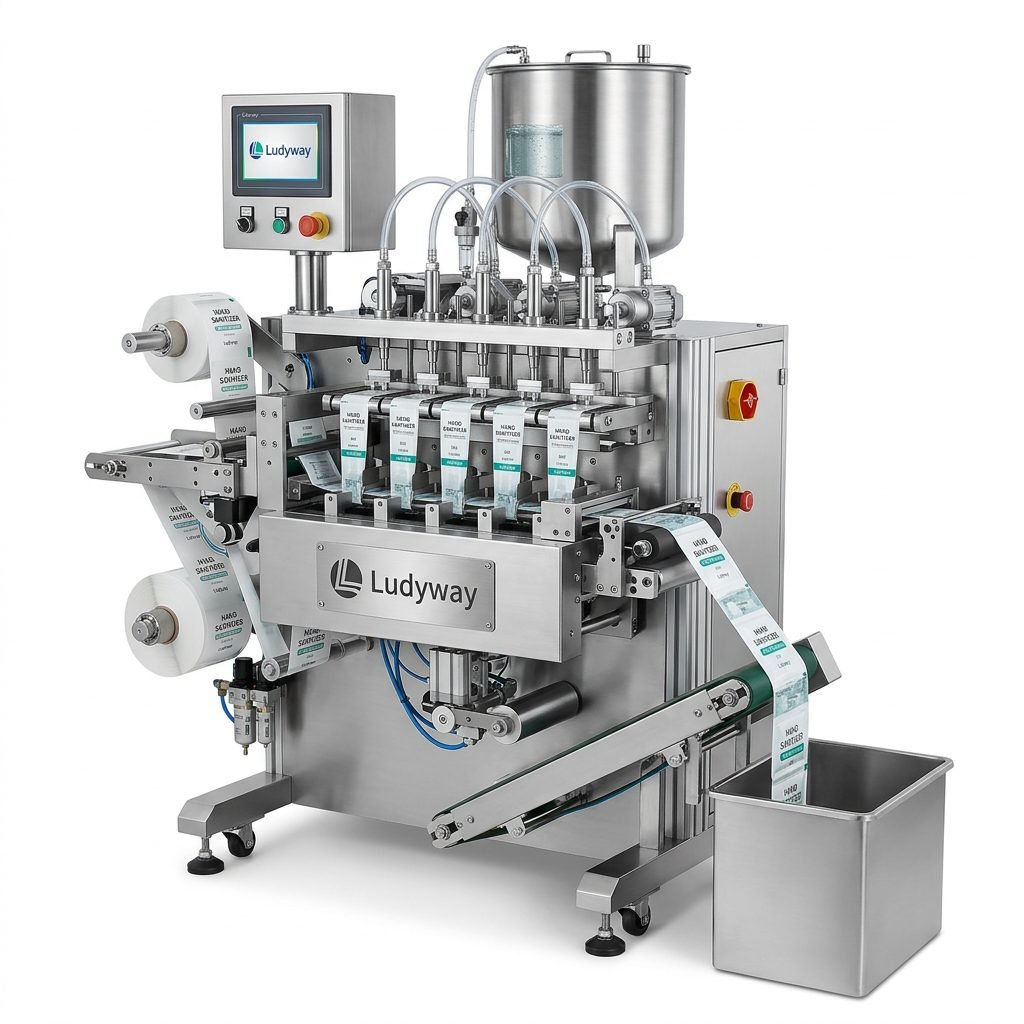
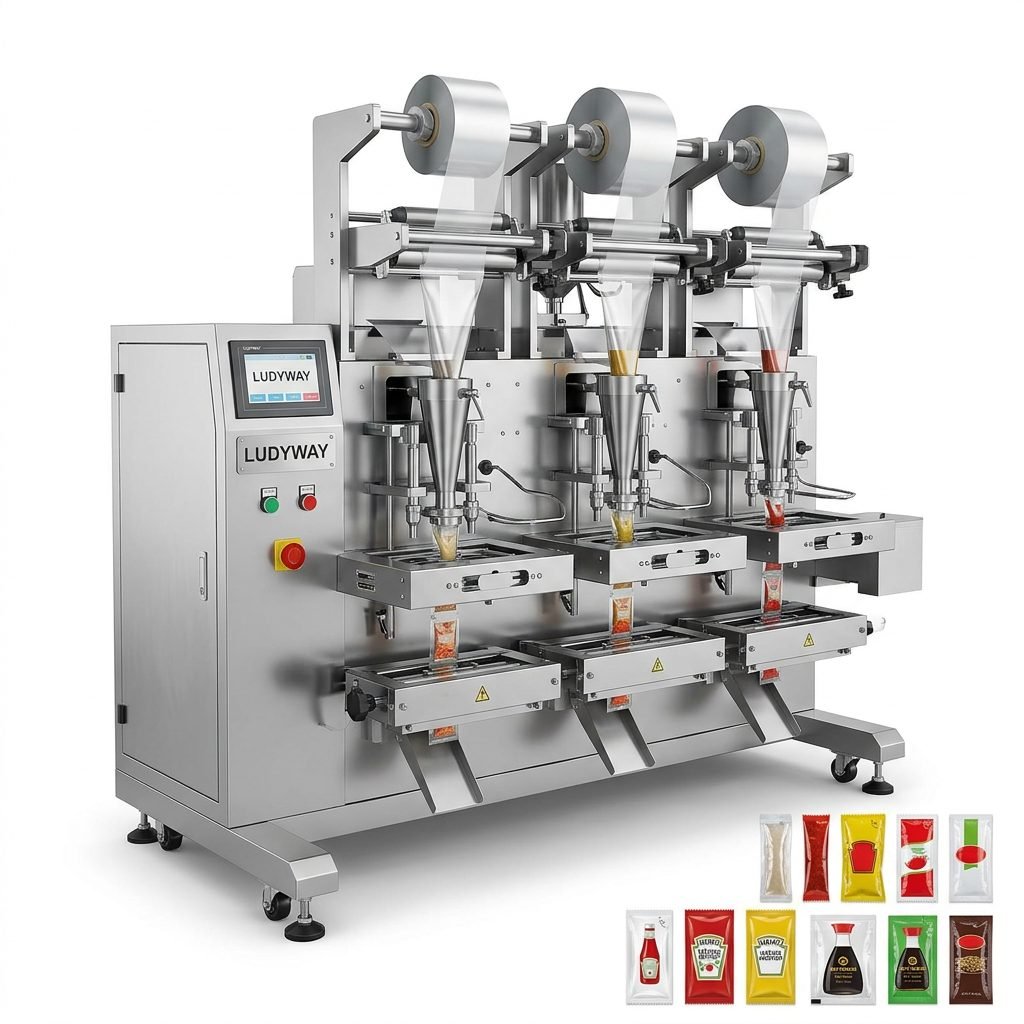
| Multi-lane sachet machine | High-volume small sachet packaging | High speed, multiple lanes, suitable for retail sachets |
| Stick pack machine | Slim single-dose packs | Space-saving packs, convenient for travel or sample formats |
| Premade pouch packing machine | Stand-up pouches, zipper pouches, shaped pouches | Premium appearance, flexible pouch styles, better shelf impact |
Benefits for Food and Sauce Manufacturers
For pickle, chutney, and sauce producers, automatic pouch packing helps solve some of the most common production bottlenecks. It supports both local and export-ready packaging by delivering cleaner seals, stable fill volumes, and better outer presentation.
- Supports single-serve and family-size formats
- Helps maintain flavor and freshness with better sealing
- Improves product presentation on shelves
- Reduces dependence on manual labor during peak seasons
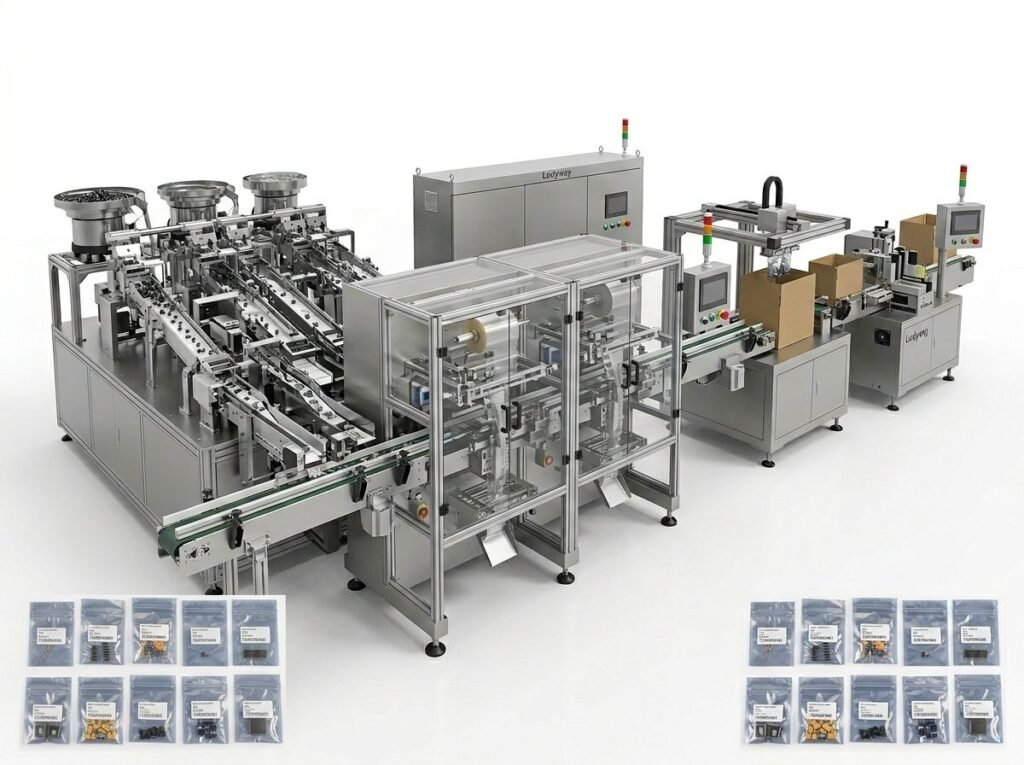
- Allows easier line expansion with coding, cartoning, and case packing
How to Choose the Right Pickle Pouch Packing Machine
Before purchasing, it is important to match the machine configuration to your real production conditions. A machine that looks fast on paper may not be ideal if your product contains particles, requires hot filling, or needs frequent SKU changes.
Check These Factors First
- Product characteristics: liquid, paste, chunky, acidic, foamy, oily, sticky
- Pouch type: sachet, stick pack, premade pouch, zipper pouch
- Filling range: small sample pack or larger retail pack
- Target speed: output per minute or per hour
- Material compatibility: film structure and sealing requirements
- Cleaning needs: CIP capability or manual washdown
- Future expansion: coding, checkweighing, cartoning, palletizing
Why Turnkey Packaging Solutions Matter
Many factories need more than a standalone filler and sealer. They need a complete packaging workflow that may include feeding, mixing, pumping, pouch packaging, date coding, inspection, counting, cartoning, and end-of-line automation. This is why turnkey line capability is becoming increasingly important.
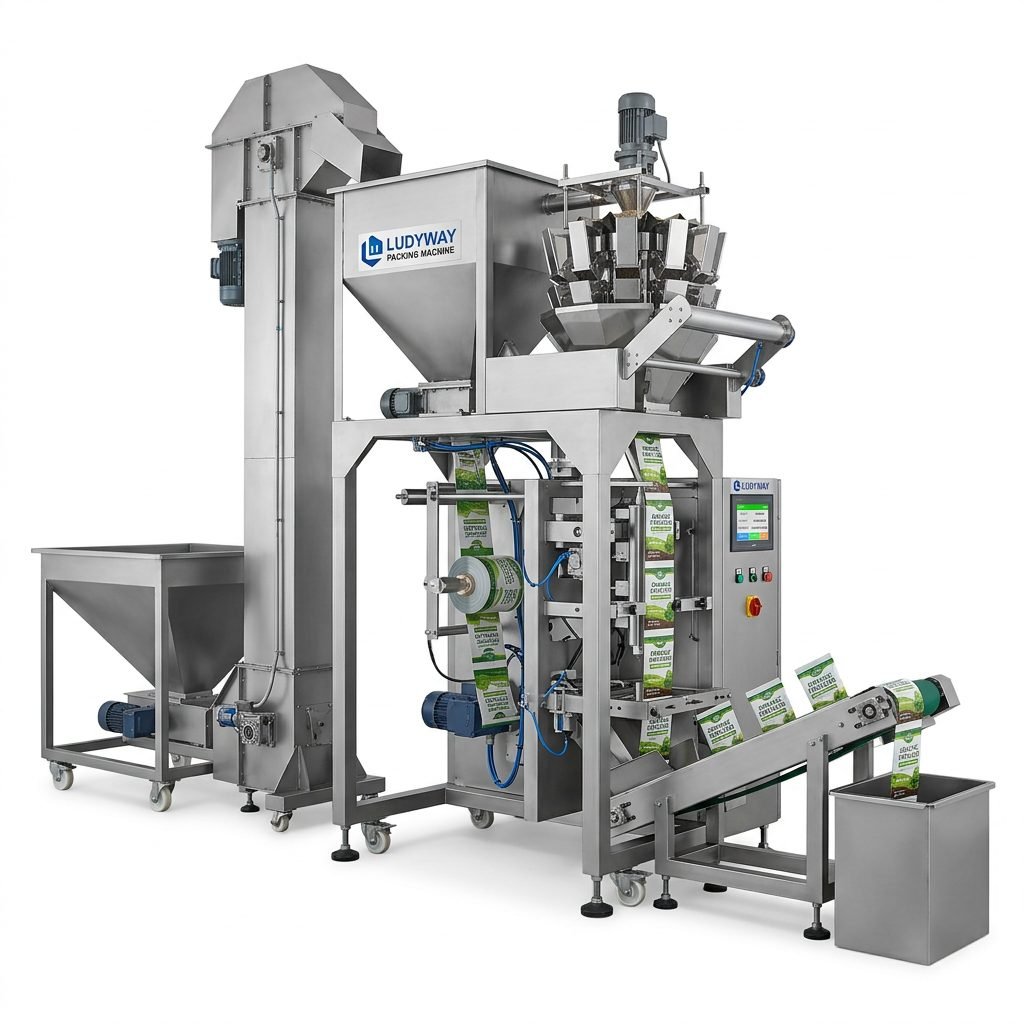
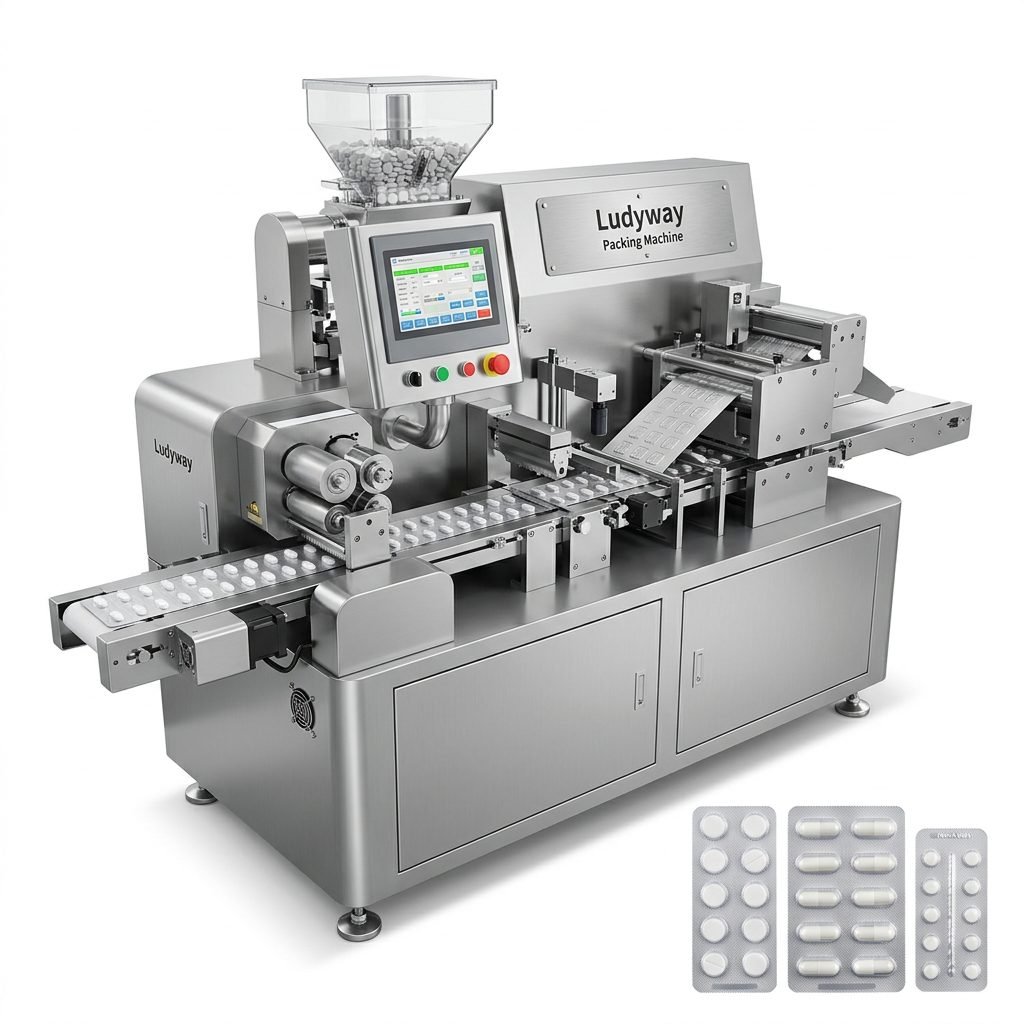
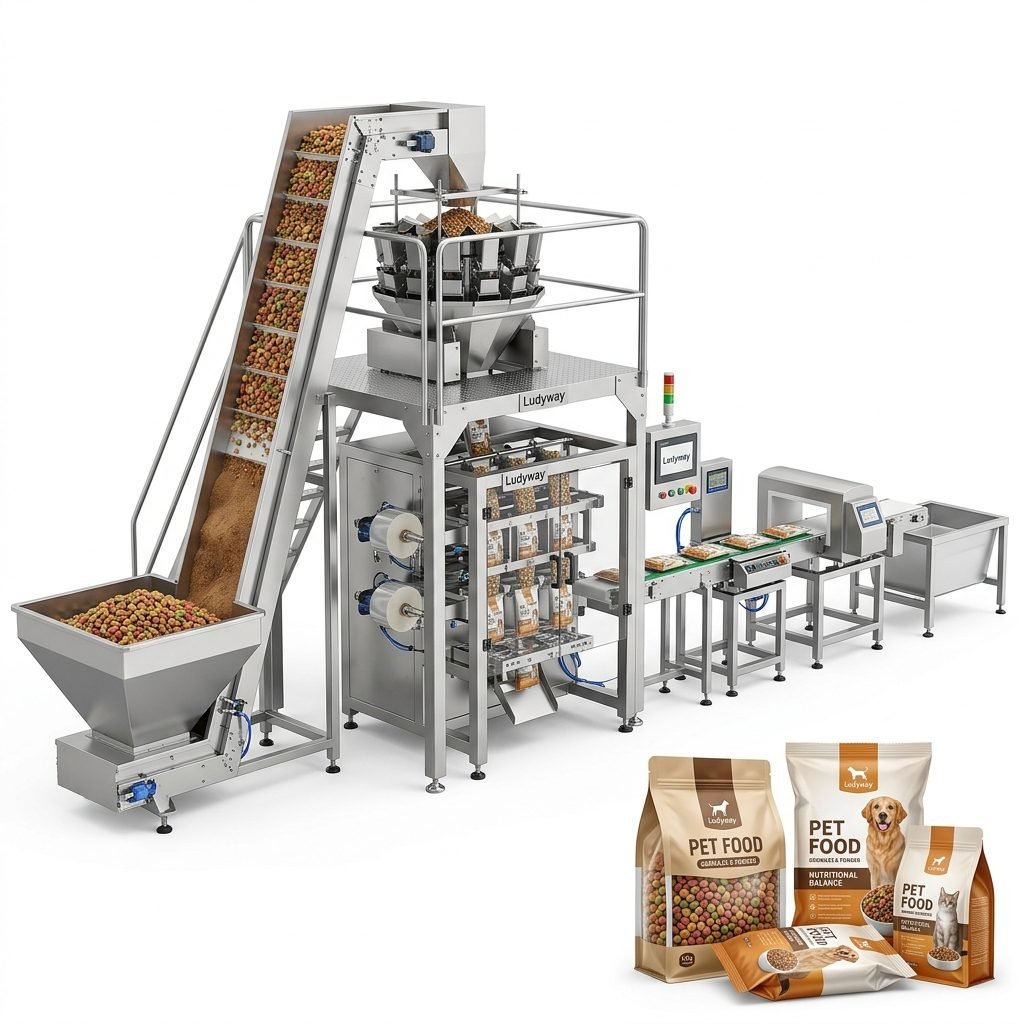
For buyers looking for scalable solutions, Ludyway pickle pouch packing machine solutions can be relevant when evaluating automated equipment for food, pharmaceutical, health supplement, cosmetic, and chemical packaging needs. As one of China’s leading packaging machine and turnkey packaging line manufacturers, the company has more than 30 years of experience and broad export coverage across global markets.
Industries That Benefit Most
The same core packing technology can be adapted for many products beyond pickles. This gives manufacturers flexibility when launching new SKUs or entering new sales channels.
Food Industry
Sauces, condiments, edible oils, honey, soup concentrates, seasoning pastes, and ready-to-eat accompaniments.
Pharmaceutical Industry
Oral liquids, medicinal gels, healthcare supplements, and unit-dose liquid sachets.
Cosmetic Industry
Shampoo, lotion, serum, cream, facial treatment products, and travel-size samples.
Chemical Industry
Detergent, cleaner, sanitizer, lubricant additives, and specialty liquid formulations.
Operational Tips for Better Packaging Performance
- Use a filling system matched to the product viscosity and particle content
- Keep sealing areas clean to prevent pouch leakage
- Test film compatibility before mass production
- Calibrate filling volume regularly for accuracy
- Train operators on changeover and daily maintenance
- Monitor temperature, pressure, and cycle timing for sealing stability
Final Buying Insight
A high-quality pickle pouch packing machine should do more than fill and seal. It should help your business package liquids and pastes with better speed, better hygiene, and better consistency. If your production goals include automation, reduced labor costs, and dependable packaging quality, investing in the right system can deliver long-term value.
For growing brands and manufacturers, the best choice is usually a machine that balances precision, flexibility, and line integration potential. That combination makes it easier to serve modern retail, private label, and export packaging demands with confidence.