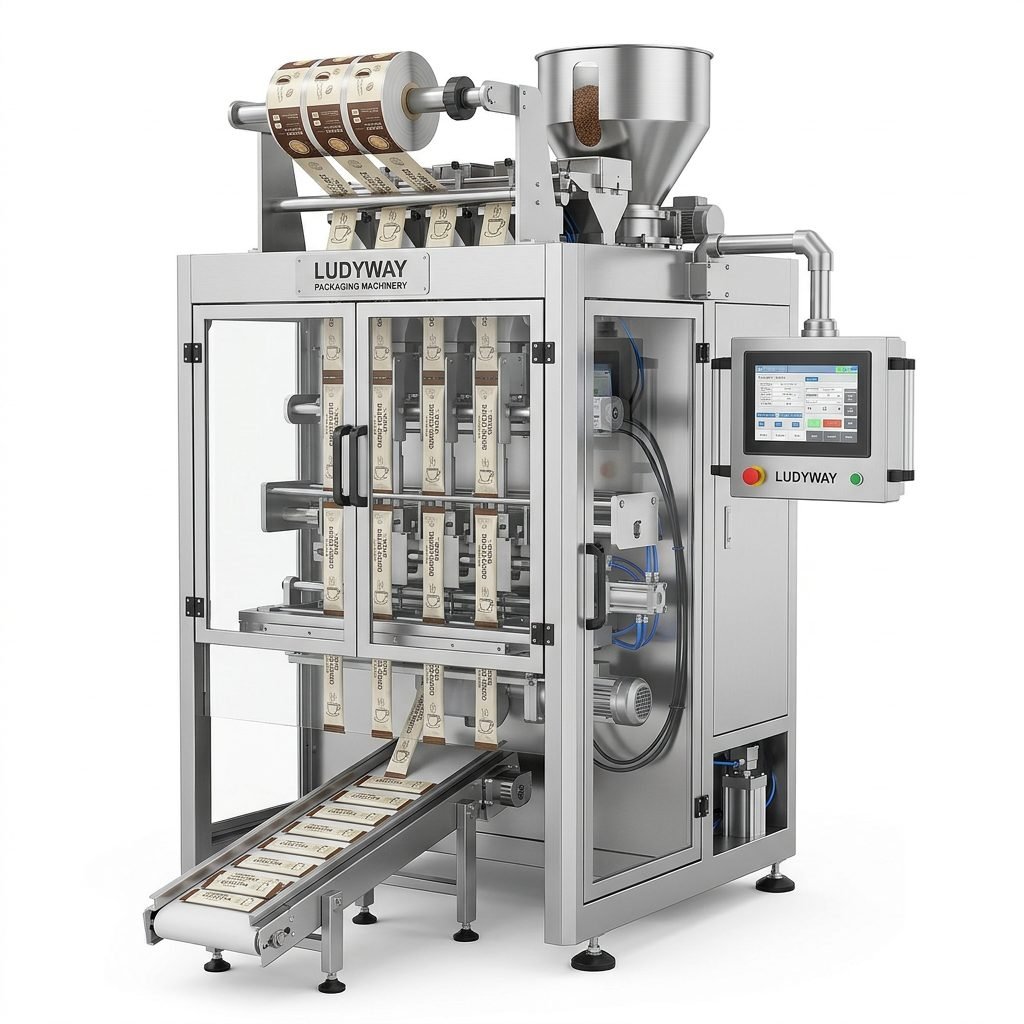
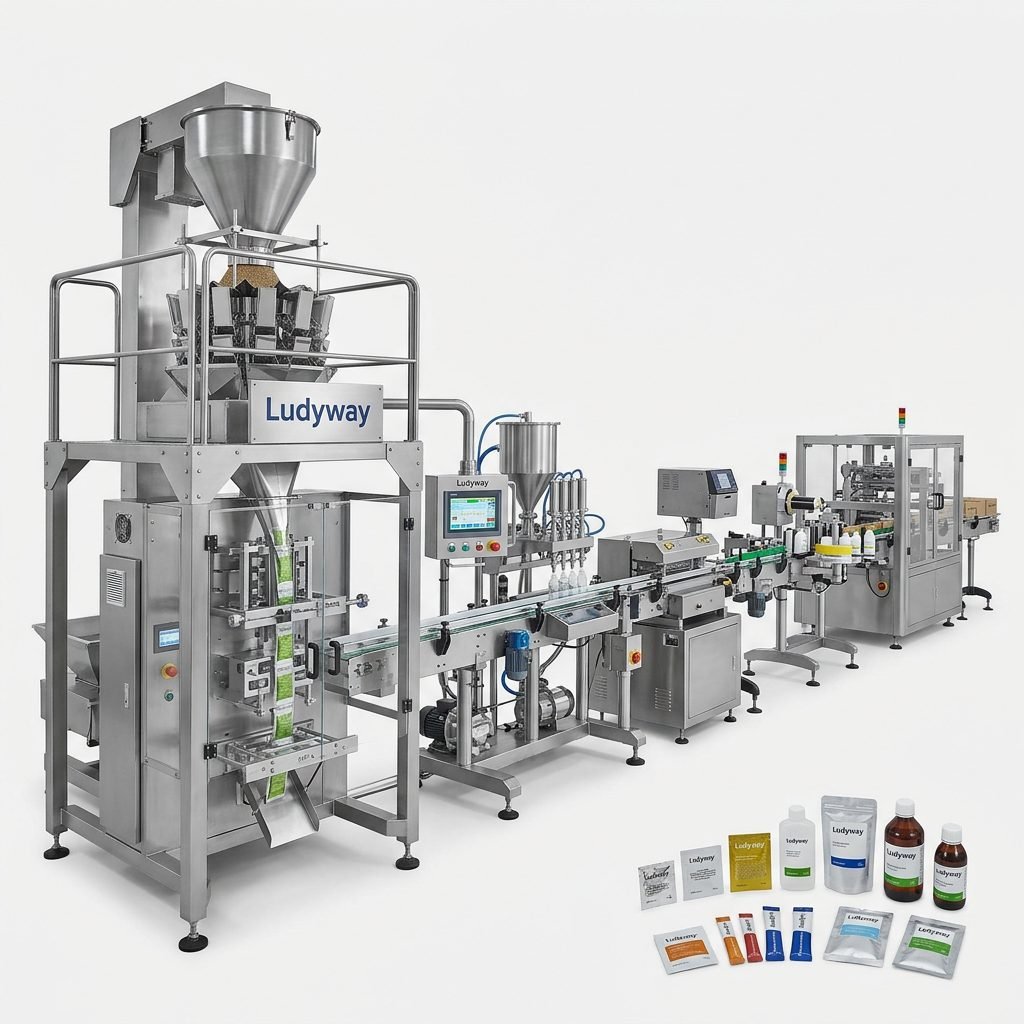
Setting up a vegetable packaging machine production line in Africa presents a unique and highly profitable opportunity. With the continent’s agricultural sector expanding rapidly, the demand for professionally packed, shelf-stable vegetables is soaring. Whether you are processing leafy greens, root vegetables, or pre-cut salad mixes, a well-planned automated packaging system is critical to reducing post-harvest losses, ensuring food safety, and accessing premium retail and export markets. This complete guide walks you through the essential steps, from market analysis to equipment selection and operational setup.
Understanding the African Vegetable Packaging Market
Africa’s food economy is undergoing a massive transformation. Rapid urbanization, a growing middle class, and the rise of modern supermarket chains have created an unprecedented demand for conveniently packaged fresh produce. Unlike traditional open-market sales, packaged vegetables offer longer shelf life, better hygiene, and traceability. For entrepreneurs and agribusinesses, investing in a vegetable packaging production line is the gateway to supplying hotels, restaurants, airlines, and export markets that require strict quality standards.
Key Market Drivers
- Post-harvest loss reduction: An estimated 30-50% of fresh produce in sub-Saharan Africa is lost before reaching consumers due to poor handling and lack of packaging.
- Export compliance: International markets require strict phytosanitary and packaging standards, which manual processes cannot meet.
- Retail evolution: Supermarket chains require barcoded, weighted, and sealed packs for inventory management.
Planning Your Vegetable Packaging Production Line
Before purchasing machinery, you must define your production capacity, the type of vegetables you will handle, and your target packaging format. A complete vegetable packaging line typically integrates washing, drying, sorting, weighing, filling, and sealing stations. The layout must be designed for linear workflow to avoid cross-contamination between raw and packed products.
Critical Pre-Installation Factors in Africa
| Factor | Consideration |
|---|---|
| Power Supply | Voltage fluctuations are common. Select machines with voltage stabilizers or plan for industrial generators. |
| Water Quality & Recycling | Vegetable washing systems need clean water; incorporate filtration and recirculation to conserve resources. |
| Climate Control | High humidity and temperatures affect sensitive weighing sensors and film sealing; air-conditioned packing rooms are recommended. |
| Spare Parts Access | Ensure your supplier can ship critical spares quickly to minimize downtime. |
Selecting the Right Packaging Equipment
Choosing the correct vegetable packaging machine configuration depends on whether you are packing whole vegetables, fresh-cut salads, or frozen produce. Here is the core equipment required for a high-efficiency line:
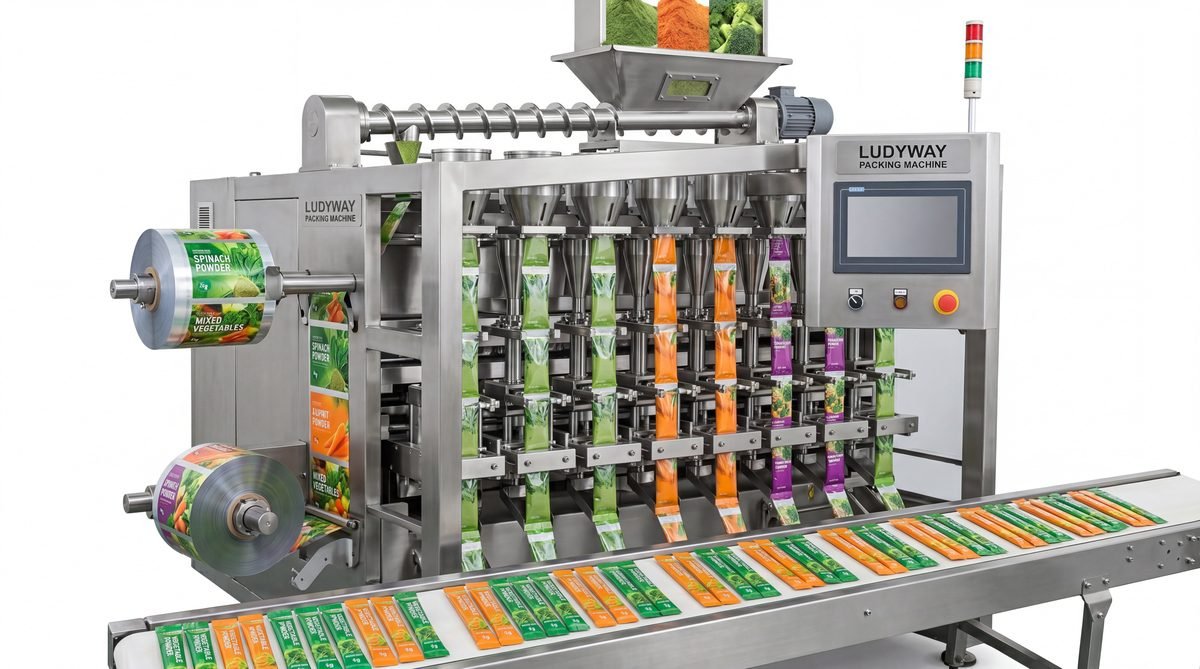
1. Washing and Drying Systems
Bubble washing machines and high-pressure spray systems remove soil and pesticides. Followed by air-knife drying or centrifugal spin dryers, this stage is critical for product quality and shelf life. Proper drying prevents mold growth inside sealed packages.
2. Sorting and Grading
Optical sorters or simple roller graders sort vegetables by size, color, and defect. This ensures uniform pack appearance and weight consistency, which is essential for supermarket contracts.
3. Weighing and Filling
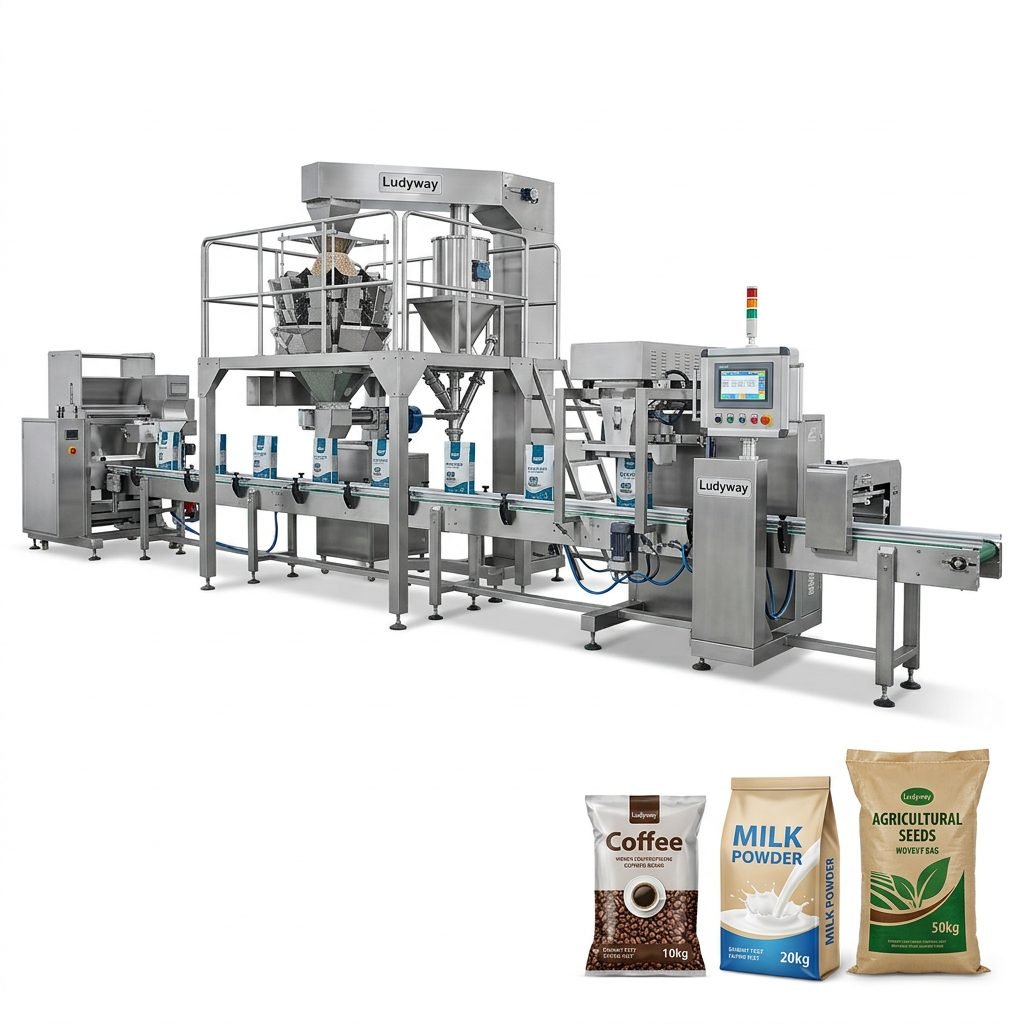
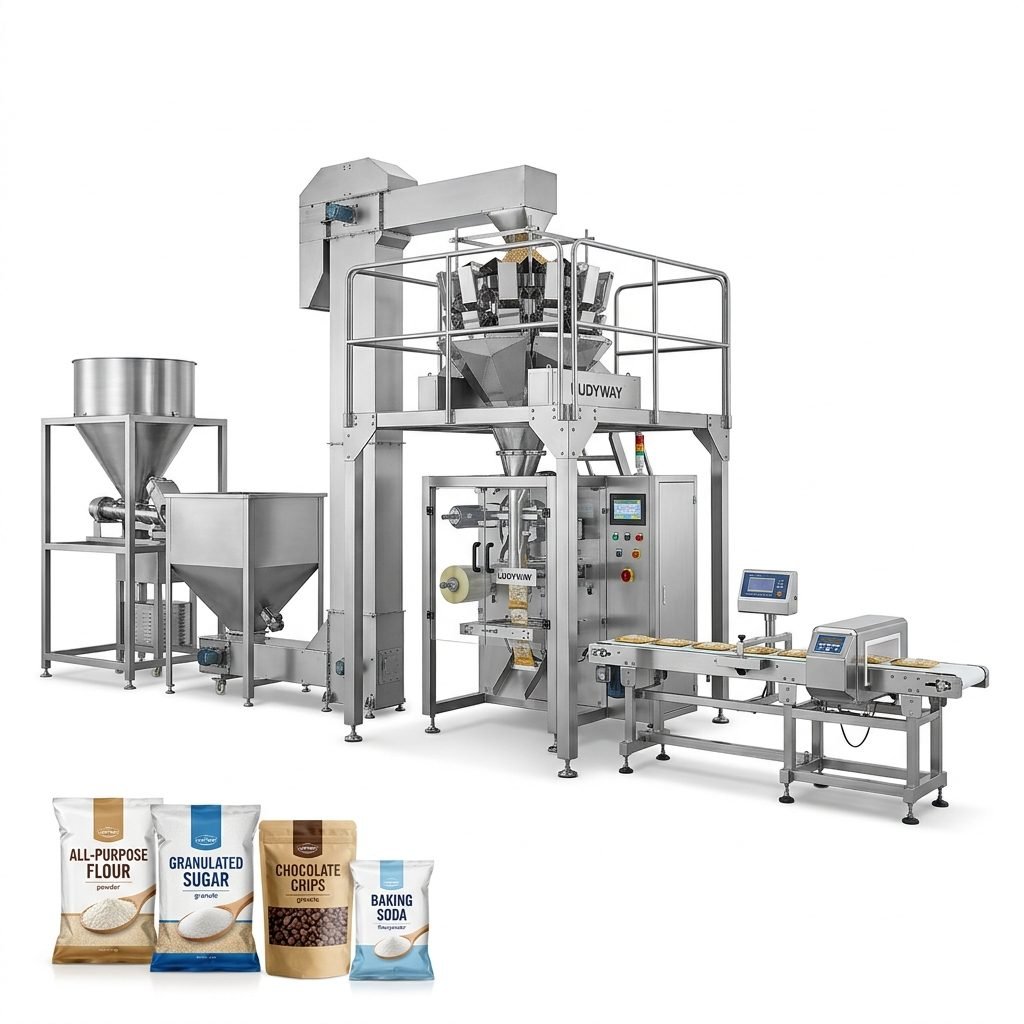
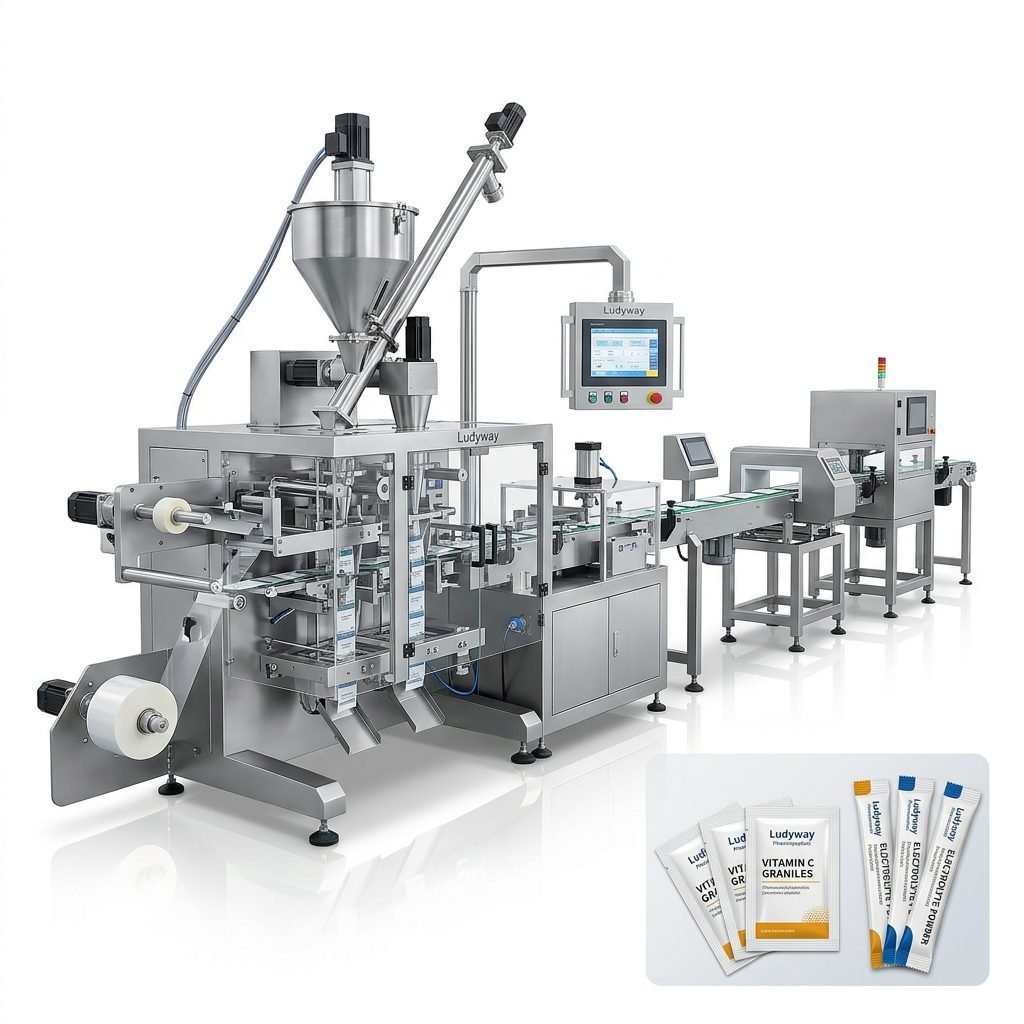
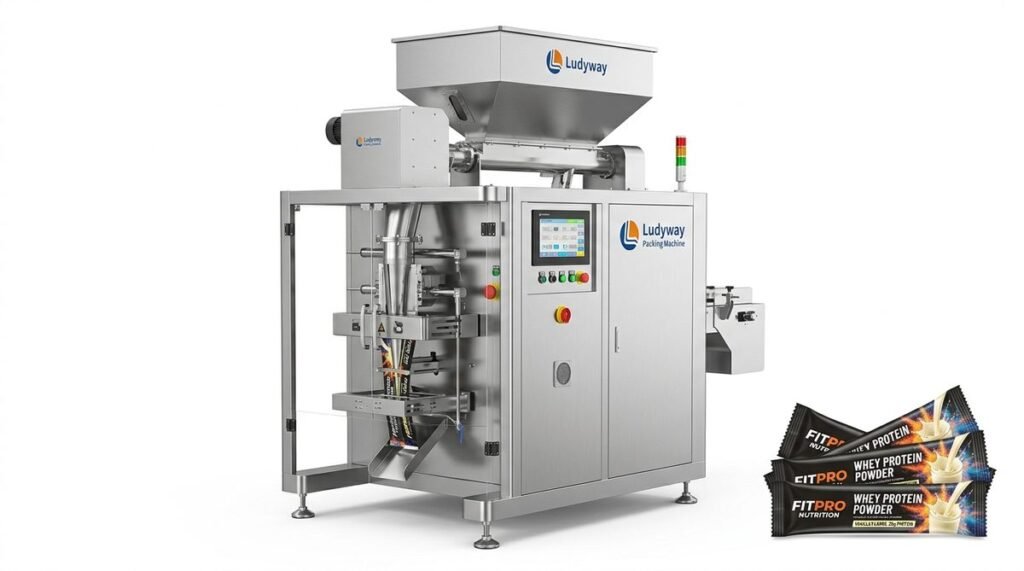
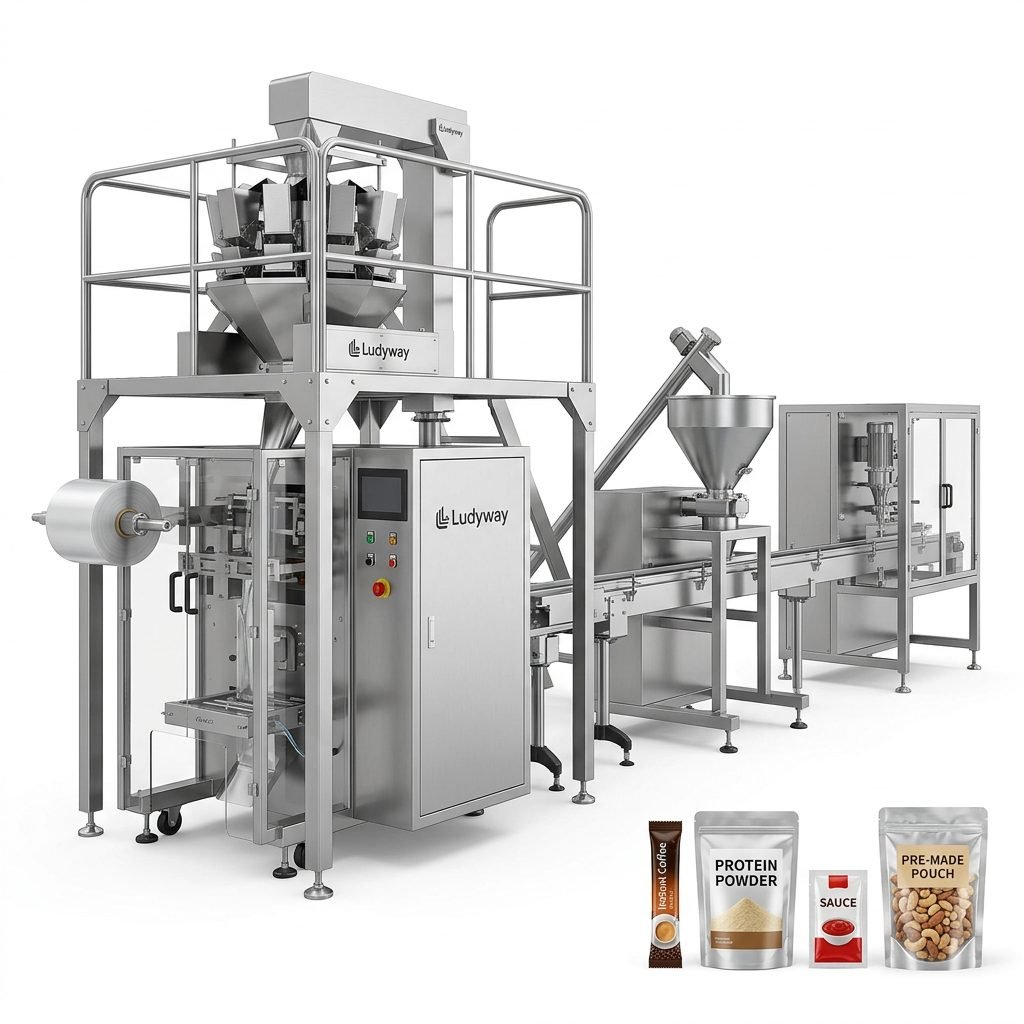
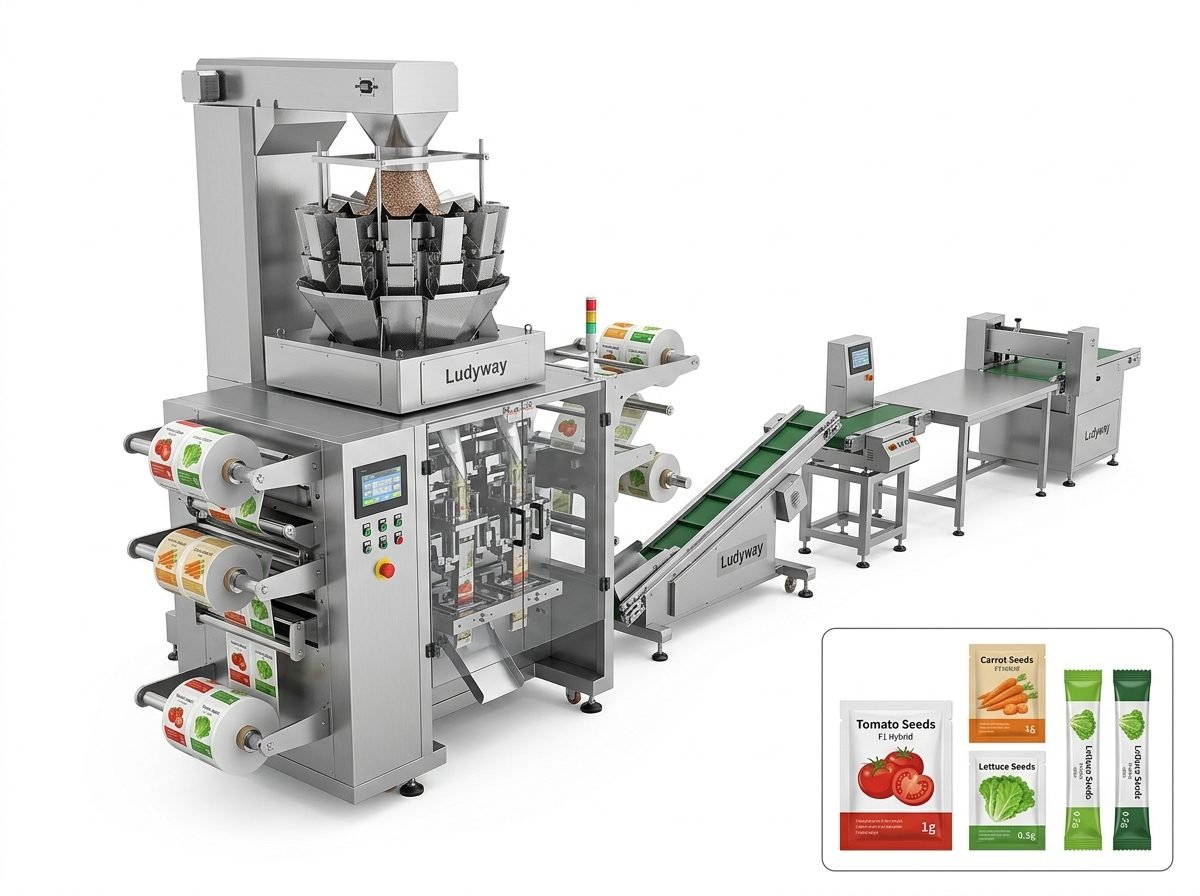
Multi-head weighers are the industry standard for high-speed vegetable packing. Combined with vertical form-fill-seal (VFFS) machines, they achieve precise weight targets with minimal giveaway, directly impacting your profit margins.
4. Sealing and Packaging Machinery
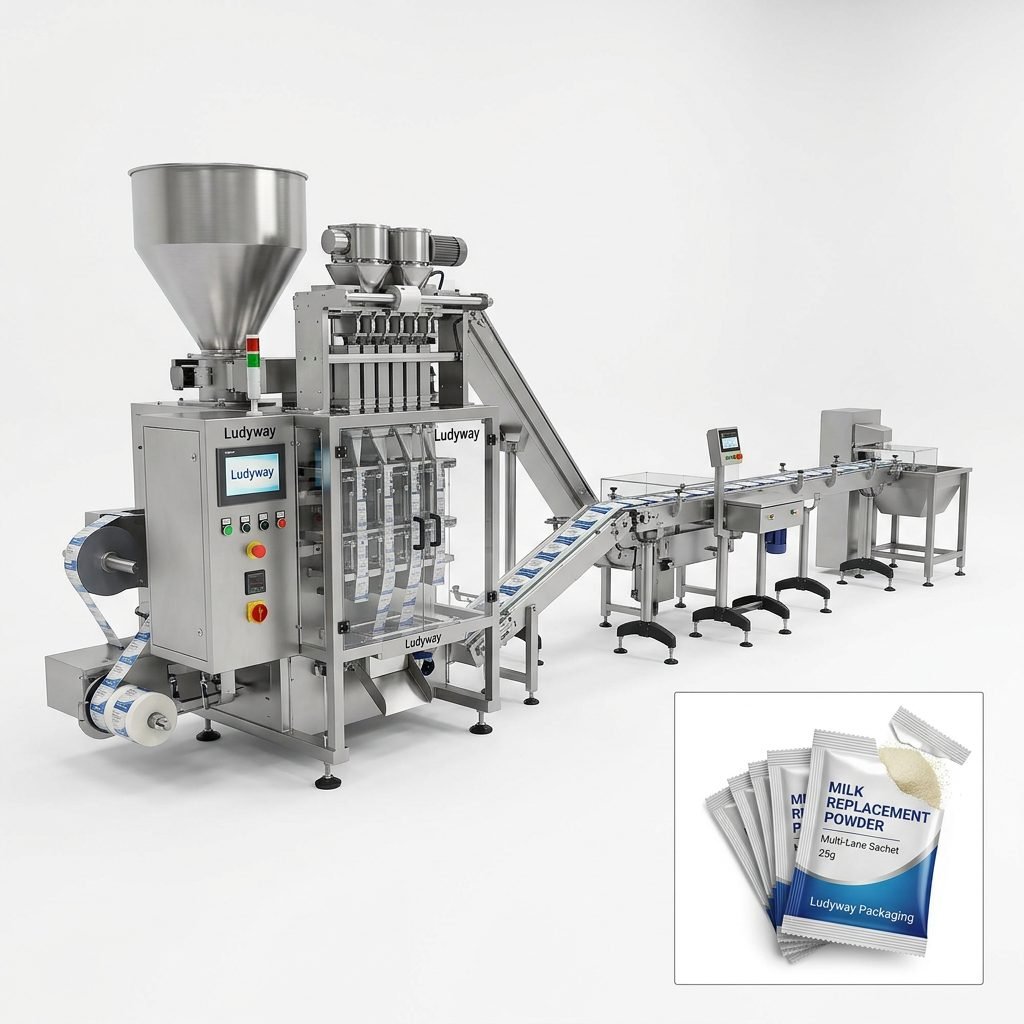
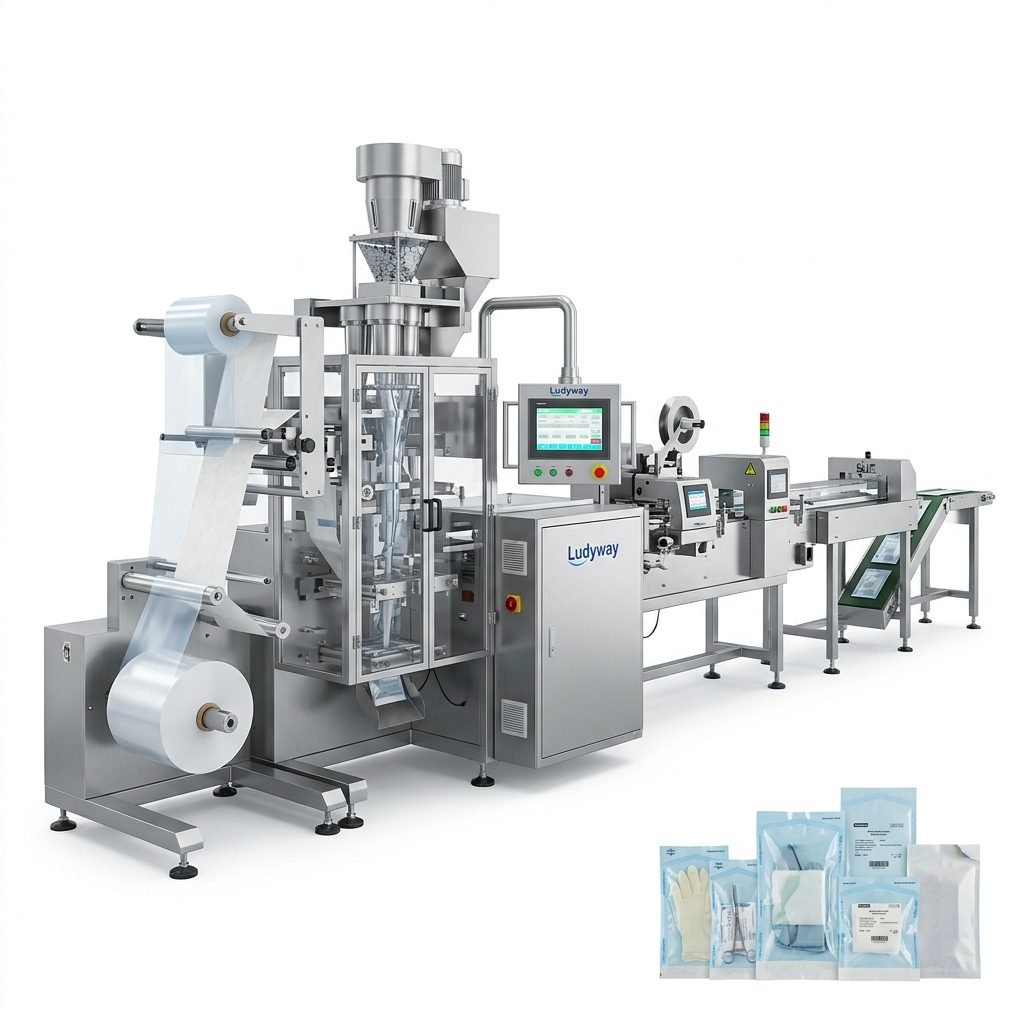
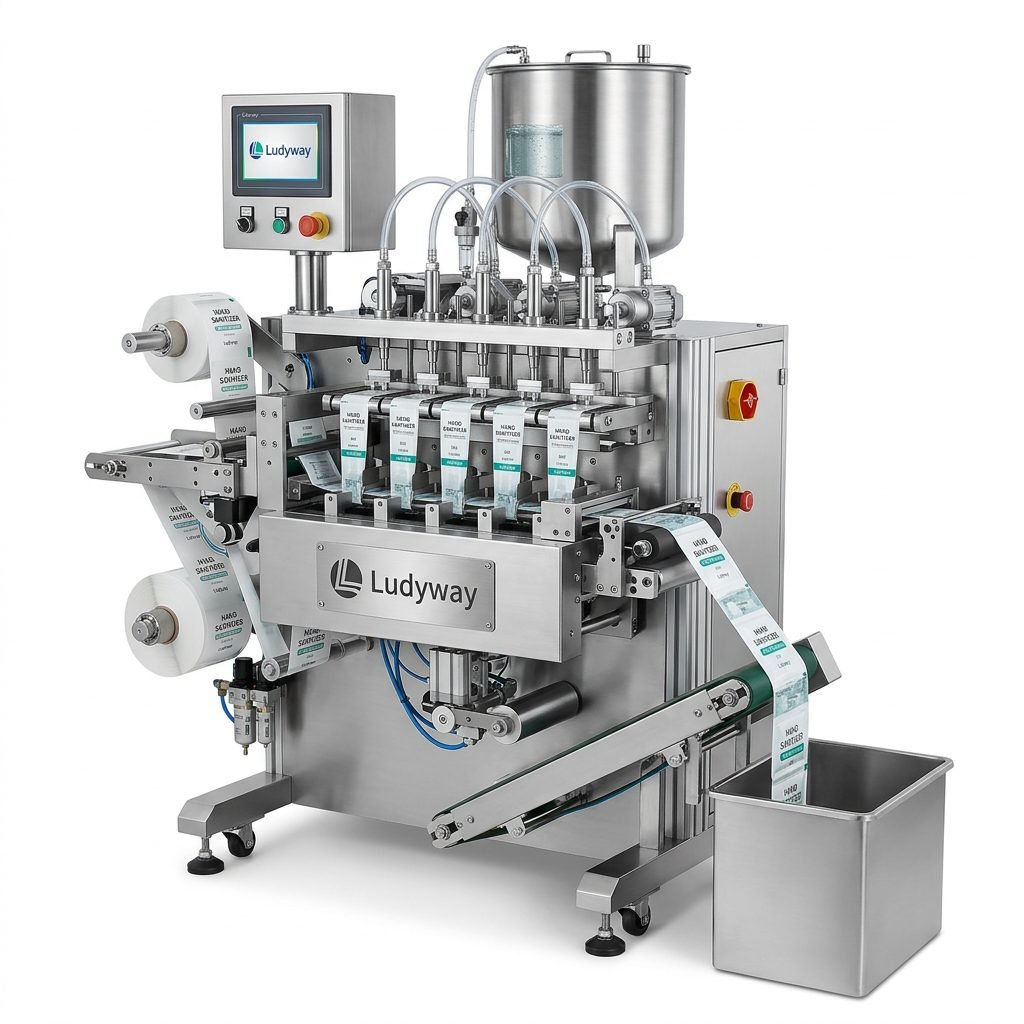
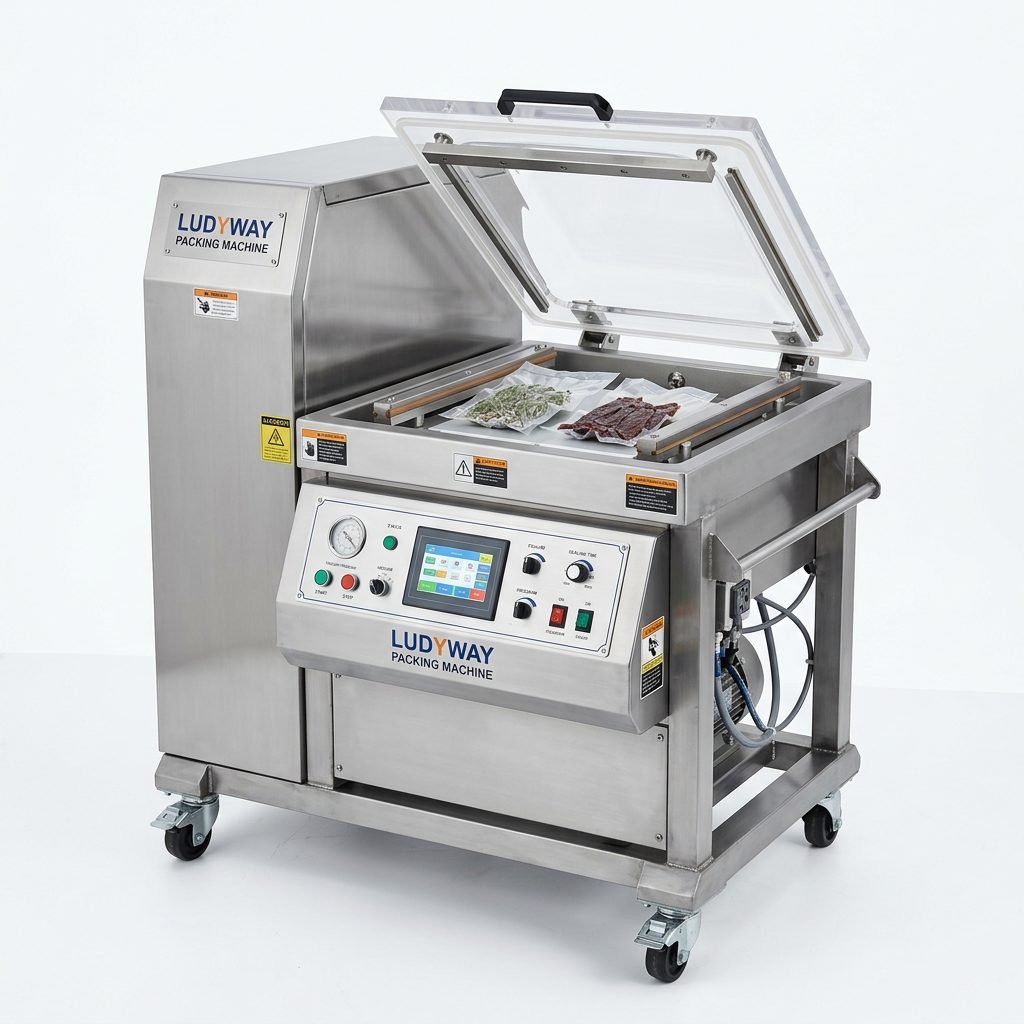
Depending on your desired pack style, you may need tray sealing machines for modified atmosphere packaging (MAP), flow wrappers for individual cucumbers or leafy bunches, or premade pouch rotary packing machines for frozen vegetables. For fresh-cut salads, MAP technology is vital to extend shelf life to 5-7 days.
5. Optional Auxiliary Equipment
- Checkweighers: Reject underweight packs automatically.
- Metal detectors or X-ray inspection: Critical for food safety compliance.
- Cartoning and case packing: Automates end-of-line packaging for distribution.
Step-by-Step Setup Guide
Implementing a vegetable packaging line in Africa requires methodical planning. Skip no steps, as each lays the foundation for consistent output and food safety certification.
Step 1: Factory Layout and Hygiene Zoning
Design a linear flow from raw material intake to finished goods cold storage. Clearly separate “low-risk” (post-wash) areas from “high-risk” (raw intake) areas. Use stainless steel tables, sloped floors for drainage, and positive air pressure in packing rooms to push airborne contaminants out.
Step 2: Installation and Calibration
Foundation preparation is crucial. Weighing and filling machines must be leveled precisely to avoid load cell drift. Engage the equipment supplier’s engineers for supervised installation and on-site calibration. Verify electrical grounding and compressed air quality before start-up.
Step 3: Operator Training
Your line runs on people. Comprehensive training should cover machine setup, daily cleaning procedures, film threading, and basic troubleshooting. Given the skills gap in some regions, simplified visual SOPs and regular refresher training are highly effective.
Step 4: Quality Control and Shelf Life Testing
Implement a laboratory protocol. Monitor packaging integrity via seal strength tests, oxygen residual analysis for MAP packs, and microbiology swabs. Shelf life validation under local ambient or cold chain conditions is mandatory before launching products into the market.
Cost, ROI, and Maintenance Strategy
Budgeting for a mid-range semi-automatic vegetable line starts from approximately $50,000, while a fully automated high-speed vegetable packaging system with multi-head weighers can exceed $250,000. However, ROI is rapid: professional packaging often commands a 30-50% price premium over loose commodity sales. Focus your maintenance strategy on preventive rather than reactive measures. Weekly cleaning of weigh heads, belt tension checks, and sealing jaw alignment keep efficiency high.
Importance of After-Sales Support in Africa
Given logistical challenges, choose a supplier that offers remote diagnostic capabilities and regional service partners. A well-documented spare parts list with recommended inventory levels minimizes disruption. Suppliers with experience in African markets understand that robust, simple-to-operate machines outperform overly complex electronics susceptible to humidity and dust.
About Ludyway
When scaling your packaging operation, partnering with an experienced manufacturer is key. Ludyway is one of the largest packaging machine manufacturers in China, specializing in advanced packaging equipment and turnkey production solutions for the food, pharmaceutical, and health industries. With over 30 years of industry expertise, we provide reliable and efficient packaging solutions for granule, powder, liquid, and pouch packaging applications. Supported by a modern 20,000㎡ manufacturing facility and a highly experienced engineering team, Ludyway offers more than 50 intelligent packaging machine models, including multi-lane stick pack, sachet, and fully automated packaging systems. Serving customers in over 100 countries and regions, we are committed to delivering innovative, high-performance, and cost-effective packaging solutions that help businesses improve productivity, product quality, and operational efficiency.
Future-Proofing Your Vegetable Packaging Business
As you grow, consider integrating IoT-enabled monitoring to track overall equipment effectiveness (OEE) remotely. Biodegradable and recyclable packaging films are gaining traction even in African markets due to increasing environmental awareness and export regulations. Building a scalable production line today ensures you can meet both local and international demand tomorrow.
For further reading on packaging standards and industry trends, refer to the PMMI packaging industry resources and guidelines from the FDA food packaging and food contact substances portal. Information on sustainable materials can be explored through the Flexible Packaging Association industry data.