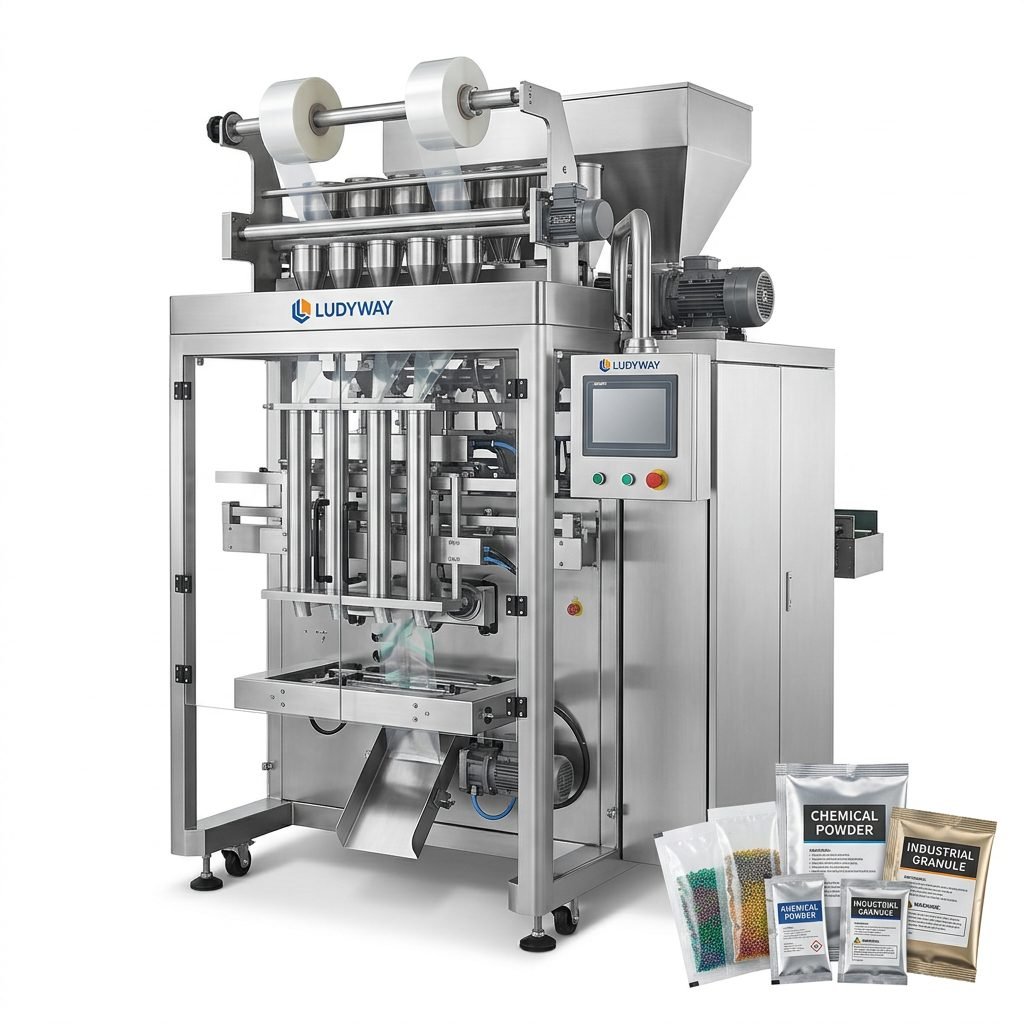
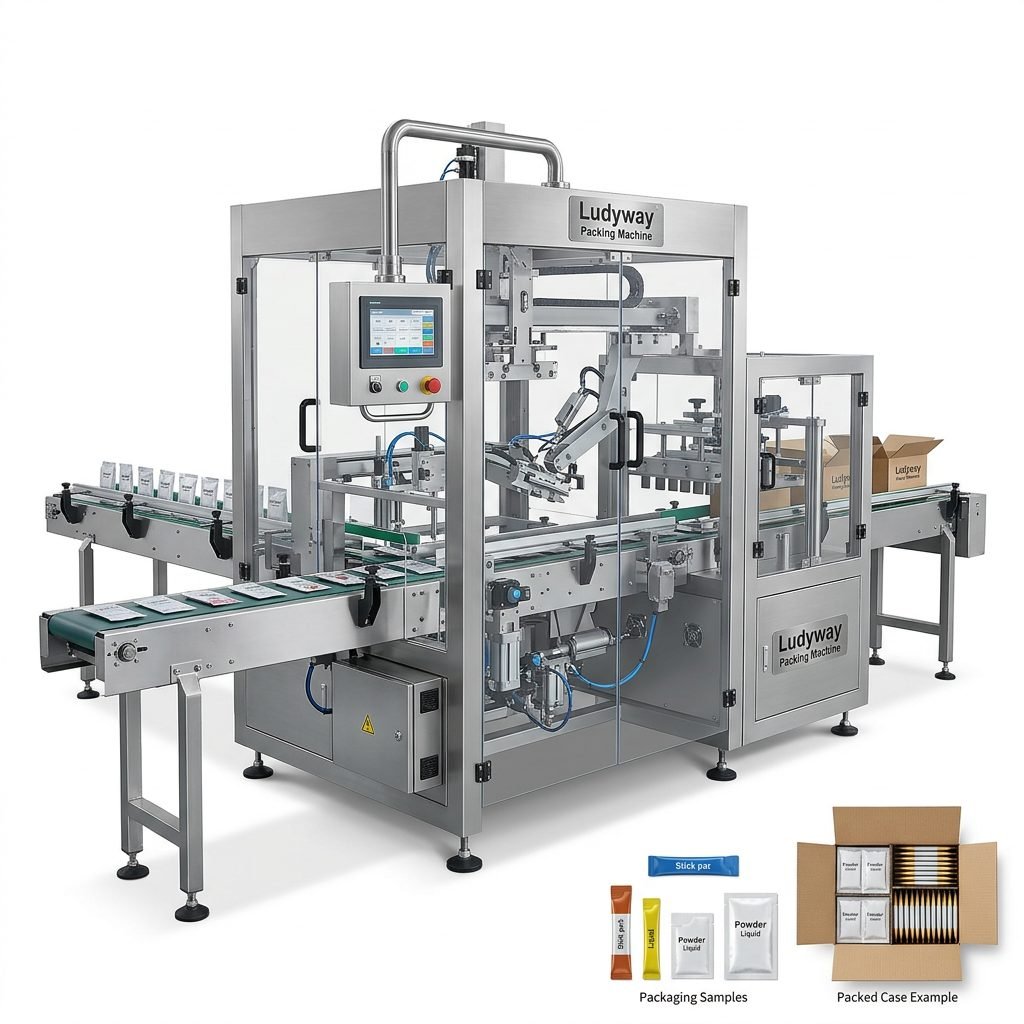
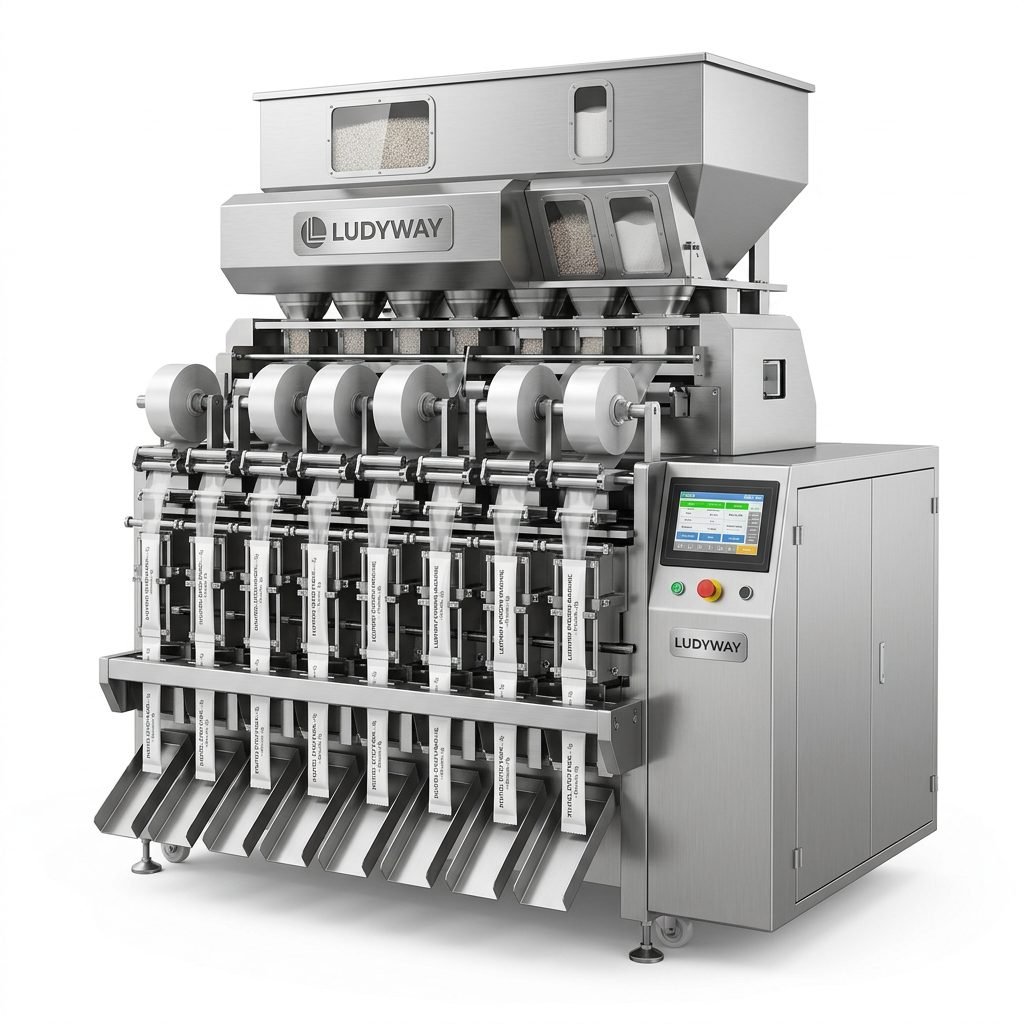
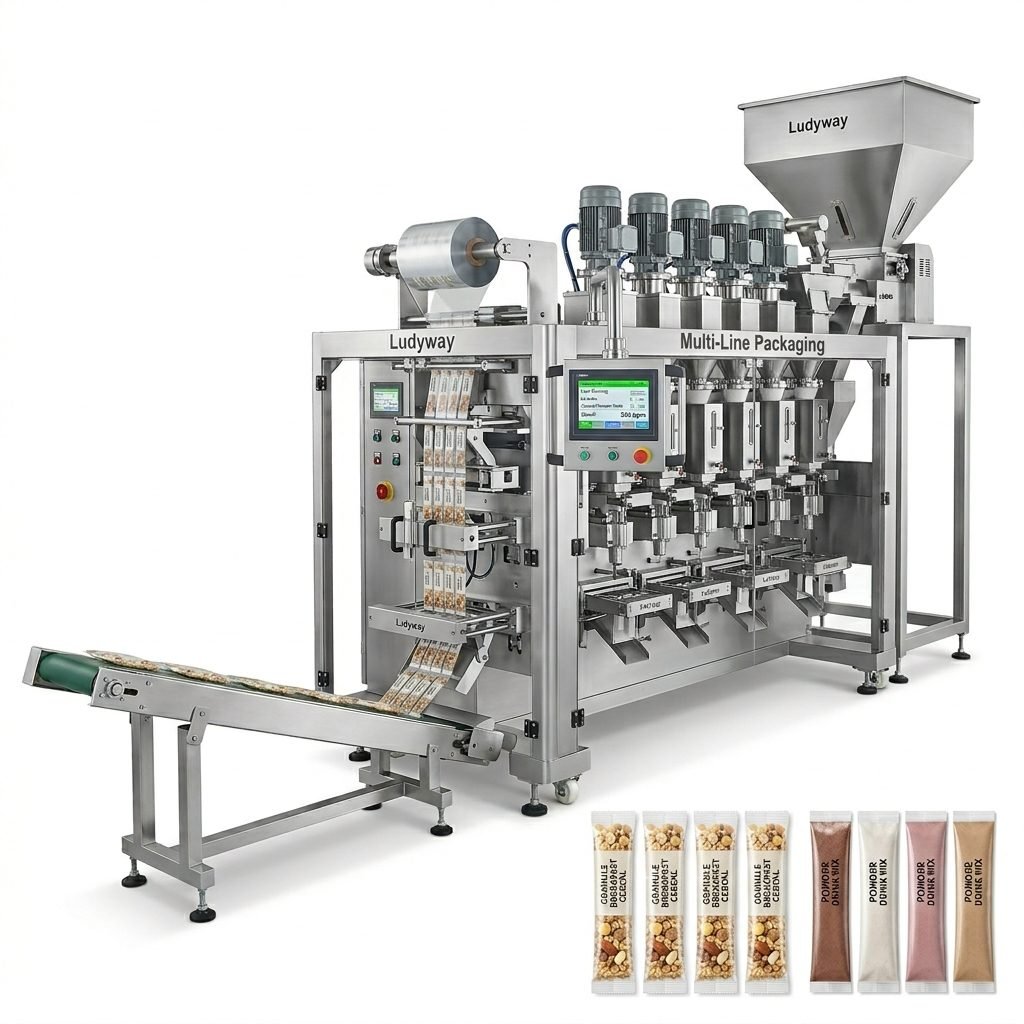
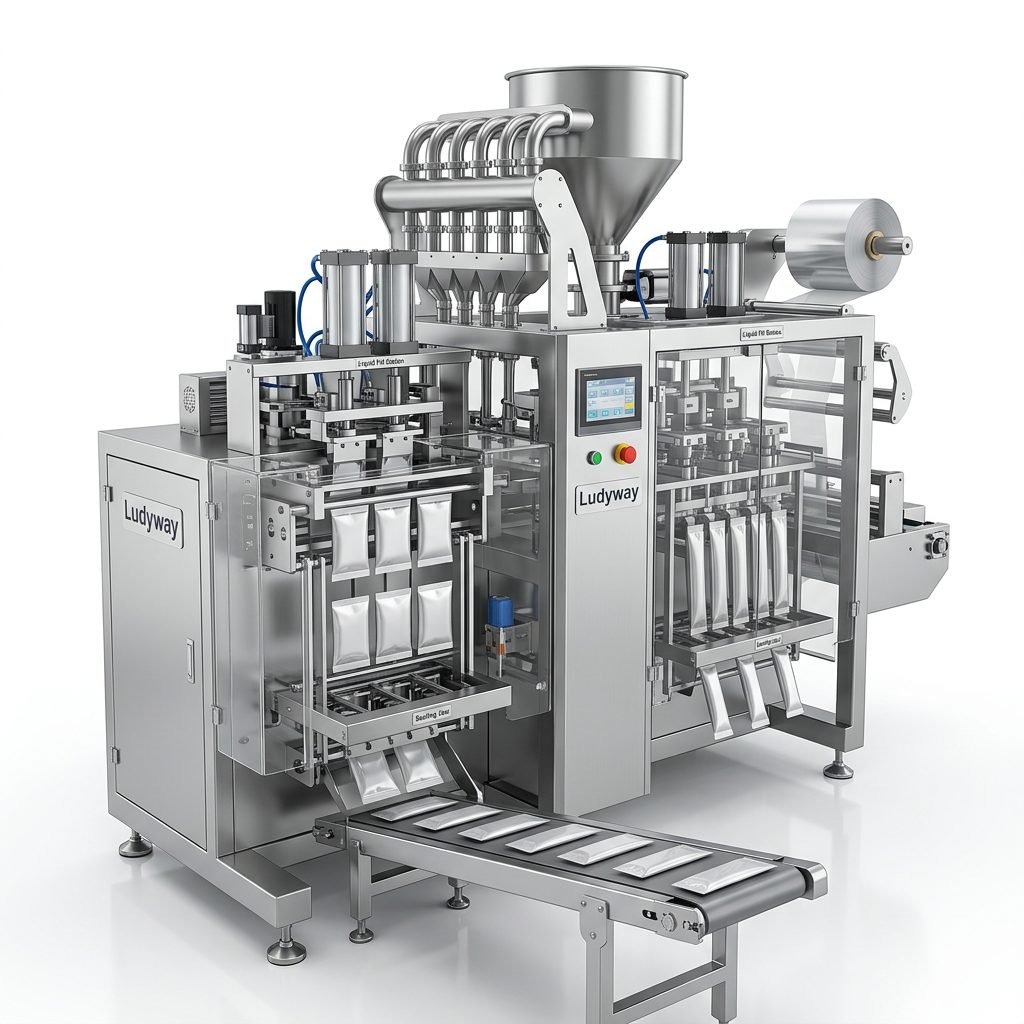
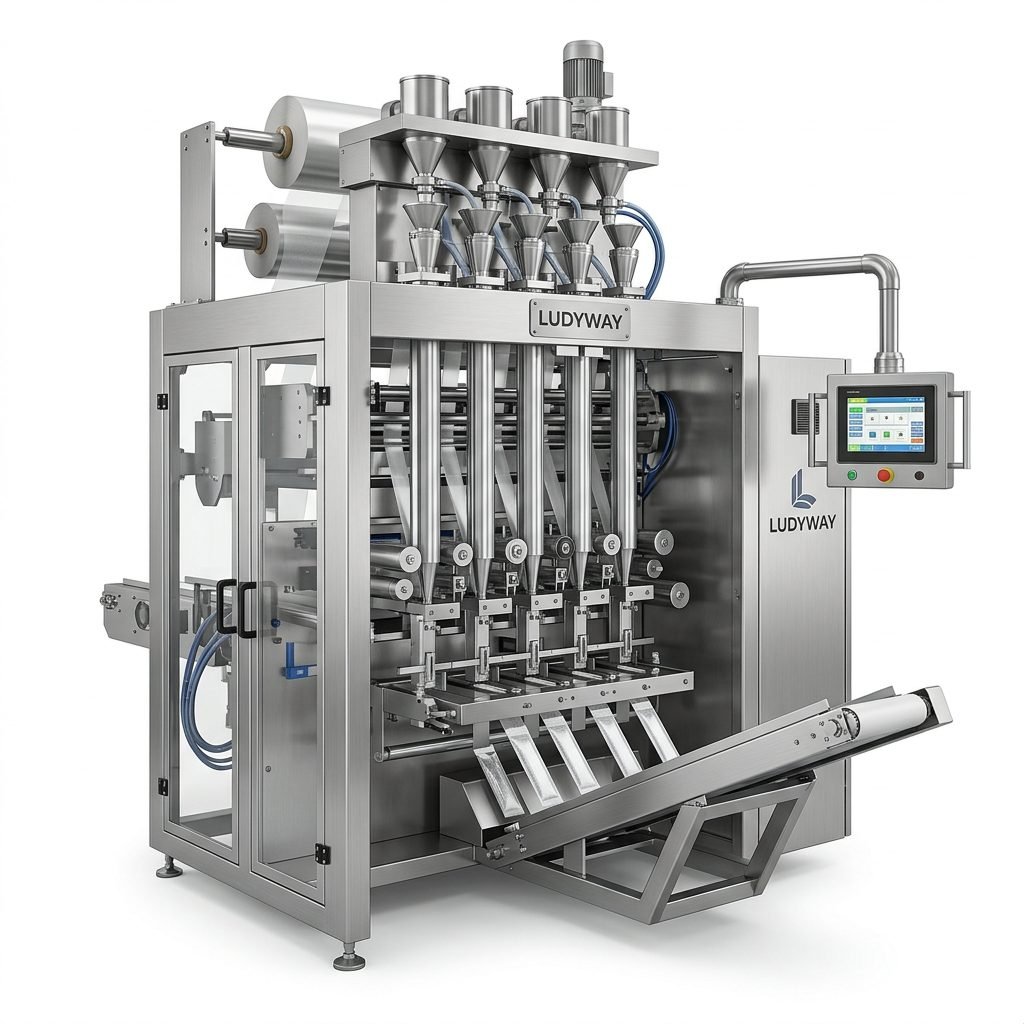
In today’s fast-paced manufacturing world, efficient and reliable packaging is a cornerstone of success, especially for products in granule, powder, and liquid forms. From spices and instant coffee to protein powders and sauces, the demand for precise, hygienic, and high-speed packaging has never been greater. This is where specialized automatic packing systems come into play, offering tailored solutions that enhance productivity, ensure product integrity, and meet stringent industry standards.
Key Takeaway: Modern packaging is no longer just about containment. It’s a critical process that impacts shelf life, brand perception, supply chain efficiency, and overall operational profitability. Investing in the right food packaging machine solutions is an investment in your product’s future.
Understanding the Core Challenges in Granule, Powder & Liquid Packaging
Each product type presents unique hurdles that generic packaging equipment often fails to address. Granules, like rice or seeds, require consistent volume filling and are prone to dust generation. Powders, such as flour or milk powder, are susceptible to clumping, bridging in hoppers, and creating airborne dust, posing both product loss and hygiene concerns. Liquids, from oils to viscous pastes, demand impeccable sealing to prevent leaks and often require specialized nozzles to handle varying viscosities without drips.
A one-size-fits-all approach leads to waste, downtime, and compromised product quality. Therefore, the machinery must be intelligently designed to handle these specific characteristics with precision and care.
Specialized Solutions for Granule Products
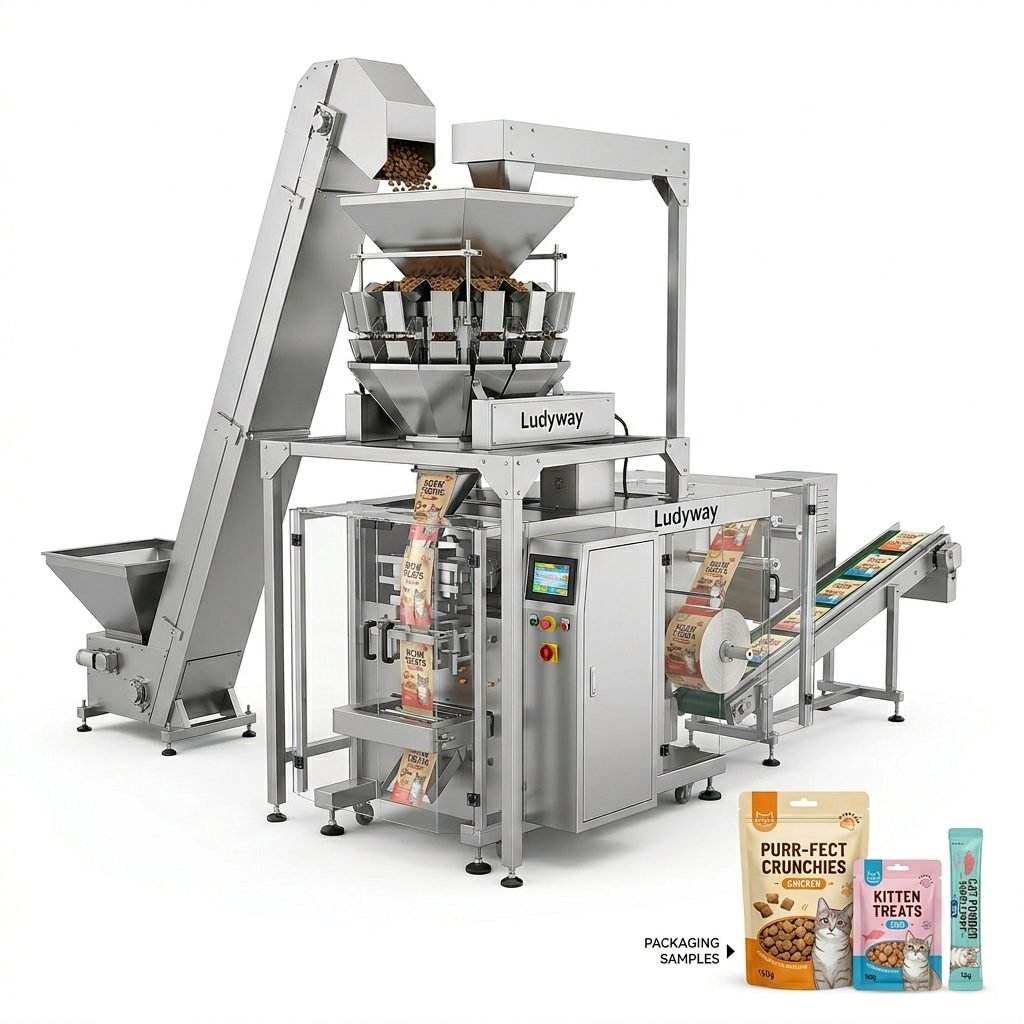
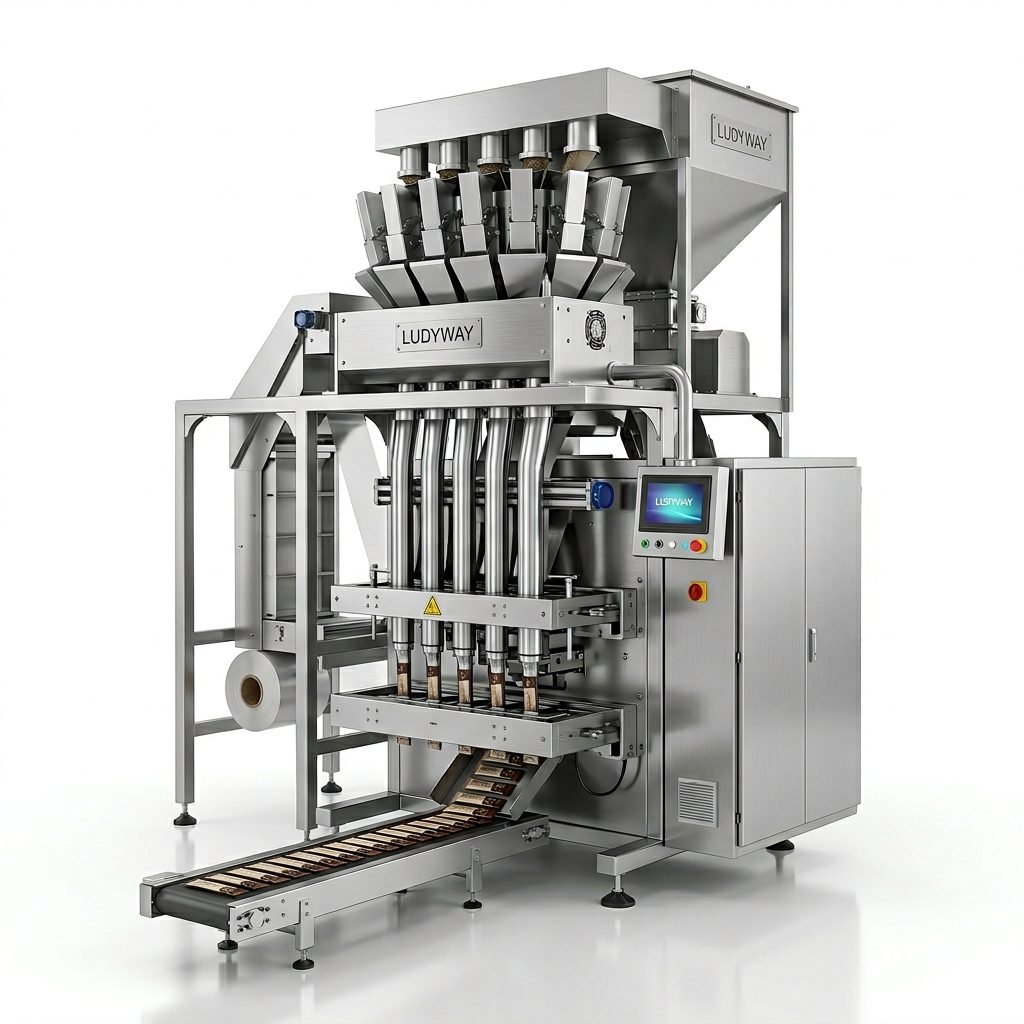
Packaging granular products efficiently requires machinery that can handle free-flowing characteristics while maintaining accuracy. Advanced granule packaging machines often utilize multi-head weighers or auger filler systems designed for rapid, high-precision dosing. These systems minimize product giveaway and are ideal for items like coffee beans, nuts, candy, and pet food. The focus is on speed and weight accuracy, ensuring every bag meets the stated net weight.
Advanced Systems for Powder Handling
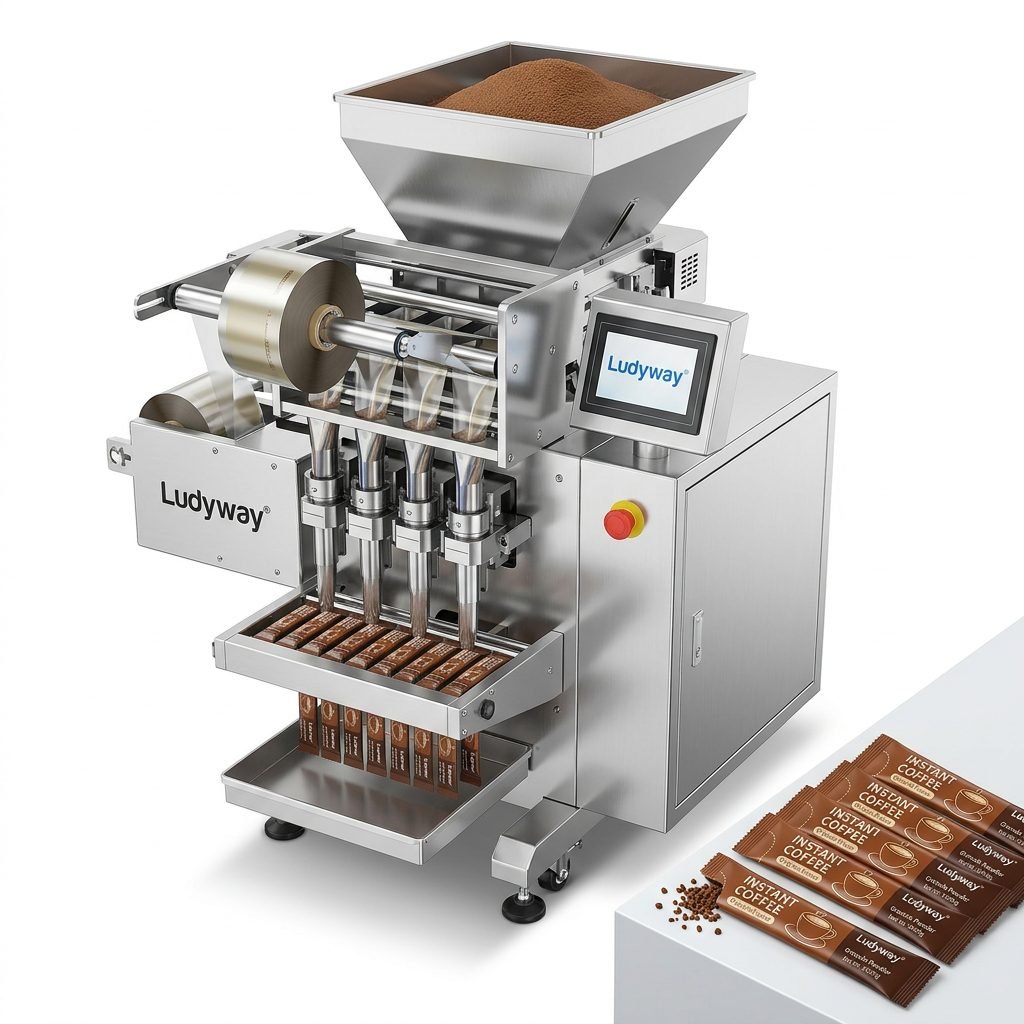
Powder packaging is arguably the most technically demanding. Superior systems incorporate features like vibrating sieve fillers, anti-bridging hoppers, and vacuum deaeration technology. These features break up clumps, ensure consistent powder density in the fill, and remove air to create a compact, professional-looking pouch. This is crucial for products where consistent scoopability and appearance, like nutritional supplements or drink mixes, are vital for consumer satisfaction.
Precision Engineering for Liquid Filling
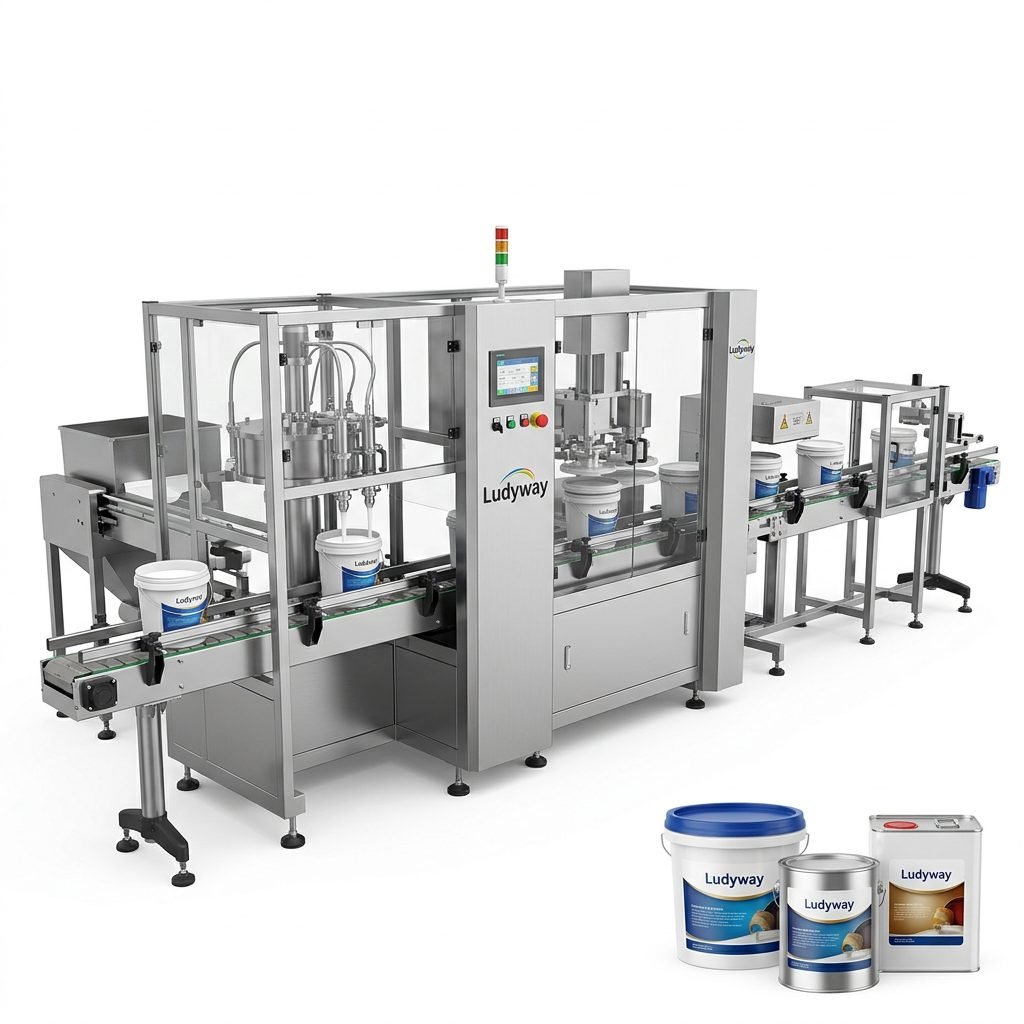
Liquid packaging machines must excel in cleanliness and sealing integrity. Piston fillers and peristaltic pump fillers are common choices, offering superb accuracy for both thin and thick liquids. Key considerations include the use of food-grade stainless steel contact parts, CIP (Clean-in-Place) capabilities, and leak-proof sealing jaws that can handle potential nozzle drips. Whether packaging sauces, dressings, or oils, the goal is a perfectly sealed, drip-free pouch or sachet.
The Evolution Towards Full Automation
The modern landscape moves beyond single machines to integrated automatic packing systems. These are complete production lines that may include:
- Automatic Bag Making & Feeding: Roll film is formed, filled, and sealed in one continuous process.
- Multi-Lane Operation: Doubling or quadrupling output by running multiple packaging lines in parallel from a single feeder.
- Integrated Checkweighers & Metal Detectors: Ensuring every package meets weight standards and is free from contaminants.
- Robotic Palletizing: Automatically collating and stacking finished boxes onto pallets for shipment.
This level of automation minimizes human intervention, maximizes throughput, and ensures unparalleled consistency across thousands of packages.
Selecting the Right Packaging Partner
Choosing a supplier for your food packaging machine solutions is a strategic decision. Look for a partner with deep application expertise, not just a equipment catalog. They should understand the nuances of your specific product—be it the oil content of a powder or the particulate size in a granule. A reliable partner offers comprehensive support, from initial consultation and customized machine design to installation, training, and after-sales service.
Companies like Ludyway Packing Machine, with decades of focused experience, exemplify this approach. By specializing in the food, pharmaceutical, and health industries, they develop an intrinsic understanding of the regulatory and quality demands, translating into more reliable and compliant machinery for their clients.
The Role of Innovation and Customization
Off-the-shelf solutions work for standard applications, but many products need a tailored touch. Whether it’s a unique bag shape, a specific film material, or integration with existing factory equipment, the ability to customize is key. Forward-thinking providers invest in R&D to incorporate the latest in servo motor control, touch-screen HMIs, and data connectivity for Industry 4.0 readiness, ensuring your investment remains productive for years to come.
Benefits of a Turnkey Packaging Line
Opting for a complete, turnkey solution from a single provider simplifies the entire process. It ensures compatibility between all line components, provides a single point of accountability for service, and typically results in a faster, smoother project commissioning. You gain a production-ready system optimized for your product’s specific needs, from the moment the raw material is fed to the moment the finished carton is sealed.
Driving Efficiency and Growth
Implementing the right automatic packing systems directly impacts your bottom line. The benefits are multi-faceted: dramatically increased output speeds, near-elimination of product waste, reduced labor costs, and enhanced packaging quality that strengthens your brand on the shelf. In a competitive market, this operational excellence is not just an advantage—it’s a necessity for sustainable growth and scalability.
By partnering with experts who offer dedicated solutions for granule, powder, and liquid packaging, manufacturers can confidently meet rising market demands, adapt to new product launches, and build a reputation for quality and reliability that resonates with consumers worldwide.
Frequently Asked Questions (FAQs)
1. What is the main difference between a granule and a powder packaging machine?
While both may use similar machine platforms, the core difference lies in the filling system and product handling. Granule machines often use volumetric cups or scales for fast filling of free-flowing items. Powder machines require specialized augers, vibrating funnels, or vacuum systems to manage compaction, clumping, and dust, ensuring accurate weight and a consistent fill.
2. Can one machine handle all three types: granules, powders, and liquids?
Generally, no. While some versatile machines can switch between granules and certain coarse powders with a change of filler parts, liquids require a completely different filling system (like a piston pump) and sealing considerations to prevent leaks. It’s more effective to choose a machine engineered for your primary product type.
3. How important is automation in a packaging line?
Extremely important for medium to high-volume production. Automation increases speed and output dramatically, improves accuracy and consistency (reducing giveaway), lowers long-term labor costs, and enhances hygiene by minimizing human contact with the product. It also provides better production data for process optimization.
4. What should I look for in a packaging machine supplier?
Prioritize industry-specific experience, a strong portfolio of successful installations for products similar to yours, the ability to provide customizations, and comprehensive after-sales support including spare parts, technical assistance, and operator training. A supplier with its own manufacturing and R&D capabilities, like Ludyway, often provides better long-term support.
5. Are automatic packaging systems difficult to maintain?
Modern systems are designed for ease of maintenance. Key factors include good machine accessibility, clear documentation, available training from the supplier, and a reliable supply of spare parts. Choosing a well-built machine from a reputable supplier significantly reduces unexpected downtime and simplifies routine maintenance tasks.