Selecting the right fruit juice packaging machine is a critical decision for any beverage producer. The correct equipment not only ensures product integrity and shelf life but also directly impacts production efficiency, operational costs, and brand presentation in a competitive market. This comprehensive guide will walk you through the different types of machines, their key features, and a structured approach to choosing the best one for your specific needs.
Understanding the Main Types of Fruit Juice Packaging Machines
The packaging process for fruit juice varies significantly based on the product format (e.g., ambient, chilled, concentrate), target market, and required shelf life. Here are the primary machine types used in the industry.
Form-Fill-Seal (FFS) Machines
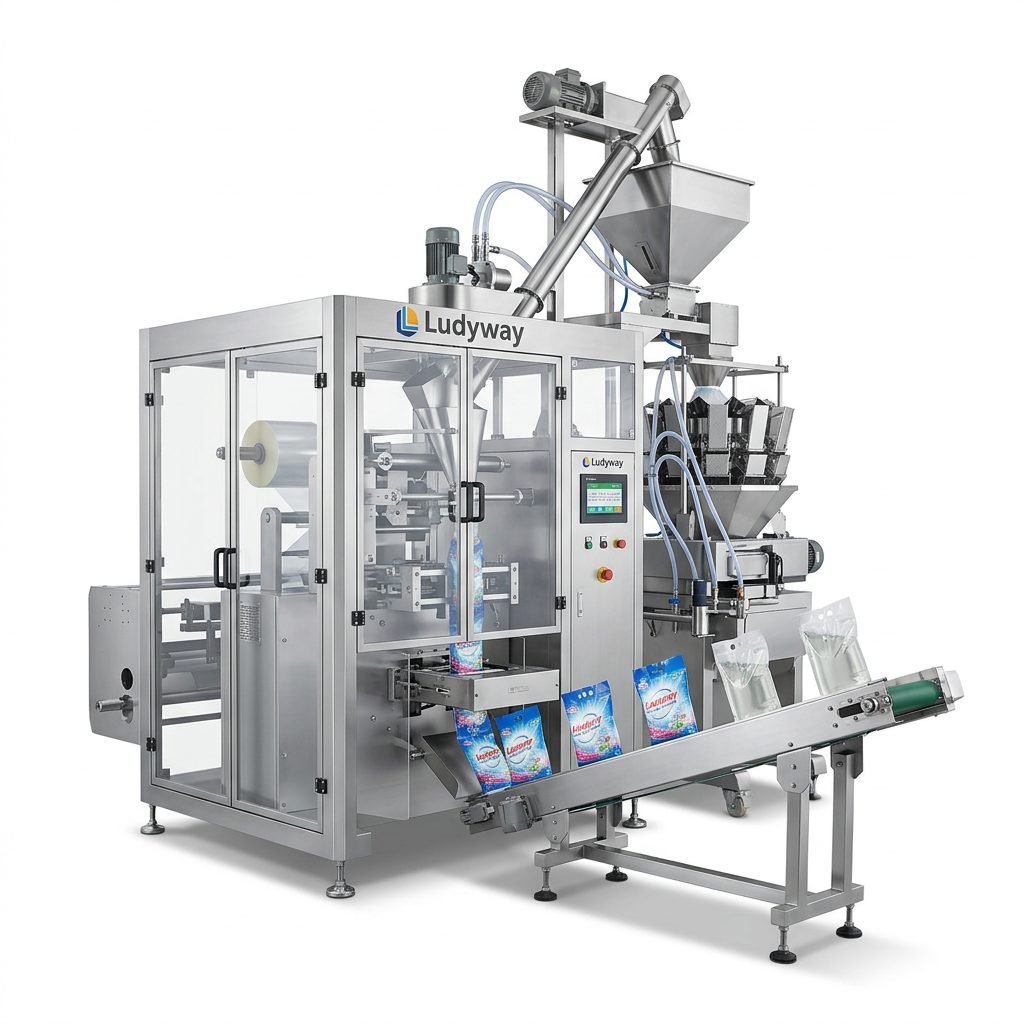
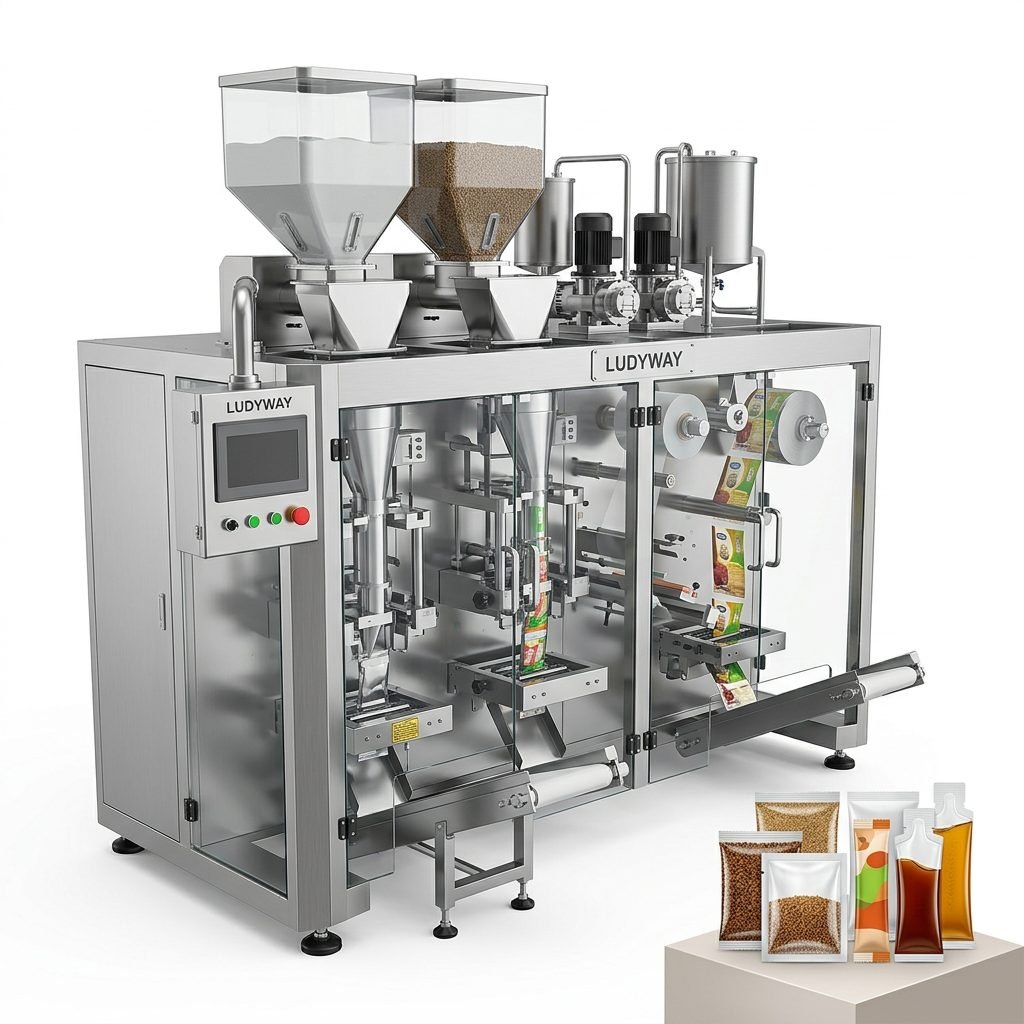
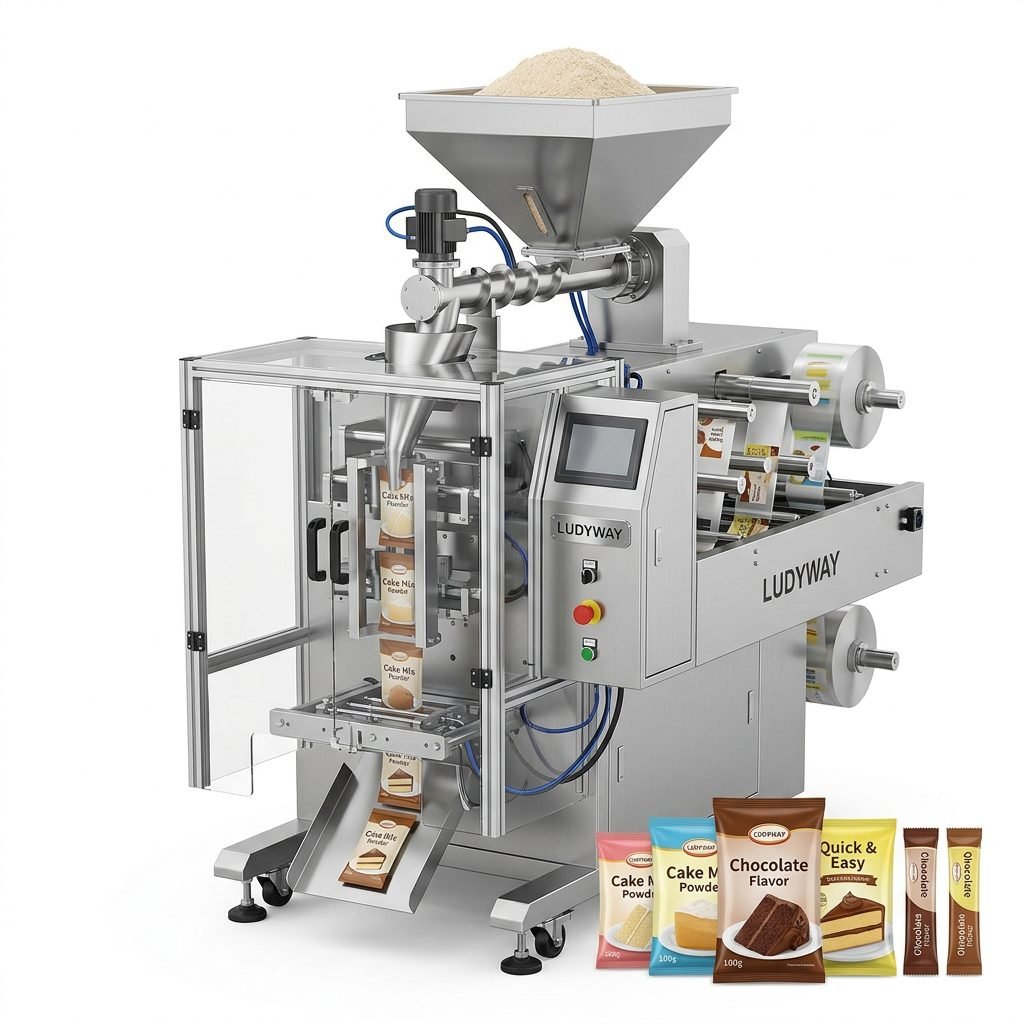
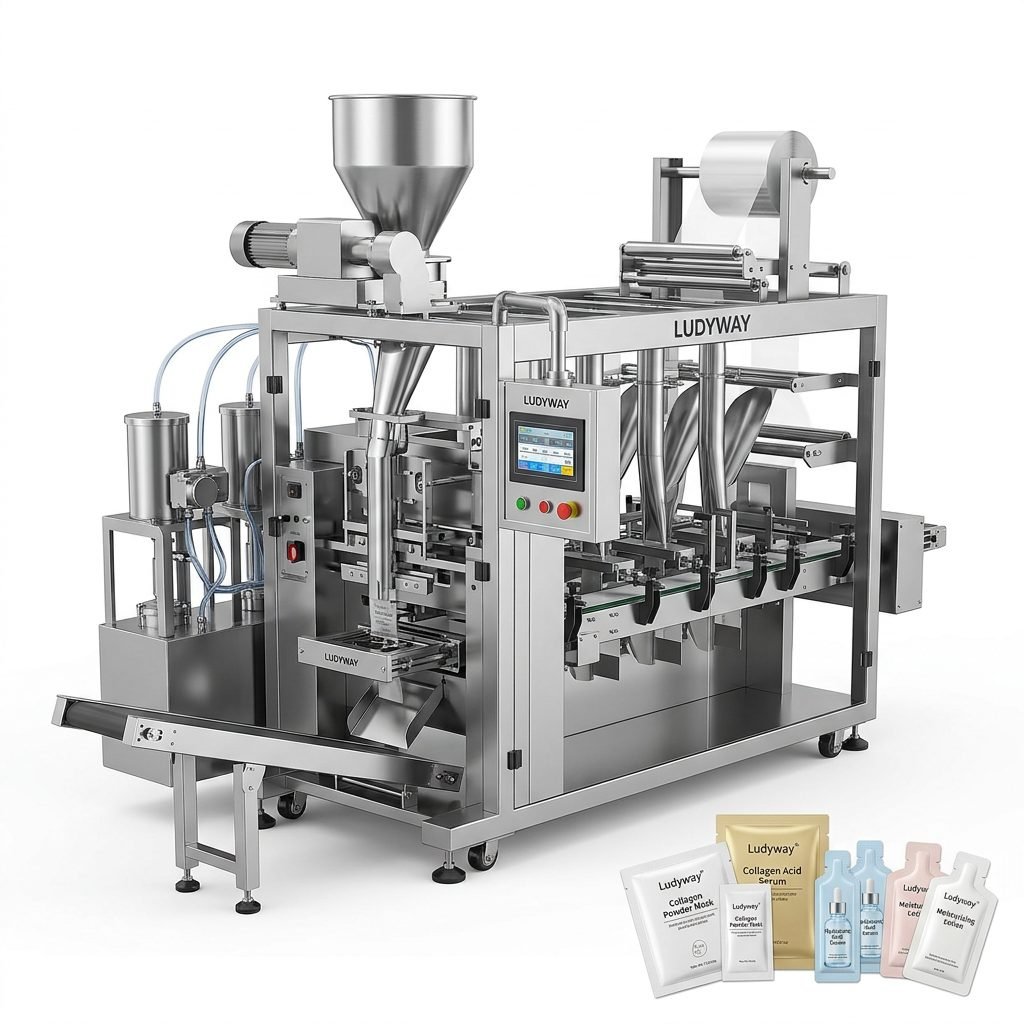
Form-Fill-Seal technology is the backbone of modern flexible packaging. These machines create the package from a roll of film, fill it with juice, and seal it—all in one continuous, automated operation. They are highly efficient and minimize material waste.
Pouch Packaging Machines: Ideal for single-serve portions, family-sized packs, or bag-in-box inners. They can produce stand-up pouches (doypacks) with spouts or zippers, which are incredibly popular for their convenience and shelf appeal.
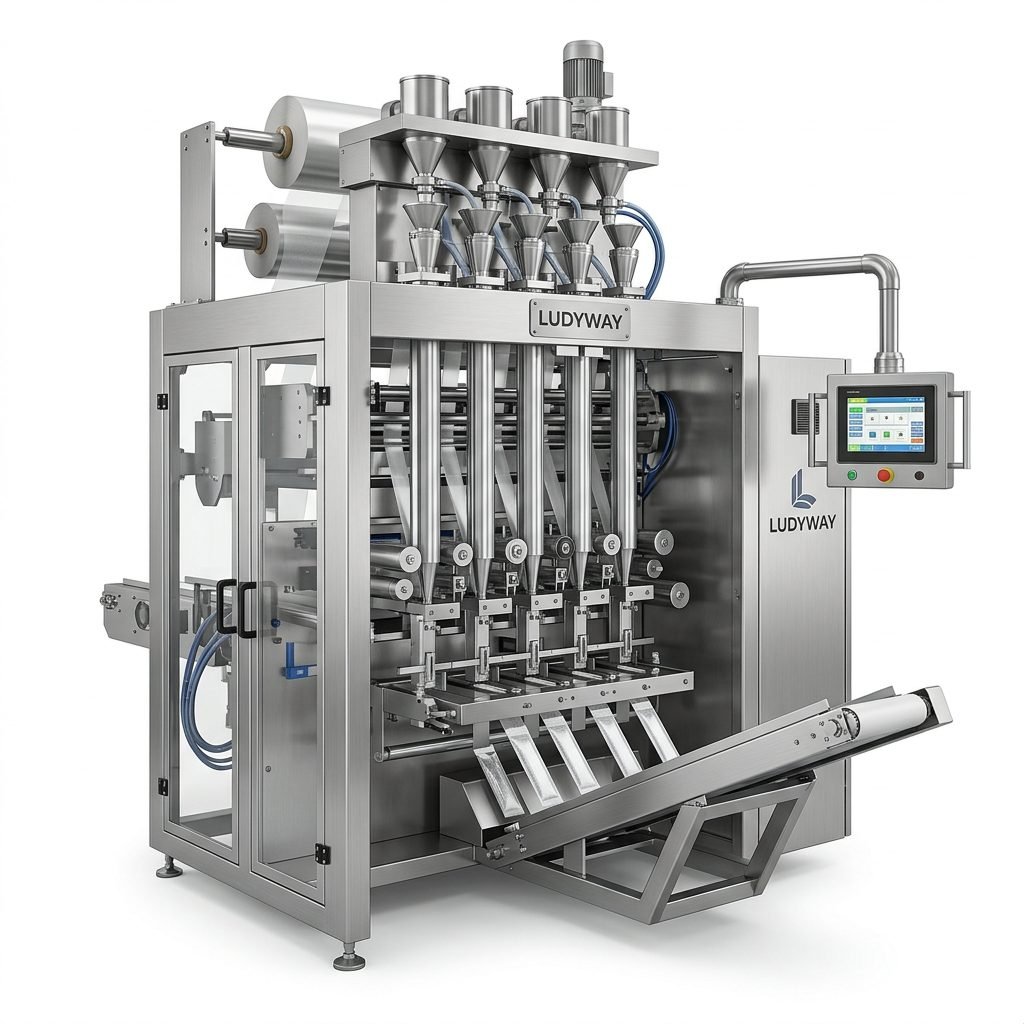
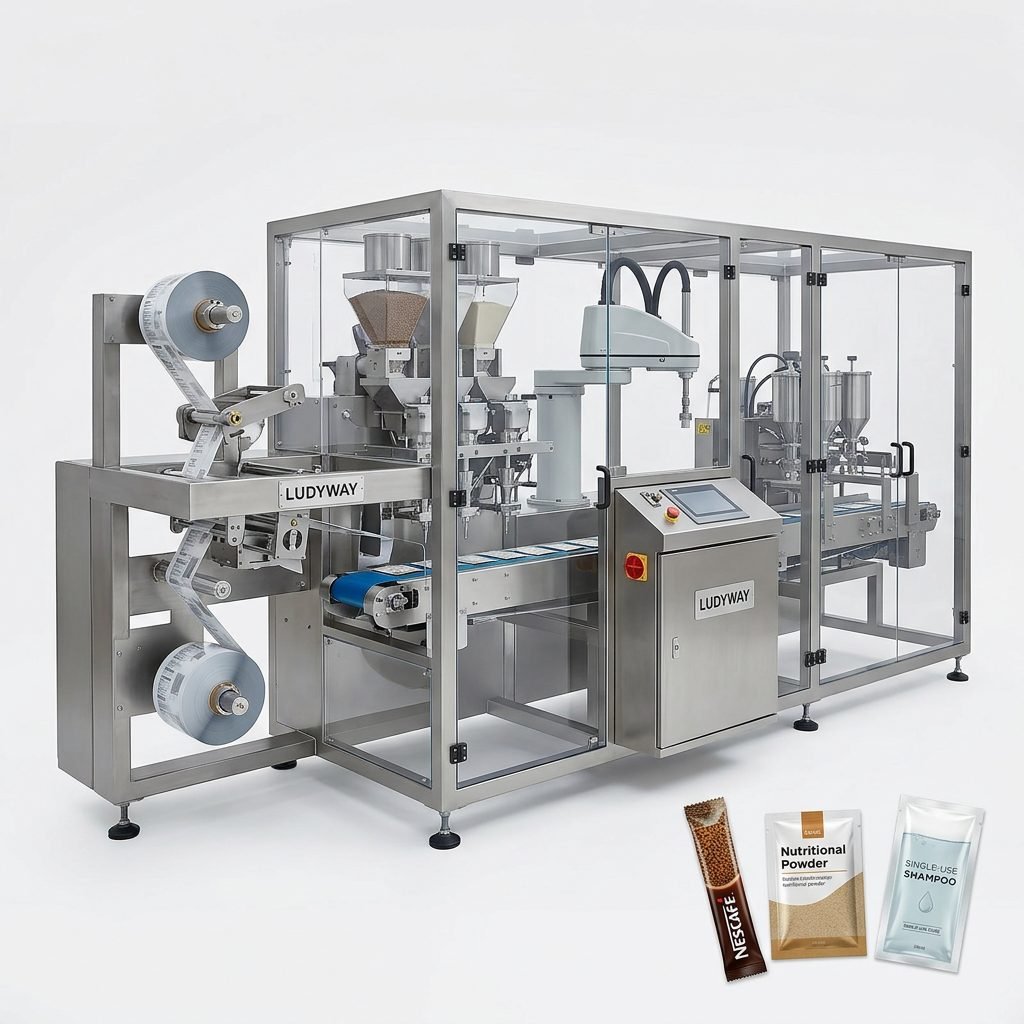
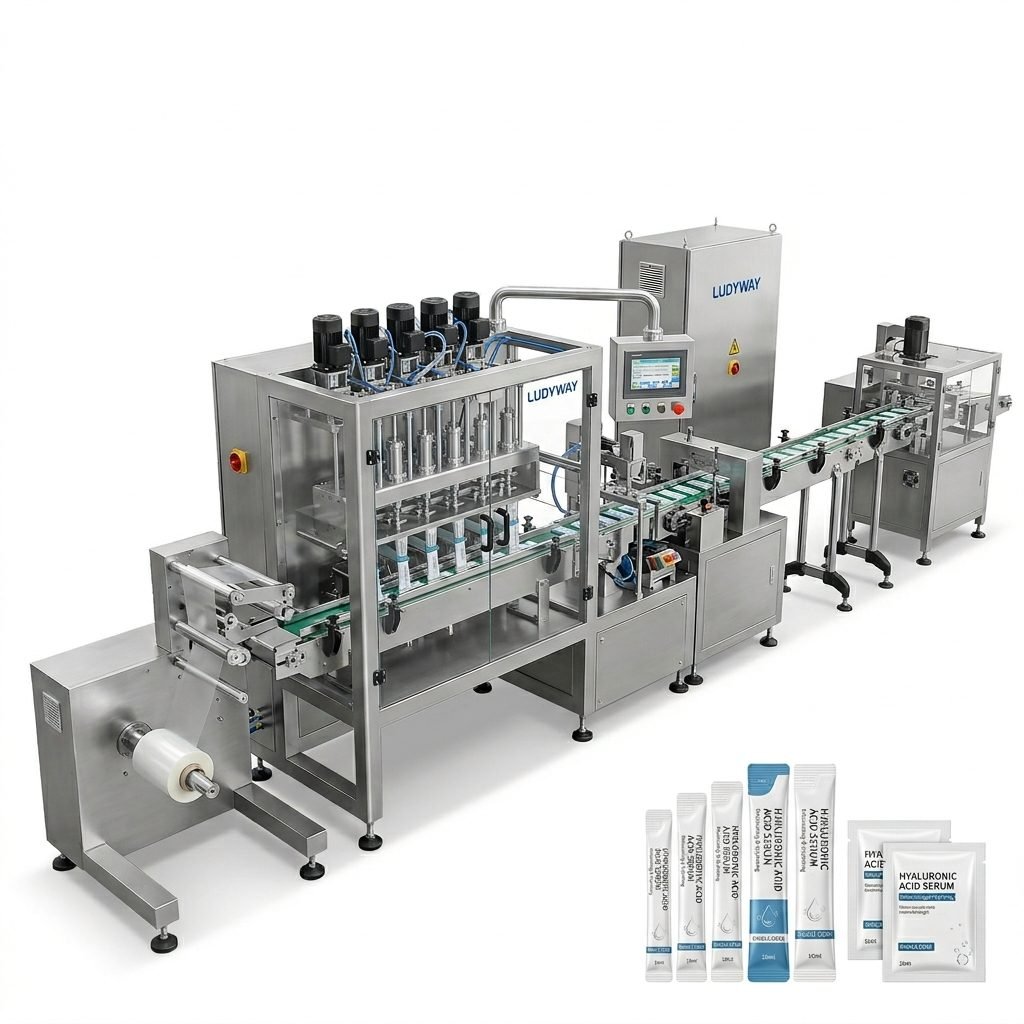
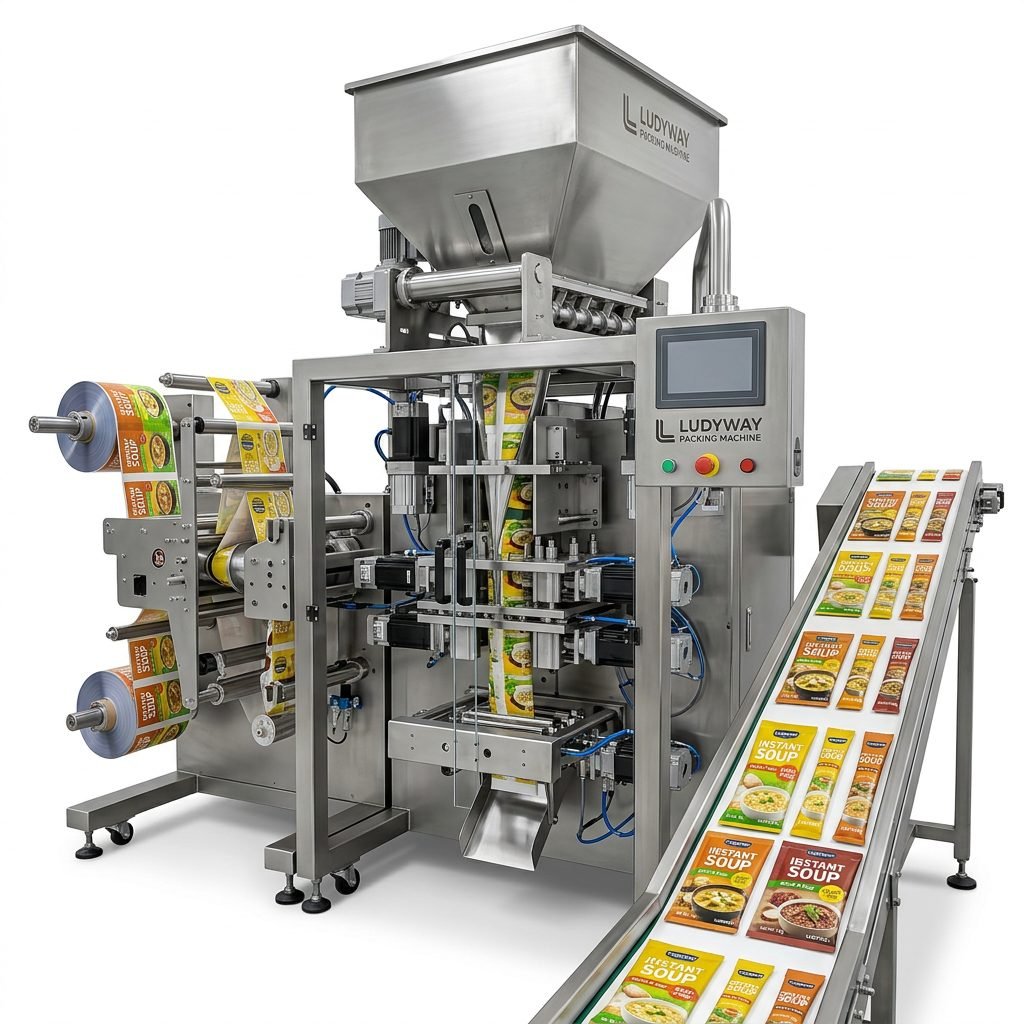
Sachet & Stick Pack Machines: Perfect for concentrated juice powders, drink mixes, or small liquid shots. Machines like multi-lane sachet packers offer very high speeds for small unit production.
Bottling Lines
For traditional rigid packaging, bottling lines are essential. These are often complex systems comprising several integrated machines.
Rinsing/Filling/Capping Monoblocks: A combined machine that washes bottles, fills them with juice, and applies caps in a synchronized sequence. This is a space-saving and efficient solution for medium to high-volume production.
PET Bottle Blow-Fill-Seal Systems: An advanced, aseptic solution where plastic bottles are blown, filled with juice, and sealed in a sterile environment. This technology is excellent for preserving juice without preservatives and is common for products requiring a long ambient shelf life.
Aseptic & ESL Packaging Systems
These systems are designed to achieve commercial sterility, drastically extending shelf life without refrigeration.
Aseptic Carton Fillers: Package juice into sterile, laminated cartons (like Tetra Paks). The juice and packaging material are sterilized separately and then combined in a sterile chamber.
Extended Shelf Life (ESL) Fillers: Use a combination of ultra-clean filling technology, sterile air environments, and product treatment (like mild heat) to achieve shelf life of several weeks under refrigeration. This is common for premium fresh juices.
Key Features and Specifications to Evaluate
Beyond the machine type, diving into the specifications will help you match the equipment to your operational goals.
Production Speed and Capacity
Measured in containers or pouches per minute (CPM/PPM). Your required output will dictate the machine’s speed tier. Always consider future growth—choosing a machine with a 20-30% higher capacity than your current needs can be a wise investment.
Filling Technology and Accuracy
The filling method affects speed, accuracy, and suitability for your product.
Volumetric Fillers: Use pistons or pumps for consistent volume. Good for pulpy juices.
Gravimetric Fillers: Fill by weight, offering high accuracy for valuable products.
Level Sensing Fillers: Use sensors to fill to a precise height in transparent bottles.
Automation and Control Level
Modern machines feature Programmable Logic Controllers (PLCs) and touch-screen Human-Machine Interfaces (HMIs). Look for features like recipe storage, production data tracking, automatic CIP (Clean-in-Place), and remote diagnostics. Higher automation reduces operator error and downtime.
Material Compatibility and Changeover
Can the machine handle the specific film or bottle type you plan to use? Consider the changeover time between different package sizes or formats. Machines with quick-change features can significantly improve flexibility for short production runs.
Hygienic Design and Construction
For food-grade production, this is non-negotiable. Look for stainless steel (grade 304 or 316) contact parts, smooth surfaces without crevices, and designs that prevent lubricant contamination. Aseptic machines will have far more stringent requirements.
A Step-by-Step Guide to Choosing the Best Machine
Making the right choice involves a systematic assessment of your business and technical requirements.
Step 1: Define Your Product and Packaging
Start with the end in mind. What is the juice viscosity (thin, pulpy, with pieces)? What is the target package size and material (200ml PET bottle, 1L stand-up pouch, 30ml sachet)? Your product characteristics will immediately narrow down the suitable machine types.
Step 2: Analyze Your Production Requirements
Calculate your required output per shift and per day. Be realistic about peak demands. Also, assess your factory space, available utilities (air, power, water), and the skill level of your operational team.
Step 3: Set Your Budget and Consider Total Cost of Ownership
Look beyond the initial purchase price. Factor in installation, training, maintenance costs, spare parts availability, and energy consumption. A slightly more expensive, reliable machine from a reputable supplier like Ludyway Machinery often has a lower total cost of ownership than a cheaper, less reliable alternative.
Step 4: Research and Shortlist Suppliers
Seek suppliers with proven experience in juice packaging machinery. Review their case studies, ask for client references, and inquire about their after-sales service network, technical support, and availability of spare parts. A supplier’s reputation is paramount.
Step 5: Request Demos and Evaluate
Always request a live demonstration using a product similar to yours. Observe the machine’s operation, noise level, ease of control, and finished package quality. Pay close attention to the seal integrity and filling accuracy.
Step 6: Finalize Support and Service Agreements
Ensure clear terms for warranty, installation support, operator training, and ongoing maintenance are part of your purchase agreement. Reliable support is crucial for minimizing future production disruptions.
Frequently Asked Questions (FAQs)
Q1: What is the main difference between an aseptic and a hot-fill machine?
A1: Aseptic processing sterilizes the product and the package separately before filling in a sterile environment, allowing shelf-stable storage. Hot-fill involves filling the juice at a high temperature (typically 85-95°C) into containers to create a vacuum seal upon cooling, which also enables ambient shelf life but may affect the taste of more sensitive juices.
Q2: How important is the supplier’s after-sales service?
A2: It is critically important. Packaging machines are complex and require periodic maintenance and occasional repairs. A supplier with a strong global service network, readily available spare parts, and responsive technical support, such as one with over 30 years of industry experience, ensures maximum uptime and long-term reliability for your production line.
Q3: Can one machine handle different types of juice and package sizes?
A3> Many machines are designed for flexibility. The key is the “changeover” capability. Machines with quick-change parts for filling nozzles, film guides, or bottle handling allow for switching between similar products and package sizes. However, switching between vastly different formats (e.g., from bottles to pouches) typically requires different machines or major modules.
Q4: What are the key trends in fruit juice packaging machinery?
A4: Major trends include increased automation with IoT connectivity for data monitoring, greater sustainability through reduced material usage and energy-efficient designs, and enhanced flexibility to accommodate the growing demand for smaller batch sizes and personalized packaging.
Q5: Why should I consider a turnkey solution from a single supplier?
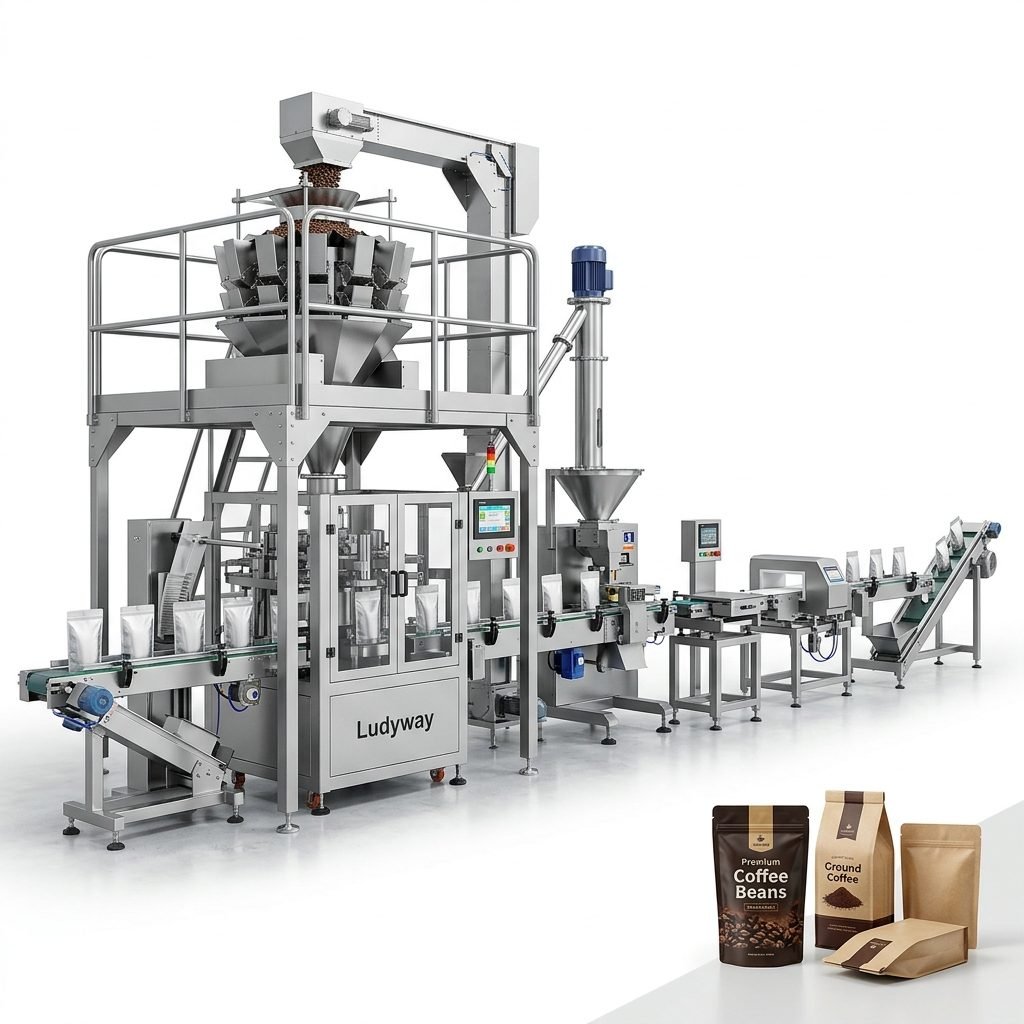
A5: A turnkey solution, where one supplier provides and integrates all components from the filler to the case packer, simplifies project management, ensures compatibility between line segments, and provides a single point of accountability for service and support. This approach can lead to faster commissioning and smoother long-term operation.