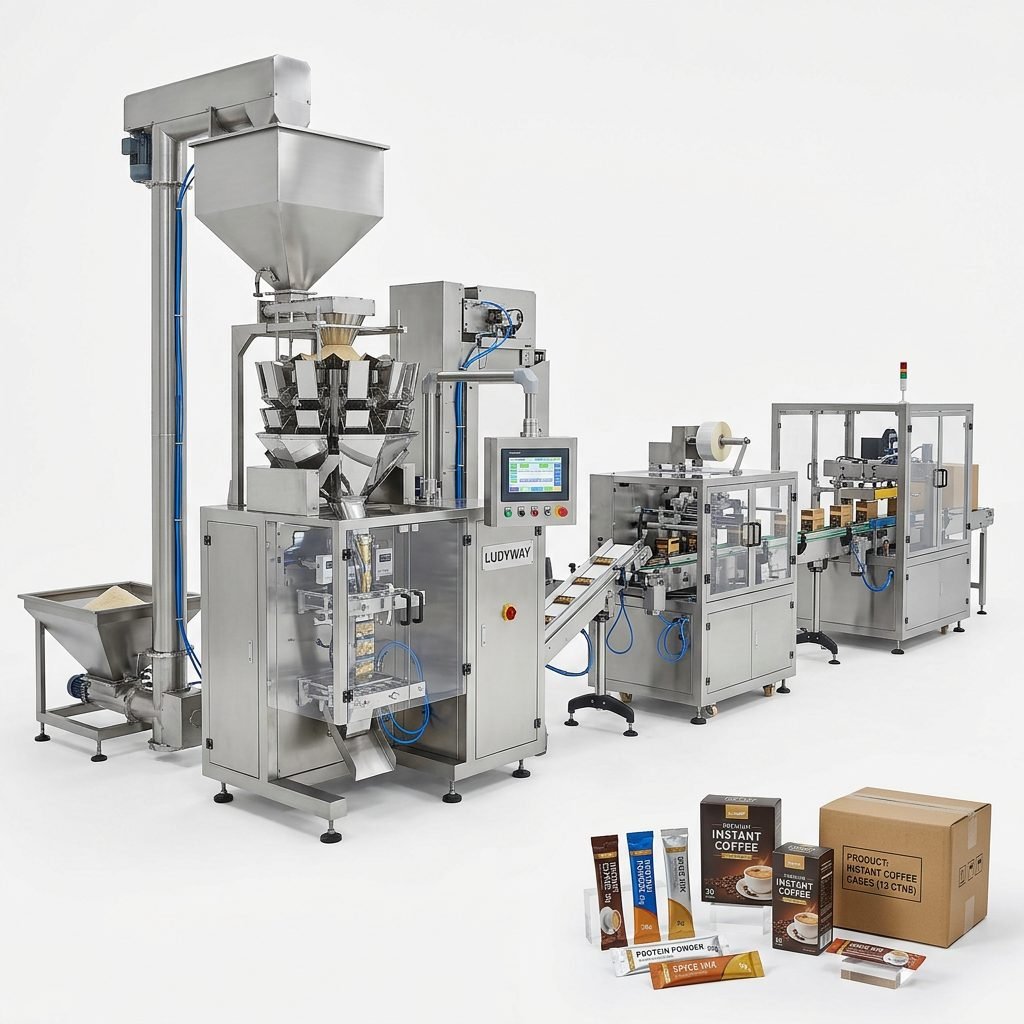
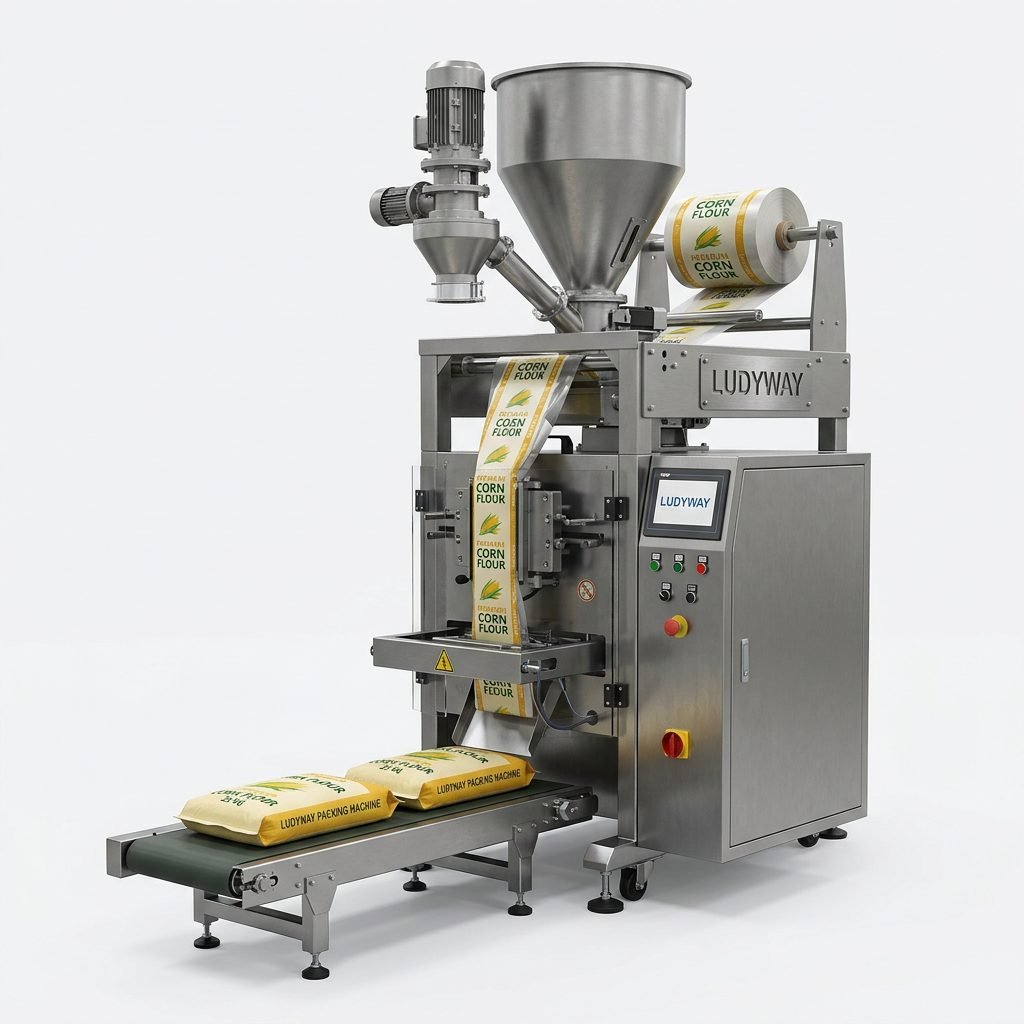
Investing in a liquid sachet packing machine is a significant decision that directly impacts your production efficiency, product quality, and long-term operational costs. Whether you are packaging beverages, sauces, shampoos, pharmaceutical syrups, or industrial fluids, selecting the right equipment requires a methodical evaluation of your product characteristics and production goals. This guide walks you through the essential factors to consider before making your purchase.
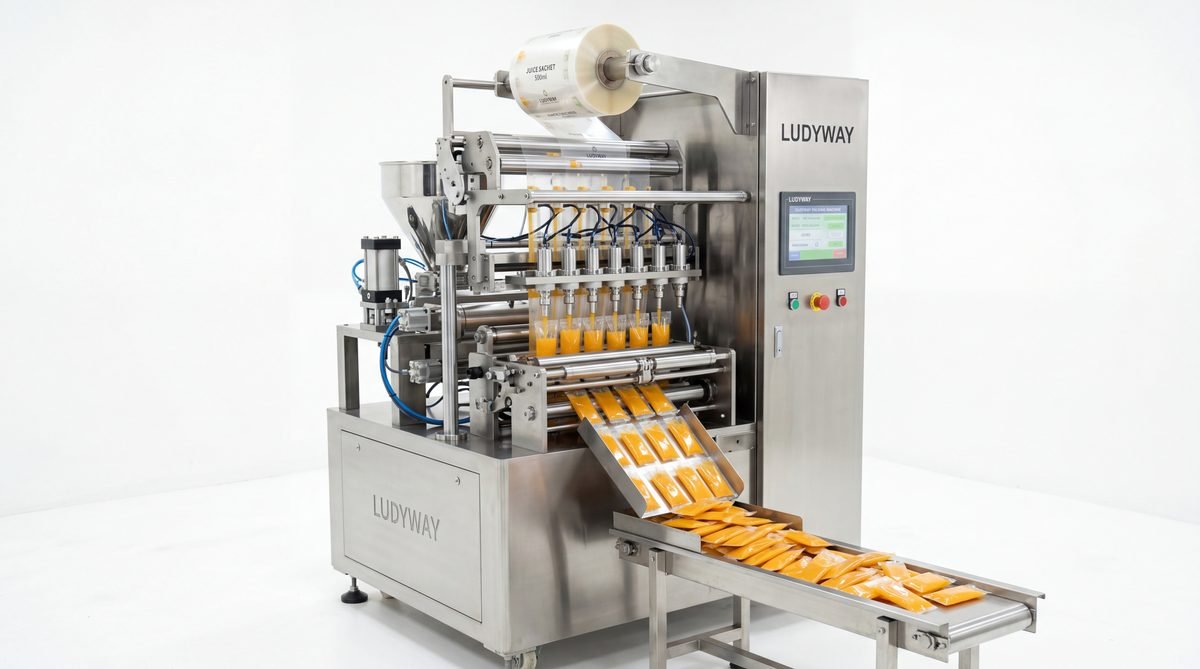
Understanding Your Liquid Product Characteristics
Not all liquids behave the same way during filling and sealing. Before evaluating machine specifications, you need to analyze your product’s physical properties. The viscosity, temperature sensitivity, and chemical composition of your liquid will determine which filling system and machine configuration is appropriate.
- Low-viscosity liquids (water, juice, milk, alcohol) flow easily and are compatible with gravity or volumetric filling systems.
- Medium-viscosity liquids (shampoo, conditioner, liquid soap, cooking oil) require piston or pump-based filling mechanisms for consistent dosing.
- High-viscosity liquids and pastes (honey, mayonnaise, gel, cream, toothpaste) demand positive-displacement filling systems with specialized nozzles.
- Foaming liquids (detergents, certain pharmaceutical solutions) need bottom-up filling or anti-foam control features to prevent overflow and inaccurate fills.
- Hot-filled liquids (ghee, certain sauces, wax-based products) require machines with heat-resistant components and specialized sealing systems.
Key Factors to Evaluate When Selecting a Liquid Sachet Packing Machine
Once you understand your product, the next step is to match your requirements with the right machine configuration. Below is a structured comparison of the most critical selection criteria.
| Selection Factor | What to Look For | Why It Matters |
|---|---|---|
| Filling accuracy | Volumetric piston fillers, servo-driven pumps, or flow meters with ±0.5% to ±1% precision | Prevents product waste, ensures regulatory compliance, and maintains consistent portion control |
| Sachet format and size range | Adjustable bag width (typically 30mm-160mm) and length (50mm-250mm); multi-lane capability | Enables production flexibility across different SKUs and market requirements |
| Production speed | Single-lane: 30-80 sachets/min; multi-lane (4-12 lanes): 200-600+ sachets/min | Must align with your current and projected output requirements |
| Packaging material compatibility | Laminated films (PET/AL/PE, PET/PE, BOPP/CPP), aluminum foil, biodegradable films | Affects shelf life, barrier properties, and sealing integrity |
| Sealing technology | Heat sealing (vertical/horizontal), ultrasonic sealing, or combination sealing systems | Directly impacts leak prevention and packaging integrity |
| Automation level | Semi-automatic, fully automatic, or integrated turnkey lines with cartoning and case packing | Determines labor requirements, throughput consistency, and overall line efficiency |
| Cleanability and hygiene | Stainless steel construction, CIP (Clean-in-Place) compatibility, tool-free disassembly | Essential for food, pharmaceutical, and cosmetic applications with strict hygiene standards |
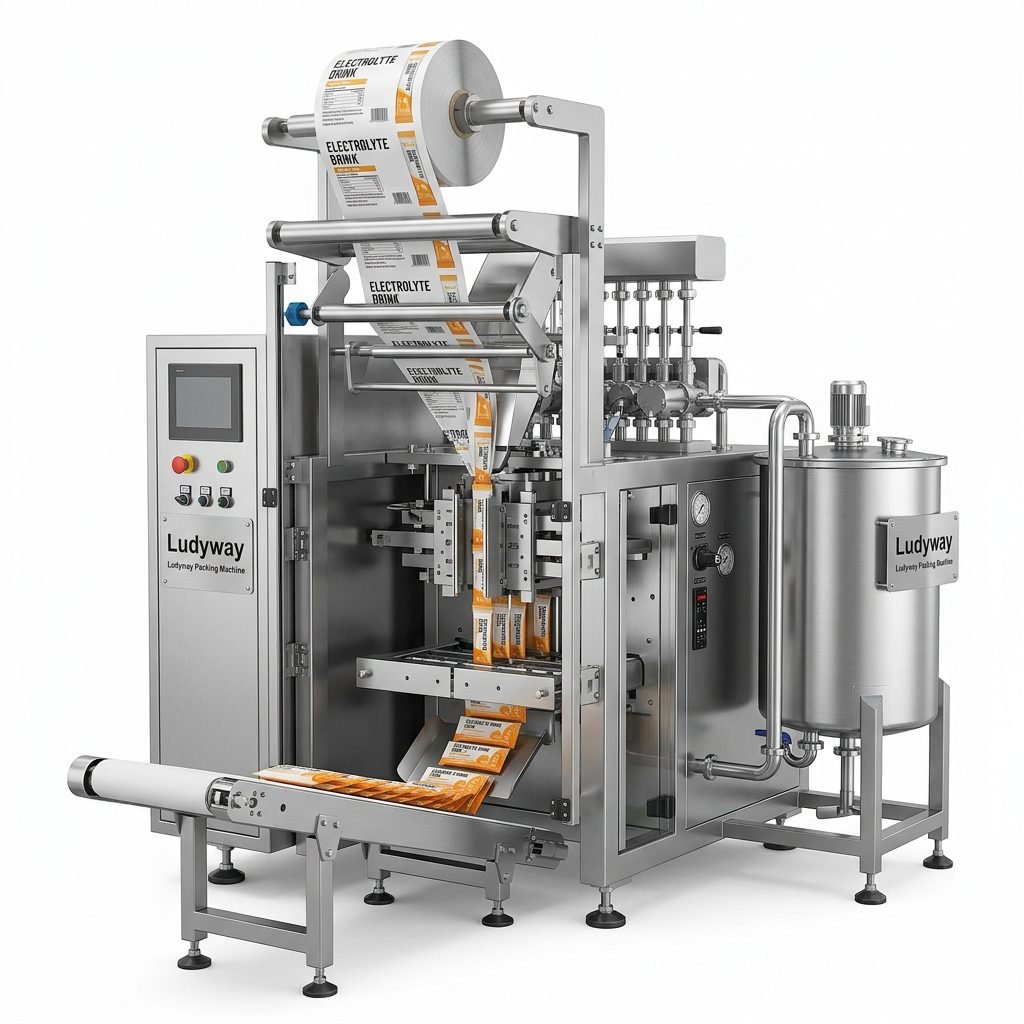
Single-Lane vs. Multi-Lane Liquid Sachet Machines
One of the most important configuration decisions is choosing between single-lane and multi-lane systems. Each approach serves different production scales, and understanding the trade-offs will help you make the right investment.
Single-lane machines are ideal for small to medium production volumes, frequent product changeovers, and facilities with limited floor space. They offer lower initial investment and simpler operation but have inherent speed limitations. A typical single-lane liquid sachet machine produces approximately 30-80 sachets per minute, depending on sachet size and fill volume.
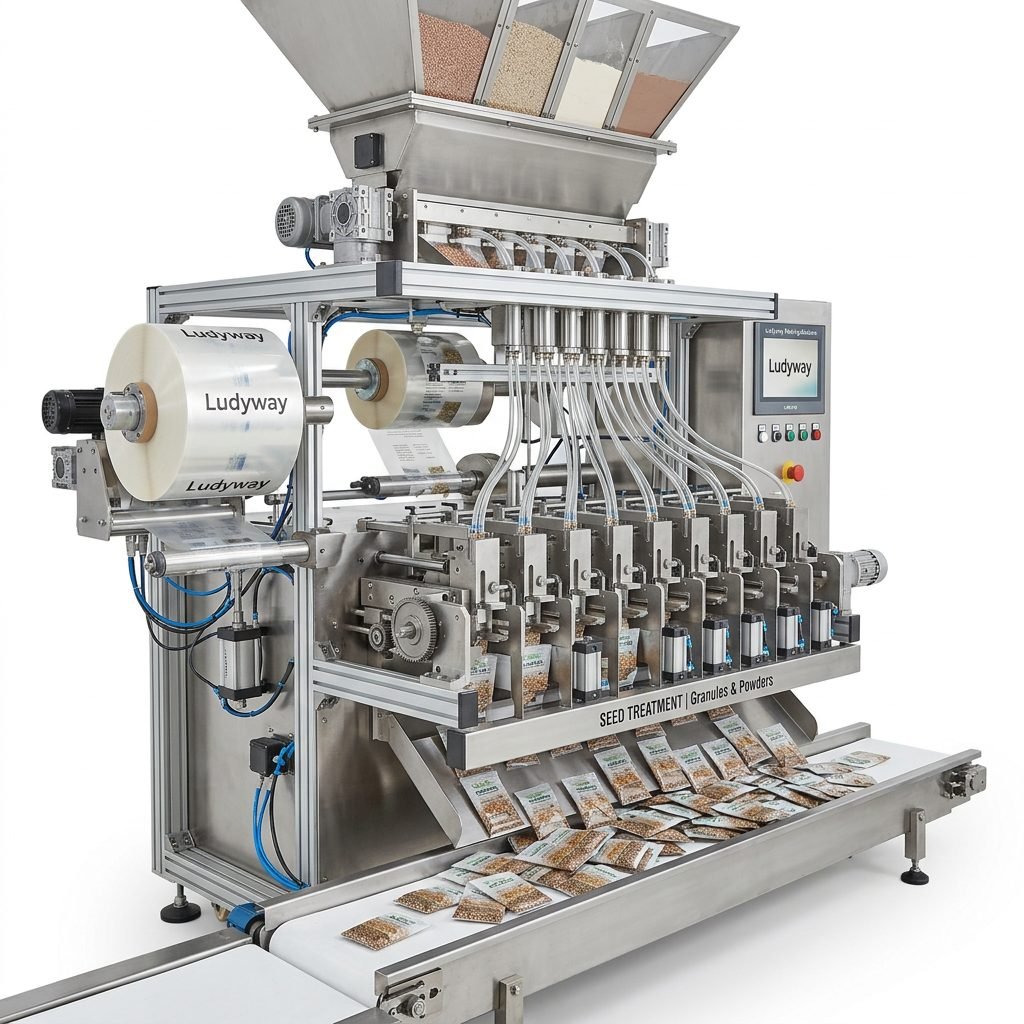
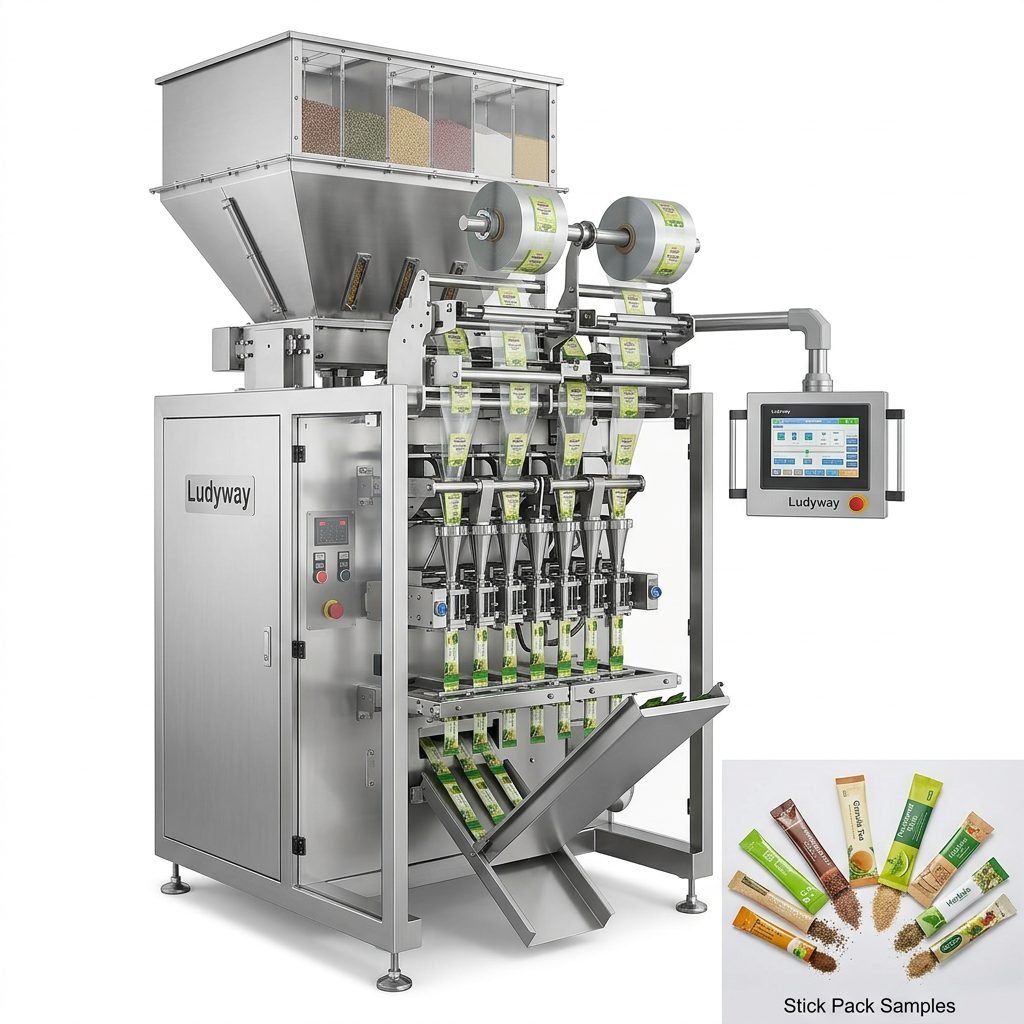
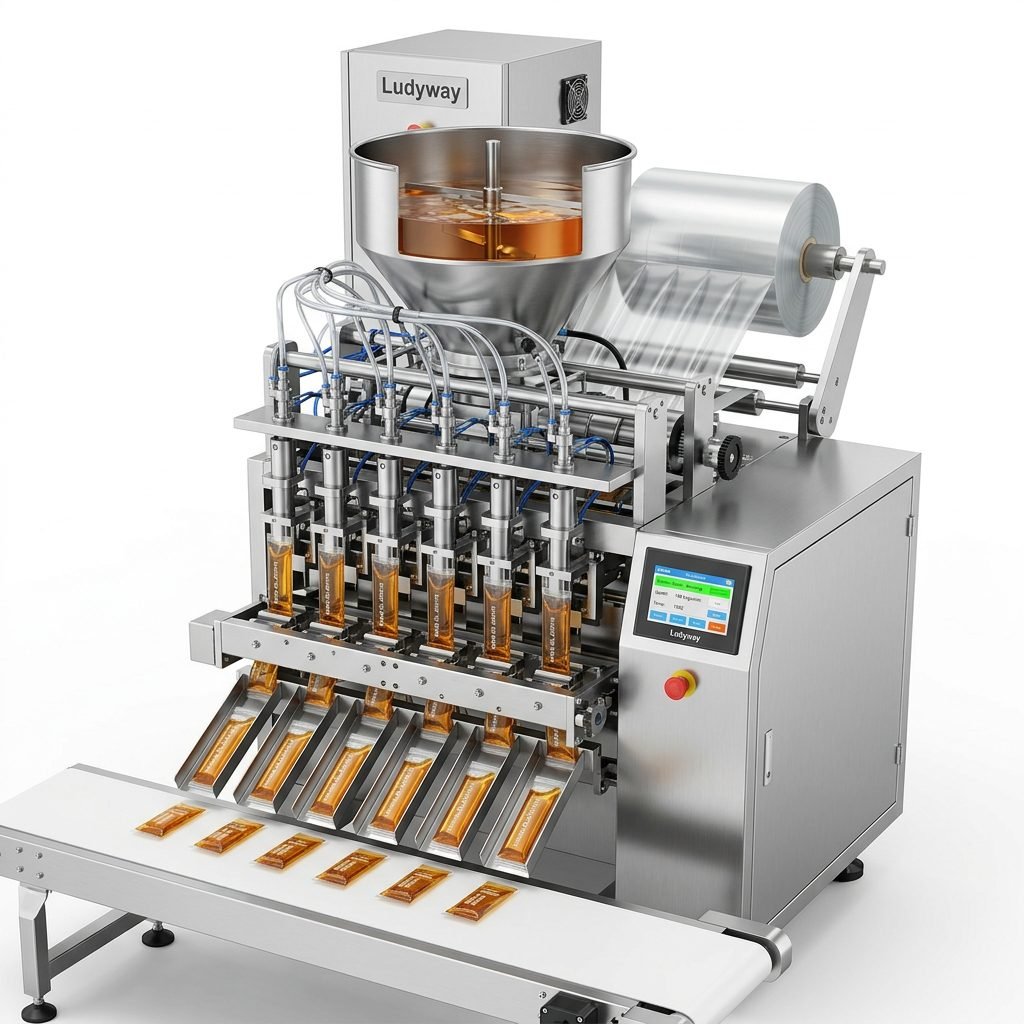
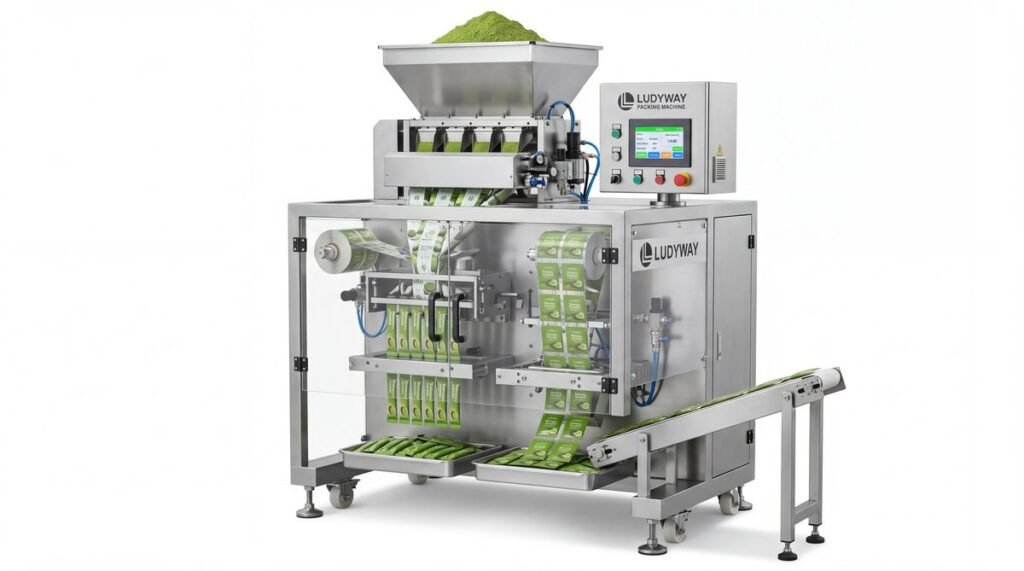
Multi-lane machines with 4, 6, 8, 10, or 12 lanes running simultaneously can achieve 200-600+ sachets per minute, dramatically increasing output while maintaining consistent fill accuracy across all lanes. These systems are suited for high-volume production of single-serve liquid products such as energy drink stick packs, shampoo samples, hand sanitizer sachets, and pharmaceutical oral liquids. Multi-lane configurations require more sophisticated tension control, sealing synchronization, and maintenance procedures.
Filling Systems: Choosing the Right Dosing Technology
The filling mechanism is the core of any liquid sachet packing machine. The table below summarizes the most common filling technologies and their applications.
| Filling Technology | Best For | Accuracy Range | Advantages |
|---|---|---|---|
| Piston filler | Medium to high viscosity, pastes, creams | ±0.5% to ±1% | High precision, handles thick products, easy to clean and adjust |
| Peristaltic pump | Sterile, pharmaceutical, cosmetic liquids | ±0.5% to ±1% | No cross-contamination, disposable tubing, ideal for aseptic filling |
| Gravity filler | Low-viscosity, free-flowing liquids | ±1% to ±2% | Simple design, low cost, minimal maintenance |
| Flow meter / mass flow | Thin to medium liquids, high-speed lines | ±0.25% to ±0.5% | Continuous filling, very high accuracy, no-contact option available |
| Servo-driven volumetric | Versatile; adjustable for multiple products | ±0.5% to ±1% | Programmable parameters, quick changeover, recipe storage capability |
Packaging Material and Sealing Integrity
The choice of packaging film directly influences the machine’s sealing parameters and the final product’s shelf life. Liquid sachets demand films with excellent barrier properties to prevent moisture ingress, oxygen permeation, and UV degradation. Common structures include:
- PET/Aluminum/PE — Superior barrier for oxygen and light-sensitive products; commonly used for pharmaceutical and high-value cosmetic liquids.
- PET/PE — Good clarity and moisture barrier; suitable for single-use shampoo, conditioner, and personal care sachets.
- BOPP/CPP — Cost-effective with adequate barrier for short-shelf-life consumer products.
- Biodegradable and compostable films — Growing demand for eco-friendly flexible packaging solutions, though these require careful machine calibration for consistent sealing.
The sealing system must be calibrated to the specific film’s heat-seal layer activation temperature and dwell time. Vertical heat sealing is standard for sachet machines, while ultrasonic sealing offers advantages for liquids that may contaminate the seal area, such as oily or surfactant-based products. Consistent sealing pressure and temperature control across all lanes are critical in multi-lane configurations.
Hygiene, Cleanability, and Regulatory Compliance
For manufacturers in the food, pharmaceutical, and cosmetic industries, hygiene is non-negotiable. A liquid sachet packing machine should be constructed with 304 or 316L stainless steel for all product-contact parts. Key hygiene features to evaluate include:
- Tool-free disassembly of filling nozzles, hoppers, and pumps for rapid cleaning between batches.
- CIP (Clean-in-Place) integration for automated cleaning cycles without disassembly, reducing downtime and contamination risk.
- IP65 or higher-rated electrical enclosures for washdown environments.
- GMP-compliant design with sloped surfaces, minimal crevices, and accessible drain points.
- Compliance with FDA, EU regulations, and relevant ISO packaging standards depending on your target market.
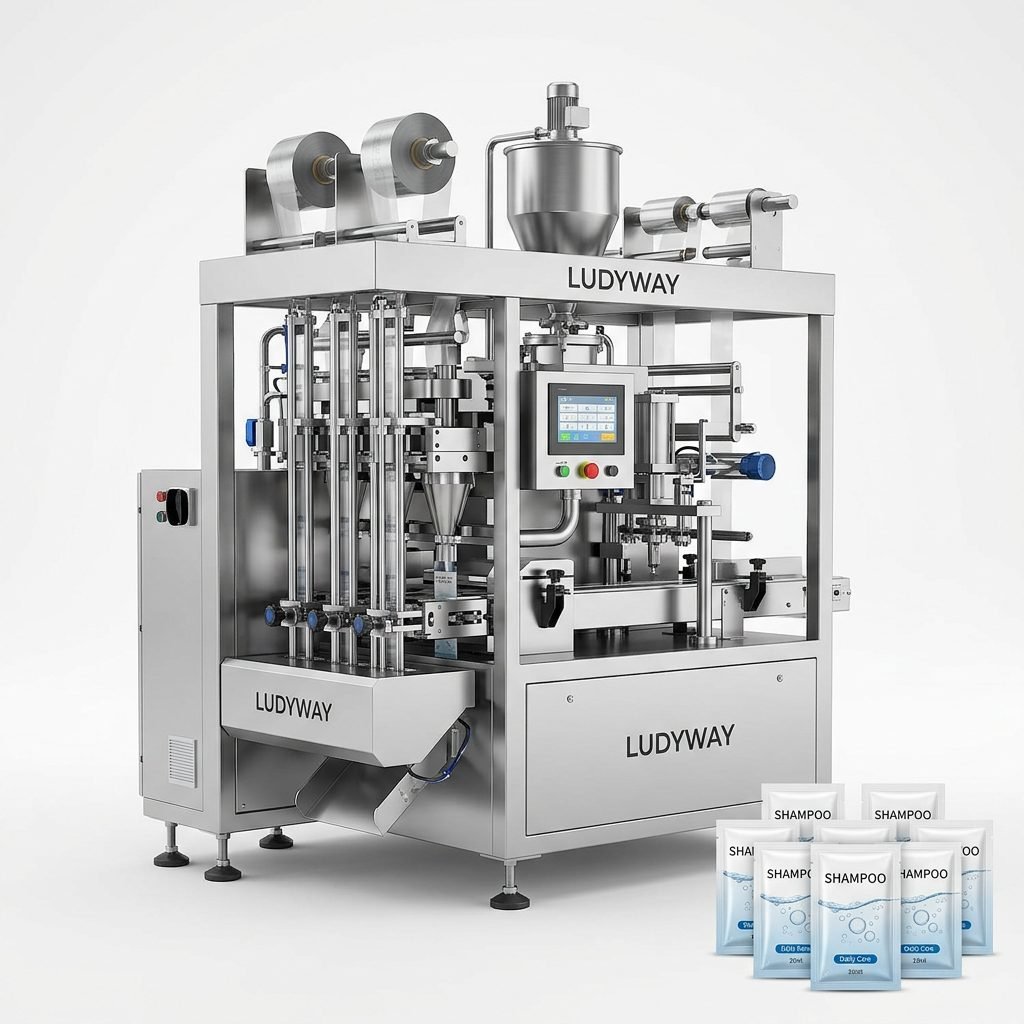
Automation and Integration: From Standalone Machine to Turnkey Line
Modern liquid sachet production lines extend far beyond the filling and sealing machine. Depending on your operational requirements, you may need to consider upstream and downstream integration including:
- Automated feeding systems — Liquid holding tanks, agitators for suspensions, and temperature-controlled reservoirs.
- Inline coding and marking — Thermal inkjet or laser systems for batch codes, expiry dates, and QR codes on each sachet.
- Checkweighing and rejection systems — Inline weight verification with automatic rejection of underweight or overweight sachets.
- Sachet counting and collating — Automated stacking, counting, and grouping for downstream cartoning.
- Cartoning and case packing — Integration with packaging machinery for end-of-line automation, reducing manual handling.
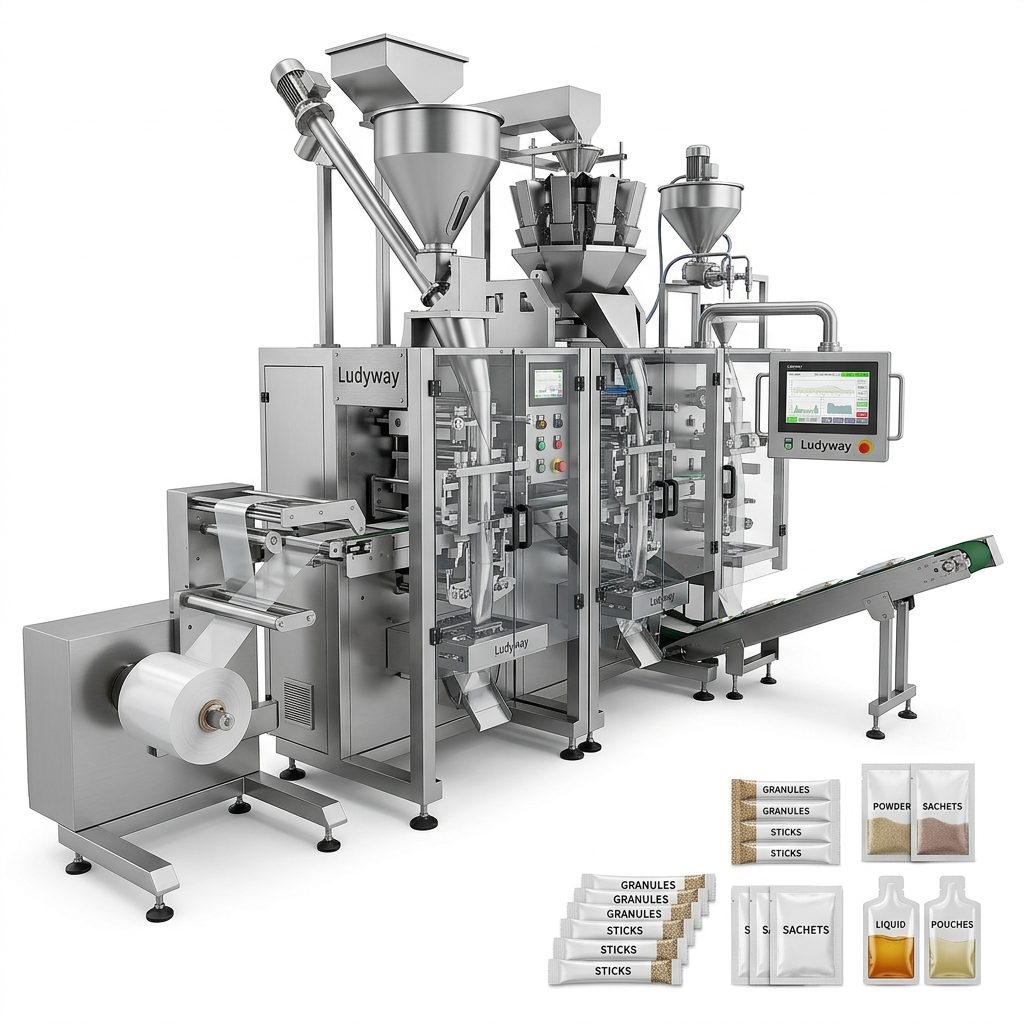
Evaluating whether to purchase a standalone machine or a fully integrated line depends on your current production volume, labor costs, and growth projections. Ludyway Machinery, with over 30 years of experience in the packaging industry and a 20,000-square-meter manufacturing facility, provides both individual liquid sachet machines and complete turnkey packaging lines tailored to specific product and production requirements, serving customers across more than 100 countries.
Energy Efficiency and Total Cost of Ownership
Beyond the initial purchase price, consider the total cost of ownership (TCO) over the machine’s lifecycle. This includes energy consumption, spare parts availability, maintenance frequency, and operator training costs. Machines with servo-driven motors generally consume less energy than pneumatic systems and offer greater precision. Evaluate the manufacturer’s spare parts supply chain — domestic availability can significantly reduce downtime compared to reliance on overseas shipments for critical components.
Quick Checklist for Evaluating TCO
- Energy consumption per 1,000 sachets produced
- Average annual spare parts cost based on recommended maintenance schedule
- Availability of local technical support and service engineers
- Expected machine lifespan under normal operating conditions
- Training requirements for operators and maintenance personnel
Testing and Validation Before Purchase
Before finalizing your decision, it is strongly recommended to conduct product trials using your actual liquid product and preferred packaging film. Factory acceptance testing (FAT) allows you to verify:
- Fill accuracy across extended production runs
- Seal integrity and leak rates under various conditions
- Machine speed and throughput with your specific sachet dimensions
- Changeover time between different sachet sizes or products
- Ease of cleaning and accessibility of critical components
Reputable manufacturers will facilitate product trials and provide detailed performance data to support your evaluation. This step is particularly important for high-value or regulated products where consistency and documentation are paramount.
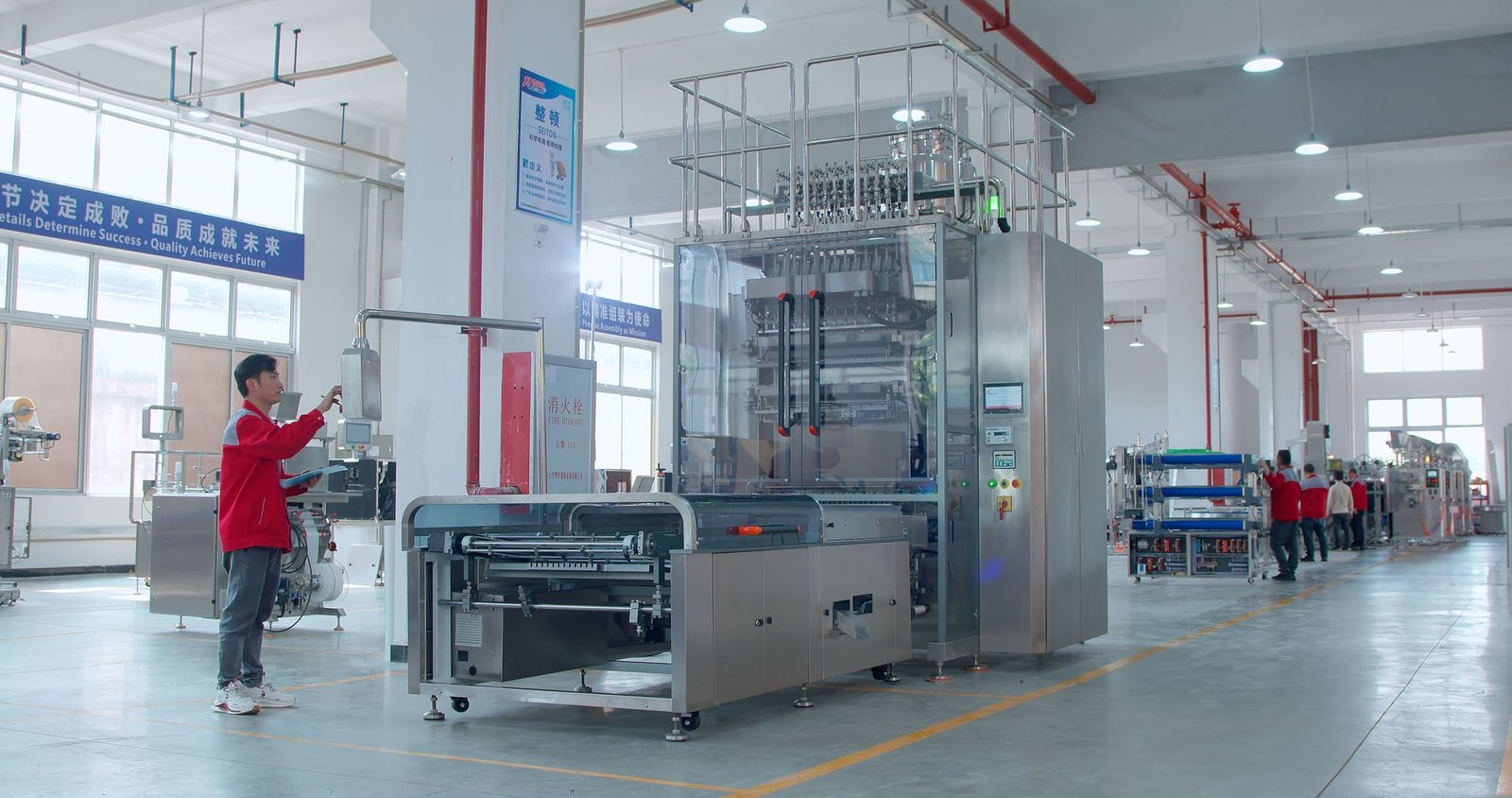
After-Sales Support and Long-Term Partnership
The relationship with your equipment supplier extends well beyond the purchase. Consider the manufacturer’s global service network, technical support responsiveness, and spare parts logistics. Key questions to ask include:
- Is remote technical assistance available for troubleshooting and diagnostics?
- What is the typical response time for on-site service visits?
- Are operator training programs included with the equipment purchase?
- Does the manufacturer offer preventive maintenance contracts to minimize unplanned downtime?
- How are software updates and machine upgrades handled over time?
A supplier with proven experience across multiple industries — including food and beverage, pharmaceuticals, cosmetics, and chemicals — is better positioned to support your evolving production needs. The right partner brings not just equipment, but engineering expertise that helps optimize your entire packaging operation.
Making the Final Decision
Selecting the right liquid sachet packing machine is a strategic investment that requires balancing technical specifications, production requirements, budget constraints, and long-term operational goals. By systematically evaluating your product characteristics, desired output, packaging material compatibility, hygiene requirements, and automation needs, you can narrow down the options and choose equipment that delivers consistent quality and reliable performance for years to come. A thorough product trial, combined with a clear understanding of total cost of ownership and after-sales support, will give you the confidence to move forward with your investment.