The frozen food industry in South America is experiencing rapid growth, driven by changing consumer habits, urbanization, and the expansion of retail chains across Brazil, Argentina, Chile, Colombia, and Peru. For food manufacturers looking to capitalize on this trend, selecting the right frozen food packaging machine is one of the most critical investment decisions you will make. The right equipment ensures product quality, extends shelf life, improves production efficiency, and helps you comply with both local and international food safety standards. This guide walks you through everything you need to consider before purchasing a frozen food packaging solution for your South American operation.
Understanding the South American Frozen Food Market
South America’s frozen food sector spans a wide range of products including frozen fruits and vegetables, ready-to-eat meals, frozen meat and seafood, ice cream, and frozen bakery items. Each product category demands specific packaging formats—from pillow pouches and gusseted bags to stick packs and sachets. The region’s climate, logistics infrastructure, and cold chain capabilities also influence packaging requirements. Humid conditions in tropical zones mean your packaging must provide superior barrier protection against moisture and oxygen ingress. Additionally, many South American countries are harmonizing their food safety regulations with international standards, making machine compliance with FDA food contact standards and ISO packaging norms increasingly important.
Key Factors to Evaluate When Buying a Frozen Food Packaging Machine
1. Packaging Format and Versatility
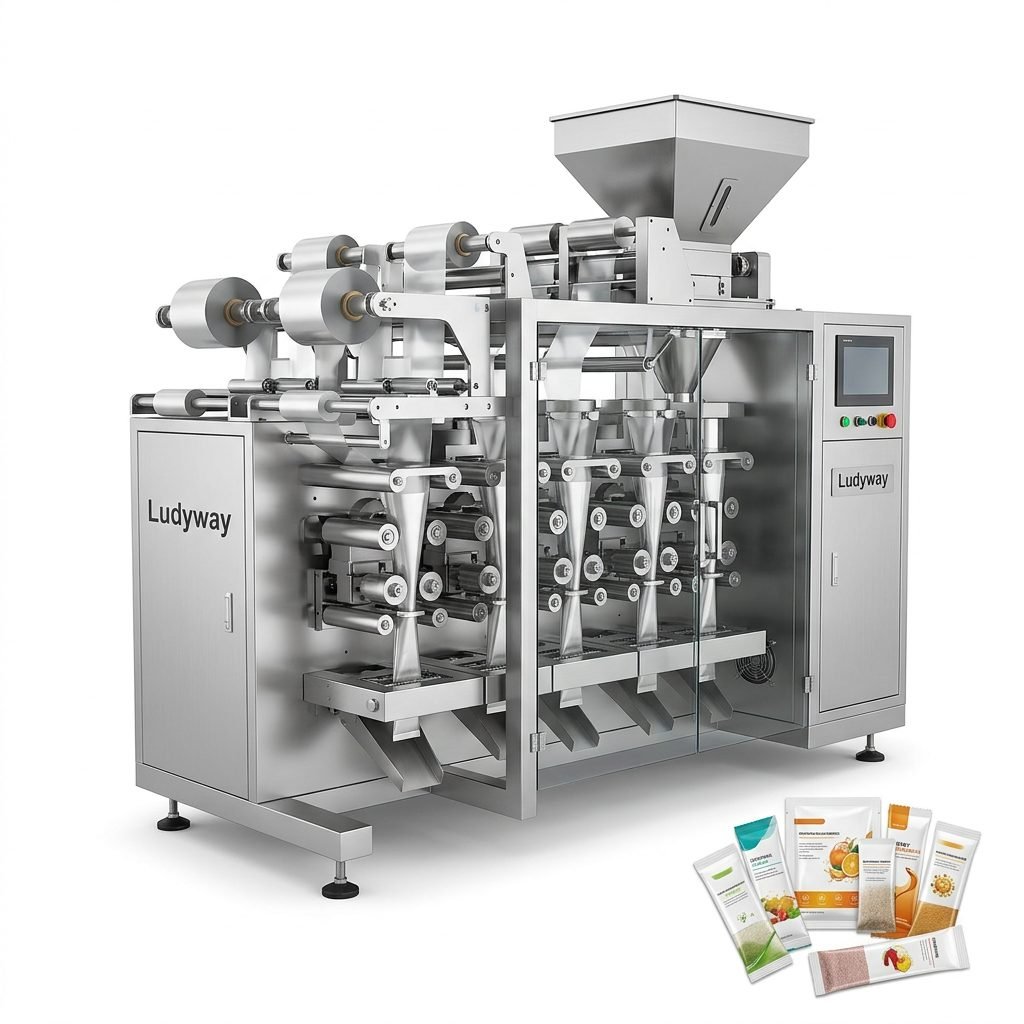
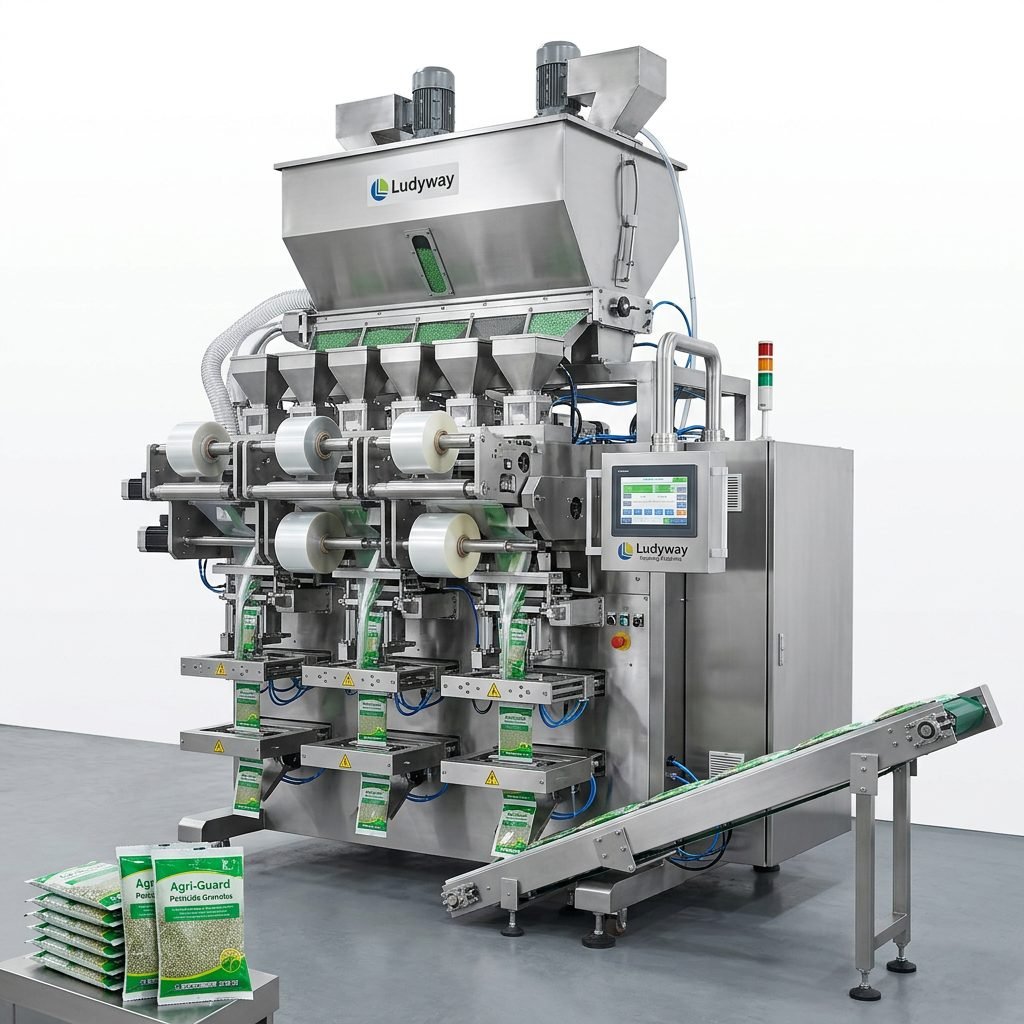
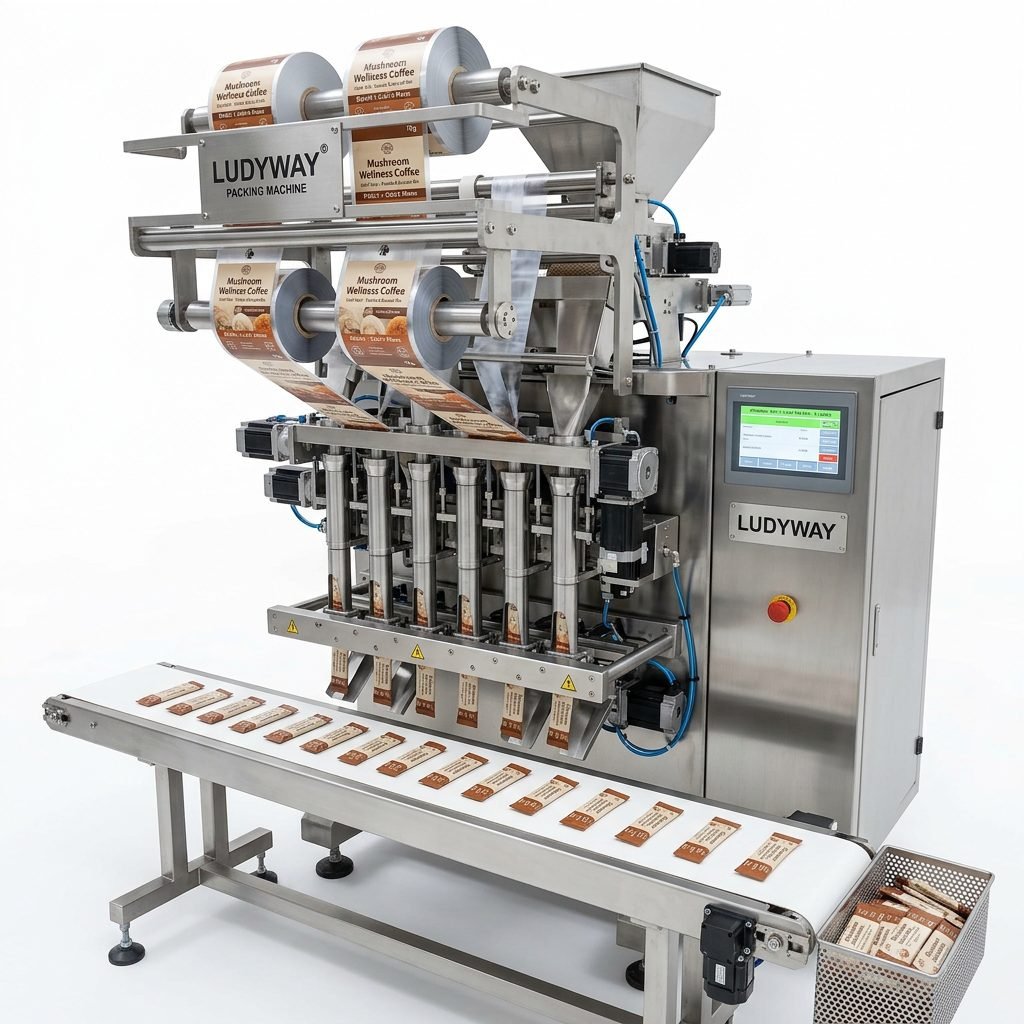
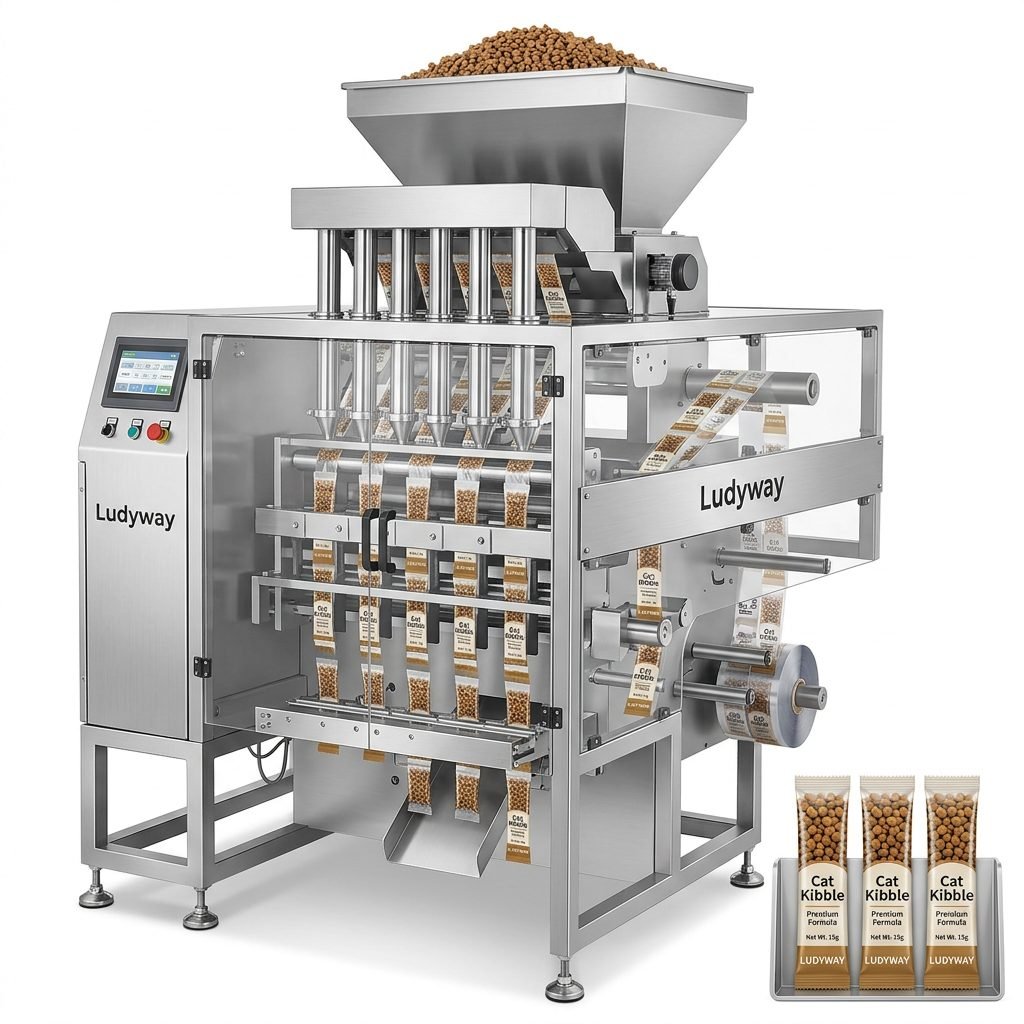
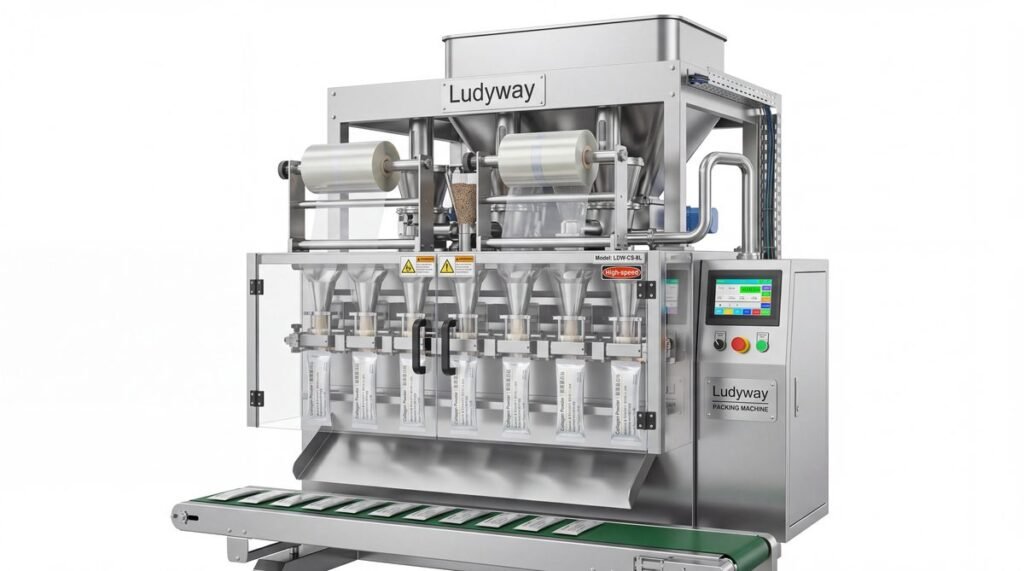
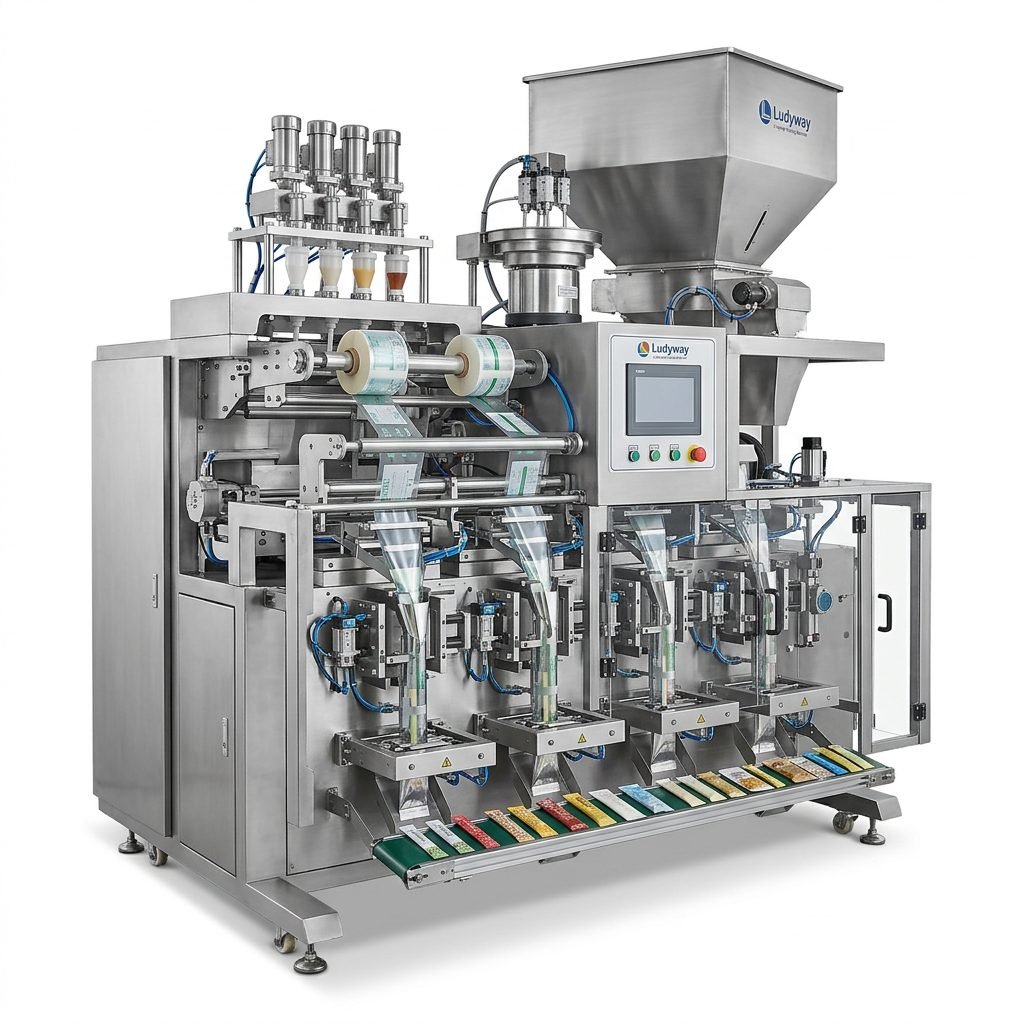
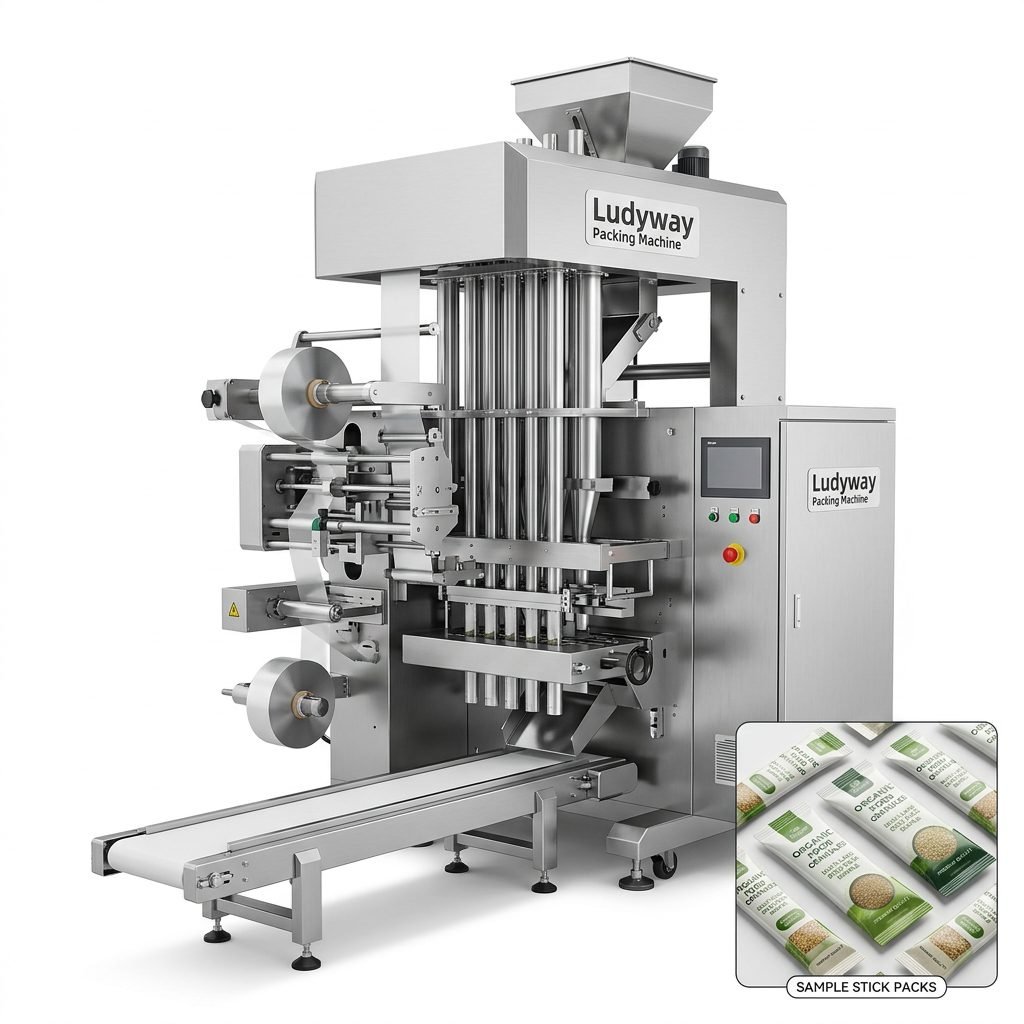
South American consumers purchase frozen foods in diverse formats. Your packaging machine should accommodate multiple bag styles if you plan to serve different market segments. Common formats include pillow bags for frozen vegetables, stand-up pouches for frozen fruits, and stick packs for single-serve frozen concentrates. A multi-lane frozen food packaging machine can significantly boost output by running several lanes simultaneously, which is ideal for high-volume frozen food processors.
2. Material Compatibility and Cold Resistance
Frozen food packaging films must withstand sub-zero temperatures without becoming brittle or losing seal integrity. Your machine should handle laminated films with excellent cold resistance properties, such as PET/PE, BOPP/CPP, and metalized films for extended shelf life. Verify that the sealing system can maintain consistent seal strength at low temperatures. Poor seals lead to freezer burn, product spoilage, and costly returns—issues that can damage brand reputation in competitive South American markets.
3. Production Speed and Capacity Requirements
Assess your current and projected production volumes before selecting a machine. Entry-level vertical form fill seal machines may produce 30-60 packs per minute, while high-speed multi-lane systems can exceed 300 packs per minute. For South American manufacturers distributing to large supermarket chains like Grupo Pão de Açúcar in Brazil, Cencosud in Chile, or Éxito in Colombia, higher throughput capabilities become essential to meet supply agreements and seasonal demand spikes.
4. Temperature Control and Product Integrity
Maintaining product temperature during the packaging process is crucial. Frozen items must remain frozen throughout filling and sealing. Look for machines designed with temperature-controlled hoppers and feeders that minimize product exposure to ambient heat. For ice cream and frozen dairy products, some machines offer insulated filling systems to prevent partial thawing, which can lead to texture degradation and ice crystal formation.
Machine Specifications Comparison Table
| Feature | Small-Scale Option | Mid-Range Option | High-Capacity Option |
|---|---|---|---|
| Packaging Speed | 30-60 packs/min | 80-150 packs/min | 200-400+ packs/min |
| Number of Lanes | 1-4 lanes | 4-8 lanes | 8-16 lanes |
| Suitable Production | Start-ups, niche markets | Regional distributors | National chains, export |
| Automation Level | Semi-automatic | Fully automatic | Full turnkey system |
| Sealing Technology | Single jaw seal | Multi-point seal | Ultrasonic/heat seal combo |
Regulatory Compliance and Food Safety Standards
South American countries follow various regulatory frameworks. Brazil enforces ANVISA standards, Argentina follows the Argentine Food Code (CAA), and Chile applies regulations from the Ministry of Health. When importing a packaging machine, ensure it meets CE certification requirements and is built with food-grade stainless steel (preferably SUS304 or SUS316L) for all product contact surfaces. Machines should support easy cleaning protocols and sanitation procedures to comply with HACCP principles. For additional guidance, consult resources from the Flexible Packaging Association and PMMI packaging industry intelligence.
After-Sales Support and Spare Parts Availability in South America
One of the most overlooked aspects when buying a frozen food packaging system is after-sales service. South America has distinct import regulations and logistical challenges that can delay spare parts delivery. Before purchasing, confirm that the manufacturer has:
- Local service representatives or authorized distributors in your country
- Readily available critical spare parts with reasonable shipping times
- Remote technical support capabilities for troubleshooting
- Comprehensive warranty terms covering international shipments
- Machine documentation and training materials in Spanish or Portuguese
Energy Efficiency and Operational Costs
Electricity costs vary significantly across South American countries. In Brazil and Argentina, industrial electricity rates have seen notable fluctuations in recent years. Modern frozen food packaging machines with servo-driven motors and intelligent power management systems can reduce energy consumption by up to 30% compared to older pneumatic models. Additionally, consider machines with optimized film usage and minimal waste features, as packaging material costs represent a significant ongoing operational expense.
Integration with Existing Production Lines
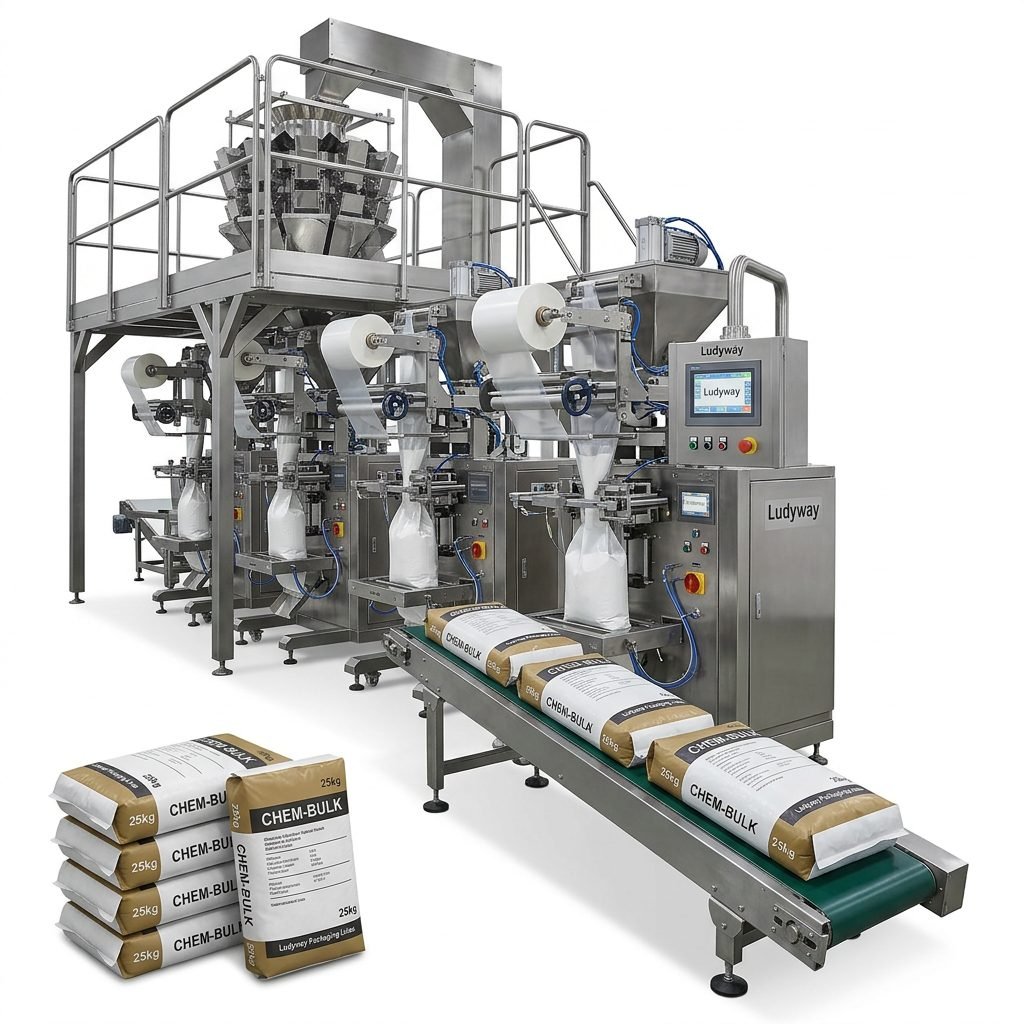
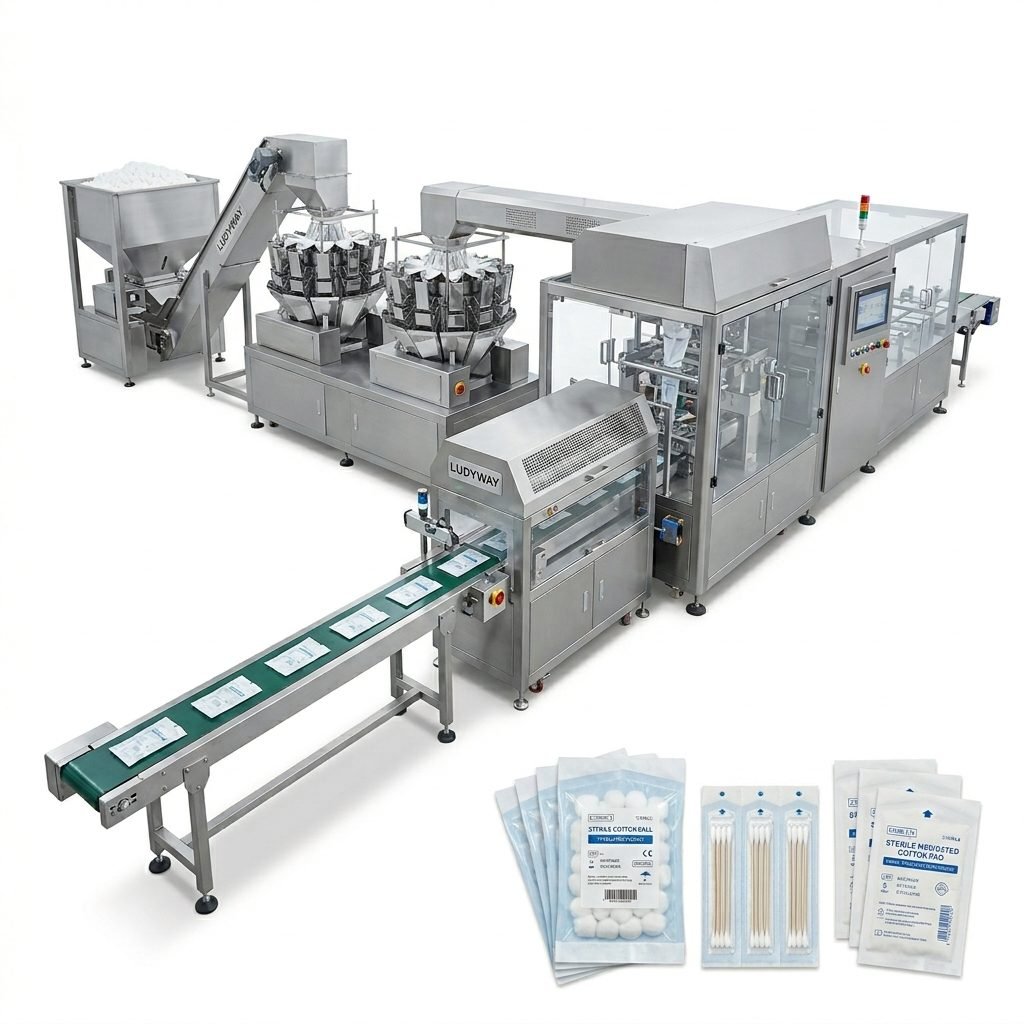
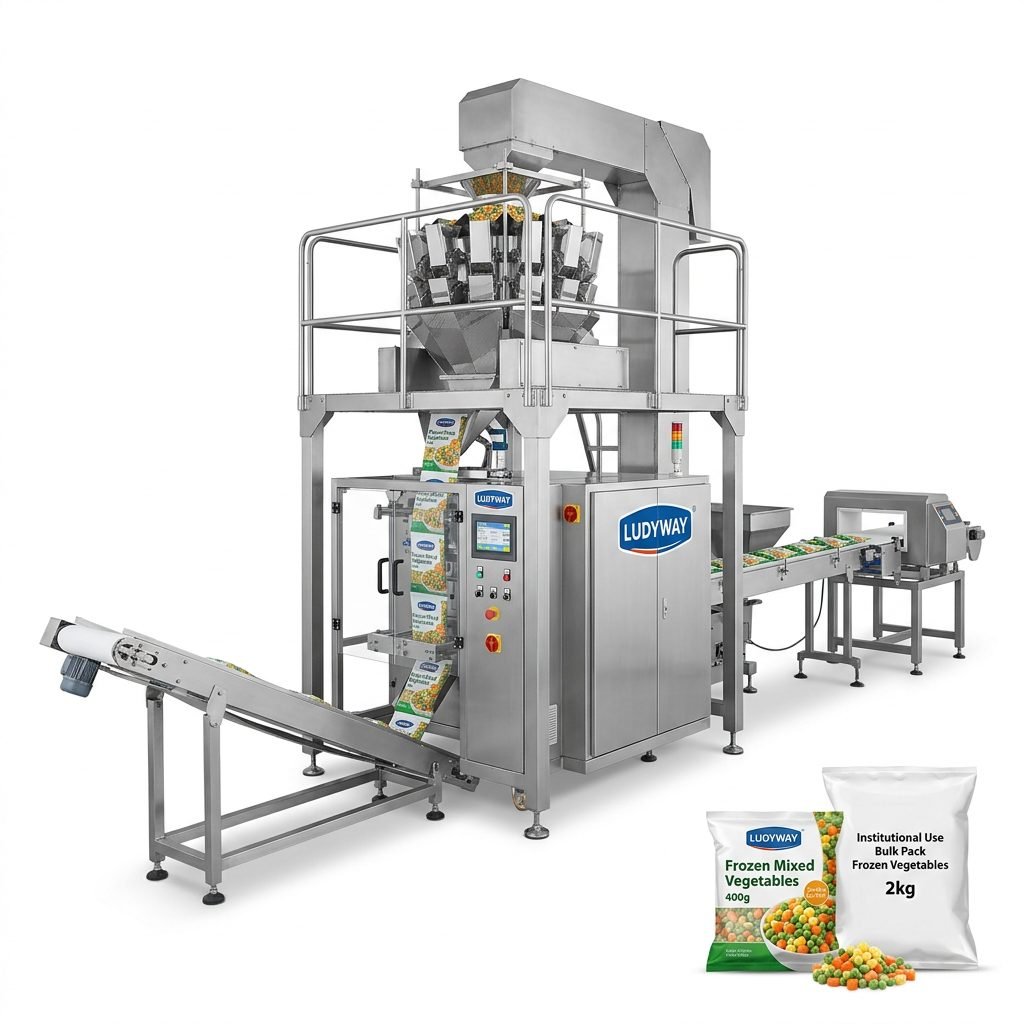
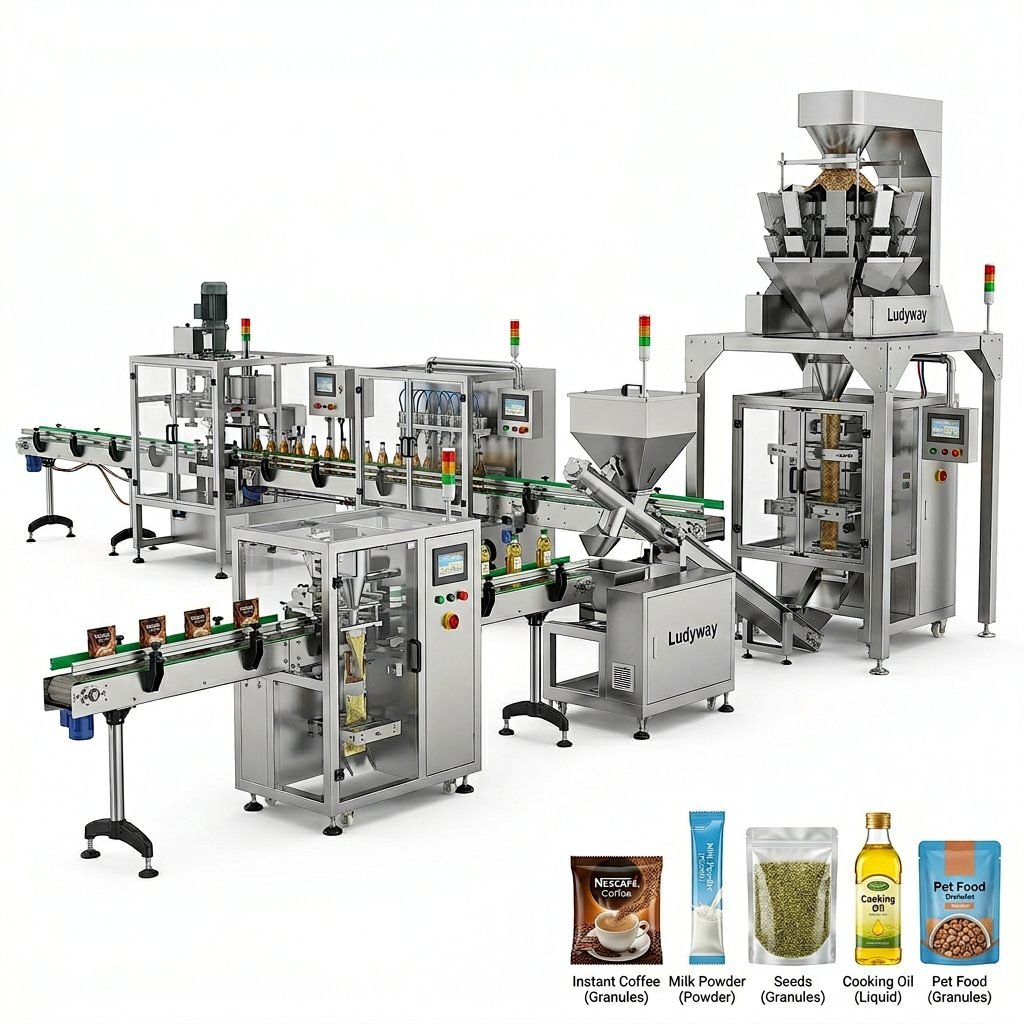
Your frozen food packaging machine should seamlessly integrate with upstream and downstream equipment. Consider whether you need compatibility with freezing tunnels, metal detectors, checkweighers, cartoning machines, and palletizing systems. A turnkey solution that includes complete packaging line integration can simplify project management, reduce installation time, and ensure all components work harmoniously together.
About Ludyway
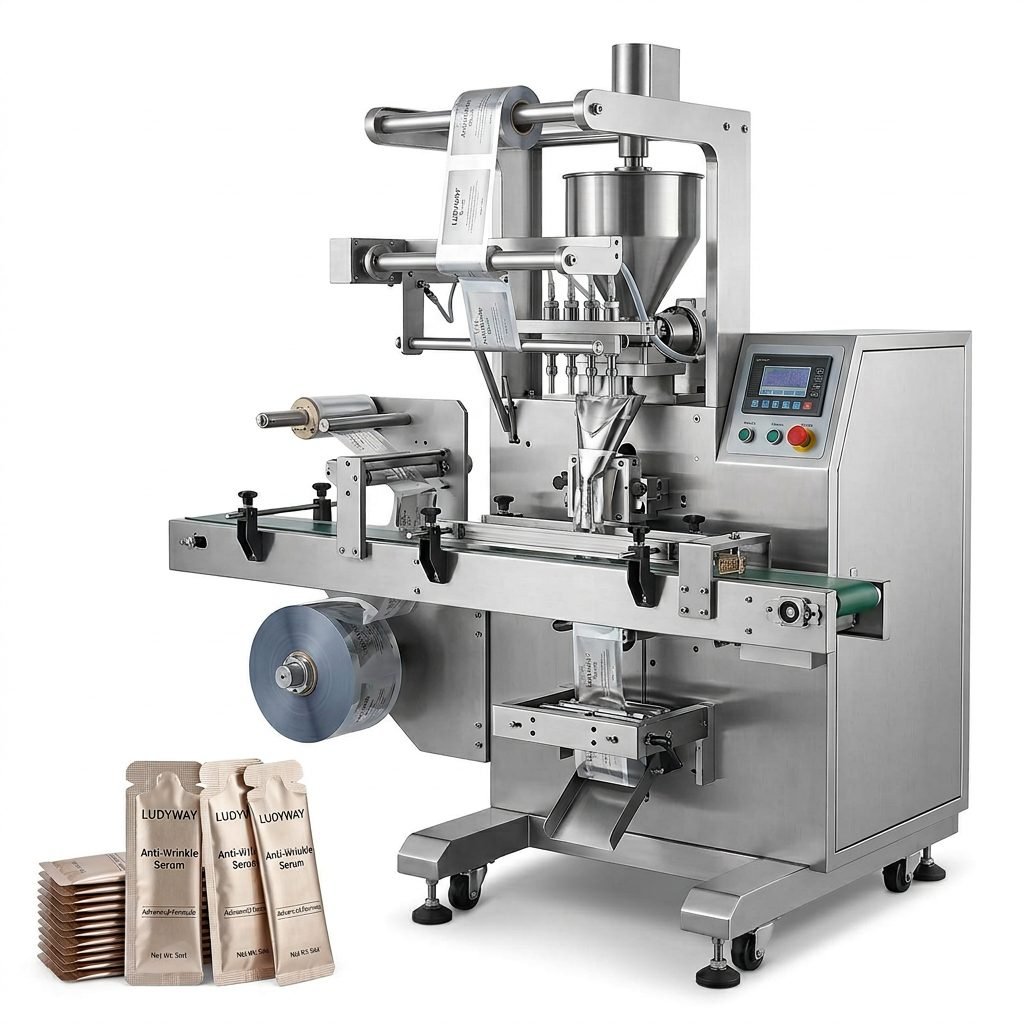
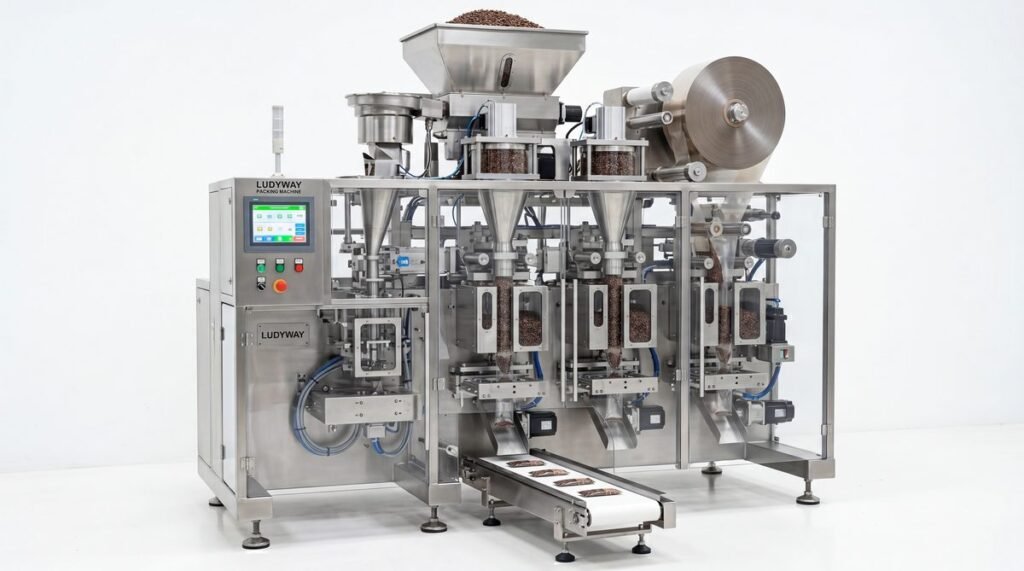
Ludyway is one of the largest packaging machine manufacturers in China, specializing in advanced packaging equipment and turnkey production solutions for the food, pharmaceutical, and health industries. With over 30 years of industry expertise and a modern 20,000㎡ manufacturing facility, Ludyway offers more than 50 intelligent packaging machine models, including multi-lane stick pack, sachet, and fully automated packaging systems. The company serves customers in over 100 countries and regions, delivering innovative, high-performance, and cost-effective packaging solutions that help businesses improve productivity, product quality, and operational efficiency. For South American buyers, Ludyway provides comprehensive international support including installation guidance, operator training, and reliable spare parts supply.
Key Questions to Ask Your Machine Supplier
- What is the maximum packaging speed with frozen products at my target bag size?
- Can the machine handle multiple film types including laminates and recyclable materials?
- Do you have reference installations in South America I can review?
- What is the typical lead time for delivery and installation in my country?
- How quickly can you ship emergency spare parts to Brazil, Argentina, or Chile?
- Is operator training available in Spanish or Portuguese?
Recommended Resources for Further Research
- PMMI State of the Industry Report — Annual packaging industry data and trends
- Flexible Packaging Association Resources — Technical guides and industry standards
- FDA Food Contact Substances Regulations — Compliance standards for food packaging
- European Commission Packaging Regulations — Sustainability and waste reduction guidelines
Conclusion
Investing in the right frozen food packaging machine for your South American operation requires careful evaluation of production needs, regulatory requirements, and long-term operational costs. By focusing on machine versatility, cold-weather reliability, compliance with international food safety standards, and dependable after-sales support, you can make a confident purchasing decision that supports your business growth. Whether you are expanding into Brazil’s robust frozen food market, supplying Argentina’s retail chains, or exporting from Chile to neighboring countries, the right packaging technology will be a cornerstone of your success.