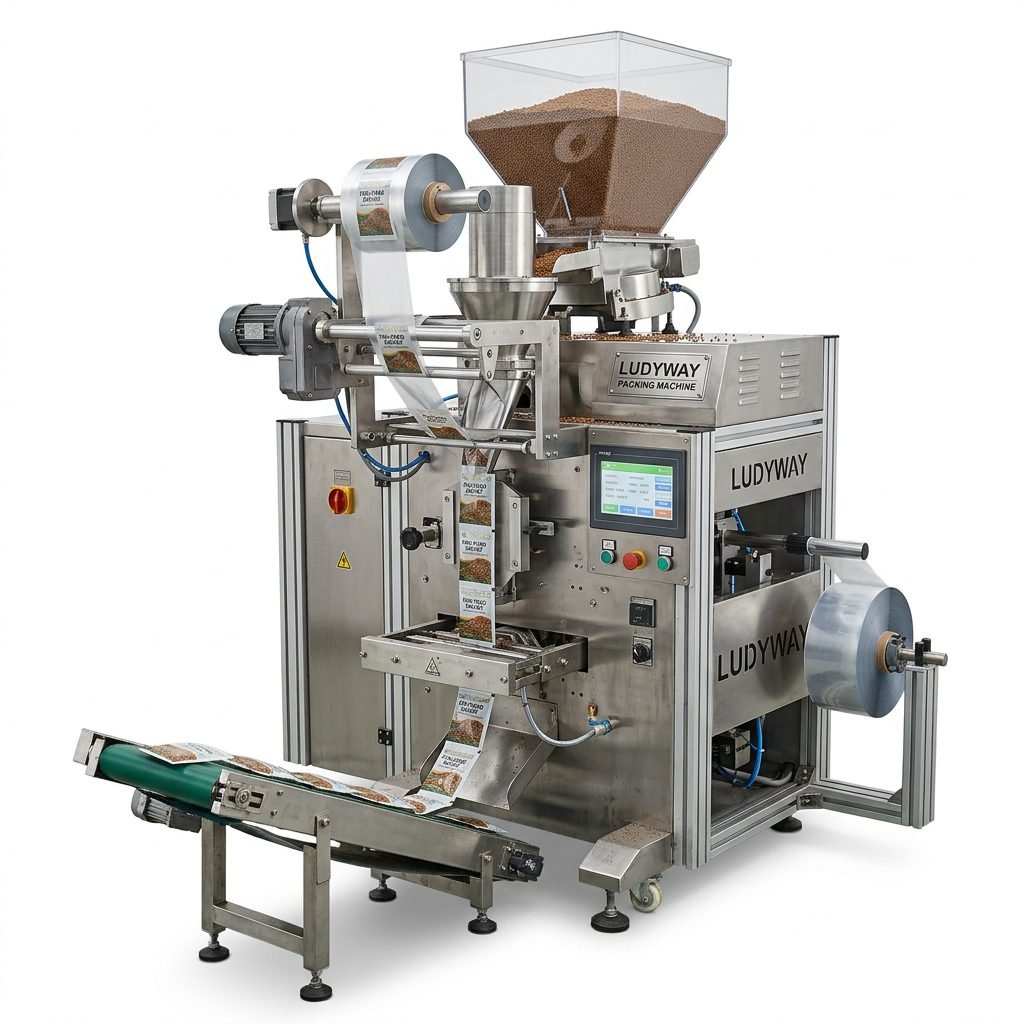
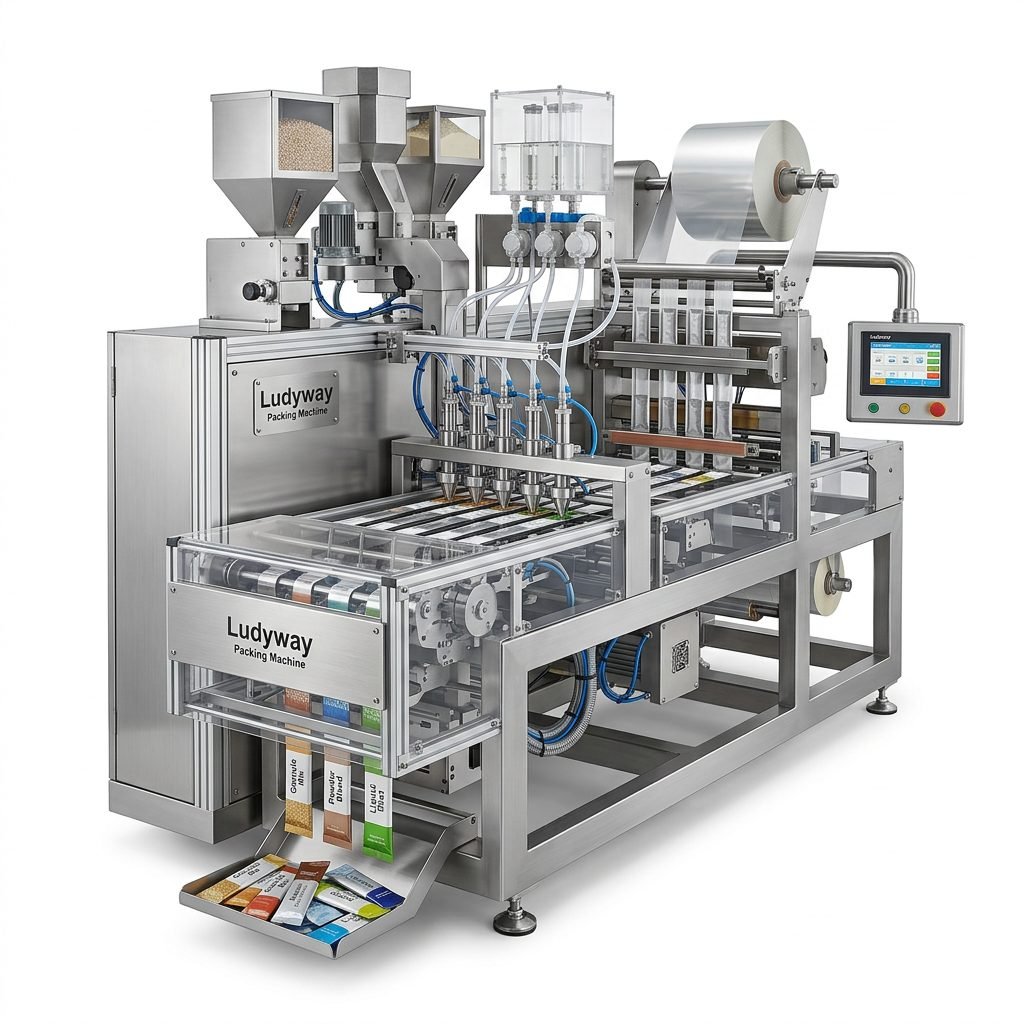
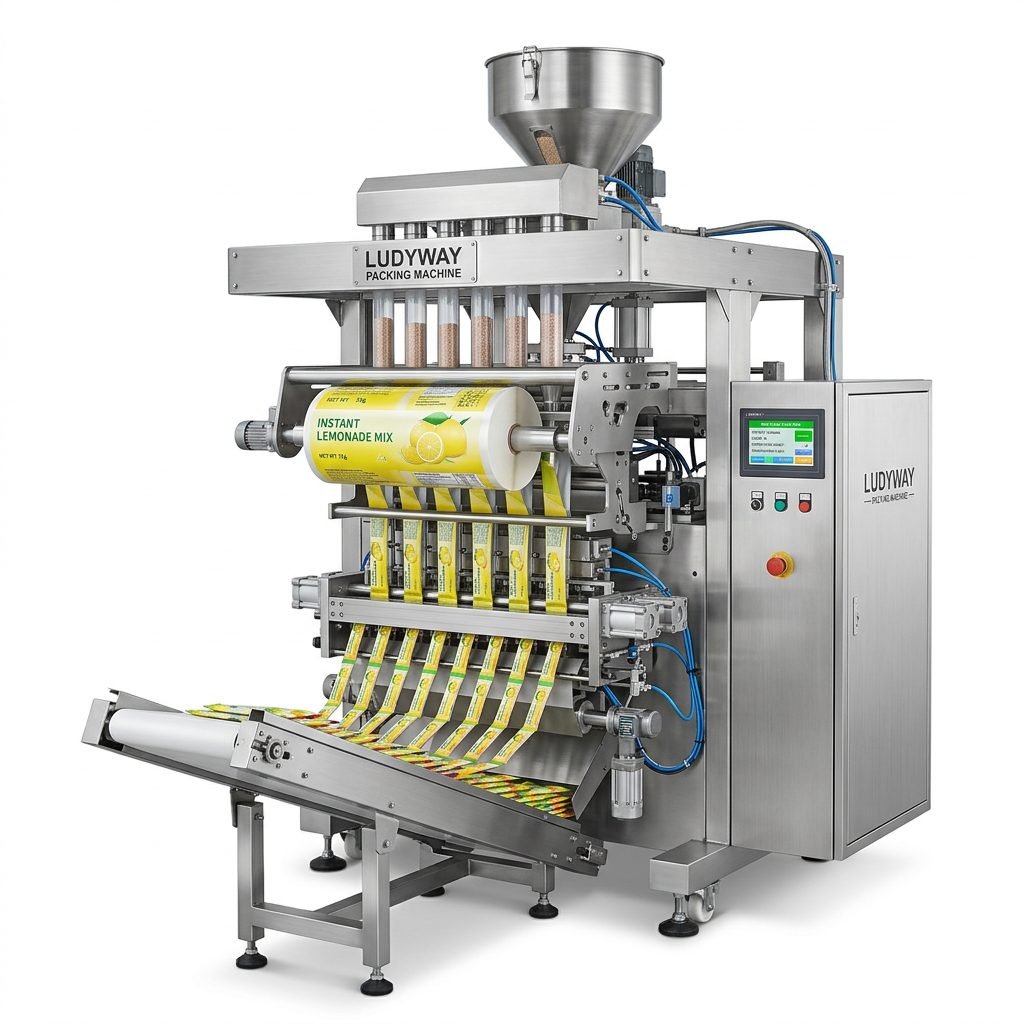
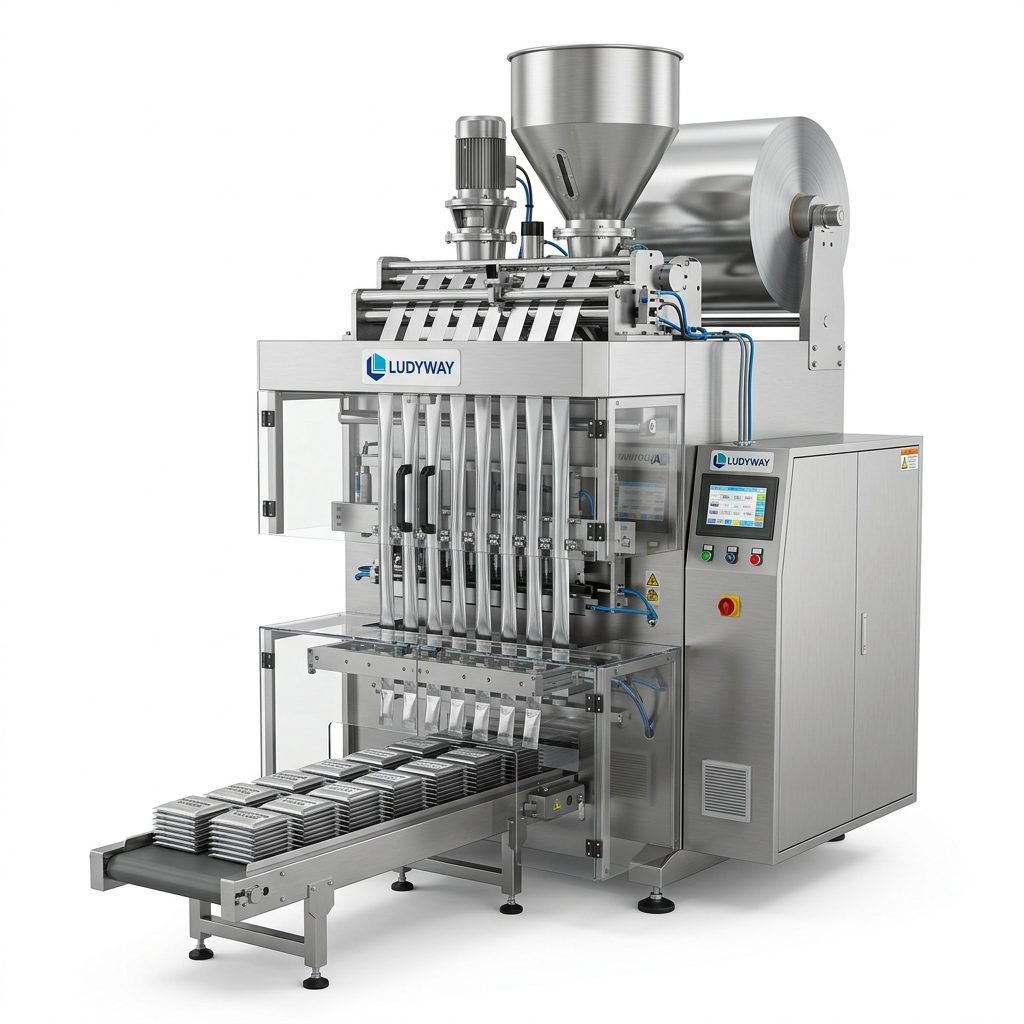
Investing in a bale packing machine is a significant decision for manufacturers handling textiles, fibers, agricultural materials, or recyclable waste. The right machinery can drastically improve operational efficiency, reduce labor costs, and ensure consistent bale density for storage and transportation. However, with a wide range of configurations, automation levels, and technical specifications available, the selection process can feel overwhelming. This comprehensive guide breaks down the essential factors to consider, helping you make an informed investment that aligns with your production goals.
1. Understanding Your Material Characteristics
Before evaluating specific machine models, you must analyze the physical properties of the material you intend to bale. Different materials require distinct handling mechanisms. For instance, fibrous materials like cotton or synthetic textiles need different compression ratios compared to granular materials such as grains or plastic pellets. Understanding moisture content, bulk density, and abrasiveness is critical. The PMMI resources often highlight how material science directly impacts packaging machinery selection, emphasizing that overlooking these characteristics is a primary cause of inefficient baling operations.
2. Evaluating Bale Size and Weight Requirements
Your downstream logistics largely dictate your ideal bale dimensions. Are you optimizing for container loading, warehouse storage, or direct retail distribution? Standard mill-size bales differ significantly from retail-ready compressed bales. You need to define your target weight and dimensional footprint early in the process. A mismatch here can lead to wasted space and increased shipping costs. Consider consulting flexible packaging industry data to benchmark your requirements against market standards.
3. Matching Automation Levels to Production Scale
Automation is the single biggest cost and efficiency driver in modern baling systems. The spectrum ranges from manual tie-off systems to fully automatic horizontal balers. A small recycling center might only need a semi-automatic vertical machine, while a high-volume textile plant requires a fully automated multi-stage line with automatic strapping and ejection. When analyzing your needs, map out the cycle time required to meet peak production without creating bottlenecks. High-speed automated lines often integrate seamlessly with turnkey packaging solutions to ensure upstream and downstream continuity.
4. Key Technical Specifications to Compare
When shortlisting suppliers, compare these core metrics meticulously. The table below outlines the critical parameters you should request in any quotation:
| Specification | Why It Matters |
|---|---|
| Pressing Force (Tons) | Determines final bale density and structural integrity. |
| Cycle Time (Seconds) | Directly impacts hourly throughput capacity. |
| Platen Size (mm) | Must align with your target bale dimensions. |
| Motor Power (kW) | Energy consumption is a long-term operational cost. |
5. The Importance of Build Quality and Compliance
Industrial baling environments are tough on equipment. Look for heavy-duty steel frames, high-quality hydraulic components, and international safety certifications. Equipment adhering to ISO packaging standards provides assurance regarding mechanical reliability and operator safety. Don’t compromise on hydraulic sealing technology; leaks cause downtime and environmental hazards. For manufacturers supplying food-grade or pharmaceutical materials, stainless steel contact parts and compliance with FDA packaging regulations are non-negotiable.
6. Integration with Your Existing Packaging Line
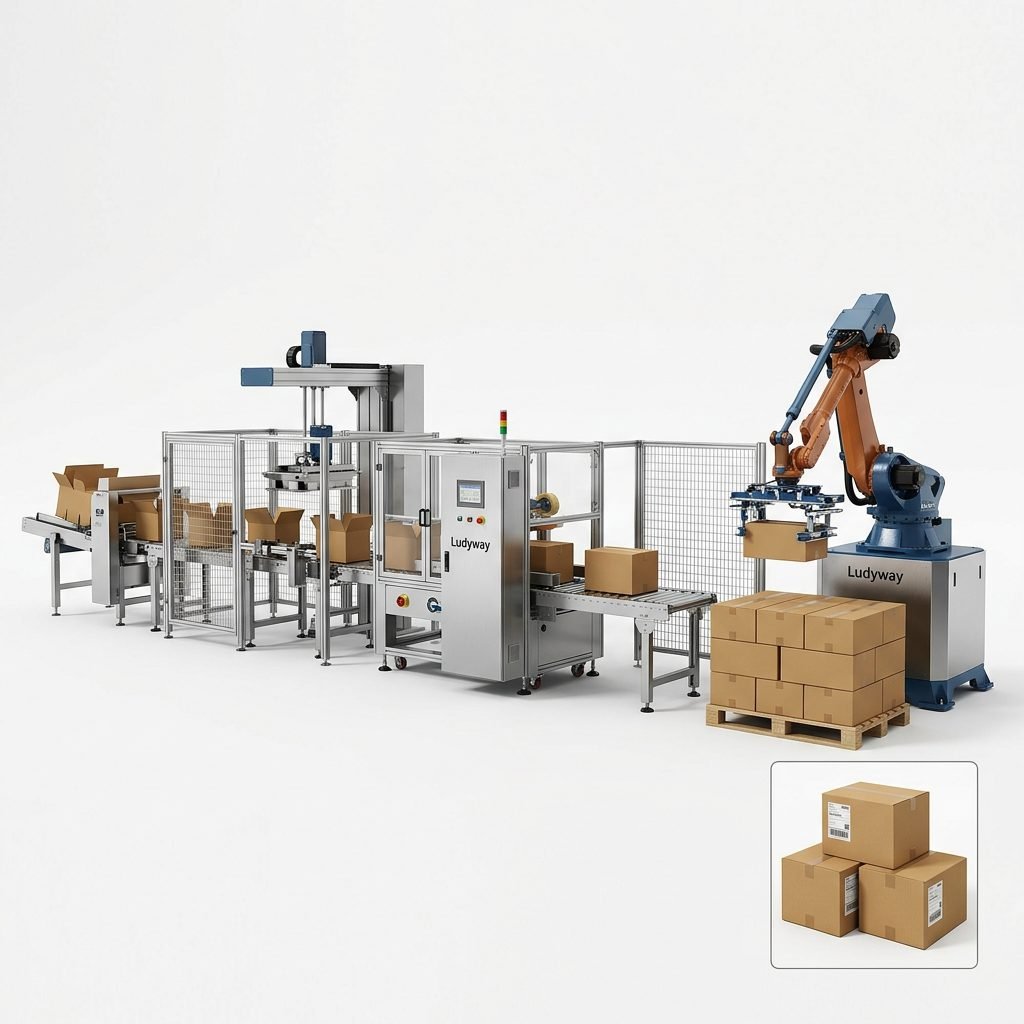
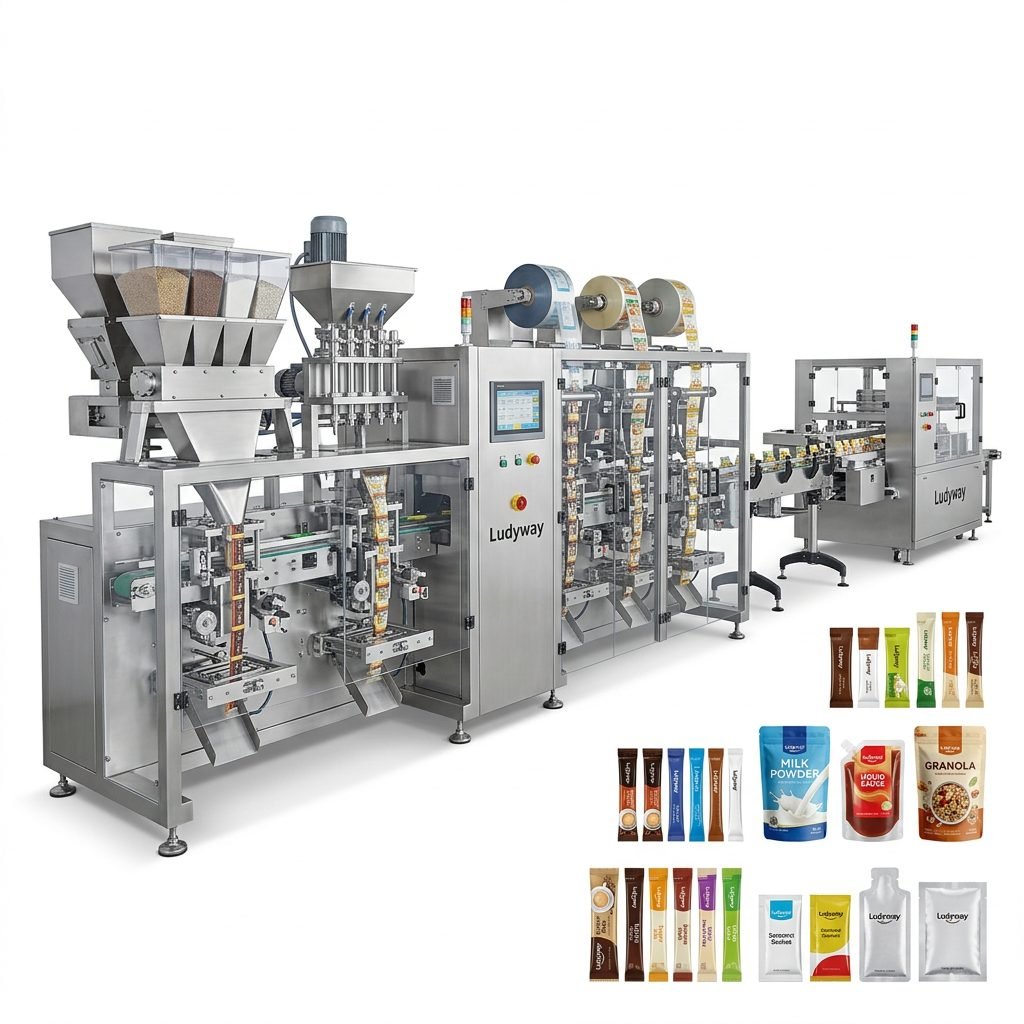
A standalone baler is only as efficient as the line it serves. Consider how the machine interfaces with conveyors, shredders, or upstream filling stations. Tight integration minimizes manual material handling and reduces contamination risks. Ludyway Machinery emphasizes that a customized system approach—rather than a one-size-fits-all machine—ensures the bale packing stage harmonizes perfectly with feeding systems and downstream palletizing equipment. This holistic view prevents the “islands of automation” problem frequently observed in plants utilizing mixed-vendor machinery.
7. Evaluating Total Cost of Ownership
The purchase price is merely the entry point. Calculate the 5-year operational cost including energy consumption, wear parts (such as platen guides and seals), and labor requirements. A cheaper hydraulic system might cost significantly more in electricity and maintenance over its lifespan. Also, factor in the cost of training. A machine with an intuitive HMI reduces the learning curve, whereas overly complex systems often suffer operator errors that decrease Overall Equipment Effectiveness (OEE).
8. Buyer’s Checklist Summary
Before finalizing your purchase, use this quick checklist to validate your decision:
- Material Compatibility: Verified the feeding mechanism suits your material’s flow characteristics.
- Space Constraints: Confirmed the machine footprint fits within the available floor plan.
- Safety Features: Ensured light curtains, emergency stops, and interlocking gates are standard.
- After-Sales Support: Defined spare parts availability and remote technical support response times.
- Scalability: Assessed potential for future upgrades or integration with automated palletizing.
9. Leveraging Data from the 2026 State of the Industry
Current market data indicates a strong shift toward automated and sustainable packaging solutions. The latest reports reveal that manufacturers are prioritizing machines that reduce packaging waste and optimize energy usage without compromising throughput. Staying aligned with these industry trends ensures your investment retains long-term relevance and regulatory compliance. The move toward higher automation is not just about labor savings; it is about achieving the consistent quality demanded by global supply chains.
10. Partnering for Long-Term Success
Selecting the right bale packing machine is not a transactional purchase; it is the start of a long-term operational partnership. A reliable supplier provides extensive application engineering, rigorous factory acceptance testing, and continuous after-sales support. Global service and technical support remain critical, ensuring operators are well-trained and any troubleshooting is handled efficiently. For manufacturers aiming for global competitiveness, partnering with a provider that offers comprehensive packaging machinery solutions spanning from individual machines to complete turnkey lines is a strategic advantage that safeguards productivity for years to come.