Choosing the right automatic glass jar packaging machine is a critical decision that directly impacts your production efficiency, product quality, and overall operational costs. With numerous options available, selecting the best solution for your specific production line can be a complex task. This comprehensive guide will walk you through the key factors to consider, ensuring you make an informed investment that drives long-term success for your business.
Understanding Your Production Requirements
The first and most crucial step is a thorough analysis of your own production needs. This forms the foundation for all subsequent decisions.
Production Volume & Speed
Assess your current and projected future output. Machines are rated by cycles per minute (CPM). A high-speed rotary machine might be necessary for large-scale production, while a simpler linear machine could suffice for smaller batches. Over-specifying can lead to unnecessary capital expenditure, while under-specifying creates bottlenecks.
Jar Specifications
Precisely define your jar parameters: size, shape, material (glass type), and mouth opening. The machine must be compatible with your jar’s dimensions and weight. Even minor discrepancies can cause jams, breakage, or sealing issues on the line.
Product Characteristics
Is your product a liquid, viscous paste, granule, or powder? Each type requires different filling technology—such as volumetric, piston, or auger fillers—to ensure accuracy and minimize waste. Consider product properties like acidity, viscosity, and presence of particulates, as these may require specific contact parts made from stainless steel or other specialized materials.
Key Machine Components and Technologies
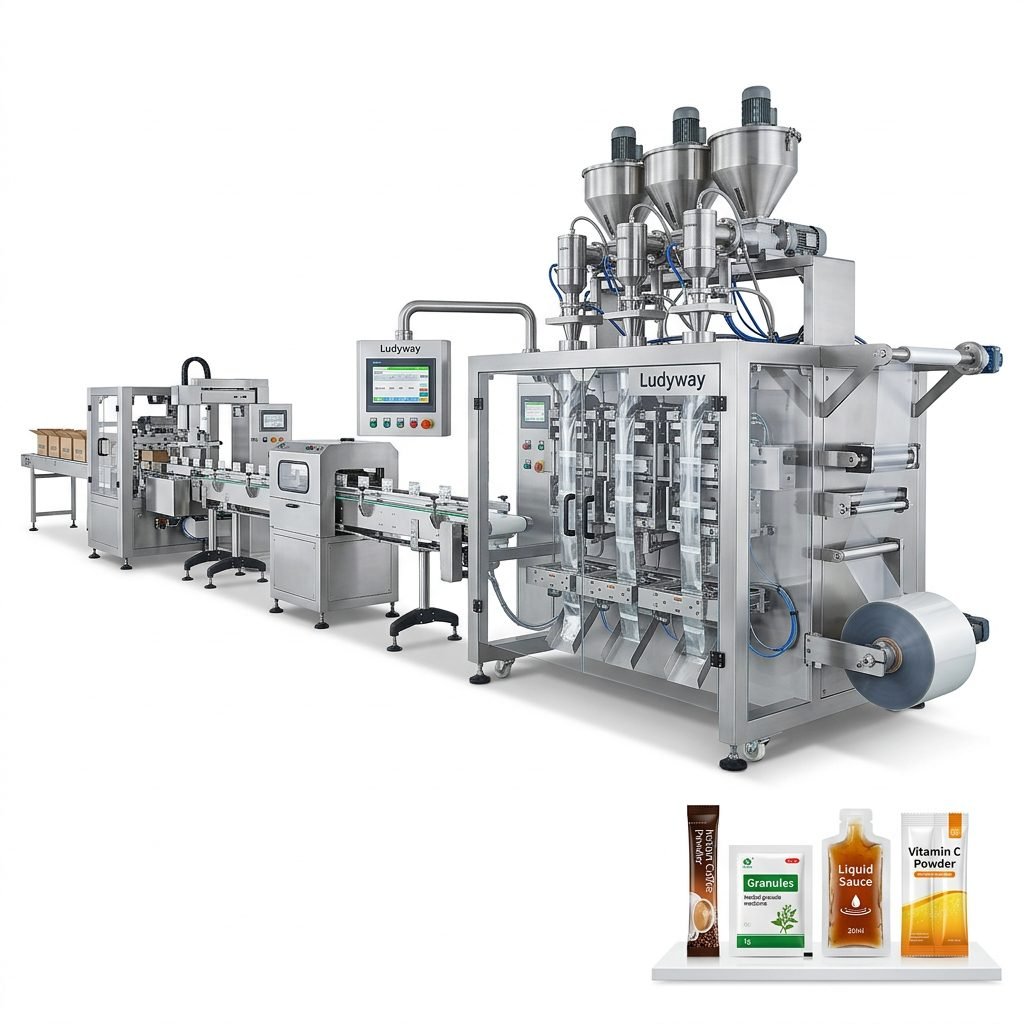
An automatic glass jar packaging line is an integrated system. Understanding its core components is essential.
1. Feeding and Unscrambling System
This subsystem takes bulk jars and orients them correctly for the line. Look for gentle handling to prevent glass chipping or breakage. Efficient unscramblers are vital for maintaining a consistent supply to the filling station.
2. Filling System
The heart of the machine. Accuracy is paramount.
Piston fillers are excellent for creams and pastes.
Gravity/pressure fillers work well for thin liquids.
Auger fillers are ideal for powders and granules. Modern machines feature touch-screen controls for easy calibration and recipe storage.
3. Capping & Sealing System
Whether applying screw caps, press-on lids, or induction sealing, this unit must provide consistent torque or pressure. A secure seal is critical for product integrity and shelf life. Some systems include induction cap sealers for an inner foil seal after capping.
4. Conveying & Control System
A smooth, adjustable conveyor belt links all stations. The Programmable Logic Controller (PLC) is the machine’s brain, coordinating all movements and allowing for easy speed adjustments, troubleshooting, and integration with other line equipment like labelers or case packers.
Evaluating Automation and Integration Level
Automation ranges from semi-automatic to fully autonomous lines. Your choice depends on labor costs, desired throughput, and future scalability.
- Semi-Automatic: Requires some operator intervention (e.g., placing jars). Lower initial cost, suitable for low-volume or diverse product runs.
- Fully Automatic: Handles the entire process from empty jar to finished pack. Maximizes output and minimizes labor, ideal for high-volume, single-product lines.
- Turnkey Solutions: A complete, integrated line provided by a single supplier, such as Ludyway Machinery, ensuring all components work harmoniously and reducing compatibility risks.
Critical Selection Criteria Beyond Specifications
Technical specs are just the beginning. Consider these broader factors for a successful partnership.
Build Quality and Durability
Inspect the construction. Machines with a robust, all-stainless-steel frame and food-grade contact parts offer greater longevity and are easier to clean and maintain, which is crucial for industries like food and pharmaceuticals.
Supplier Expertise and Support
Why This Matters:
Your machine supplier should be a long-term partner. Look for a provider with deep industry experience, like Ludyway Packaging Machine, which brings over 30 years of expertise to the table. Evaluate their after-sales service, availability of spare parts, training programs, and technical support responsiveness. A reliable partner ensures minimal downtime.
Flexibility and Changeover
If you run multiple products or jar sizes, quick changeover capability is essential. Machines with tool-less adjustments or quick-release parts significantly reduce downtime between production runs, boosting overall equipment effectiveness (OEE).
Safety and Compliance
The machine must comply with relevant safety standards (e.g., CE, UL) and industry-specific regulations (FDA, GMP for food/pharma). Safety guards, emergency stops, and hygienic design are non-negotiable features.
Implementing Your New Packaging Line
Successful implementation involves careful planning.
Site Preparation: Ensure you have adequate space, power supply, compressed air, and proper flooring. Consider future expansion.
Installation & Commissioning: Professional installation by the supplier’s technicians is recommended. This includes setting up, calibrating, and running initial tests with your actual jars and product.
Operator Training: Comprehensive training for your maintenance and operations team is critical for smooth day-to-day running and basic troubleshooting. Providers with a strong history of global project delivery typically offer robust training programs.
Conclusion
Selecting the best automatic glass jar packaging machine is a strategic investment. By meticulously defining your needs, understanding the technology, and choosing a reputable supplier with strong support infrastructure, you can secure a solution that enhances productivity, ensures product quality, and provides a strong return on investment for years to come. Partnering with an experienced specialist can streamline this entire process, providing a tailored, reliable turnkey production solution that grows with your business.
Frequently Asked Questions (FAQs)
What is the typical lead time for a custom automatic glass jar packaging line?
Lead times vary based on complexity and customization. For a standard configured machine from an established manufacturer, expect 8-14 weeks. Fully custom turnkey lines may require 16-24 weeks or more for design, manufacturing, and testing. Always confirm timelines with your supplier during the quoting process.
Can one machine handle multiple jar sizes and shapes?
Yes, many machines are designed for flexibility. However, changeover between significantly different sizes requires changing parts like filling nozzles, jar grippers, and capping heads. Look for machines advertised with “quick changeover” features, which use tool-less adjustments or change parts to minimize downtime during size transitions.
How do I ensure the filling accuracy for my specific product?
Accuracy depends on choosing the correct filling technology (piston, auger, etc.) for your product’s viscosity and characteristics. Reputable suppliers will offer to test your product in their facility using the proposed filling method. Always request a product sample test run before purchase to verify weight accuracy and performance.
What kind of maintenance does an automatic jar packer require?
Regular preventive maintenance is key. Daily tasks include cleaning and visual inspections. Weekly or monthly schedules may involve lubricating moving parts, checking seals, and calibrating sensors. Your supplier should provide a detailed maintenance manual and recommend a schedule. Choosing a supplier with readily available spare parts is crucial for upkeep.
Are these machines suitable for sterile or cleanroom environments?
Specialized models are built for cleanroom or aseptic packaging. These feature polished stainless steel surfaces, easy-clean designs, and components that can withstand sterilization procedures (like SIP or CIP). If you have strict hygienic requirements, you must specify this early in the selection process to get the appropriately designed equipment.