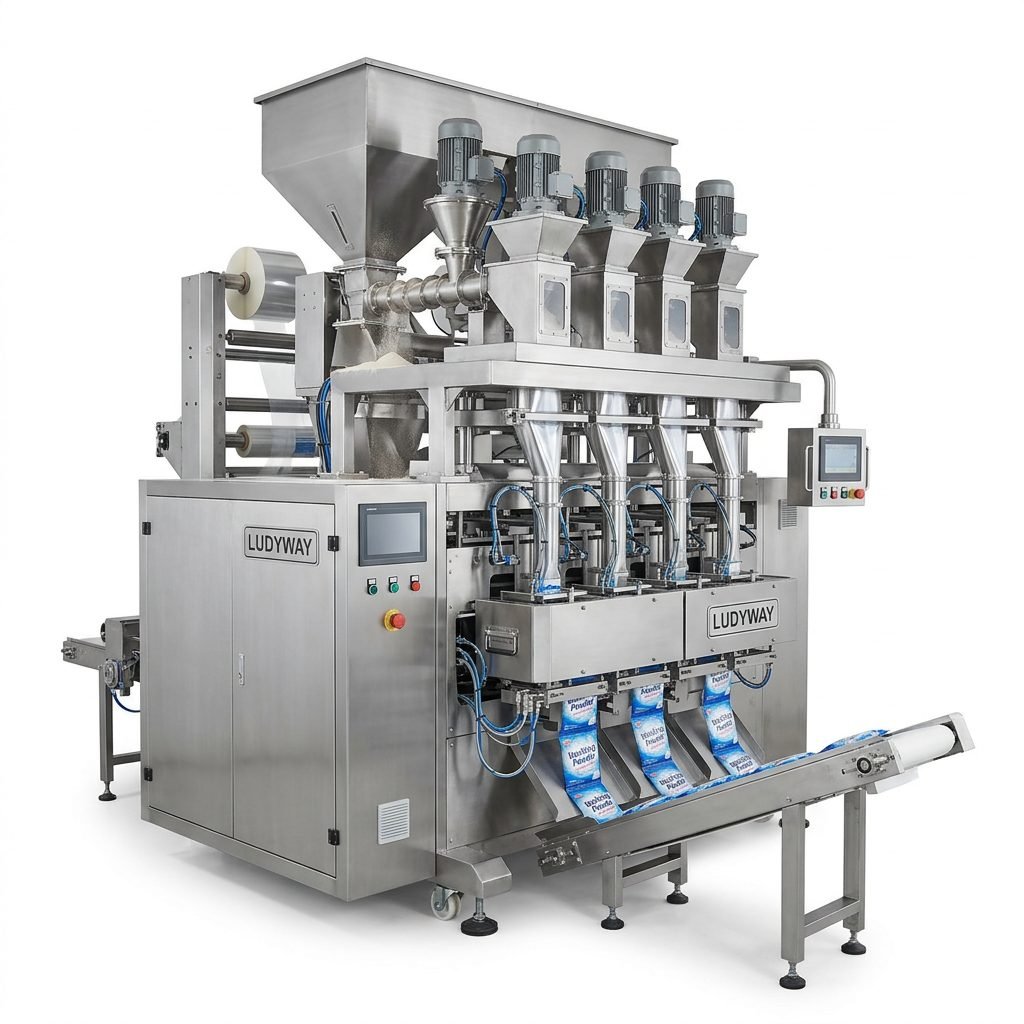
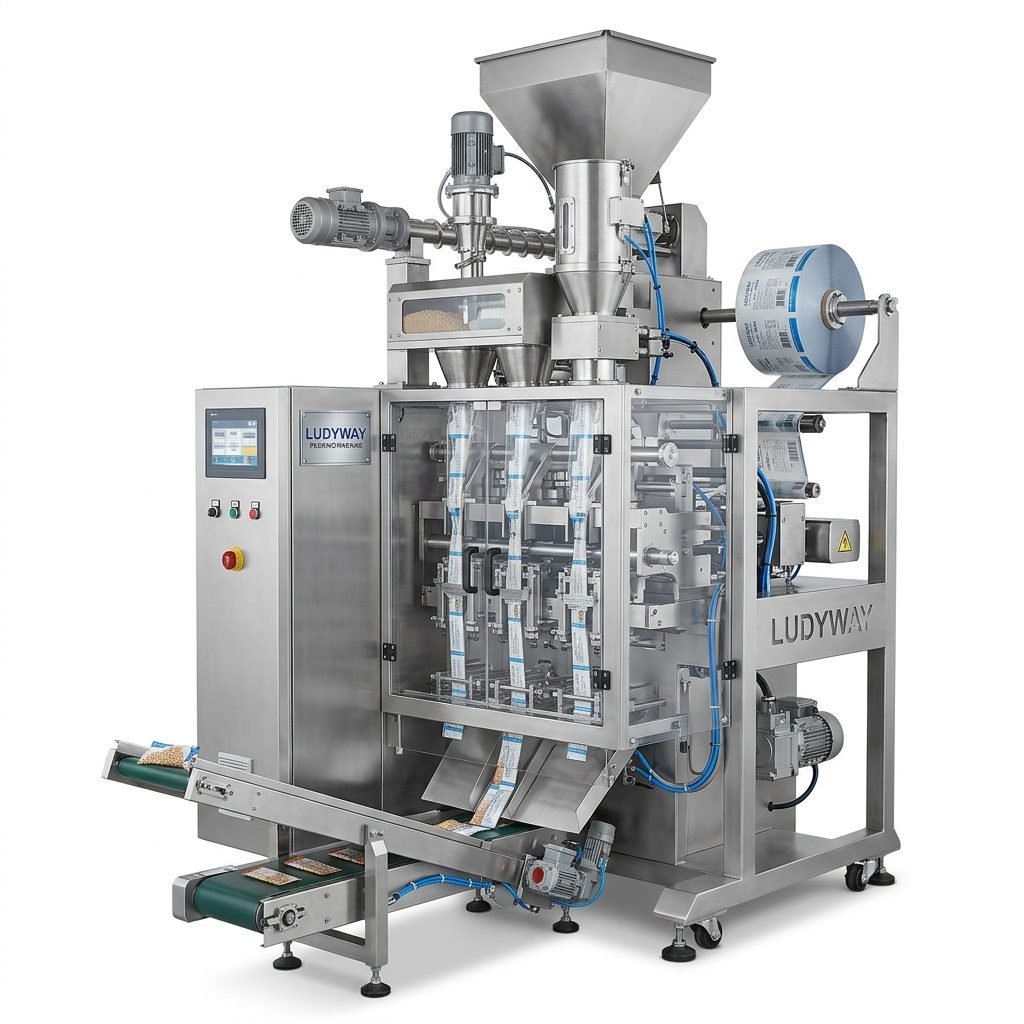
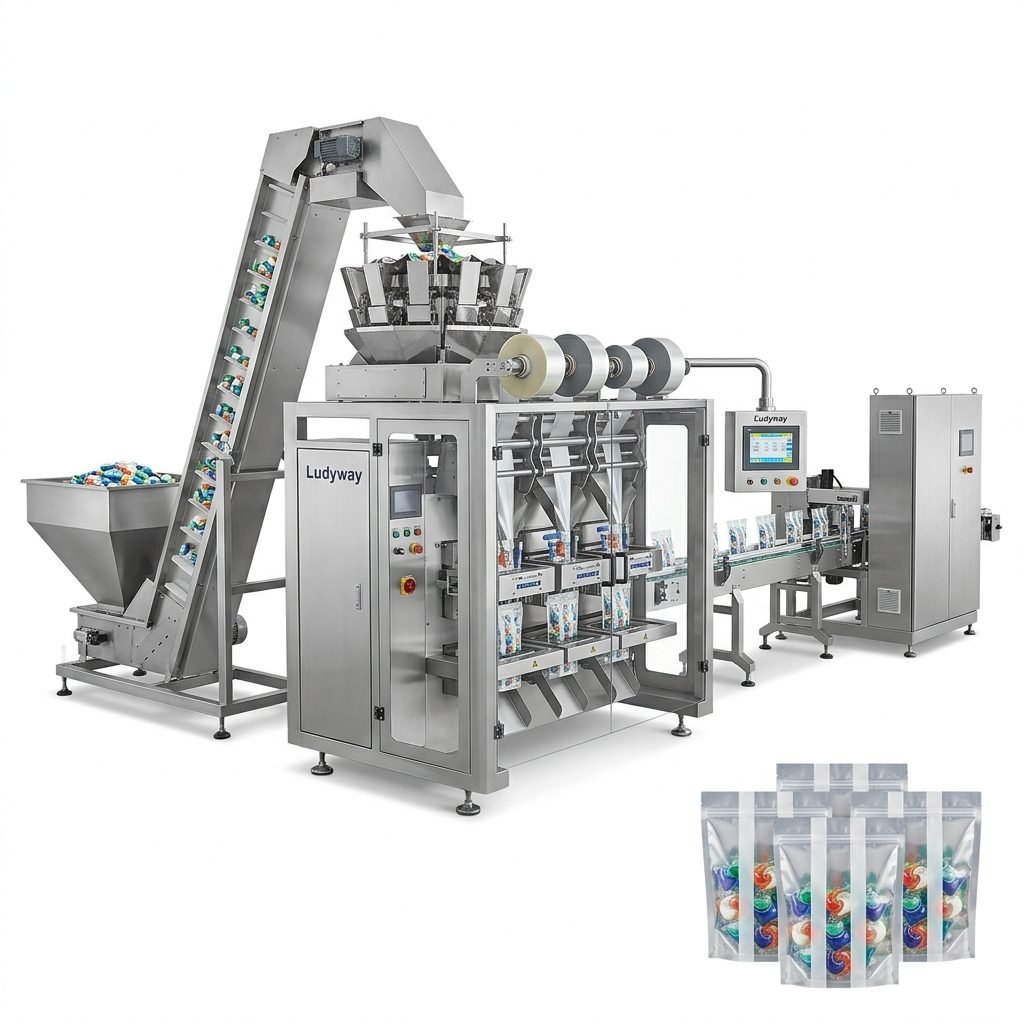
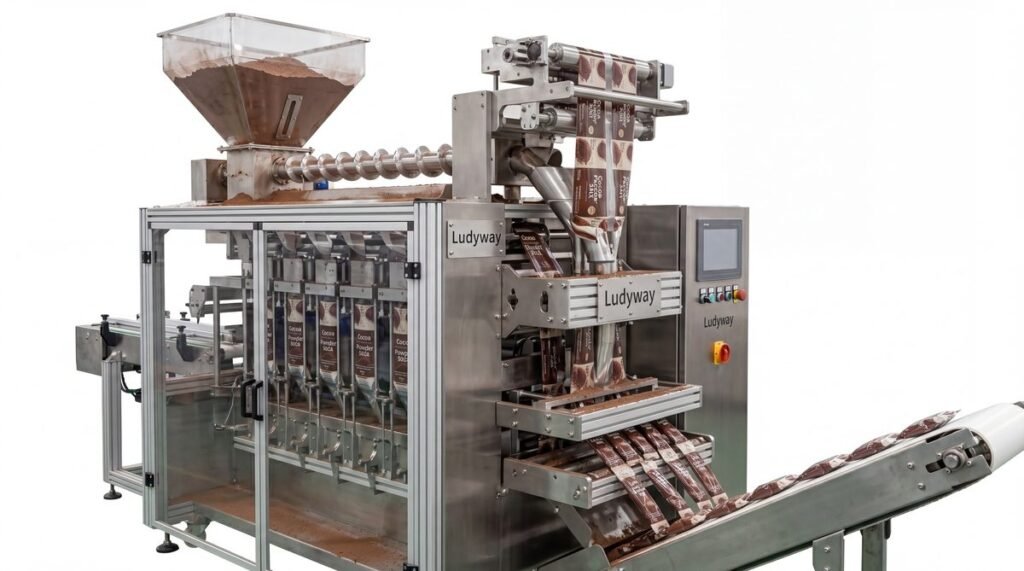
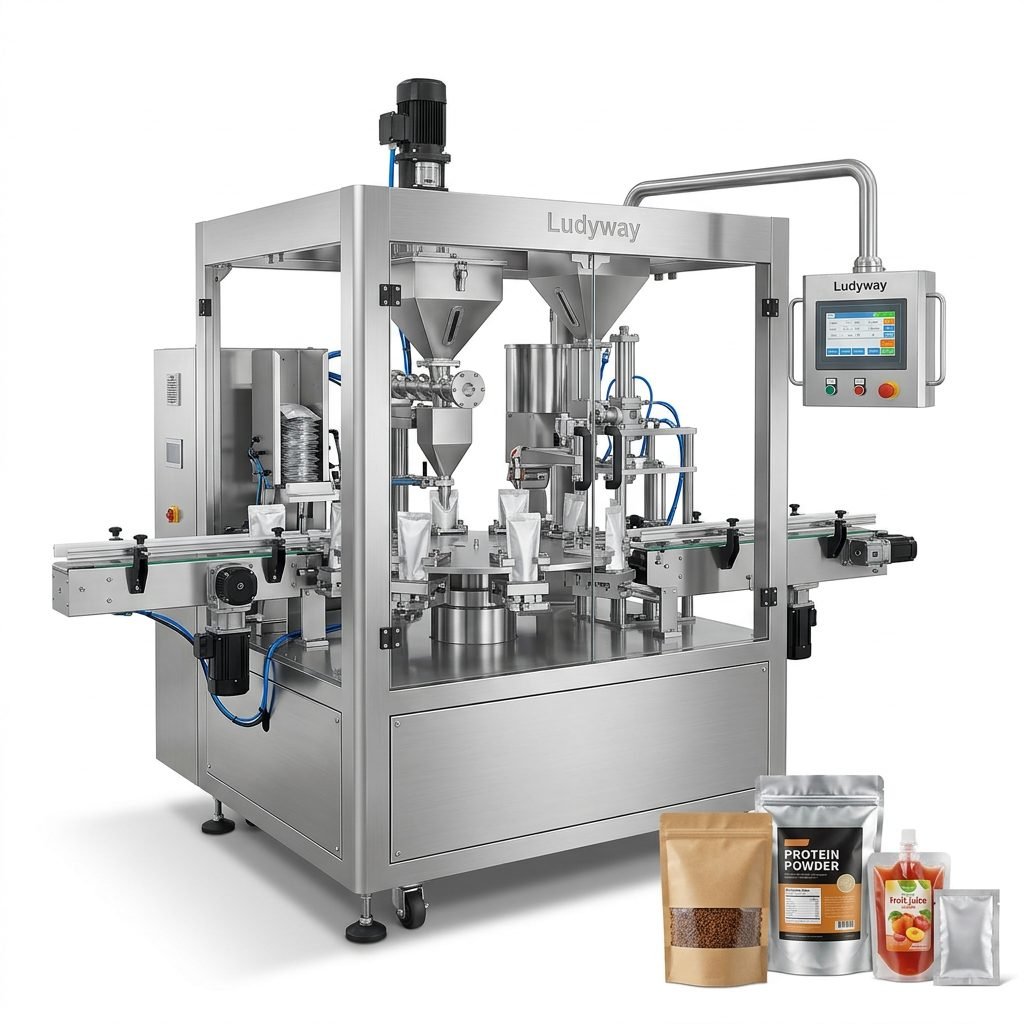
In today’s environmentally conscious market, the demand for sustainable packaging solutions is growing rapidly. Businesses across industries are seeking ways to reduce their environmental footprint, and packaging machinery plays a crucial role in this transition. A sustainable packaging machine is designed to handle eco-friendly materials, minimize waste, and operate efficiently, helping companies align with green initiatives while maintaining productivity.
Understanding Sustainable Packaging Machinery
Sustainable packaging machines are specialized equipment engineered to process biodegradable, recyclable, or compostable packaging materials. Unlike traditional machines that handle conventional plastics, these systems accommodate materials like paper, plant-based films, and other eco-friendly substrates. The machinery itself often incorporates energy-efficient components, reduced material consumption features, and designs that facilitate easy recycling of packaging waste.
Key characteristics of sustainable packaging machines include compatibility with alternative materials, precision dosing to minimize product waste, and modular designs that allow for future upgrades as new sustainable materials emerge in the market.
Types of Eco-Friendly Packaging Machines
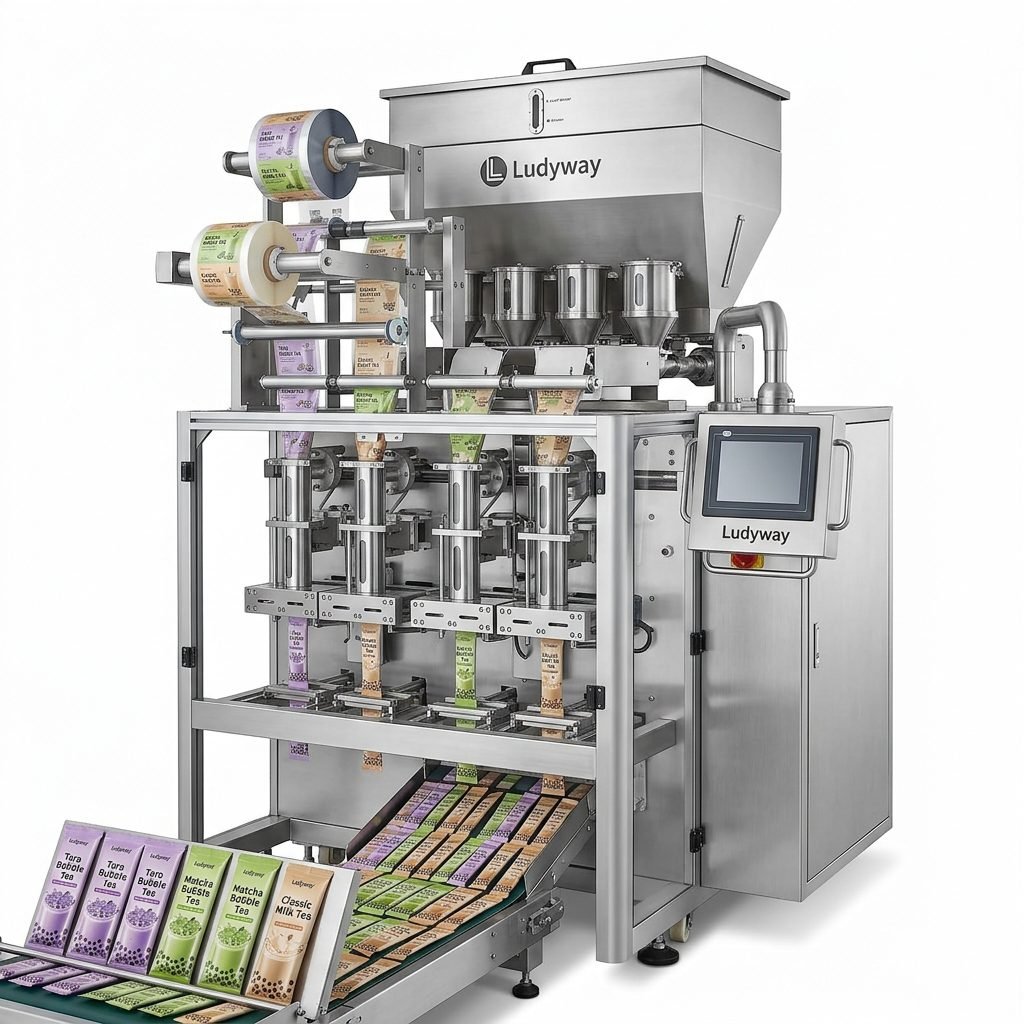
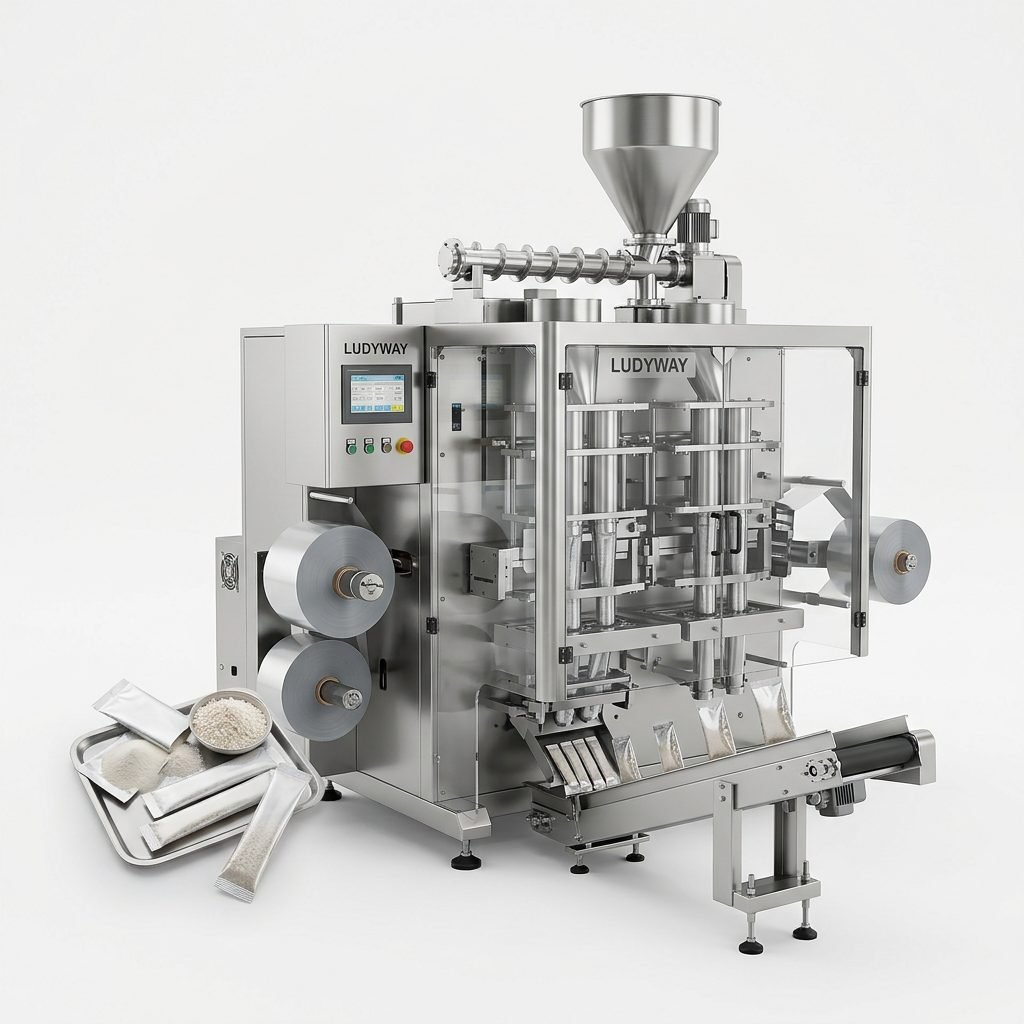
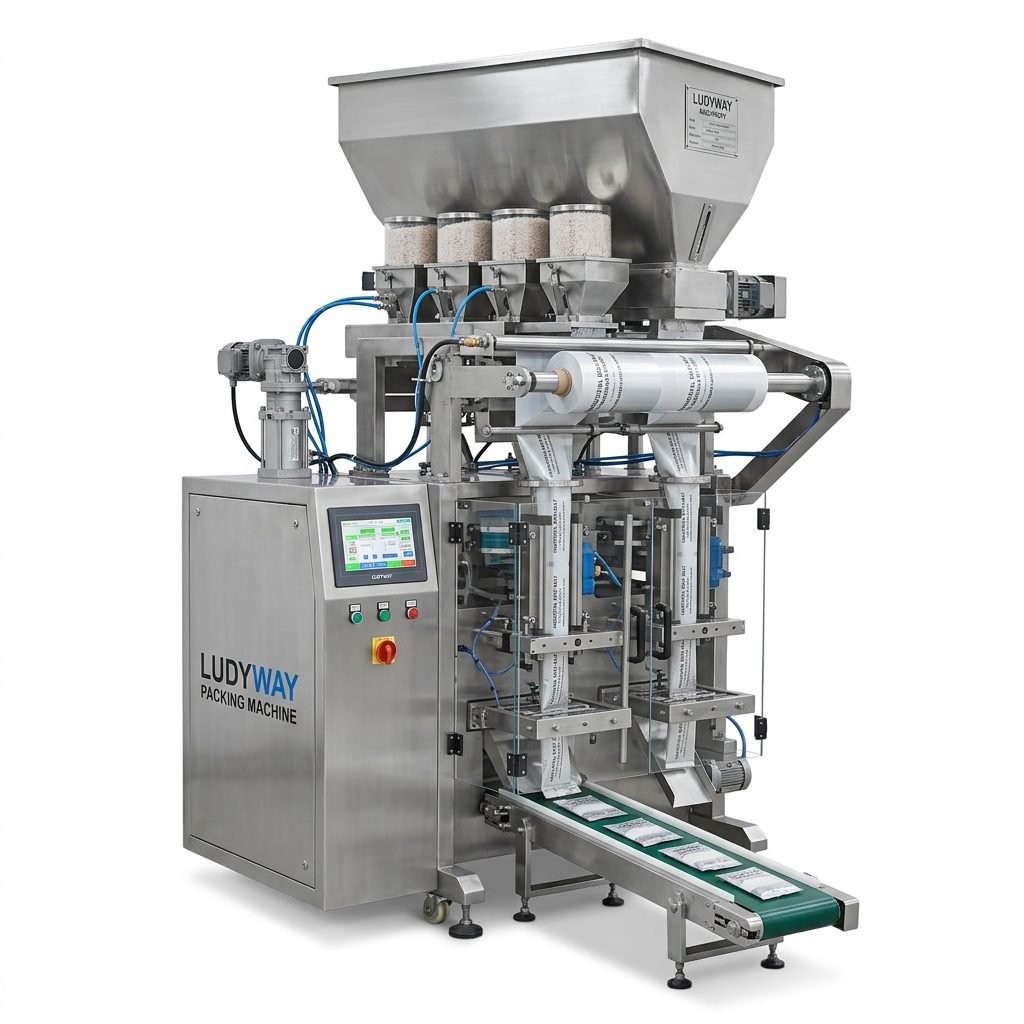
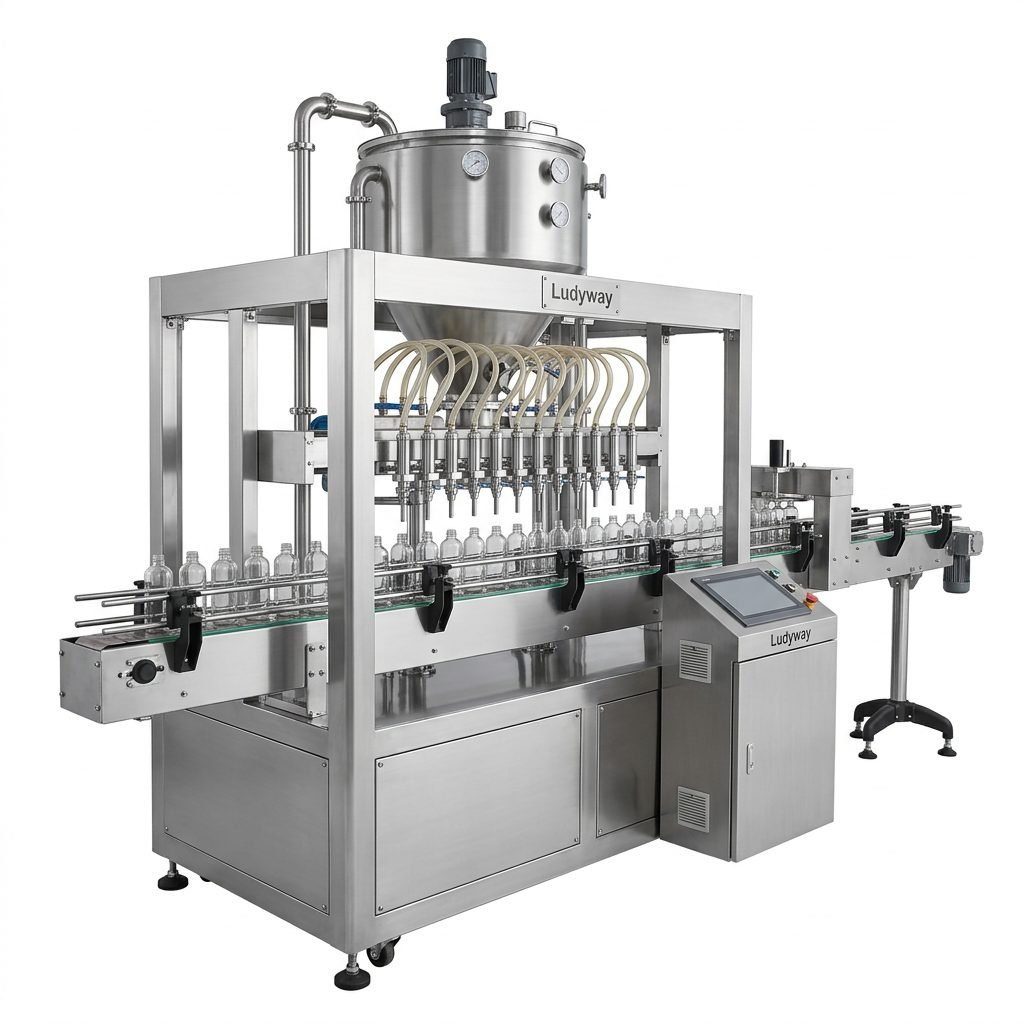
The market offers various types of sustainable packaging equipment, each suited to different applications and materials. Common categories include vertical form-fill-seal machines for compostable pouches, cartoning systems for paperboard packaging, and filling machines for recyclable containers. Some advanced systems even incorporate AI-driven optimization to further reduce material usage while maintaining package integrity.
Material Compatibility Considerations
When evaluating sustainable packaging machines, material compatibility is paramount. The equipment must properly handle the specific characteristics of eco-friendly materials, which often differ significantly from conventional plastics in terms of tensile strength, heat sensitivity, and sealing properties. For instance, machines processing plant-based films may require different temperature controls and sealing mechanisms than those designed for petroleum-based plastics.
How to Choose the Best Eco-Friendly Solution
Selecting the right sustainable packaging machine requires careful consideration of multiple factors. Begin by assessing your current and future packaging needs, including the types of sustainable materials you plan to use, production volumes, and product characteristics. Consider whether you need a complete production line or individual machines that can integrate with existing equipment.
Evaluation Checklist:
- Material handling capabilities and flexibility
- Energy efficiency ratings and power consumption
- Waste reduction features and precision controls
- Machine durability and maintenance requirements
- Supplier expertise in sustainable packaging solutions
Look for machines with adjustable parameters that can accommodate different sustainable materials without requiring extensive reconfiguration. Energy efficiency is another critical factor—machines with variable speed drives, efficient heating systems, and smart power management can significantly reduce operational costs and environmental impact. Additionally, consider the total cost of ownership, including maintenance, spare parts availability, and potential for future upgrades as sustainable packaging technologies evolve.
Technical Specifications and Performance
Examine the technical specifications carefully, focusing on speed, accuracy, and reliability with sustainable materials. Some eco-friendly materials may require slower processing speeds or specialized handling mechanisms. Pay particular attention to sealing systems, as sustainable materials often have different melting points and bonding characteristics than traditional plastics. Temperature control precision, pressure adjustment capabilities, and cooling systems can make significant differences in package quality and material savings.
Reliability testing with your specific materials is essential before making a purchase decision. Many reputable suppliers, including Ludyway Packing Machine, offer testing services to ensure their equipment performs optimally with your chosen sustainable materials. This step can prevent costly production issues and material waste once the machine is installed in your facility.
Integration with Existing Operations
Successful implementation of sustainable packaging machinery often depends on how well it integrates with your current production environment. Consider space requirements, utility connections, and compatibility with upstream and downstream equipment. Some sustainable packaging machines offer modular designs that allow for gradual implementation or future expansion as your sustainability initiatives grow.
Training and support are crucial elements often overlooked during the selection process. Ensure your supplier provides comprehensive training for operators and maintenance staff, as sustainable materials may require different handling procedures and troubleshooting approaches than conventional materials.
Also consider the regulatory compliance aspects of your sustainable packaging. Different regions have varying standards and certifications for eco-friendly packaging. Your machinery should be capable of producing packages that meet these requirements, whether it’s compostability certifications, recyclability standards, or specific material composition regulations.
Long-Term Sustainability Benefits
Investing in sustainable packaging machinery offers benefits beyond environmental responsibility. Companies often experience improved brand perception, increased customer loyalty, and potential cost savings through material efficiency and waste reduction. Some regions offer incentives or tax benefits for businesses adopting green technologies, further improving the return on investment.
The transition to sustainable packaging also future-proofs your operations against increasingly stringent environmental regulations. As governments worldwide implement stricter packaging waste policies, having equipment capable of processing approved sustainable materials positions your business for compliance and continued market access. For businesses looking to expand internationally, this capability becomes even more valuable, as different markets may have varying sustainable packaging requirements.
Partnering with the Right Supplier
Choosing a supplier with expertise in sustainable packaging solutions is as important as selecting the right machine. Look for partners with proven experience in eco-friendly packaging applications, strong technical support capabilities, and a commitment to ongoing innovation in sustainable technologies. A good supplier will understand not just the machinery, but also the materials, regulations, and market trends shaping sustainable packaging.
Consider suppliers who offer comprehensive services beyond equipment sales, including material testing, production line optimization for sustainability, and ongoing technical support. Some leading providers in the industry have developed specialized expertise through years of working with various sustainable materials and applications. Their experience can help you avoid common pitfalls and accelerate your transition to eco-friendly packaging.
When evaluating potential partners, ask about their track record with similar applications, availability of spare parts for sustainable-specific components, and their approach to helping clients achieve their sustainability goals. The right partnership can transform your packaging operations from an environmental challenge to a competitive advantage. Companies with extensive experience, like those with over 30 years in the industry, often bring valuable insights that can optimize both sustainability and operational efficiency.
Implementation and Continuous Improvement
Once you’ve selected your sustainable packaging machine, proper implementation is key to realizing its full benefits. Work closely with your supplier during installation and commissioning to ensure optimal setup for your specific materials and products. Establish baseline measurements for material usage, energy consumption, and waste generation to track improvements over time.
Regular maintenance and calibration are particularly important for sustainable packaging machines, as eco-friendly materials may have different wear characteristics on machine components. Develop a preventive maintenance schedule that addresses the unique requirements of processing sustainable materials, and ensure your maintenance team receives proper training.
Continuously monitor performance and explore opportunities for further optimization. As new sustainable materials and technologies emerge, your machine may offer upgrade options to maintain compatibility with the latest innovations. Some advanced systems even provide data analytics capabilities to identify additional opportunities for waste reduction and efficiency improvements.
Frequently Asked Questions
What types of sustainable materials can these machines handle?
Sustainable packaging machines are designed to handle various eco-friendly materials including compostable bioplastics, recycled content materials, paper-based substrates, and plant-based films. The specific compatibility depends on the machine’s design and configuration, so it’s important to verify material compatibility with your supplier before purchase.
How does the cost compare to traditional packaging machinery?
While initial investment may be slightly higher for some sustainable packaging machines, total cost of ownership often compares favorably due to material savings, energy efficiency, and potential regulatory benefits. Many businesses also experience indirect benefits through improved brand value and customer loyalty.
Can existing packaging machines be converted to handle sustainable materials?
Some conventional machines can be retrofitted or modified to handle certain sustainable materials, but this depends on the specific machine design and material requirements. In many cases, purpose-built sustainable packaging machines offer better performance and reliability with eco-friendly materials.
What maintenance considerations are unique to sustainable packaging machines?
Machines processing sustainable materials may require different maintenance schedules for components like sealing jaws, film transport systems, and cutting mechanisms, as some eco-friendly materials have different abrasiveness or temperature characteristics. Regular cleaning protocols may also differ to prevent contamination between material types.
How do I ensure my sustainable packaging meets regulatory requirements?
Work with your machinery supplier and material providers to understand relevant regulations in your target markets. Many reputable suppliers, particularly those with international experience, can provide guidance on compliance requirements and help configure equipment to produce packages that meet specific certification standards.