The global food packaging equipment market stands as a dynamic and critical segment within the broader manufacturing and food processing industries. Driven by evolving consumer demands, stringent safety regulations, and the relentless pursuit of operational efficiency, this market is undergoing significant transformation. From the bustling food stalls of Southeast Asia requiring single-serve sachets to the large-scale bakeries in Europe needing high-speed wrapping lines, the need for adaptable and reliable packaging machinery is universal. This article delves into the current size of the market, the primary forces fueling its growth, the key trends shaping its future, and the emerging opportunities for businesses and investors alike.
Current Market Size and Valuation
The global food packaging equipment market has demonstrated robust growth, consistently expanding in value and volume. Recent industry analyses estimate the market to be valued in the tens of billions of US dollars, with a compound annual growth rate (CAGR) that significantly outpaces many other industrial machinery sectors. This substantial valuation is attributed to the indispensable role packaging plays in the modern food supply chain—it protects, preserves, markets, and facilitates the distribution of products from farm to fork.
Geographically, the market landscape is diverse. North America and Europe remain mature, high-value markets, characterized by high adoption rates of automation and a strong focus on sustainable packaging solutions. The Asia-Pacific region, however, is the engine of growth, propelled by rapid urbanization, rising disposable incomes, and the expansion of organized retail and e-commerce sectors. In countries like India, the cultural practice of buying daily fresh produce is gradually coexisting with a growing appetite for packaged, ready-to-eat foods, directly driving demand for flexible packaging equipment.
Primary Growth Drivers
Several powerful forces are propelling the food packaging equipment market forward. Understanding these drivers is key to anticipating market direction.
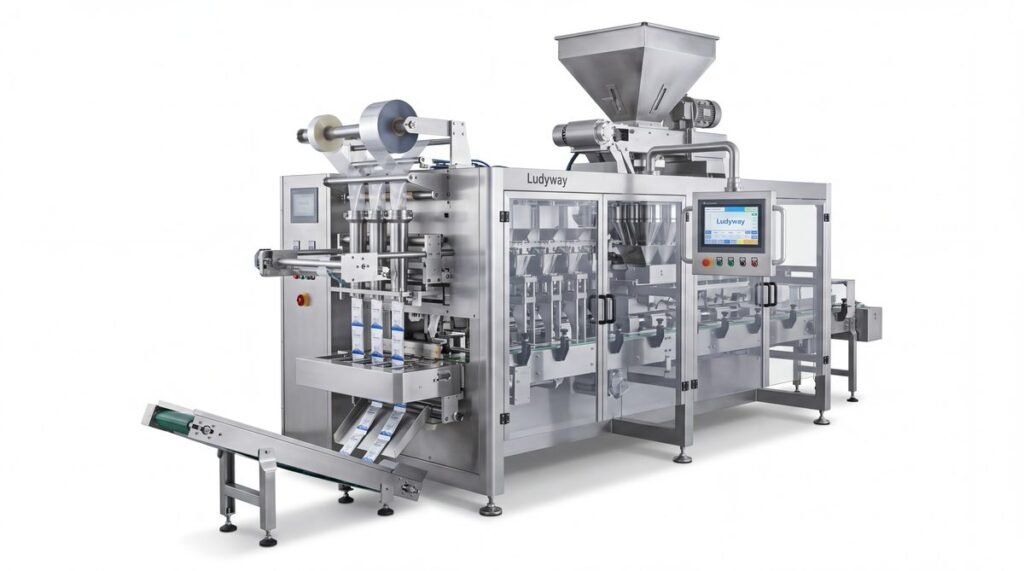
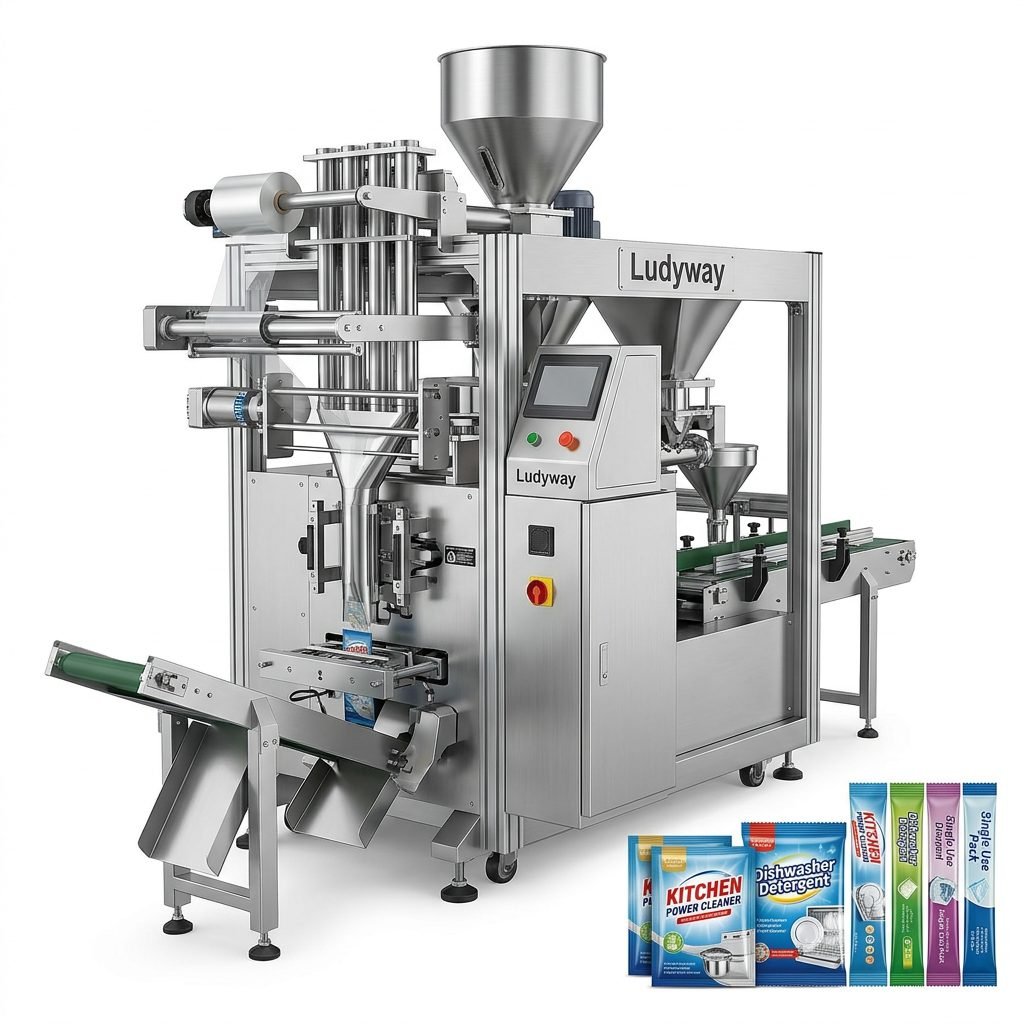
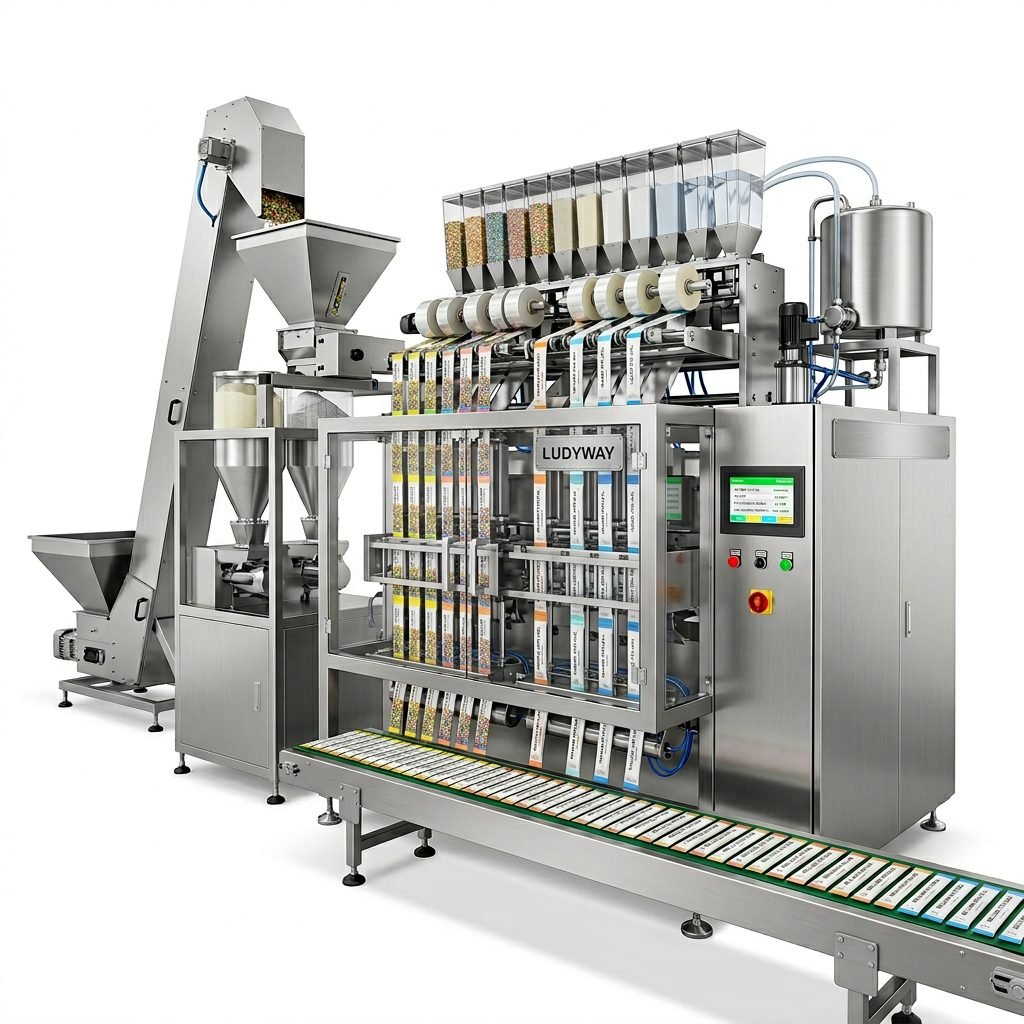
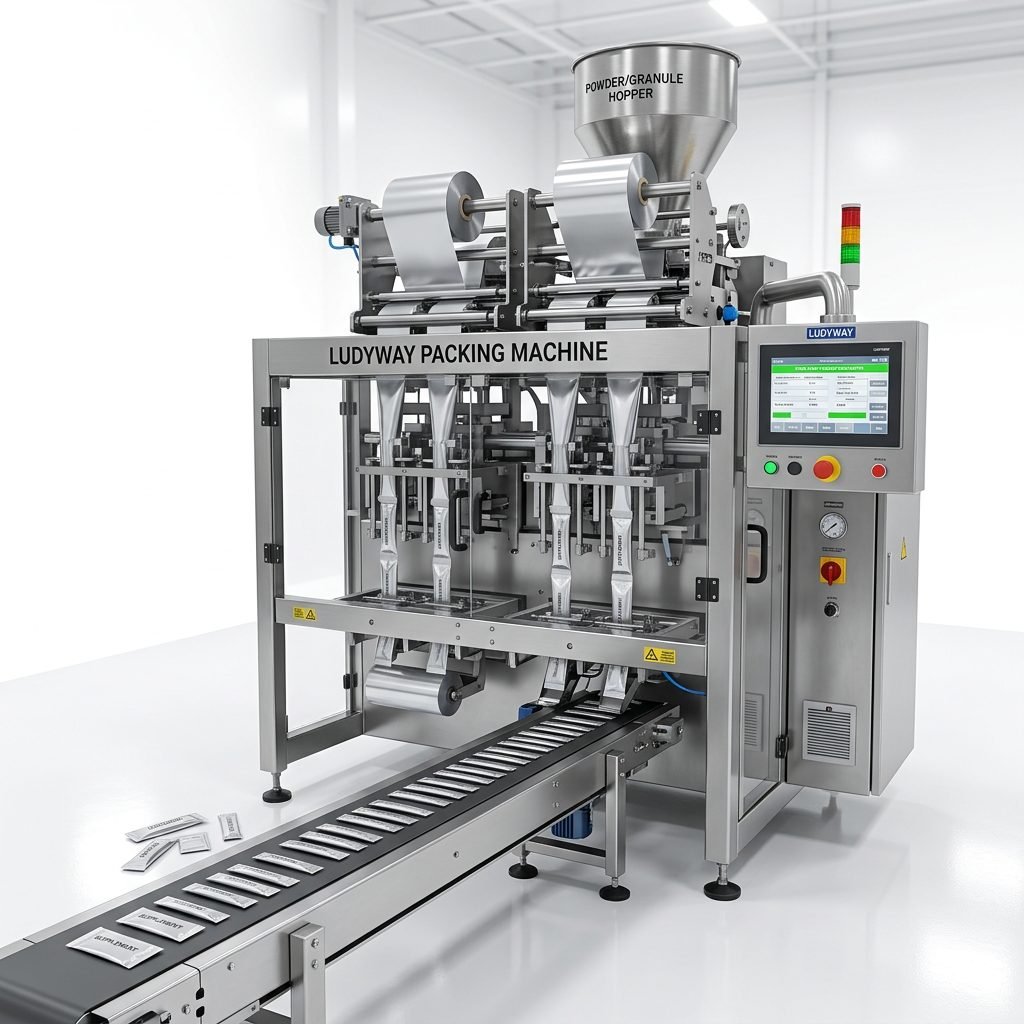
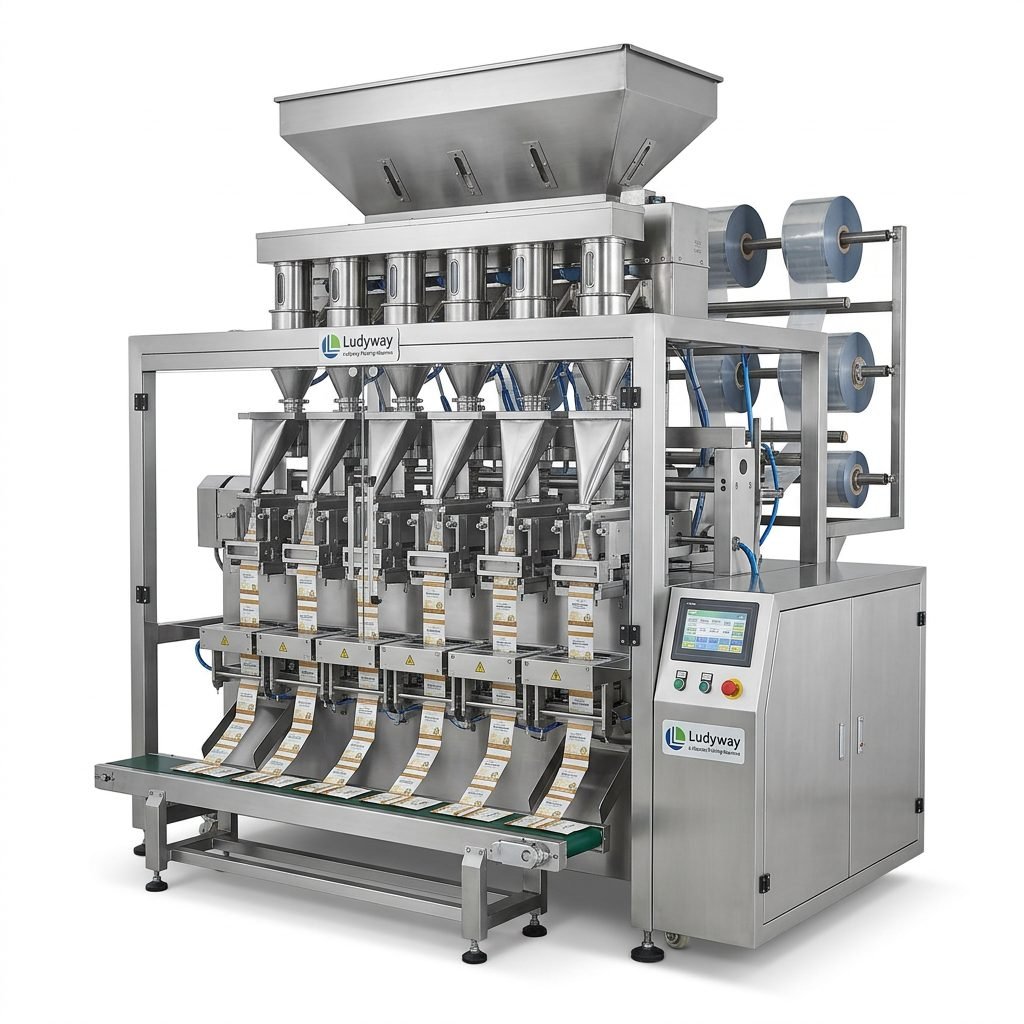
- Rising Demand for Convenience Foods: The global shift towards busy lifestyles has fueled an unprecedented demand for ready-to-eat meals, snack portions, and on-the-go products. This necessitates packaging machinery capable of producing single-serve stick packs, sachets, and small-portion pouches efficiently. Equipment like multi-lane stick pack machines from providers such as Ludyway Packing Machine are crucial in meeting this high-volume, precision-driven demand.
- Stringent Food Safety and Hygiene Regulations: Governments and international bodies worldwide are enforcing stricter food safety standards. Automated packaging minimizes human contact with the product, reducing contamination risks. Modern equipment is designed with easy-clean surfaces, sanitary construction, and traceability features (like coding and serialization) that help manufacturers comply with regulations like the FDA’s FSMA in the U.S. or the EU’s food safety laws.
- Technological Advancements and Industry 4.0: The integration of smart technologies is revolutionizing packaging lines. IoT-enabled sensors, AI-driven predictive maintenance, and robotics for loading and palletizing are becoming standard. These advancements boost Overall Equipment Effectiveness (OEE), reduce downtime, and allow for real-time production monitoring and data analytics.
- Expansion of the Retail and E-commerce Sectors: The growth of supermarkets, hypermarkets, and particularly online grocery shopping requires packaging that is durable for shipping, visually appealing for digital storefronts, and functional for consumers. This drives investment in versatile equipment that can handle a variety of package formats and materials.
Key Trends Shaping the Industry
Beyond the fundamental drivers, specific trends are actively reshaping the design, functionality, and procurement of food packaging equipment.
Sustainability and Circular Economy
Environmental concerns are no longer a niche interest but a core business imperative. The trend towards sustainable packaging is immense, focusing on:
✓ Material Reduction: Machines that enable downgauging—using thinner but stronger films—are in high demand.
✓ Recyclable & Compostable Materials: Equipment must be adaptable to handle new, often more challenging materials like mono-plastics, paper composites, and bio-polymers. This requires advanced sealing and handling technologies.
✓ Reusability Systems: While still emerging, equipment for cleaning and refilling reusable containers is gaining attention, particularly in European markets with strong green policies.
Flexibility and Modularity
The era of single-purpose, rigid packaging lines is fading. Manufacturers now seek flexible and modular equipment that can quickly switch between different product types, package sizes, and materials with minimal changeover time and waste. This agility is essential for catering to shorter product lifecycles and customized marketing campaigns.
Smart Packaging and Connectivity
Packaging is becoming an interactive touchpoint. Equipment is increasingly required to integrate technologies such as:
• QR Code/NFC Printing: For consumer engagement, authentication, and supply chain transparency.
• Active & Intelligent Packaging: Machinery that can insert freshness indicators or oxygen scavengers into packages is seeing specialized growth.
• Integrated Vision Inspection Systems: Automated cameras and sensors to check for seal integrity, fill level, and label placement, ensuring 100% quality control.
Emerging Opportunities for Stakeholders
The confluence of these drivers and trends unveils several lucrative opportunities.
Opportunity in Emerging Economies: As middle-class populations expand in Asia, Africa, and Latin America, the demand for packaged food will surge. This creates a vast opportunity for suppliers of cost-effective, robust, and easy-to-operate packaging machinery tailored to these growing markets. Localized service and support will be a key differentiator.
After-Sales Services and Digital Solutions: The market for maintenance, spare parts, remote diagnostics, and performance optimization software is growing faster than the equipment market itself. Companies that offer comprehensive lifecycle support, like Ludyway’s commitment to long-term cooperation, will build stronger customer loyalty and recurring revenue streams.
Customized and Turnkey Solutions: There is a rising demand for suppliers who can deliver complete, integrated production lines rather than just individual machines. Providers with strong engineering capabilities who can offer end-to-end solutions—from product handling to primary packaging and secondary cartoning—are positioned to win major projects.
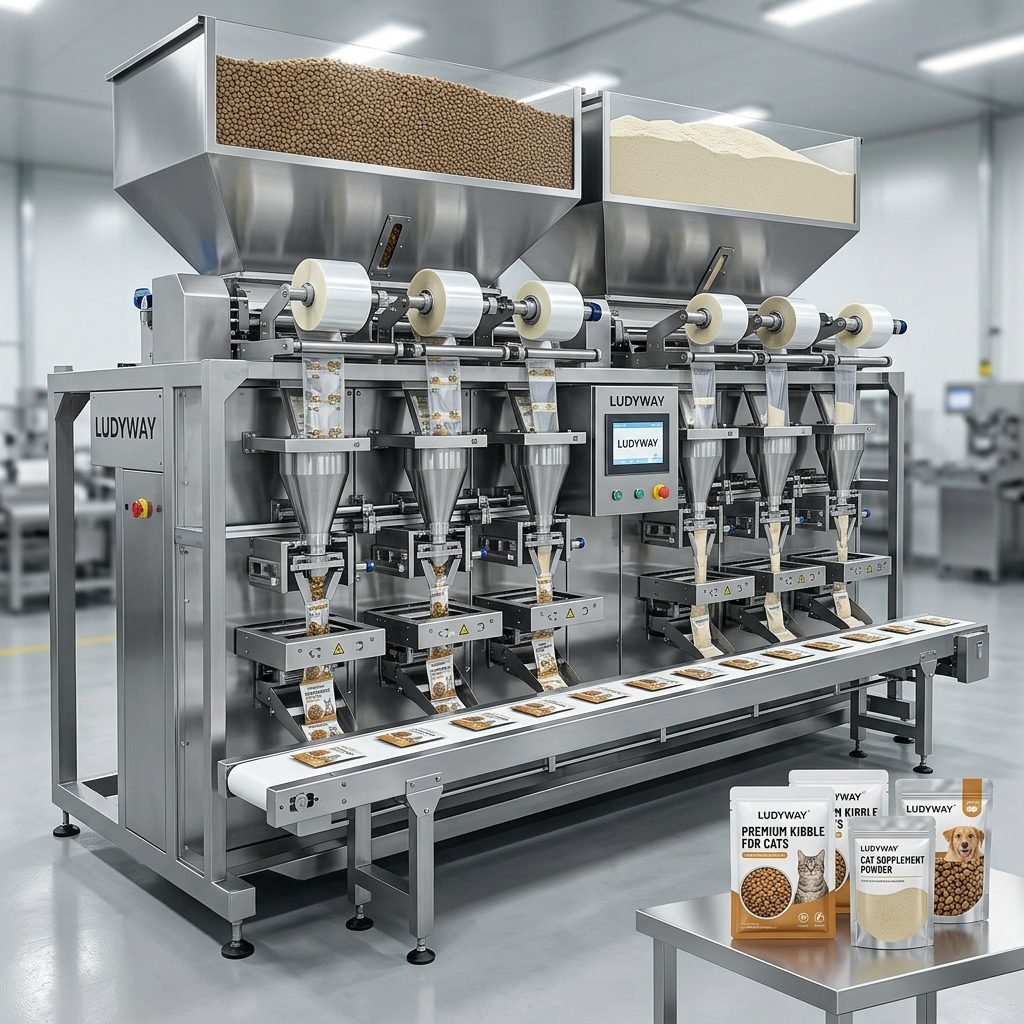
Niche and High-Value Segments: Opportunities abound in specialized areas such as packaging for pet food, dietary supplements, and premium gourmet products. These segments often require unique handling (for powders, granules, or liquids) and superior packaging aesthetics, allowing for higher-margin equipment sales.
Frequently Asked Questions (FAQs)
Q1: What is the biggest challenge facing the food packaging equipment market today?
A1: One of the most significant challenges is balancing the high initial capital investment for advanced, sustainable, and flexible equipment with the need for rapid ROI. Additionally, keeping pace with the fast evolution of packaging materials, especially sustainable alternatives that may have different machining properties, requires continuous R&D from equipment manufacturers.
Q2: How important is automation in the current market?
A2> Automation is critical and non-negotiable for competitive large-scale production. It directly addresses labor shortages, ensures consistent quality and hygiene, improves production speed, and enables data collection for process optimization. The trend is moving towards fully integrated, lights-out factories for certain product lines.
Q3: Are there regional differences in the types of packaging equipment in demand?
A3> Absolutely. For instance, in Japan and South Korea, compact, space-saving machinery with ultra-high precision is prized. In the Middle East, durability in high-temperature environments is key. In regions with strong fresh food markets, modified atmosphere packaging (MAP) equipment is in higher demand compared to regions focused on dry goods.
Q4: What should a food manufacturer look for when choosing a packaging equipment supplier?
A4> Key factors include: the supplier’s industry experience and track record, the flexibility and reliability of their machine models, their ability to provide local technical support and spare parts, their commitment to innovation (especially in sustainability), and their capability to offer customized or turnkey solutions if needed.
Q5: What is the future outlook for the food packaging equipment market?
A5> The outlook is overwhelmingly positive, driven by sustained demand for packaged food, technological innovation, and the global sustainability mandate. The market will continue to grow, with a sharper focus on intelligent, connected, and environmentally responsible packaging solutions. Suppliers who can innovate in these areas while providing tangible efficiency gains for manufacturers will lead the industry forward.