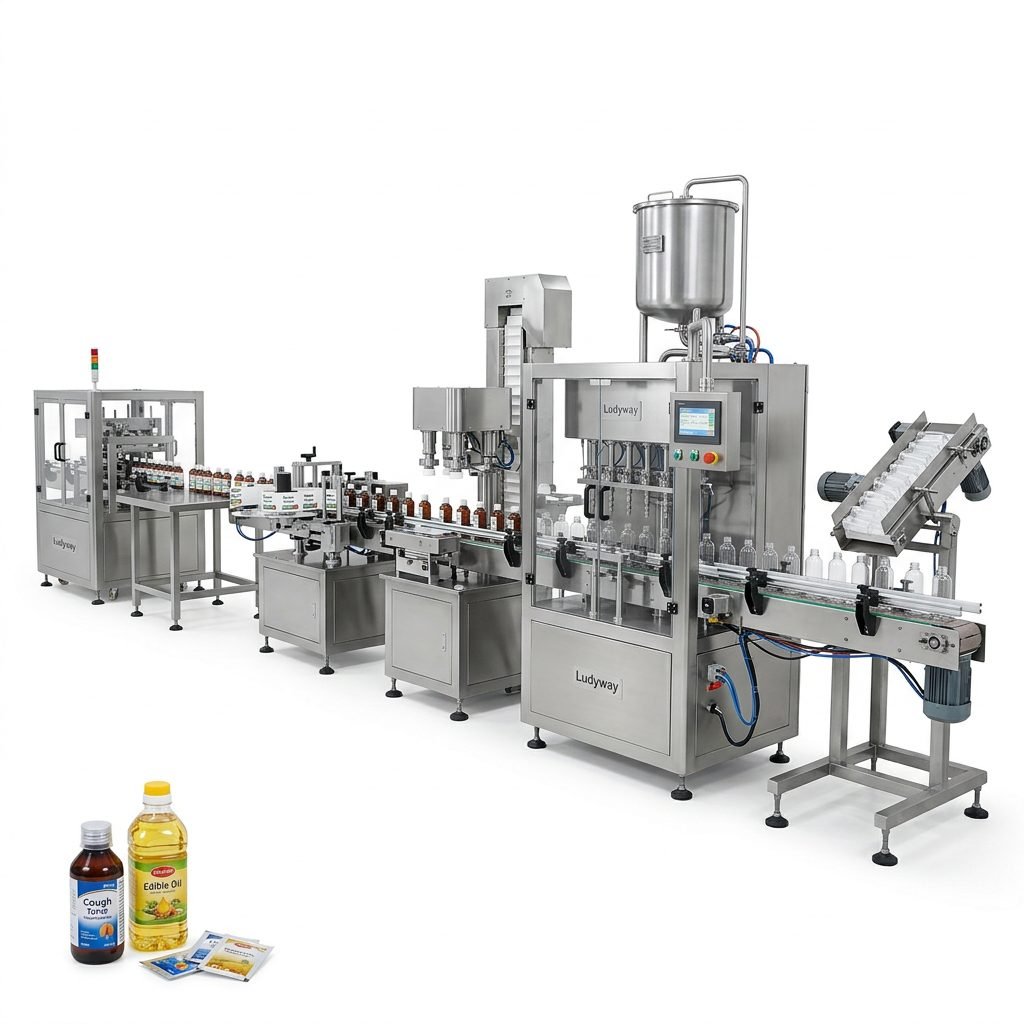
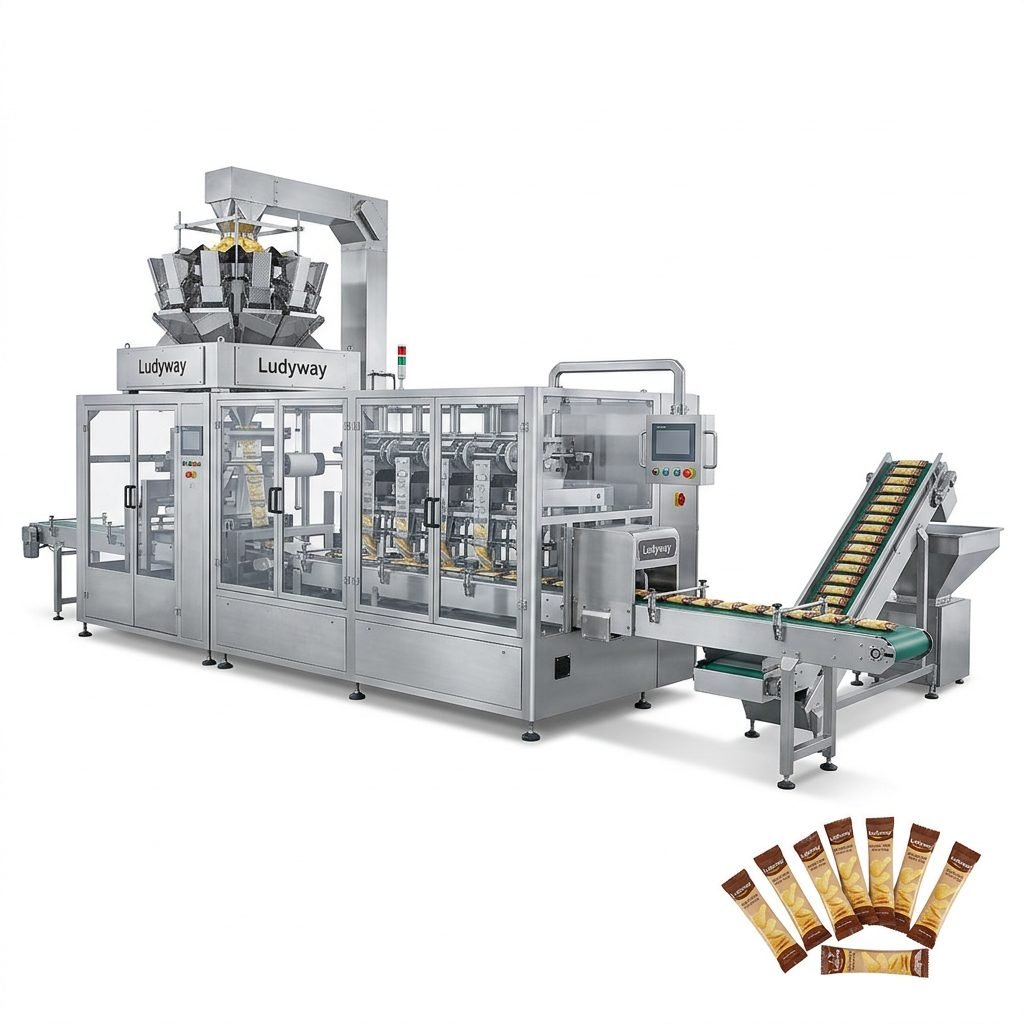
Investing in a vacuum packaging sealer machine is a critical decision for businesses aiming to extend product shelf life, preserve freshness, and optimize operational efficiency. From small-scale food processors to large pharmaceutical manufacturers, choosing the right equipment directly impacts product quality and bottom-line results. This guide provides a comprehensive overview of the essential factors, features, and considerations to help you identify the best vacuum packaging solution for your specific needs.
Understanding Vacuum Packaging Technology
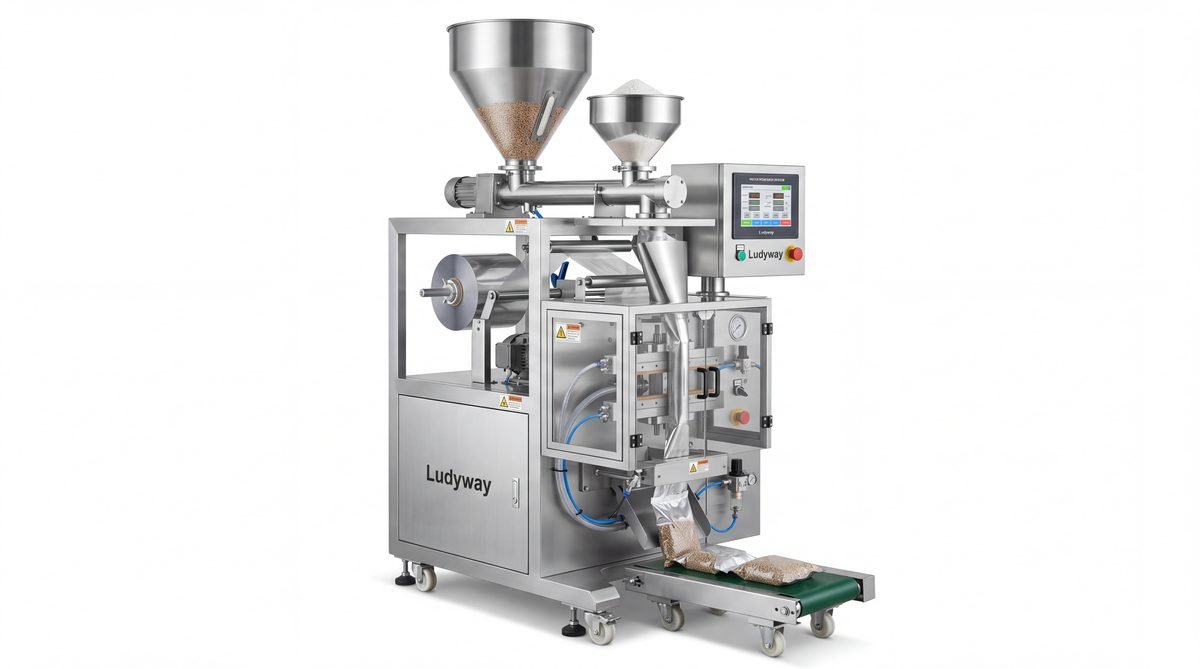
Vacuum packaging removes air from a package prior to sealing, creating an oxygen-free environment that drastically slows product degradation. This technology is indispensable for preserving perishable goods, preventing freezer burn, and protecting sensitive components from moisture and contaminants. Modern vacuum sealers range from compact tabletop units to fully automated, high-speed production lines capable of handling thousands of packages per hour. Selecting the right machine depends heavily on your production volume, product type, and packaging material requirements.
Key Factors to Consider When Selecting a Vacuum Sealer
Before purchasing a vacuum packaging machine, evaluate these critical parameters to ensure the equipment aligns with your operational goals. A thorough assessment of your production environment will prevent costly mismatches and downtime.
- Production Capacity: Determine your required packages per minute or hour. Entry-level machines suit small batches, while industrial models with multi-lane capabilities are essential for high-throughput environments.
- Product Compatibility: Different products—powders, granules, liquids, solids, and fragile items—require specific chamber types, vacuum levels, and seal configurations to avoid crushing or leakage.
- Packaging Material Flexibility: Verify machine compatibility with various film types including PA/PE, EVOH, and aluminum-laminated foils, as well as embossed or smooth vacuum pouches.
- Vacuum Pump Type: Oil-lubricated rotary vane pumps offer deeper vacuum levels for demanding applications, while dry pumps reduce maintenance and are ideal for dry, non-corrosive products.
- Sealing System Quality: Look for dual-seal or wide-seal options that ensure hermetic closure and resistance to leaks, especially for liquid or high-moisture products.

Comparing Chamber, External, and Multi-Lane Vacuum Systems
Each vacuum packaging machine category serves distinct purposes. Understanding these differences ensures you invest in technology that matches your product characteristics and throughput demands. The table below summarizes the primary machine types and their ideal applications.
| Machine Type | Best For | Typical Speed | Vacuum Level |
|---|---|---|---|
| Chamber Vacuum Sealer | Liquids, marinated products, high-moisture foods, medical devices | Medium (2-8 cycles/min) | Very High (99.8%+ vacuum) |
| External Nozzle Sealer | Dry solids, grains, low-volume operations | Low to Medium | Moderate (80-95% vacuum) |
| Double Chamber Machine | Continuous production, alternating loading/unloading | High (15-25+ cycles/min) | Very High |
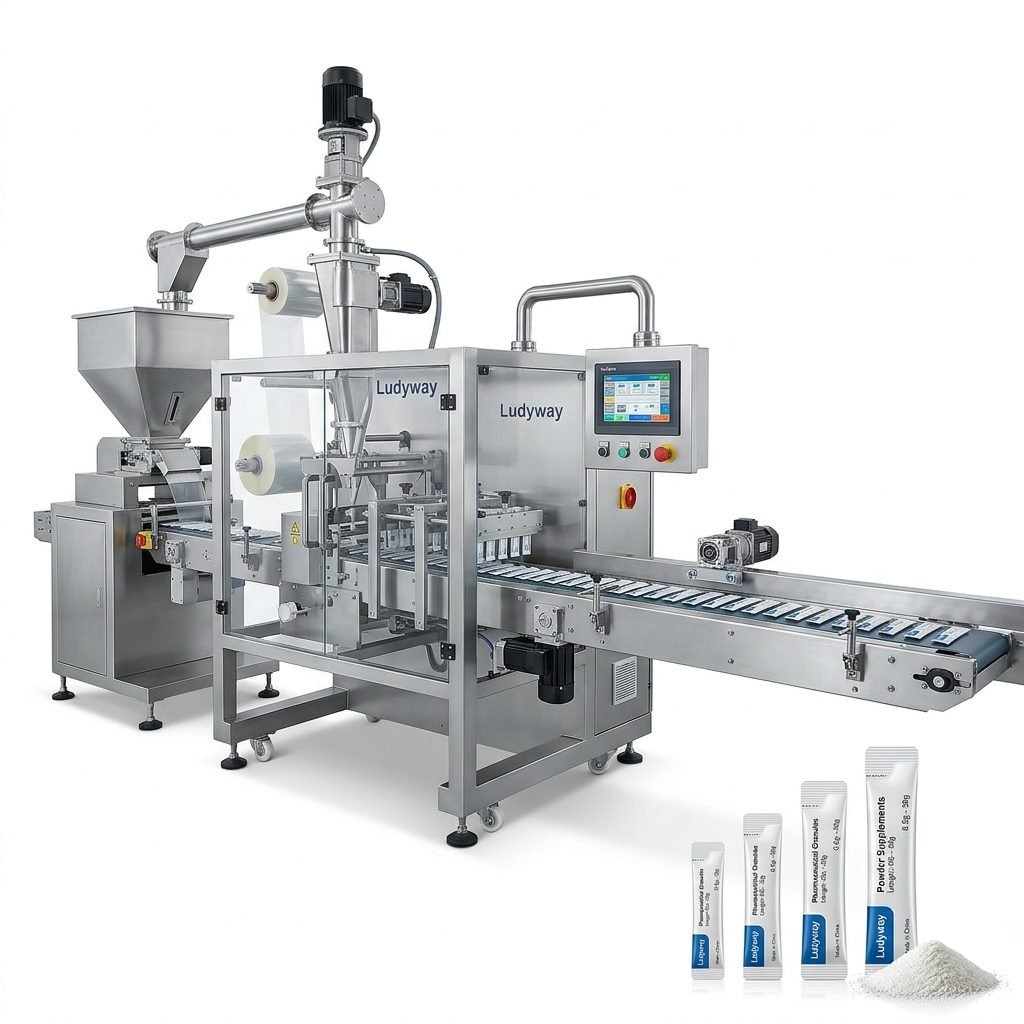
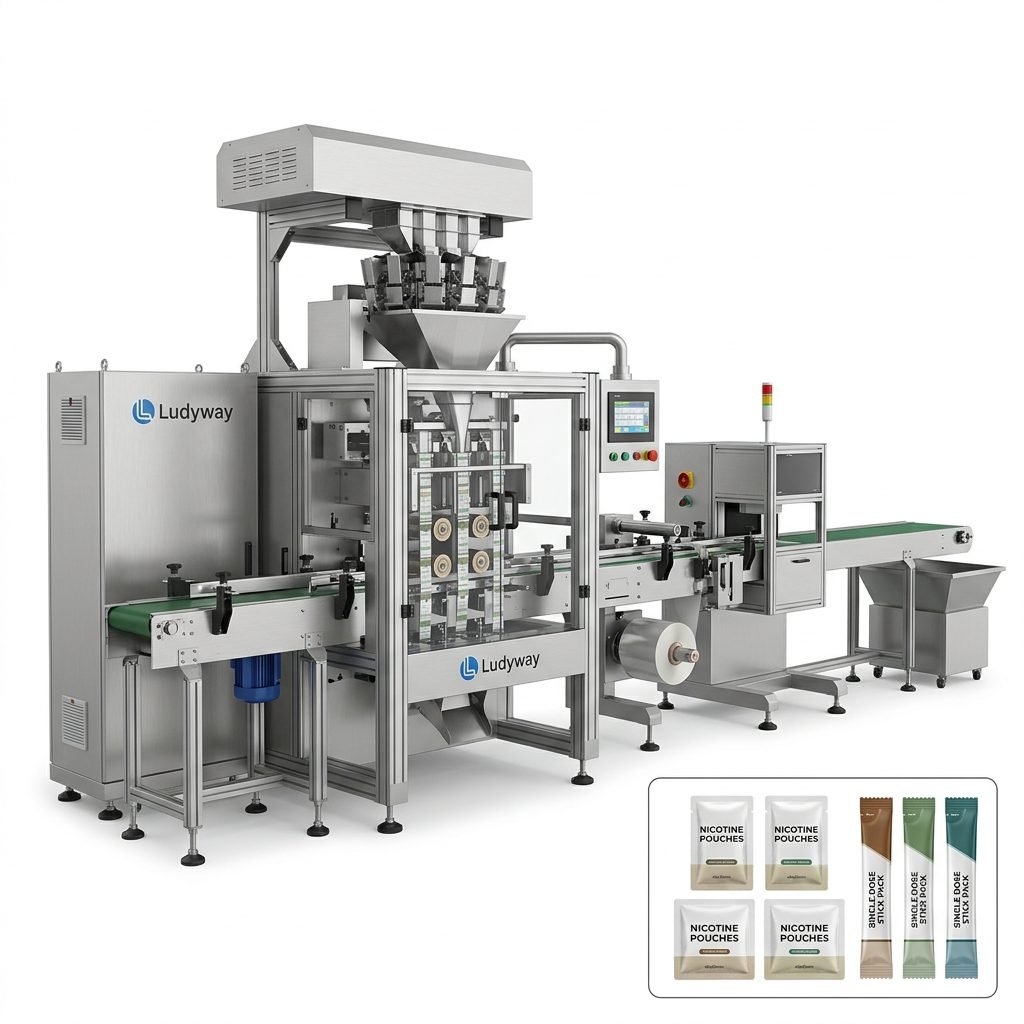
| Multi-Lane Stick Pack/Sachet Sealer | Powders, granules, single-serve portions, supplements | Very High (200+ packs/min) | Configurable (with gas flush) |
| Thermoforming Vacuum Packager | Meat, cheese, seafood, medical devices requiring rigid/flexible packs | High (depends on mold size) | Very High (with MAP option) |
Essential Features for Modern Vacuum Packaging Equipment
Beyond basic vacuum and sealing functions, contemporary vacuum packaging sealers incorporate intelligent features that enhance reliability, traceability, and ease of use. Prioritizing these capabilities can significantly improve your return on investment.
- Gas Flush (MAP) Integration: Modified atmosphere packaging replaces oxygen with inert gases like nitrogen or CO₂, further extending shelf life for delicate products such as fresh produce, baked goods, and coffee.
- Programmable Controls and Recipe Storage: Digital interfaces with saved settings for different products reduce changeover time and ensure consistent seal quality across batches.
- Stainless Steel Construction: For food and pharmaceutical environments, 304 or 316L stainless steel frames and components meet hygiene standards and facilitate cleaning.
- Sensor-Based Process Monitoring: Real-time vacuum pressure sensors and seal integrity checks detect deviations immediately, reducing waste and preventing defective packages from reaching consumers.
- Soft-Start Vacuum Ramp: Gradually increasing vacuum pressure prevents rapid expansion and splashing when sealing liquids or sauces.
Industries That Rely on Vacuum Sealing Solutions
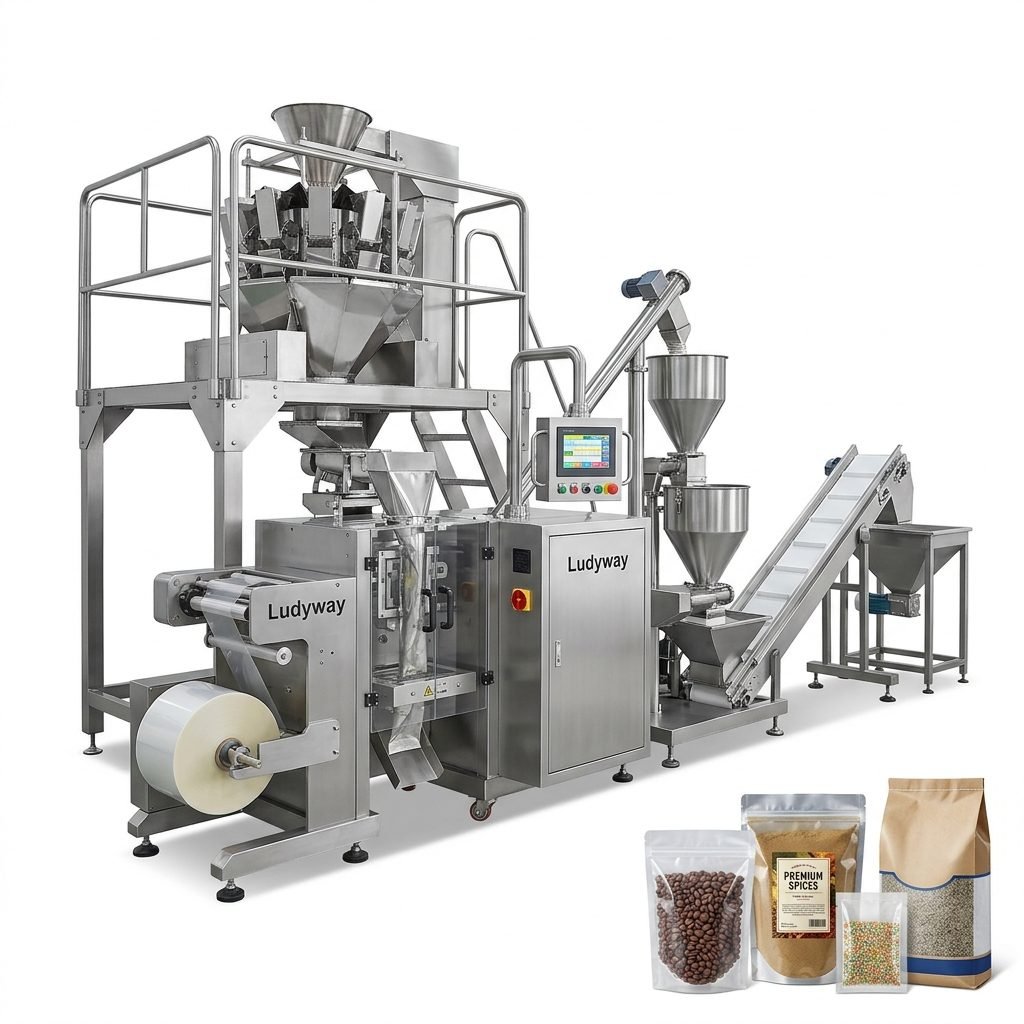
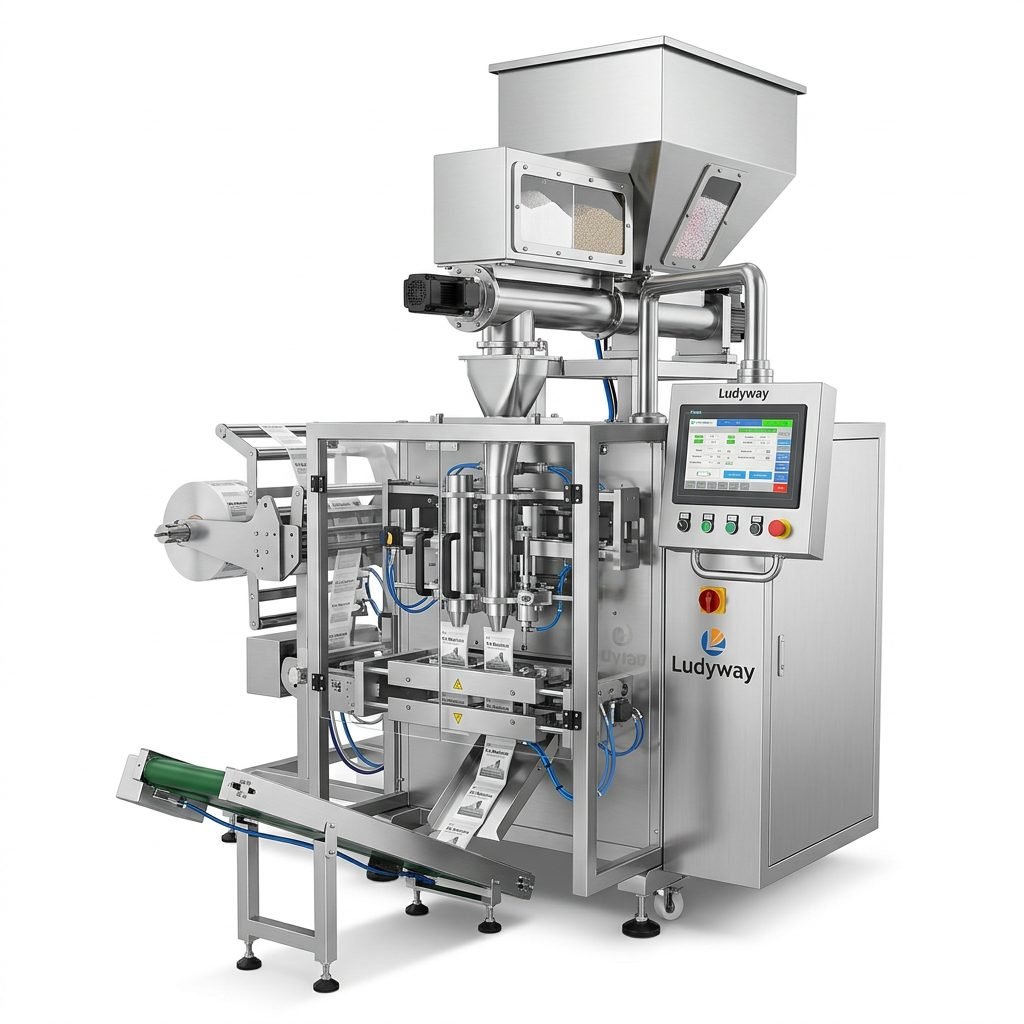
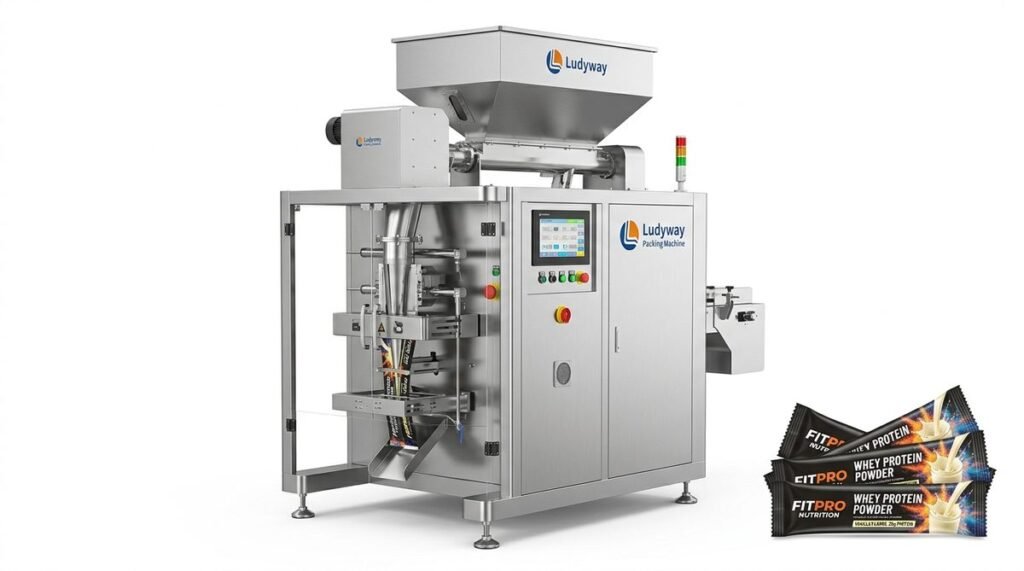
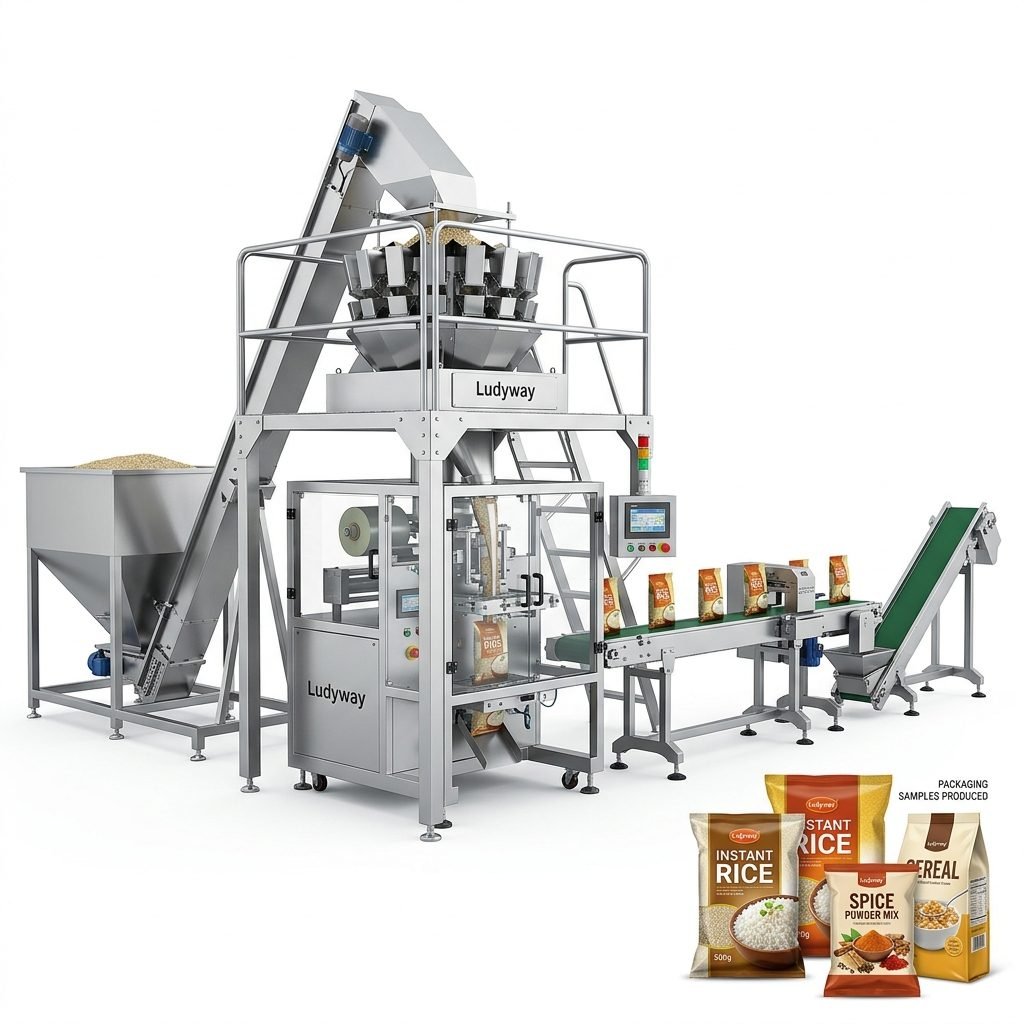
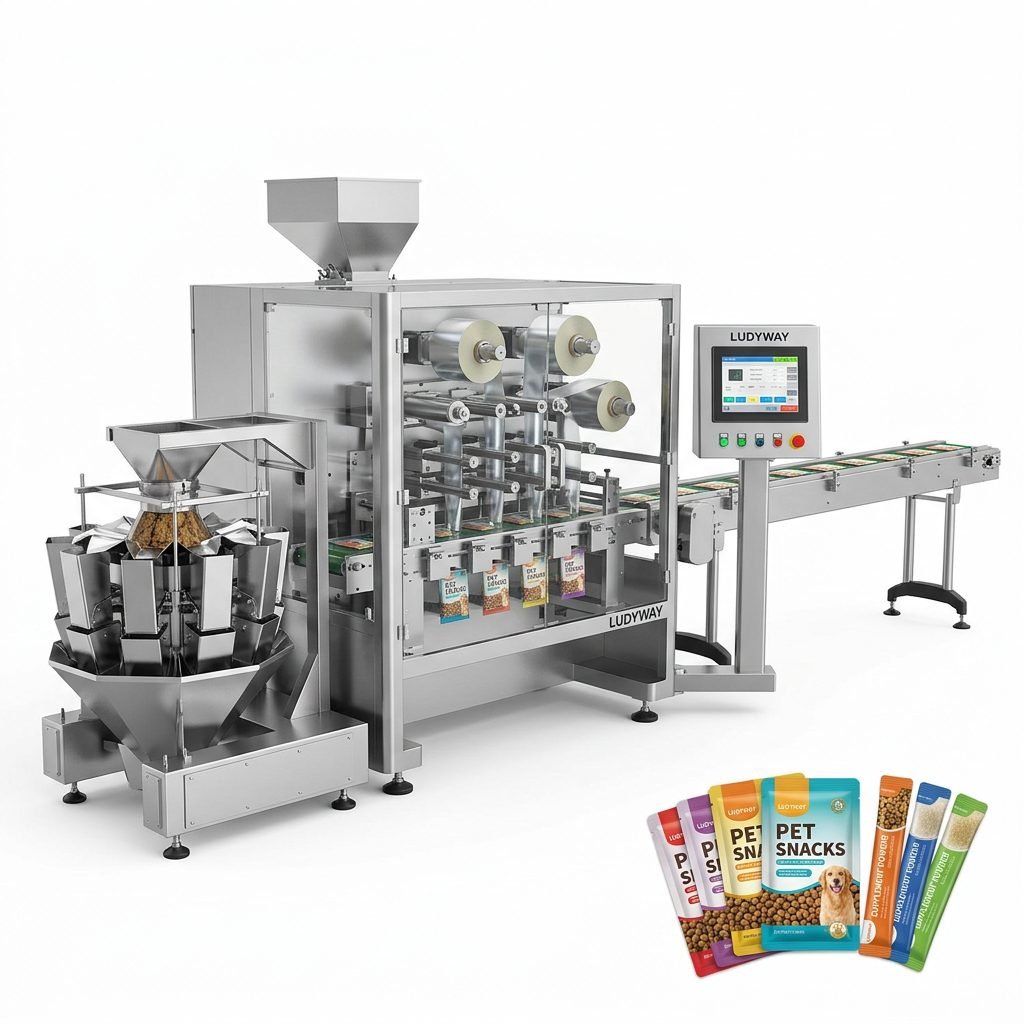
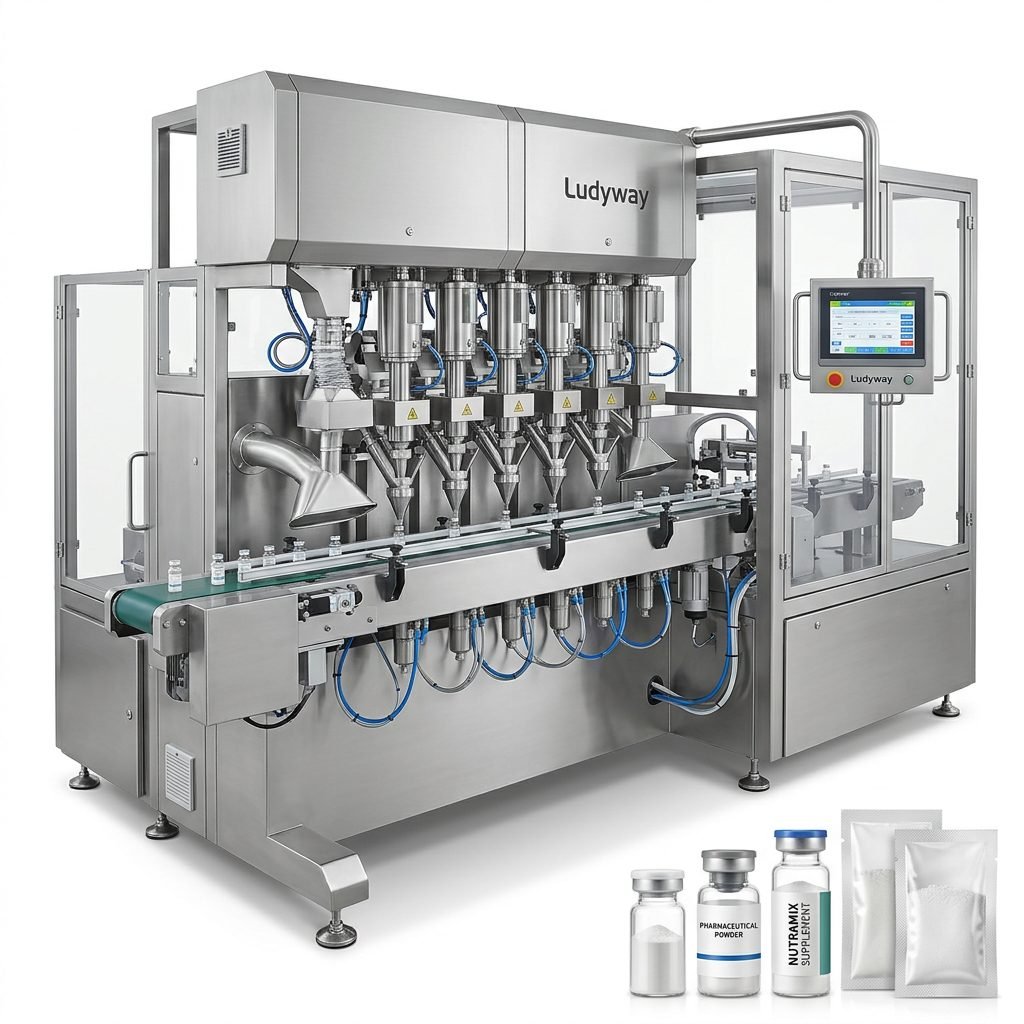
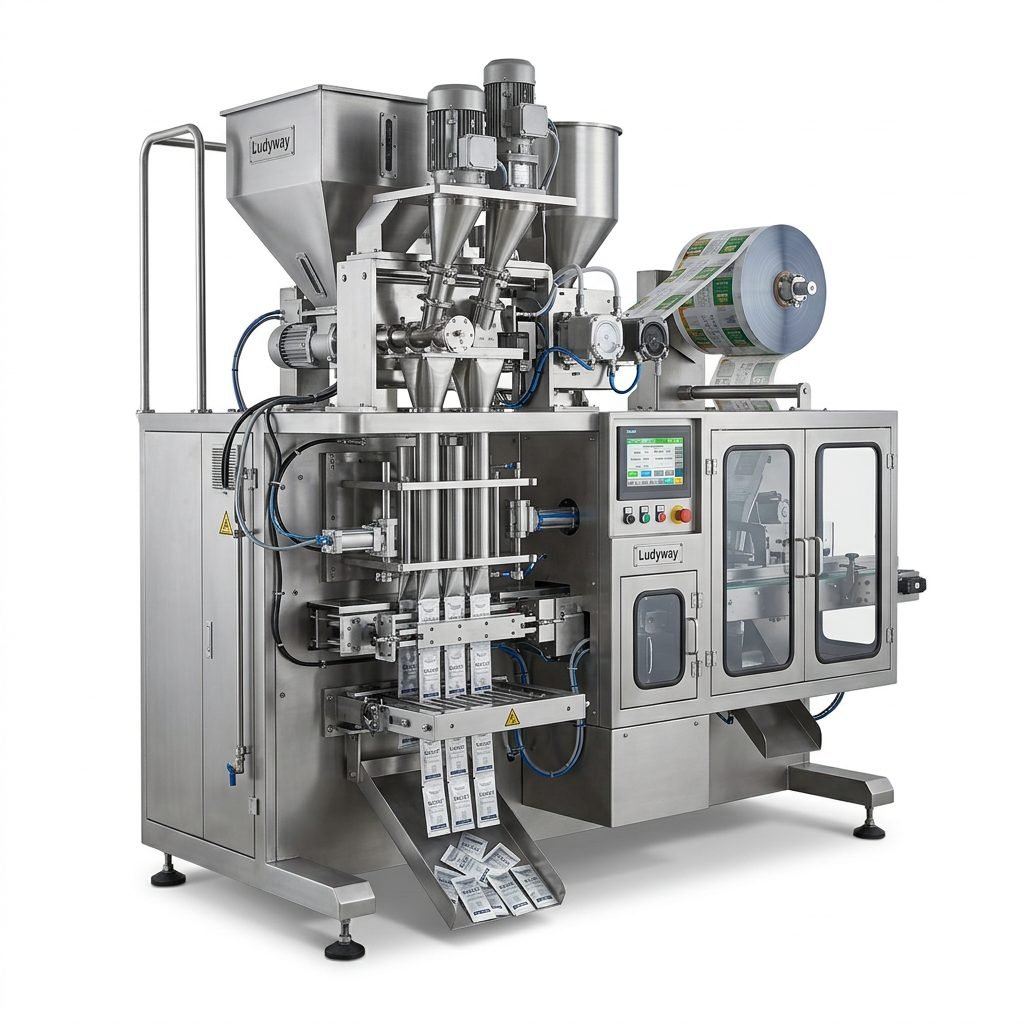
While food packaging is the most recognized application, a wide range of sectors depend on vacuum sealing technology to protect their products. Leading manufacturers like Ludyway design specialized machines for diverse industrial requirements, encompassing granule, powder, liquid, and solid-state packaging across food, pharmaceutical, and health industries. The following list highlights key sectors and their specific sealing needs.
- Food Processing: Meat, poultry, seafood, cheese, snack foods, baked goods, and ready-to-eat meals require hermetic sealing to maintain freshness and safety during distribution.
- Pharmaceuticals and Medical Devices: Sterile barrier packaging for surgical instruments, diagnostic kits, and API powders demands medical-grade sealing and full traceability.
- Nutraceuticals and Supplements: Protein powders, vitamins, and herbal extracts packaged in stick packs or sachets benefit from vacuum or nitrogen-flushed protection against oxidation.
- Electronics and Components: Moisture-sensitive PCBs, semiconductors, and precision parts require vacuum sealing with desiccants to prevent corrosion during storage and transit.
- Industrial Chemicals and Additives: Hygroscopic powders and reactive compounds need air-tight packaging to maintain stability and prevent hazardous exposure.
Evaluating Total Cost of Ownership
The purchase price of a vacuum packaging machine is only one component of the overall investment. A comprehensive cost analysis should account for consumables, energy consumption, spare parts availability, and anticipated maintenance expenses over the equipment’s lifespan. Machines built with high-quality components often demonstrate significantly lower long-term operating costs, even if their initial acquisition cost is higher. Additionally, consider training requirements for operators, integration complexity with existing production lines, and potential downtime during installation. Selecting a supplier with responsive after-sales support and readily available technical assistance can substantially reduce the risks of extended production interruptions.
Maintenance Best Practices and Longevity Tips
Implementing a structured maintenance program is essential to protecting your vacuum sealing investment and ensuring consistent output quality. Regular servicing prevents unexpected failures that can disrupt entire production schedules. Key maintenance areas include vacuum pump oil changes for rotary vane models, periodic inspection and replacement of sealing bars and PTFE tapes, cleaning of vacuum channels and filters, and calibration of temperature and pressure sensors. Documenting maintenance activities and training staff on proper cleaning procedures helps extend machine life significantly. Many industrial-grade machines, when properly maintained, operate reliably for 15 to 20 years, making maintenance a strategic priority rather than an afterthought.
Selecting the ideal vacuum packaging sealer machine demands a detailed understanding of your product characteristics, production environment, and long-term growth plans. By carefully considering machine type, essential features, total ownership costs, and maintenance requirements, you position your business for improved product quality, extended shelf life, and stronger market competitiveness. Investing in robust, scalable equipment today lays the foundation for efficient operations and sustained success in an increasingly demanding global marketplace.