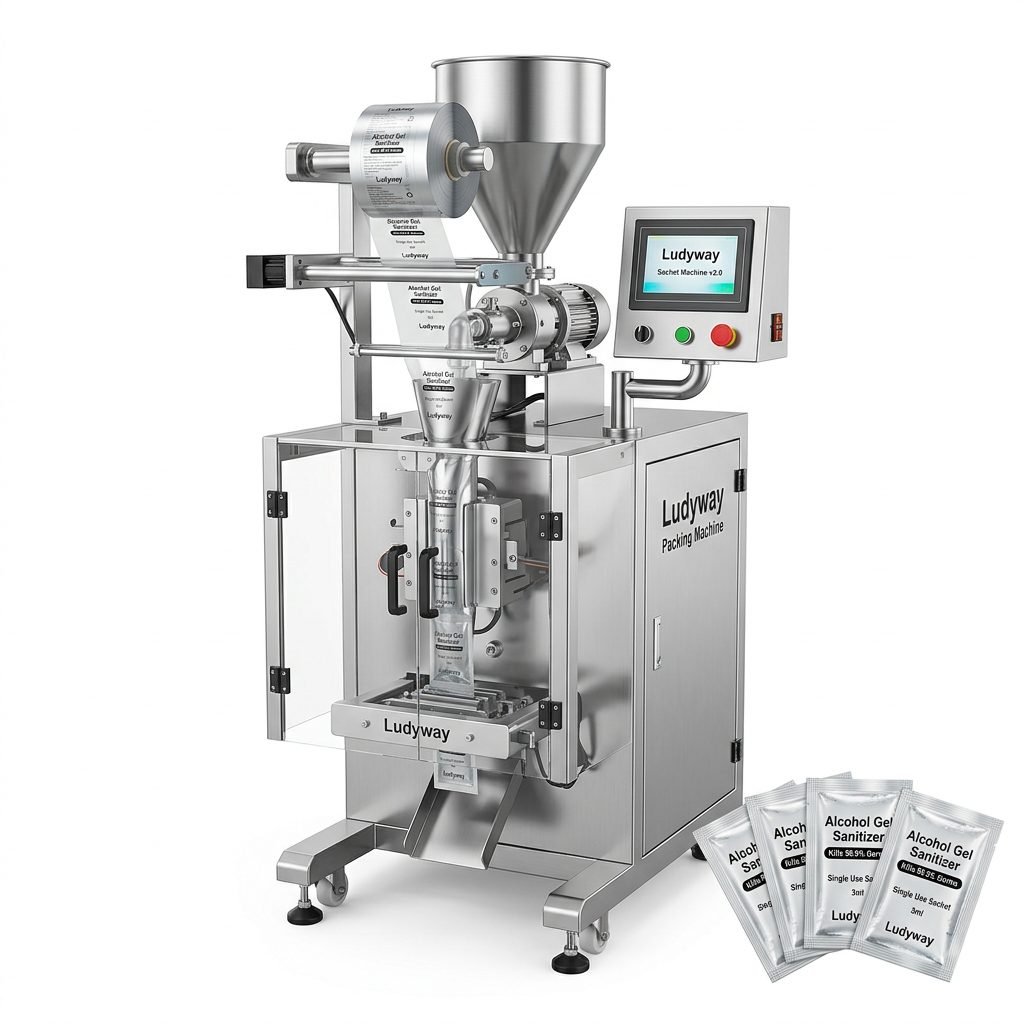
Germany’s food processing sector is one of the most advanced in Europe, with coffee, legumes, dry beans, and grain-based products forming a substantial portion of packaged goods. If you’re sourcing a bean packaging machine in Germany, you need equipment that meets strict EU regulations, delivers high throughput, and handles product delicacy without excessive breakage. This guide breaks down the essential features, real-world cost expectations, and how to identify reliable suppliers for both standard and turnkey packaging lines.
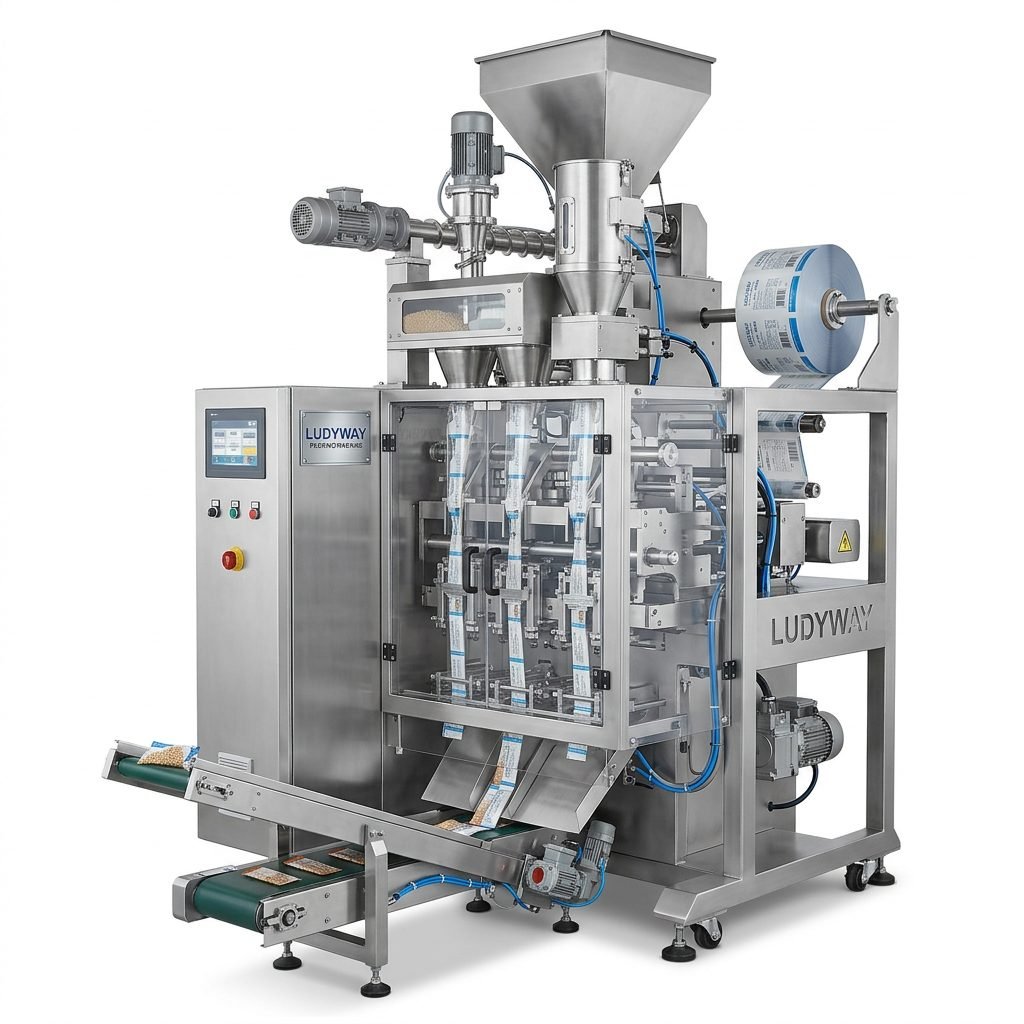
Understanding the German Market for Bean Packaging Machines
Germany’s packaging machinery market is projected to maintain steady growth, driven by demand in the food and pharmaceutical sectors. According to industry data from the PMMI State of the Industry report, European manufacturers are increasingly investing in automated multi-lane systems that reduce labor costs while improving fill accuracy. For bean products — whether you’re packing whole coffee beans, chickpeas, lentils, or dry edible beans — the equipment must handle varying granule sizes, densities, and fragility levels without compromising speed.
Common Applications in Germany
- Coffee beans — whole bean and ground coffee packaging in stick packs and sachets
- Dry legumes — lentils, chickpeas, kidney beans, and peas for retail and food service
- Seed packaging — agricultural and garden seed varieties
- Snack beans — roasted and flavored bean snacks in single-serve formats
- Pet food — dry kibble and bean-based pet treats
Key Features to Look for in a Bean Packaging Machine
Not all packaging machines are suitable for bean products. The irregular shape and varying density of beans require specific engineering considerations. Here are the non-negotiable features you should prioritize when evaluating equipment for the German market.
Multi-Lane Configuration for High Throughput
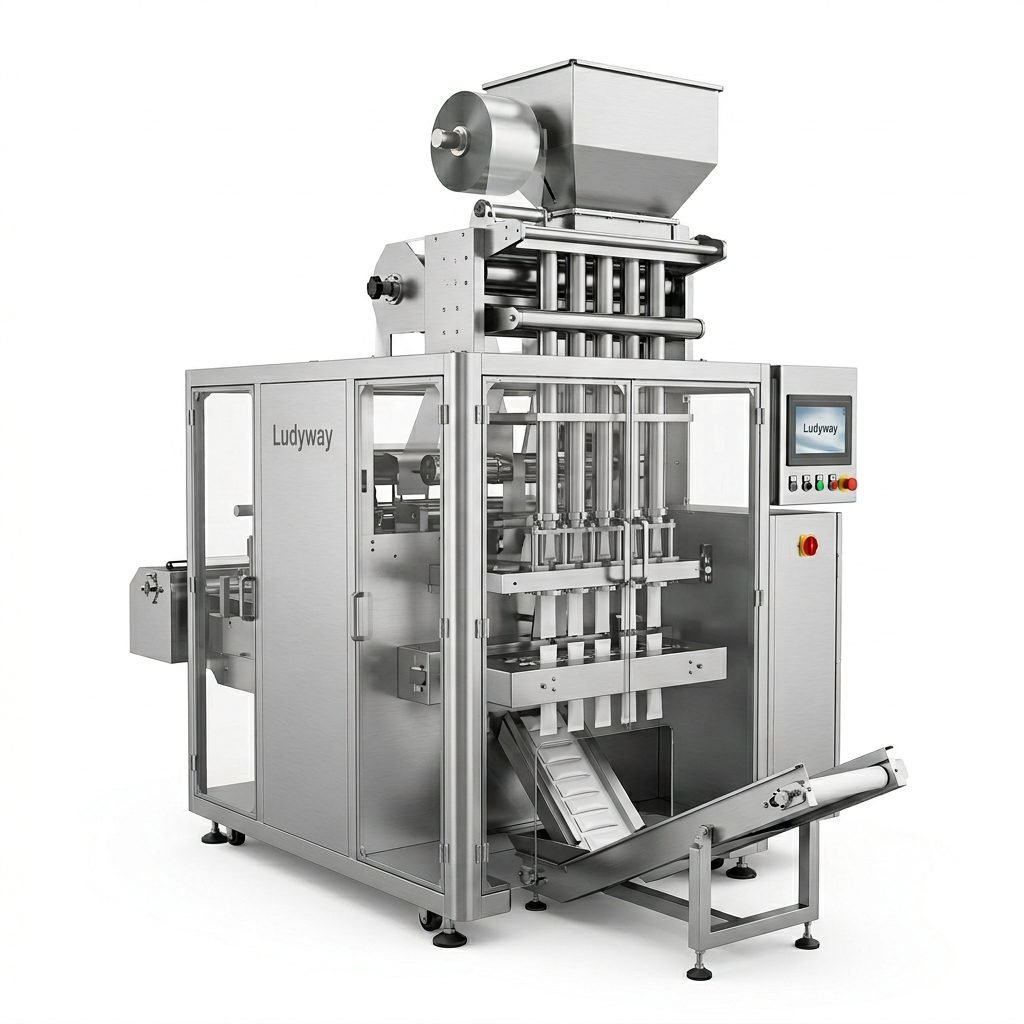
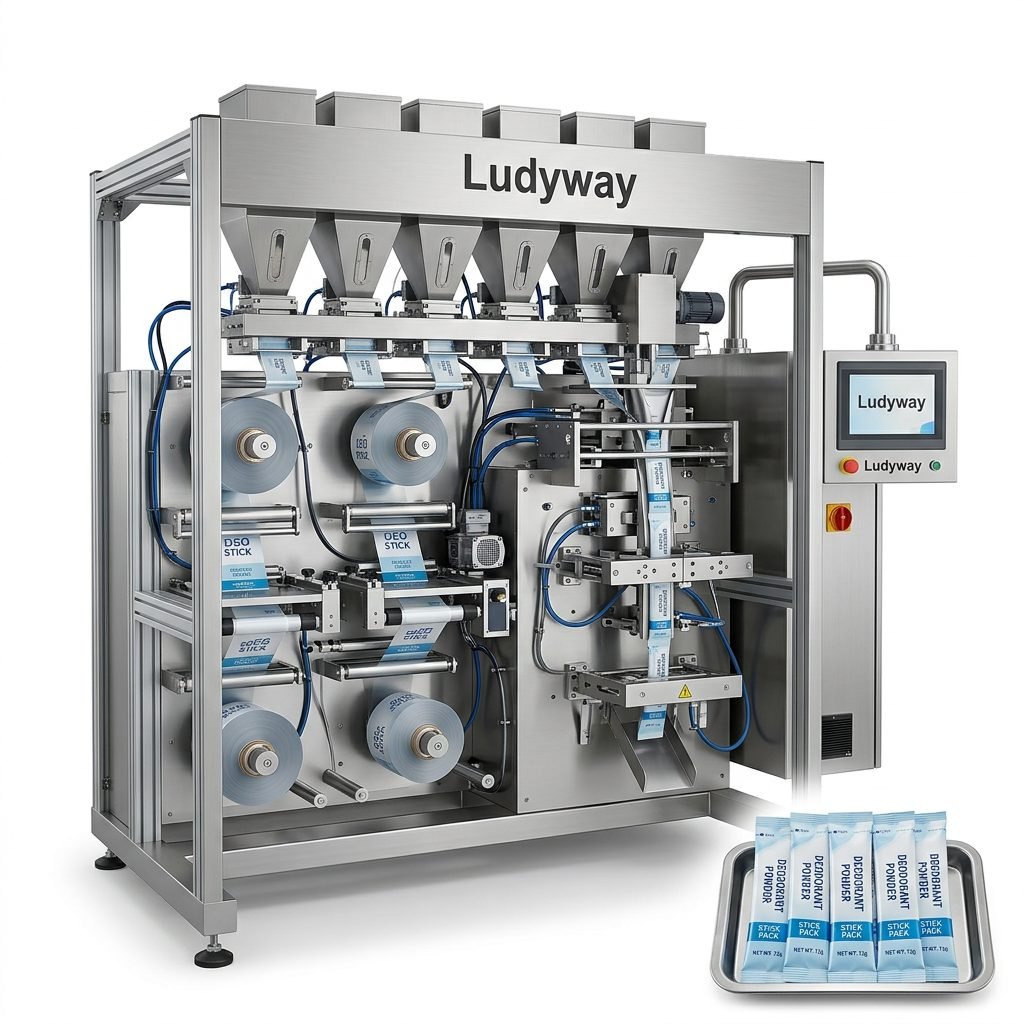
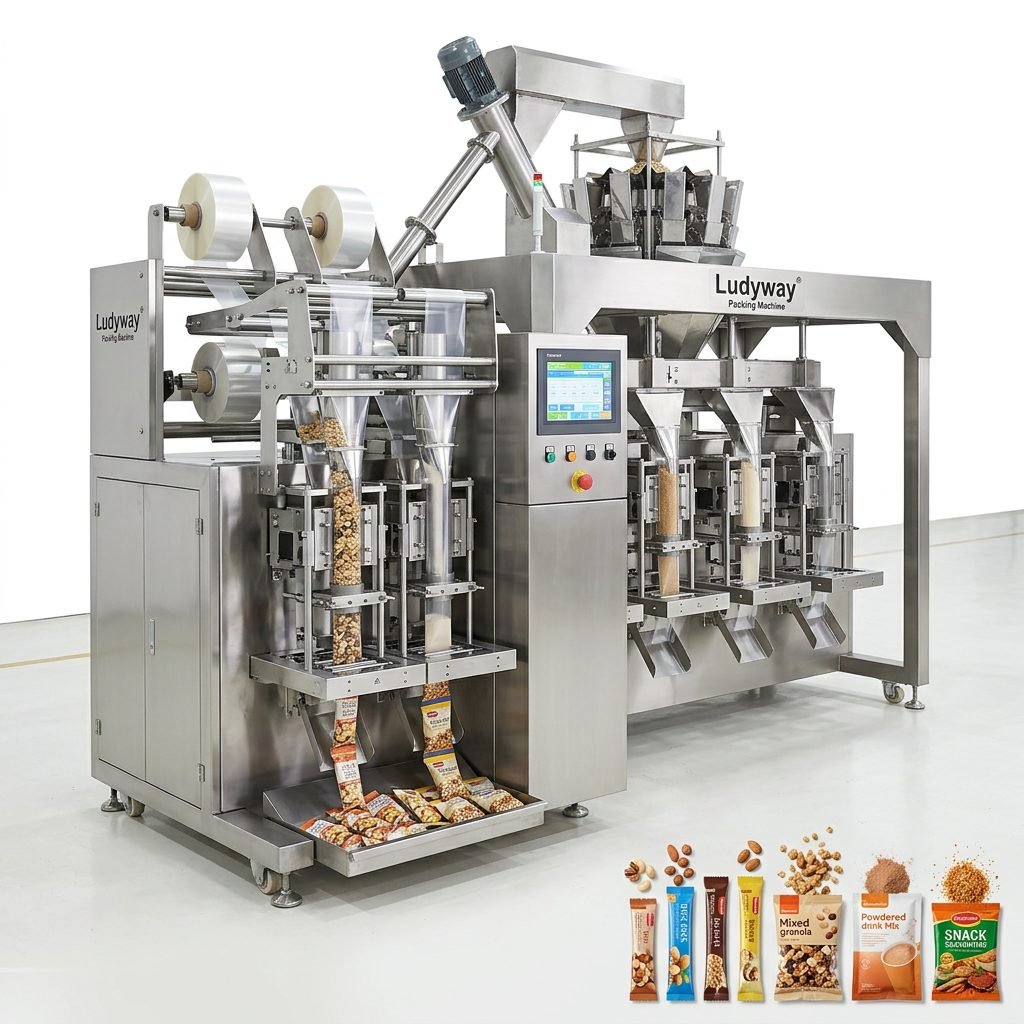
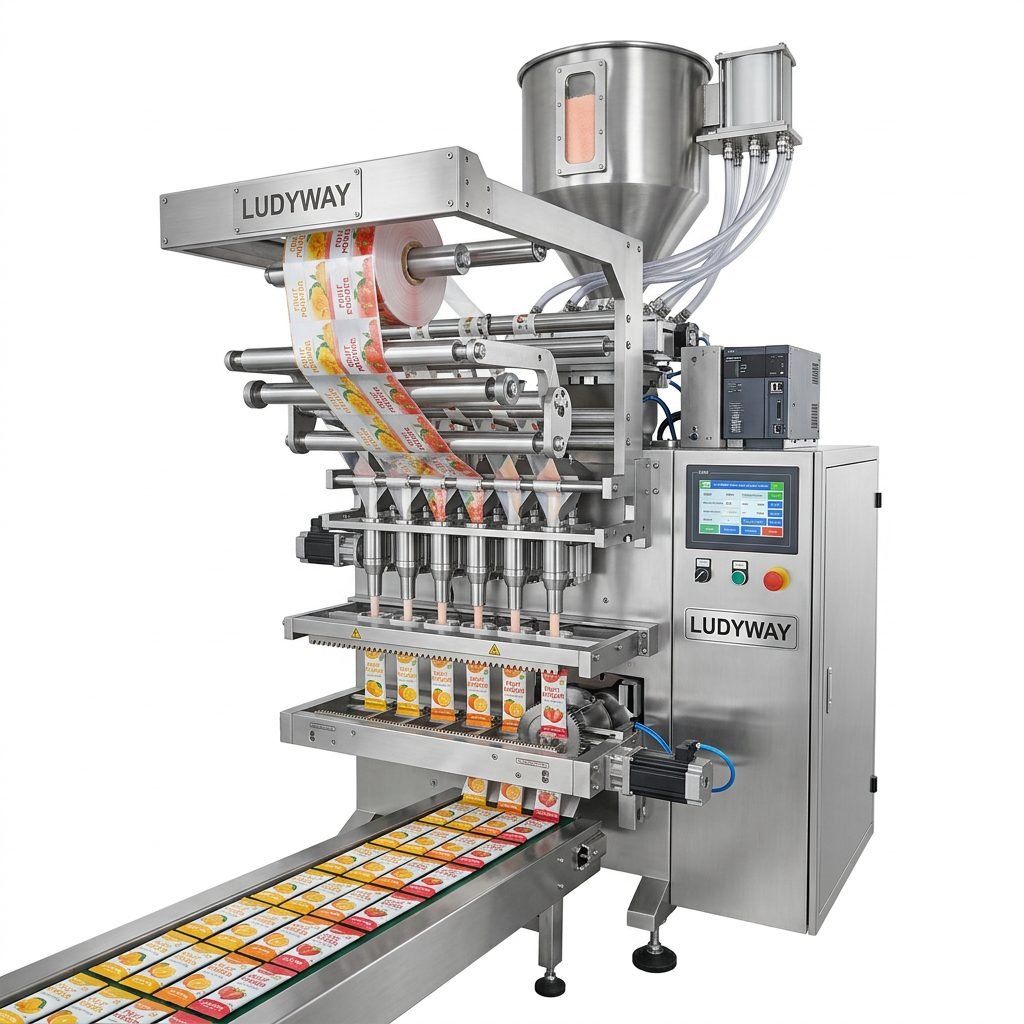
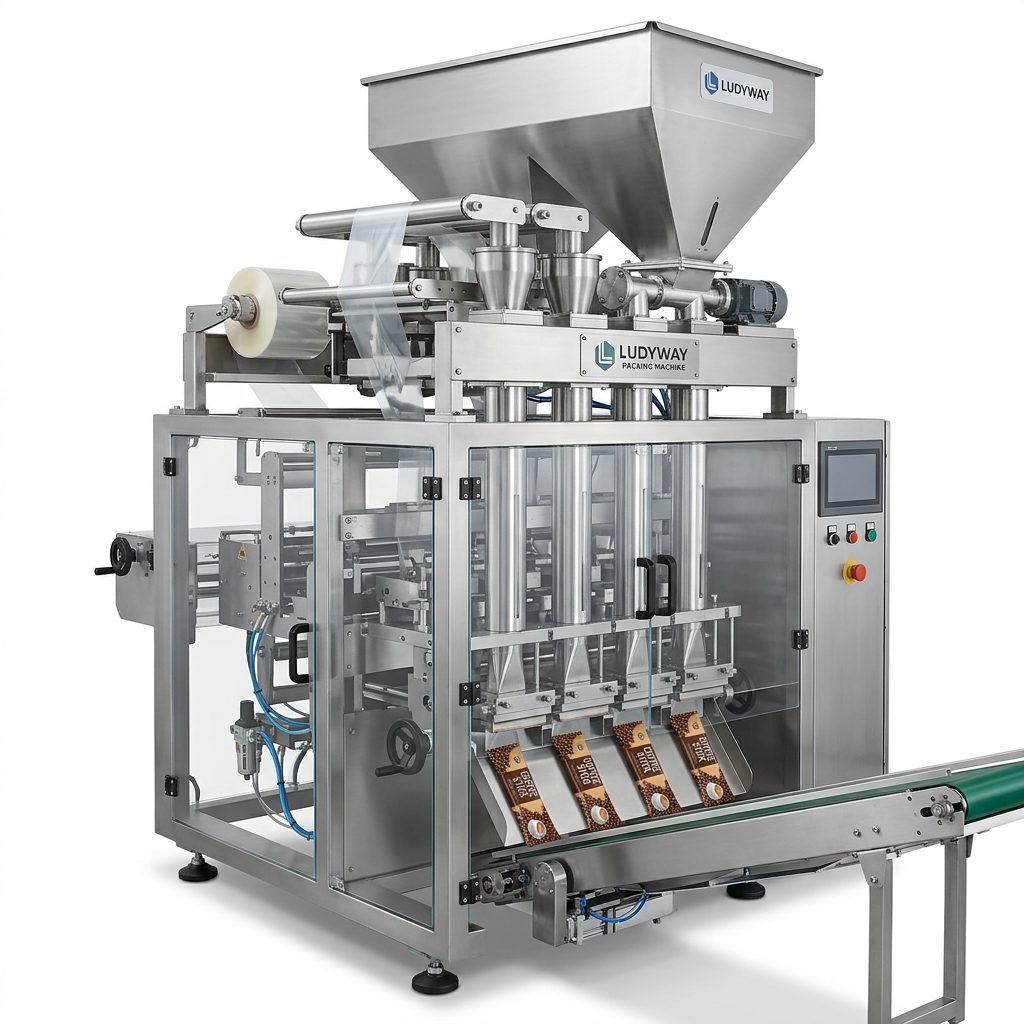
Modern bean packaging lines often utilize multi-lane stick pack or sachet systems capable of running 4 to 12 lanes simultaneously. This configuration dramatically increases output — some systems achieve up to 600 packs per minute depending on lane count and product characteristics. For mid-sized German producers, a 6-lane or 8-lane system typically offers the best balance between investment cost and production capacity.

Precision Weighing and Filling Systems
Accurate fill weights are critical for EU regulatory compliance and profitability. The FDA and EU packaging standards require consistent net content declarations. Look for machines equipped with:
- Multi-head weighers — providing ±0.5g to ±1g accuracy on granular products
- Auger fillers — for powder-coated or smaller bean varieties
- Vibratory feeding systems — minimizing product breakage during transfer
- Automatic reject systems — diverting out-of-specification packs before cartoning
CE Certification and EU Compliance
Any packaging machine entering the German market must carry CE marking. This confirms conformity with EU health, safety, and environmental protection standards. Beyond CE certification, consider equipment that aligns with ISO 11607 standards for packaging validation, particularly if your bean products fall under food safety schemes like IFS or BRC. Verify that the supplier can provide full technical documentation in German or English.
Material Compatibility and Film Handling
German consumers and retailers increasingly demand recyclable and sustainable packaging. Your bean packaging machine should handle a range of film materials including mono-material PE, paper-based laminates, and compostable films. Key film handling features include:
- Precise temperature control for heat-sealing various film types
- Automatic film tension adjustment
- Quick-change film roll systems to minimize downtime
- Nitrogen flushing capability for modified atmosphere packaging (MAP)
Cost Breakdown: What to Expect When Buying in Germany
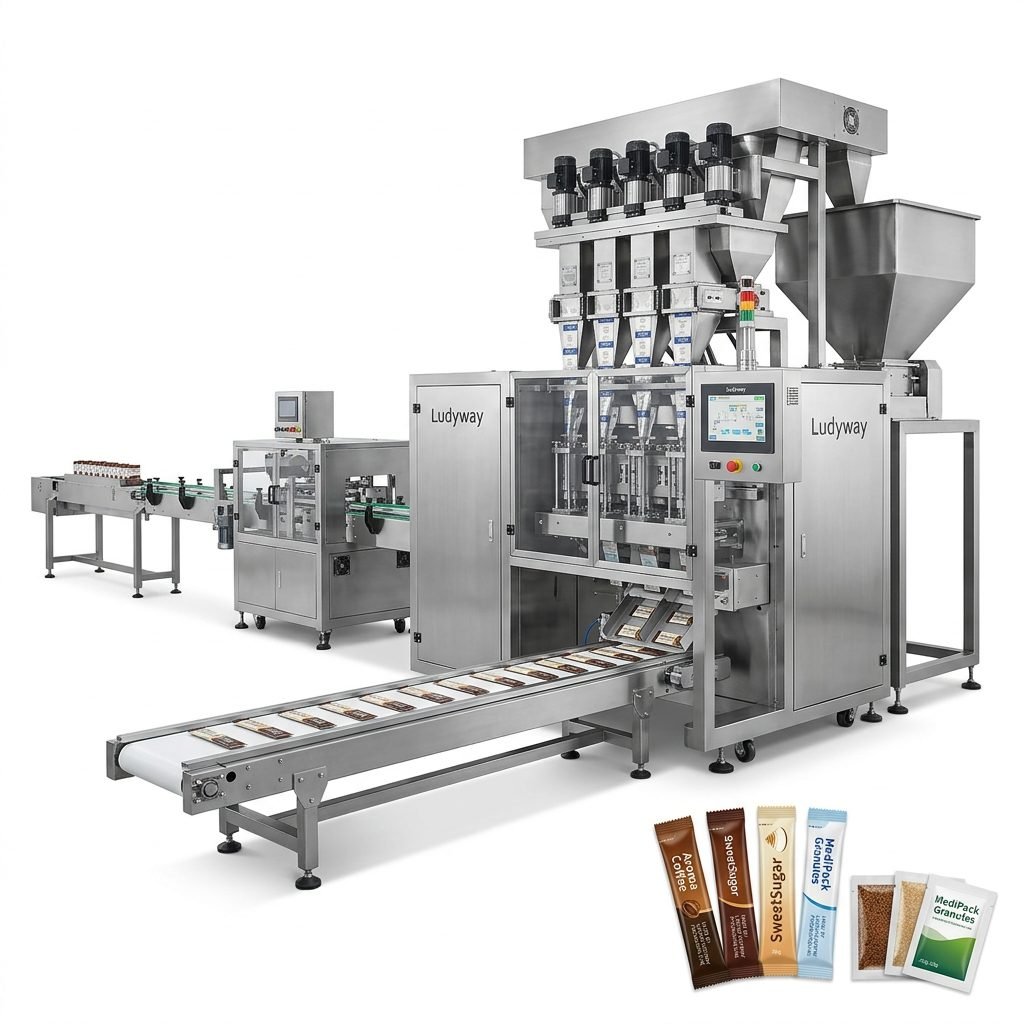
The price of a bean packaging machine in Germany varies significantly based on automation level, lane configuration, and included auxiliary equipment. Below is a general cost framework for budgeting purposes.
| Machine Category | Typical Configuration | Estimated Price Range (EUR) | Best For |
|---|---|---|---|
| Entry-Level Single Lane | 1 lane, basic VFFS, manual feeding | €8,000 – €18,000 | Startups, low-volume specialty beans |
| Mid-Range Multi-Lane (4–6 lanes) | 4–6 lanes, multi-head weigher, basic cartoning | €35,000 – €75,000 | SMEs, regional brands |
| High-Speed Multi-Lane (8–12 lanes) | 8–12 lanes, servo-driven, integrated weighing | €90,000 – €180,000 | High-volume producers |
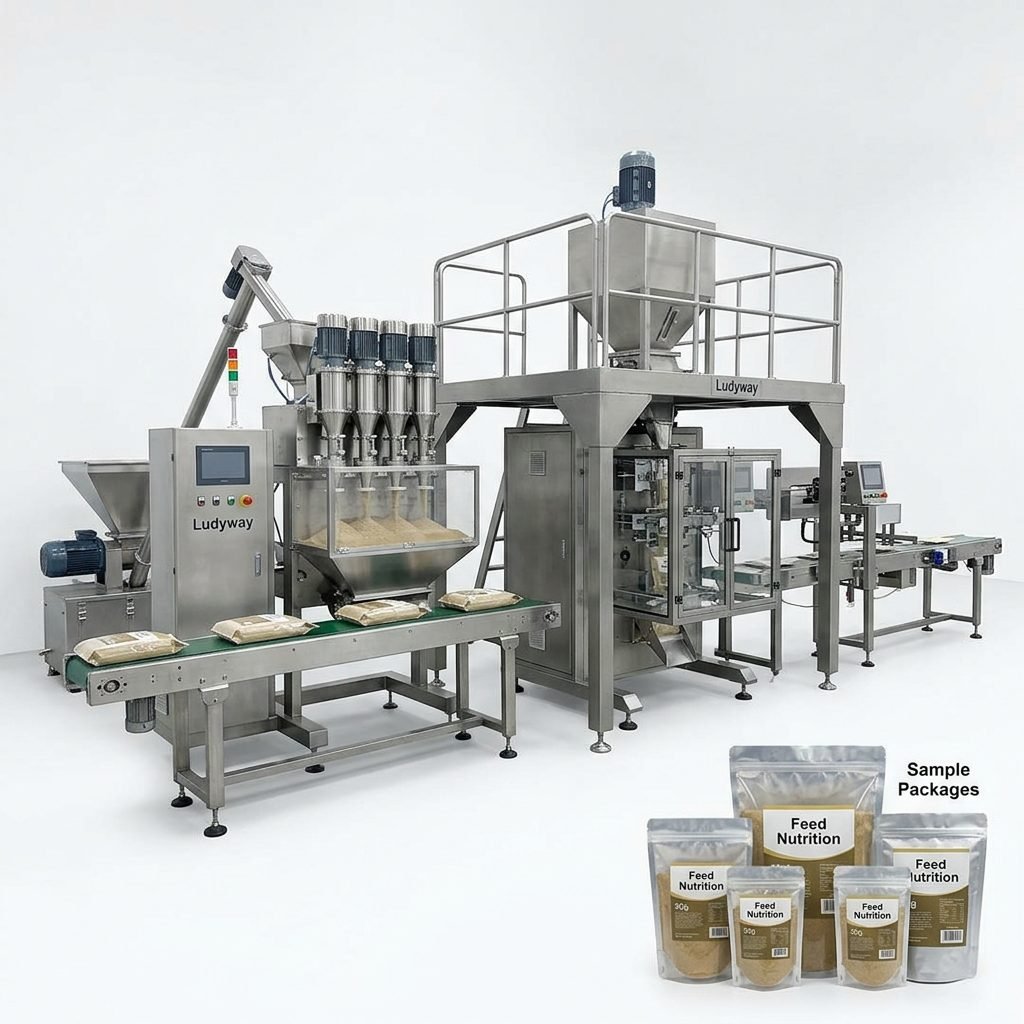
| Full Turnkey Line | Multi-lane + cartoning + case packing + palletizing | €200,000 – €500,000+ | Industrial-scale manufacturers |
Additional costs to factor in: shipping and import duties (if sourcing outside the EU), installation and commissioning (typically 5–10% of machine cost), operator training, spare parts inventory, and annual maintenance contracts. German buyers should also budget for electrical compliance checks by a certified body before operation.
How to Choose a Reliable Supplier for the German Market
Selecting the right supplier is as important as the machine itself. Germany’s packaging industry is mature, and buyers have access to both domestic European manufacturers and international suppliers offering competitive pricing. Here’s what to evaluate:
Technical Support and After-Sales Service
For German production environments where downtime is extremely costly, local technical support is essential. Look for suppliers who offer:
- Remote diagnostics and troubleshooting capabilities
- Guaranteed response times (ideally under 24 hours)
- Availability of spare parts within the EU
- German-language technical documentation and interface options
- Preventive maintenance programs
Factory Visits and Machine Demonstrations
Before committing to a purchase, visit the manufacturer’s facility to witness a live demonstration using your actual bean product. This is the only reliable way to verify fill accuracy, product handling gentleness, and real-world throughput. Many established manufacturers welcome factory visits and can arrange video demonstrations if travel is not immediately feasible.
Supplier Track Record and References
Request references from German or European clients who have purchased similar equipment. A reputable supplier should willingly connect you with existing customers. Key questions to ask references include:
- How did the machine perform during the first 12 months?
- What was the actual throughput versus the quoted specification?
- How responsive was the after-sales support team?
- Were there any unexpected costs during installation or operation?
- Would they purchase from this supplier again?
Comparing Domestic vs. International Suppliers
German buyers often weigh the trade-off between established European brands (higher price, easier local support) and international manufacturers (more competitive pricing, advanced technology). International suppliers, particularly those with extensive export experience, can offer significant cost savings — sometimes 30% to 50% less than comparable European-built machines — without sacrificing build quality or performance.
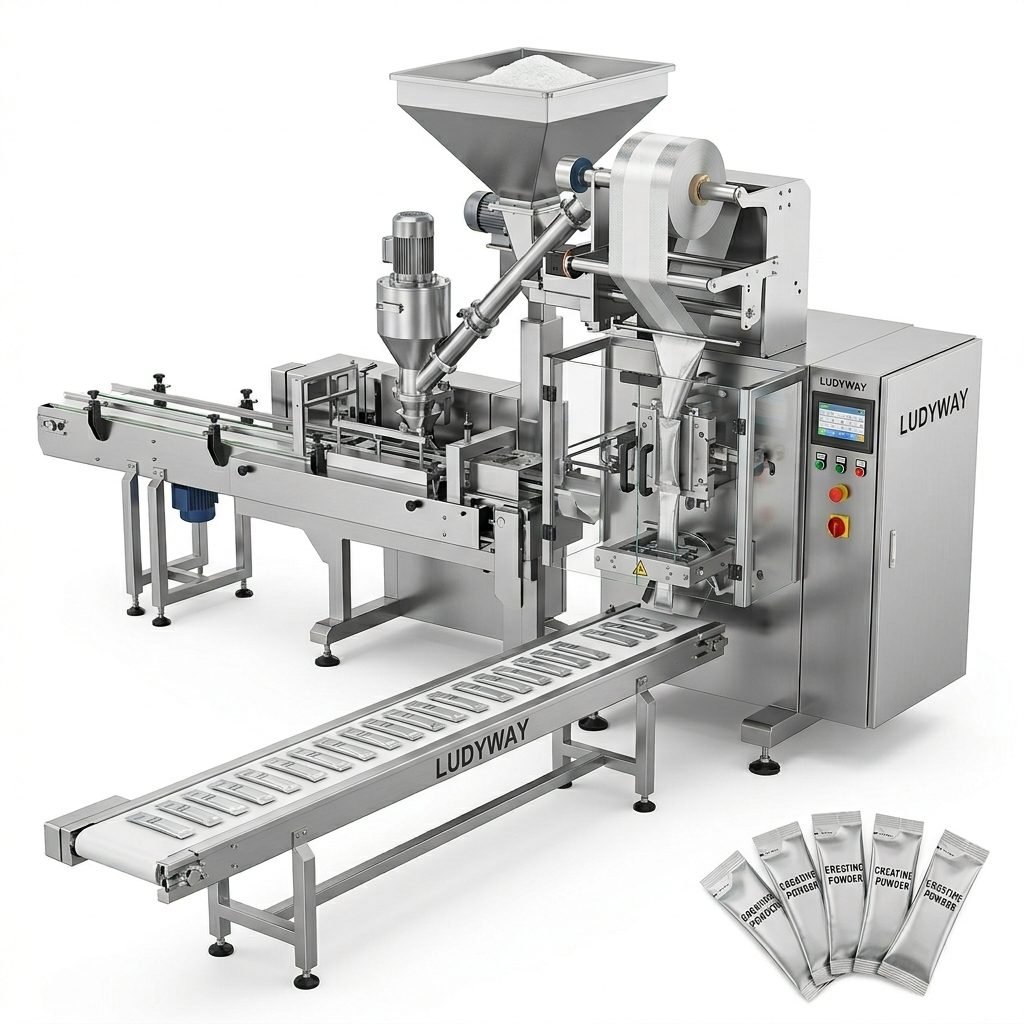
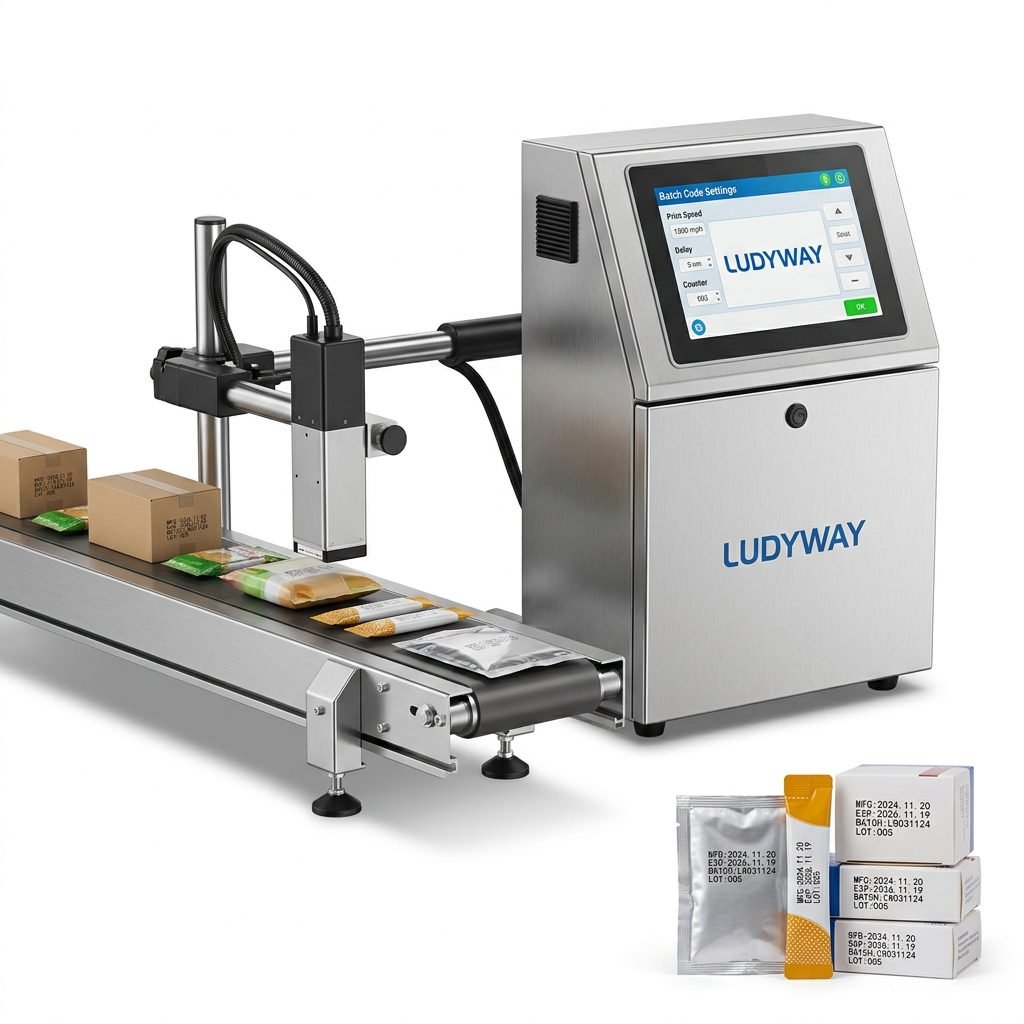
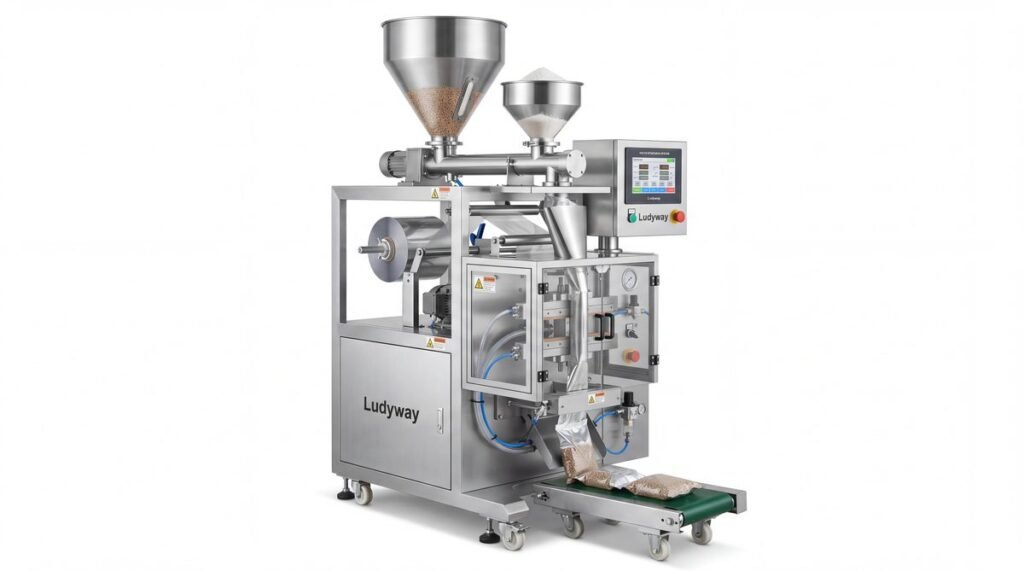
One example of a manufacturer with substantial global reach is Ludyway, a packaging machine manufacturer with over 30 years of industry experience and a 20,000㎡ production facility. The company has developed more than 50 packaging machine models serving customers across 100+ countries, including multi-lane stick pack, sachet, and fully automated systems suitable for granule and powder applications like bean products. Their engineering team provides customized turnkey solutions with CE-certified equipment, making them a noteworthy option for German buyers evaluating international suppliers. For more information, you can visit their website or contact them at info@ludyway.com.
Regulatory and Import Considerations for Germany
When importing a bean packaging machine into Germany from outside the EU, several compliance and logistical factors must be addressed:
- CE Marking — mandatory; verify the certificate is valid and issued by a recognized body
- EU Machinery Directive 2006/42/EC — the machine must comply with essential health and safety requirements
- German Equipment and Product Safety Act (GPSG) — additional national requirements
- Customs duties — packaging machinery typically falls under HS code 8422.30; check current tariff rates
- VAT — 19% in Germany; recoverable for registered businesses
- Electrical standards — ensure compatibility with 400V/50Hz three-phase power
Packaging Formats Popular in Germany
German retail and food service channels favor specific packaging formats for bean products. Your machine should support the formats most relevant to your target market:
| Packaging Format | Typical Sizes | Primary Use | Consumer Preference |
|---|---|---|---|
| Stick Packs | 2g – 25g | Single-serve coffee, instant bean snacks | Growing steadily |
| Sachets / Pillow Packs | 50g – 500g | Retail dry beans, lentils | Most common |
| Gusseted Bags | 250g – 2kg | Premium coffee beans, organic legumes | High-end segment |
| Stand-Up Pouches | 500g – 5kg | Food service, bulk retail | Increasing demand |
Automation and Integration Capabilities
For German manufacturers looking to scale operations, seamless integration with upstream and downstream equipment is crucial. Modern bean packaging lines should integrate with:
- Automated feeding systems — bucket elevators, inclined conveyors, vacuum feeders
- Multi-head weighers — for precise portioning of irregular-shaped beans
- Nitrogen flushing systems — extending shelf life for oxygen-sensitive products
- Checkweighers and metal detectors — critical for food safety compliance
- Cartoning and case packing machines — reducing manual labor at end-of-line
- Palletizing systems — robotic or conventional for warehouse readiness

Energy Efficiency and Sustainability
Germany’s stringent energy regulations and corporate sustainability goals mean that energy-efficient packaging machinery is increasingly prioritized. According to the 2025 PMMI State of the Industry report, European manufacturers are actively seeking equipment with lower energy consumption profiles. Modern servo-driven machines can reduce energy usage by 20% to 40% compared to older pneumatic or mechanical systems. Look for machines with:
- Servo motor technology with regenerative braking
- Standby and eco-mode operation during idle periods
- Optimized heating systems for sealing jaws
- Energy monitoring and reporting capabilities
Maintenance and Total Cost of Ownership
When evaluating the total cost of ownership (TCO) for a bean packaging machine in Germany, consider these factors beyond the initial purchase price:
- Spare parts availability — how quickly can critical components be shipped?
- Operator training — does the supplier offer on-site or remote training programs?
- Software updates — are PLC and HMI updates included or charged separately?
- Wear parts lifespan — sealing jaws, cutting blades, belts, and bearings
- Energy consumption — a significant ongoing operational cost in Germany
- Service contract options — annual maintenance agreements vs. ad-hoc service
Final Checklist Before Purchasing
Use this pre-purchase checklist to ensure you’ve covered all critical evaluation points before signing a purchase agreement for a bean packaging machine in Germany:
- Verified CE certification and EU compliance documentation
- Confirmed machine can handle your specific bean type and size range
- Tested with your actual product (not just a similar sample)
- Reviewed at least three customer references in Germany or the EU
- Clarified warranty terms, including parts and labor coverage
- Understood lead time, shipping, installation, and commissioning timeline
- Budgeted for ancillary equipment — conveyors, weighers, metal detectors
- Confirmed availability of German-language operator manuals and interface
- Evaluated energy efficiency ratings and estimated annual operating costs
- Secured a clear after-sales support agreement with defined response times
Investing in the right bean packaging machine for the German market requires thorough research and a clear understanding of your production needs. By focusing on multi-lane capability, precision weighing, CE compliance, and supplier reliability, you can secure equipment that delivers consistent performance, meets EU regulatory standards, and supports your business growth for years to come. Whether you choose a European manufacturer or an internationally recognized supplier, prioritize proven performance, responsive support, and total cost transparency throughout your evaluation process.