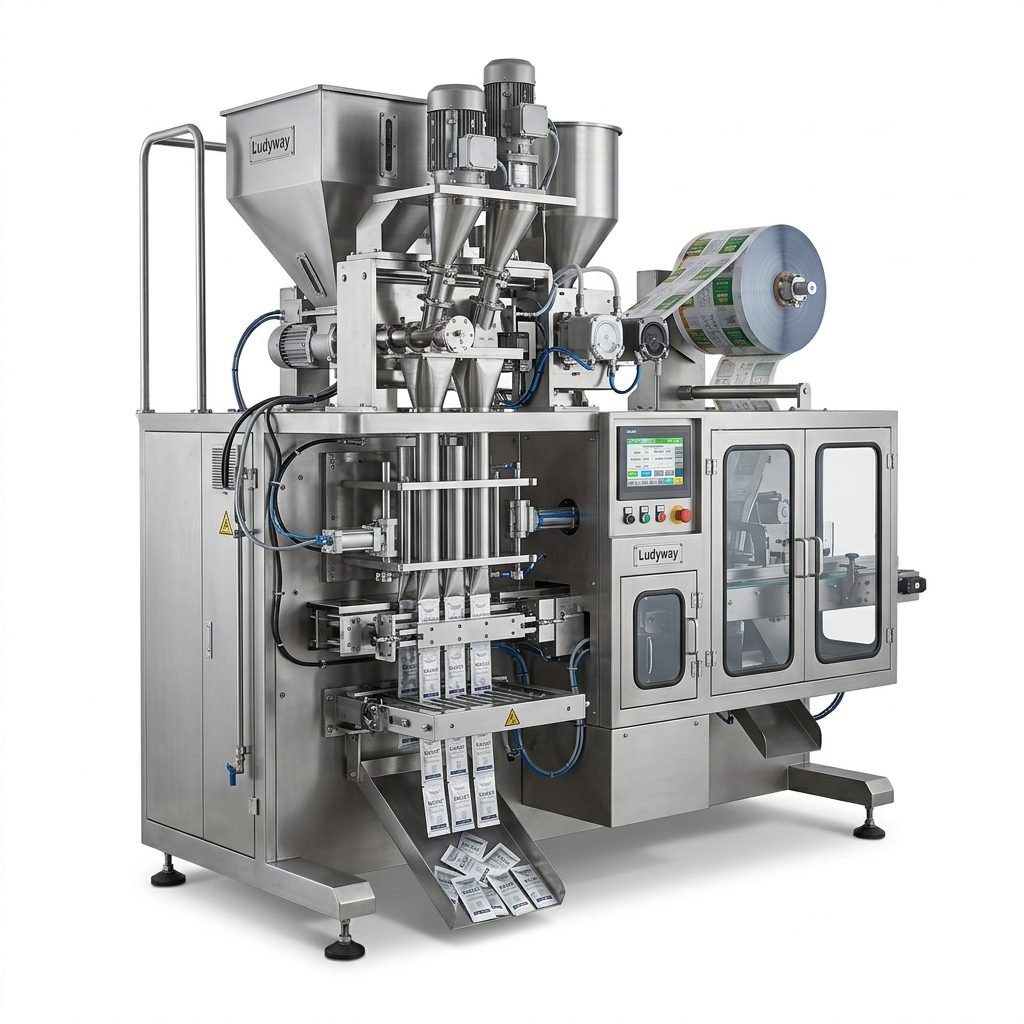
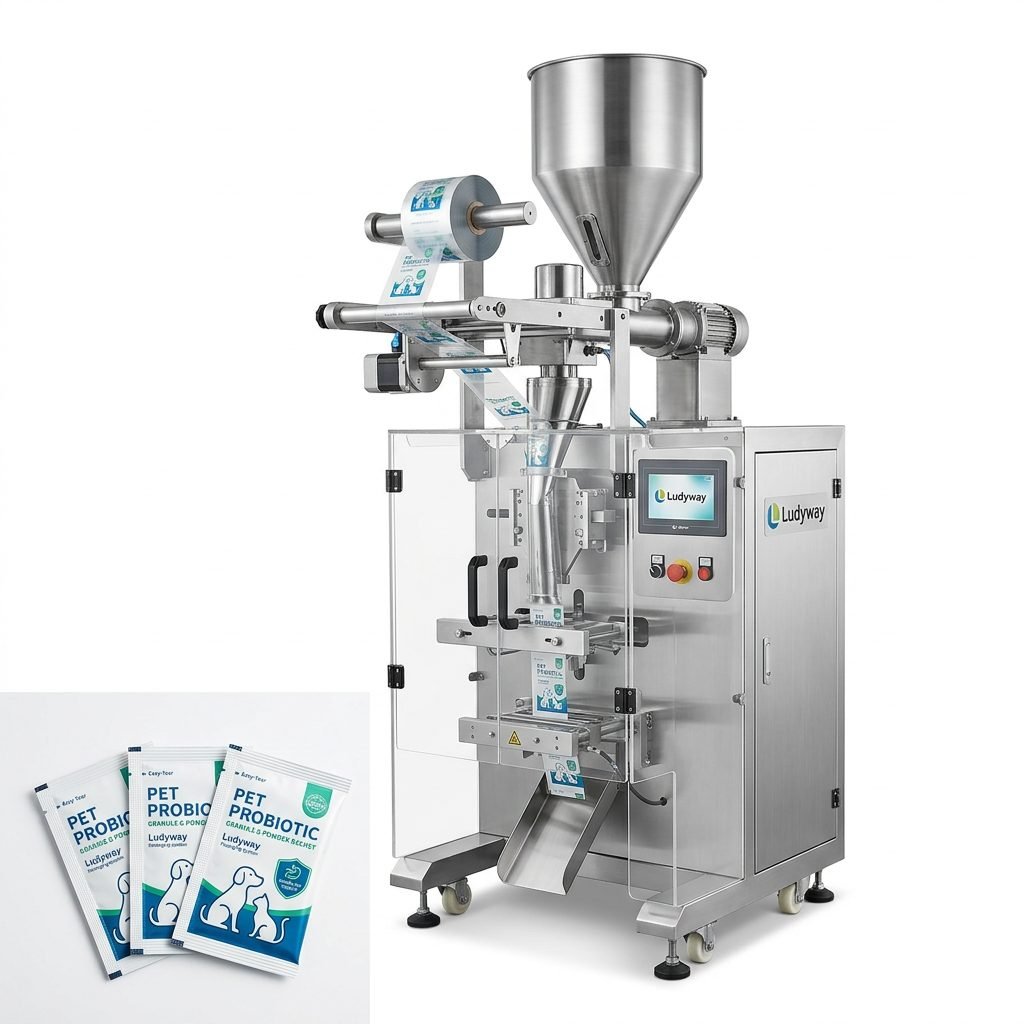
Setting up a ready meal packaging machine production line requires careful planning, the right equipment selection, and a systematic approach to integration. Whether you are launching a new facility or upgrading an existing operation, a well-designed packaging line directly impacts productivity, shelf life, and overall profitability. This guide walks you through every essential step, from initial assessment to full-scale operation, helping you build a reliable and efficient packaging system tailored to ready meal products.

Step 1: Assess Your Ready Meal Production Requirements
Before investing in any equipment, you must clearly define your production goals. Understanding your specific needs will guide every subsequent decision.
- Product Types: Identify the ready meal formats you plan to package — single-serving trays, multi-compartment trays, pouch meals, or bowl-based options.
- Target Output: Determine your desired production capacity in units per hour or per shift. This directly influences whether you need a semi-automatic or fully automated packaging system.
- Packaging Materials: Specify tray materials (CPET, APET, aluminum, paperboard), lidding film types, and any modified atmosphere packaging (MAP) requirements for extended shelf life.
- Available Floor Space: Measure your facility layout to determine the optimal line configuration — linear, L-shaped, or U-shaped design.
- Regulatory Compliance: Ensure your setup meets FDA food packaging safety standards and local food safety regulations.
Step 2: Choose the Right Packaging Machine Type
Ready meal production lines typically revolve around tray sealing machines or thermoforming packaging systems. Selecting the correct type is critical for product quality and operational efficiency.

| Machine Type | Best For | Key Advantage | Typical Speed |
|---|---|---|---|
| Tray Sealer (Manual) | Small batch production, startups | Low initial investment, flexible | 5-15 trays/min |
| Semi-Automatic Tray Sealer | Medium-scale operations | Consistent seal quality, moderate output | 15-40 trays/min |
| Fully Automatic Inline Tray Sealer | High-volume ready meal factories | Hands-free operation, high throughput | 40-120+ trays/min |
| Thermoform-Fill-Seal (TFS) | Large-scale automated lines | Forms trays in-line, reduces material cost | 30-80 cycles/min |
| MAP Tray Sealer | Fresh prepared meals requiring extended shelf life | Gas flushing preserves freshness | 20-100 trays/min |
Step 3: Design Your Production Line Layout
An efficient layout minimizes material handling, reduces labor costs, and ensures smooth product flow. Consider these layout principles when planning your packaging line configuration.
- Linear Layout: Equipment arranged in a straight line. Ideal for long, narrow facilities with a clear start-to-finish workflow.
- L-Shaped Layout: Bends at 90 degrees to maximize corner space. Works well when floor constraints exist.
- U-Shaped Layout: Brings the start and end points close together, reducing operator walking distance and improving supervision efficiency.
- Gravity Flow: Utilize gravity conveyors where possible to reduce power consumption and simplify material movement between stations.
Step 4: Integrate Supporting Equipment and Systems
A complete ready meal packaging production line extends beyond the primary sealing machine. The following auxiliary equipment ensures seamless end-to-end operation:

| Equipment | Function | Integration Priority |
|---|---|---|
| Tray Denester | Automatically separates and places empty trays onto the conveyor | High |
| Filling & Dosing Systems | Accurate portioning of solid, liquid, or multi-component meals | Critical |
| Checkweigher | Verifies fill weight and rejects under/over-weight packages | High |
| Metal Detector & X-Ray | Detects foreign contaminants before product leaves the line | Critical |
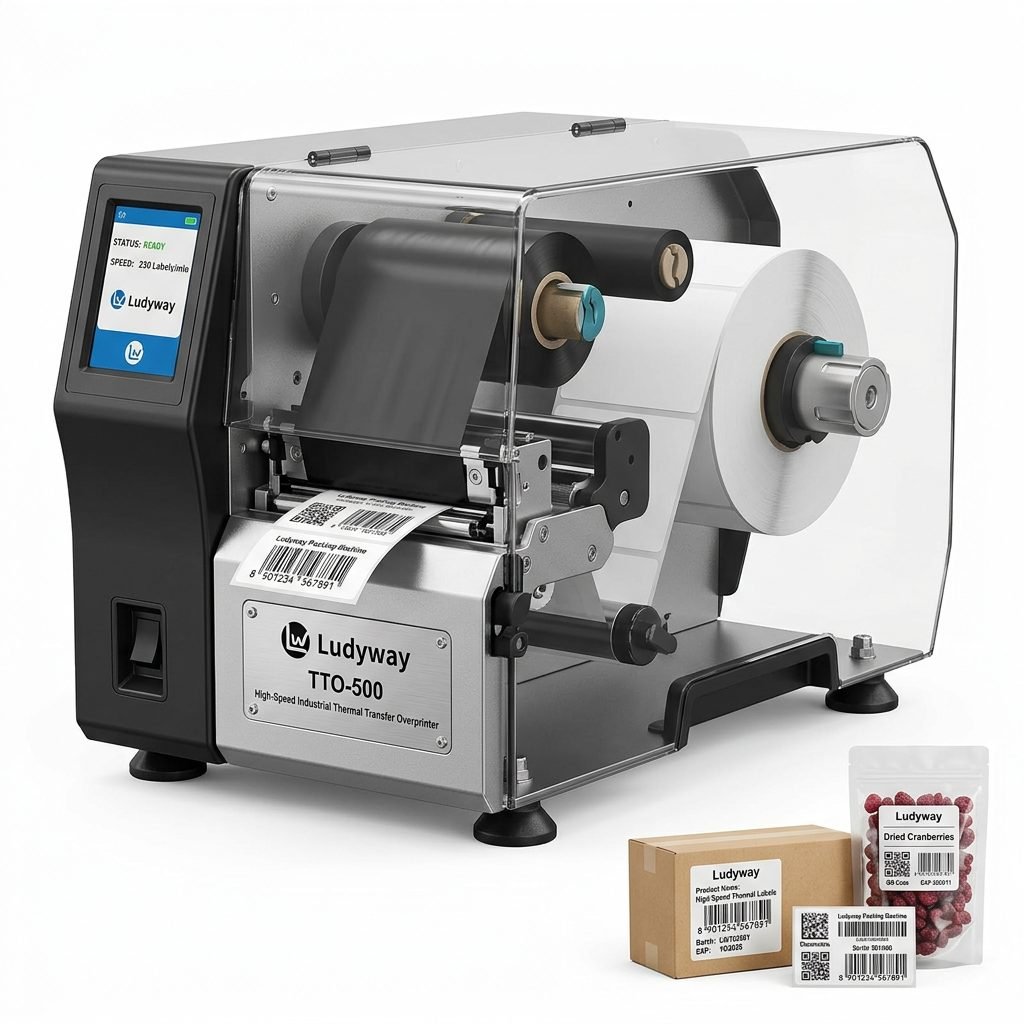
| Labeling & Coding | Applies date codes, batch numbers, and barcodes | High |
| Case Packer & Palletizer | End-of-line packaging for distribution | Medium |
Step 5: Installation, Commissioning, and Testing
Proper installation sets the foundation for long-term reliability. Follow these commissioning steps to ensure your ready meal packaging line performs at its designed capacity.
- Site Preparation: Verify that utility connections — compressed air, electricity, water, and drainage — meet the equipment specifications before delivery.
- Mechanical Installation: Position all machines according to the approved layout. Use precision leveling tools to ensure stability and proper alignment.
- Electrical & Control Integration: Connect power supplies and integrate PLC control systems. Ensure emergency stop circuits and safety interlocks are fully functional.
- Dry Run Testing: Run the line without product to verify timing, sensor calibration, and mechanical synchronization across all stations.
- Product Testing: Conduct trial runs with actual ready meal products. Evaluate seal integrity, fill accuracy, label placement, and package appearance.
- Validation & Sign-Off: Document all test results against acceptance criteria. Obtain operator and management approval before beginning commercial production.
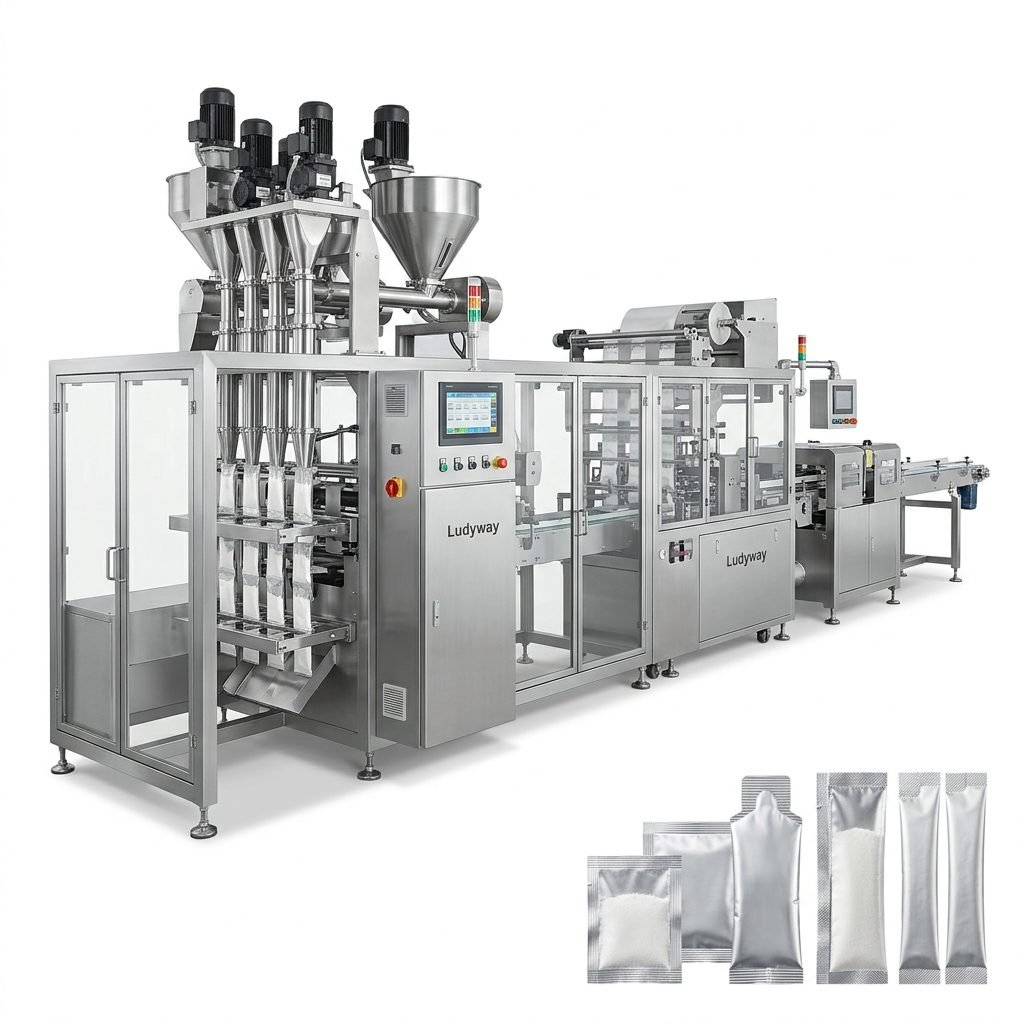
Step 6: Implement Quality Control Protocols
Food safety and consistent product quality are non-negotiable in ready meal packaging. Establish robust ISO packaging standards and quality checkpoints throughout your line.
- Seal Integrity Testing: Perform regular burst tests and dye penetration tests on sealed trays to verify hermetic seals.
- MAP Gas Analysis: If using modified atmosphere packaging, regularly measure residual oxygen levels to confirm gas mixture accuracy.
- Weight Verification: Calibrate checkweighers daily and maintain statistical process control charts for fill weight consistency.
- Temperature Monitoring: Track product temperature at filling and sealing stations to ensure cold chain integrity for chilled ready meals.
- Metal Detection Sensitivity: Test metal detectors with certified test pieces at the start, middle, and end of each production shift.
Step 7: Operator Training and Ongoing Maintenance
Even the most advanced automated packaging systems require skilled operators and a structured maintenance program. Investing in training and preventive maintenance significantly reduces unplanned downtime.
- Operator Training: Train all operators on machine startup, shutdown, changeover procedures, and basic troubleshooting. Document standard operating procedures (SOPs).
- Preventive Maintenance Schedule: Create a maintenance calendar that includes daily cleaning, weekly inspections, monthly component replacements, and annual overhauls.
- Spare Parts Inventory: Maintain an inventory of critical spare parts — sealing gaskets, heating elements, sensors, belts, and bearings — to minimize repair lead times.
- Remote Support Access: Modern packaging machinery often supports remote diagnostics. Enable this feature to allow technicians to troubleshoot issues without on-site visits.
- Continuous Improvement: Regularly review production data, downtime logs, and quality reports to identify areas for line optimization and efficiency gains.
Common Challenges and How to Avoid Them
Understanding potential pitfalls ahead of time helps you build a more resilient packaging production line. Here are common issues and proactive solutions:
| Challenge | Root Cause | Solution |
|---|---|---|
| Inconsistent Seal Quality | Worn sealing gaskets, incorrect temperature settings, tray flange contamination | Regular gasket replacement, calibrated temperature controls, clean tray handling |
| Frequent Line Stoppages | Sensor misalignment, product jams, insufficient buffer zones between machines | Proper line balancing, adequate accumulation zones, routine sensor calibration |
| High Product Giveaway | Imprecise filling equipment, inconsistent product density | Upgrade to multi-head weighers or auger fillers with feedback control |
| Excessive Film Waste | Poor roll changeover practices, incorrect film tension settings | Automated splicing systems, optimized tension controls, operator training |
Selecting a Reliable Packaging Equipment Partner
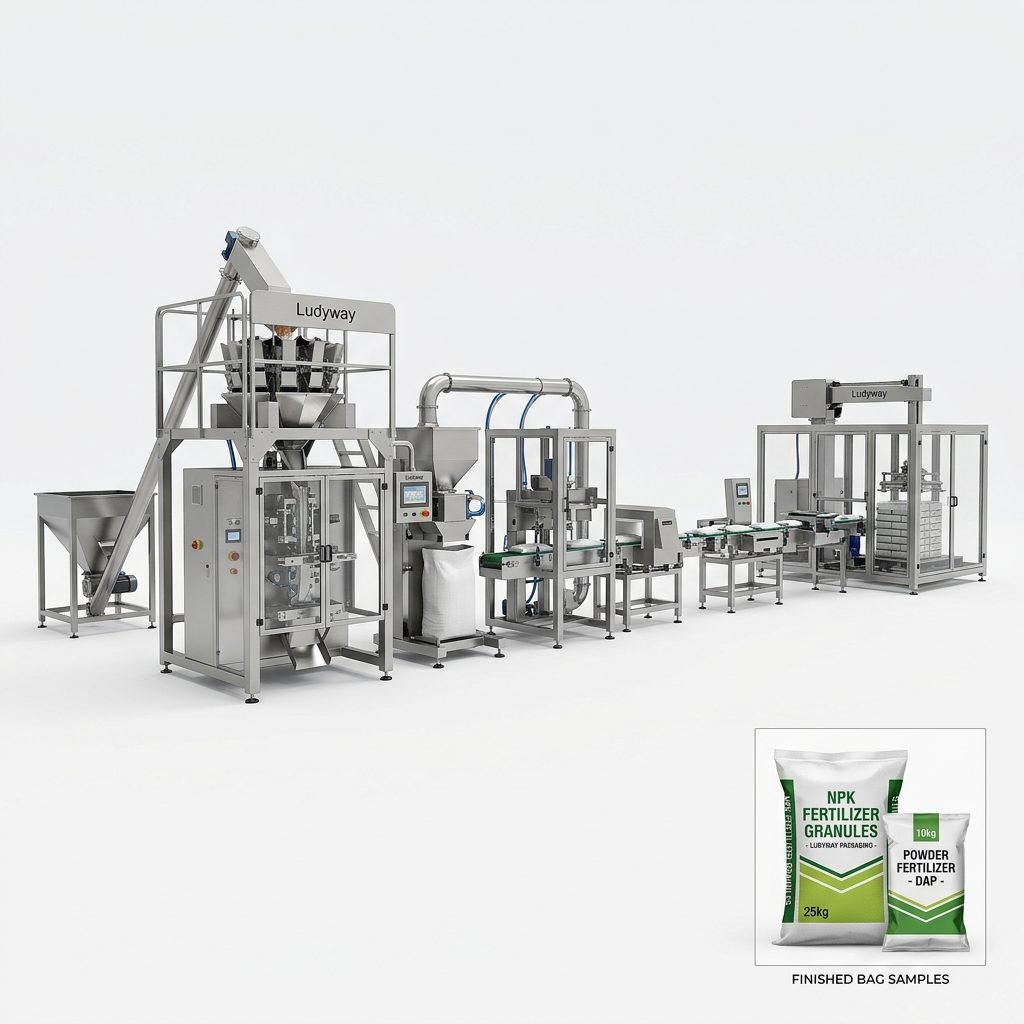
Choosing the right equipment manufacturer directly impacts the success of your ready meal packaging operation. Look for a partner with proven experience in food-grade packaging systems, comprehensive after-sales support, and a track record of successful installations. Ludyway, with over 30 years of industry expertise and a 20,000㎡ modern manufacturing facility, provides advanced packaging machine solutions and turnkey production lines for food manufacturers worldwide. Their engineering team offers customized configurations tailored to specific ready meal applications, ensuring optimal performance and long-term reliability.

Key Takeaways for a Successful Setup
- Start with a thorough assessment of your ready meal product range and target production volumes.
- Select the appropriate packaging machine type — tray sealer, thermoform system, or MAP solution — based on your specific requirements.
- Design an efficient line layout that minimizes material handling and maximizes operator accessibility.
- Integrate essential auxiliary equipment including filling systems, checkweighers, metal detectors, and end-of-line automation.
- Invest in comprehensive training and preventive maintenance to sustain long-term line performance.
- Partner with an experienced packaging machinery manufacturer who understands food industry requirements and can provide ongoing technical support.
By following this step-by-step guide, you can establish a ready meal packaging machine production line that delivers consistent quality, meets production targets, and positions your business for scalable growth. For additional guidance on packaging industry trends and flexible packaging resources, consult reputable industry associations and stay informed about evolving technologies and regulatory requirements.