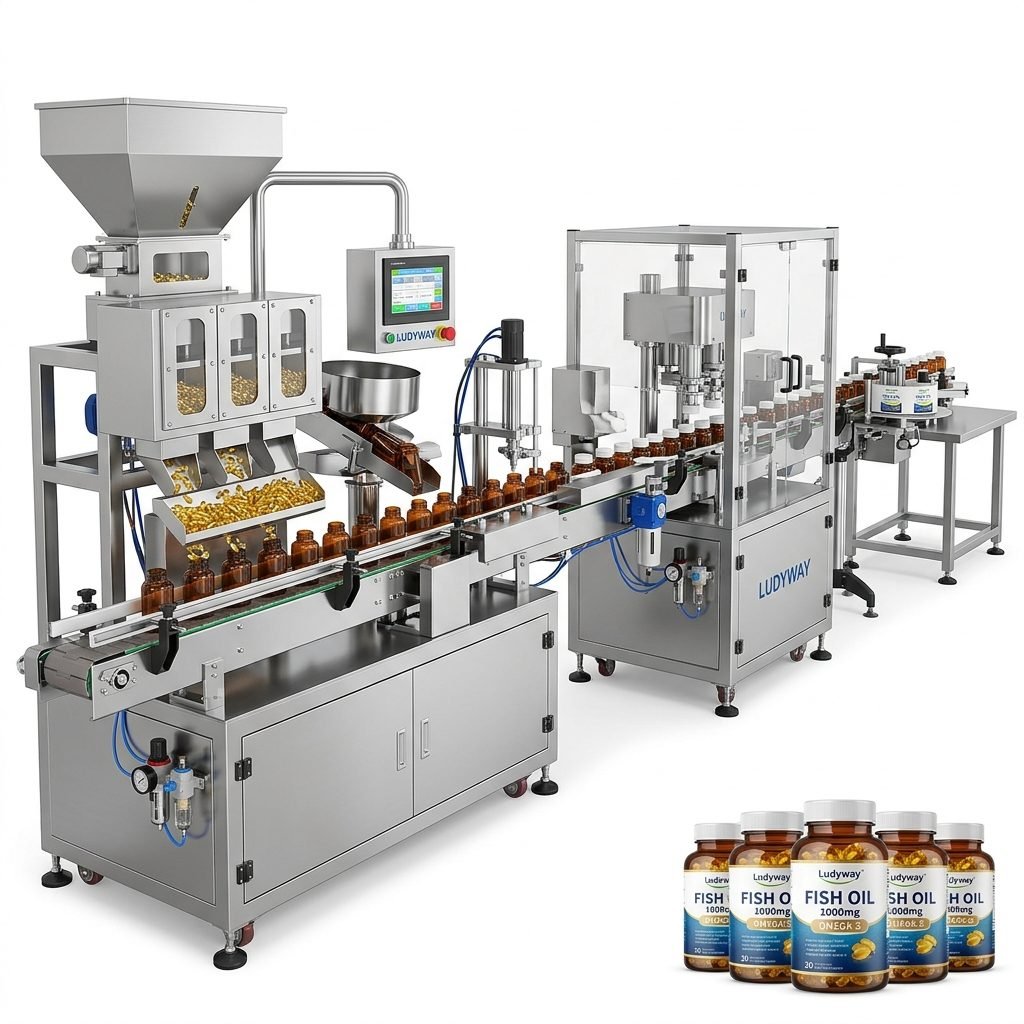
Germany is one of Europe’s largest packaging machinery markets, driven by a strong food processing industry and strict quality standards. For bakeries and confectionery manufacturers, investing in the right brownie packaging machine can significantly boost productivity, extend shelf life, and ensure consistent product presentation. However, with numerous equipment types, regulatory requirements, and technology options available, making the right purchasing decision requires careful evaluation.
This guide walks you through everything you need to know before buying a brownie packaging machine in Germany — from key machine types and technical specifications to compliance, cost analysis, and supplier selection.

Understanding the German Brownie Packaging Market
Germany’s packaged baked goods sector continues to expand, with brownies occupying a growing niche in both retail and food service channels. According to PMMI’s packaging industry intelligence, the European flexible packaging market has seen consistent year-on-year growth, with Germany accounting for a significant share. This growth directly influences the demand for efficient and reliable packaging machinery.
German buyers typically prioritize the following when sourcing packaging equipment:
- CE certification and EU machinery directive compliance
- Energy efficiency and sustainability features
- High-speed automation capabilities with precision filling
- Compatibility with a variety of packaging materials
- After-sales service and technical support availability within the EU
Types of Brownie Packaging Machines
Selecting the right machine type depends on your production scale, brownie format (whole, bite-sized, or bar-shaped), and desired packaging style. Below is a comparison of the most common equipment categories:
| Machine Type | Best For | Packaging Format | Speed Range |
|---|---|---|---|
| Flow Wrapping Machine | Individual brownie bars, tray-packed brownies | Pillow packs, fin-seal wraps | 30–200 packs/min |
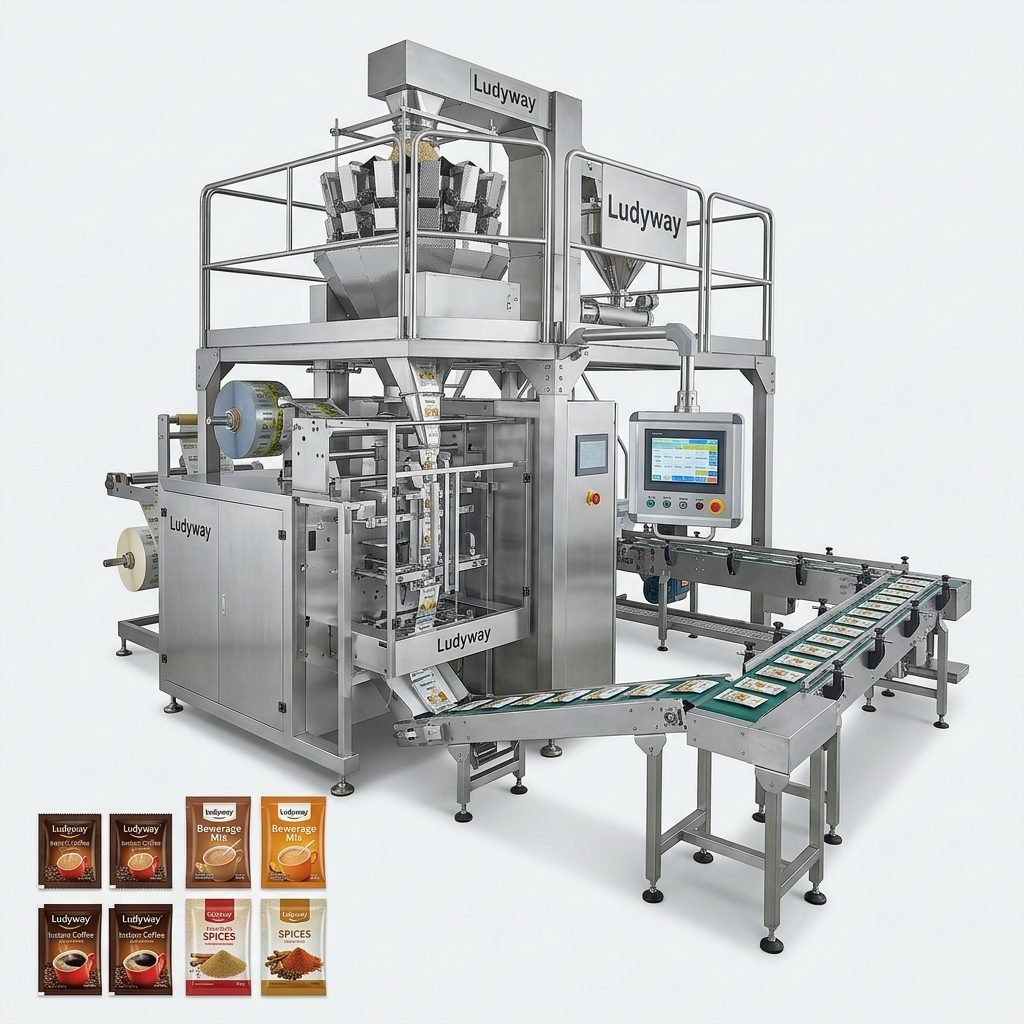
| Vertical Form-Fill-Seal (VFFS) | Brownie bites, mini brownies, loose pieces | Pillow bags, gusseted pouches | 40–180 packs/min |
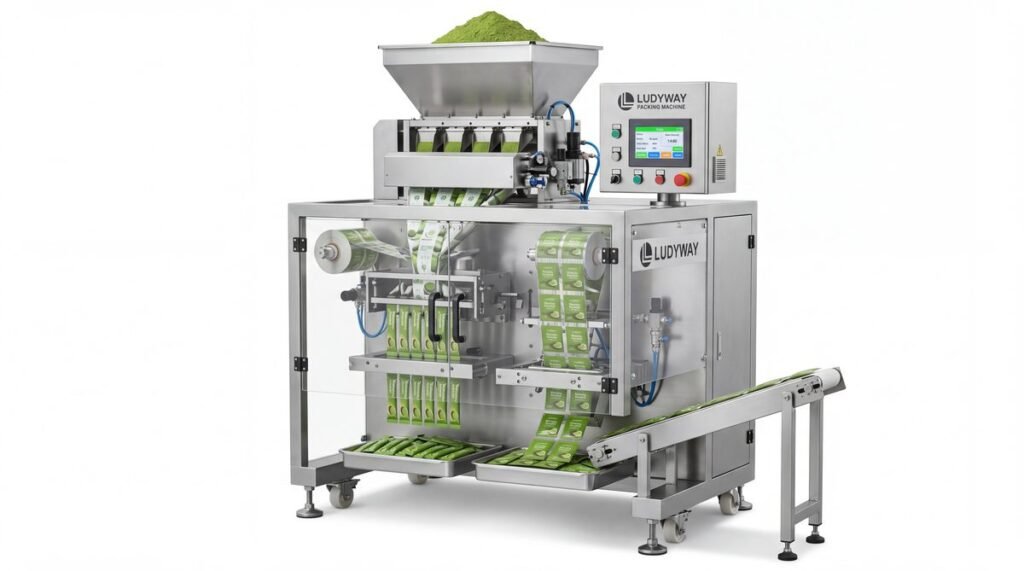
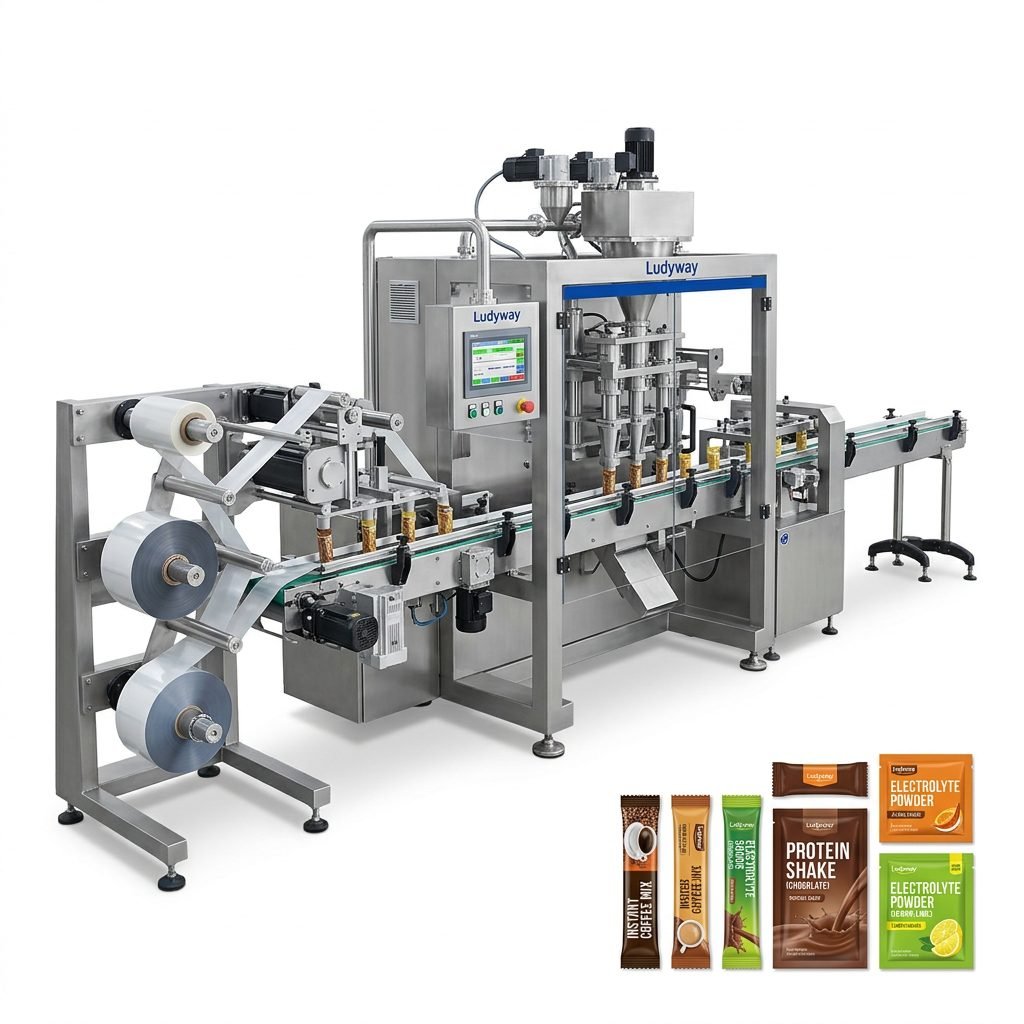
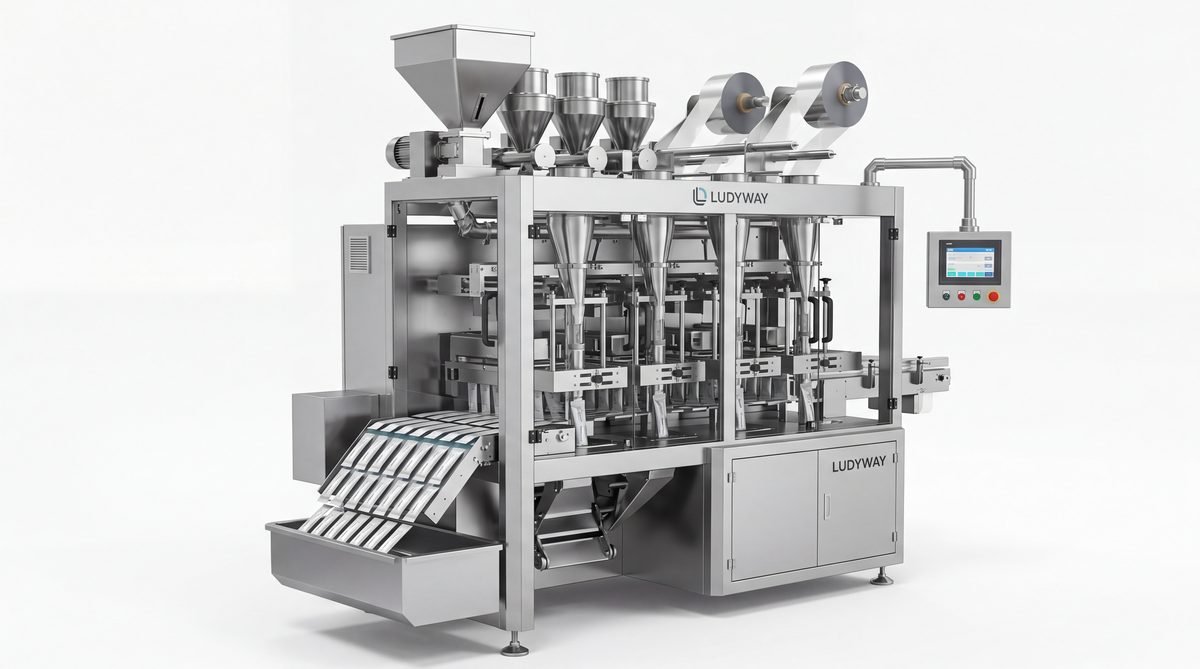
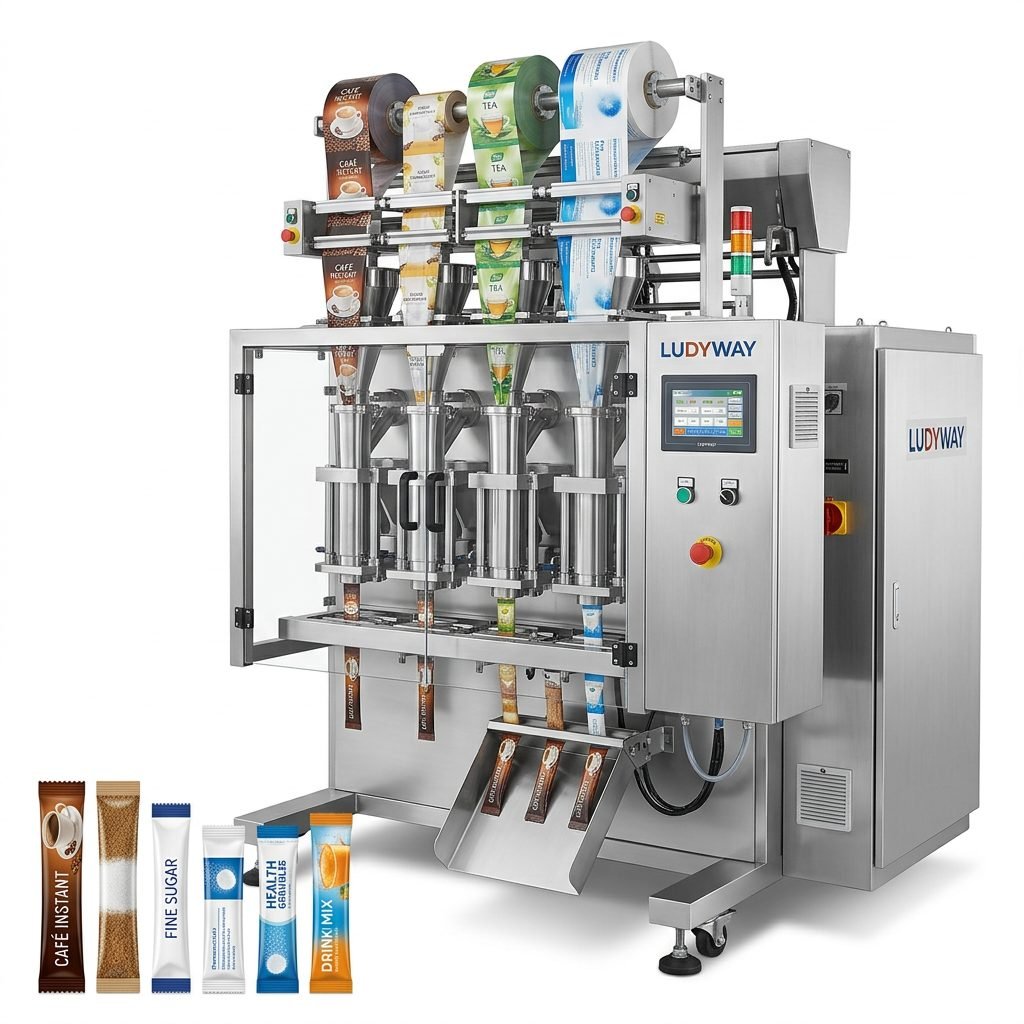
| Multi-Lane Stick Pack Machine | Single-serve brownie portions, on-the-go snacks | Stick packs, sachets | 200–1000+ packs/min |
| Tray Sealing Machine | Multi-pack brownie trays for retail | Sealed trays with film lids | 10–60 trays/min |
| Pre-Made Pouch Packaging Machine | Premium or gift-packaged brownies | Stand-up pouches, zipper bags | 20–80 pouches/min |
Key Features to Evaluate
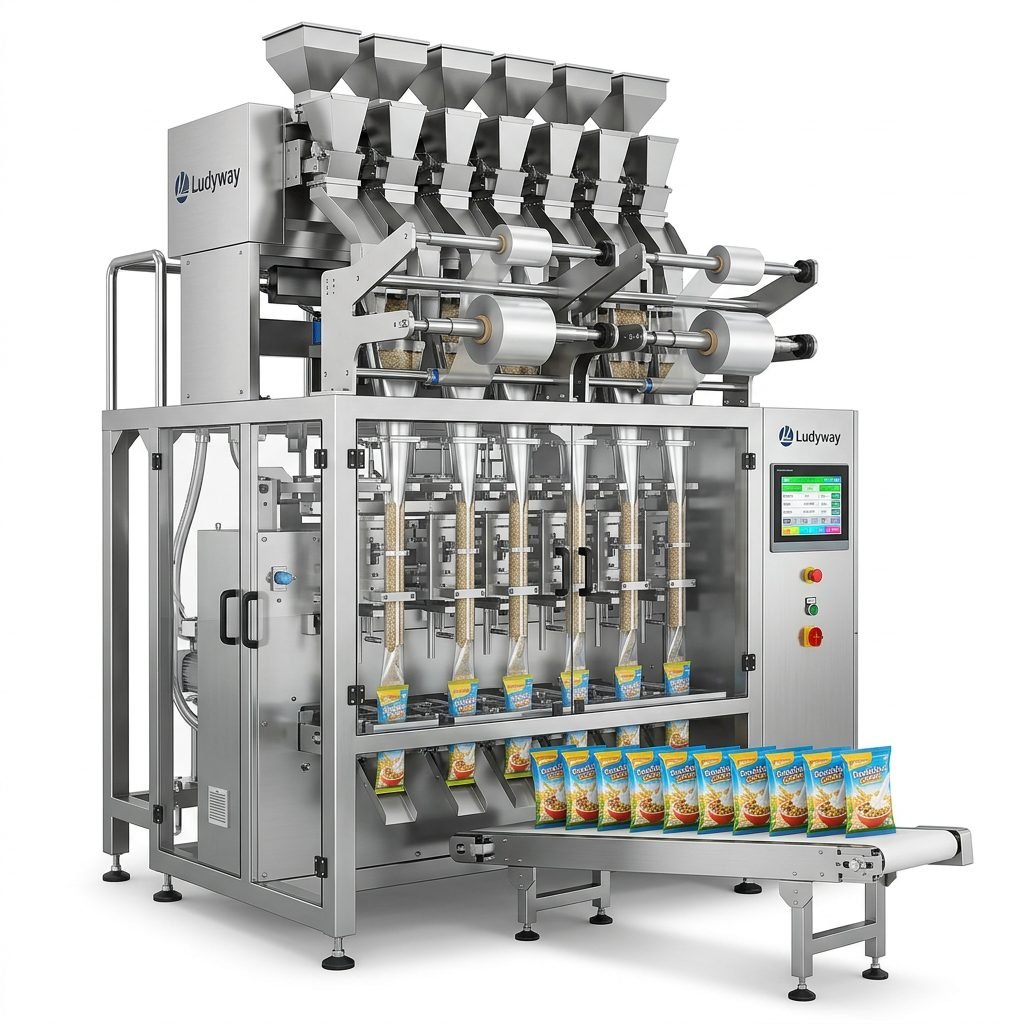
- Multi-lane capability: Machines with 4 to 12 lanes dramatically increase throughput for small-format brownie portions
- Gas flushing: Modified atmosphere packaging (MAP) with nitrogen extends shelf life by up to 6 months
- Quick-change tooling: Reduces downtime when switching between brownie sizes or film types
- Servo-driven systems: Provide precise film tension control and accurate cut-off positioning
- Easy-clean design: Critical for hygiene compliance in food production environments
Regulatory Compliance in Germany
All packaging machinery sold and operated in Germany must meet stringent EU regulations. Non-compliance can result in fines, production shutdowns, or liability issues. Key requirements include:
- CE Marking: Mandatory for all machinery sold within the European Economic Area, confirming conformity with health, safety, and environmental standards
- EU Machinery Directive 2006/42/EC: Establishes essential health and safety requirements for machinery design and construction
- Food Contact Materials Regulation (EC) 1935/2004: Ensures packaging materials do not transfer substances to food in harmful quantities
- German LFGB Standards: Additional national requirements for food contact materials beyond EU regulations
For detailed information on packaging waste and recycling requirements, refer to the European Commission’s packaging waste regulations, which outline producer responsibility and sustainability targets affecting packaging choices.
Packaging Material Considerations
The choice of packaging material directly affects your brownie’s shelf life, appearance, and environmental footprint. Common options include:
| Material Type | Barrier Properties | Sustainability | Typical Application |
|---|---|---|---|
| BOPP/CPP Laminate | Good moisture barrier | Recyclable (mono-material options available) | Flow wrap for individual brownie bars |
| PET/PE Laminate | Excellent clarity, medium barrier | Partially recyclable | Pre-made pouches, premium presentation |
| Aluminum Foil Laminate | Superior oxygen and light barrier | Difficult to recycle | Extended shelf life, MAP applications |
| Paper-Based Laminates | Moderate with coating | High consumer appeal, renewable | Eco-conscious brands, artisan products |
| Bio-Polymer Films (PLA) | Varies by formulation | Compostable options available | Niche organic and health-oriented brands |
Cost Analysis and Budget Planning
Investing in a brownie packaging machine involves several cost components beyond the initial purchase price. Understanding the total cost of ownership (TCO) helps avoid unexpected expenses:
Initial Investment Considerations
- Machine price: Entry-level semi-automatic machines may start around €15,000, while high-speed multi-lane fully automatic systems can exceed €200,000
- Installation and commissioning: Typically 5–10% of machine cost, including technician travel and on-site setup
- Training: Operator and maintenance staff training, often included in the package but should be confirmed
- Auxiliary equipment: Conveyors, printers, checkweighers, and metal detectors add to the total investment
Ongoing Operational Costs
- Packaging film and material consumption
- Spare parts and preventive maintenance
- Energy consumption (servo-driven machines are significantly more efficient)
- Downtime costs if reliability is poor
Selecting a Reliable Supplier
Choosing the right equipment supplier is just as important as selecting the machine itself. Consider the following when evaluating potential partners:
- Experience in bakery and confectionery packaging: Suppliers familiar with brownie-specific challenges — such as crumb management and delicate product handling — deliver better results
- Local support in Germany: An established service network ensures rapid response times for maintenance and repairs
- References and case studies: Request examples of similar installations in German or European bakeries
- Warranty and service agreements: Clarify coverage periods, response times, and whether remote diagnostics are included
- Spare parts availability: Quick access to critical components within the EU minimizes production interruptions
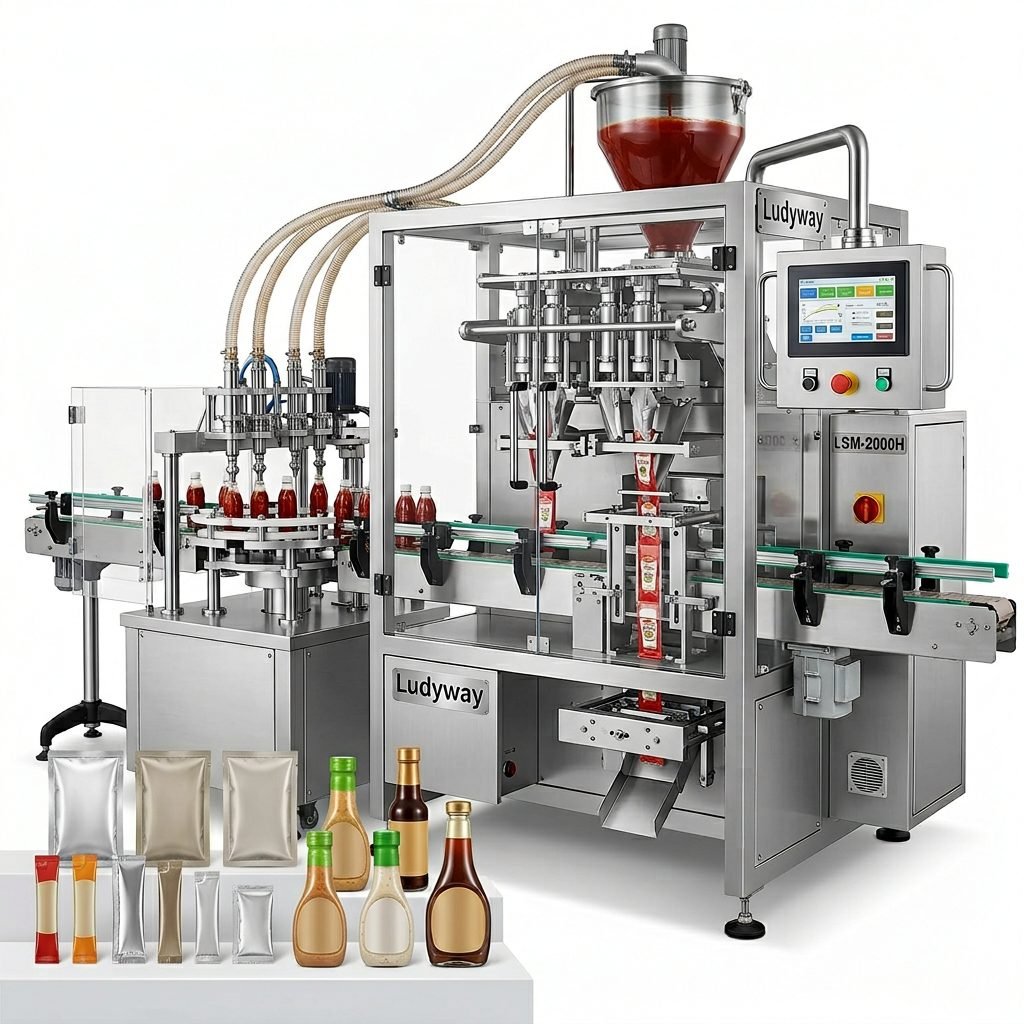
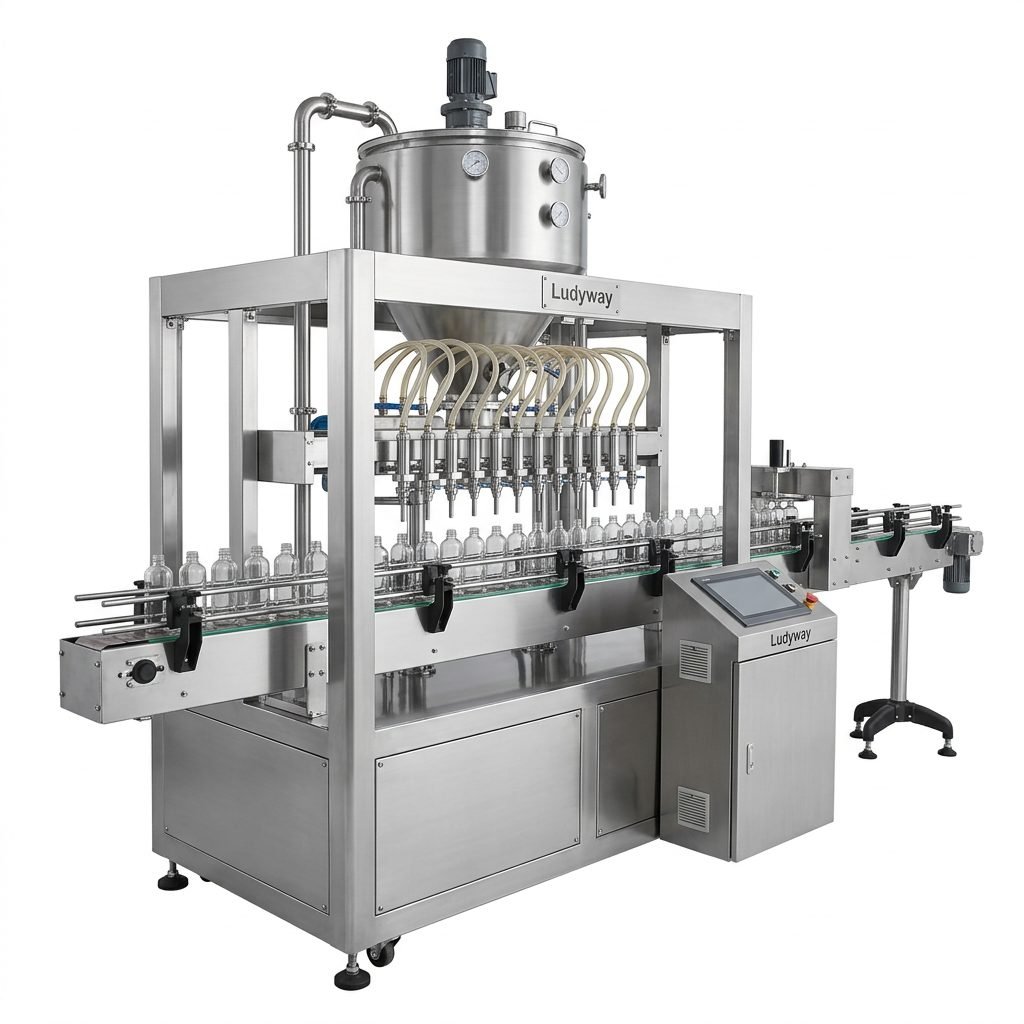
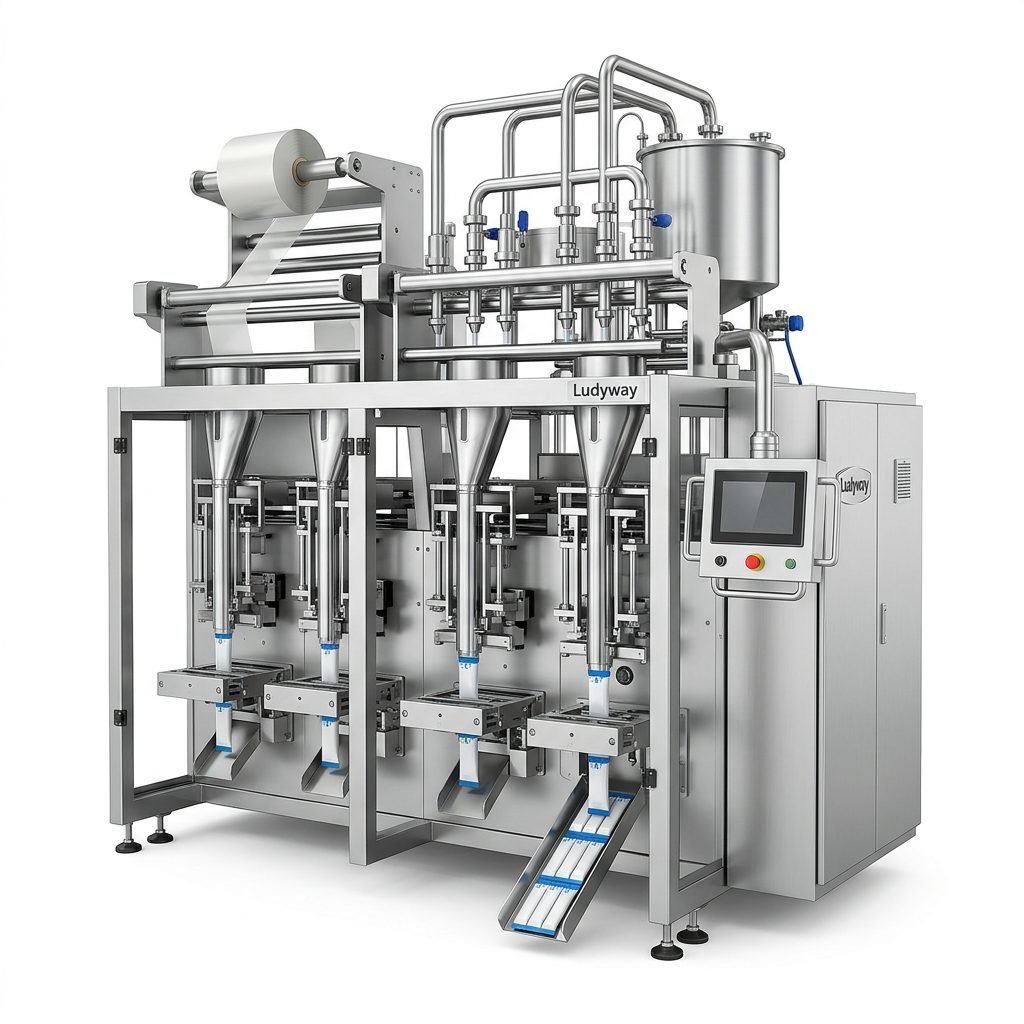
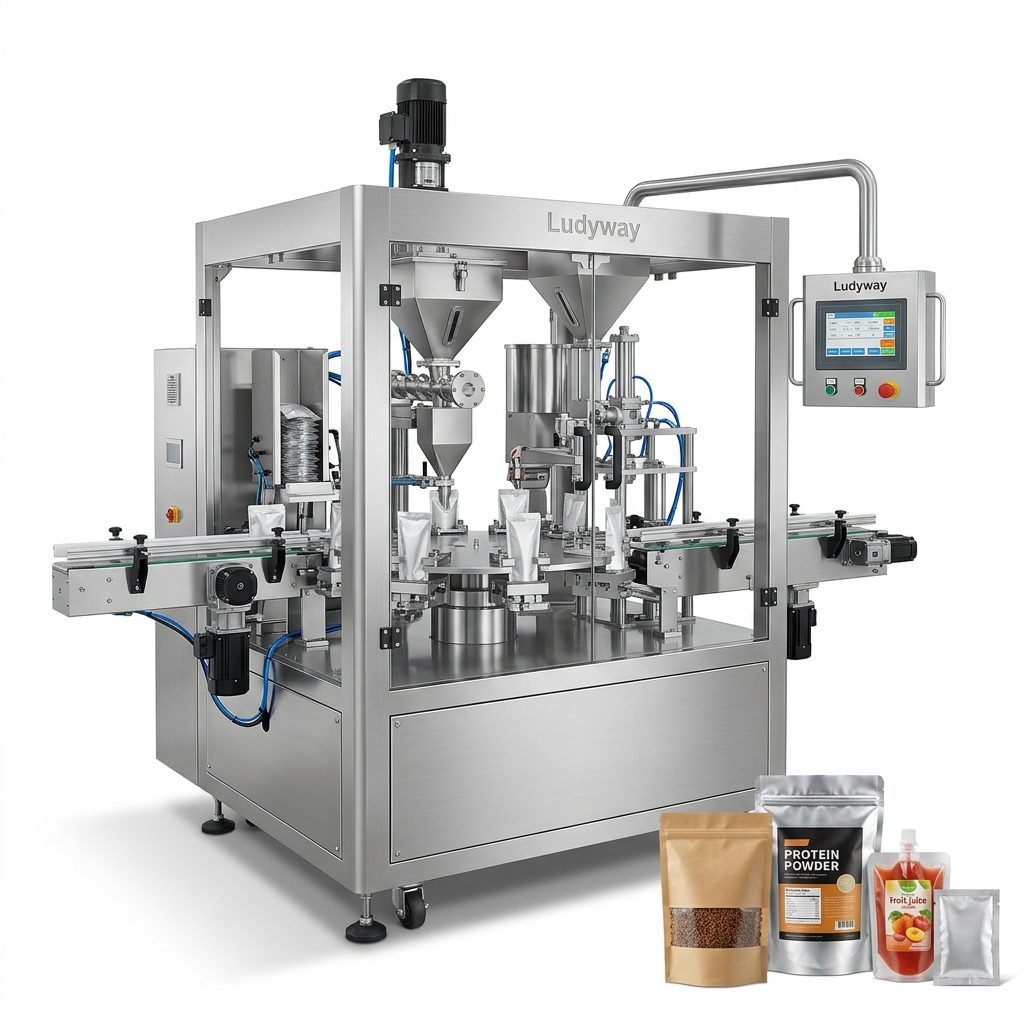
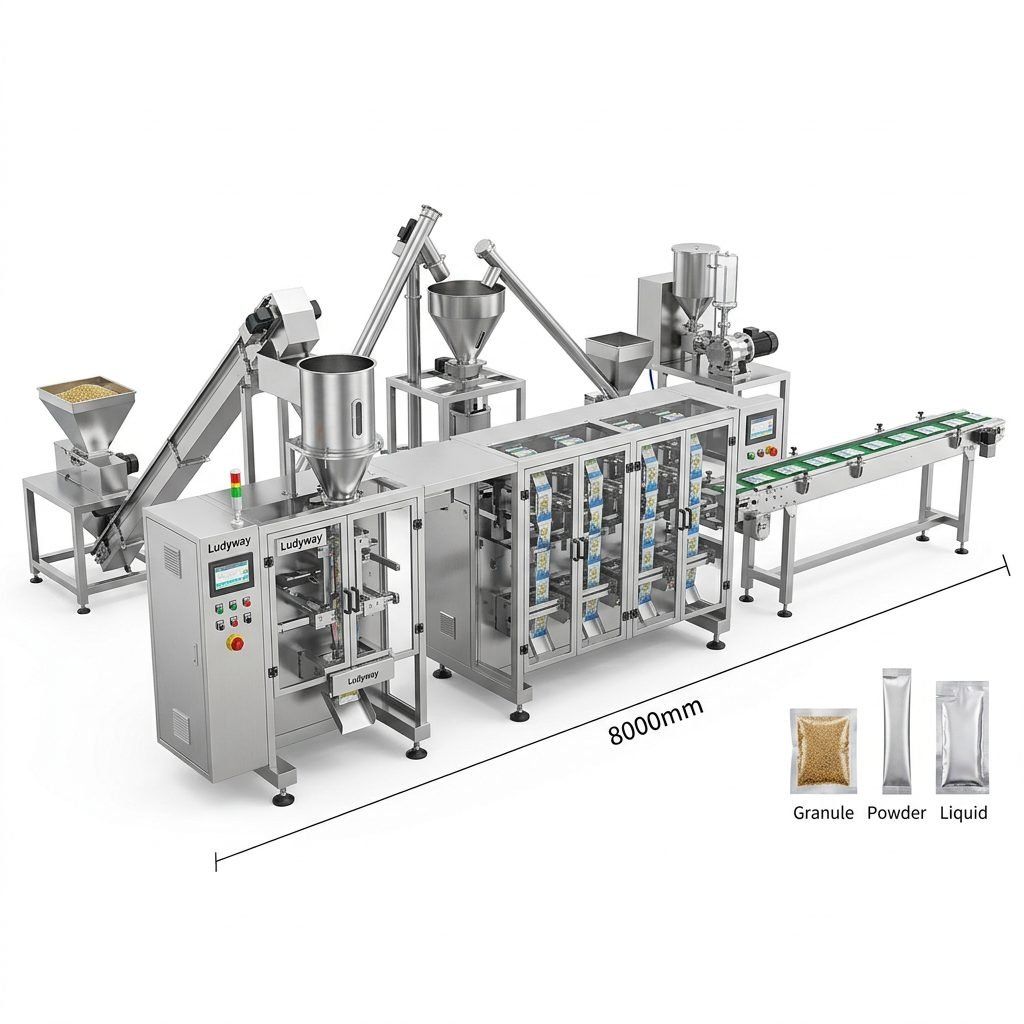
Manufacturers like Ludyway offer a wide range of packaging solutions suitable for food products including brownies, with over 50 intelligent packaging machine models covering granule, powder, liquid, and solid product applications. When evaluating suppliers, visiting their manufacturing facility or reviewing detailed equipment specifications is always recommended.
Technology Trends in Brownie Packaging
Staying informed about emerging packaging technologies helps future-proof your investment. Key trends shaping the industry include:
Smart Packaging and Automation
- IoT-enabled machines: Real-time production monitoring and predictive maintenance alerts
- Automated changeover: Recipe-driven adjustments reduce manual intervention and errors
- Vision inspection systems: Automated quality control for seal integrity and label placement
Sustainability Innovations
- Mono-material recyclable films replacing multi-layer laminates
- Reduced material thickness without compromising barrier performance
- Paper-based flexible packaging with functional coatings
- Energy-efficient servo drives reducing electricity consumption by up to 30%
For current data on flexible packaging trends, the Flexible Packaging Association’s industry resources provide valuable insights into material innovations and market developments.
Installation and Commissioning Checklist
Proper installation is critical to achieving rated performance. Use the following checklist when preparing for your new brownie packaging machine:
- Verify factory floor space, utilities (compressed air, electrical supply), and environmental conditions
- Confirm CE documentation and Declaration of Conformity are provided before shipment
- Schedule operator training during the commissioning visit
- Run acceptance tests with your actual brownie product and packaging materials
- Document baseline performance metrics for future comparison
- Establish a preventive maintenance schedule with the supplier
- Stock initial spare parts based on the manufacturer’s recommendations
Frequently Asked Questions
What packaging speed do I need for my brownie production?
Calculate your daily production volume and desired operating hours. For example, producing 50,000 brownie units per 8-hour shift requires a machine capable of at least 105 packs per minute. Always factor in a 15–20% buffer for changeovers and minor stoppages.
Can I use the same machine for different brownie sizes?
Yes, most modern packaging machines support quick-change tooling that allows switching between product sizes in under 30 minutes. Confirm changeover time and complexity with the supplier before purchasing.
Is nitrogen flushing necessary for brownie packaging?
Nitrogen flushing extends shelf life by removing oxygen, which causes oxidation and staleness. For brownies with a target shelf life beyond 4–6 weeks, MAP with nitrogen is highly recommended. The PMMI State of the Industry report highlights growing adoption of MAP technology across the bakery sector.
What are the common pitfalls when buying packaging machinery?
- Choosing based on price alone without evaluating TCO
- Not testing the machine with actual product before purchase
- Overlooking after-sales support and spare parts logistics
- Ignoring future scalability needs
- Underestimating operator training requirements
Making the Final Decision
Purchasing a brownie packaging machine in Germany is a significant investment that impacts product quality, operational efficiency, and long-term profitability. By thoroughly evaluating machine types, material compatibility, regulatory compliance, and supplier reliability, you can make an informed choice that supports your business growth.
Key takeaways for German buyers:
- Prioritize CE-certified equipment with documented compliance to EU directives
- Consider total cost of ownership, not just the purchase price
- Test machinery with your specific brownie product before committing
- Invest in flexible equipment that can adapt to packaging material innovations
- Build a partnership with a supplier that offers reliable European after-sales support
A well-chosen packaging machine not only protects and presents your brownies attractively but also reduces labor costs, minimizes waste, and increases throughput — delivering a strong return on investment over the equipment’s lifetime. Take your time, visit trade shows like PACK EXPO International, and consult with multiple suppliers before making your final decision.