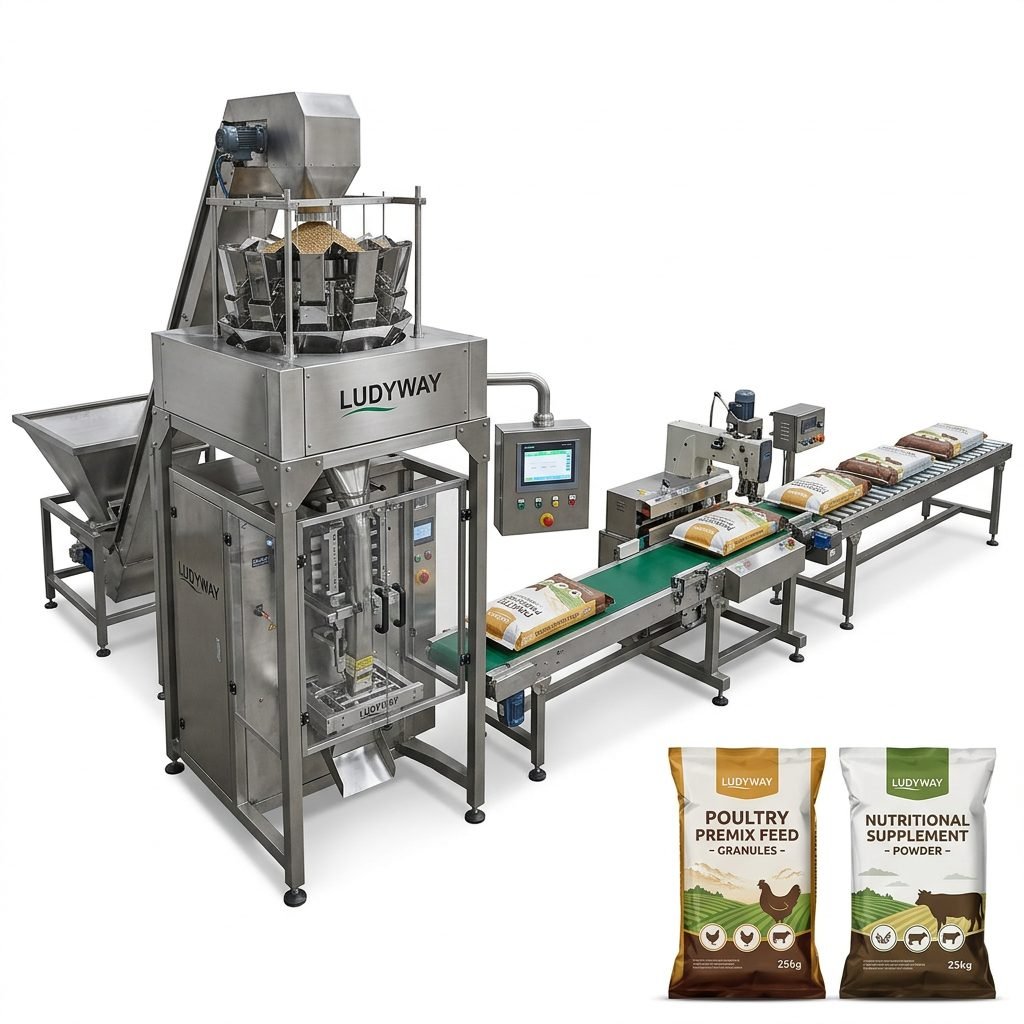
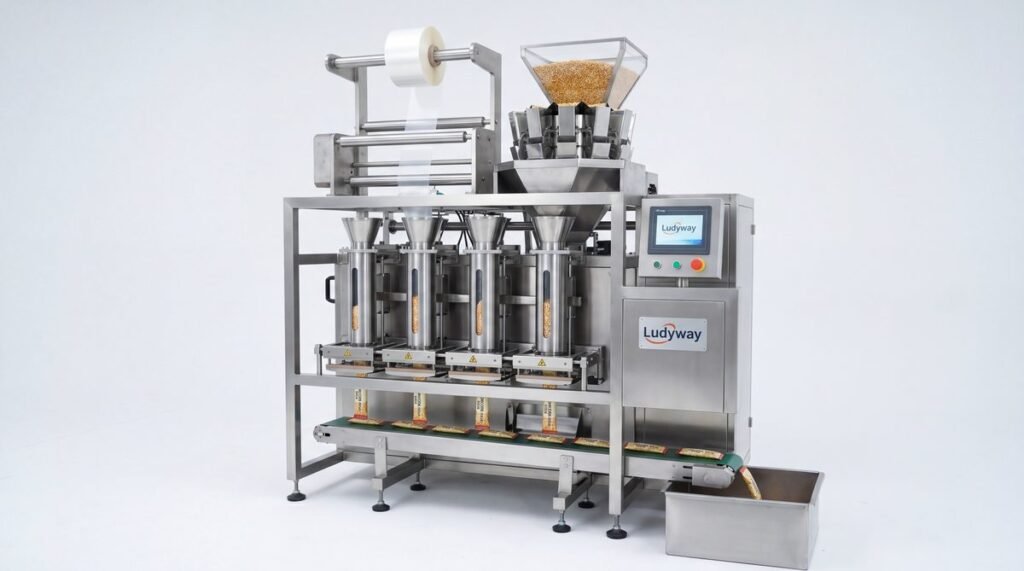
Investing in an automatic packaging machine is a critical decision that directly impacts your production efficiency, product quality, and long-term operational costs. Whether you are packaging powders, granules, liquids, or pastes, the right equipment ensures consistent output and scalability. This complete buyer’s guide walks you through the essential factors to evaluate before selecting your OMAG packaging machine.
Step 1: Analyze Your Product Characteristics
The physical and chemical properties of your product are the single most important factor in choosing the correct dosing and filling system. A machine configured for free-flowing granules will not perform accurately with fine, dusty powders or high-viscosity liquids.
| Product State | Key Characteristics | Recommended Dosing Type |
|---|---|---|
| Powders | Bulk density, flowability, dust emission | Auger filler, vacuum dosing |
| Granules | Particle size uniformity, fragility | Volumetric cups, multi-head weigher |
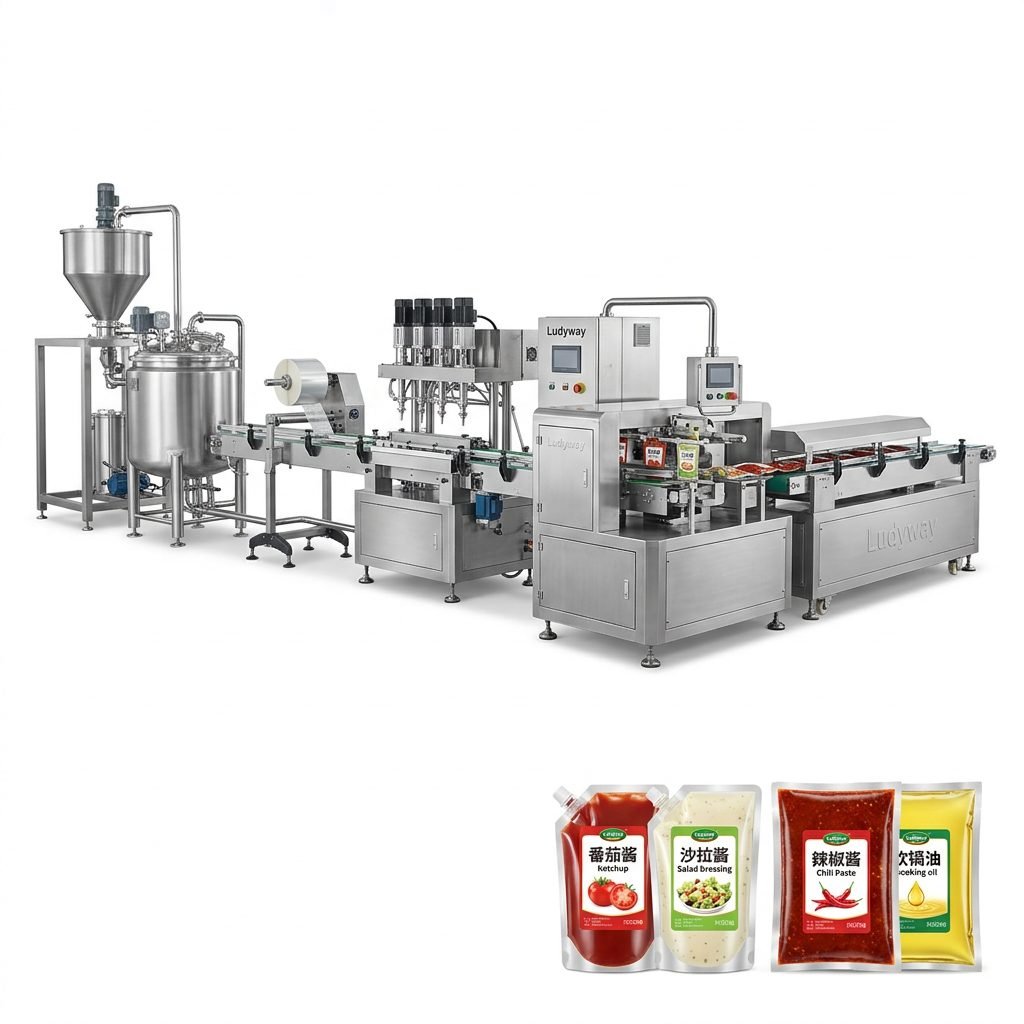
| Liquids | Viscosity, temperature, foaming tendency | Piston filler, peristaltic pump |
| Pastes/Gels | Viscosity, particulate content | Positive displacement pump |
Step 2: Determine Your Target Packaging Format
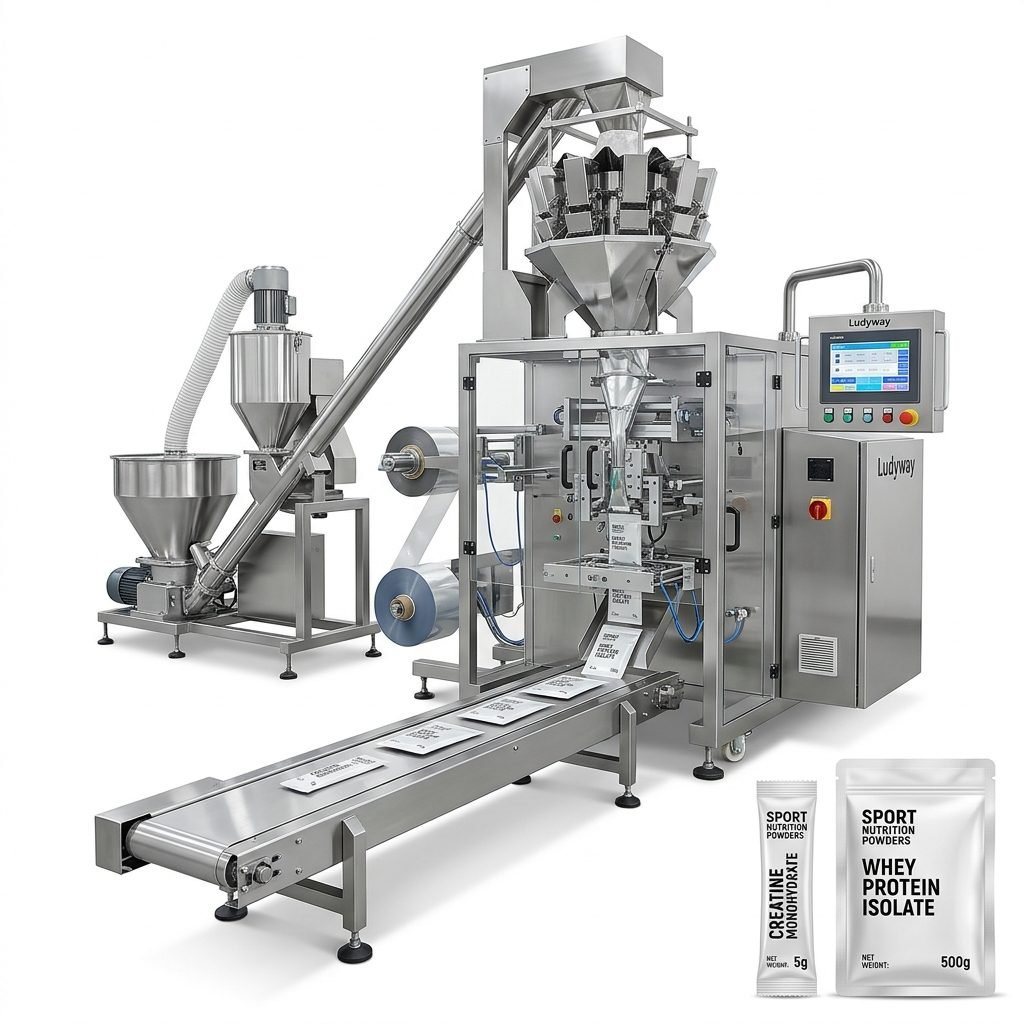
Modern flexible packaging lines offer a variety of formats. Selecting the right style is crucial for market appeal and portion control. Do you need single-serve sachets, convenient stick packs, or multi-lane configurations? Each format requires specific forming, sealing, and cutting technologies.
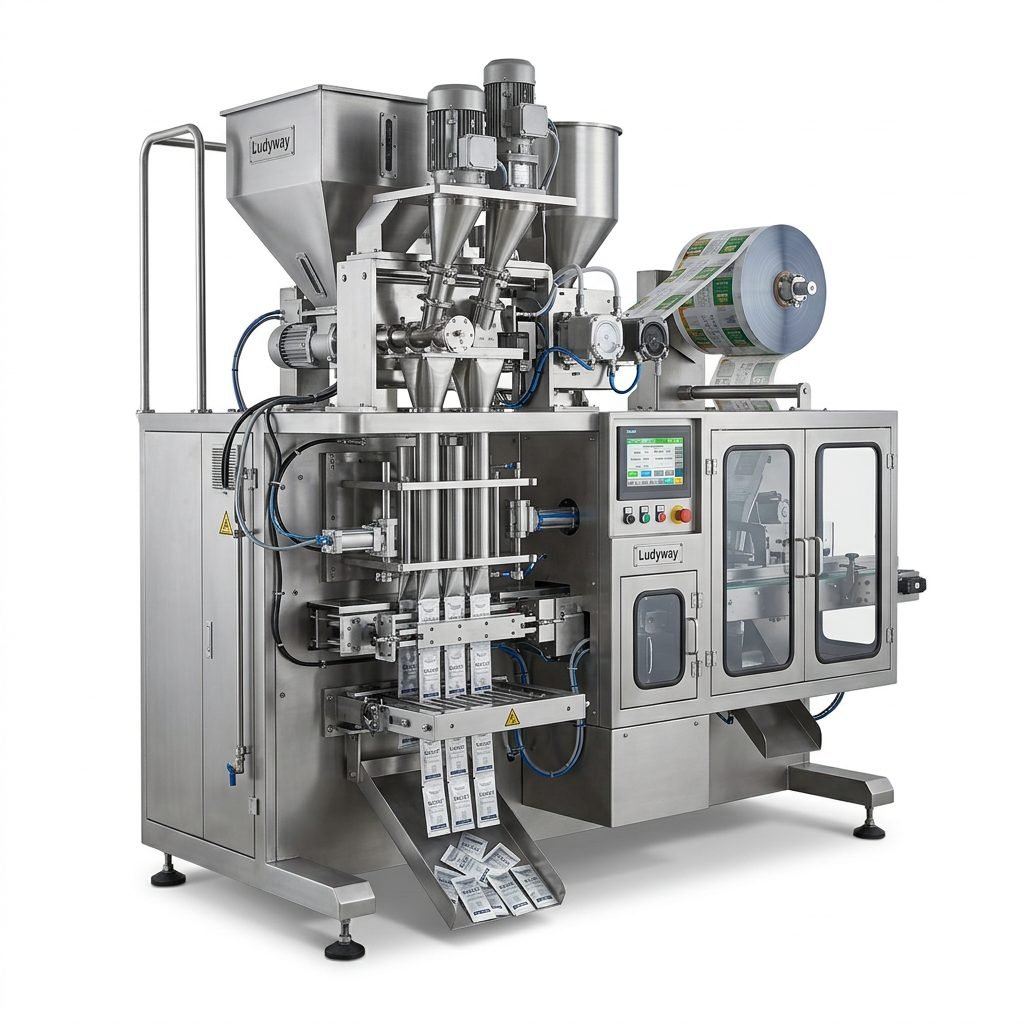
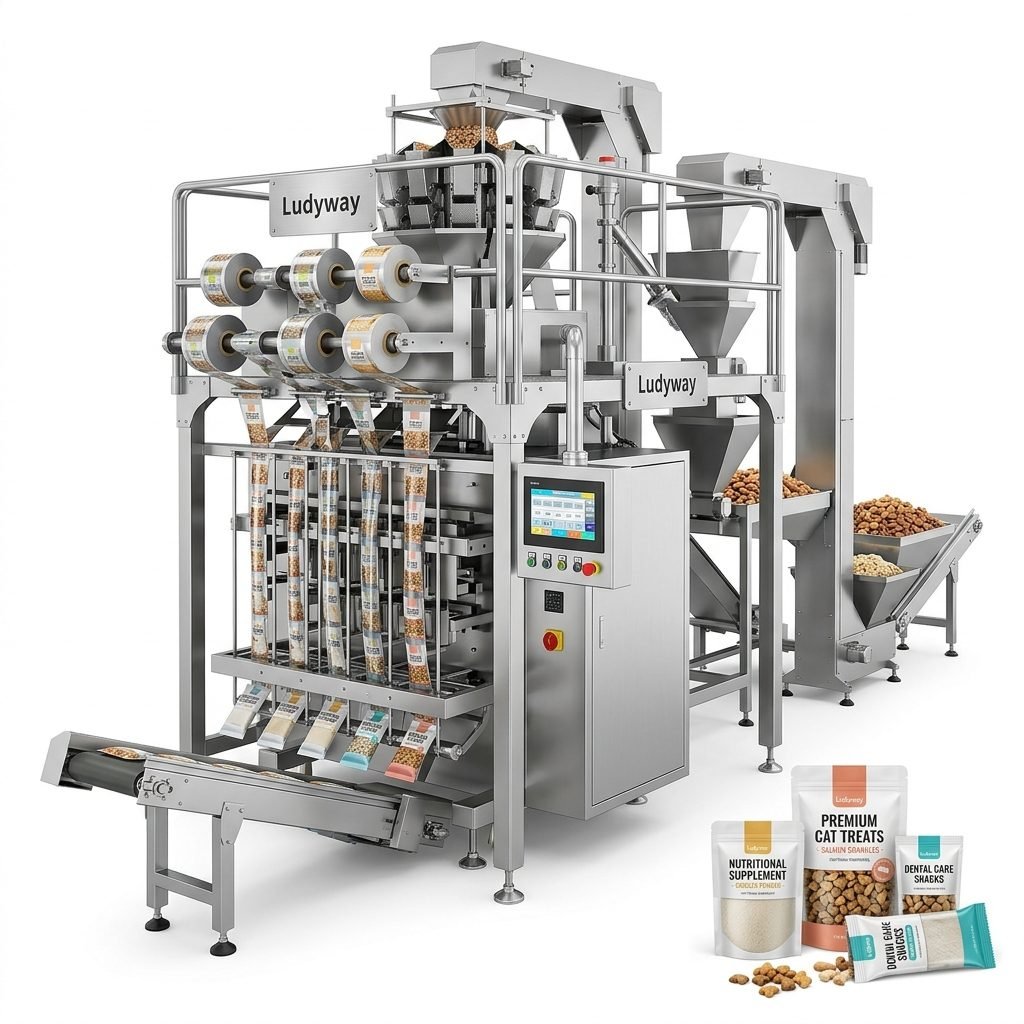
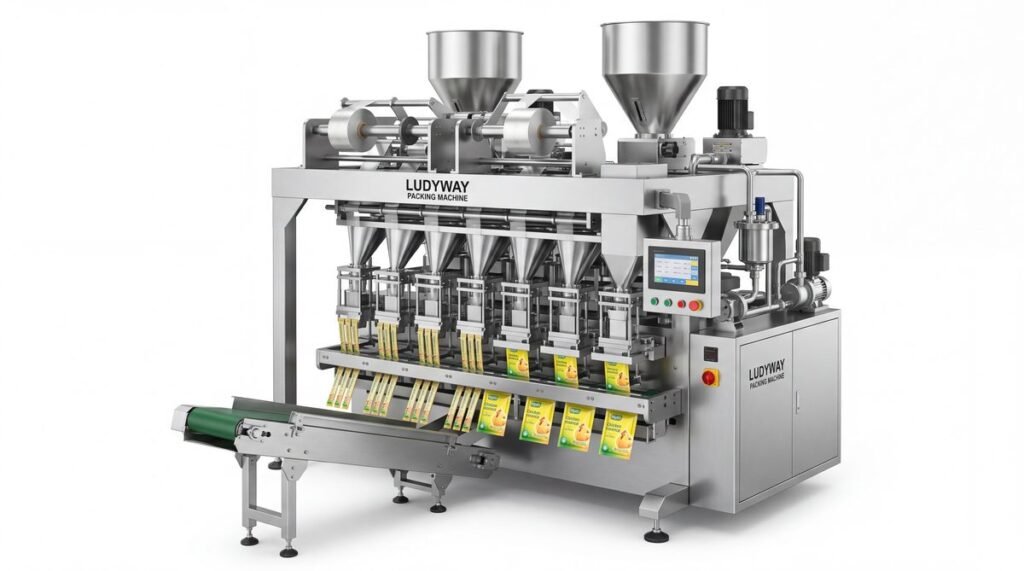
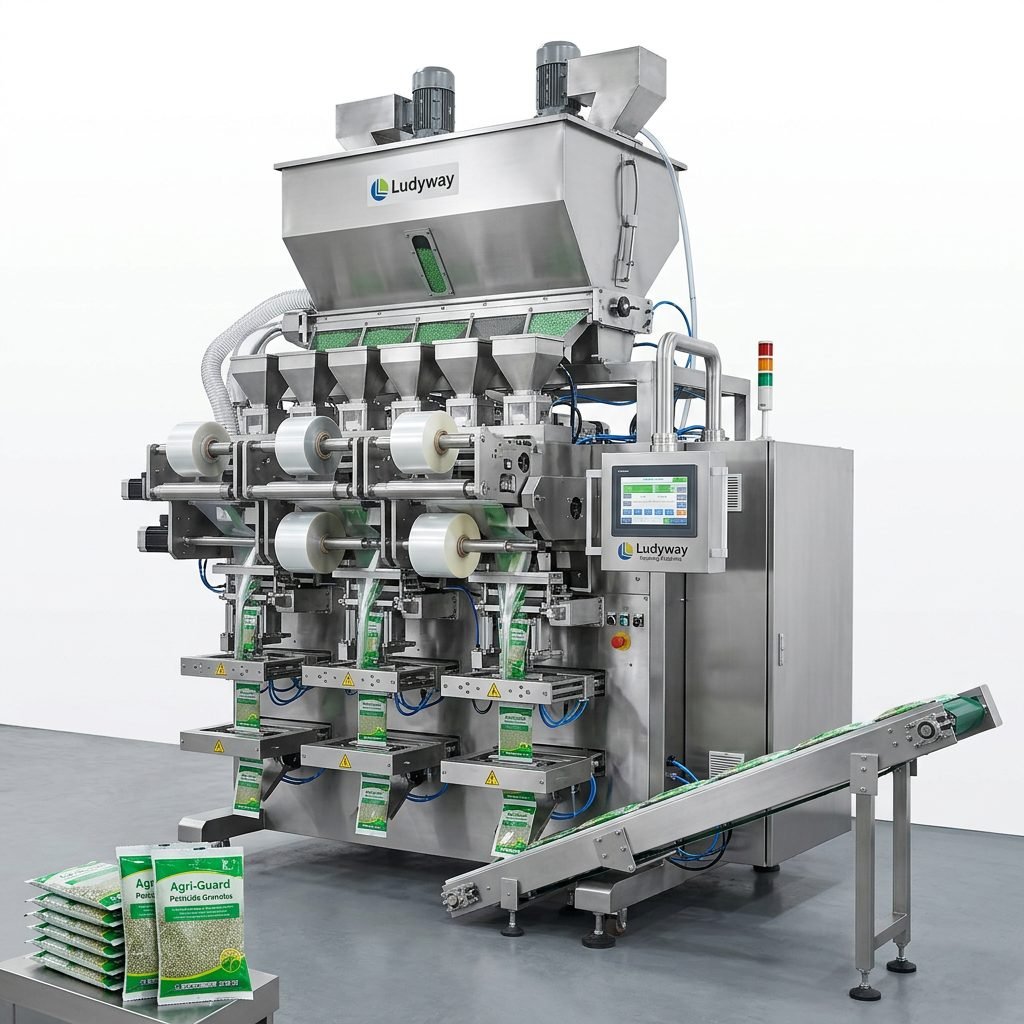
A multi-lane sachet packaging machine ideal for high-speed production lines.
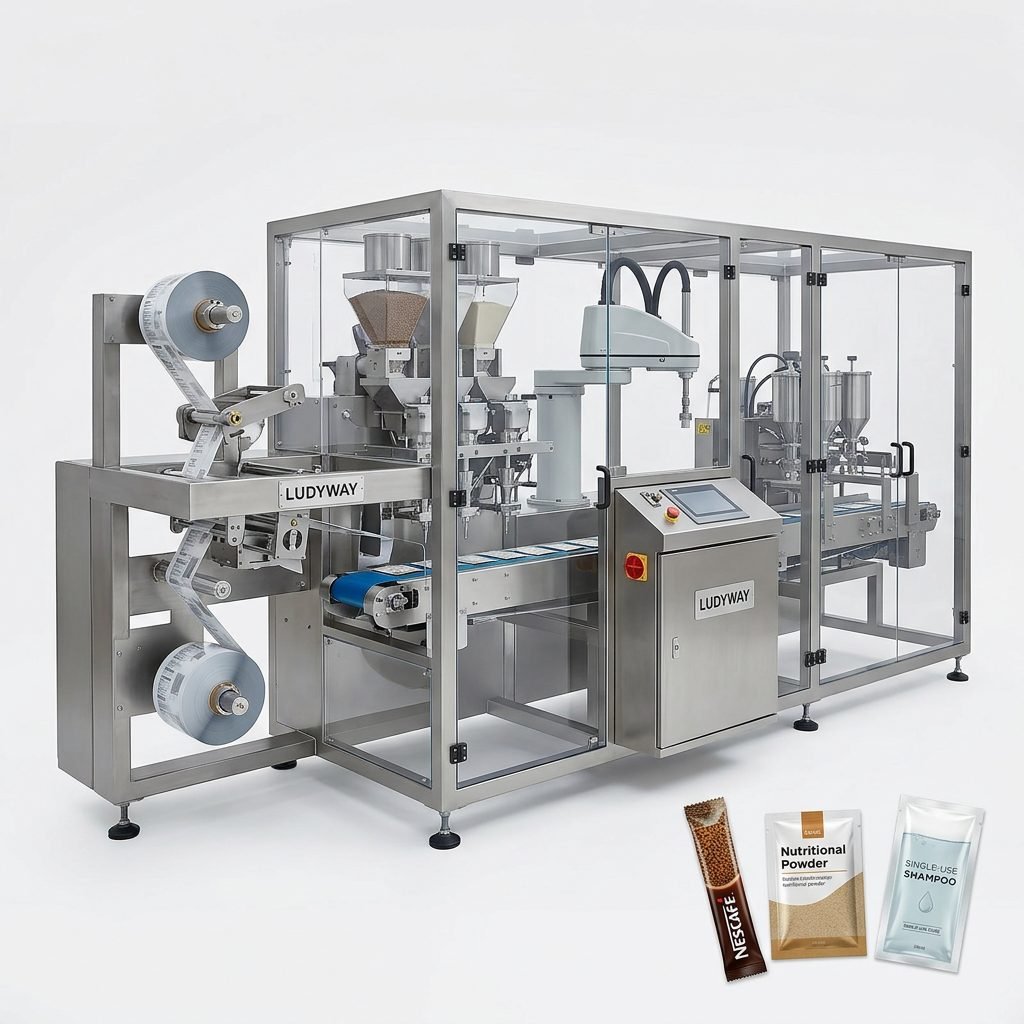
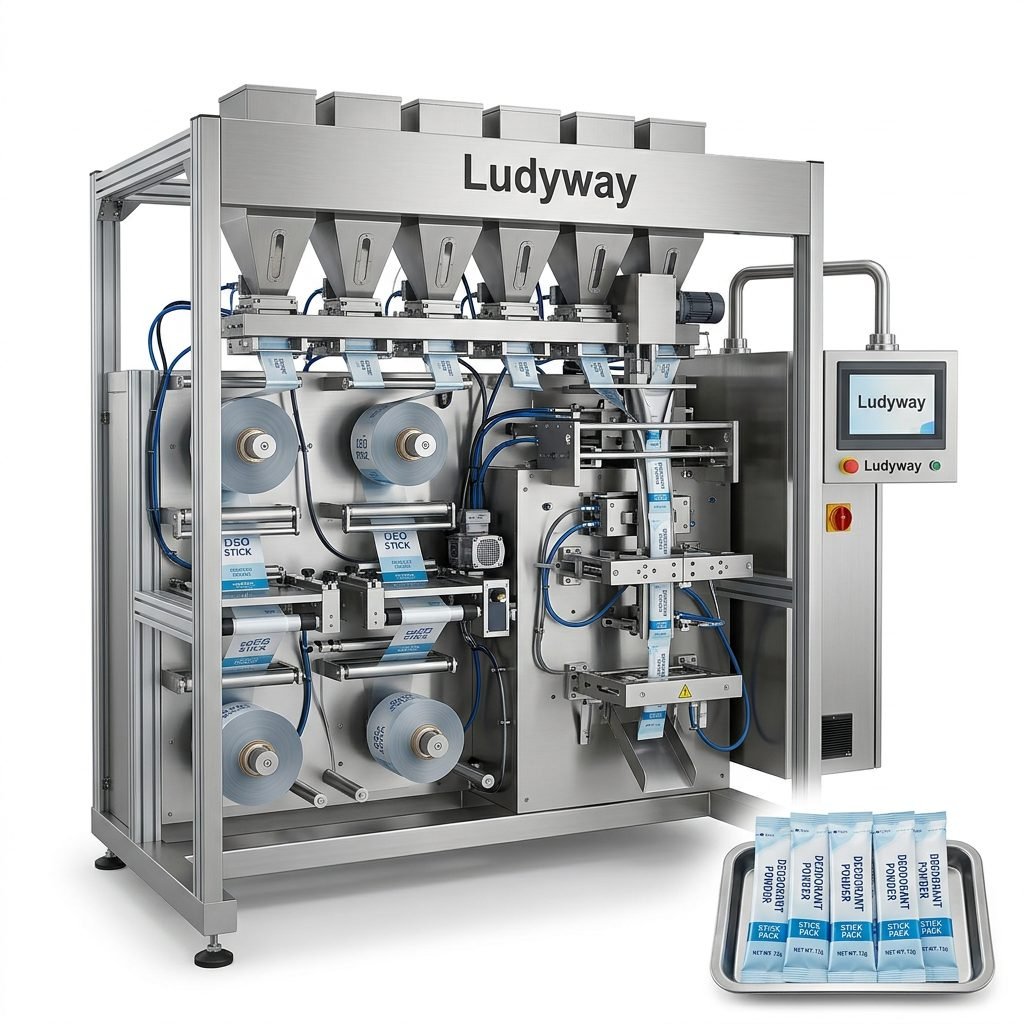
- Stick Packs: Ideal for sugar, coffee, supplements, and pharmaceutical powders. They offer excellent portability and precise portion control. Explore advanced stick pack solutions.
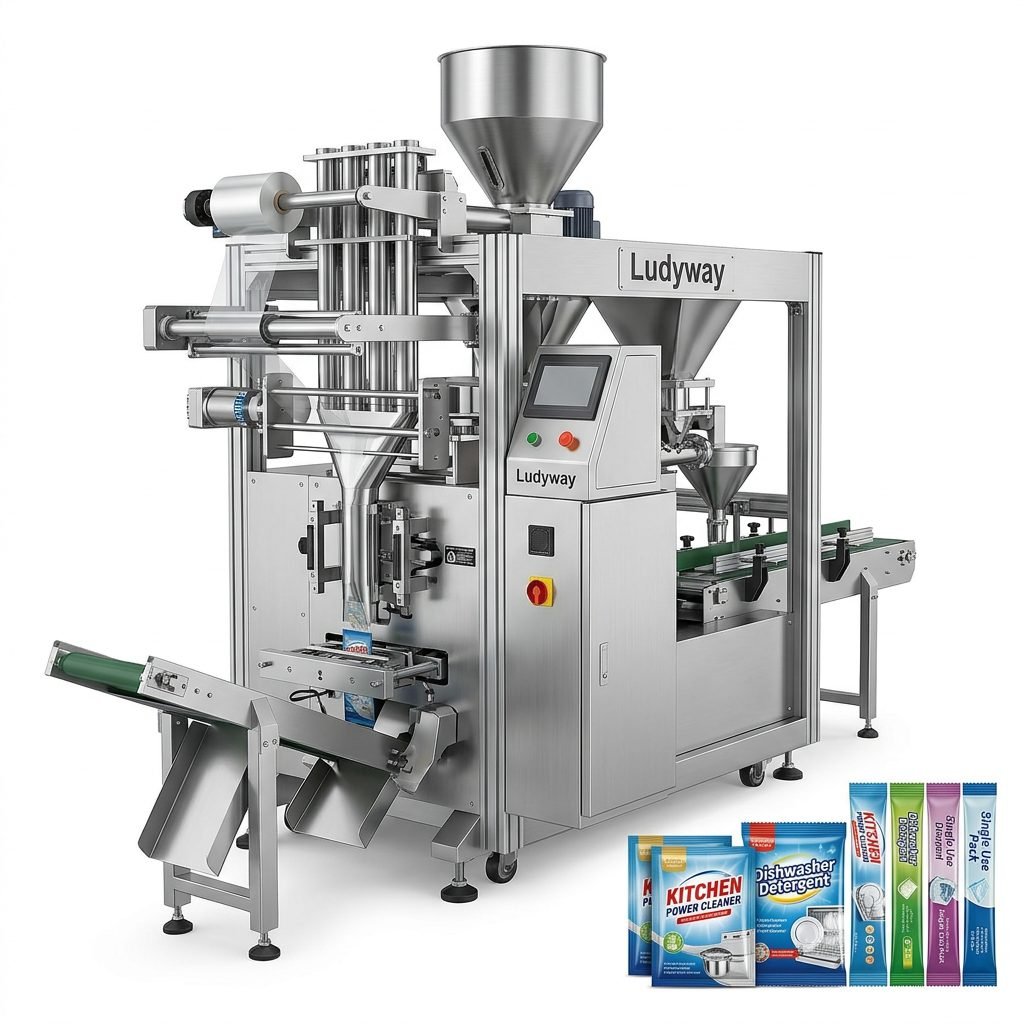
- Sachets: A versatile format for ketchup, shampoos, creams, and industrial chemicals. The sealing integrity is critical to prevent leaks. View our range of high-speed sachet packaging machines.
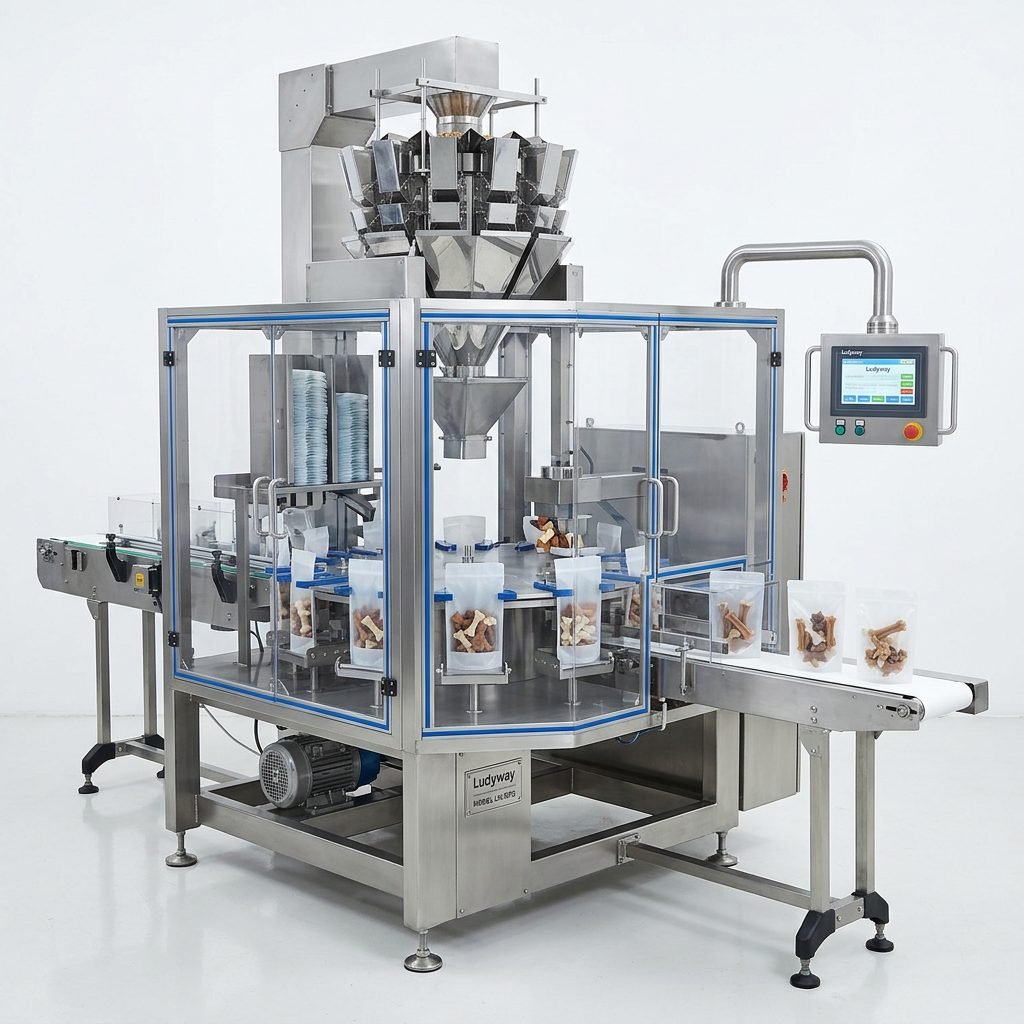
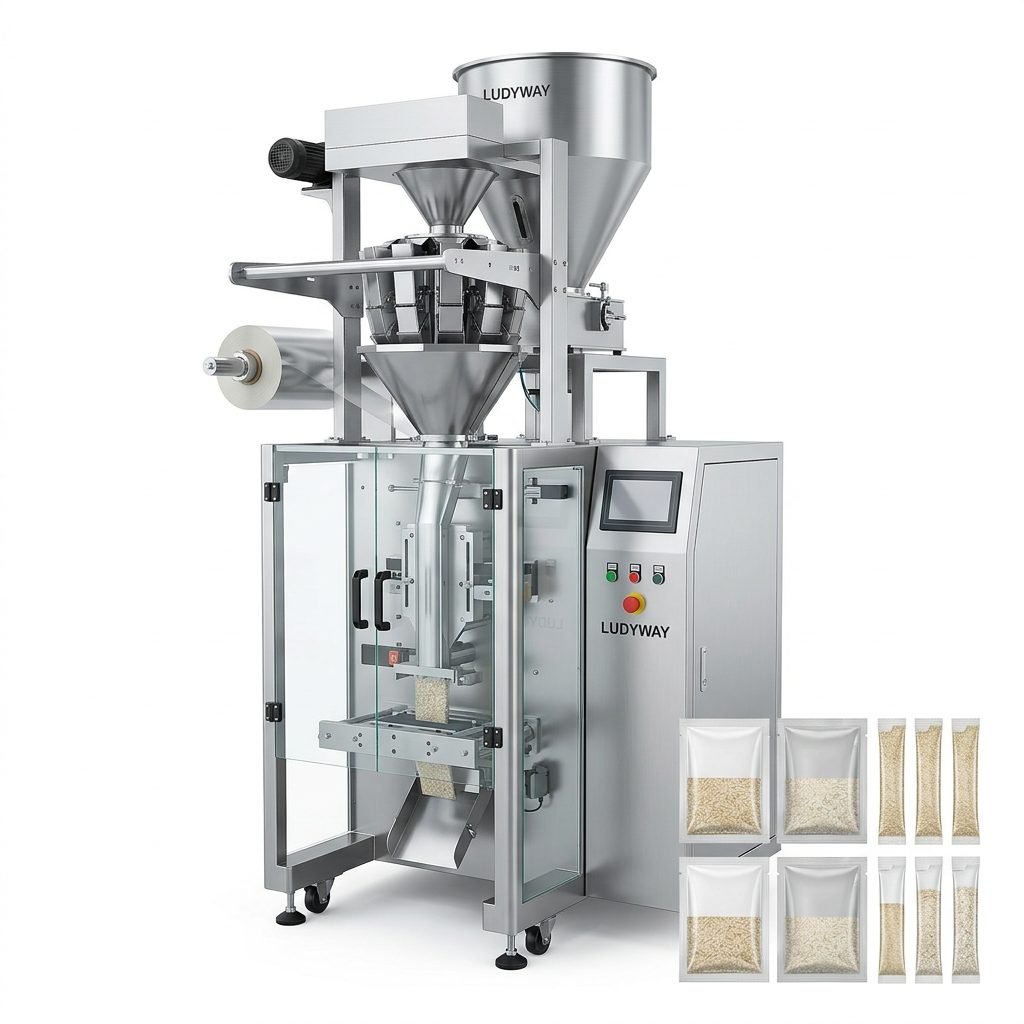
- Pouches: From premade zipper pouches to large format bags, these suit snacks, dry food items, and pet food. Pouch packaging lines often integrate multi-head weighers.
Step 3: Match Machine Speed with Production Goals
It is not just about the maximum rated speed; it is about sustainable output. A machine running at 80% of its peak capacity will typically be more reliable and produce better seal quality than one running at 100%. When evaluating speed, pay attention to the physical constraints of your product.
For high-volume manufacturers, multi-lane configurations are essential. A 4-lane or 10-lane machine can increase output exponentially compared to a single-lane setup without requiring proportional increases in floor space.
Step 4: Assess Manufacturing Quality and Compliance
The longevity of your packaging machine depends heavily on build materials and component sourcing. Food-grade stainless steel (304 or 316L) is essential for the food and pharmaceutical industries to prevent corrosion and facilitate clean-in-place (CIP) processes.
Additionally, verify that the machinery complies with international safety and quality standards. Leading manufacturers align their equipment with regulations from organizations like PMMI and Flexible Packaging Association. Electrical components should ideally come from recognized global suppliers to ensure easy replacement and maintenance worldwide.
Step 5: Evaluate Integration and Customization Capabilities
No two factories are exactly alike. Your new packaging machine must integrate seamlessly with existing upstream and downstream equipment, such as conveyors, checkweighers, metal detectors, and cartoning machines.
As a China-based packaging machinery manufacturer with more than 30 years of experience, Ludyway Machinery excels in providing customized turnkey solutions. Operating from a 20,000-square-meter facility with over 130 professionals, the company offers more than 50 packaging machine models designed for different production requirements. Rather than relying solely on standardized catalog machines, their engineering team evaluates your product characteristics to configure the appropriate dosing system, bag format, and automation level. This customized approach is crucial for manufacturers looking to scale up production capacity or automate manual processes. Notably, Ludyway is expected to achieve export revenue of more than RMB 500 million (approximately US$69 million) in 2025, and plans to surpass RMB 1 billion (approximately US$138 million) in export revenue in 2026.

Ludyway’s robust manufacturing facility and engineering team support a global client base across more than 100 countries.
Step 6: Consider After-Sales Support and Spare Parts
A packaging machine is a long-term investment. The availability of technical support, operator training, and genuine spare parts is just as important as the initial build quality. Downtime in a packaging line translates directly to lost revenue.
| Support Criteria | Why It Matters |
|---|---|
| Remote Diagnostics | Resolves 70% of software/electrical issues without waiting for an on-site engineer. |
| Global Spare Parts | Ensures quick replacement of wear items like sealing jaws and belts. |
| Installation & Commissioning | Proper setup guarantees the machine meets its speed and accuracy specifications. |
Step 7: Review Real-World Performance
Before finalizing your purchase, review case studies or request a factory acceptance test (FAT). Seeing the machine run your specific product and film is the most reliable way to confirm performance. Pay attention to seal consistency, fill accuracy (usually ±0.5-1% depending on the product), and changeover time between batch runs.
Key Takeaways for Your Buying Decision
- Prioritize dosing accuracy for your specific product state.
- Choose a packaging format that aligns with market demand and material costs.
- Verify the quality of electrical and pneumatic components inside the frame.
- Always request an in-house test or factory acceptance test with your raw materials.
- Evaluate the supplier’s global service network and feedback from users in your region.
By focusing on these seven steps, you can select an OMAG packaging machine that delivers consistent, high-speed output while minimizing total cost of ownership. For more detailed guidance on flexible packaging standards, you can explore resources from the PMMI Business Intelligence Library or review FDA guidelines on Food Packaging & Food Contact Substances.