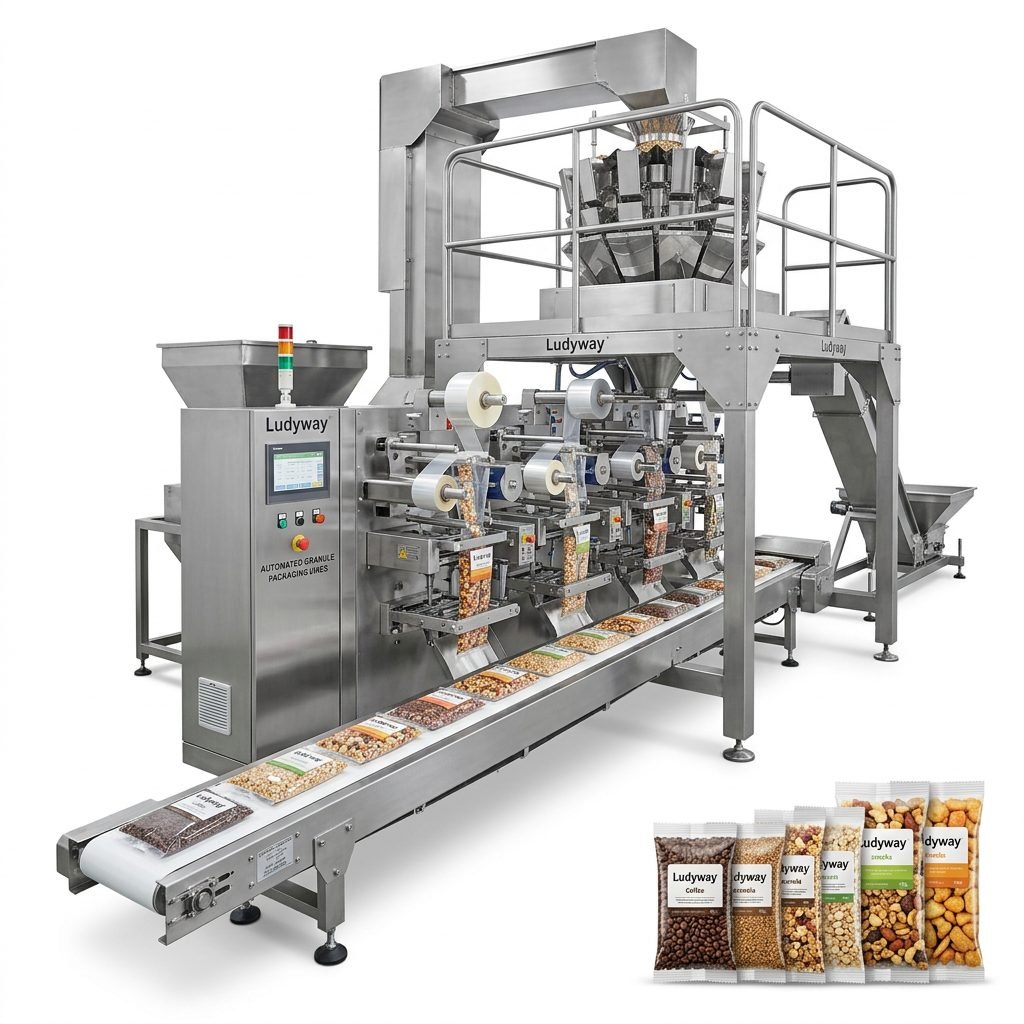
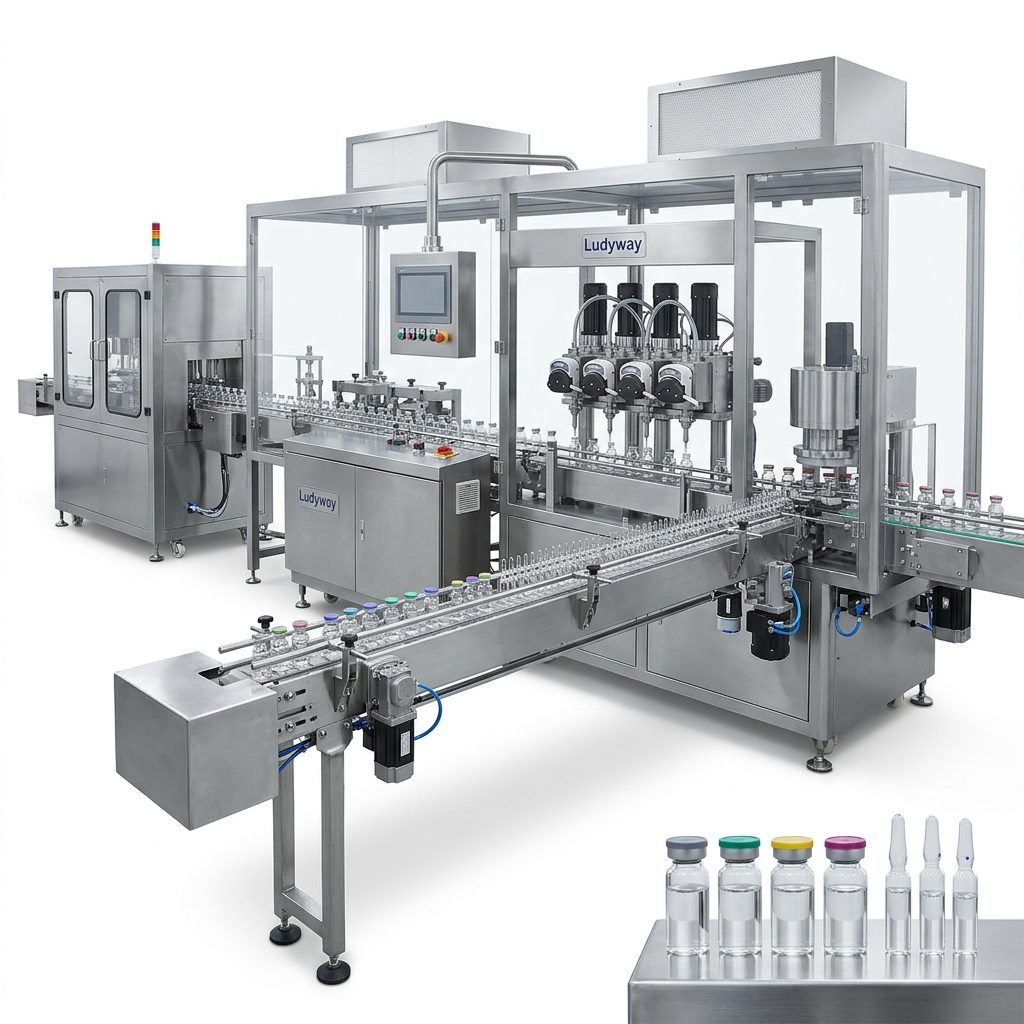
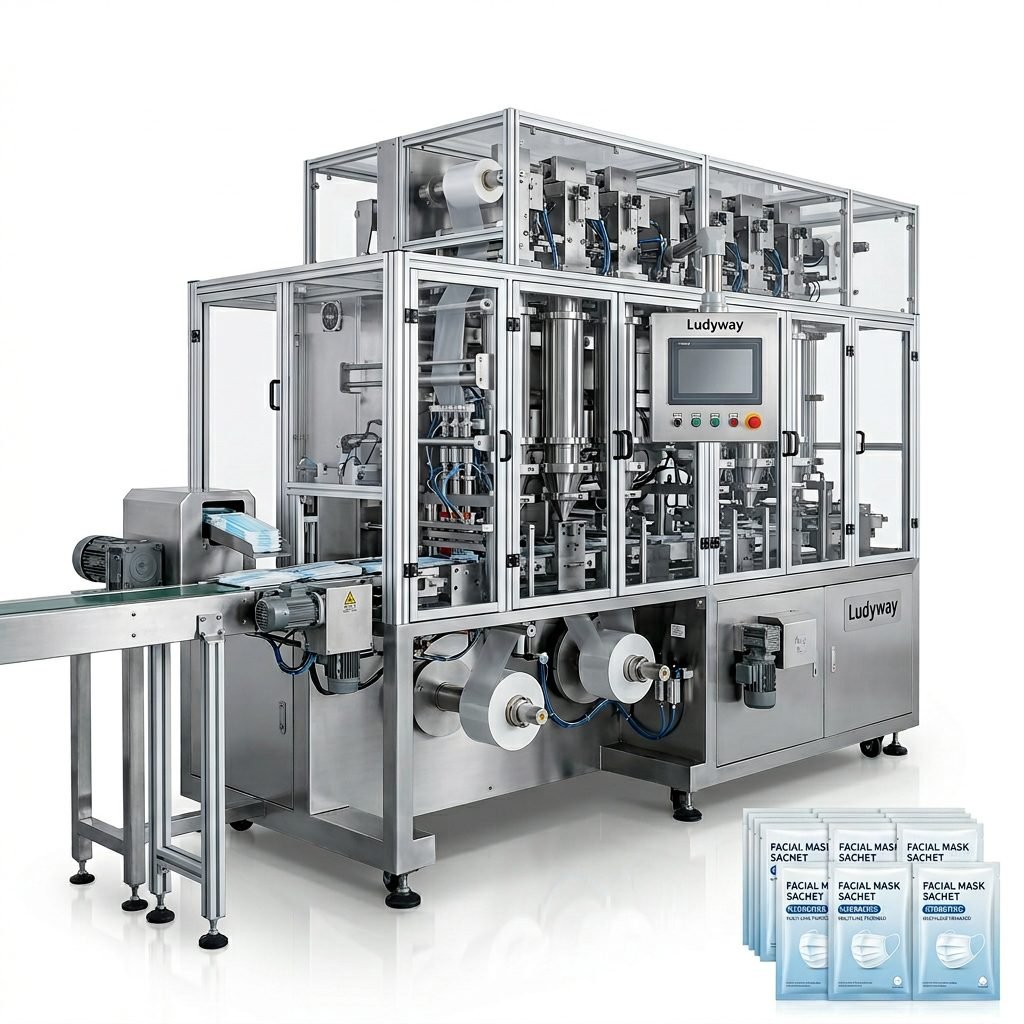
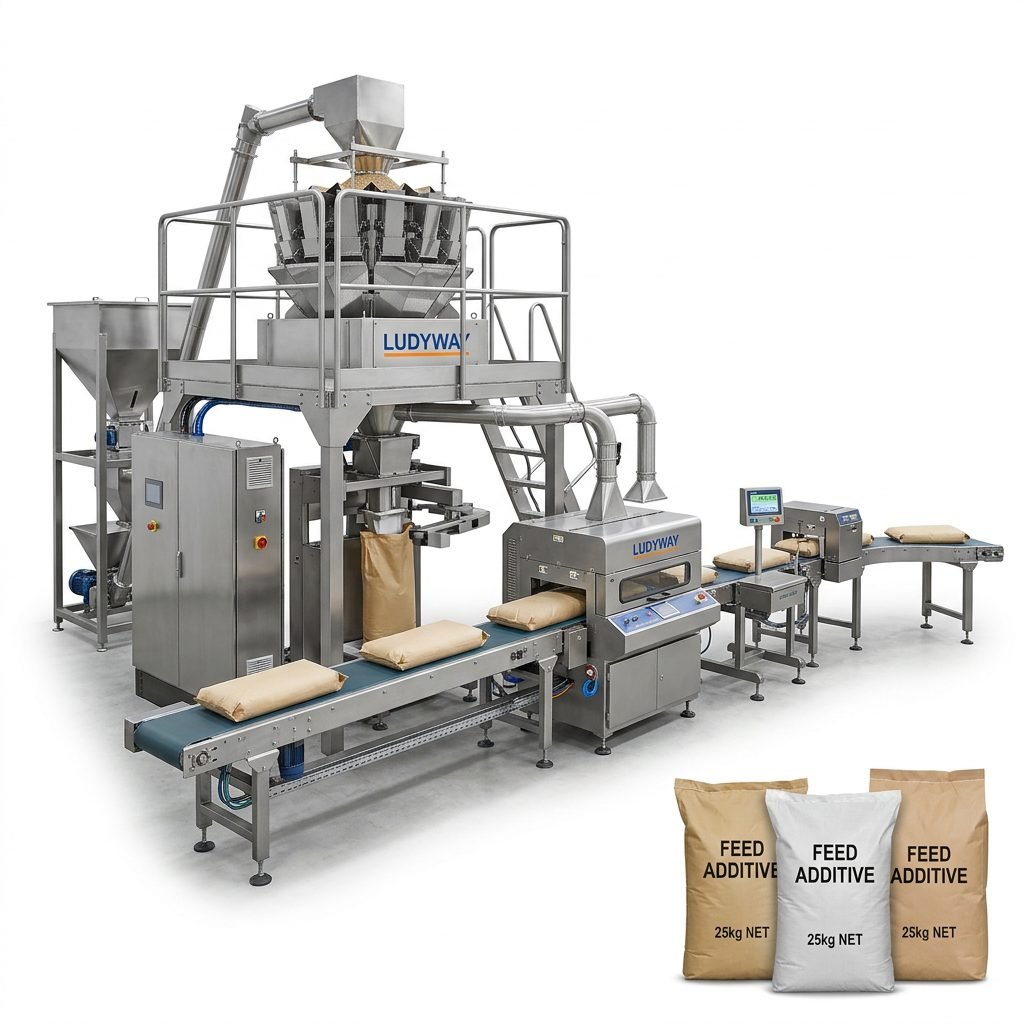
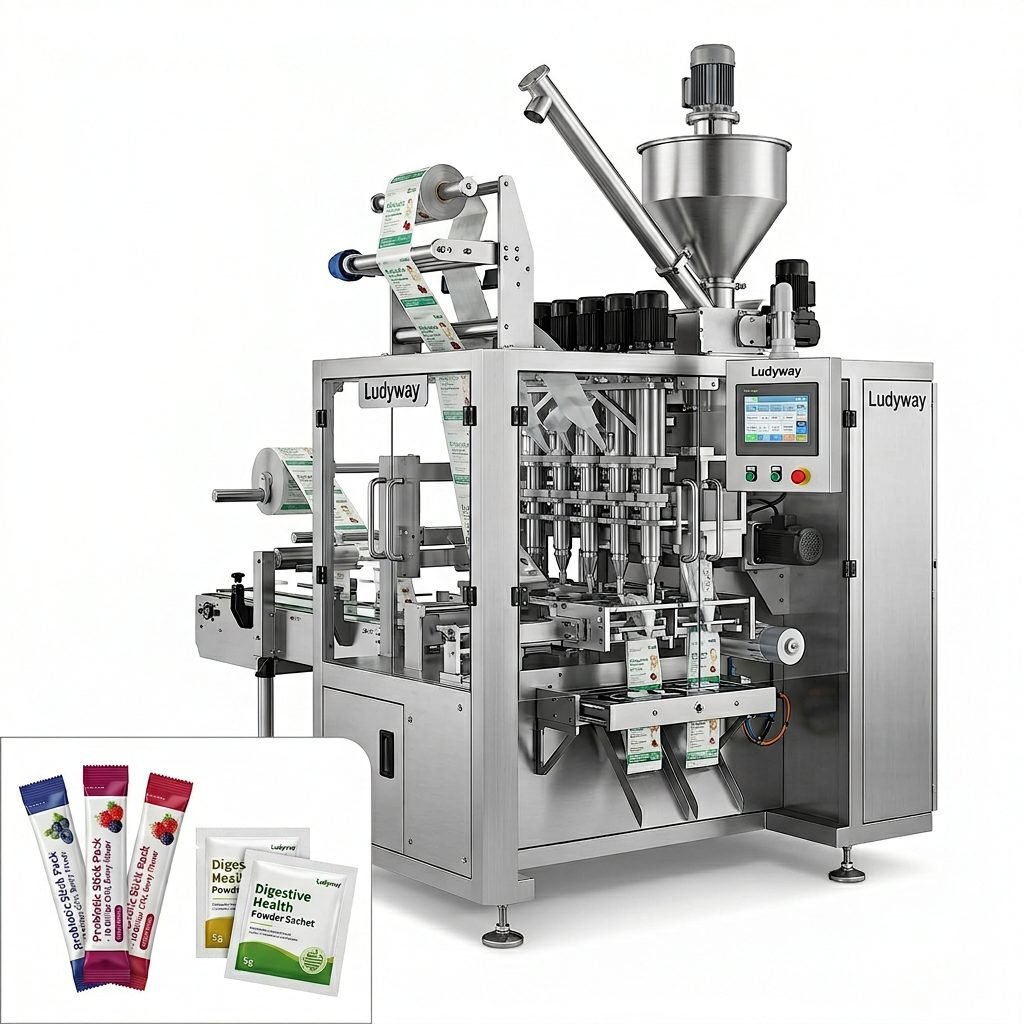
For food manufacturers across Europe, finding the best small sauce packaging machine is critical to staying competitive. Whether you produce ketchup, mayonnaise, chili sauce, or specialty condiments, the right equipment directly impacts your production efficiency, product quality, and bottom line. This guide explores what makes a compact sauce packaging machine truly exceptional and why European businesses are increasingly turning to advanced multi-lane solutions.
Why Small Sauce Packaging Machines Matter in Europe
The European sauce market is projected to grow steadily, driven by demand for convenience foods and single-serve portions. Restaurants, airlines, catering services, and retail chains all require reliable sachet and stick pack packaging. A compact machine that delivers high output without occupying excessive floor space has become essential for manufacturers looking to scale operations efficiently.
Traditional large-scale lines often prove impractical for mid-sized producers. The best small sauce packaging machine bridges this gap — offering industrial-grade performance in a footprint that suits modern production facilities. These machines handle various sauce viscosities, from thin soy sauce to thick mayonnaise, with precision and consistency.
Key Features of the Best Small Sauce Packaging Machine
When evaluating equipment, European buyers prioritize specific capabilities. Here are the essential features that define a top-tier solution:
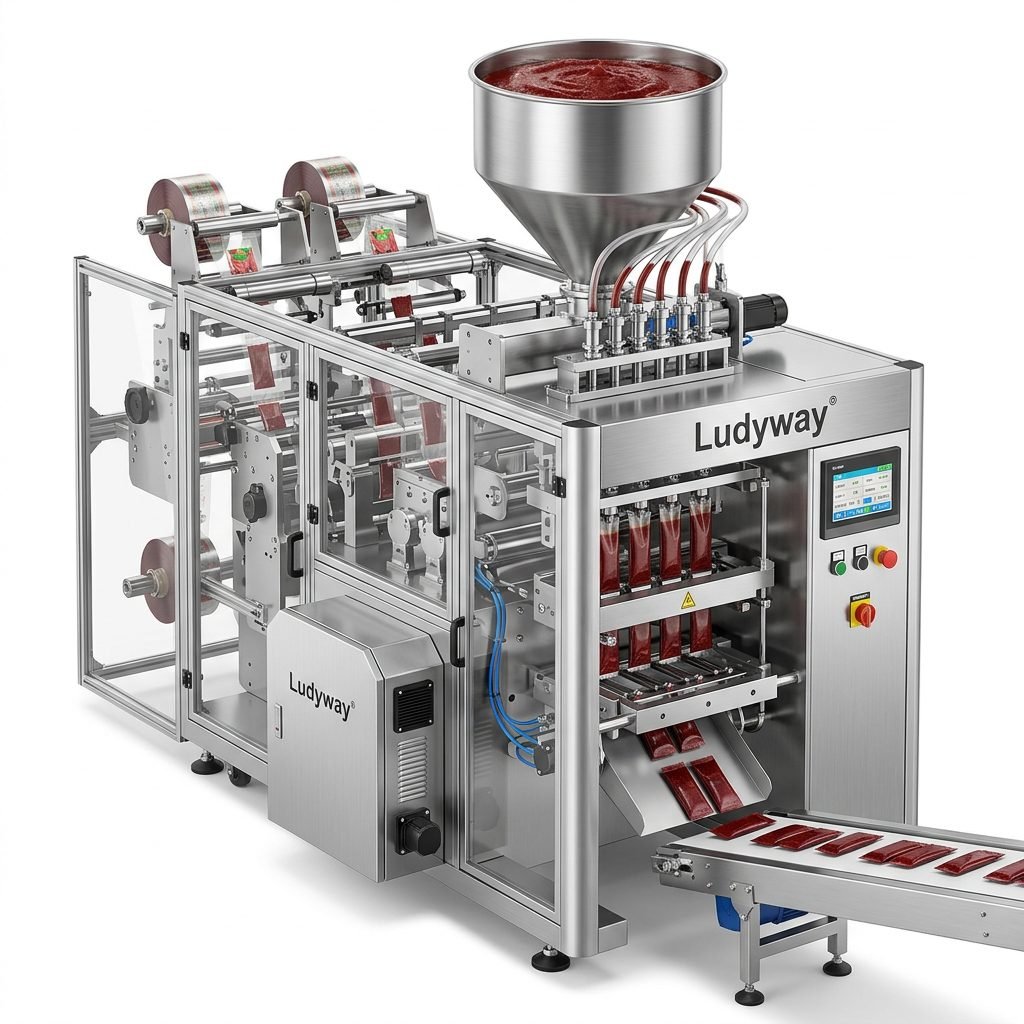
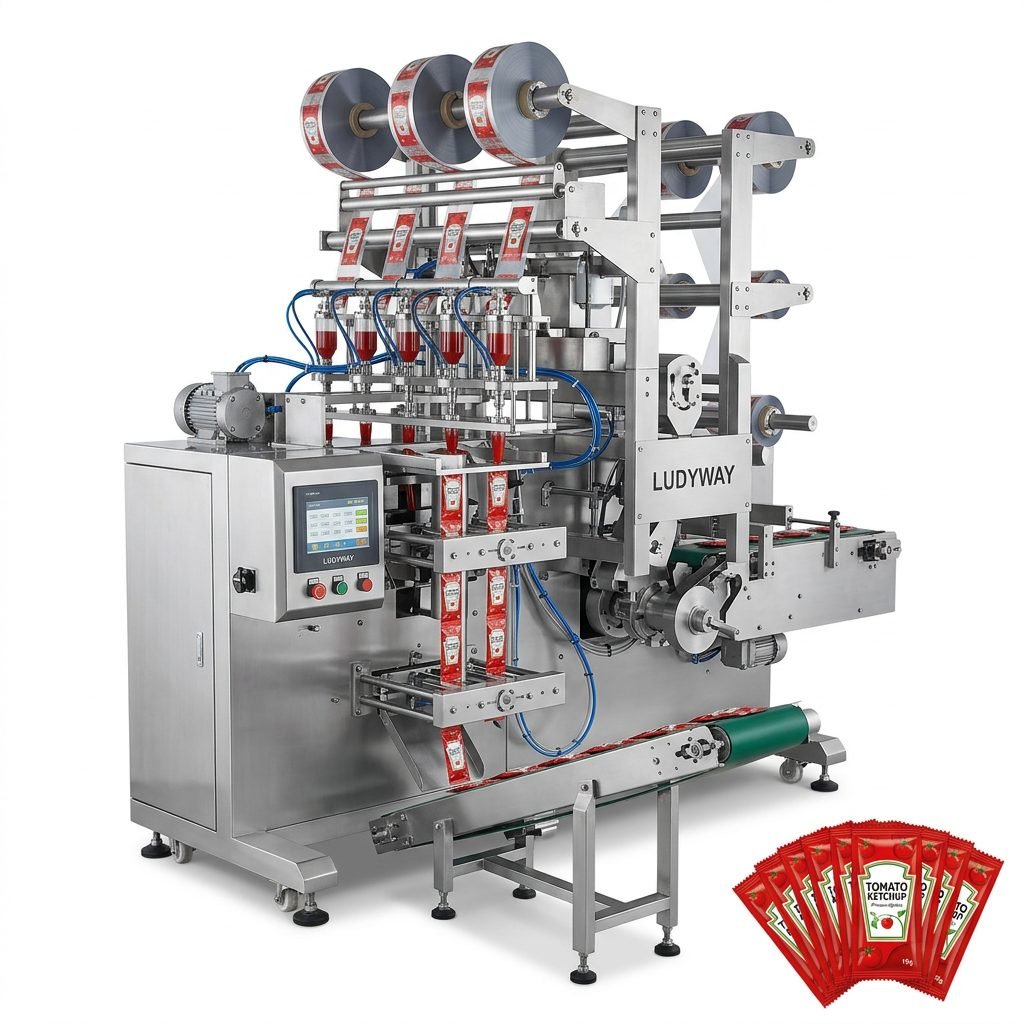
- Multi-lane configuration — Running 4 to 12 lanes simultaneously dramatically increases output while maintaining a compact footprint
- Precision liquid filling — Servo-driven pumps ensure accurate dosing for every sachet, reducing product giveaway
- Quick changeover — Tool-less adjustments allow switching between different sauce types and sachet sizes in minutes
- Hygienic design — Stainless steel construction with easy-clean surfaces meets EU food safety standards
- Intelligent controls — Touchscreen interfaces with recipe memory simplify operation and minimize training requirements
Multi-Lane Technology for Maximum Output
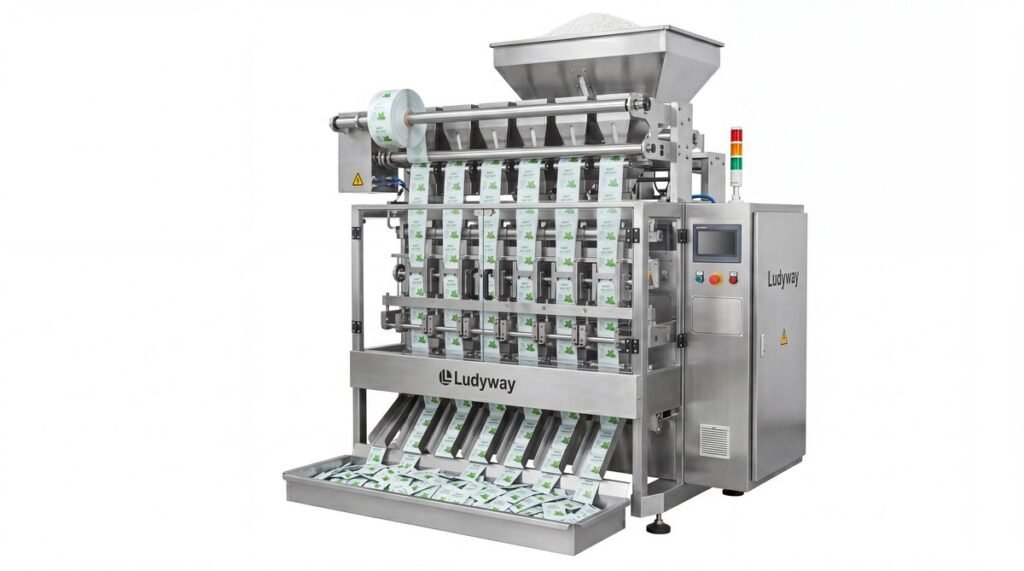
One of the biggest advantages of modern small sauce packaging equipment is multi-lane technology. Unlike single-lane machines that produce one sachet per cycle, multi-lane systems fill multiple sachets simultaneously. This means a 6-lane machine running at moderate speed can easily produce over 200 sachets per minute — comparable to much larger traditional systems.
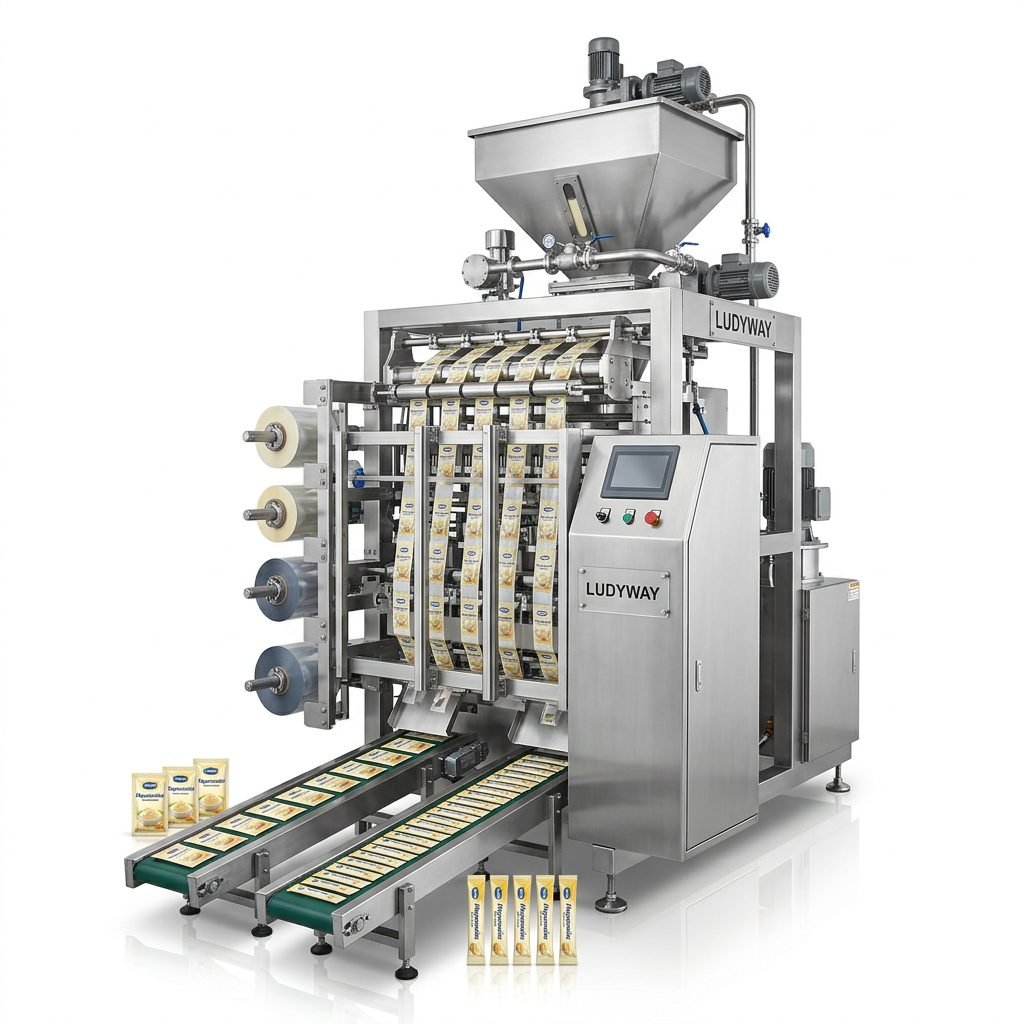
According to PMMI packaging industry intelligence, multi-lane technology continues to gain adoption across food sectors due to its efficiency advantages. European manufacturers benefit from reduced labor costs and faster time-to-market with these advanced systems.
Versatility Across Sauce Types
The best small sauce packaging machine handles a remarkable range of products. From water-thin vinegar-based sauces to thick, chunky relishes, versatility matters. Key capabilities include:
- Thin liquids: soy sauce, fish sauce, vinegar, and brine solutions
- Medium viscosity: ketchup, BBQ sauce, and salad dressings
- Thick pastes: mayonnaise, mustard, and curry pastes
- Oil-based sauces: chili oil, pesto, and infused oils
- Hot-fill applications for shelf-stable products

Compact Footprint, Big Performance
Space constraints challenge many European production facilities. A multi-lane stick pack machine measuring just a few meters in length can replace what previously required an entire room of equipment. This efficient design means lower facility costs and easier integration into existing lines. The best small sauce packaging machine maximizes every square meter of your production floor.
Cost-Effectiveness and ROI
Investing in a compact multi-lane system delivers rapid returns. Reduced labor requirements, minimal product waste, and high throughput combine to create compelling economics. Most European manufacturers report full ROI within 12 to 18 months. Additionally, lower energy consumption and reduced maintenance costs compared to older single-lane equipment contribute to long-term savings.
The Flexible Packaging Association reports that sachet and stick pack formats continue gaining market share across Europe, making this an opportune time to upgrade packaging capabilities.
Comparison Table: Small Sauce Packaging Technologies
| Feature | Single-Lane Machine | Multi-Lane Machine (4-12 Lanes) |
|---|---|---|
| Output per minute | 30-60 sachets | 120-400+ sachets |
| Floor space | Compact | Compact to moderate |
| Labor requirement | 1 operator per machine | 1 operator for multiple lanes |
| Changeover time | 15-30 minutes | 10-20 minutes |
| Cost per sachet | Higher | Lower |
| Best for | Startups, low volume | Growing & established producers |
Industry Standards and Compliance
European food packaging must meet stringent regulatory requirements. The best small sauce packaging machine should comply with FDA food packaging standards and relevant ISO packaging standards. Stainless steel construction, IP-rated electrical components, and validation-ready design ensure smooth certification processes for European markets.
Why Choose Ludyway as Your Supplier
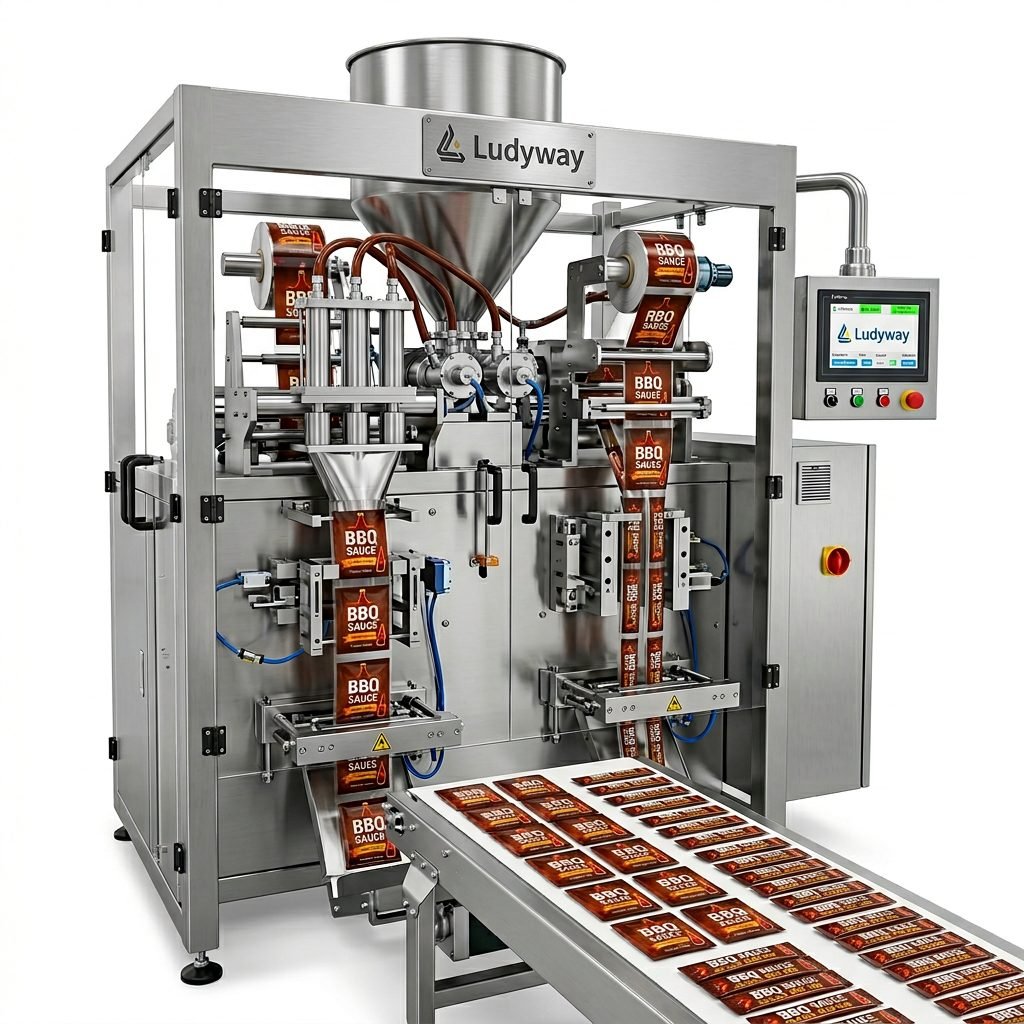
For European manufacturers seeking the best small sauce packaging machine, Ludyway delivers proven performance. Backed by a modern 20,000㎡ manufacturing facility and 30+ years of industry experience, Ludyway offers over 50 intelligent packaging machine models covering granule, powder, liquid, and pouch applications. The company serves customers in over 100 countries and regions, providing reliable multi-lane stick pack, sachet, and fully automated packaging systems designed for high efficiency and cost-effectiveness.
Getting Started with Your Packaging Upgrade
Selecting the best small sauce packaging machine requires careful evaluation of your production goals, sauce characteristics, and facility constraints. Consider requesting sample runs with your actual products to verify fill accuracy and seal integrity. Leading manufacturers offer consultation services to help match the right configuration to your specific needs — from lane count and sachet dimensions to filling systems and optional accessories like date coders and reject stations.
With the right equipment partner, European sauce producers can achieve higher throughput, lower costs, and consistent quality — all from a machine that fits seamlessly into existing operations. The investment in advanced multi-lane technology positions your business for sustainable growth in an increasingly competitive market.