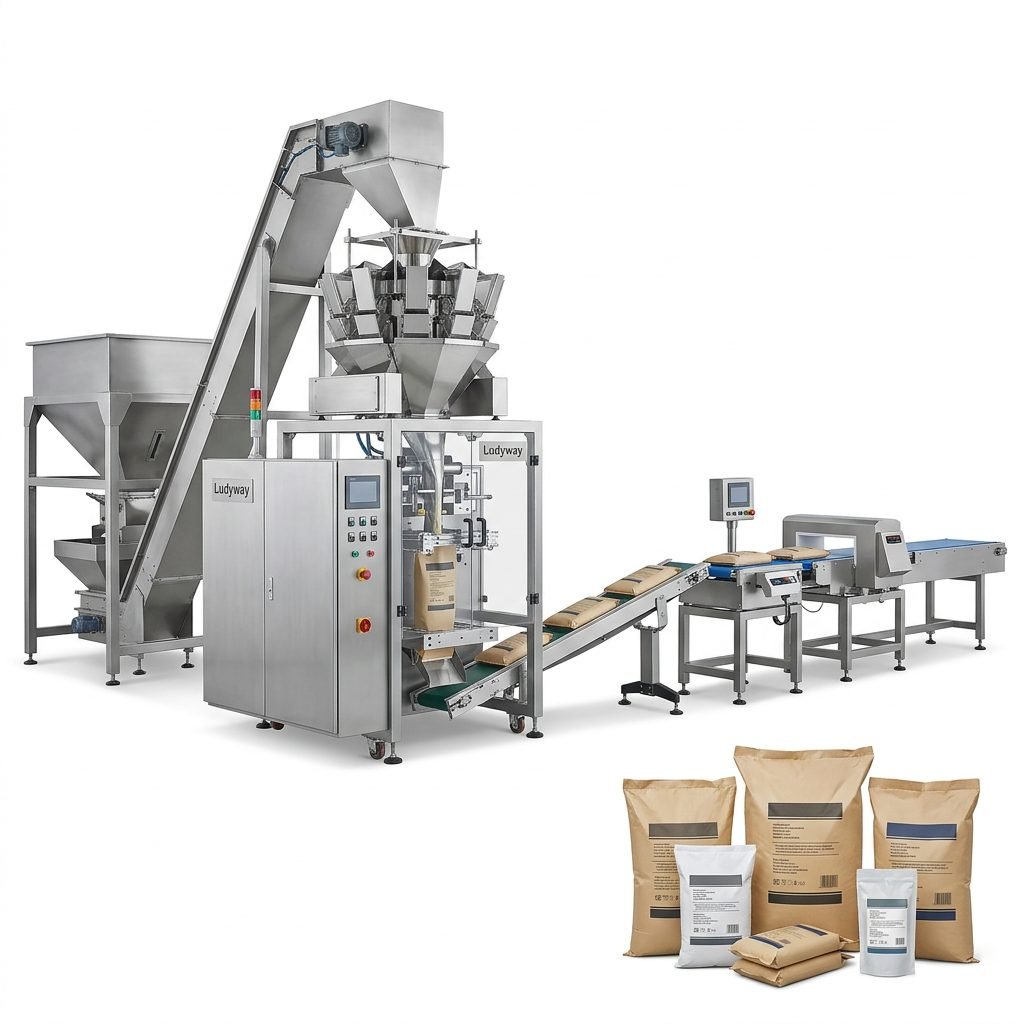
Investing in a small sauce packaging machine is a critical decision for food manufacturers looking to scale production, improve efficiency, and maintain product quality. China has emerged as a global hub for cost-effective and technologically advanced packaging equipment, offering a wide range of solutions tailored to different sauce types — from ketchup and chili sauce to mayonnaise, curry sauce, and BBQ sauces. This guide walks you through everything you need to know before making a purchase, helping you navigate supplier selection, technical specifications, and key industry standards.
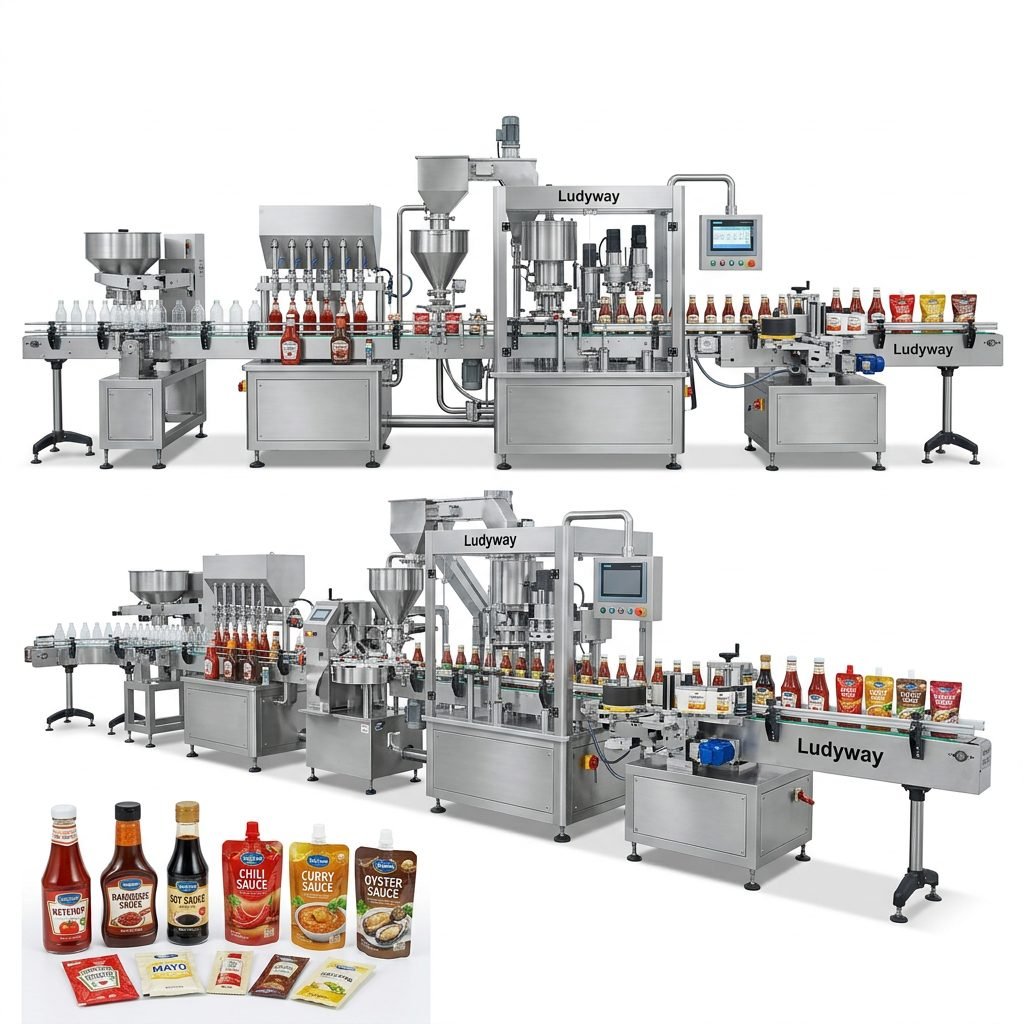
Understanding Sauce Packaging Machine Types
Before contacting suppliers, it is essential to understand the different types of sauce packaging machines available in the Chinese market. The most common configurations include:
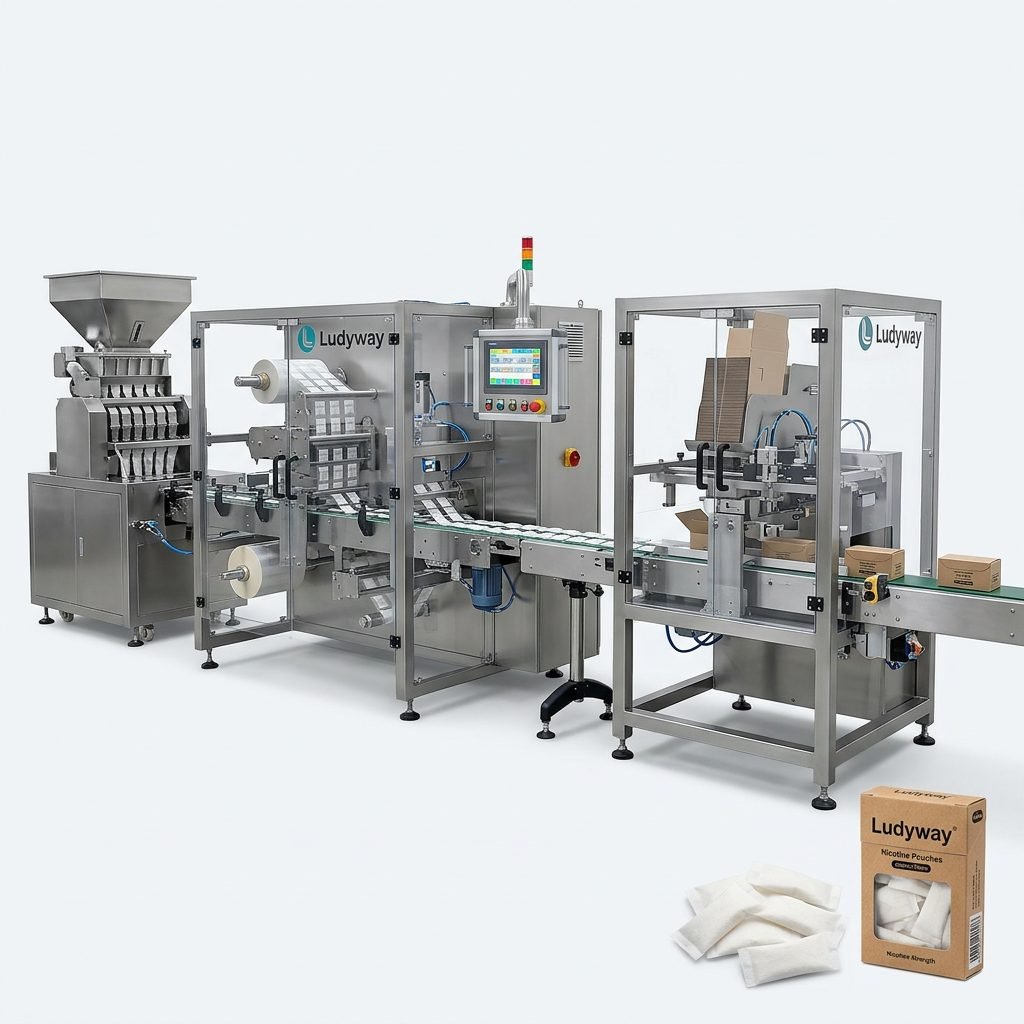
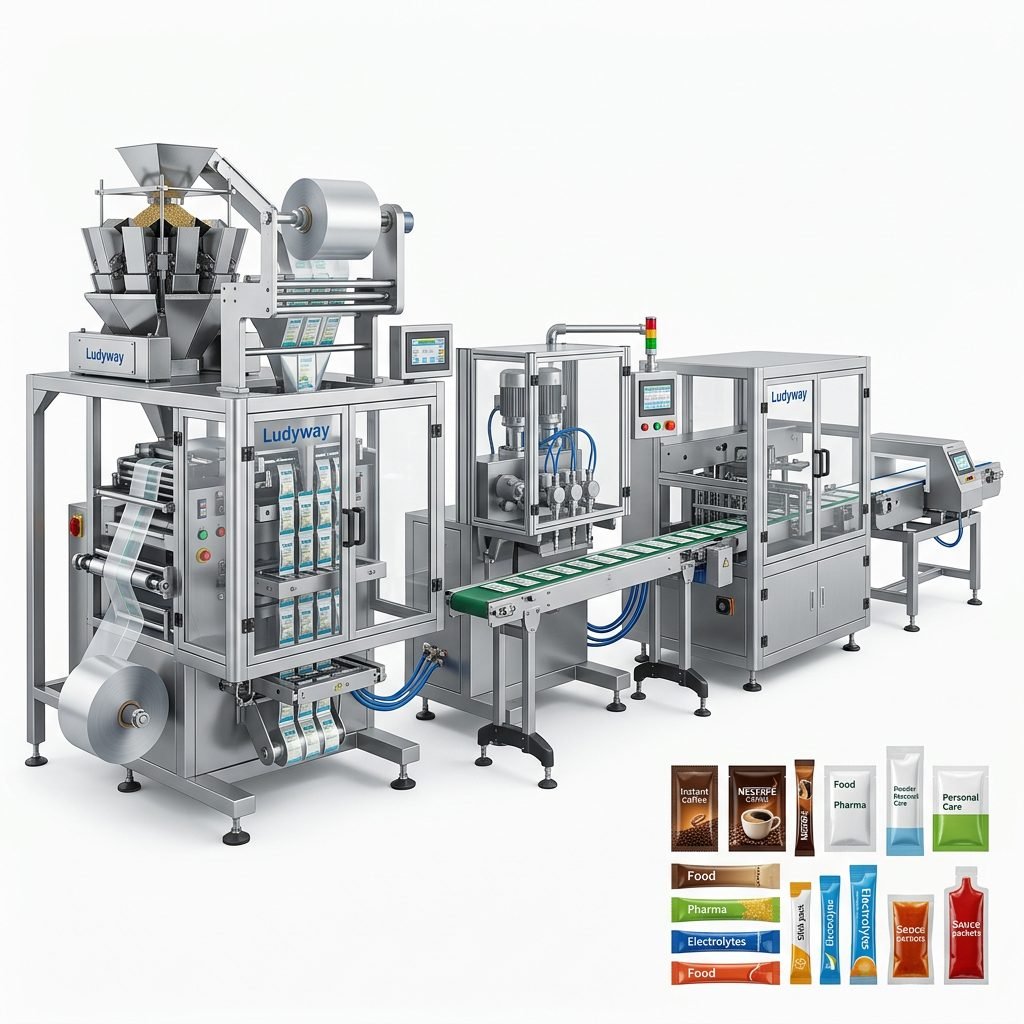
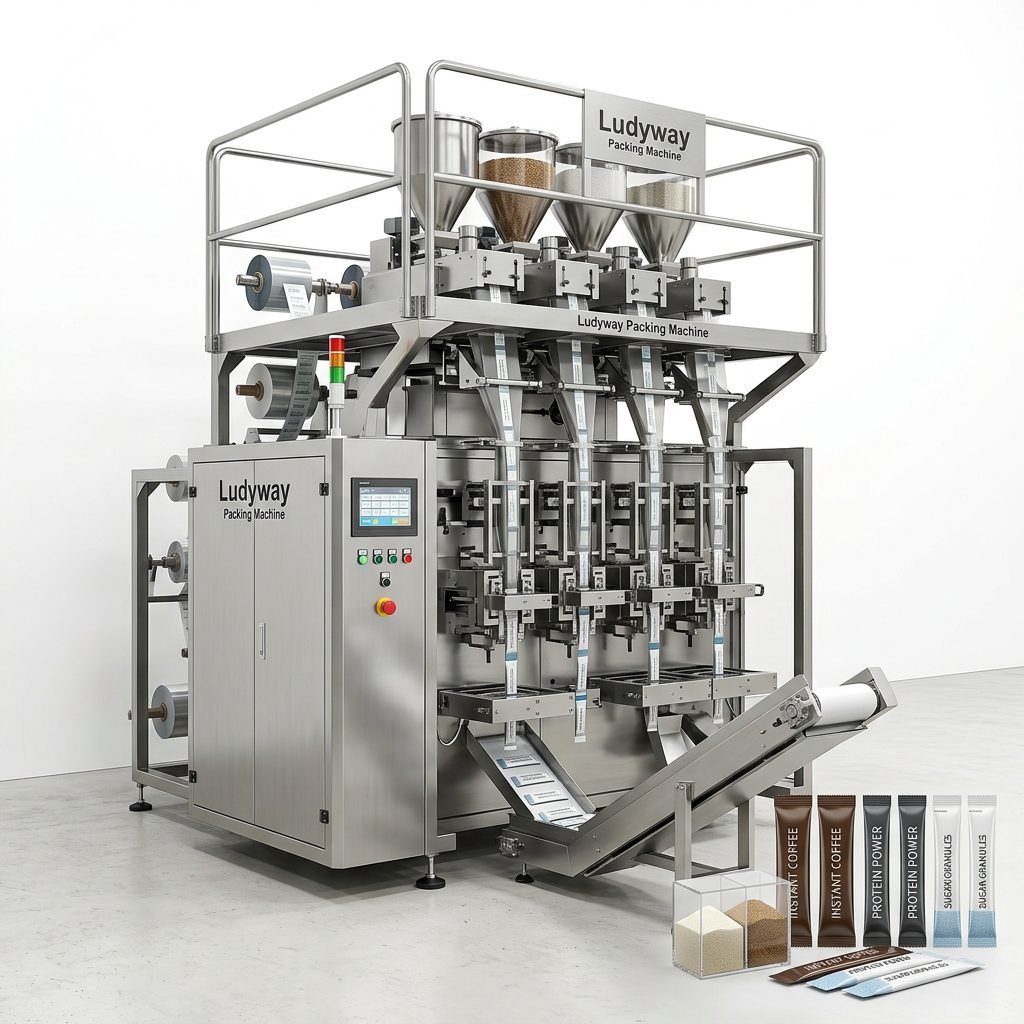
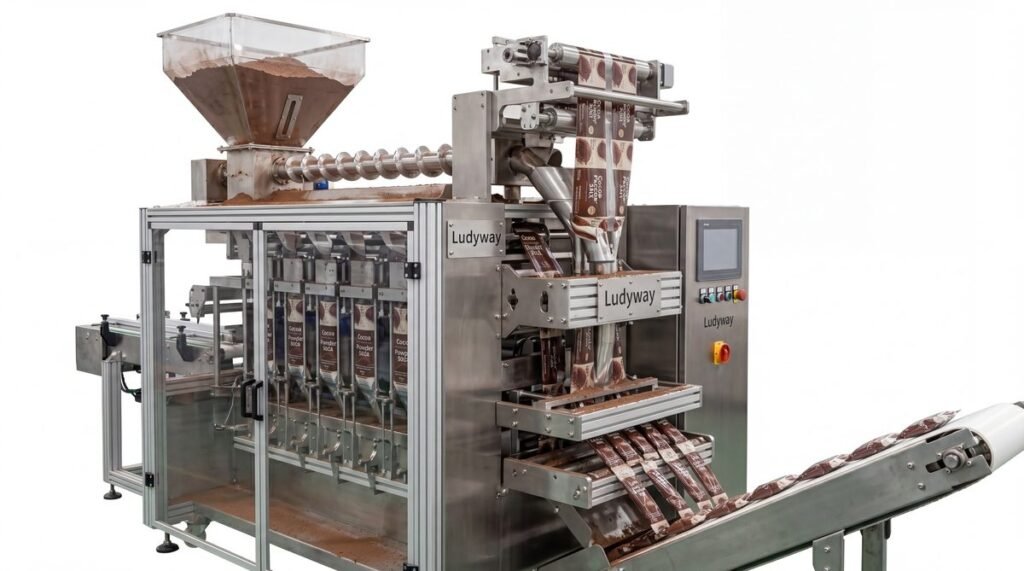
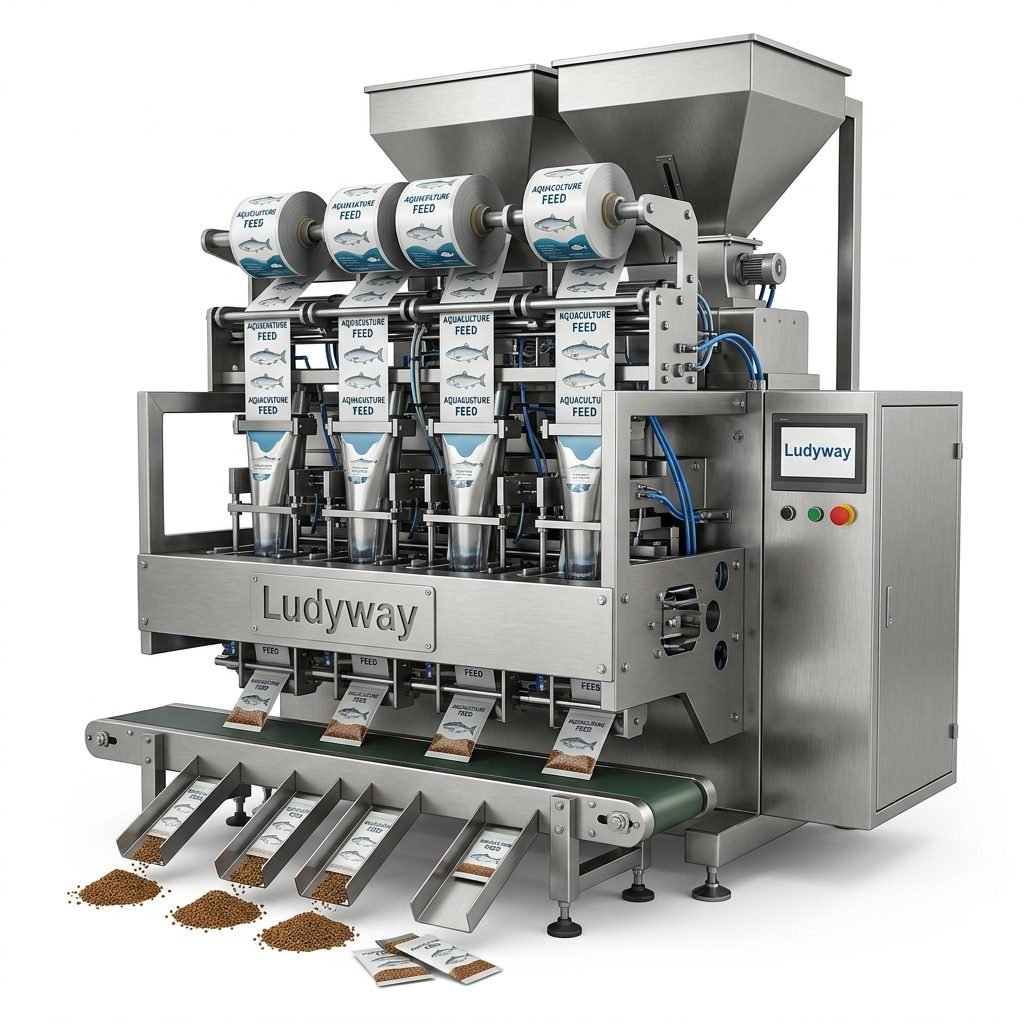
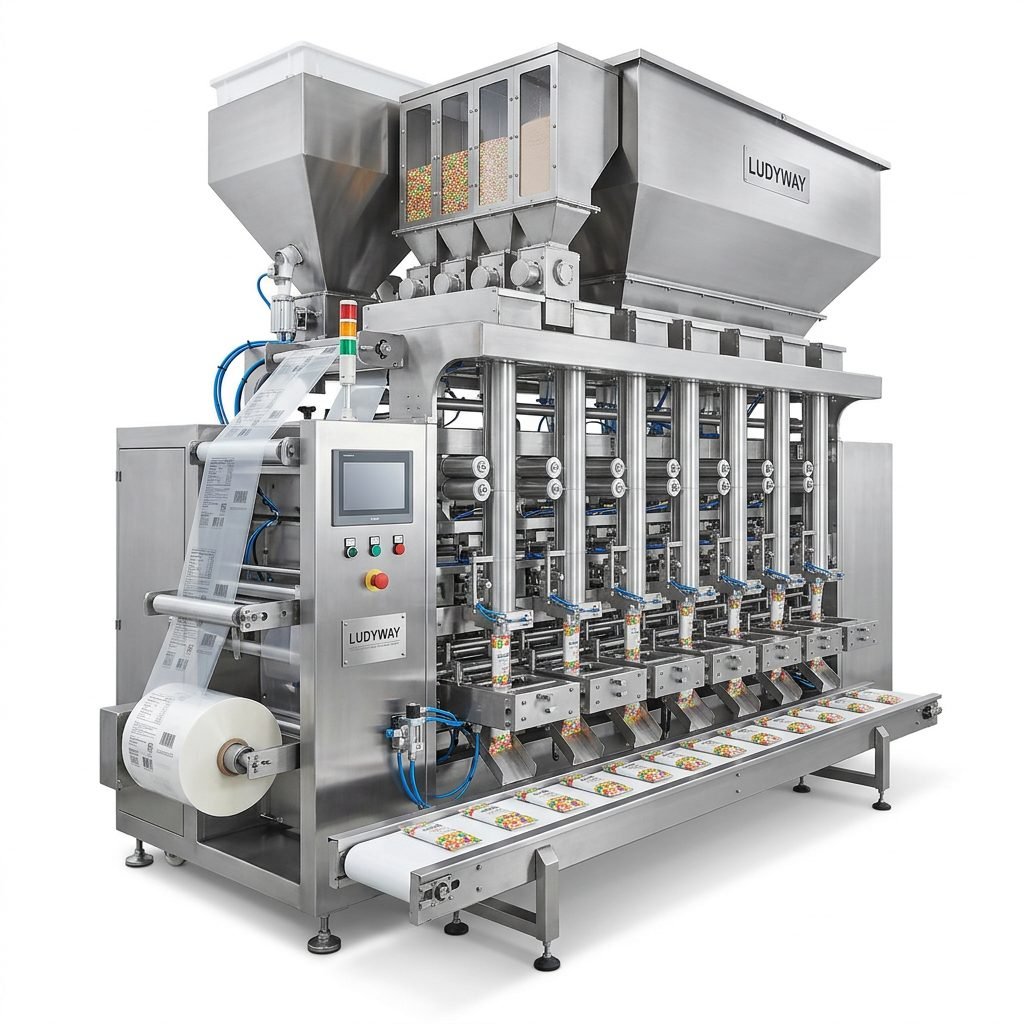
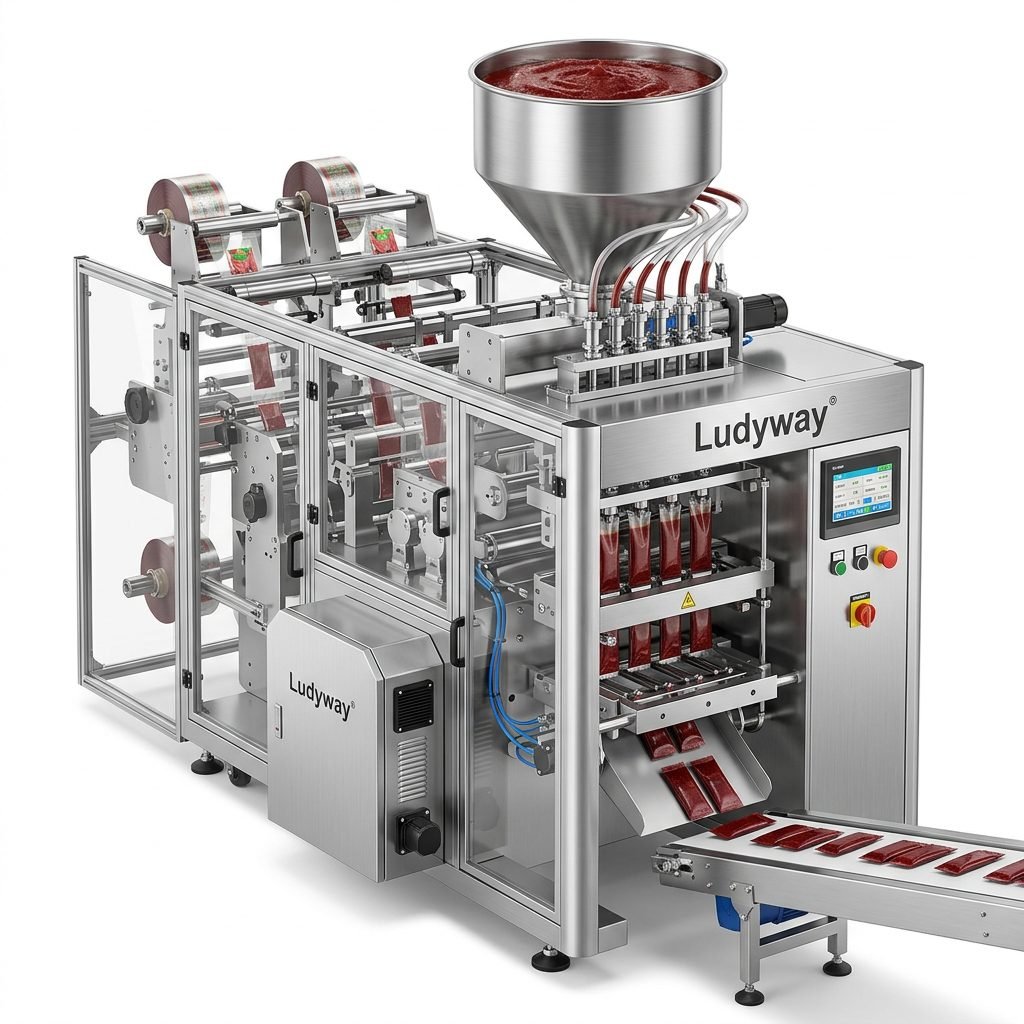
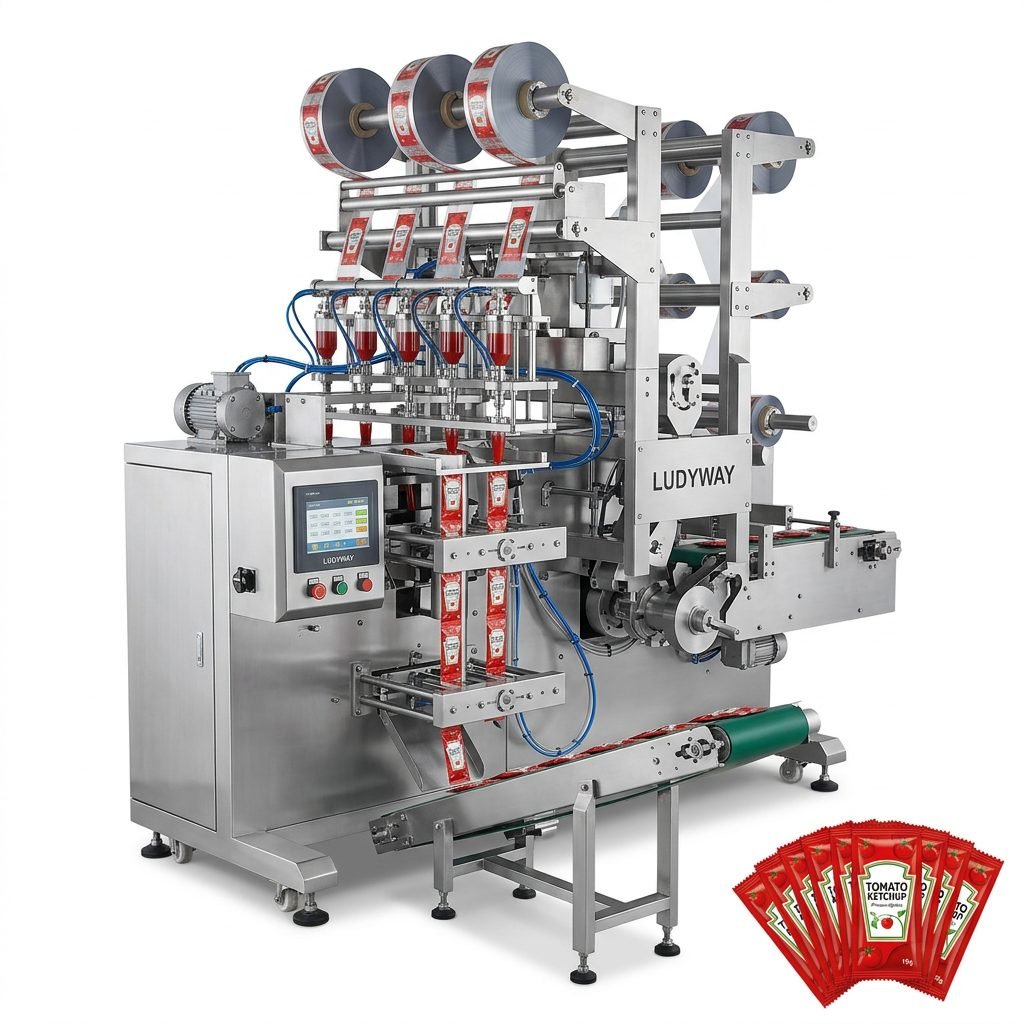
- Sachet packaging machines — Ideal for single-serve portions of ketchup, mustard, soy sauce, and chili sauce. These machines typically operate in multi-lane configurations for high-speed output.
- Stick pack machines — Perfect for narrow, elongated packages commonly used for convenience food products and on-the-go condiments.
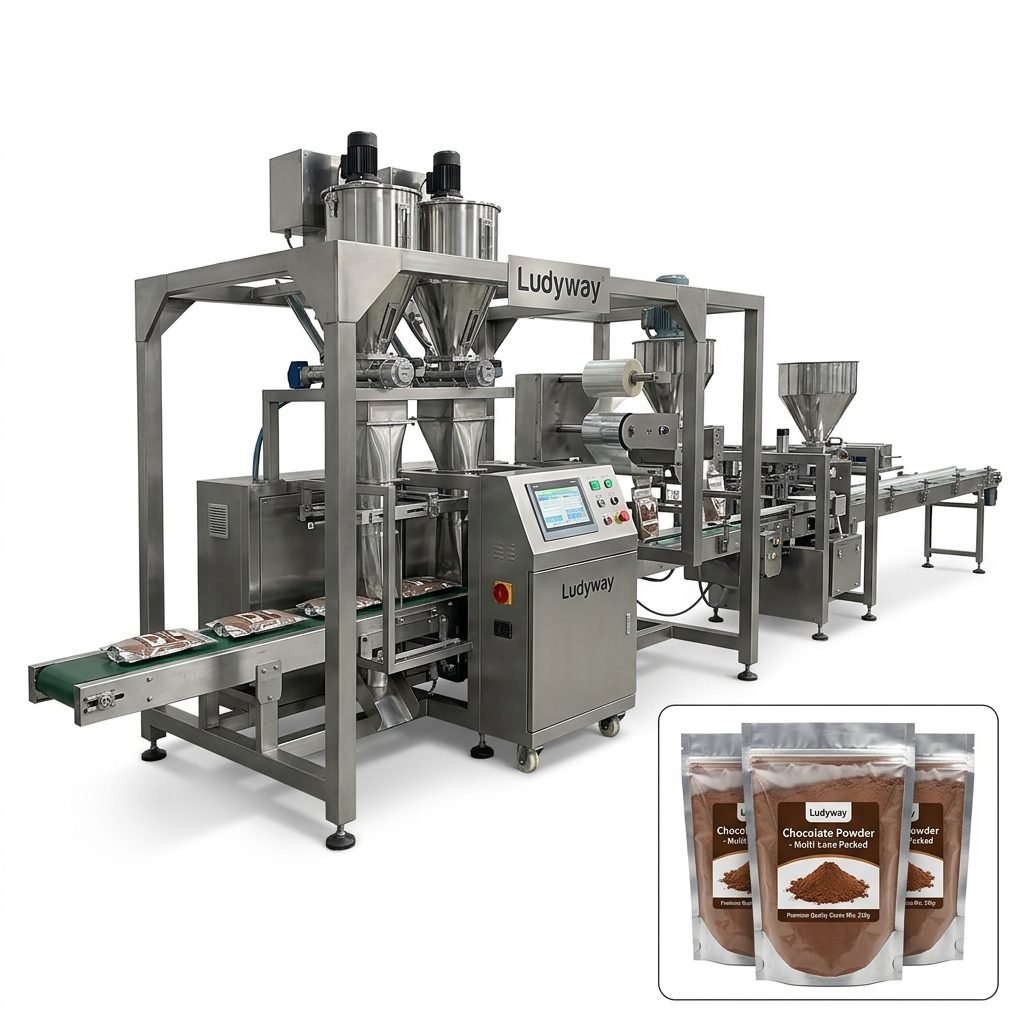
- Pouch filling machines — Suitable for larger volumes, including premade pouch systems for retail-ready sauce products.
- Bottle filling and capping lines — For liquid sauces sold in glass or plastic bottles, often integrated with labeling systems.
Key Technical Specifications to Evaluate
When evaluating a small sauce packaging machine from a Chinese manufacturer, certain technical parameters demand close attention. These specifications directly impact production capacity, packaging quality, and long-term reliability.
| Specification | Why It Matters | Typical Range |
|---|---|---|
| Filling Volume | Determines portion size flexibility | 1ml – 500ml |
| Production Speed | Impacts daily output capacity | 30 – 200 packs/min |
| Lane Configuration | Multi-lane increases throughput | 4 – 16 lanes |
| Material Compatibility | Ensures compatibility with film types | Laminated, aluminum, PE |
| Automation Level | Affects labor requirements | Semi-auto to fully automatic |
Selecting the Right Supplier in China
Choosing a Chinese packaging machine manufacturer requires thorough due diligence. Here are the critical factors to consider:
Manufacturing Capability and Facility Size
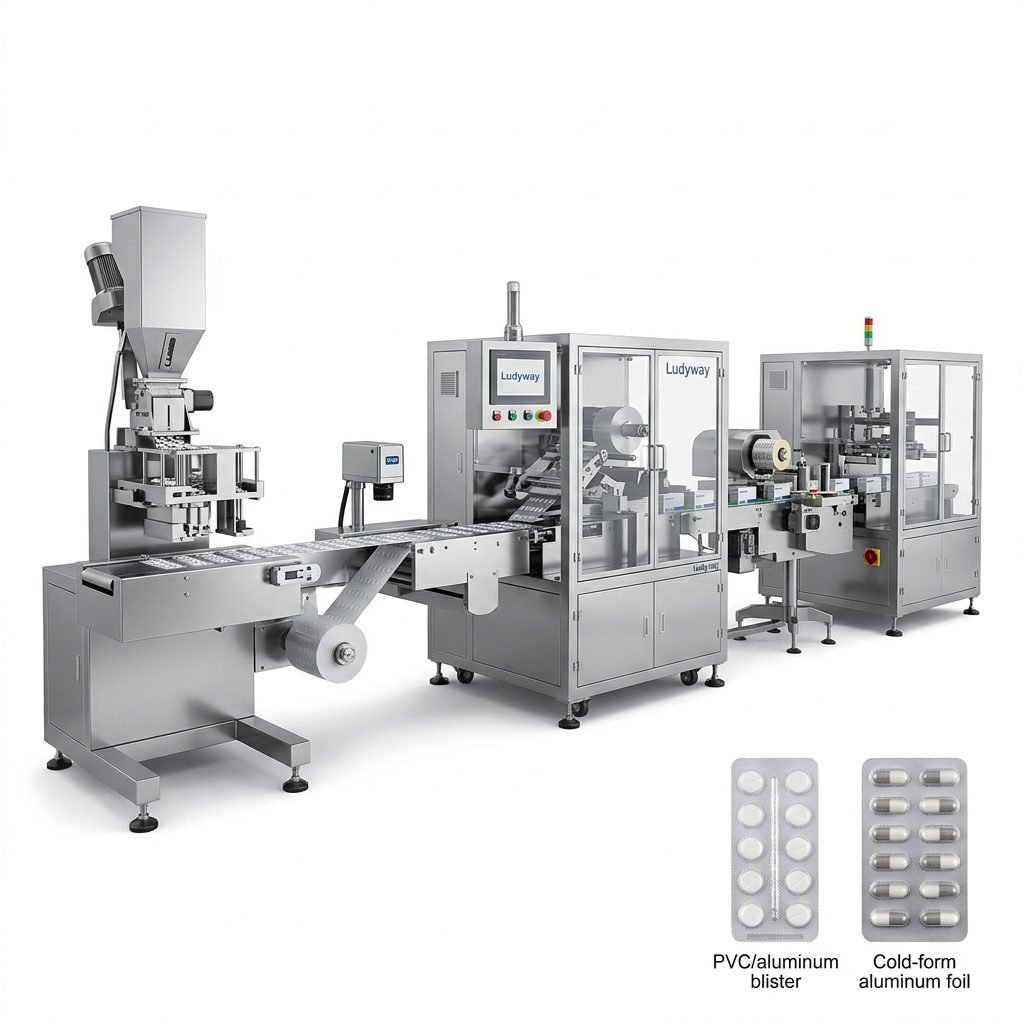
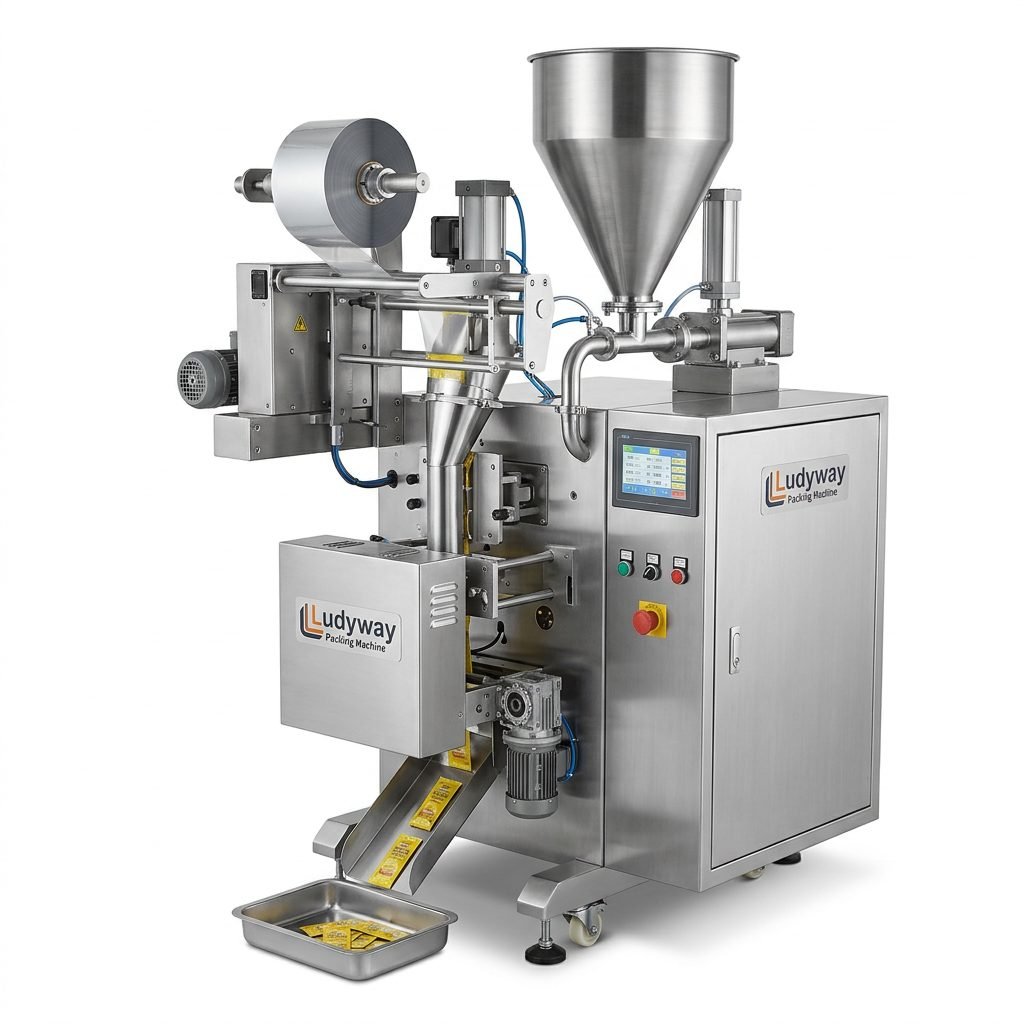
A supplier with a large-scale modern production facility indicates strong manufacturing capacity and quality control. Look for manufacturers with at least 10,000㎡ of production space and in-house engineering teams. One notable example is Ludyway, which operates a 20,000㎡ modern manufacturing facility and offers over 50 intelligent packaging machine models, serving customers in more than 100 countries.
Certifications and Compliance
Ensure the supplier meets international quality standards. Key certifications include CE marking for European markets, ISO packaging standards compliance, and adherence to FDA food contact substance regulations for products destined for the U.S. market.
After-Sales Support and Spare Parts
Reliable after-sales service is non-negotiable. Confirm that the supplier provides installation support, operator training, and readily available spare parts. A responsive technical support team can significantly reduce downtime.
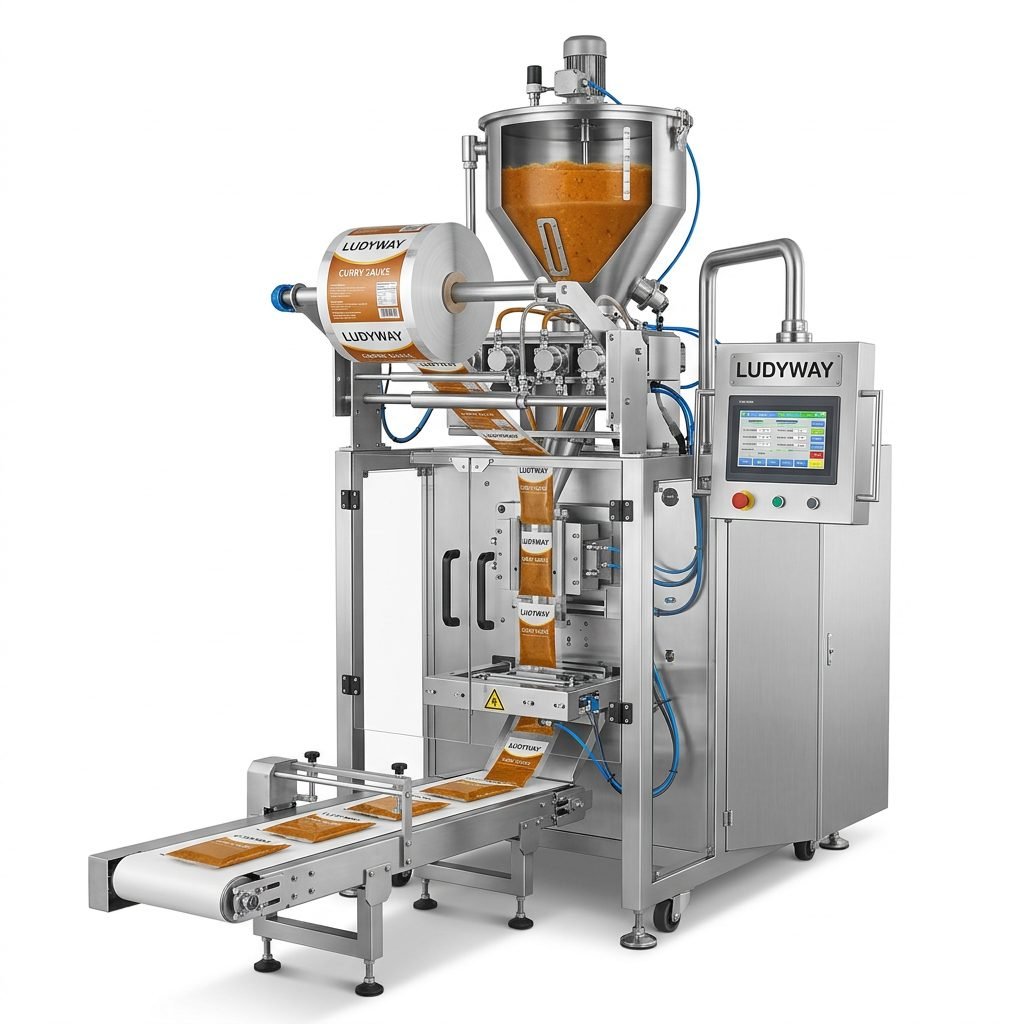
Cost Considerations and ROI Analysis
The price of a small sauce packaging machine from China varies widely depending on configuration, automation level, and brand reputation. Understanding the total cost of ownership helps in making an informed decision.
- Entry-level semi-automatic machines — Starting from approximately $5,000 – $15,000, suitable for startups and small-batch production.
- Mid-range multi-lane sachet machines — Priced between $20,000 – $60,000, offering higher throughput and better consistency.
- Fully automated turnkey lines — Can range from $80,000 to $300,000+, including filling, sealing, labeling, and cartoning systems.
When calculating return on investment, factor in labor savings, reduced material waste, increased production speed, and improved packaging consistency. Many buyers find that a quality machine pays for itself within 12–24 months.
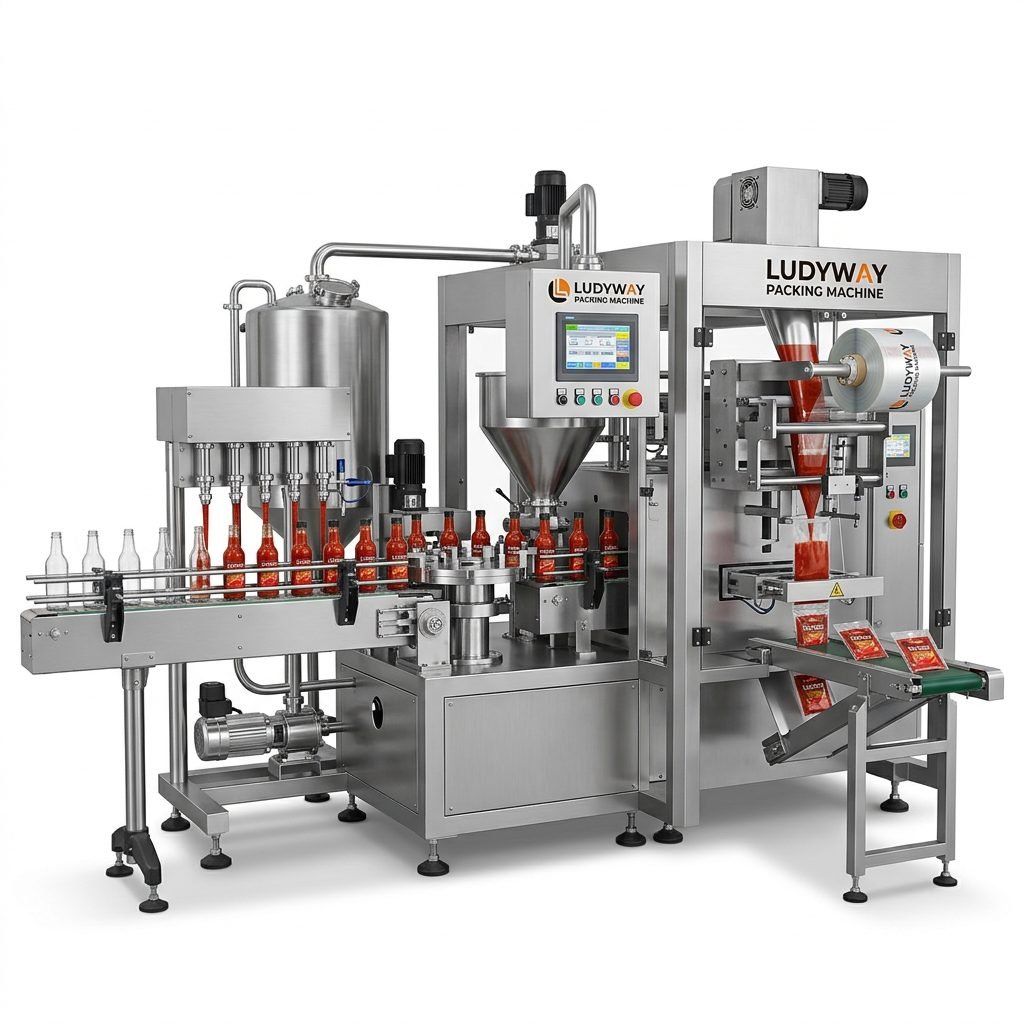
Viscosity Handling and Machine Configuration
Sauces come in a wide range of viscosities — from thin soy sauce to thick mayonnaise and chunky salsa. Your chosen machine must be equipped with the appropriate filling system:
- Piston fillers — Best for thick, viscous sauces like ketchup, mayonnaise, and BBQ sauce. They provide high accuracy and consistent portioning.
- Gravity fillers — Suitable for free-flowing thin liquids like soy sauce, vinegar, and fish sauce.
- Pump fillers — Versatile options for medium-viscosity products, including salad dressings and cooking sauces.
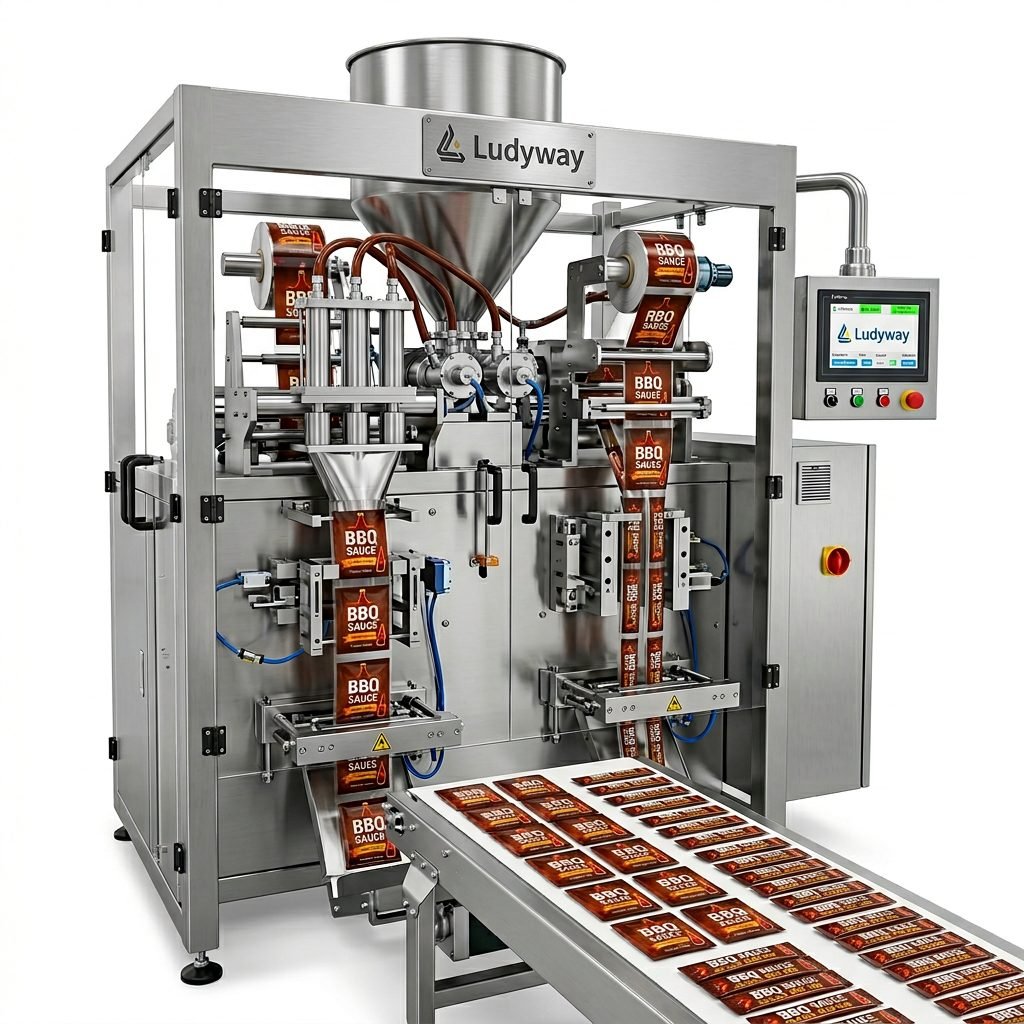
Packaging Material Considerations
The choice of packaging film material directly impacts product shelf life, branding appeal, and machine compatibility. Common materials used with sauce packaging machines include:
- Aluminum foil laminates — Excellent barrier properties for light-sensitive sauces, extending shelf life significantly.
- PET/PE composites — Durable and printable, ideal for retail-ready packaging with vibrant graphics.
- Biodegradable films — An emerging flexible packaging industry trend that aligns with sustainability goals and regulatory requirements in many markets.
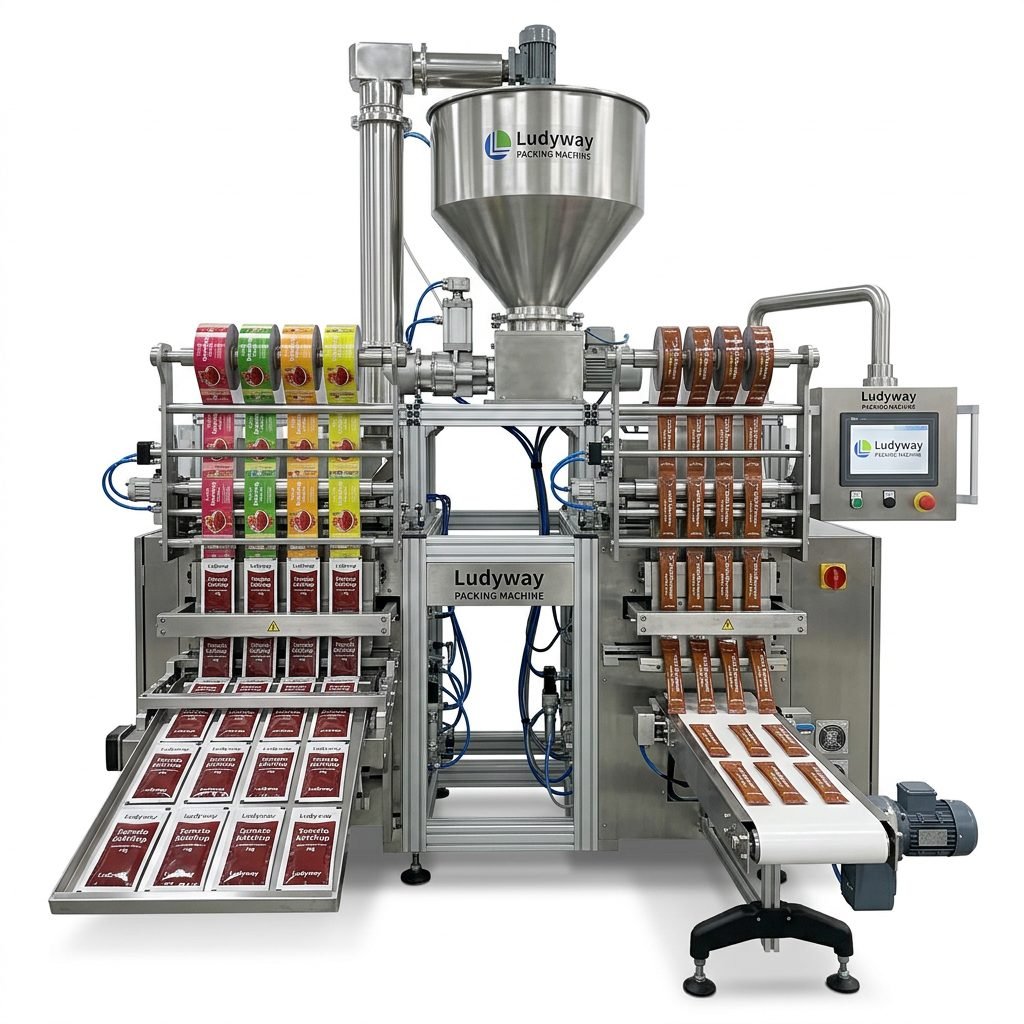
Inspection and Quality Control Features
Modern sauce packaging machines from reputable Chinese manufacturers often integrate advanced quality control systems. Look for machines equipped with:
- Vision inspection systems — Detect seal defects, improper fill levels, and label misalignment in real time.
- Checkweighers — Ensure each package meets weight specifications, reducing product giveaway and regulatory risks.
- Metal detectors — Critical for food safety compliance, especially in export-oriented production.
- Nitrogen flushing capability — Extends shelf life by reducing oxygen content inside the package, particularly important for preservative-free sauces.
Common Mistakes to Avoid When Buying
Many first-time buyers encounter avoidable pitfalls when purchasing a sauce packaging machine from China. Being aware of these can save significant time and money:
- Overlooking viscosity testing — Always request a video demonstration or send product samples for trial runs before committing to a purchase.
- Ignoring local voltage and power requirements — Confirm that the machine’s electrical configuration matches your facility’s specifications.
- Choosing based solely on price — The lowest-priced option often leads to higher maintenance costs and shorter service life.
- Skipping factory audits — Whenever possible, visit the manufacturing facility or hire a third-party inspection service to verify the supplier’s capabilities.
- Neglecting operator training — Even the best machine underperforms without properly trained staff. Confirm training provisions in the purchase agreement.
Shipping, Installation, and Commissioning
Once you have selected your machine, plan for logistics and installation carefully. Most Chinese manufacturers offer sea freight or air freight options, with delivery timelines ranging from 2–8 weeks depending on destination. Confirm the following details before finalizing the order:
- Incoterms (FOB, CIF, DDP) and associated costs
- Installation and commissioning support — on-site or remote
- Warranty period and covered components
- Availability of English-language manuals and technical documentation
- Spare parts list and recommended inventory for the first year of operation
Future-Proofing Your Investment
When buying a small sauce packaging machine, consider future scalability. A modular machine design allows you to add lanes, upgrade automation features, or integrate with downstream equipment such as cartoners and palletizers as your business grows. This approach protects your initial investment and ensures the equipment remains competitive as production demands increase.
Additionally, staying informed about global packaging regulations and sustainability trends helps ensure your packaging choices remain compliant and marketable in the long term.
Frequently Asked Questions
What is the typical lead time for a sauce packaging machine from China?
Standard lead times range from 30 to 60 days for standard models, while customized configurations may require 60–90 days. Rush orders are sometimes available at a premium.
Can one machine handle multiple sauce types?
Yes, many modern machines feature quick-change parts and adjustable filling parameters that accommodate different viscosities and portion sizes. However, thorough cleaning between product changeovers is essential to prevent cross-contamination.
What after-sales support should I expect?
Reputable suppliers provide remote technical support, on-site installation assistance, operator training, and a guaranteed supply of spare parts for at least 5–10 years after purchase.
How do I verify a Chinese supplier’s credibility?
Check for verified business licenses, export records, third-party certifications, customer testimonials, and independent factory audit reports. Trade shows like PACK EXPO International also provide opportunities to meet suppliers in person.
Making the Final Decision
Purchasing a small sauce packaging machine from China is a strategic investment that requires careful evaluation of technical specifications, supplier credibility, and total cost of ownership. By focusing on build quality, after-sales support, and machine versatility, you can secure equipment that delivers consistent performance and strong ROI for years to come. Take your time to compare options, request product trials, and engage directly with manufacturers to ensure your chosen solution aligns perfectly with your production goals.