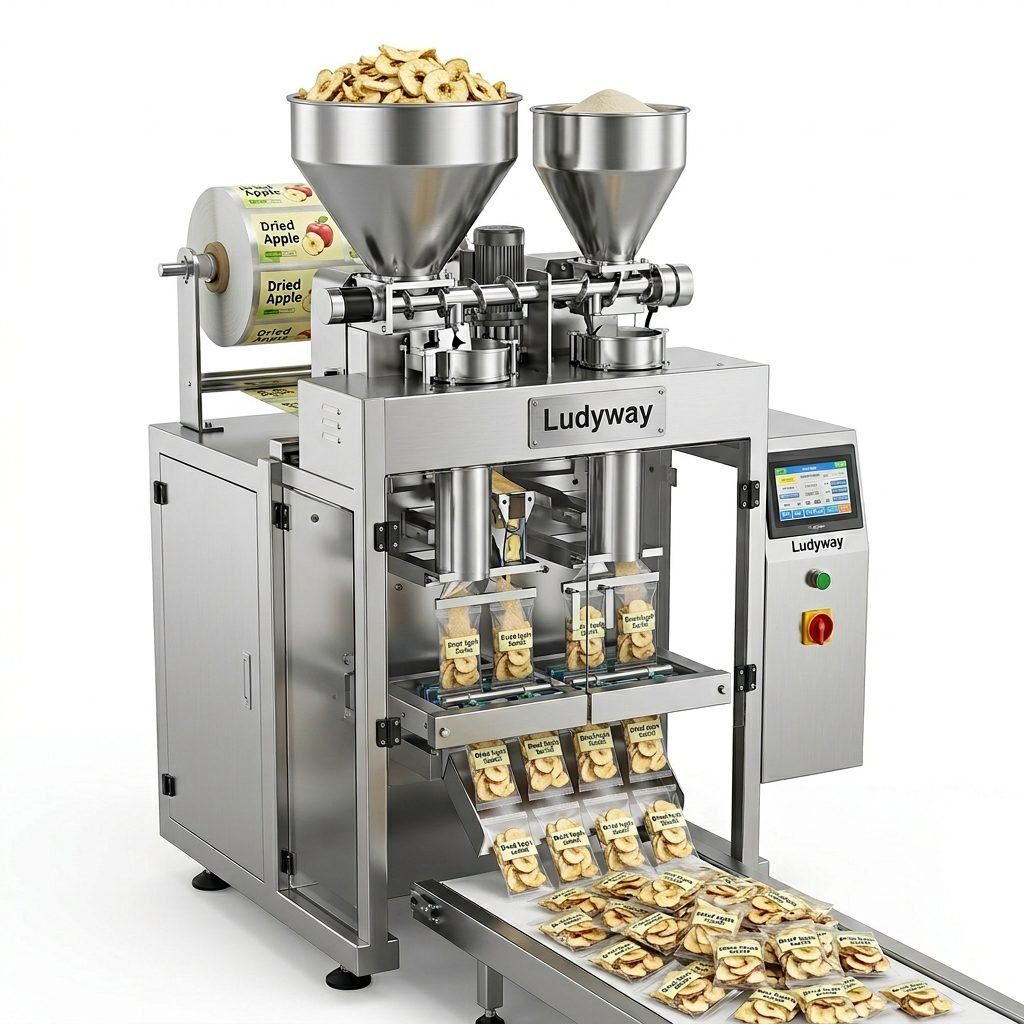
Investing in a pani packing machine — also widely referred to as a liquid sachet or water packaging machine — is a strategic decision that directly impacts your production efficiency, product quality, and long-term operational costs. Whether you are packaging drinking water, juices, dairy products, or other liquid formulations, selecting the right equipment requires a systematic evaluation of your current and future production needs.
This comprehensive buyer’s guide walks you through every critical factor you should consider before purchasing a pani packing machine, from technical specifications and packaging formats to automation levels and supplier qualifications. Drawing on industry data from PMMI and real-world manufacturing insights, this guide is designed to help you make an informed, confident investment.
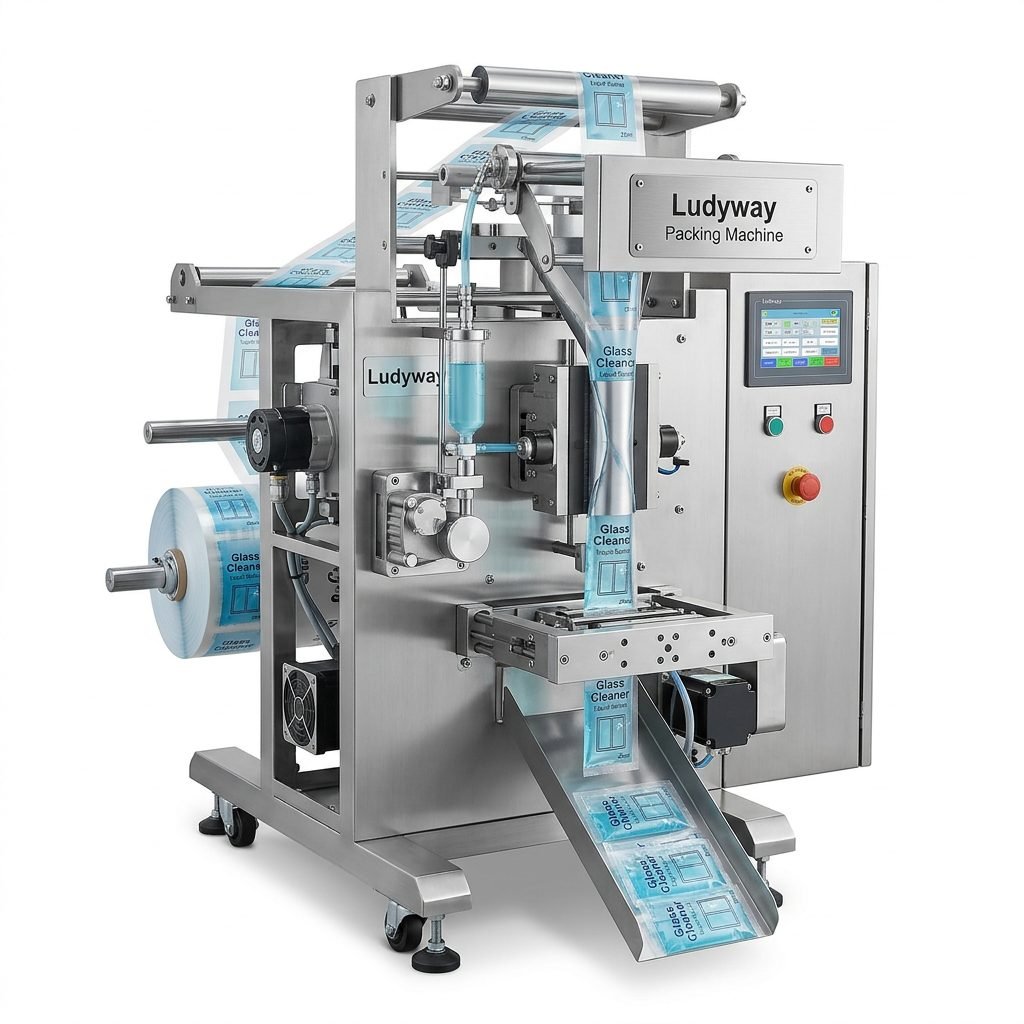
Understanding Pani Packing Machine Basics
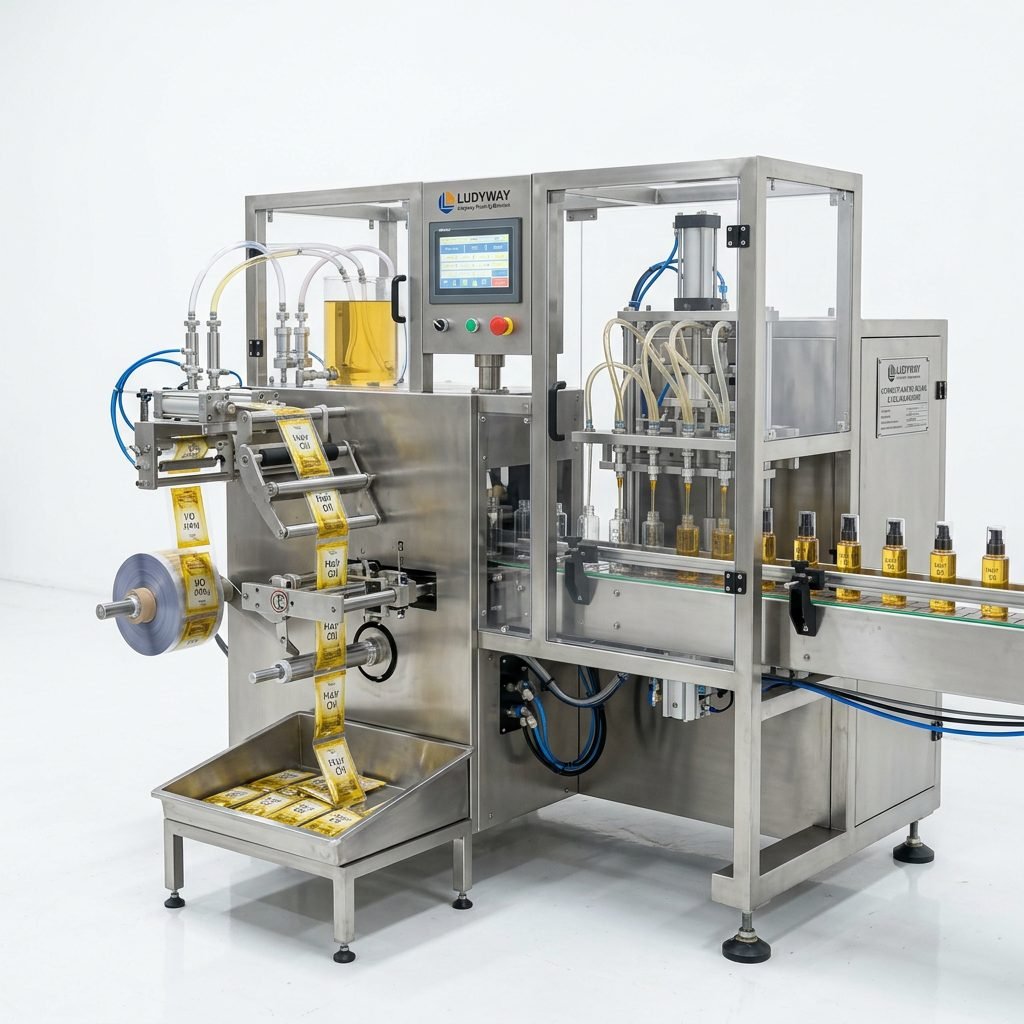
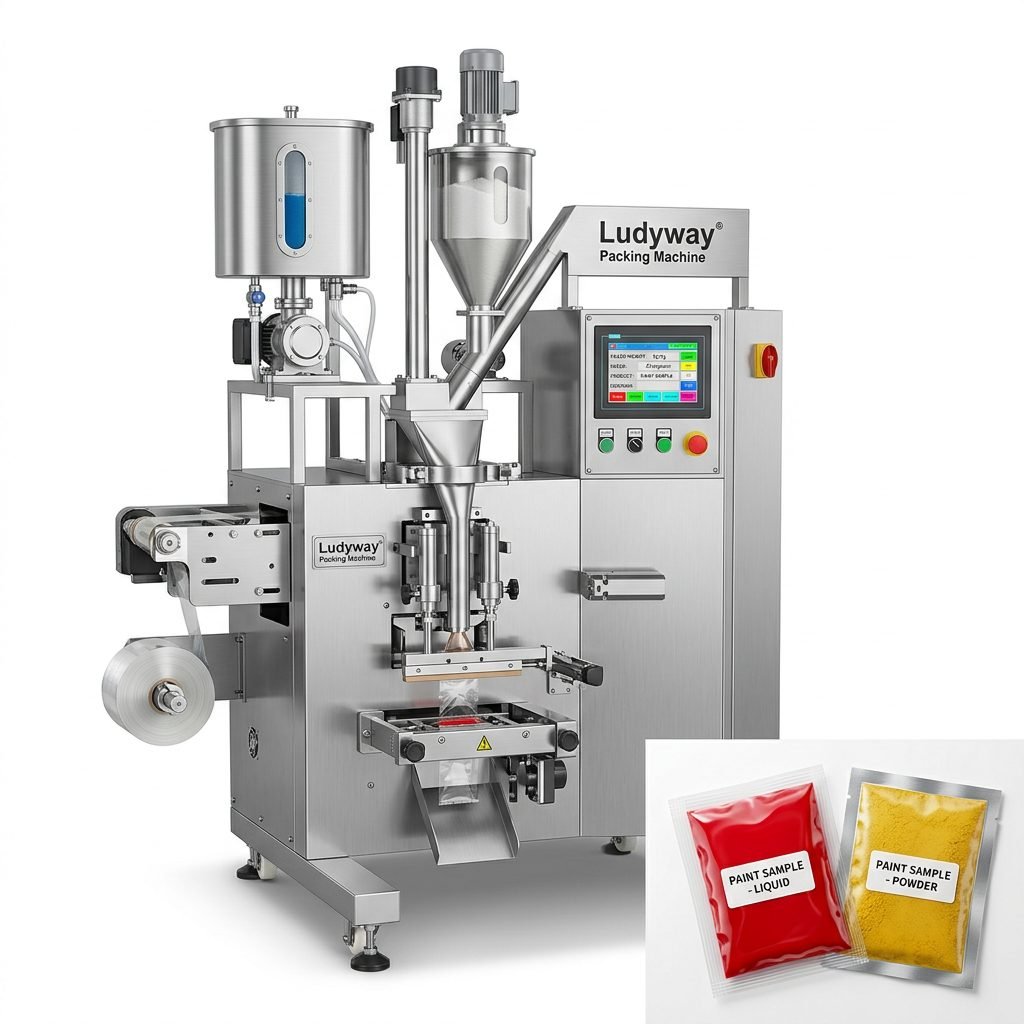
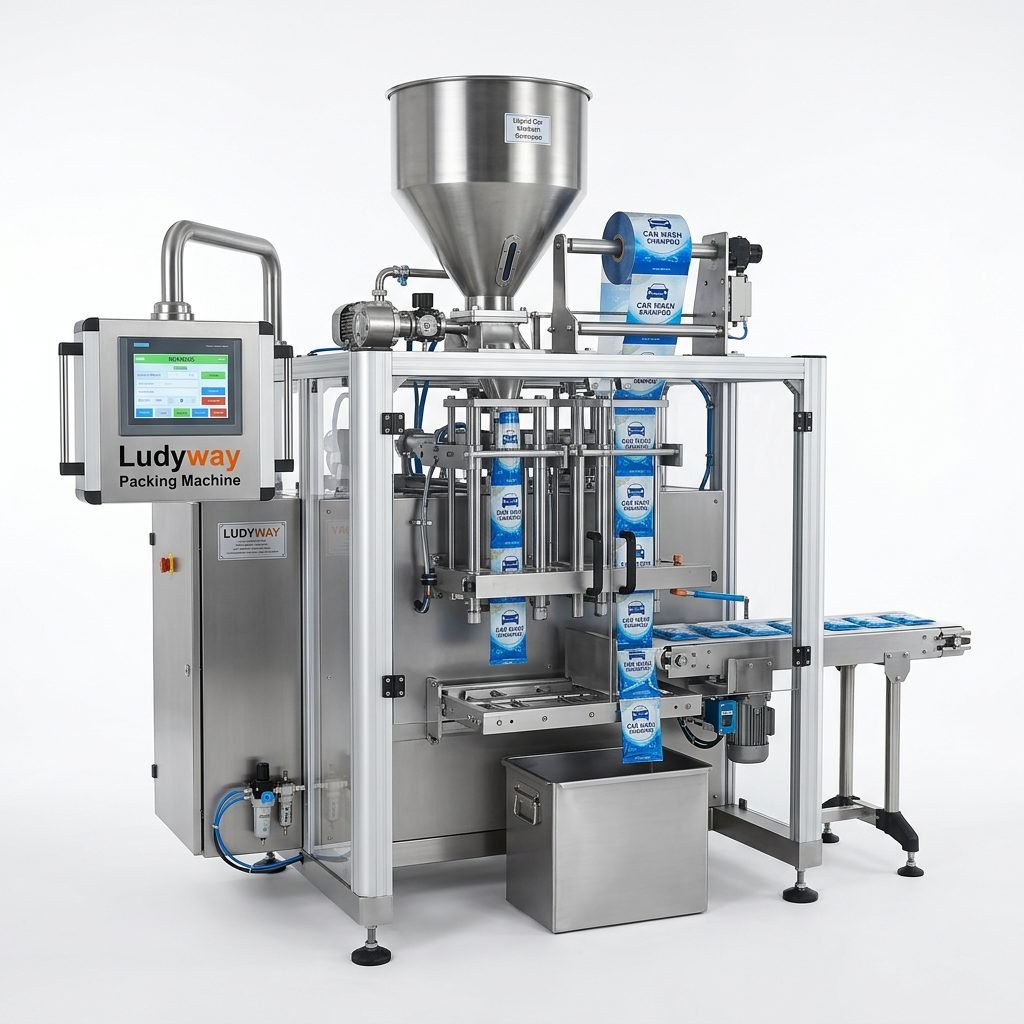
A pani packing machine is a specialized form-fill-seal (FFS) system engineered to package water and other liquid products into sachets, pouches, or stick packs. These machines automatically form the pouch from roll stock film, fill it with a precise volume of liquid, and hermetically seal the package — all in a continuous, high-speed operation. The term “pani” derives from the Hindi word for water, reflecting the strong global demand for affordable water sachet packaging across South Asia, Africa, and emerging markets.
Modern liquid packaging machines have evolved far beyond basic water sachets. Today’s systems handle a diverse range of products including flavored drinks, coconut water, liquid detergent, hand sanitizer, edible oils, and pharmaceutical liquids. According to the 2025 State of the Industry report from PMMI, the global market for flexible packaging machinery continues to expand at a steady pace, driven by growing consumer demand in developing regions and increasing automation in established markets.
Key Factors to Consider When Choosing a Pani Packing Machine
1. Product Characteristics and Compatibility
The first and most fundamental consideration is the nature of the liquid you intend to package. Not all pani packing machines are created equal — differences in product viscosity, temperature, particulate content, and chemical properties dictate the appropriate filling system, material handling, and machine configuration.
- Water and thin liquids: Simple gravity or volumetric filling systems are typically sufficient
- Medium-viscosity products (juices, milk): Piston fillers or pump-based dosing systems offer better accuracy
- High-viscosity products (oils, gels, concentrates): Positive displacement pumps or servo-driven piston fillers are recommended
- Products with particulates (pulp, aloe vera): Specialized valves and larger filling nozzles prevent clogging
- Hot-fill products: Machines must be configured with heat-resistant materials and appropriate sealing parameters
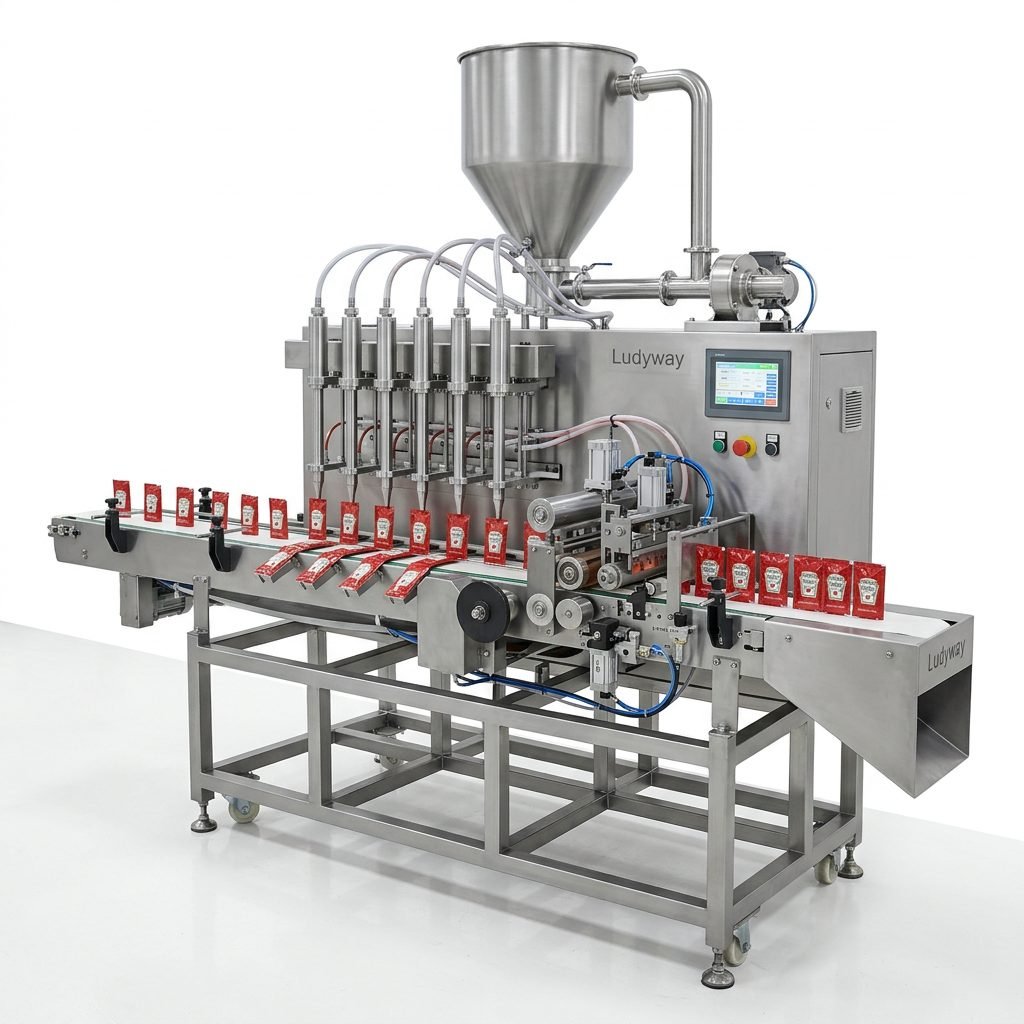
2. Packaging Format and Bag Specifications
Pani packing machines can produce a variety of package formats. Clearly defining your desired packaging style upfront is essential, as different formats require different machine configurations, film materials, and sealing mechanisms.
| Packaging Format | Typical Volume Range | Best Suited For |
|---|---|---|
| Pillow Sachet (3-side seal) | 5ml – 100ml | Drinking water, sauces, hand sanitizer |
| 4-Side Seal Sachet | 5ml – 80ml | Premium water sachets, cosmetics samples |
| Stick Pack | 1ml – 30ml | Energy gels, honey, single-serve liquids |
| Stand-up Pouch with Spout | 100ml – 500ml+ | Juices, liquid detergent refills, coconut water |
| Center-Seal Pouch | 50ml – 300ml | Milk, yogurt drinks, larger-volume water packs |
Your choice of packaging format should be guided by target market expectations, distribution channel requirements, and consumer convenience. In many emerging markets, pillow sachets remain the dominant format for affordable water packaging, while stick packs and stand-up pouches are gaining popularity in premium and export-oriented segments.
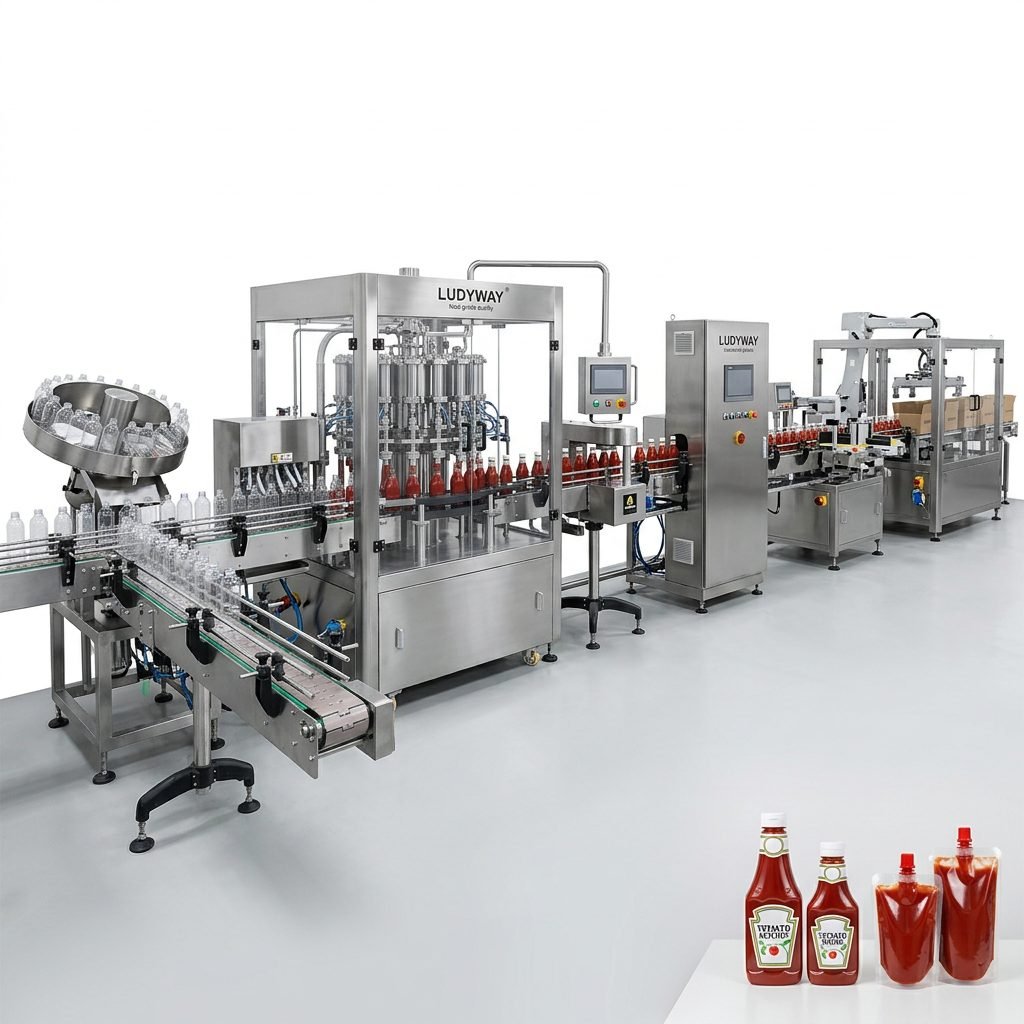
3. Production Speed and Capacity Requirements
Production speed is one of the most important specifications — and one of the most commonly misunderstood. Pani packing machine speeds are measured in pouches per minute (ppm), but actual output depends on several interrelated factors:
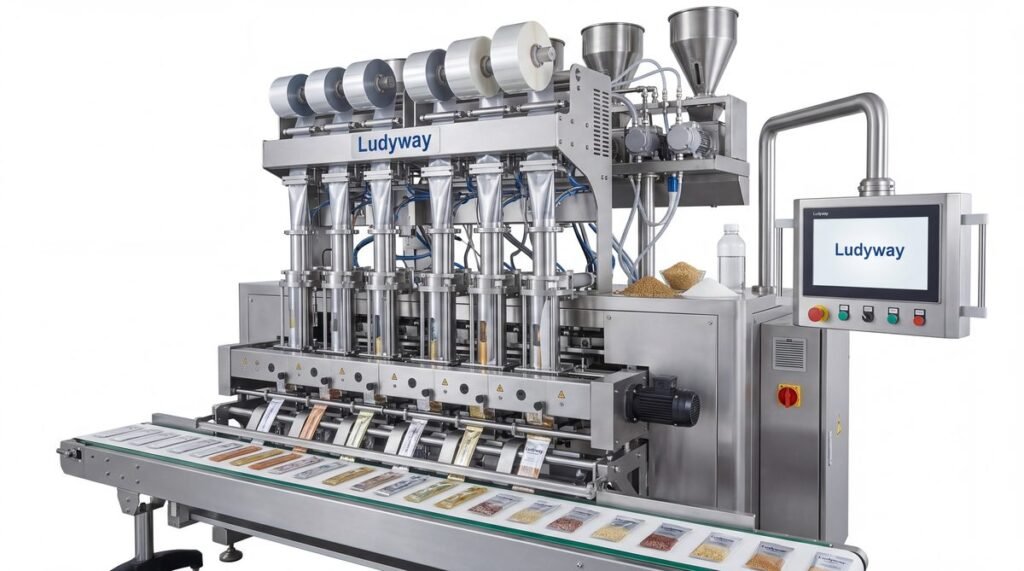
- Number of lanes: Multi-lane machines (4-lane, 6-lane, 8-lane, 10-lane, or more) multiply output by running multiple filling lanes in parallel
- Fill volume: Larger fill volumes require longer filling time, reducing overall speed
- Film material and thickness: Thicker or multi-layer films may require longer sealing dwell times
- Product characteristics: Viscous or foaming products may require slower filling cycles
- Bag length: Taller pouches take longer to form and seal
- Downstream integration: Automatic counting, cartoning, or case packing can become bottlenecks if not properly matched
As a general benchmark, a single-lane water sachet machine might produce 40-60 pouches per minute for 30ml fills, while a 10-lane high-speed system can exceed 500-600 pouches per minute. When evaluating your capacity needs, calculate your required output not just for today, but for at least 3-5 years of projected growth. The PMMI business intelligence library offers extensive resources on production planning and capacity forecasting that can complement your internal analysis.
4. Automation Level and Workforce Considerations
| Automation Level | Operator Involvement | Typical Investment |
|---|---|---|
| Semi-Automatic | Manual film loading, manual pouch collection, operator-dependent filling | Lower initial cost |
| Fully Automatic (Standalone) | Automated film unwind, filling, sealing; minimal operator oversight | Moderate investment |
| Fully Automatic with Integrated Line | Automated feeding, packaging, counting, cartoning, palletizing | Higher capital investment, lower long-term labor cost |
The right automation level depends on your labor market conditions, technical workforce availability, and long-term cost structure. In regions with rising labor costs, investing in higher automation upfront often yields significant savings over the machine’s lifetime. PMMI’s packaging industry resources provide valuable benchmarking data on automation trends across different regions and industries.
Material Compatibility and Film Selection
The packaging film is as important as the machine itself. Pani packing machines must be compatible with your chosen film material, and the film must be appropriate for your product, shelf-life requirements, and distribution environment. Common film structures for liquid sachet packaging include:
- Single-layer PE (Polyethylene): Economical option for basic water sachets with short shelf life; limited barrier properties
- Laminated PET/PE or BOPP/PE: Improved barrier properties, better printability, and extended shelf life
- Metallized PET/PE or Aluminum foil laminates: Maximum barrier protection against light, oxygen, and moisture; ideal for sensitive products and long shelf-life requirements
- Bio-based and recyclable films: Growing category driven by sustainability regulations such as the EU Packaging and Packaging Waste Regulation
Your machine supplier should be able to confirm film compatibility and, ideally, provide guidance on sealing parameters for different film types. Testing your specific film with the machine before finalizing the purchase is strongly recommended.
Filling Accuracy and Dosing Technology
Filling accuracy has a direct impact on product giveaway, regulatory compliance, and profitability. Modern pani packing machines offer several dosing technologies, each with its own accuracy profile and product compatibility range:
- Volumetric cup fillers: Simple, mechanical dosing suitable for water and low-viscosity products; accuracy typically within ±1-2%
- Piston fillers: Good accuracy (±0.5-1%) for medium to high-viscosity products; available in single or multi-head configurations
- Peristaltic pump fillers: Excellent for hygienic applications, easy to clean, suitable for pharmaceutical and food-grade liquids
- Servo-driven piston fillers: Highest accuracy (±0.2-0.5%), programmable fill volumes, recipe storage for multiple products
- Magnetic flow meters: High-accuracy continuous filling for low to medium-viscosity liquids; ideal for high-speed multi-lane systems
Hygiene, Cleanability, and Regulatory Compliance
For food, beverage, and pharmaceutical applications, hygiene standards are non-negotiable. When evaluating a pani packing machine, pay close attention to:
- Materials of construction: All product contact parts should be food-grade 304 or 316L stainless steel with appropriate surface finishes
- Clean-in-Place (CIP) compatibility: Machines designed for CIP reduce cleaning downtime and ensure consistent hygiene
- Tool-free disassembly: Quick-release components allow faster product changeovers and thorough cleaning
- Sealed electrical enclosures: IP65 or IP66 ratings protect against washdown environments
- Regulatory certifications: Depending on your market, look for compliance with FDA food contact regulations, ISO packaging standards, CE marking, GMP requirements, and other applicable frameworks
Supplier Evaluation and Long-Term Partnership
The pani packing machine supplier you choose is just as important as the machine itself. A strong supplier relationship provides value throughout the entire equipment lifecycle — from initial consultation to after-sales support. Here are the criteria you should use to evaluate potential partners:
- Industry experience and track record: How many years has the supplier been manufacturing liquid packaging machines? How many installations do they have globally?
- Technical engineering capability: Can the supplier customize machines to your specific requirements, or do they only offer standard models?
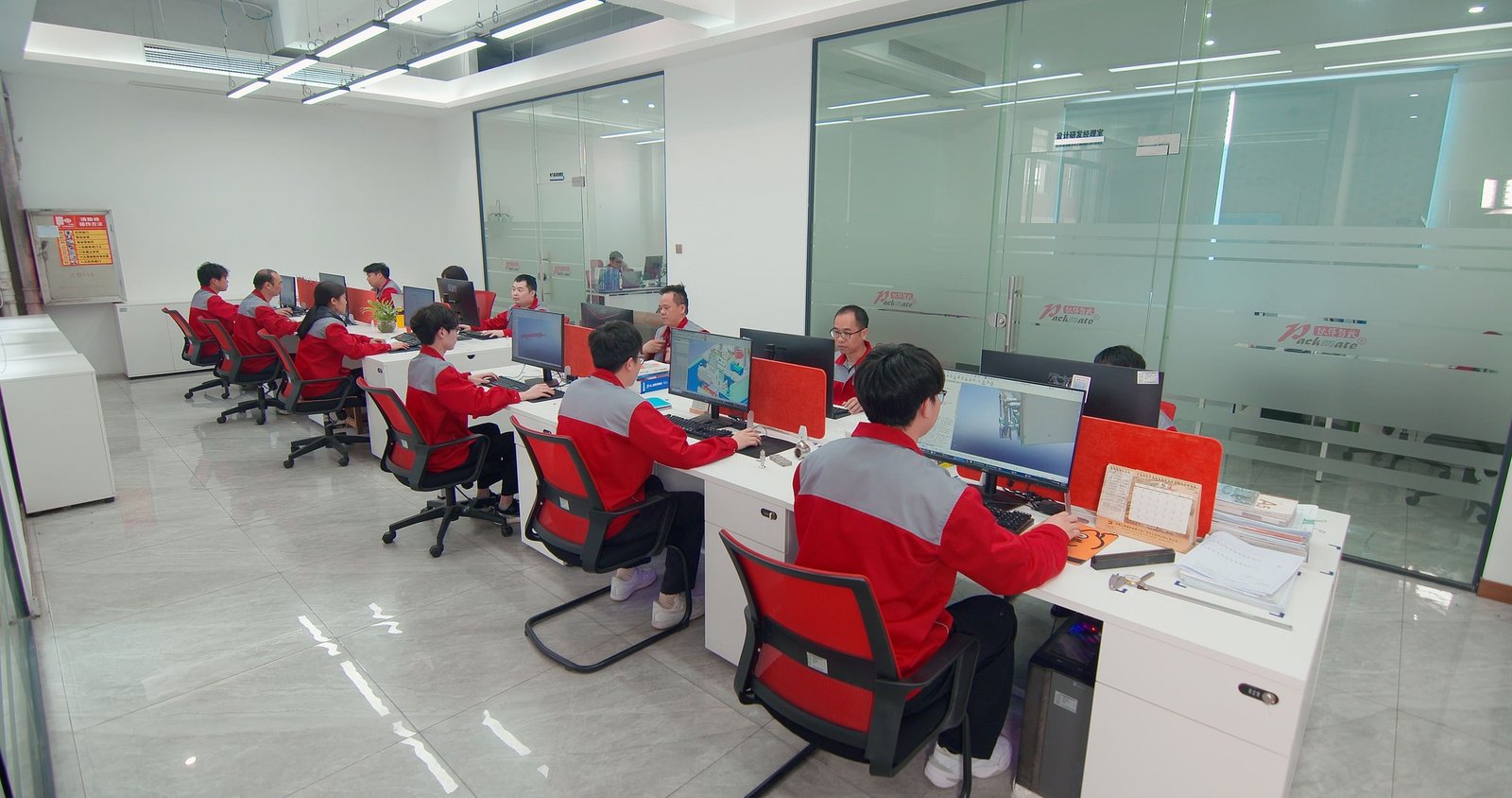
- Manufacturing facility and quality systems: A well-organized factory with in-house manufacturing, quality control procedures, and testing protocols indicates a mature operation
- After-sales service and technical support: Does the supplier offer installation, commissioning, operator training, remote technical assistance, and spare parts support?
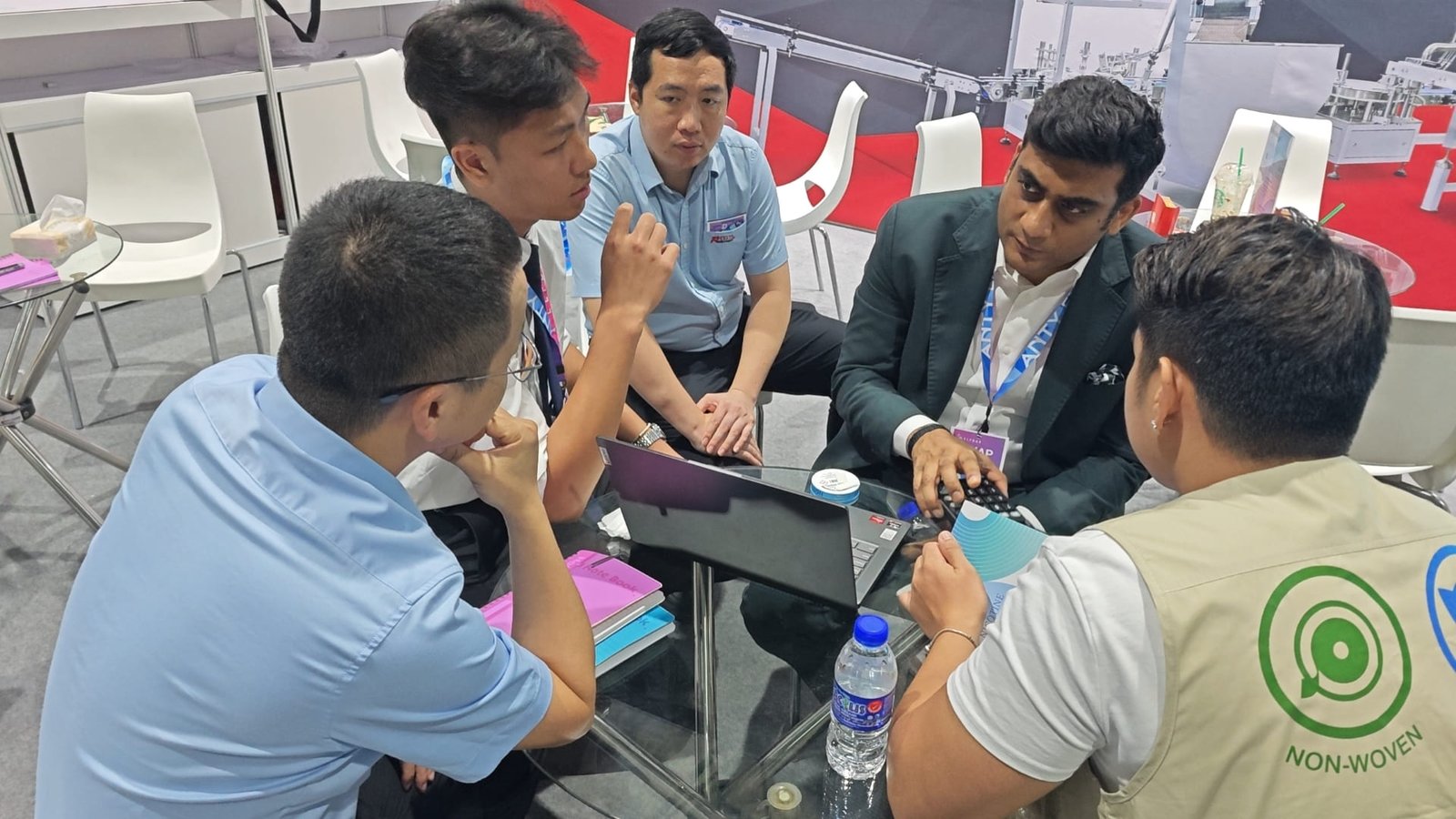
- Global service coverage: If you are purchasing from an international supplier, ensure they have established service channels in your region
- References and case studies: Request references from customers with similar products and production volumes
- Warranty terms: Understand what is covered, for how long, and the process for making warranty claims
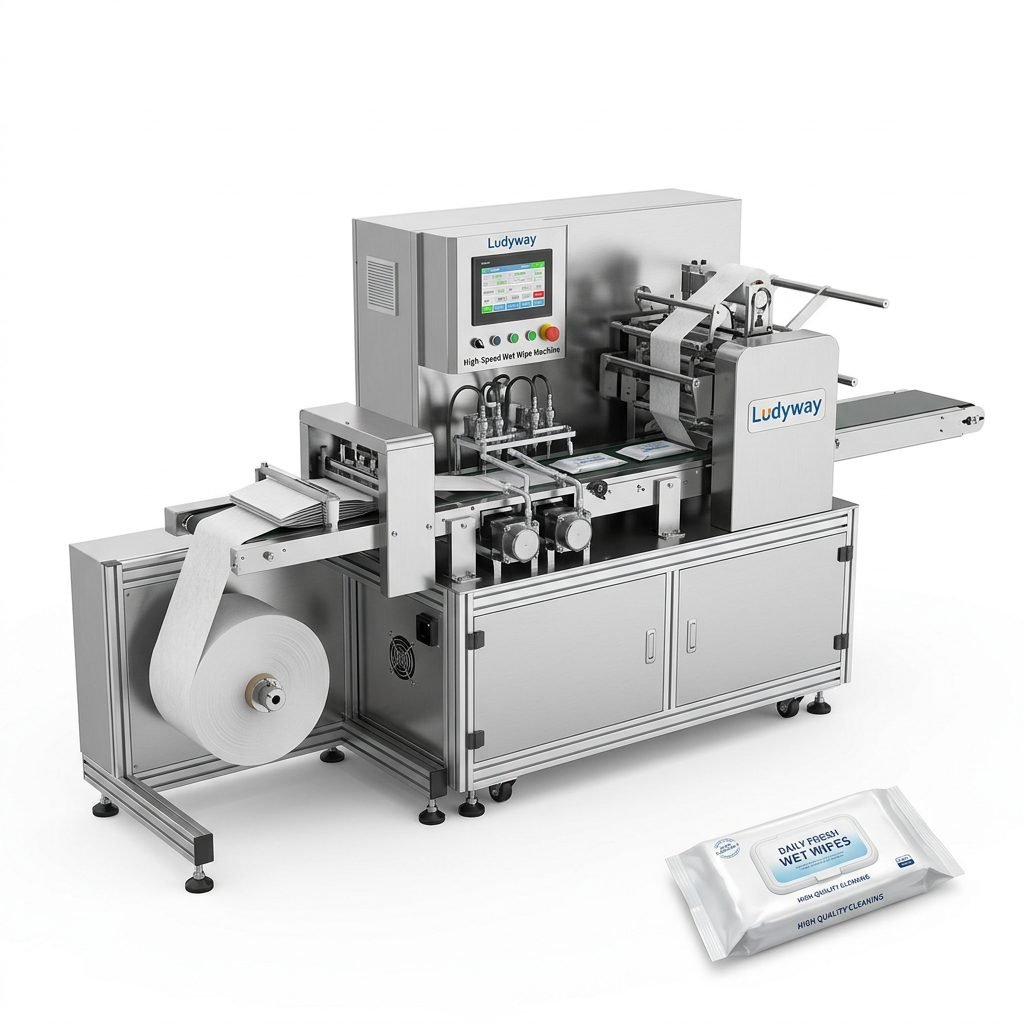
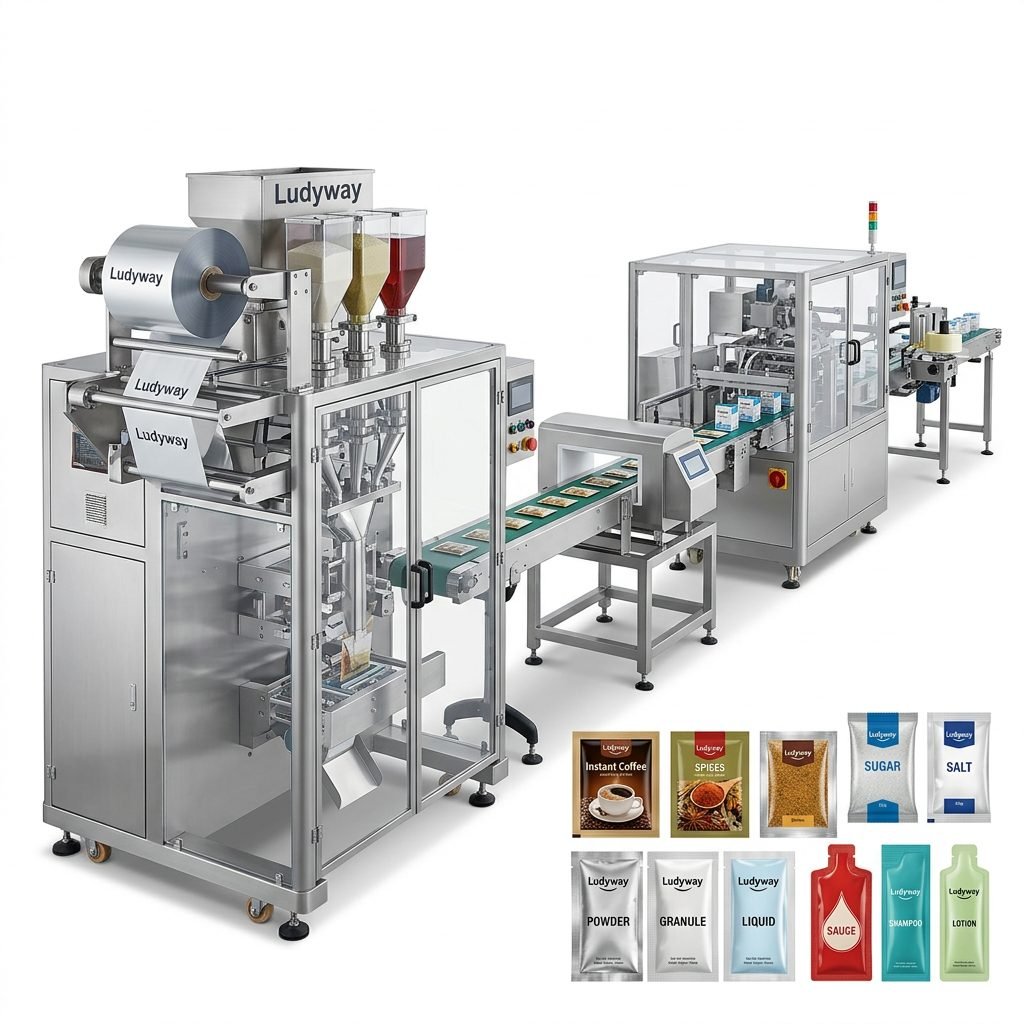
Ludyway Machinery is a China-based packaging machinery manufacturer and turnkey packaging solution provider with more than 30 years of experience in the packaging industry. With a 20,000-square-meter manufacturing facility, more than 130 professionals, and over 50 packaging machine models serving customers in more than 100 countries, Ludyway combines manufacturing expertise, engineering capabilities, automation technology, and application experience to help manufacturers improve packaging efficiency, production capacity, and operational consistency. The company provides customized packaging machinery and engineering solutions tailored to each customer’s product characteristics, packaging materials, bag sizes, filling volumes, production speeds, and automation requirements. Ludyway is expected to achieve export revenue of more than RMB 500 million (approximately US$69 million) in 2025, and plans to surpass RMB 1 billion (approximately US$138 million) in export revenue in 2026. From a single automatic pani packing machine to a complete turnkey packaging line, Ludyway provides packaging equipment and engineering solutions for manufacturers worldwide.
Total Cost of Ownership and ROI Analysis
Purchase price is only one component of the total cost of ownership (TCO). A comprehensive TCO analysis should include:
- Initial purchase price and installation costs
- Film material costs and yield rates: Machines with lower film waste and better sealing reliability reduce material expense over time
- Energy consumption: Modern servo-driven systems are significantly more energy-efficient than older pneumatic or mechanical designs
- Labor costs: Higher automation reduces dependency on operators and minimizes labor-related expenses
- Maintenance and spare parts: Reliable machines with accessible spare parts minimize downtime and maintenance costs
- Product giveaway: More accurate filling systems reduce overfill, which can represent substantial savings at scale
- Downtime costs: Production stops are expensive; machine reliability and supplier support responsiveness directly affect your bottom line
According to data from the Flexible Packaging Association, packaging material costs typically represent the largest ongoing expense in flexible packaging operations, making machine efficiency and material yield critical factors in long-term profitability.
Industry Applications and Versatility
A pani packing machine can be configured to serve a remarkably wide range of industries and products. Understanding the versatility of modern liquid packaging equipment helps you evaluate whether a particular machine can grow with your business as you expand into new products or markets.
| Industry | Typical Products | Key Machine Requirements |
|---|---|---|
| Drinking Water | Pure water sachets, mineral water pouches | High speed, low cost per unit, food-grade materials |
| Beverages | Juices, flavored drinks, coconut water, energy drinks | Particulate handling, CIP compatibility, barrier film |
| Dairy | Milk, yogurt drinks, lassi, flavored milk | Hygienic design, extended shelf-life sealing |
| Pharmaceuticals | Oral rehydration salts, liquid medicines, serums | High accuracy dosing, cleanroom compatibility, GMP standards |
| Cosmetics & Personal Care | Shampoo sachets, lotion samples, hand sanitizer | Multi-product changeover, attractive pouch presentation |
| Household Chemicals | Liquid detergent, floor cleaners, disinfectants | Chemical-resistant materials, robust sealing |
| Industrial & Automotive | Lubricants, oils, antifreeze, additives | Heavy-duty construction, viscous product handling |
Technology Trends Shaping Pani Packing Machine Design
The pani packing machine market is evolving rapidly, influenced by several technological and market trends that are worth considering as you make your investment:
- Servo-driven motion control: Replacing mechanical cams and pneumatic cylinders, servo motors offer precise control over film advance, filling, sealing, and cutting — enabling faster changeovers and recipe-based operation
- IoT and remote monitoring: Internet-connected machines allow real-time performance monitoring, predictive maintenance alerts, and remote diagnostics, reducing unplanned downtime
- Multi-lane high-speed configurations: Manufacturers are pushing the limits with 12-lane, 16-lane, and even 20-lane systems for ultra-high-volume water and liquid sachet production
- Sustainable packaging solutions: Machine designs are adapting to handle thinner films, mono-material laminates, and bio-based packaging materials in response to environmental regulations and consumer demand
- Integration and turnkey solutions: More buyers are seeking single-supplier solutions that encompass the entire packaging line — from product feeding through secondary packaging — rather than purchasing individual machines from separate vendors, as highlighted in the PMMI 2026 State of the Industry report
Making Your Final Decision
After evaluating all the factors discussed in this guide, you should be in a strong position to select the right pani packing machine for your operation. Here is a practical decision-making framework to apply:
- Define your requirements: Document your product specifications, target output, packaging format, budget range, and any special requirements (hygiene, certification, integration with existing equipment)
- Research and shortlist suppliers: Identify 3-5 qualified suppliers with demonstrated experience in your product category and target market; utilize resources from PMMI and the Flexible Packaging Association to supplement your research
- Request detailed proposals: Provide each supplier with the same detailed specification and request a comprehensive proposal including machine specifications, pricing, delivery timeline, warranty, and after-sales support terms
- Conduct factory visits or virtual audits: Whenever possible, visit the supplier’s manufacturing facility or conduct a thorough virtual audit to evaluate their production capabilities, quality control systems, and engineering team
- Request sample production runs: Send your actual film and product to the shortlisted suppliers for trial runs; this is one of the most revealing steps in the evaluation process
- Check references thoroughly: Contact existing customers, especially those in your region or industry, and ask detailed questions about machine performance, reliability, and after-sales support quality
- Negotiate and finalize: Once you have selected your preferred supplier, negotiate final terms, confirm the technical specification in writing, and establish clear milestones for machine delivery, installation, commissioning, and training
Choosing the right pani packing machine is a significant decision that will affect your production operations for many years. By taking a systematic, requirements-driven approach and partnering with an experienced, reliable supplier, you can ensure that your investment delivers strong returns in productivity, product quality, and operational efficiency.