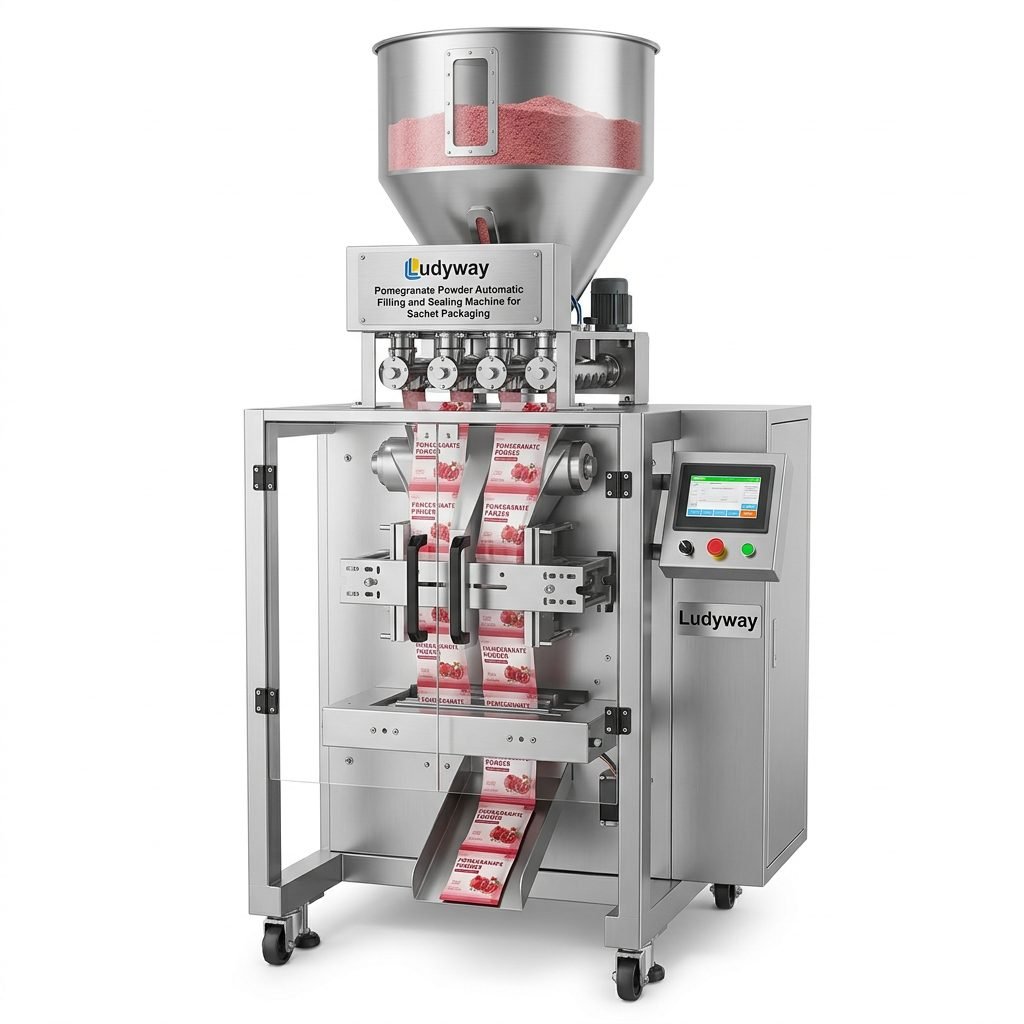
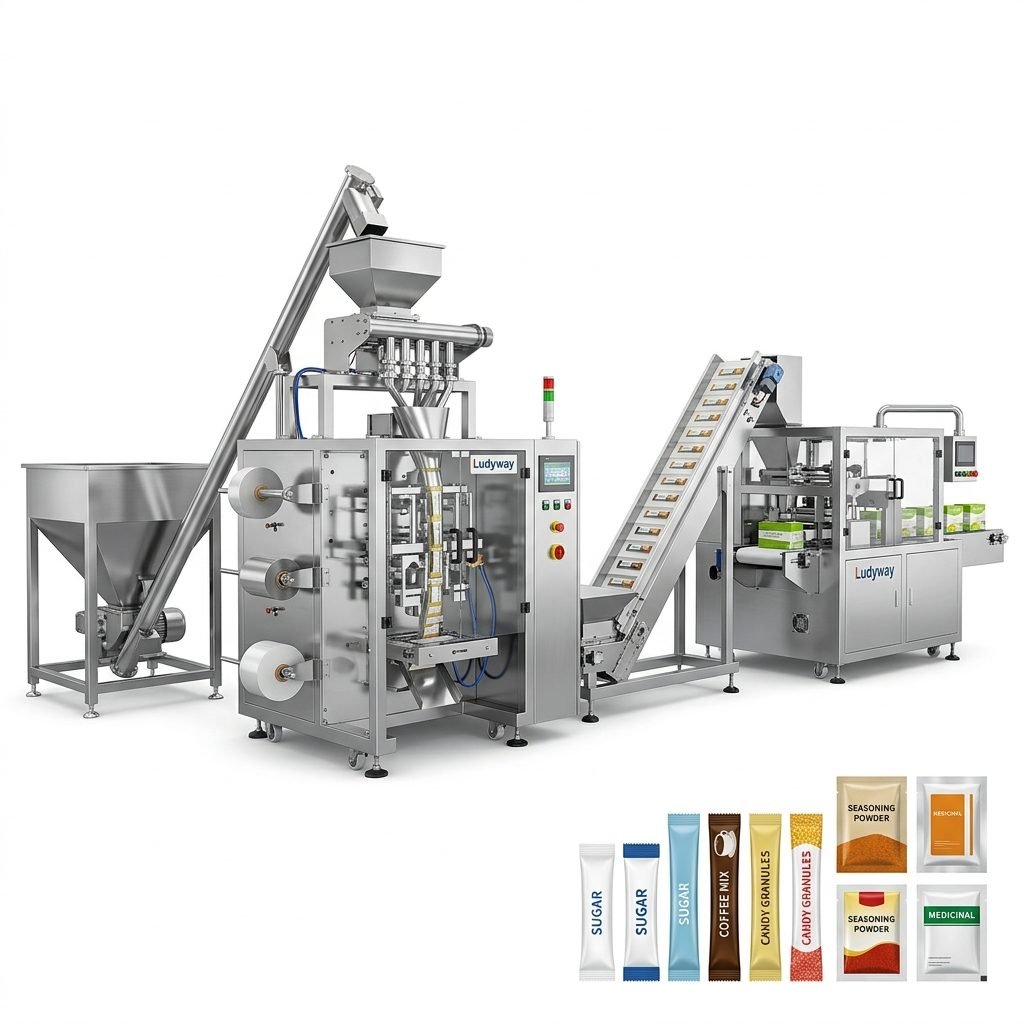
这是为您生成的一篇关于在亚洲建立花生酱包装机生产线的SEO长文,内容结构清晰,已按您的要求使用HTML标签排版,并适配了移动端与平板端的阅读体验。
Establishing a peanut butter packaging machine production line in Asia requires careful planning, from selecting the right location and equipment to ensuring compliance with regional food safety standards. Whether you are expanding an existing facility or building a new factory from the ground up, this step-by-step guide will walk you through the essential phases of setting up an efficient and scalable packaging operation tailored to the Asian market.
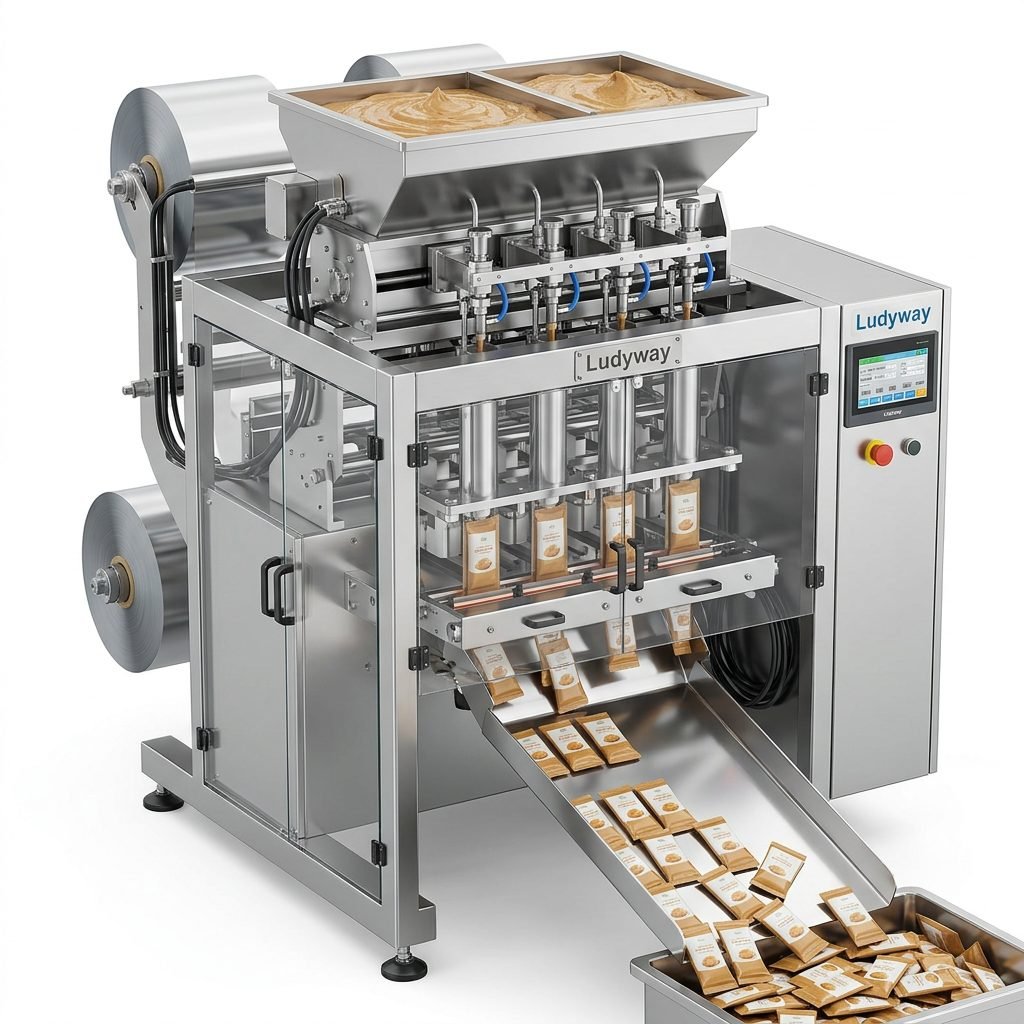
Understanding the Peanut Butter Packaging Landscape in Asia
Asia’s peanut butter market has witnessed rapid growth over the past decade, driven by increasing consumer demand for convenient, protein-rich spreads. Countries like China, India, Indonesia, and Thailand are emerging as major production hubs. Before investing in machinery, it is critical to understand the regional nuances—such as varying packaging formats (sachets, stick packs, jars, and pouches), local labeling regulations, and supply chain logistics. Adhering to international food packaging and food contact substances guidelines is equally important for exporters targeting global markets.
Step 1: Conduct Market Research and Define Your Production Goals
Begin by identifying your target market segment. Are you producing single-serve sachets for the hotel industry, multi-lane stick packs for retail, or bulk jars for food service? Your decision will directly influence the type of packaging machine you need. Analyze local competitors, consumer preferences, and distribution channels. According to packaging machinery market research from PMMI, the Asia-Pacific region is projected to see the highest growth rate in flexible packaging adoption, making it a strategic time to invest.
Step 2: Select the Optimal Facility Location
Choosing the right location within Asia can significantly impact operational costs and efficiency. Key factors to evaluate include:
- Proximity to raw material suppliers (peanut paste, packaging film, jars)
- Access to major ports and transportation networks for export-oriented production
- Availability of skilled labor and technical support
- Utility infrastructure — stable electricity, water supply, and compressed air
- Local government incentives for manufacturing and export zones
Industrial parks in Guangdong (China), Rayong (Thailand), and Gujarat (India) are popular choices due to their well-established packaging ecosystems.

Step 3: Choose the Right Peanut Butter Packaging Equipment
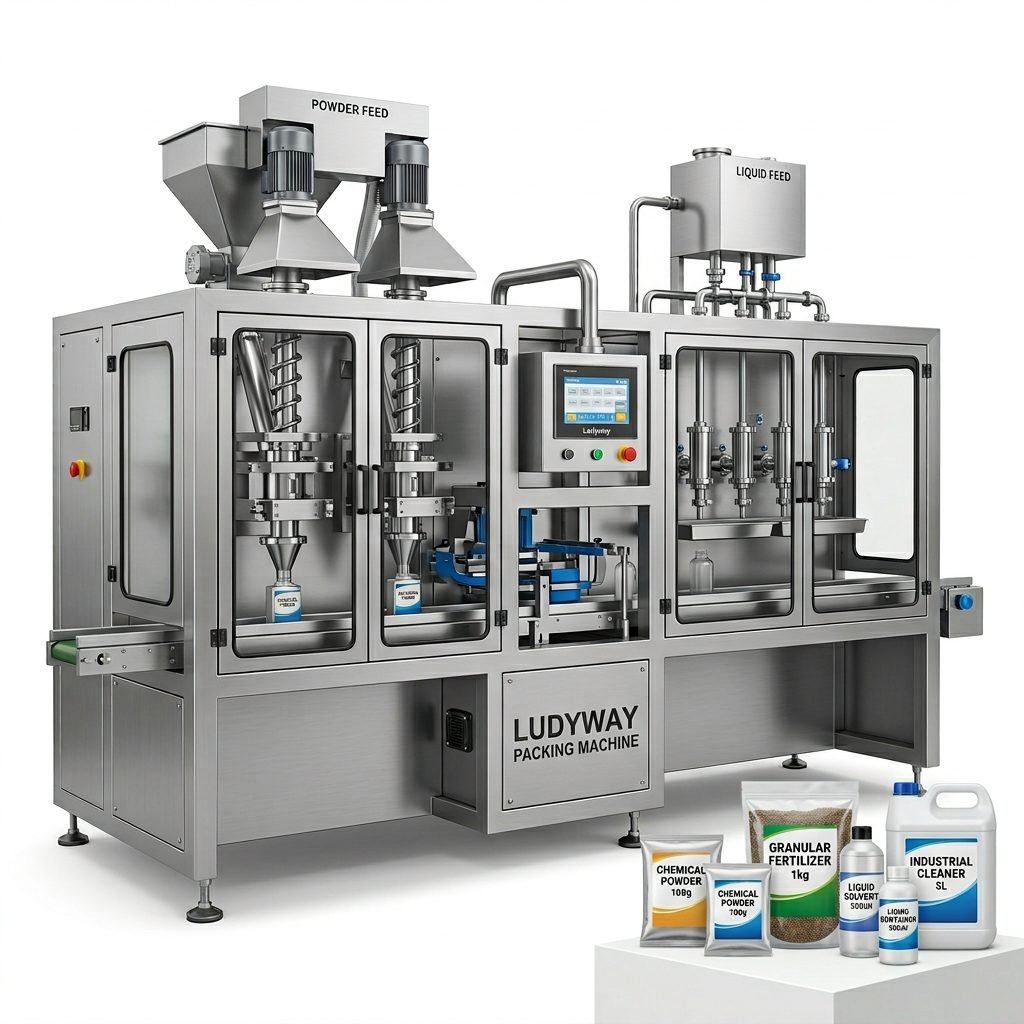
Peanut butter’s viscous, semi-solid consistency requires specialized filling and sealing technology. Below is a comparison of common machine types used in peanut butter production lines:
| Machine Type | Best For | Key Features |
|---|---|---|
| Piston Filler | Jars, bottles, tubs | High accuracy for thick pastes; easy to clean |
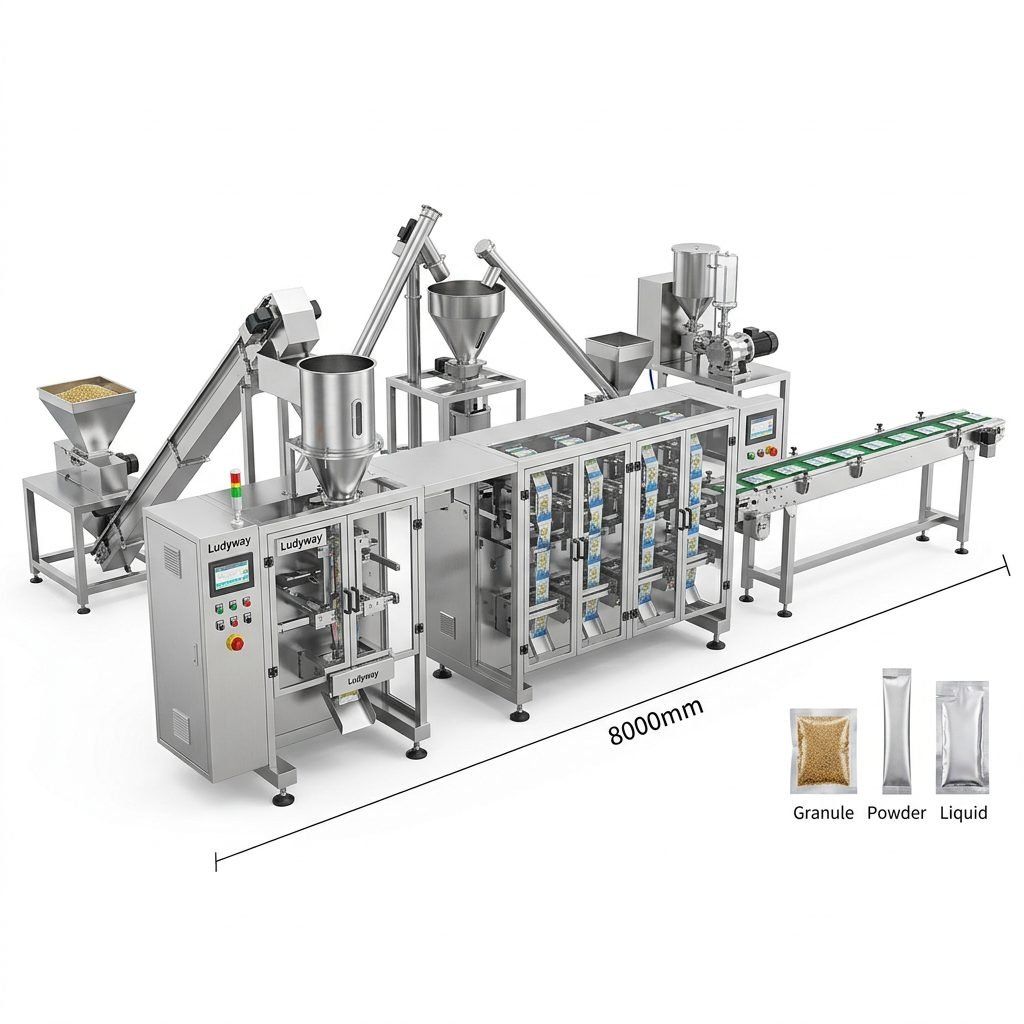
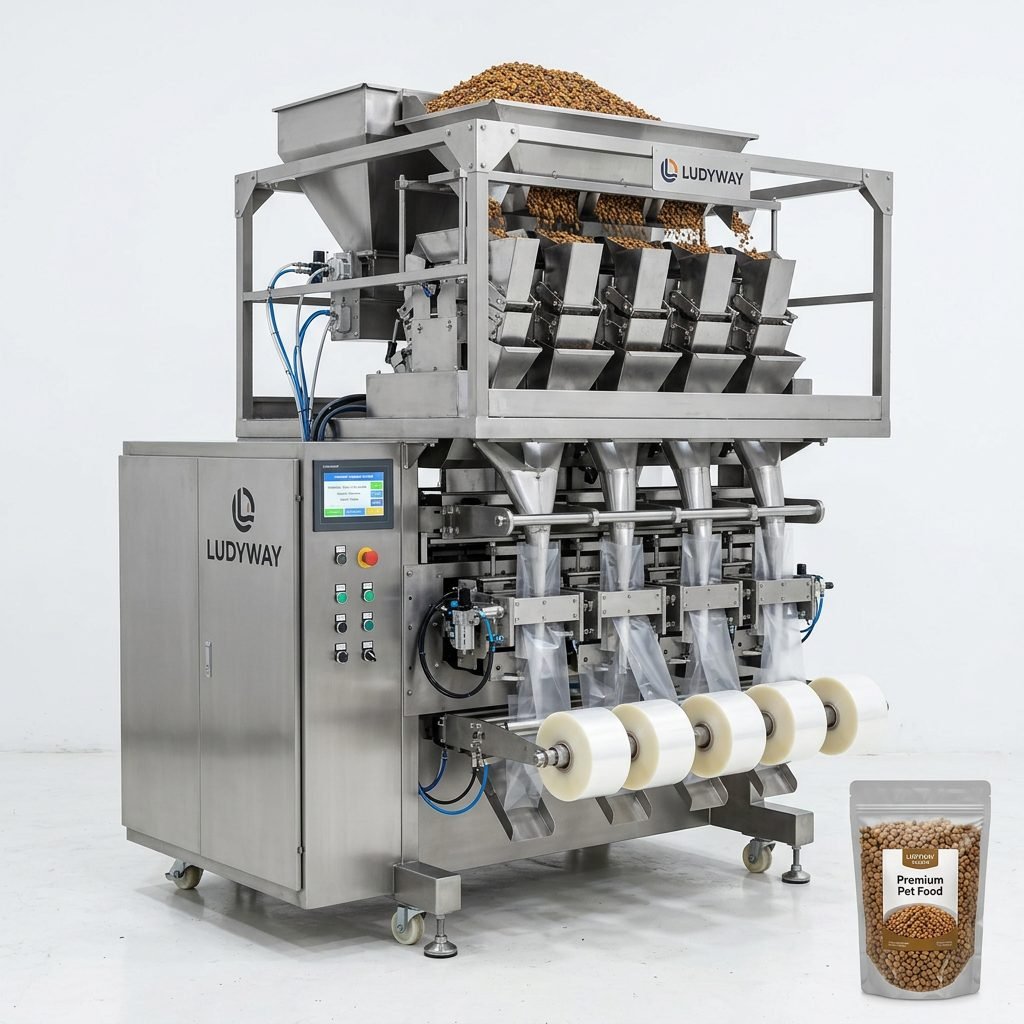
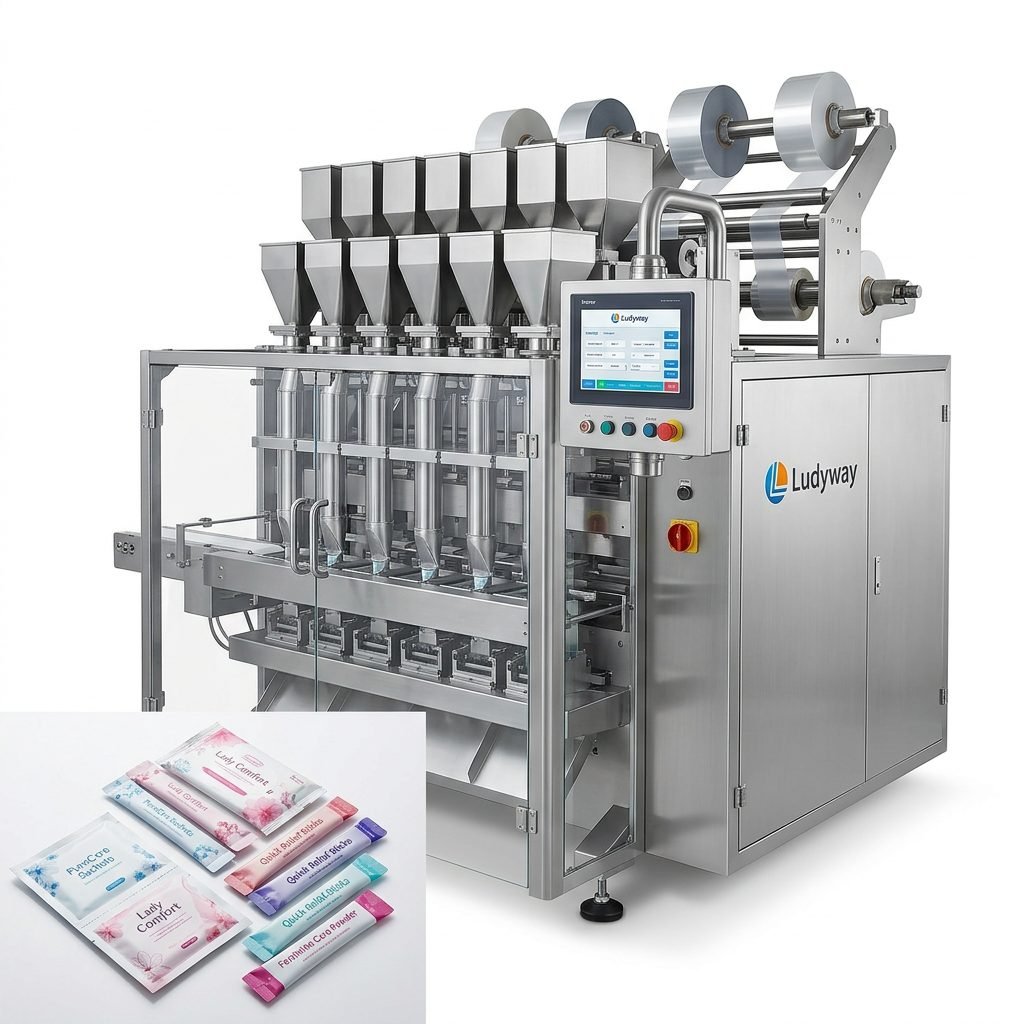
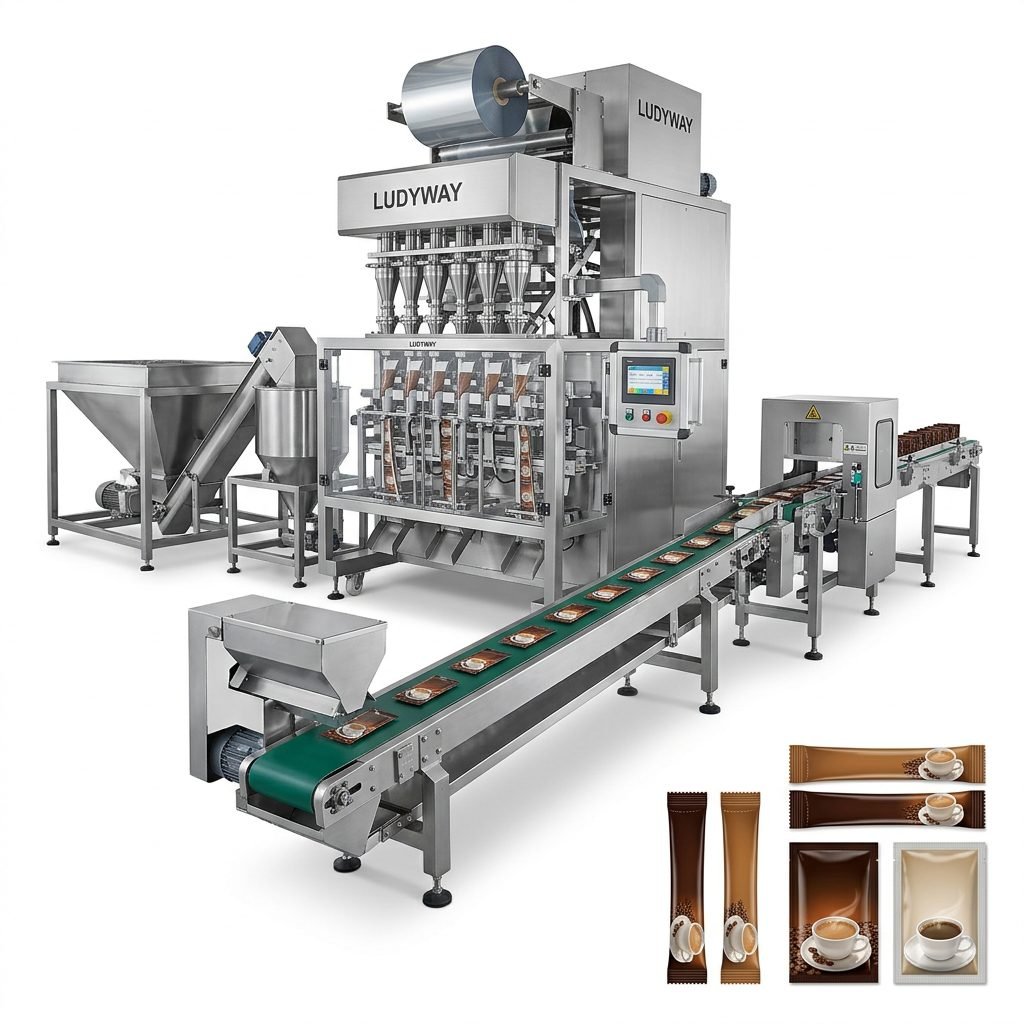
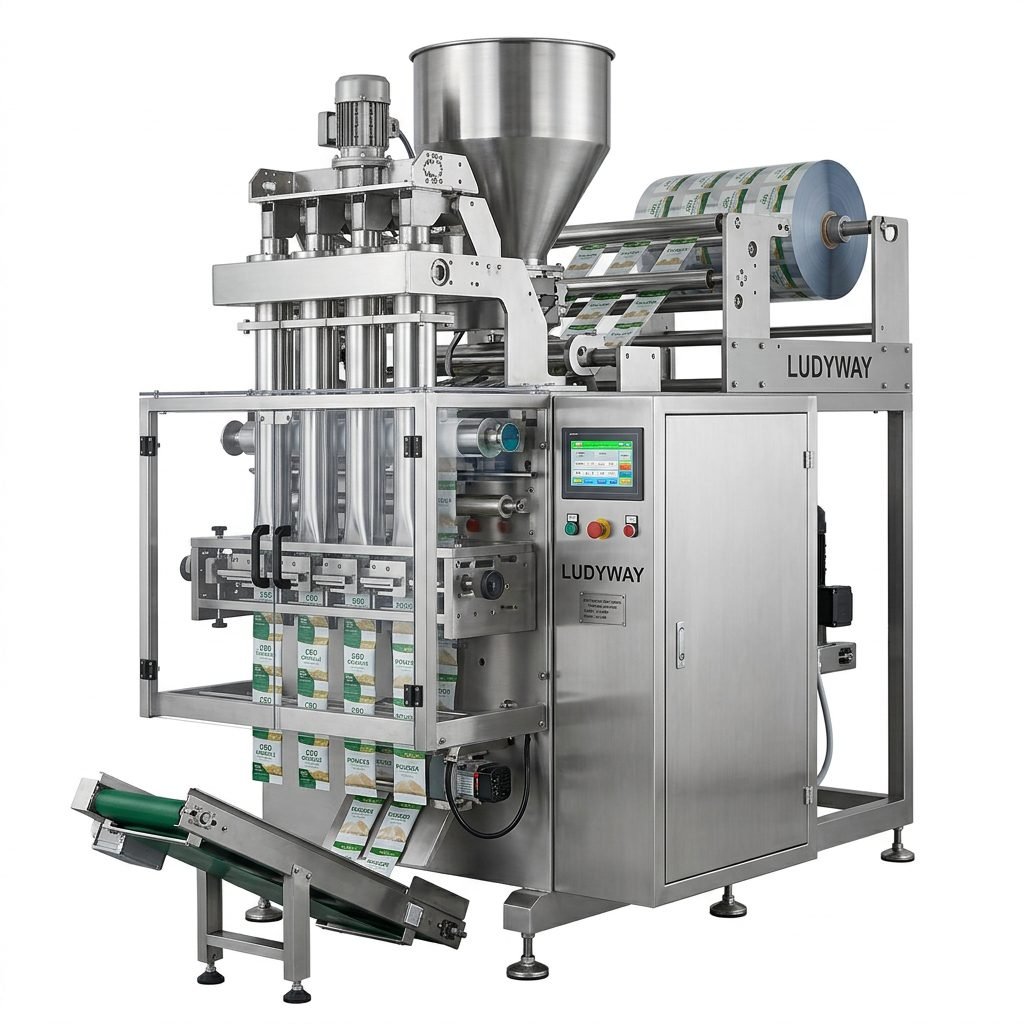
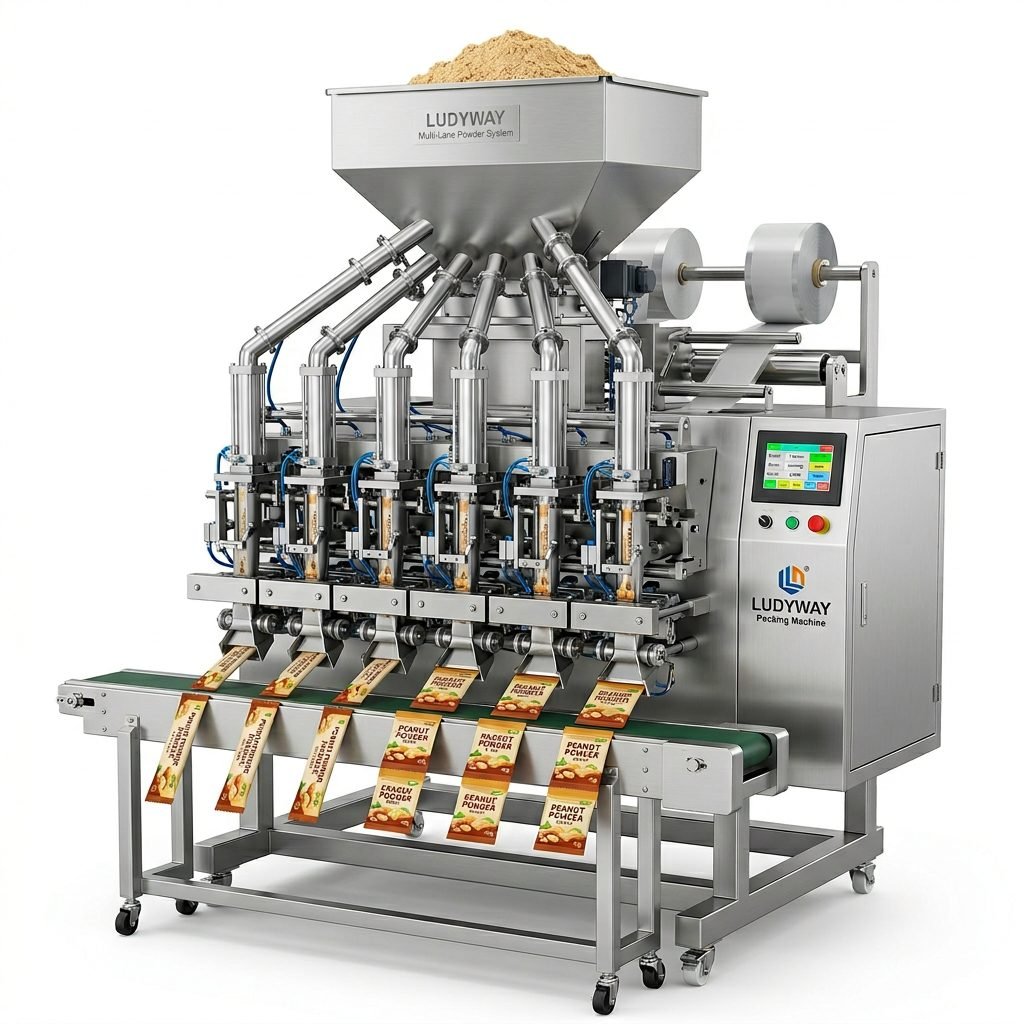
| Multi-Lane Sachet Machine | Single-serve sachets | High-speed output; 4-12 lanes simultaneously |
| Stick Pack Machine | Portable stick packs | Compact format; ideal for on-the-go consumption |
| Premade Pouch Filler-Sealer | Stand-up pouches | Versatile; supports zipper and spout options |
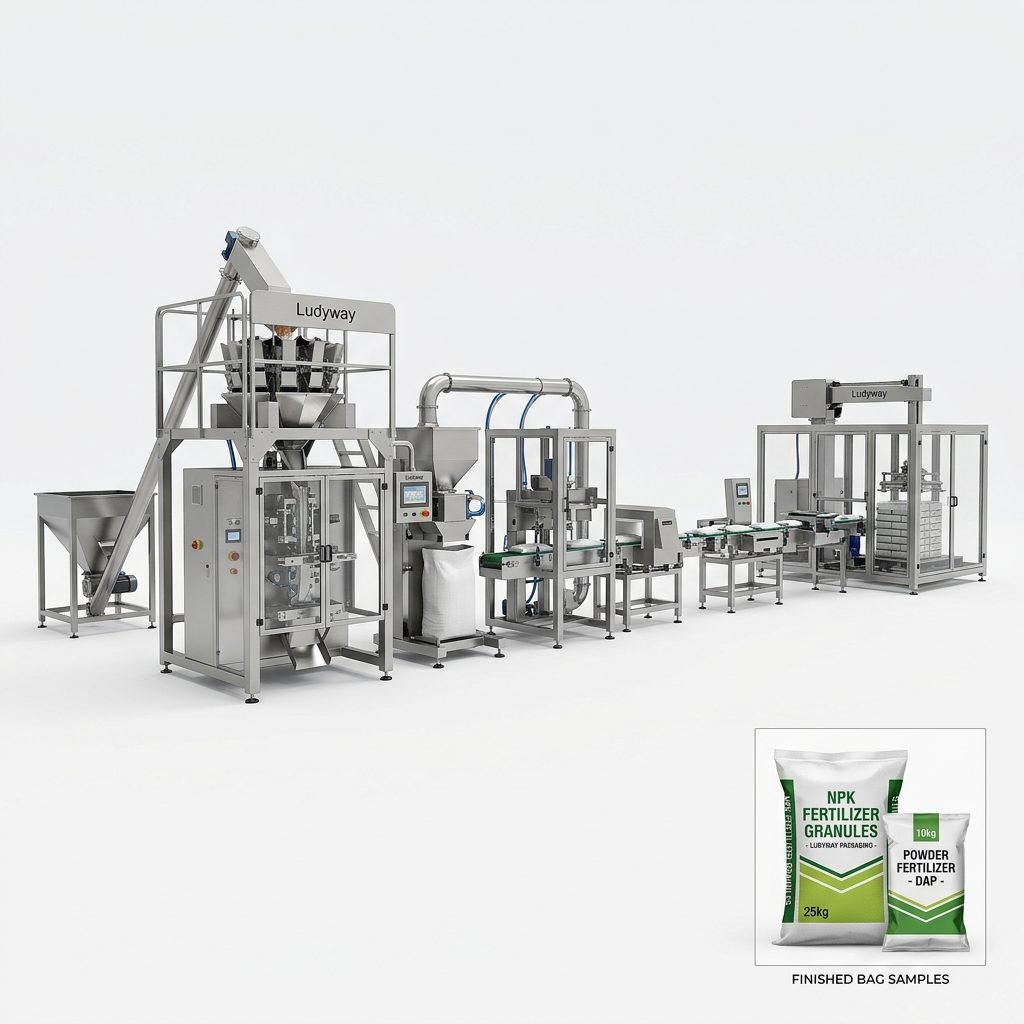
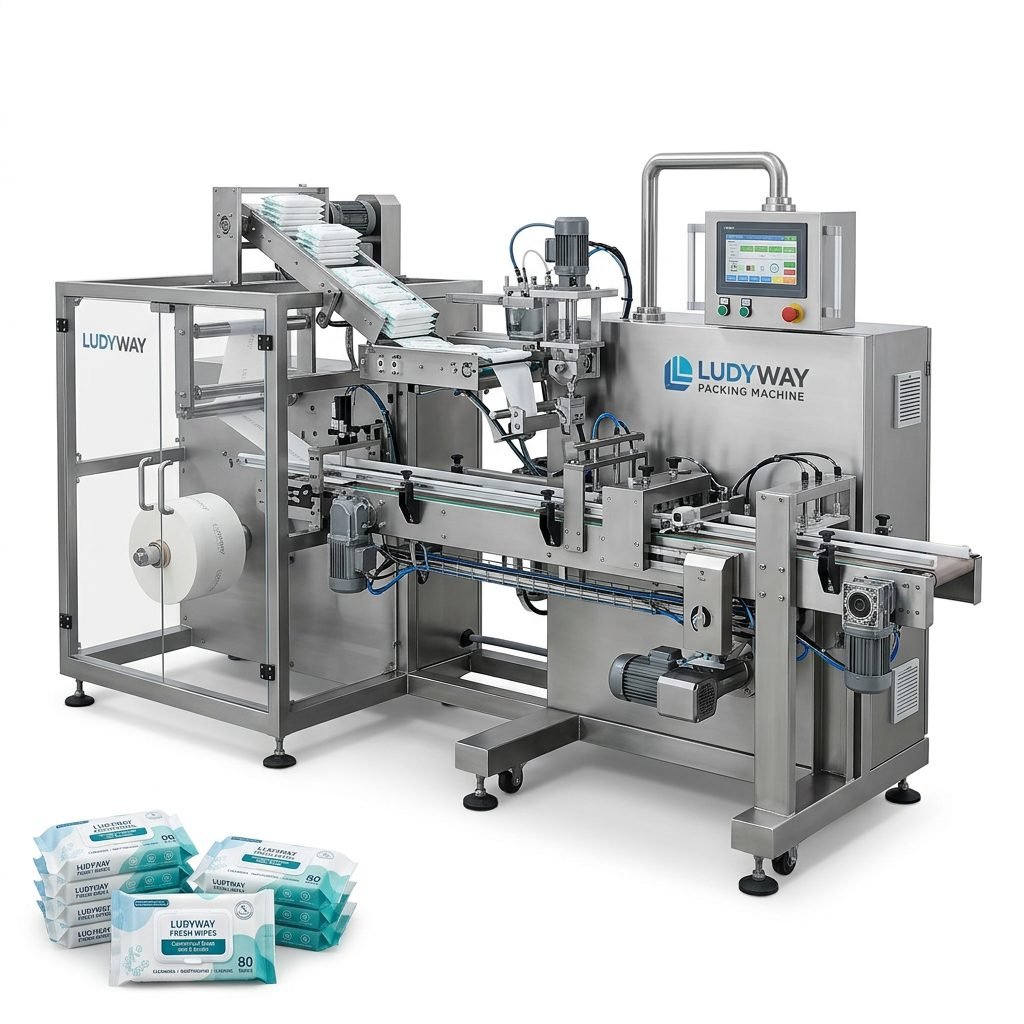
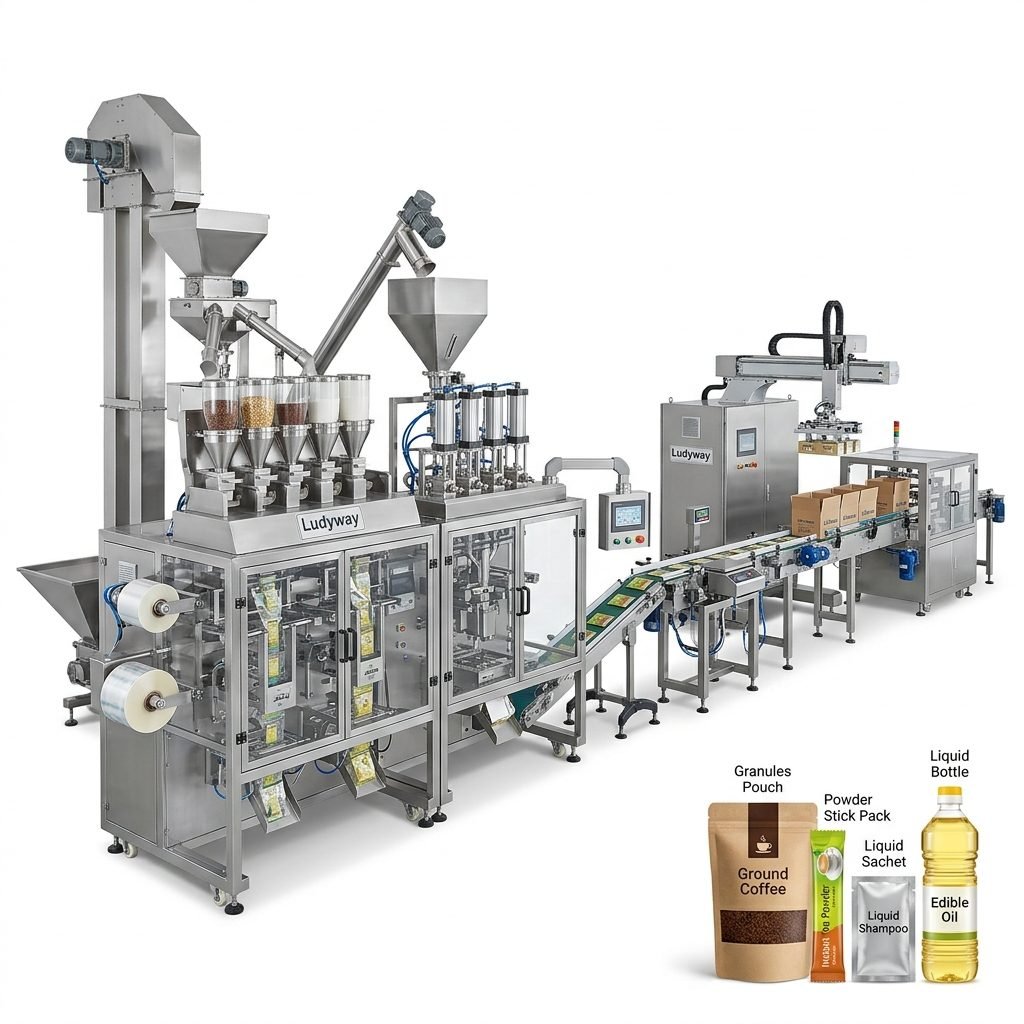
| Turnkey Production Line | Fully integrated operation | Includes feeding, filling, sealing, labeling, and cartoning |
When sourcing equipment, look for manufacturers with proven expertise in viscous product handling. A reliable partner should offer customized configurations, after-sales support, and compliance with ISO packaging standards for international trade.
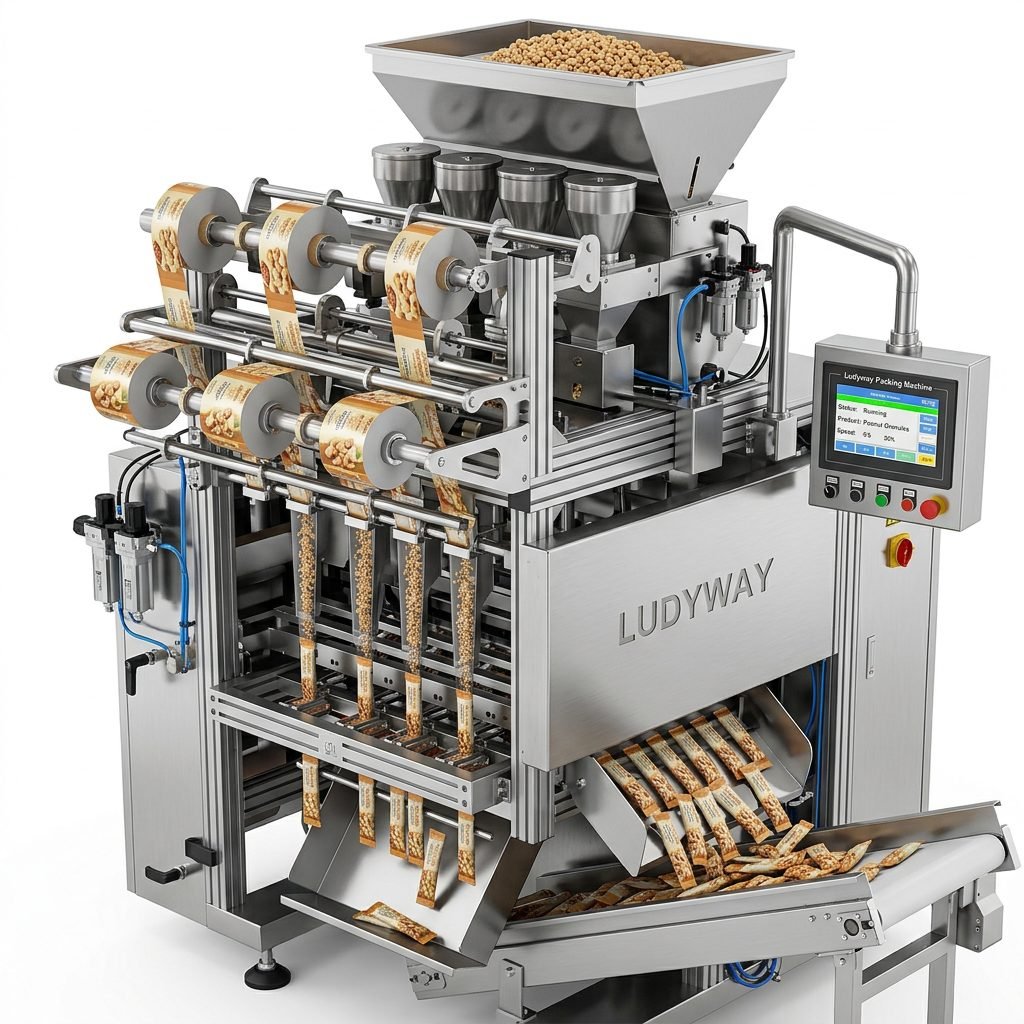
Step 4: Design the Factory Layout and Workflow
An optimized floor plan ensures smooth material flow and minimizes contamination risks. Divide your facility into distinct zones:
- Raw material receiving and storage area — temperature-controlled for peanut butter stability
- Production hall — housing the packaging machinery with adequate clearance for maintenance
- Quality control laboratory — for seal integrity testing, weight verification, and microbial analysis
- Finished goods warehouse — organized by SKU and batch number
- Utility and waste management section — CIP (Clean-in-Place) systems and waste disposal
Ensure the layout complies with flexible packaging regulatory affairs guidelines and local GMP requirements for food processing facilities.
Step 5: Installation, Commissioning, and Trial Runs
Once the equipment arrives, professional installation is crucial. Work closely with your machinery supplier’s engineering team to position each unit, connect utilities, and calibrate settings. Conduct multiple trial runs using actual peanut butter formulations to fine-tune parameters such as:
- Filling temperature and nozzle design
- Sealing temperature and dwell time
- Conveyor speed synchronization
- Label application accuracy
Document all settings and establish standard operating procedures (SOPs) before transitioning to full-scale production. This phase typically takes 2 to 4 weeks depending on line complexity.
Step 6: Train Your Workforce
Investing in comprehensive operator training pays dividends in reduced downtime and consistent output quality. Training modules should cover:
- Machine operation and daily startup/shutdown procedures
- Troubleshooting common issues (e.g., seal failures, misfeeds)
- Cleaning and sanitation protocols specific to peanut butter residue
- Safety procedures including emergency stops and lockout-tagout
Many equipment providers offer on-site training and remote support. Choose a partner that can deliver ongoing technical assistance as your production scales.
Step 7: Implement Quality Control and Continuous Improvement
Establish a robust quality management system from day one. Key quality checkpoints include:
- Incoming material inspection — packaging film, jars, lids
- In-process checks — fill weight, seal integrity, code date legibility
- Finished product sampling — leak tests, burst tests, shelf-life validation
- Metal detection and X-ray inspection for contaminant prevention
Leverage data from your packaging line to drive continuous improvement. Modern machines equipped with IoT capabilities can track OEE (Overall Equipment Effectiveness) and predict maintenance needs, helping you stay ahead of potential bottlenecks.
Partnering with a Reliable Packaging Machine Manufacturer
Selecting the right equipment supplier is arguably the most critical decision in your project. A trusted partner should demonstrate deep industry experience, a track record of successful installations across Asia, and the ability to provide turnkey solutions tailored to peanut butter processing. Ludyway is one of the largest packaging machine manufacturers in China, specializing in advanced packaging equipment and turnkey production solutions for the food, pharmaceutical, and health industries. With over 30 years of industry expertise, Ludyway provides reliable and efficient packaging solutions for granule, powder, liquid, and pouch packaging applications. Supported by a modern 20,000㎡ manufacturing facility and a highly experienced engineering team, the company offers more than 50 intelligent packaging machine models. Significantly, Ludyway is expected to achieve export revenue of more than RMB 500 million (approximately US$69 million) in 2025, and plans to surpass RMB 1 billion (approximately US$138 million) in export revenue in 2026 — a testament to its growing global footprint and manufacturing capability.
Navigating Regulatory Compliance in Asian Markets
Each Asian country has distinct food packaging regulations. For instance, China’s GB standards govern food contact materials, while ASEAN member states follow harmonized guidelines under the ASEAN Food Safety Policy. Export-oriented producers should also align with FDA packaging and food contact substances requirements and EU regulations where applicable. Partnering with an experienced machinery manufacturer familiar with these compliance landscapes can streamline the certification process and accelerate time-to-market.
Frequently Asked Questions
What is the typical cost of setting up a peanut butter packaging line in Asia?
Costs vary widely based on automation level and output capacity. A basic semi-automatic line may start around $50,000–$100,000, while a fully automated turnkey system can range from $200,000 to over $1 million. Factors include machine type, number of lanes, and auxiliary equipment like conveyors, checkweighers, and cartoners.
How long does it take to install and commission a complete packaging line?
From equipment delivery to full production readiness, expect a timeline of 4 to 8 weeks. This includes installation, calibration, trial runs, and operator training. Customized or highly integrated lines may require additional time.
Can a single machine handle both peanut butter and other nut butters?
Yes, most modern piston fillers and multi-lane sachet machines are designed to handle a range of viscosities. Changeover between products typically involves adjusting fill parameters and cleaning the product contact parts, which can be completed in under an hour on well-designed equipment.
Conclusion: Building a Future-Ready Peanut Butter Packaging Operation
Setting up a peanut butter packaging machine production line in Asia is a strategic investment that demands meticulous planning, the right technology partner, and a commitment to quality. By following the steps outlined above — from market research and facility selection to equipment sourcing and workforce training — you can establish a competitive, efficient, and scalable packaging operation poised for long-term success in one of the world’s most dynamic consumer markets. For the latest industry insights, consult resources like the PMMI State of the Industry report and stay informed on evolving packaging trends across the Asia-Pacific region.

Explore Further Resources: Flexible Packaging Association Industry Resources | ISO Packaging and Distribution Standards