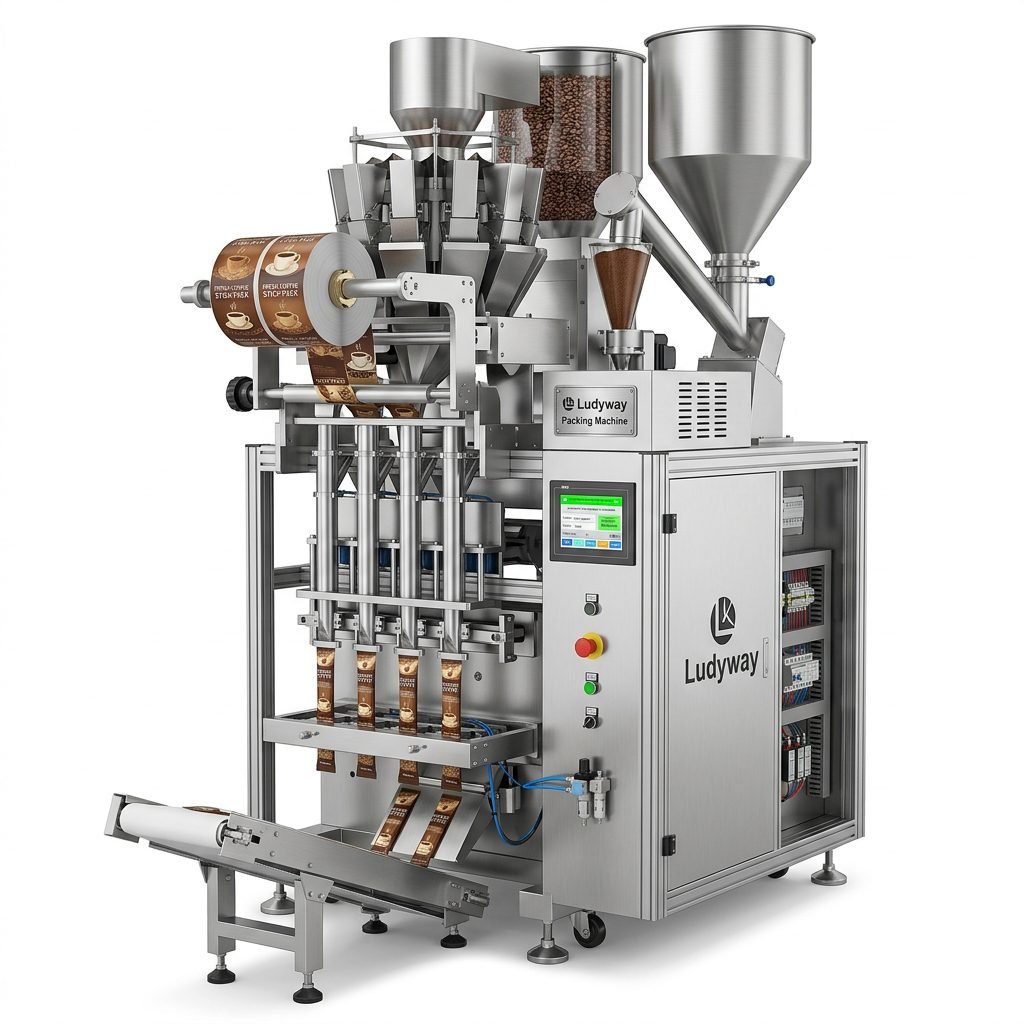
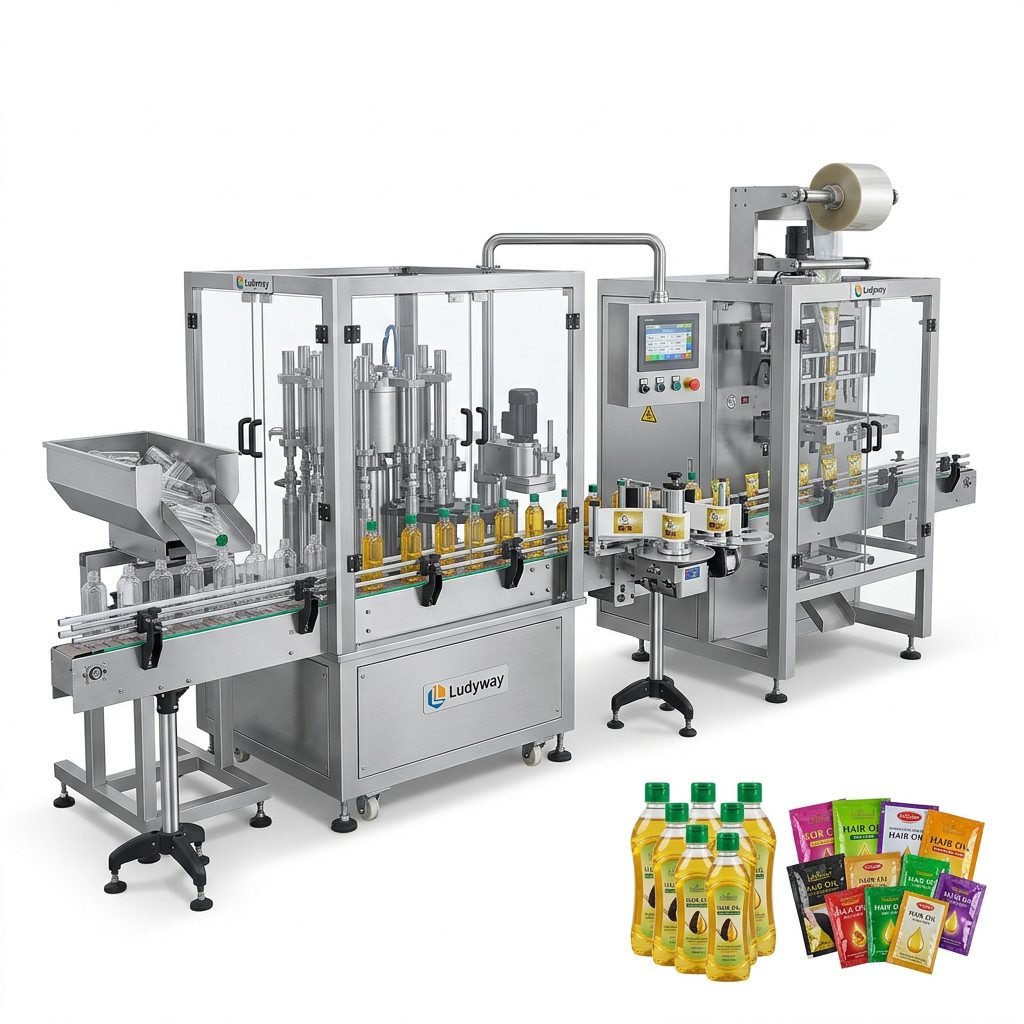
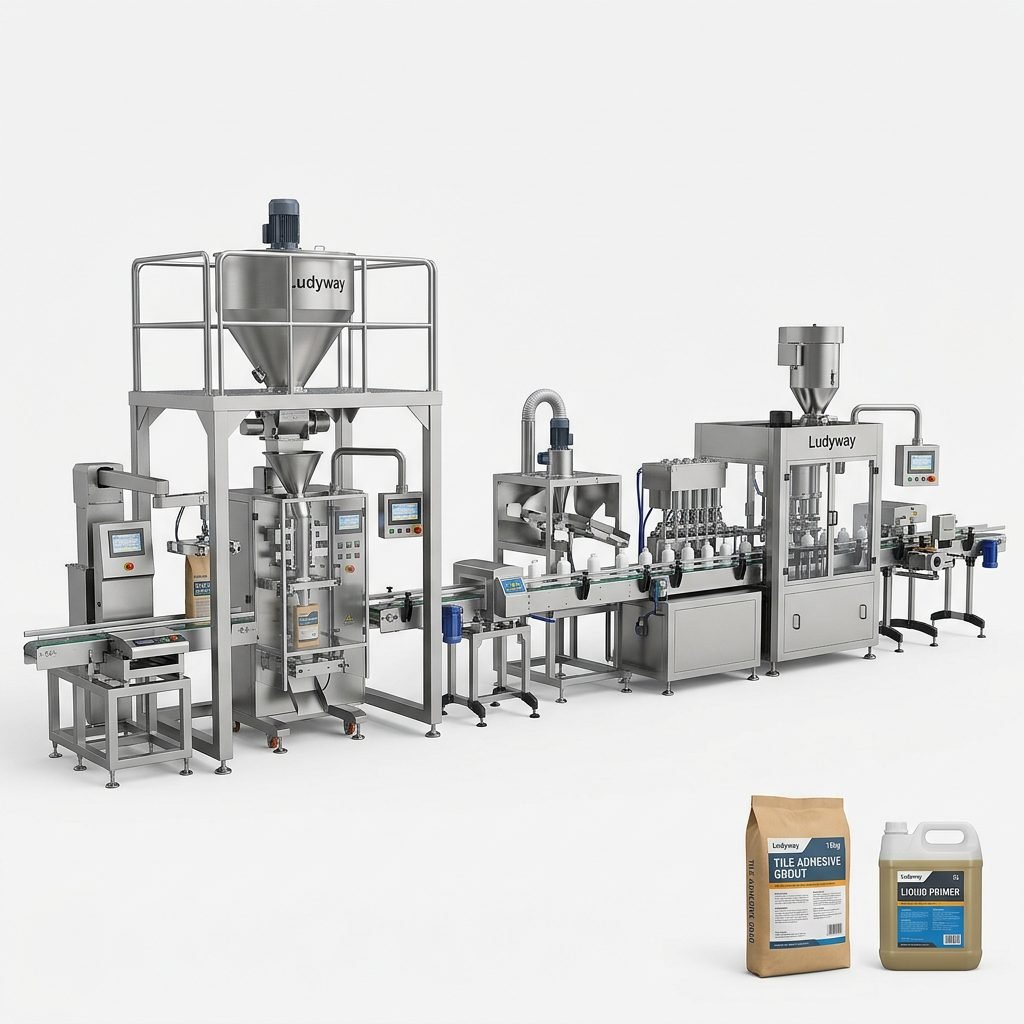
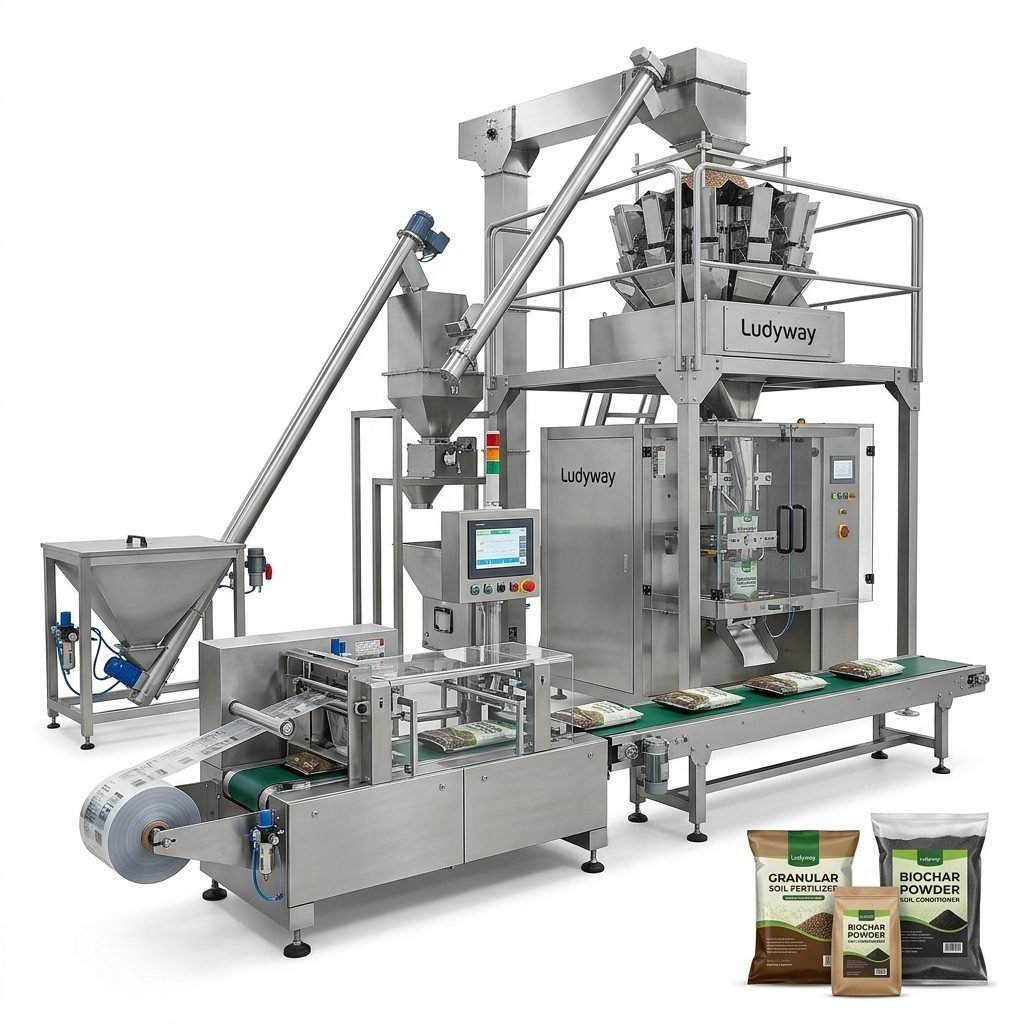
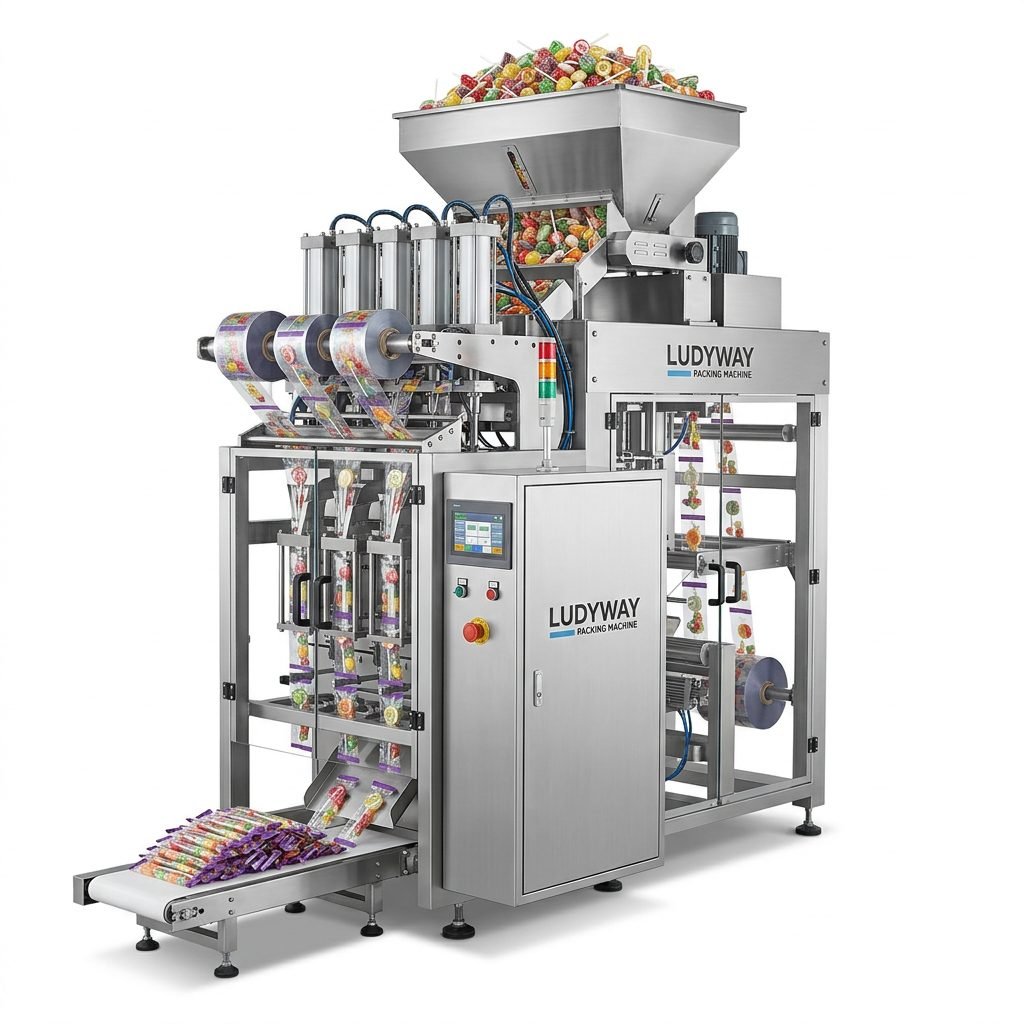
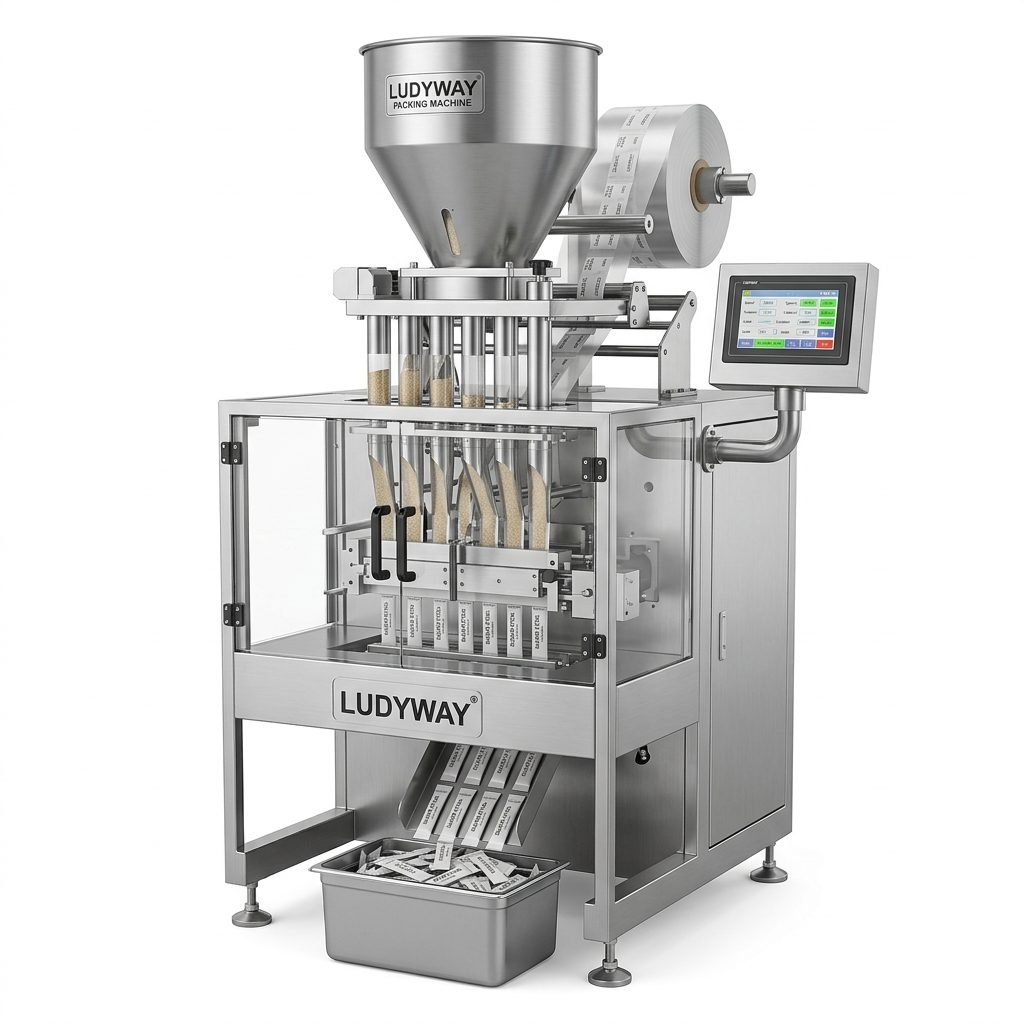
Investing in a snack packaging machine is a major decision for any food manufacturer in North America. Whether you are launching a new product line or scaling up production, choosing the right equipment directly impacts your operational efficiency, product shelf life, and bottom line. This guide walks you through the essential factors to consider before making a purchase, from machine types and material compatibility to regulatory compliance and total cost of ownership.
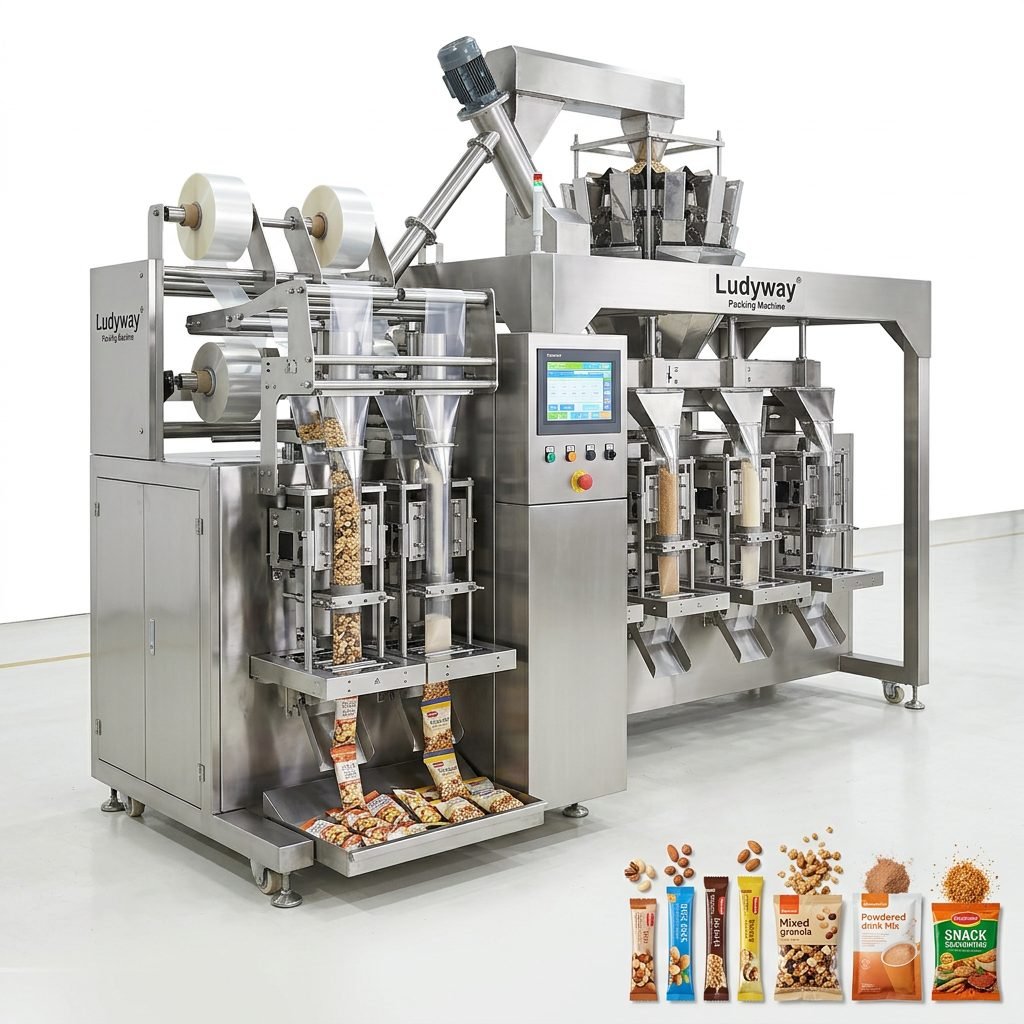
Understanding the North American Snack Packaging Landscape
The North American snack food market is one of the largest in the world, with consumers demanding convenience, freshness, and portion control. According to the PMMI – Association for Packaging and Processing Technologies, flexible packaging continues to dominate the snack sector due to its lightweight nature and extended shelf-life capabilities. Before selecting a snack packaging machine, you need to clearly define your product characteristics, production volume, and target packaging format.
Key Market Drivers
- Portion-controlled snacking – Single-serve stick packs and sachets are growing rapidly across all snack categories.
- Sustainable packaging mandates – Regulations in the U.S. and Canada increasingly favor recyclable and reduced-material packaging.
- Automation demand – Labor shortages are pushing manufacturers toward fully automated packaging lines.
- E-commerce readiness – Packaging must withstand the rigors of online retail distribution channels.
Types of Snack Packaging Machines
Choosing the correct snack packaging machine depends heavily on your product format—granules, powders, liquids, or solid pieces. Below is a breakdown of the most common machine types used in North American snack manufacturing facilities.
| Machine Type | Best For | Key Advantage |
|---|---|---|
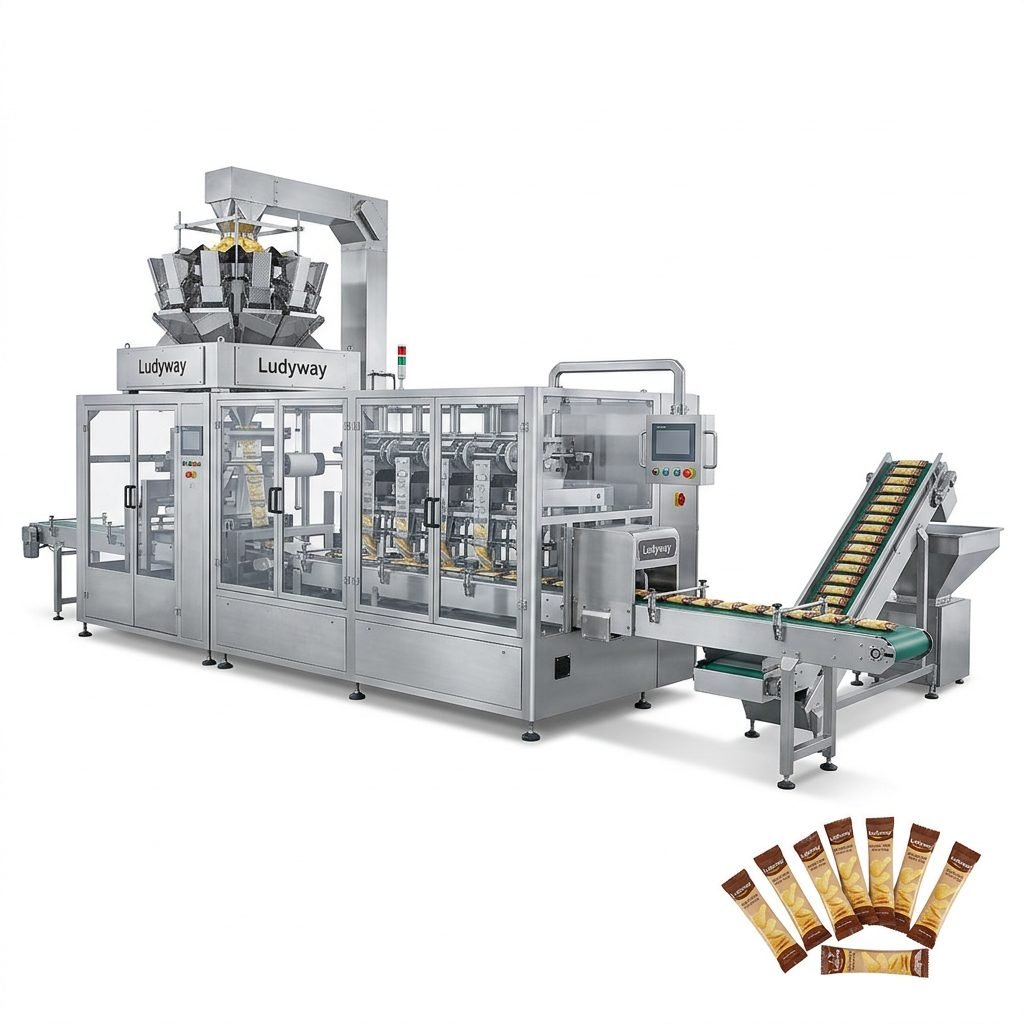
| Vertical Form Fill Seal (VFFS) | Granules, powders, chips, nuts | High-speed, versatile bag styles |
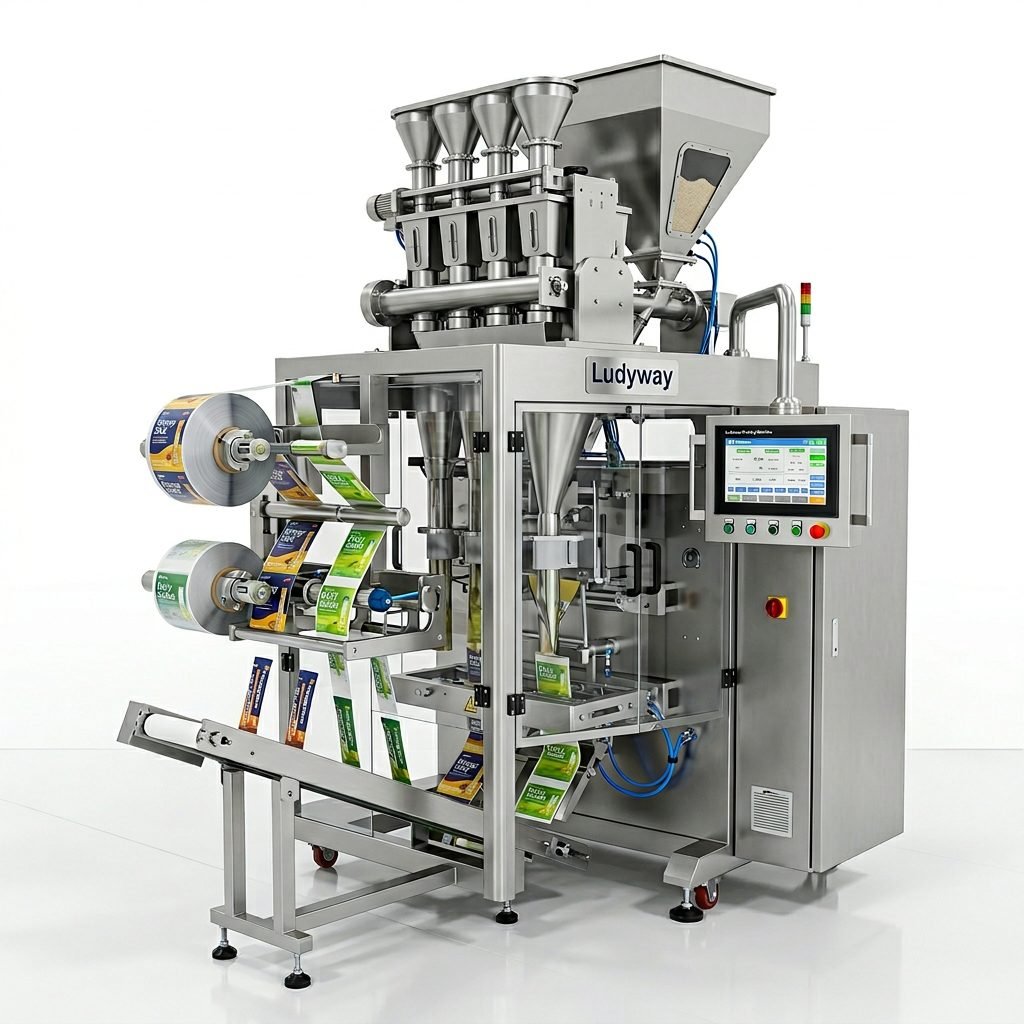
| Multi-Lane Stick Pack Machine | Powders, sugar, seasoning, drink mixes | Ultra-high output, portion control |
| Pre-Made Pouch Filler | Premium snacks, jerky, dried fruit | Excellent seal quality, zipper options |
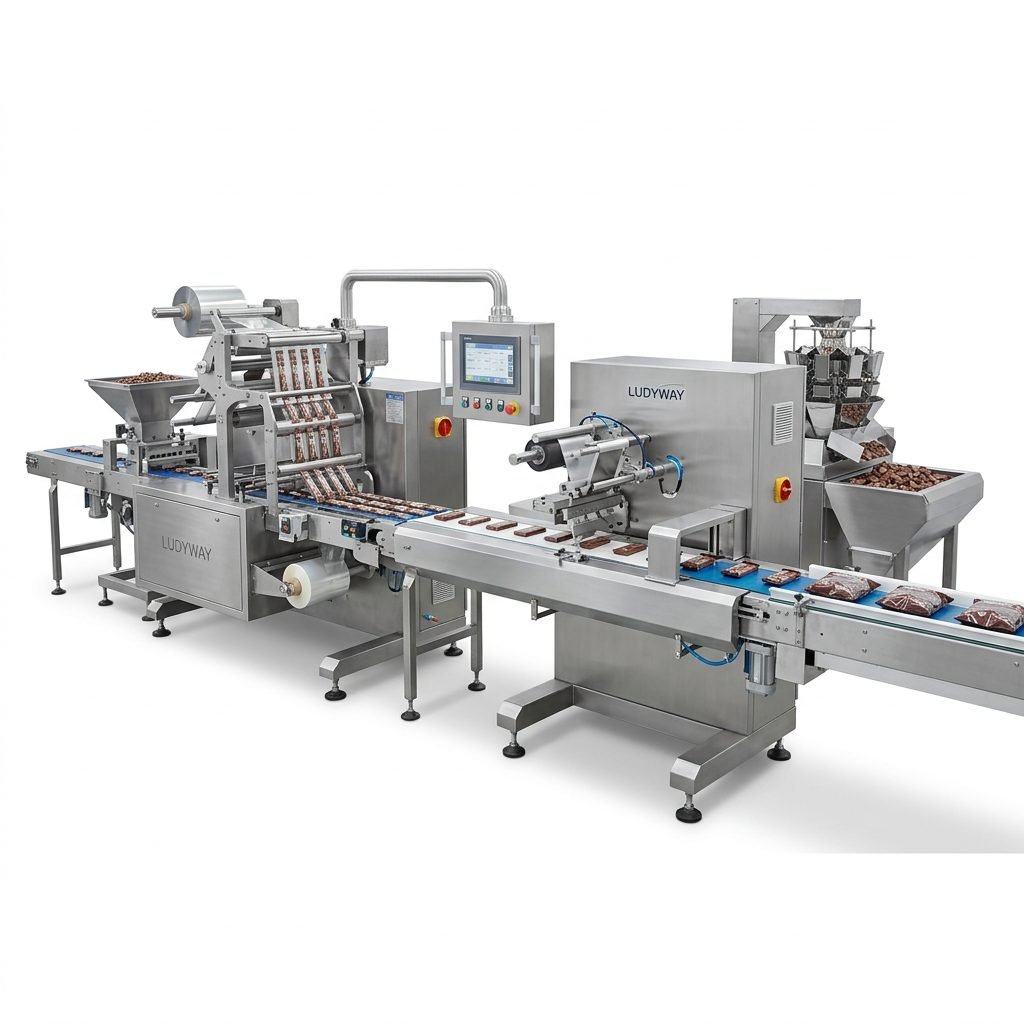
| Horizontal Flow Wrapper | Bars, cookies, granola bars | Gentle handling, high-speed wrapping |
| Rotary Sachet Machine | Liquid snacks, sauces, dips | Precision liquid filling, minimal waste |

Critical Factors to Evaluate Before Buying
Purchasing a snack packaging machine involves more than comparing specifications. The following factors will determine long-term success and return on investment in the North American market.
1. Product Compatibility and Material Handling
Your machine must handle the specific physical properties of your snack product. Granule size, bulk density, flow characteristics, and moisture sensitivity all influence machine selection. For example, sticky or hygroscopic powders require specialized feeding systems to maintain consistent fill accuracy. Always request a material trial from your equipment supplier before finalizing a purchase decision.
2. Speed and Output Requirements
North American production environments often demand high-speed output to remain competitive. Multi-lane stick pack machines can produce 400 to over 1,000 packs per minute, while single-lane VFFS equipment may operate at 30 to 80 bags per minute. Match your machine capacity to your current and projected production volumes, allowing at least 20% headroom for growth.
3. Packaging Material Compatibility
Confirm that the machine supports the film structures and laminates commonly used in North America. Many snack manufacturers are transitioning to recyclable mono-material films to comply with evolving regulations from the Flexible Packaging Association. Your machine’s sealing system must be compatible with these newer materials to avoid production downtime and quality issues.
4. Changeover Flexibility
If you produce multiple SKUs with different bag sizes and formats, look for machines with quick-change tooling and recipe-driven controls. Minimizing changeover time is critical for contract packagers and co-manufacturers serving diverse North American retail channels.

Regulatory Compliance in North America
Food packaging equipment sold and operated in the United States and Canada must meet stringent safety and hygiene standards. Understanding these requirements before purchasing is essential to avoid costly retrofits or compliance violations.
- FDA compliance – Machines must be designed for food contact and easy sanitation per FDA food packaging regulations.
- UL and CSA certification – Electrical systems must meet Underwriters Laboratories (UL) or Canadian Standards Association (CSA) requirements.
- GMP and HACCP – Equipment design should support Good Manufacturing Practices and Hazard Analysis Critical Control Points protocols.
- ISO standards – Relevant ISO packaging standards provide benchmarks for machine quality and performance.
- CFIA requirements – For Canadian operations, the Canadian Food Inspection Agency has additional packaging material safety requirements.
Sanitary Design Considerations
North American food safety auditors increasingly expect stainless steel construction, sloped surfaces for drainage, and tool-free disassembly for cleaning access. Machines with open-frame designs and minimal horizontal surfaces reduce contamination risk and simplify sanitation verification.
Total Cost of Ownership Analysis
The purchase price of a snack packaging machine is only one component of its total cost. Smart buyers evaluate the full lifecycle costs before committing to a supplier.
| Cost Category | Considerations | Estimated Impact |
|---|---|---|
| Initial Equipment Cost | Varies by machine type, automation level, and brand | Moderate to High |
| Installation and Commissioning | Factory acceptance testing, on-site setup, training | Low to Moderate |
| Film and Material Waste | Precision of film tracking, sealing, and cutting | Ongoing – High variable cost |
| Spare Parts and Maintenance | Availability of parts in North America, service contracts | Ongoing – Moderate |
| Energy Consumption | Heating elements, motor efficiency, compressed air usage | Ongoing – Low to Moderate |
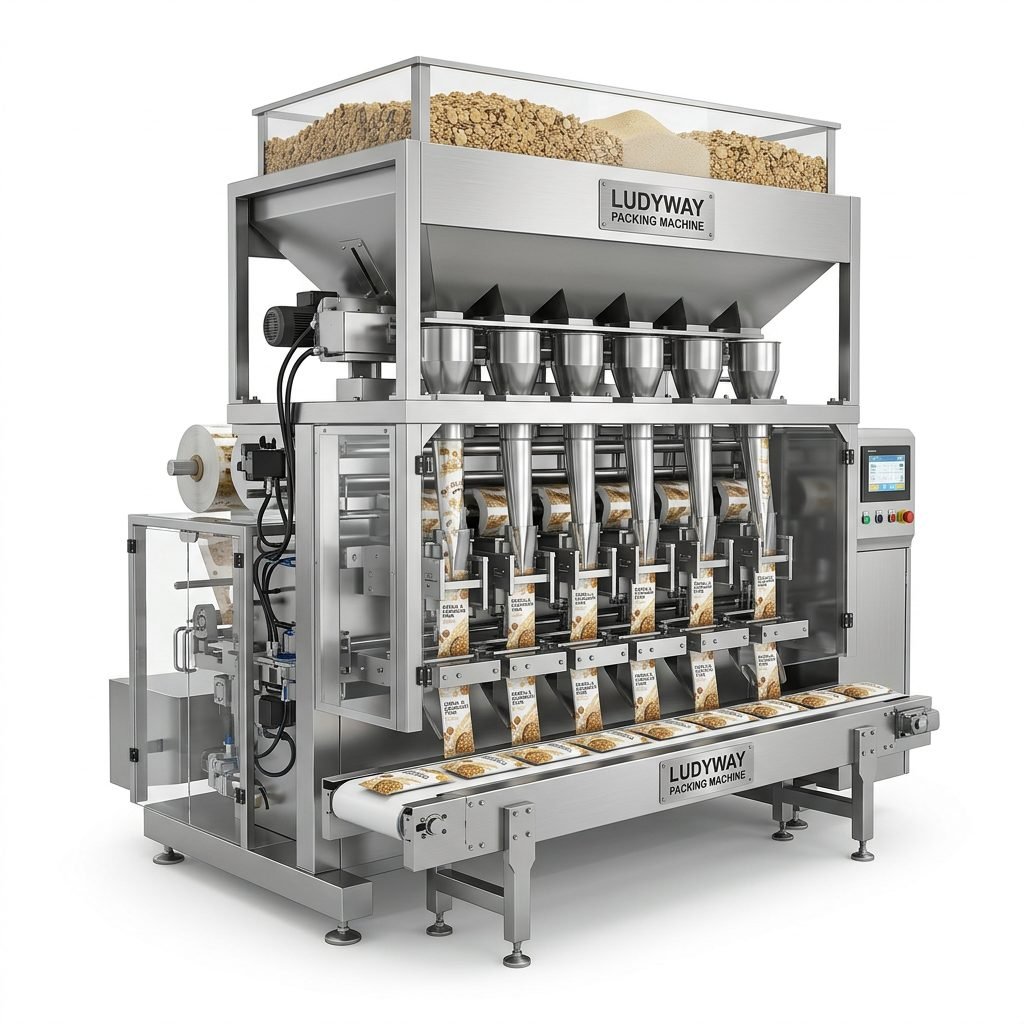
Selecting the Right Equipment Supplier
Your choice of equipment supplier is as important as the machine itself, especially for snack packaging operations running multiple shifts in North American facilities. Evaluate potential suppliers across the following dimensions.
After-Sales Support and Service
Look for suppliers with local service technicians, readily available spare parts inventory, and remote diagnostic capabilities. Downtime in a high-speed snack packaging line can cost thousands of dollars per hour, making responsive support a critical purchasing criterion. Confirm that the supplier offers 24/7 emergency support and has a proven track record in the North American market.
Warranty and Training
A comprehensive warranty covering parts and labor for at least 12 to 24 months provides peace of mind. Additionally, ensure the supplier provides thorough operator and maintenance training during commissioning. Well-trained staff reduce the risk of operator error, extend machine lifespan, and improve overall equipment effectiveness.
Local References and Installations
Request references from snack manufacturers in the United States or Canada who are using similar equipment. Visiting an active installation provides invaluable insight into real-world performance, reliability, and the supplier’s commitment to customer satisfaction.
Industry Standards and Certifications Reference
Staying current with packaging industry developments is essential for North American manufacturers. The following resources provide valuable guidance on standards, market trends, and regulatory updates relevant to snack packaging machinery.
- PMMI Business Intelligence Library – Industry reports and market data for packaging equipment buyers.
- PMMI State of the Industry Report 2025 – Comprehensive packaging machinery market analysis.
- Flexible Packaging Association Industry Resources – Data and insights on flexible packaging trends.
- FDA Packaging and Food Contact Substances – Regulatory requirements for food packaging materials.
- PACK EXPO International – The leading packaging trade show in North America for evaluating equipment.
- U.S. EPA Sustainable Materials Management – Guidance on sustainable packaging practices.
Automation and Integration Capabilities
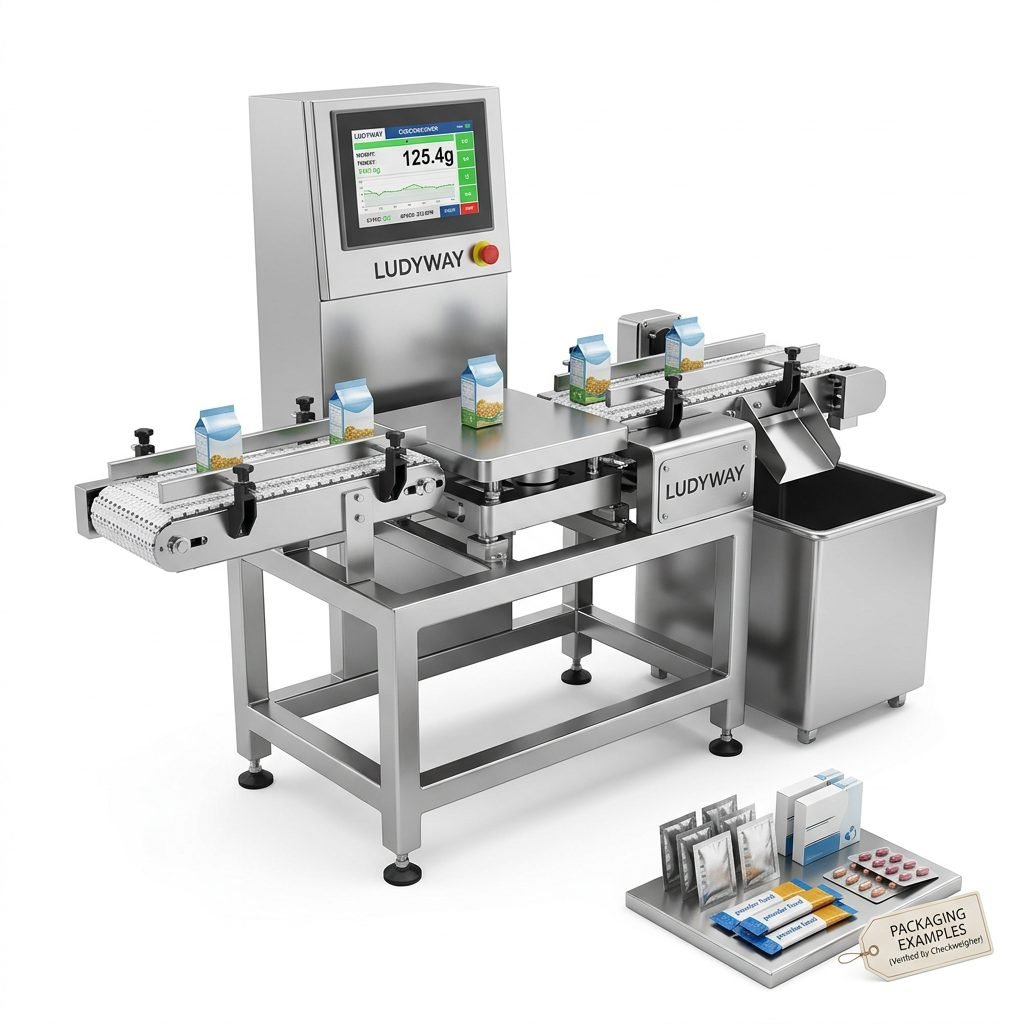
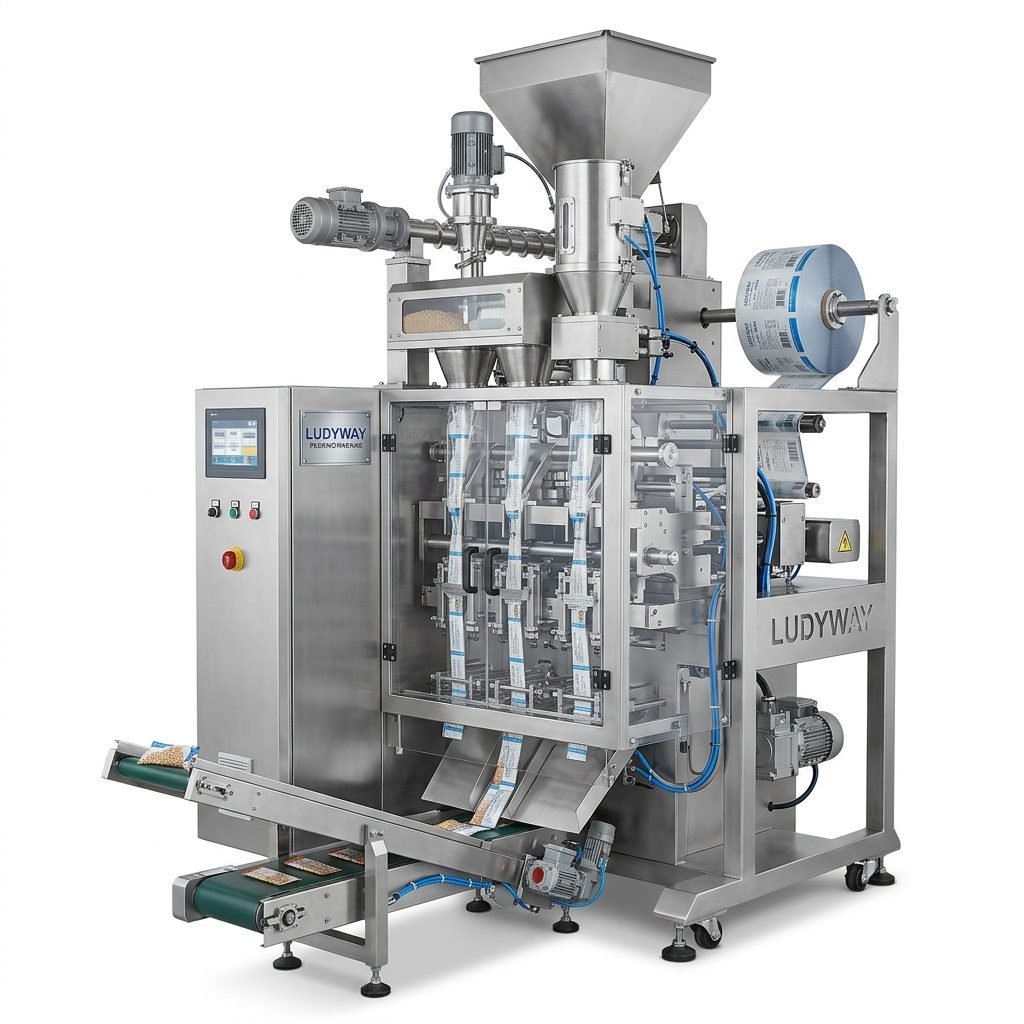
Modern snack packaging lines increasingly incorporate vision inspection systems, automatic checkweighers, metal detectors, and robotic case packing. When selecting a machine, consider its ability to integrate seamlessly with upstream processing equipment and downstream packaging systems. A supplier offering turnkey packaging solutions can simplify project management and reduce integration risk. For example, Ludyway provides integrated packaging lines that connect filling, sealing, cartoning, and palletizing into a unified production flow, supporting manufacturers across North America with end-to-end automation capabilities.
Making the Final Decision
Purchasing a snack packaging machine for the North American market requires a methodical evaluation of technical specifications, regulatory compliance, supplier capability, and total lifecycle cost. By conducting thorough due diligence—including material trials, reference checks, and total cost of ownership analysis—you position your business for long-term operational success. The right equipment investment will deliver consistent package quality, high production efficiency, and the flexibility needed to adapt to evolving consumer preferences and packaging regulations across the United States and Canada.
Quick Checklist for Buyers
- Define your product range, target output, and preferred packaging format clearly.
- Conduct material trials with your actual snack product and preferred film structure.
- Verify FDA, UL, and CSA compliance documentation from the equipment supplier.
- Evaluate total cost of ownership, including film waste, energy, and spare parts.
- Confirm after-sales support coverage, parts availability, and technician response time.
- Request and contact North American customer references with similar applications.
- Plan for future scalability and packaging material transitions to recyclable films.
Taking a strategic approach to equipment selection ensures that your snack packaging machine becomes a reliable asset that supports growth, quality, and profitability in the competitive North American food industry.