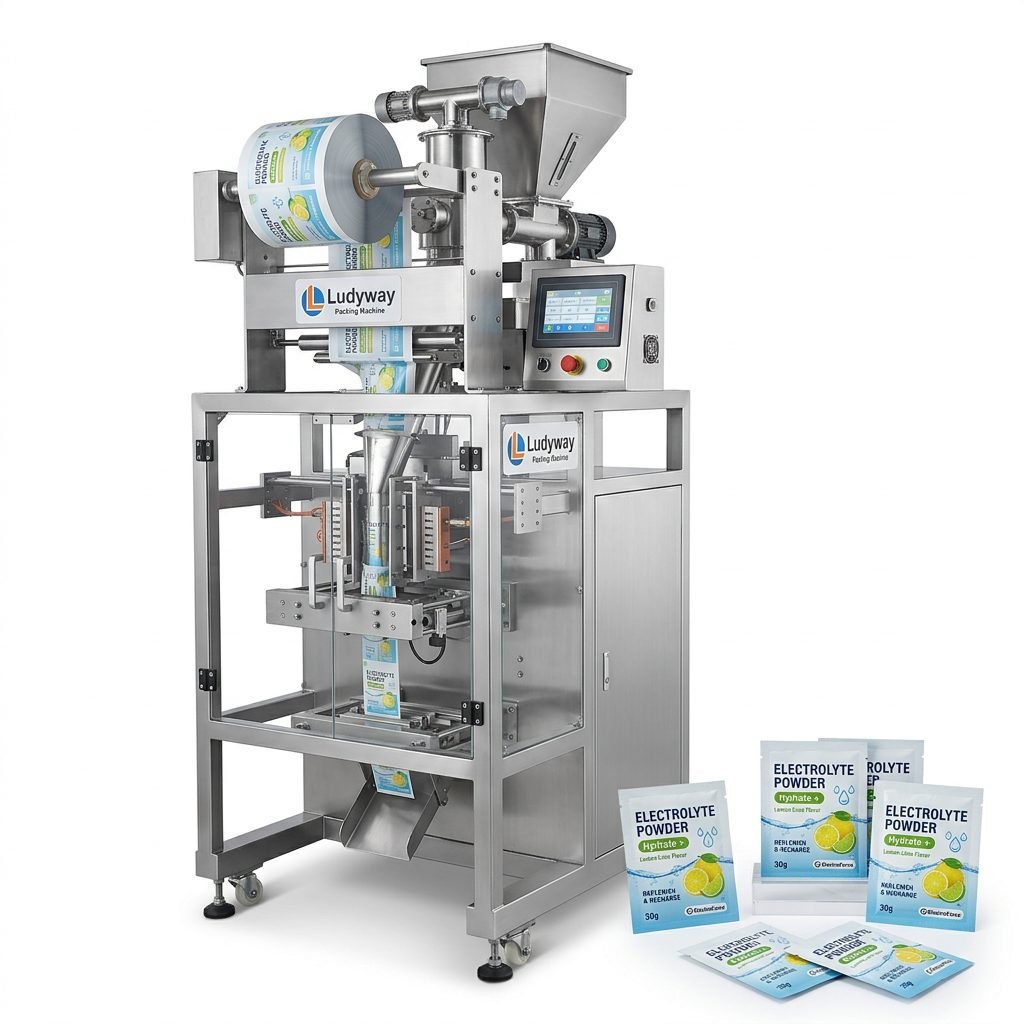
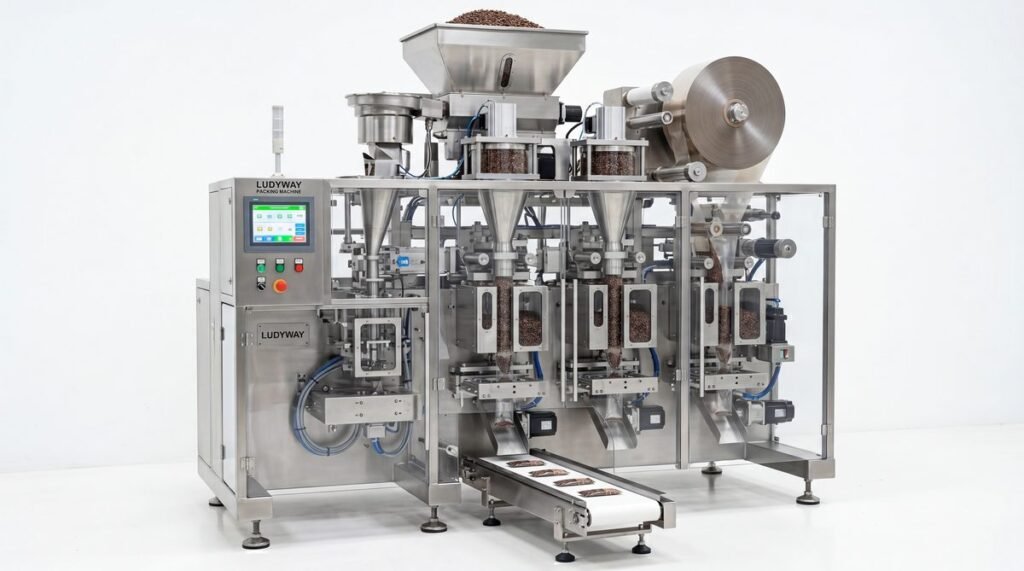
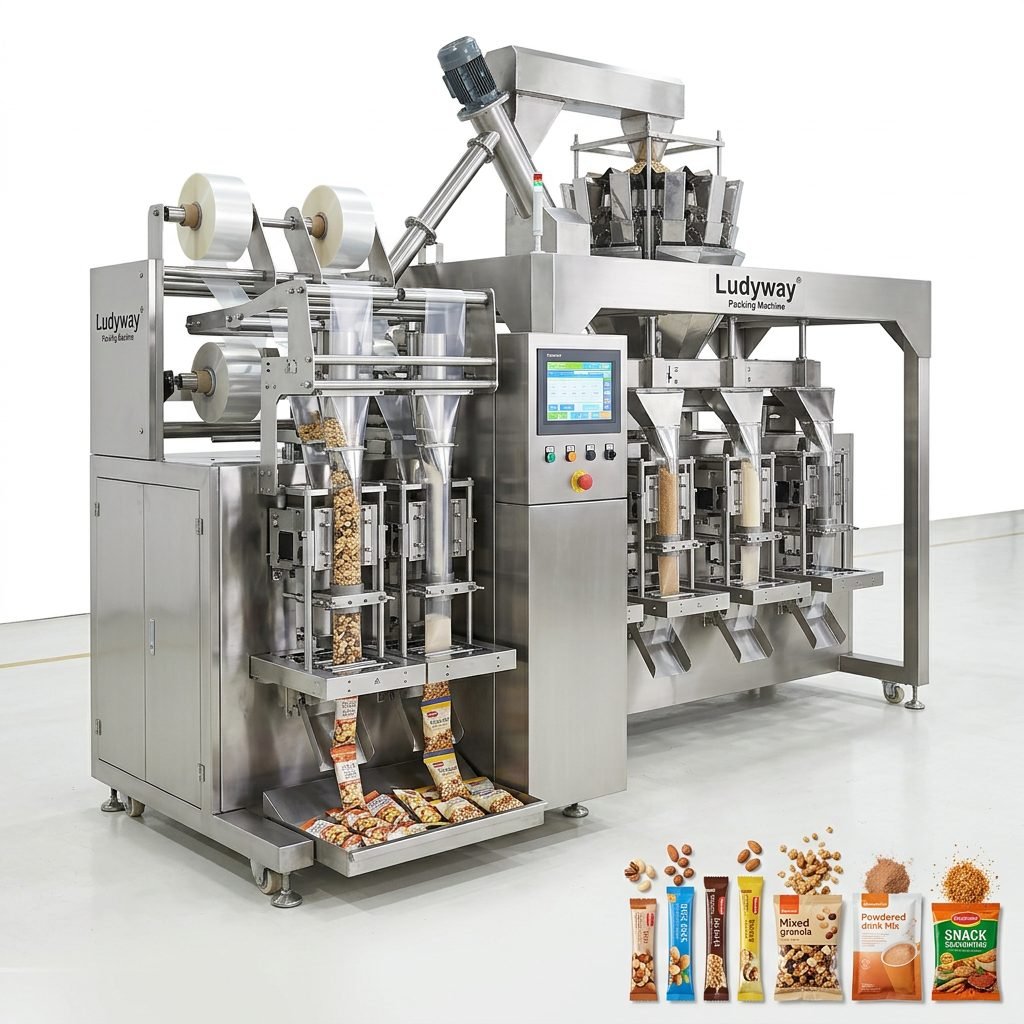
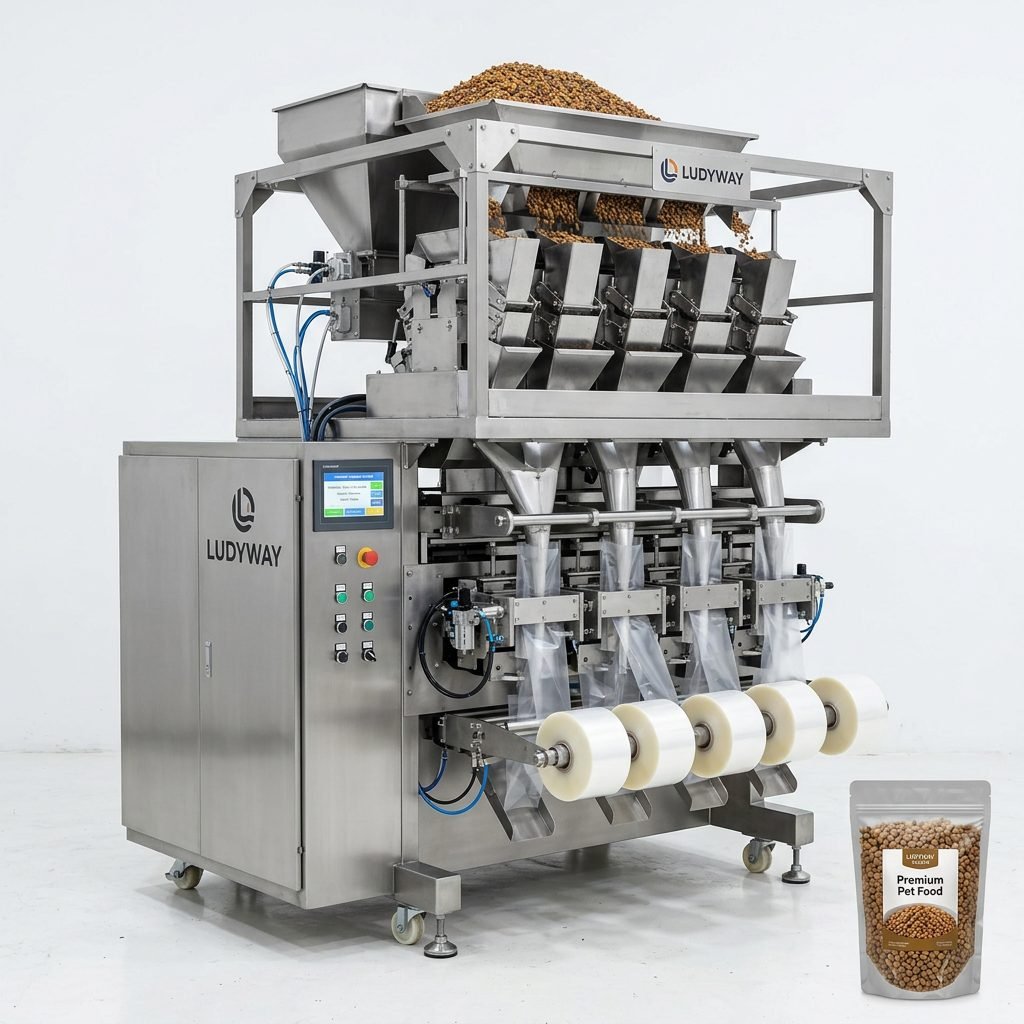
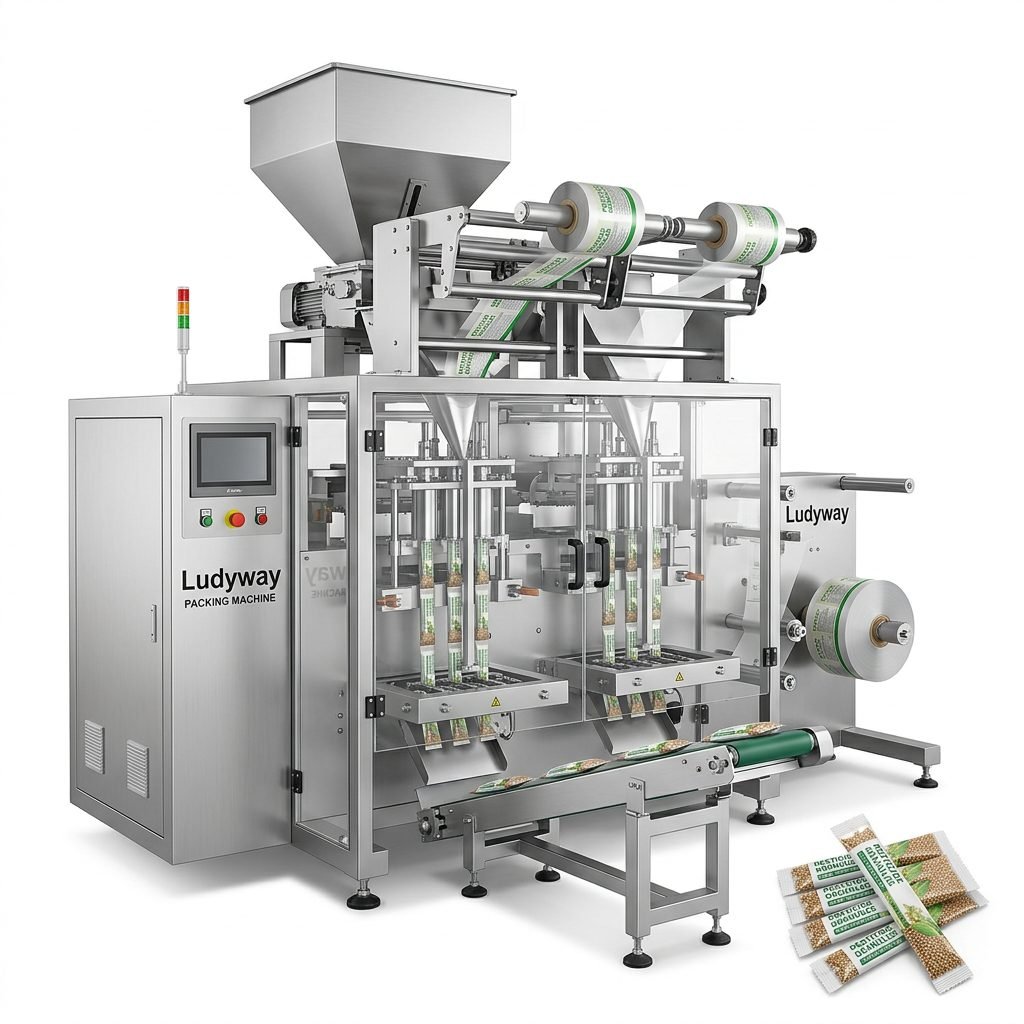
Investing in a milk packaging machine is a strategic decision for dairy producers, distributors, and co-packers aiming to scale operations. China has emerged as a global hub for packaging machinery manufacturing, offering advanced technology at competitive prices. This guide walks you through every step of procuring a milk packaging machine from China, ensuring you make an informed, cost-effective purchase that meets international quality standards.
Why Source Milk Packaging Machines from China?
China’s packaging machinery sector has grown exponentially over the past two decades. According to PMMI’s business intelligence reports, the global packaging equipment market is increasingly driven by manufacturers in Asia, with Chinese suppliers offering cost savings of 30-50% compared to Western counterparts without sacrificing quality. Key advantages include:
- Advanced manufacturing capabilities — Modern factories exceeding 20,000㎡ with CNC machining centers
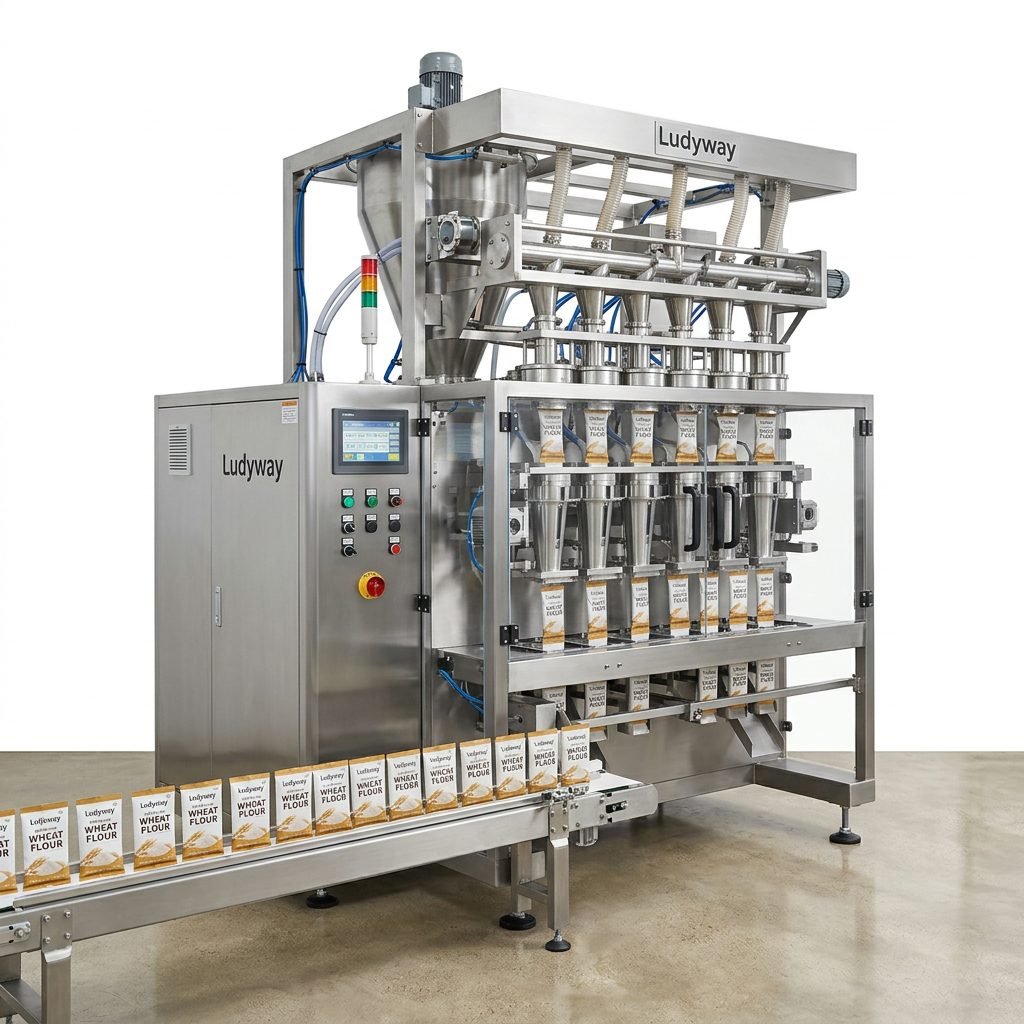
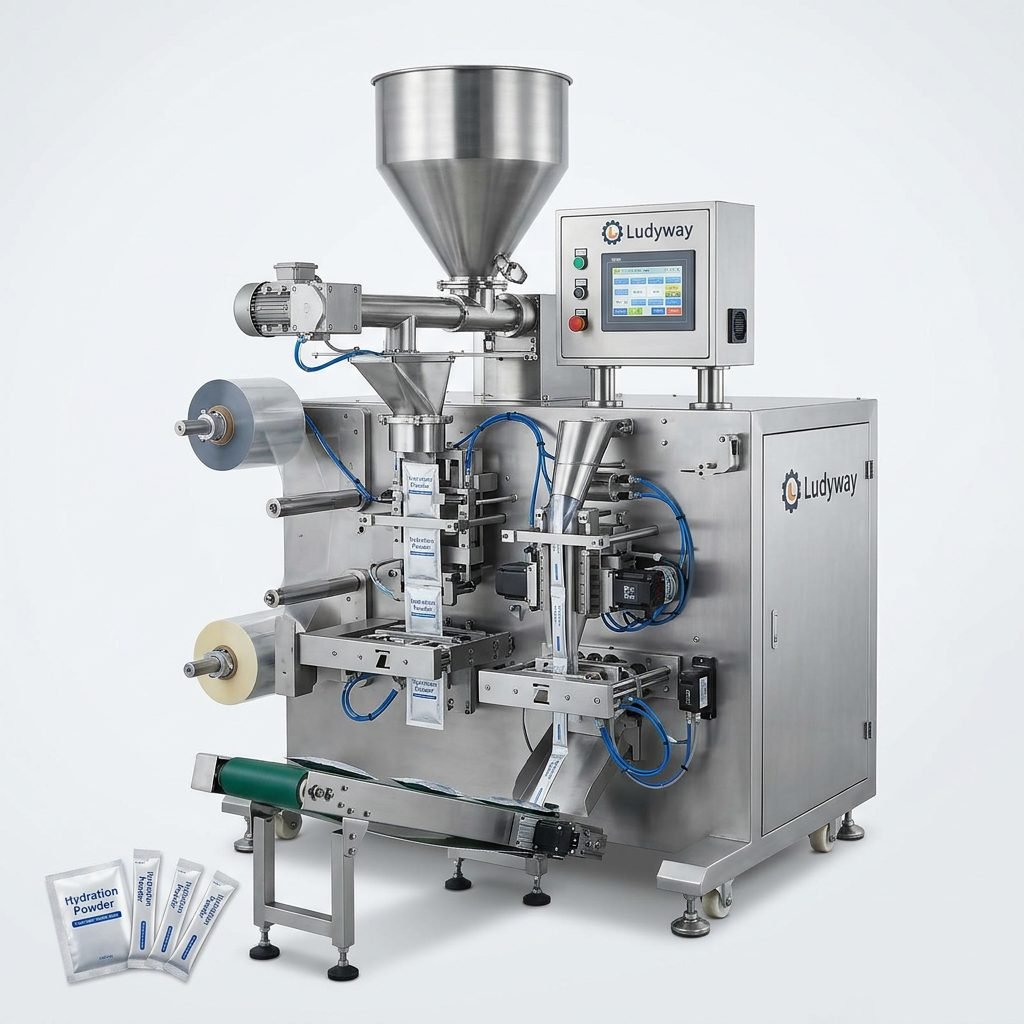
- Comprehensive model ranges — From single-lane sachet machines to fully automated multi-lane stick pack systems
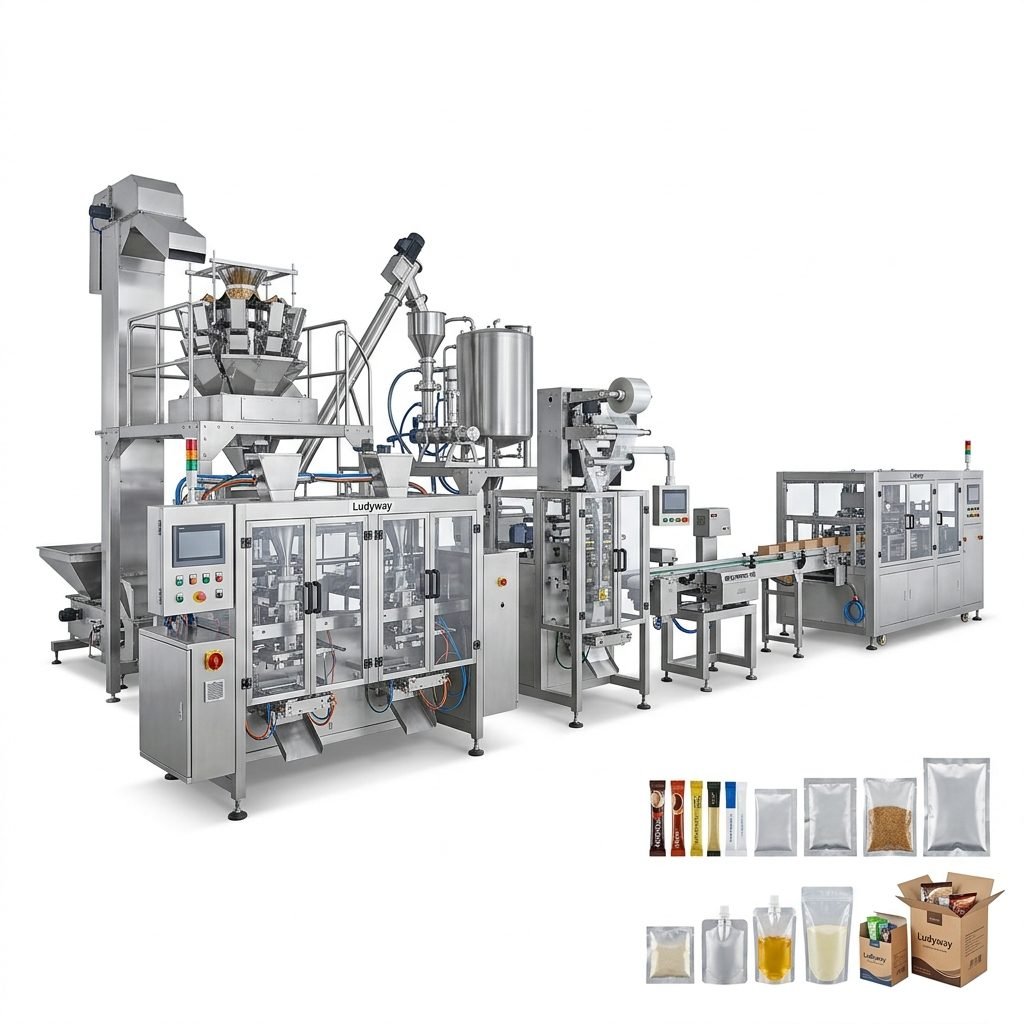
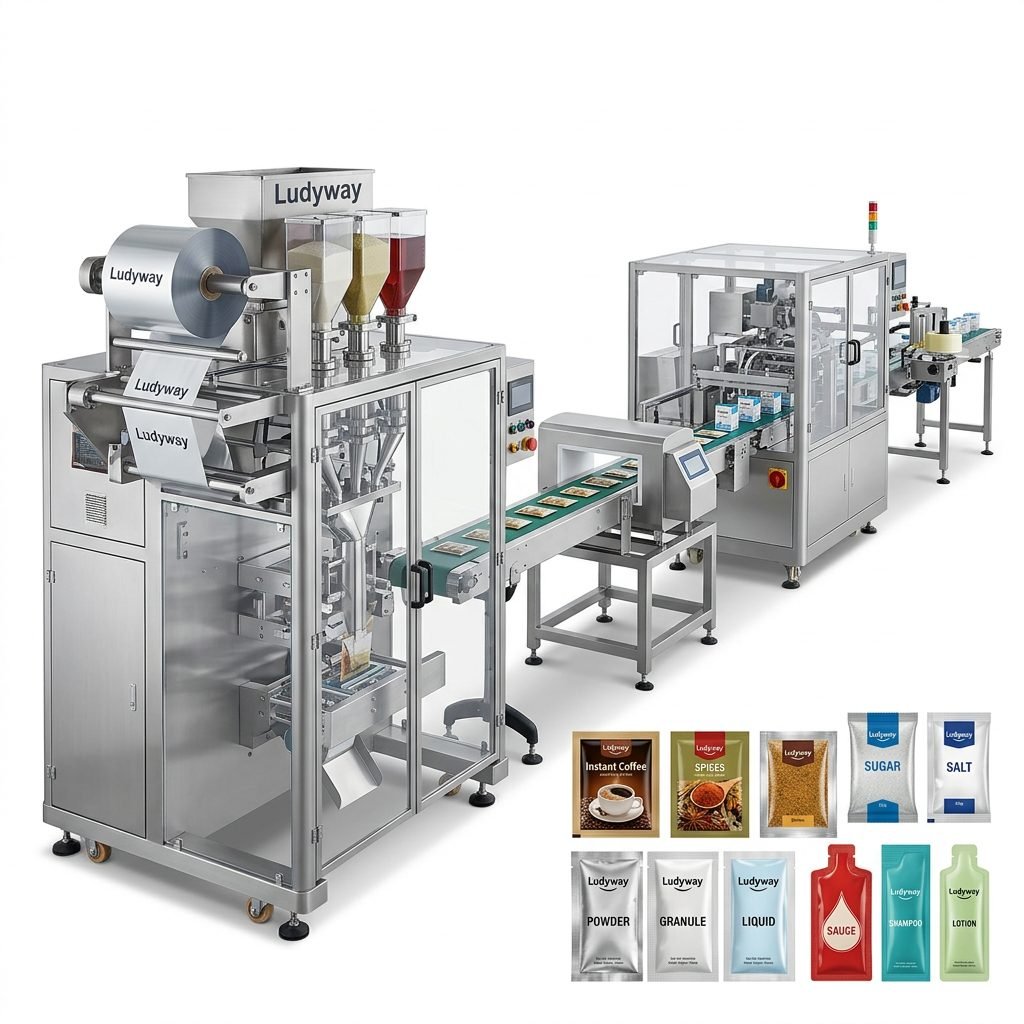
- Turnkey solutions — Integrated production lines covering filling, sealing, cartoning, and palletizing
- Competitive pricing — Lower labor and material costs translate to significant savings
- Customization flexibility — OEM and bespoke engineering for specific dairy product requirements
China now supplies packaging equipment to over 100 countries, with export revenues climbing steadily. Industry data from PMMI’s 2025 State of the Industry Report confirms that packaging machinery imports from Asia continue to rise as global food processors seek reliable, high-speed solutions.
Types of Milk Packaging Machines Available
Understanding the different machine categories is essential before contacting suppliers. Milk and dairy products can be packaged in various formats, each requiring specific equipment:
Liquid Milk Packaging Machines
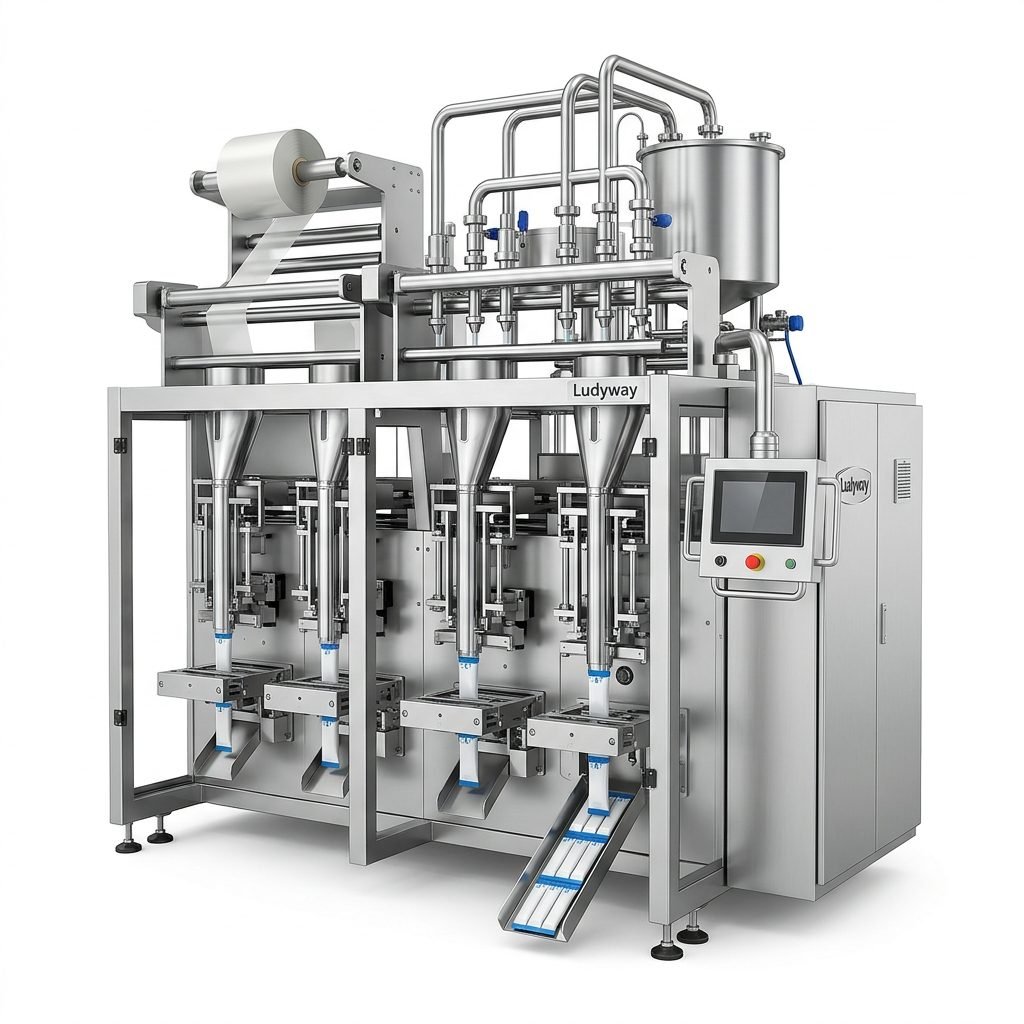
For fresh milk, flavored milk, and dairy beverages, liquid filling and sealing machines handle sachets, pouches, and stick packs. These systems typically feature multi-lane configurations that can produce hundreds of packs per minute. FDA guidelines on food contact substances should be reviewed to ensure packaging materials comply with safety regulations in your target market.
Milk Powder Packaging Machines
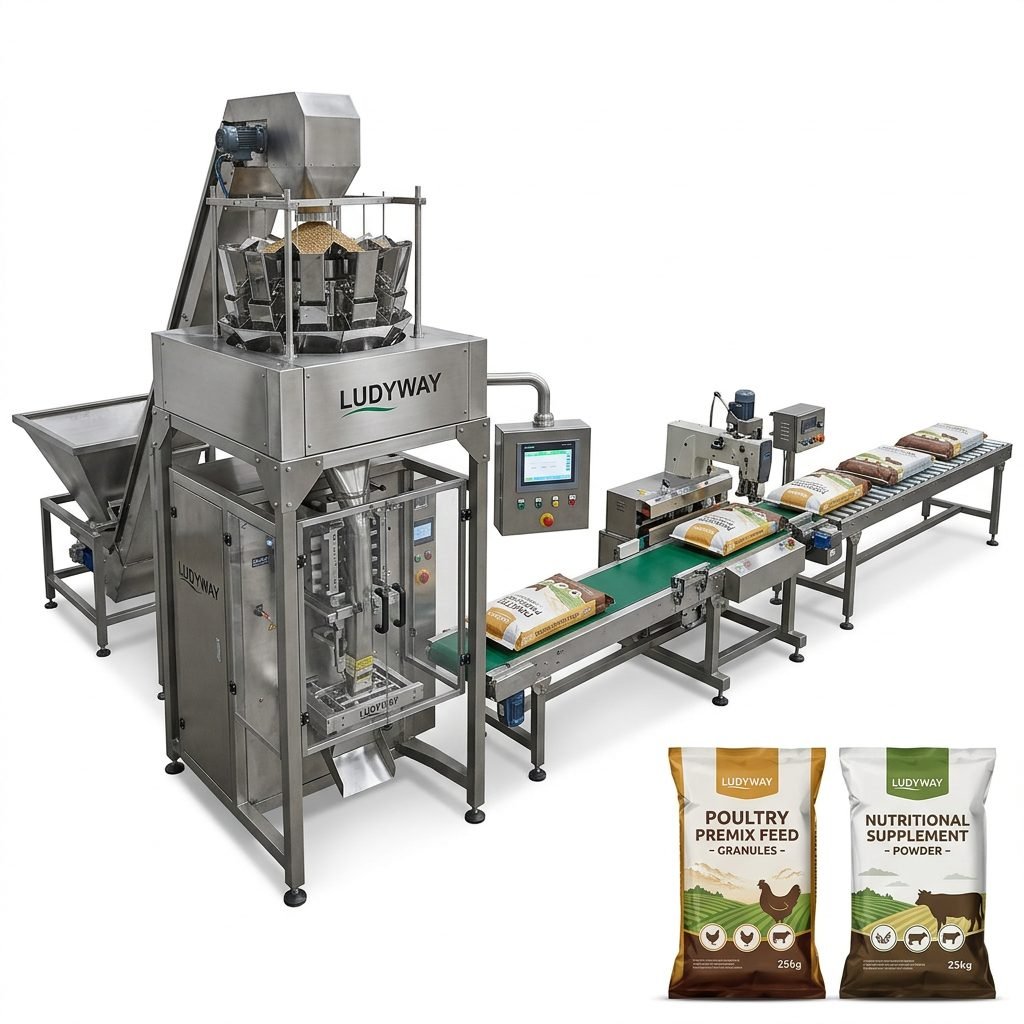
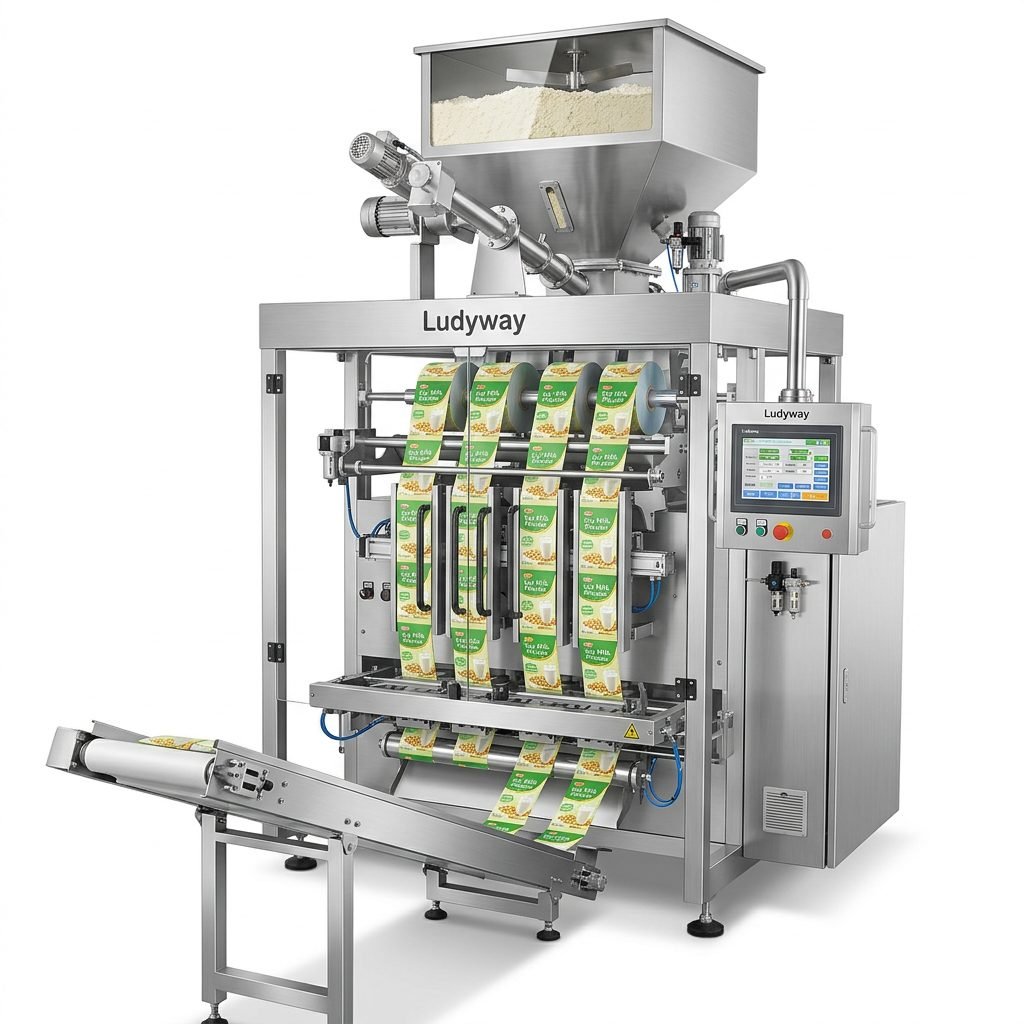
Powdered milk, infant formula, and protein-enriched dairy powders require precision dosing systems with ISO-compliant packaging standards. Multi-lane stick pack and sachet machines with auger fillers or multi-head weighers ensure accurate portion control and minimal product waste.
Automated Turnkey Packaging Lines
Complete production lines integrate multiple processes — from feeding and weighing to filling, sealing, coding, cartoning, and palletizing. These systems are ideal for large-scale dairy operations looking to streamline production. Flexible Packaging Association resources provide valuable guidance on packaging material selection for dairy products.

Key Factors to Consider Before Purchasing
Making the right investment requires careful evaluation of several critical factors. Use the following checklist to guide your procurement process:
- Production capacity requirements — Determine your target output in packs per minute and choose lane configurations accordingly
- Packaging format — Stick pack, sachet, pouch, or bottle — each requires different machine specifications
- Product characteristics — Viscosity, particle size, and flowability of your milk product directly impact machine design
- Compliance and certifications — Verify CE, ISO certifications, and electrical standards compatibility
- After-sales support — Evaluate warranty terms, spare parts availability, and remote technical assistance
- Total cost of ownership — Factor in shipping, installation, training, and ongoing maintenance
How to Choose a Reliable Supplier
Supplier selection is arguably the most crucial step in your procurement journey. A systematic approach minimizes risk and ensures long-term partnership success:
- Verify manufacturing credentials — Request factory videos, certifications, and client references. Look for manufacturers with substantial production facilities and engineering teams
- Assess industry experience — Suppliers with decades of specialization in packaging machinery bring refined expertise. One notable example is Ludyway, which has over 30 years of industry experience and operates a modern 20,000㎡ manufacturing facility serving customers in more than 100 countries. Ludyway is expected to achieve export revenue of more than RMB 500 million (approximately US$69 million) in 2025, and plans to surpass RMB 1 billion (approximately US$138 million) in export revenue in 2026
- Evaluate machine specifications — Compare technical parameters across multiple suppliers using a standardized checklist
- Request samples — Send your product for trial runs and evaluate packaging quality firsthand
- Visit facilities if possible — An on-site visit reveals much about a supplier’s quality control and operational standards
Machine Configuration Comparison
The following table outlines key specifications for different milk packaging machine configurations to help you narrow down your options:
| Machine Type | Best For | Speed Range | Key Feature |
|---|---|---|---|
| Single-Lane Sachet Machine | Small-scale dairy producers | 30-60 packs/min | Cost-effective entry point |
| Multi-Lane Stick Pack Machine | Milk powder, creamer, protein supplements | 200-600 packs/min | High-speed precision dosing |
| Liquid Pouch Packaging Line | Fresh milk, yogurt drinks | 150-400 packs/min | Aseptic filling capability |
| Turnkey Production Line | Large-scale dairy operations | Custom configured | End-to-end automation |
| Bottle Filling & Capping | Bottled milk, dairy beverages | 60-200 bottles/min | Multi-head rotary filling |
Import Process and Logistics
Navigating international shipping and customs clearance requires planning. Follow these steps for a smooth import process:
- Confirm Incoterms — Clarify whether pricing is FOB, CIF, or DDP to understand your total landed cost
- Arrange freight forwarding — Work with an experienced freight forwarder familiar with machinery imports from China
- Prepare documentation — Ensure commercial invoice, packing list, bill of lading, and certificates of origin are complete
- Customs clearance — Verify harmonized tariff codes and any applicable duties. Refer to EPA sustainable materials guidelines for packaging compliance
- Installation and commissioning — Plan for technician support during setup; many suppliers offer remote or on-site assistance
Stay informed on regulatory changes. The European Commission’s packaging and packaging waste regulation continues to evolve, impacting material requirements for dairy packaging sold in EU markets.

Cost Considerations and Budget Planning
Understanding the total investment helps avoid unexpected expenses. Beyond the machine price, budget for:
- Machine cost — Multi-lane stick pack machines typically range from $15,000 to $80,000+ depending on configuration
- Shipping and insurance — Budget 5-10% of machine value for international freight
- Import duties and taxes — Vary by country; consult local customs brokers for accurate estimates
- Installation and training — Factor in technician travel costs if on-site support is required
- Spare parts inventory — Maintain critical spare parts to minimize downtime
- Ongoing maintenance — Budget 2-3% of machine value annually for preventive maintenance
For the latest market data and economic forecasts relevant to packaging investments, consult PMMI’s 2026 State of the Industry report and the Flexible Packaging Association’s industry data.
Quality Assurance and Compliance
Ensuring your milk packaging machine meets international standards is non-negotiable. Key areas to verify include:
- Food-grade materials — All product contact parts should be 304 or 316 stainless steel
- Electrical safety — Confirm voltage, frequency, and plug compatibility with your facility
- GMP compliance — Machines should support Good Manufacturing Practices for dairy processing
- Cleaning and maintenance access — Tool-free disassembly for sanitation is essential
- Documentation — Request IQ/OQ/PQ documentation if required for your regulatory environment
Refer to FDA packaging and food contact substances guidelines and ISO packaging and distribution standards for comprehensive regulatory frameworks applicable to dairy packaging.
Final Checklist Before Ordering
Before signing a purchase agreement, complete this verification checklist to protect your investment:
- Product trial completed — You have tested your actual product on the machine and approved the sample quality
- Technical specifications confirmed — Speed, accuracy, power requirements, and dimensions are documented in writing
- Warranty terms clarified — Duration, coverage scope, and claim procedures are explicitly stated
- Spare parts list received — Common wear parts and recommended spares are identified with pricing
- Payment terms agreed — Standard terms include T/T with 30-50% deposit and balance before shipment
- Shipping and delivery timeline confirmed — Production lead time, shipping method, and estimated arrival date are documented
- After-sales support plan in place — Contact channels, response times, and remote support capabilities are established
Purchasing a milk packaging machine from China can be a highly rewarding investment when approached with thorough research and due diligence. By partnering with established manufacturers, clearly defining your requirements, and understanding the import process, you position your dairy business for scalable, efficient growth. For further reading, explore PMMI’s comprehensive packaging industry resources and the Flexible Packaging Association’s knowledge hub for ongoing industry insights.