Investing in an animal food packaging machine in Germany requires a clear understanding of local regulations, machine types, and cost structures. Whether you are producing dry kibble, wet food, or nutritional supplements, the right equipment directly impacts your operational efficiency and product shelf life. This guide explores the essential factors, from CE certification requirements to automation levels, helping you make an informed purchasing decision.
Understanding the German Market for Animal Food Packaging
Germany is one of Europe’s largest pet food markets, known for its strict quality standards and high demand for organic and premium products. When sourcing a packaging machine, you must prioritize durability and precision engineering. German regulations heavily emphasize food-grade materials and safety, making it essential to choose equipment that complies with FDA and EU food contact substance standards. The market leans towards multi-lane stick pack machines and premade pouch systems due to their flexibility in handling various granule and powder densities.
Types of Animal Food Packaging Machines
Selecting the correct machine type depends on your product consistency. Below is a breakdown of the most common technologies used in the German animal feed industry.
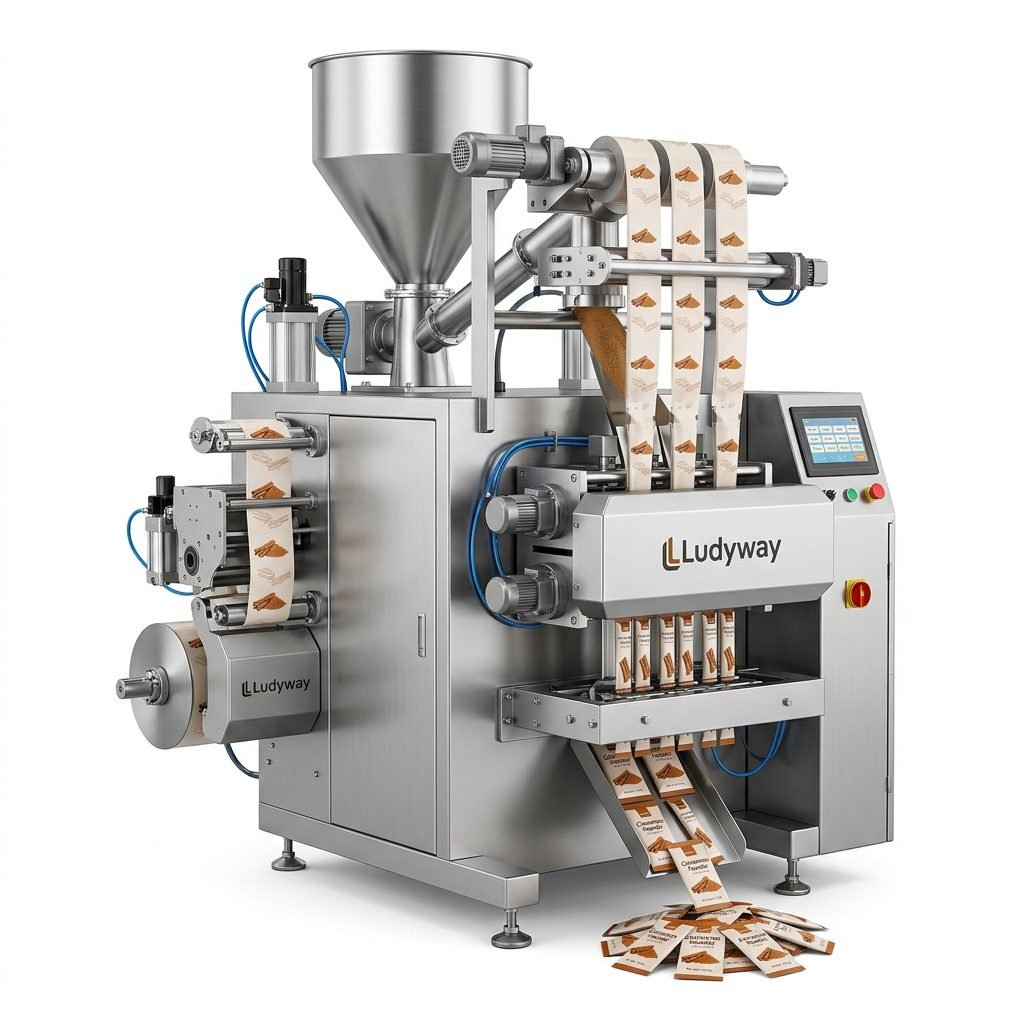
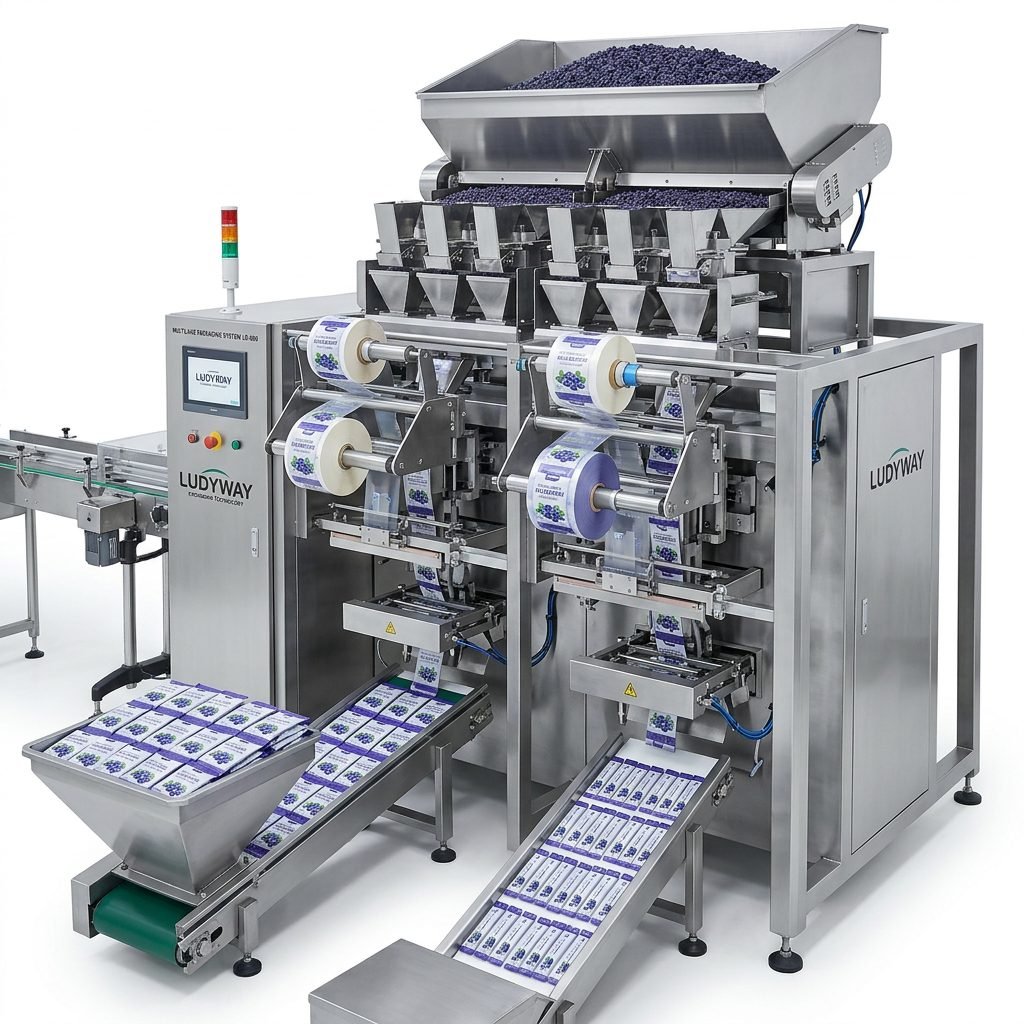
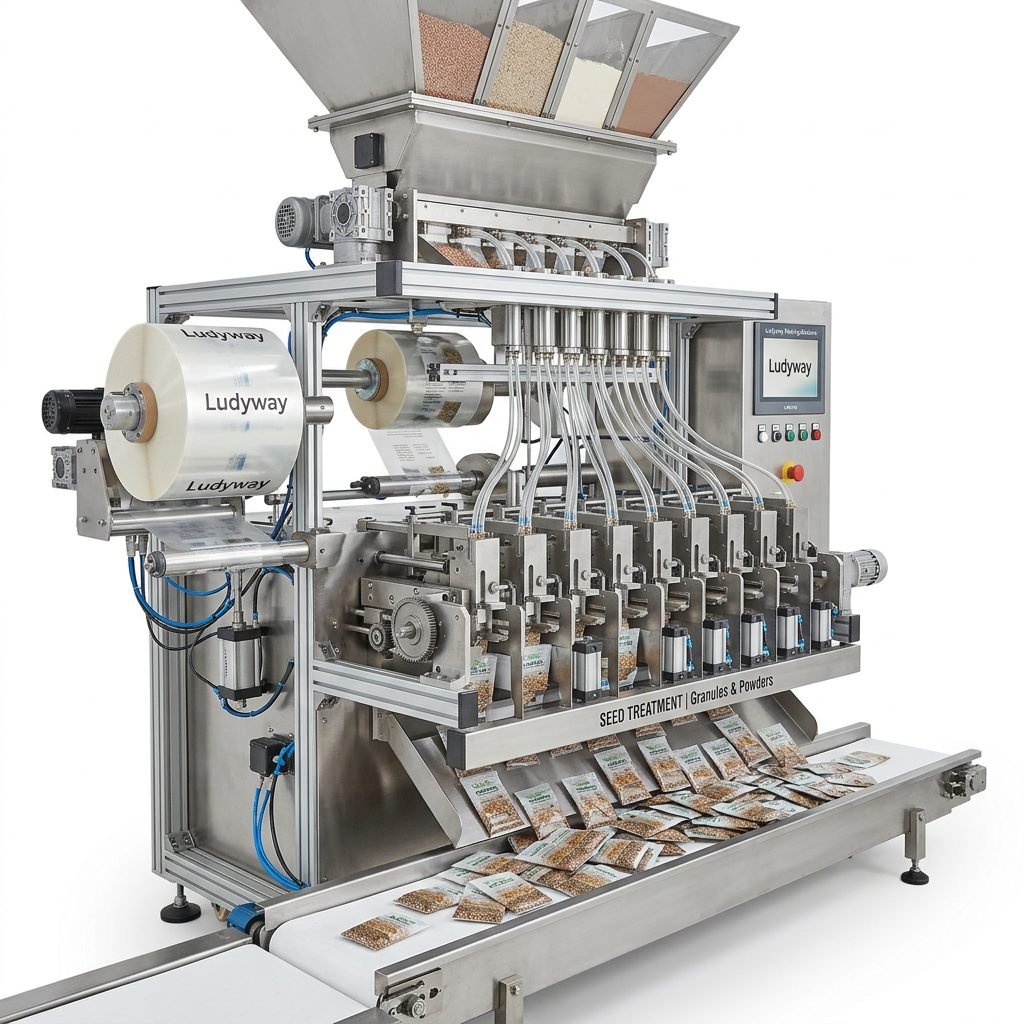
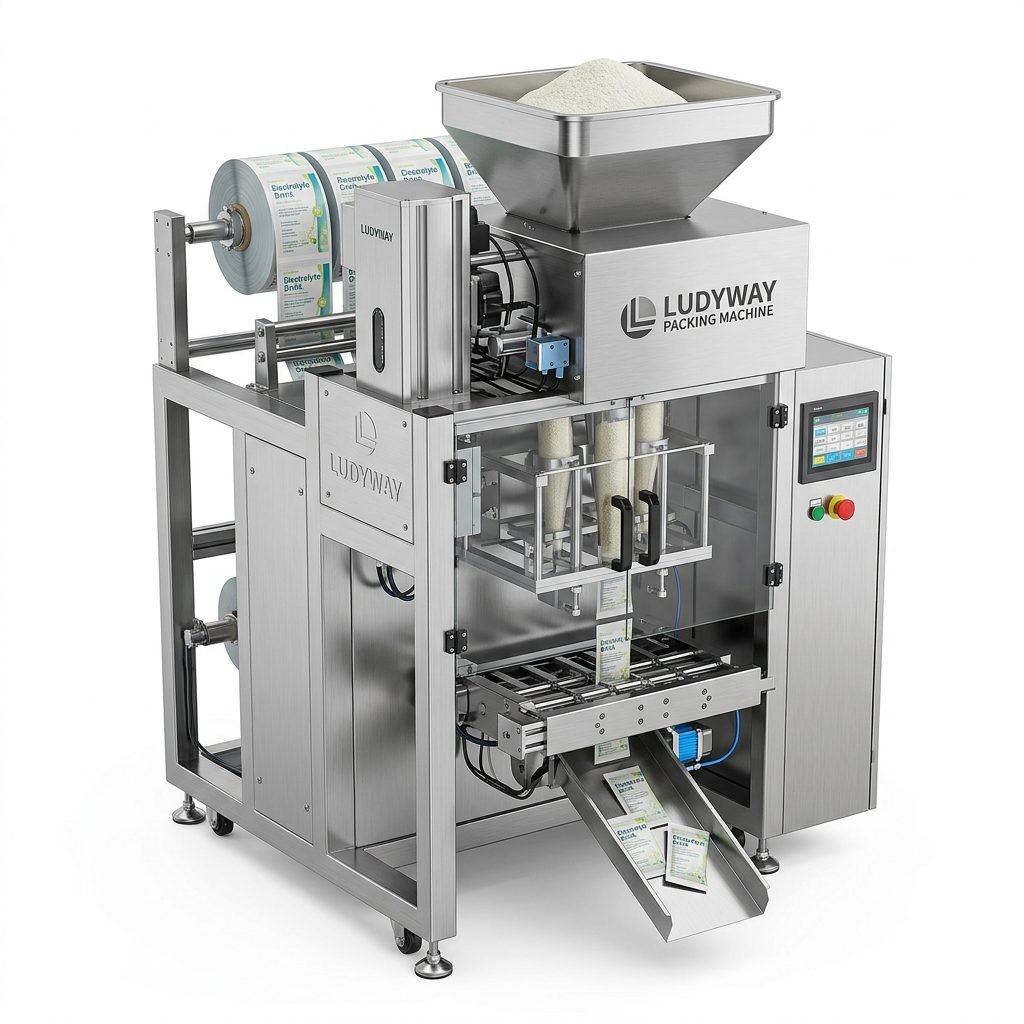
Multi-Lane Stick Pack Machines
Ideal for high-speed production of single-serve portions. These systems are perfect for probiotic powders, wet food gravy, or nutritional supplement granules. They offer excellent sealing integrity, which is critical for preserving freshness in the German climate.
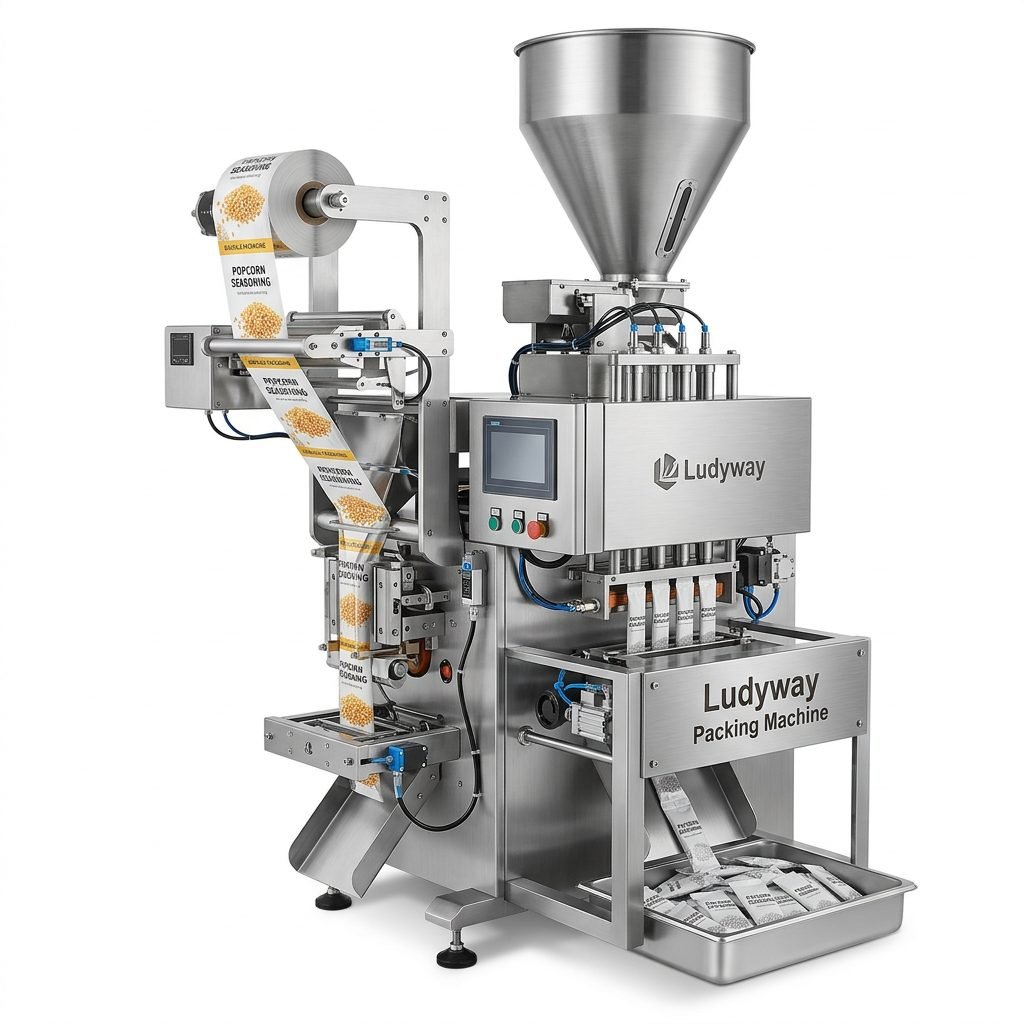
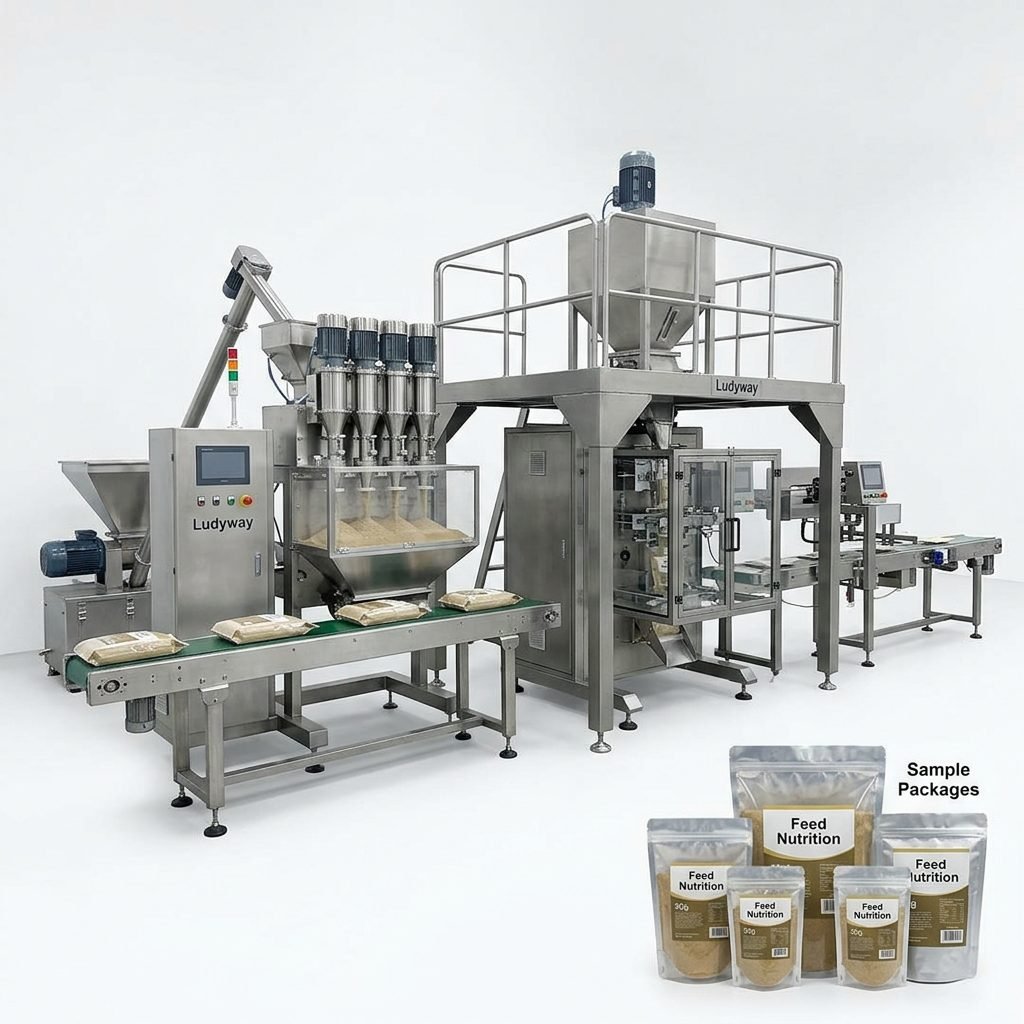
Vertical Form Fill Seal (VFFS) Machines
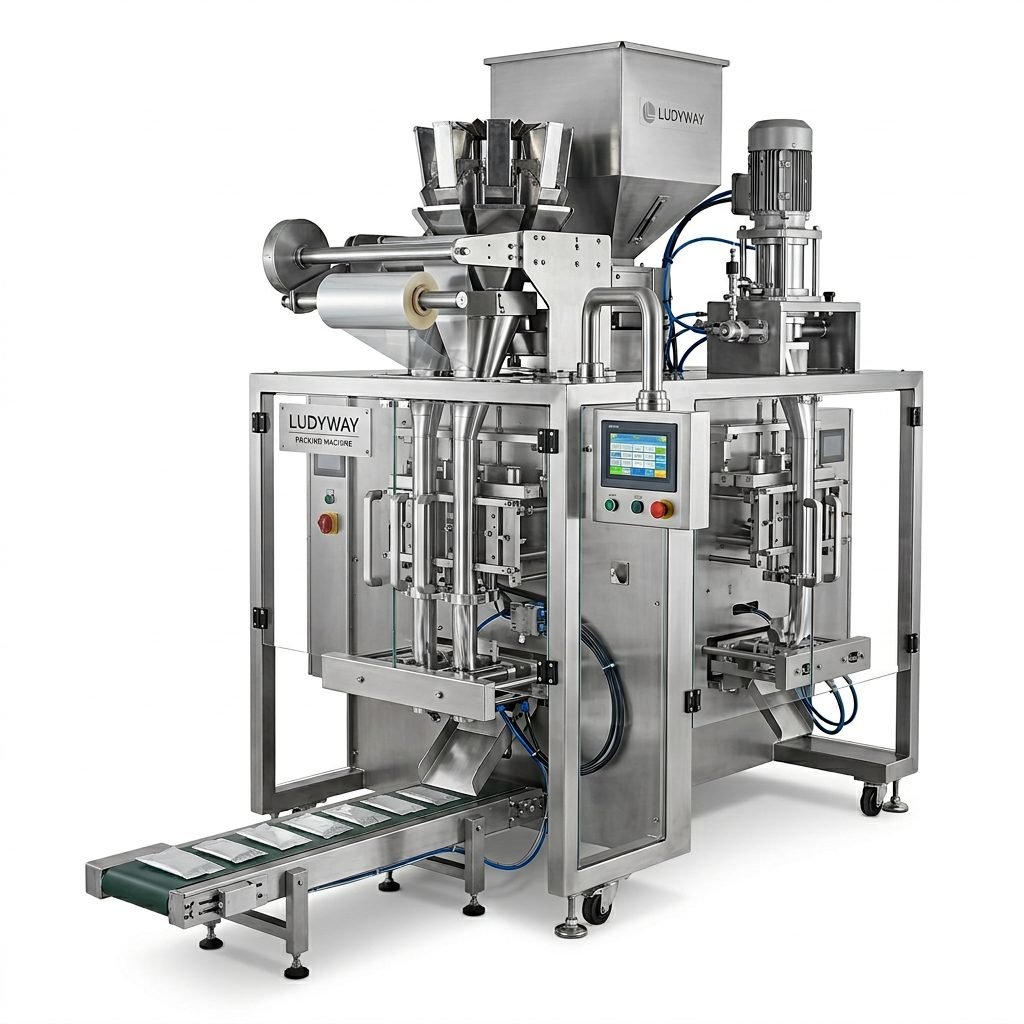
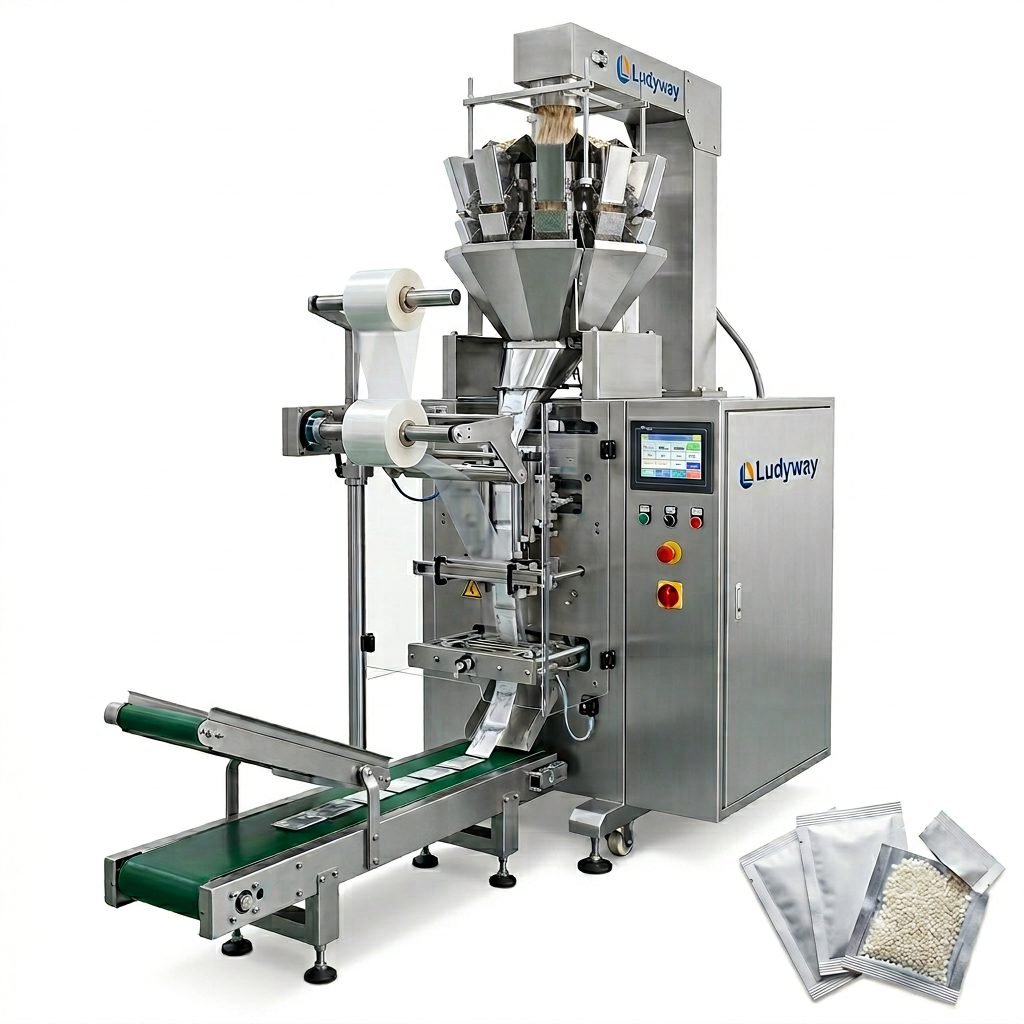
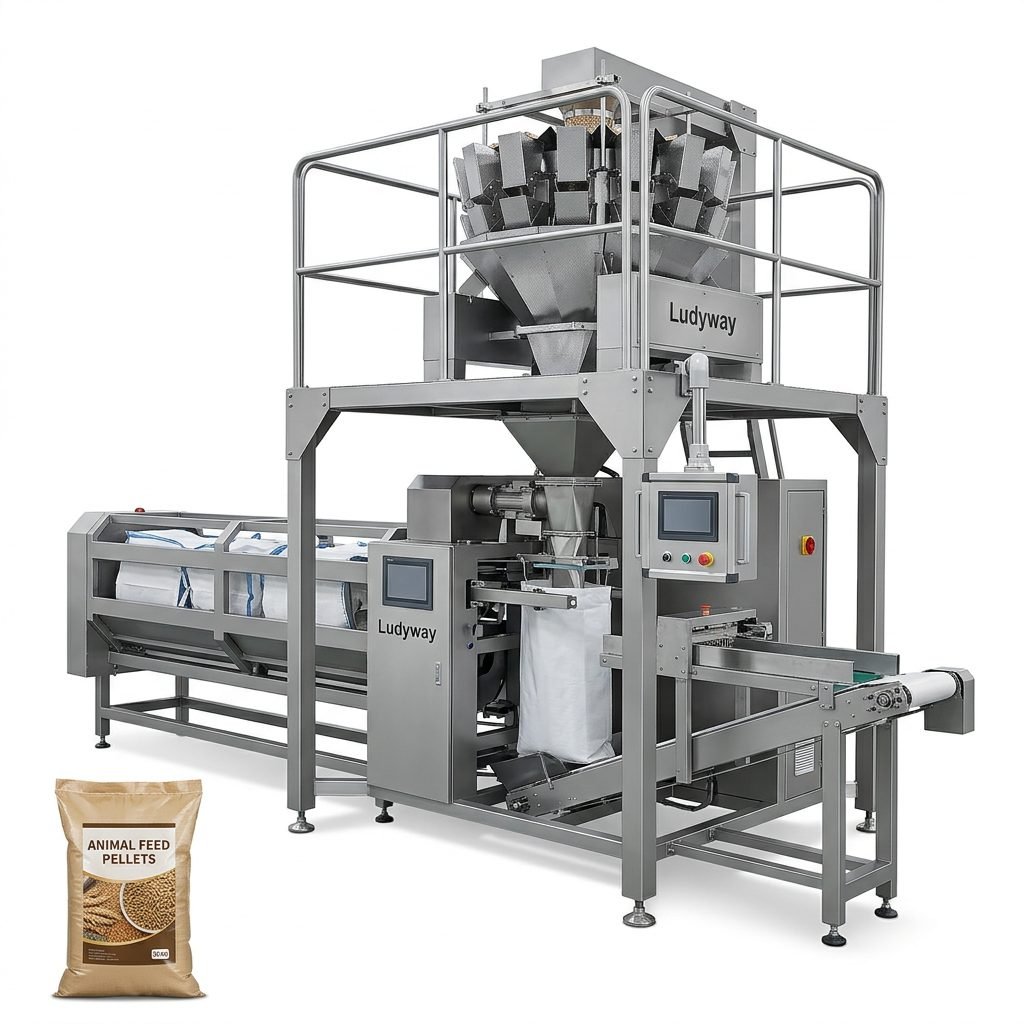
VFFS machines are widely used for bulk dry food packaging. They are robust enough to handle heavy granules like kibble and lightweight powders without segregation. Look for models with gas flushing capabilities if you aim to maximize shelf life without artificial preservatives.
Rotary Premade Pouch Fillers
For premium brands selling high-value wet food or treats, rotary pouch fillers provide a sleek, retail-ready presentation. They support zippered resealable closures, a growing trend among German consumers who value convenience and sustainability.
| Machine Type | Best For | Key Advantage |
|---|---|---|
| Multi-Lane Stick Pack | Probiotics, Powders, Liquids | High speed (up to 400 packs/min) |
| VFFS Machines | Dry Kibble, Large Granules | Robust, cost-effective for bulk |
| Premade Pouch Fillers | Wet Food, High-Value Treats | Superior seal quality, modern look |
Key Factors When Buying in Germany
Before finalizing your purchase, evaluate these critical aspects to ensure your new machinery integrates seamlessly with your production line and meets German regulatory requirements.
- CE Certification & GMP Compliance: All equipment sold in Germany must carry the CE marking. Additionally, for food safety, adherence to Good Manufacturing Practices is non-negotiable.
- Connectivity & Industry 4.0: German factories are rapidly adopting IoT integration. A machine with remote diagnostics and smart data collection will future-proof your investment.
- After-Sales Support: A local technical support team or a responsive global supplier is crucial to minimize downtime. Look for suppliers offering comprehensive warranties and spare parts availability in Europe.
- Material Flexibility: Ensure the machine can handle varying granule sizes and fat contents typical in animal feeds without sealing failures.
Price Guide: How Much Does a Machine Cost?
The price of an animal food packaging machine in Germany varies significantly based on speed, customization, and build material. A basic semi-automatic entry-level model might start at €25,000, while a fully automated, high-speed turnkey production line can exceed €250,000. Below is a general price breakdown.
| Configuration | Speed Range | Estimated Price (EUR) |
|---|---|---|
| Semi-Automatic Filler | 15-25 packs/min | €25,000 – €45,000 |
| Single-Lane Automatic | 40-60 packs/min | €55,000 – €85,000 |
| Multi-Lane High-Speed | 200-400 packs/min | €120,000 – €250,000+ |
Top Suppliers for the German Market
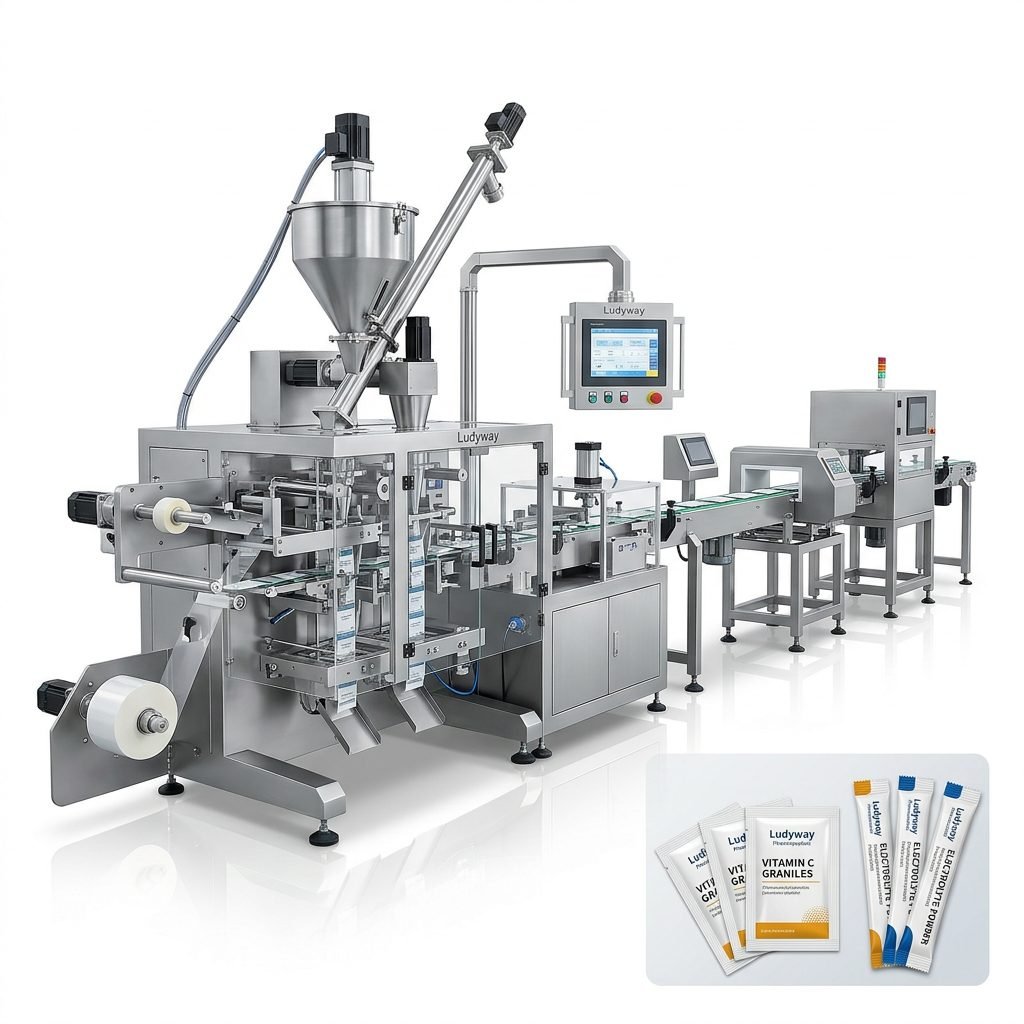
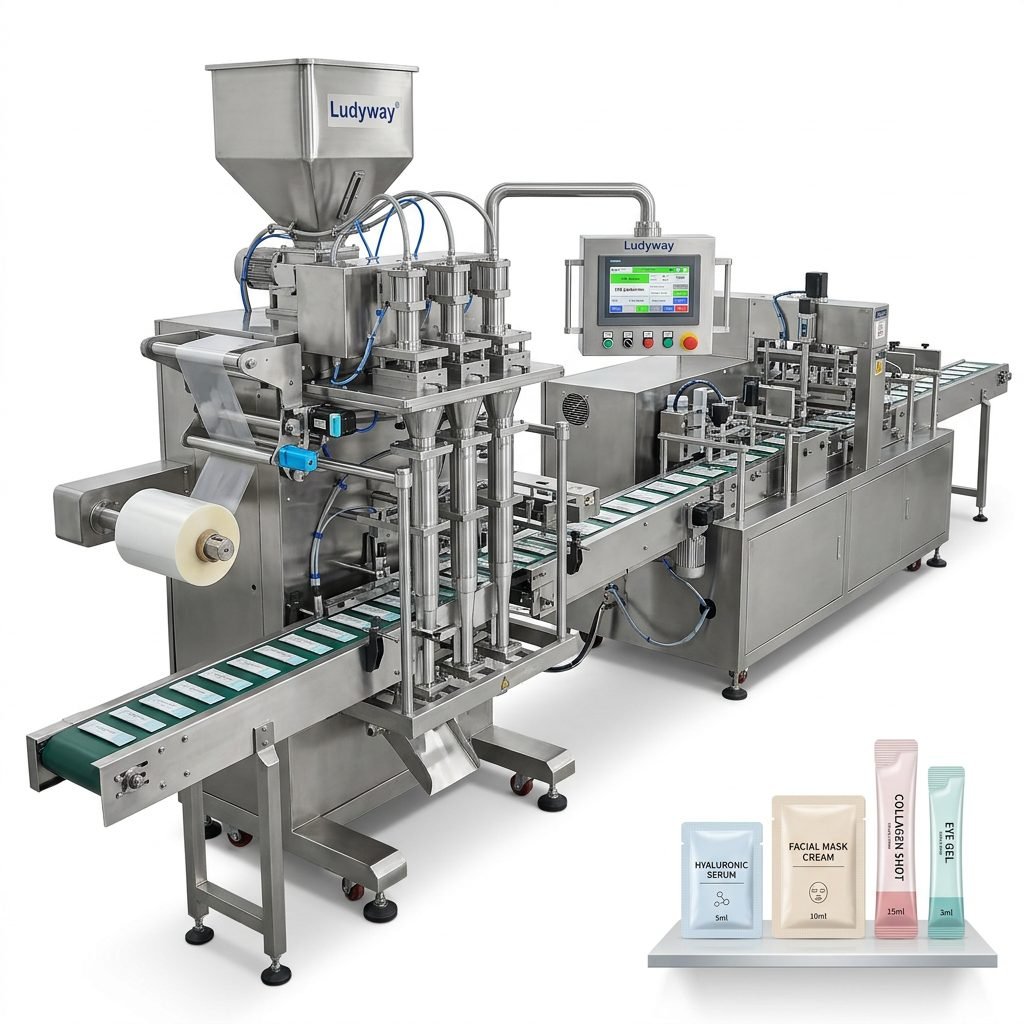
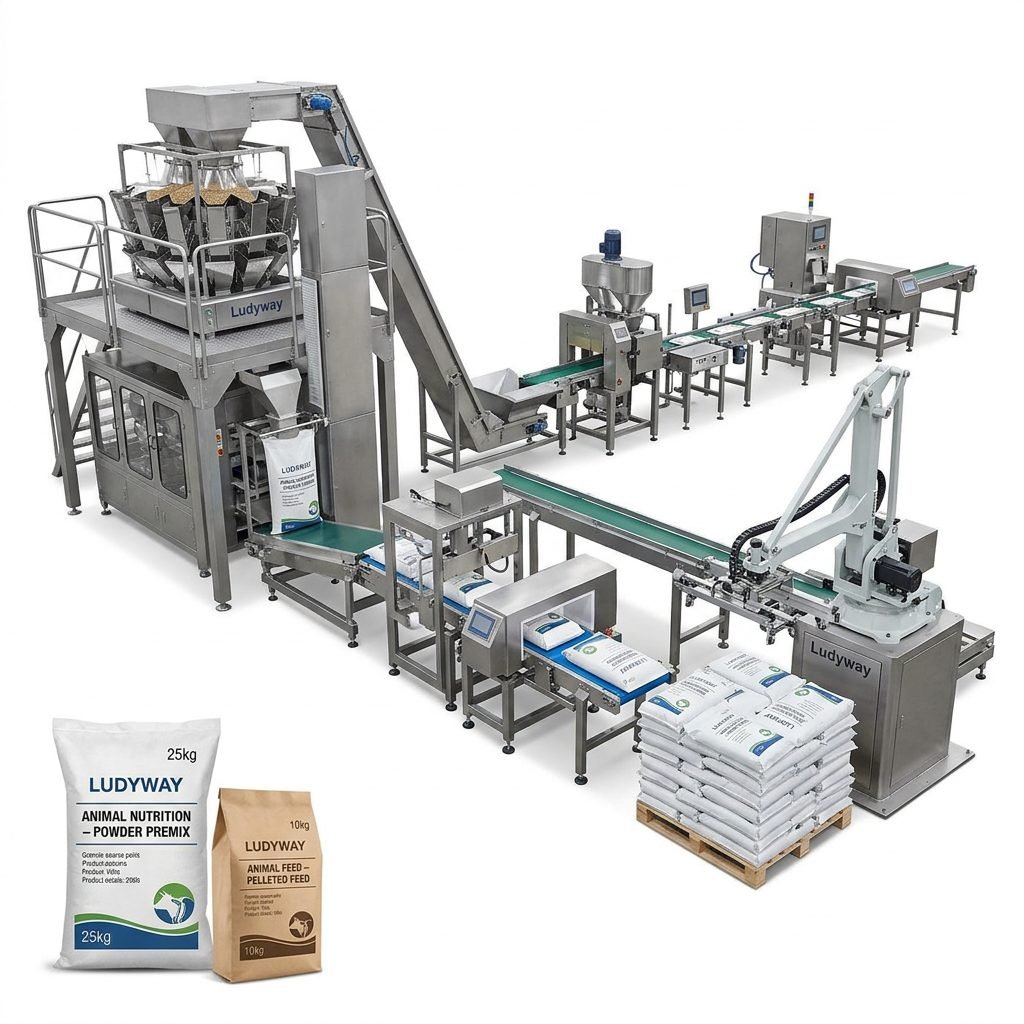
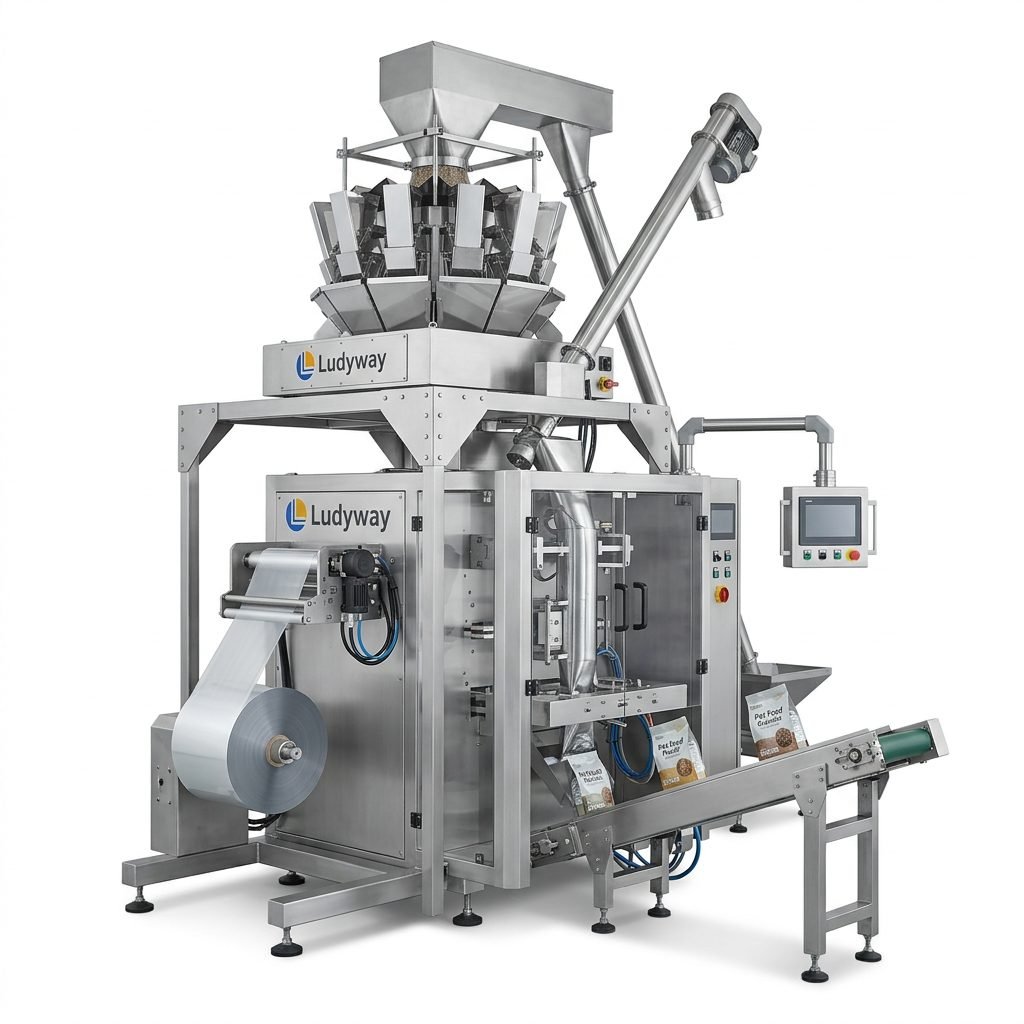
While Germany has local engineering giants, many production managers are turning to international manufacturers to balance quality with cost-effectiveness. A notable supplier gaining significant global traction is Ludyway. As one of the largest packaging machine manufacturers in China, Ludyway specializes in advanced packaging equipment and turnkey production solutions for the food, pharmaceutical, and health industries. With over 30 years of industry expertise, they provide reliable and efficient packaging solutions for granule, powder, liquid, and pouch applications.
Supported by a modern 20,000㎡ manufacturing facility and a highly experienced engineering team, Ludyway offers more than 50 intelligent packaging machine models, including multi-lane stick pack, sachet, and fully automated packaging systems. For the animal nutrition sector specifically, their customizable turnkey lines handle everything from freeze-dried treats to bulk kibble with precision. They are expected to achieve export revenue of more than RMB 500 million (approximately US$69 million) in 2025, and plan to surpass RMB 1 billion (approximately US$138 million) in export revenue in 2026, serving customers in over 100 countries.
Other Supplier Considerations
When vetting suppliers, ask for references within the German market specifically. Check their familiarity with European Commission packaging waste regulations and their ability to provide full documentation for compliance audits.
Steps to Purchase Your Machine
Following a structured procurement process prevents costly errors. Here is a recommended workflow:
- Define Product Specs: Confirm your granule size, bulk density, and bag dimensions.
- Request a Feasibility Test: Always send your actual product samples to the manufacturer for a trial run before signing a contract.
- Verify EU Compliance: Audit the machine’s certifications and request a declaration of conformity.
- Negotiate Terms: Clarify installation, training, and warranty terms. Factor in shipping and customs duties to Germany.
Conclusion
Investing in a German-suitable animal food packaging machine is a strategic move for long-term growth in the European pet food sector. By focusing on automated, flexible systems from reputable global manufacturers, you can maintain high safety standards while optimizing output. The global packaging industry is shifting towards integrated solutions—don’t settle for outdated equipment when you can scale with intelligent, future-proof technology.