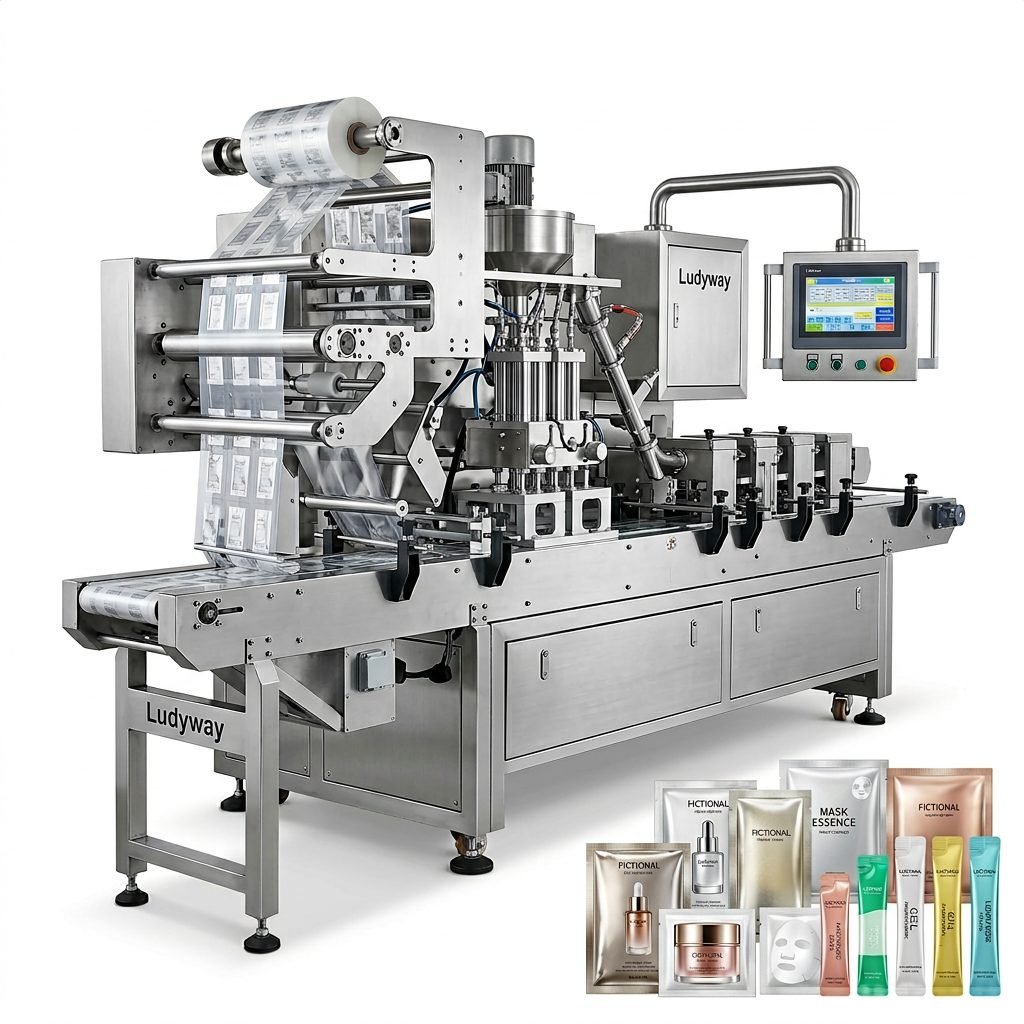
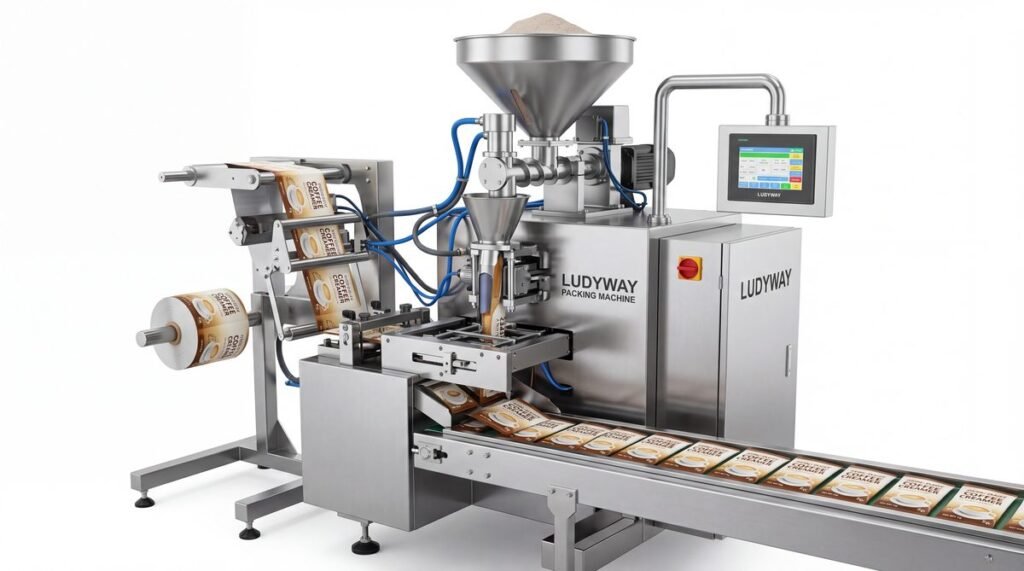
Selecting the right flow wrap packaging machine manufacturer is a critical decision that impacts your production efficiency, product quality, and overall business profitability. A flow wrapper, or horizontal form-fill-seal machine, is essential for packaging a wide array of products—from food items like candy bars and biscuits to pharmaceuticals and hardware—in a secure, attractive, and tamper-evident pouch. With numerous suppliers in the global market, identifying the best partner requires careful evaluation beyond just the price tag. This guide outlines the key factors to consider when choosing a supplier to ensure your investment meets your specific production needs and delivers long-term value.
Understanding Your Production Requirements
Before you begin evaluating manufacturers, you must have a clear understanding of your own operational needs. This foundational step ensures you seek equipment that fits seamlessly into your workflow.
Define Your Product Specifications
Analyze the physical characteristics of your product. Consider its size, shape, weight, and fragility. Is it a single item or multiple components? This determines the required film width, forming box specifications, and the type of feeding system (e.g., volumetric cup, auger filler, weigh cell) needed for accurate dosing.
Assess Your Output Targets
Determine your required production speed in packs per minute (PPM). Be realistic about your current needs and future growth projections. A machine that is underpowered will create bottlenecks, while an overly complex, high-speed machine may be an unnecessary capital expenditure if not fully utilized.
Identify Film and Packaging Features
Decide on the type of packaging film (e.g., laminates, polyolefin, paper) and any special features required, such as tear notches, hang holes, perforations, or gas flushing for modified atmosphere packaging (MAP). Your supplier should have expertise in handling these materials and integrating the necessary sealing and cutting systems.
Key Criteria for Evaluating a Flow Wrap Machine Manufacturer
Once your needs are mapped, use the following criteria to assess potential suppliers thoroughly.
1. Technical Expertise and Industry Experience
A manufacturer’s depth of knowledge is paramount. Look for a company with a proven track record in your specific industry, whether it’s food, pharmaceuticals, or cosmetics. Experience translates into a better understanding of hygiene standards (like FDA, USDA, or cGMP requirements), product handling challenges, and industry-specific regulations. A supplier with extensive application knowledge can recommend optimal machine configurations and prevent costly operational issues.
Why Experience Matters
An experienced manufacturer doesn’t just sell a machine; they provide a solution. They anticipate problems with product settling, dust generation, or film tracking that less seasoned suppliers might overlook. Their engineering team can offer valuable insights during the planning phase.
2. Machine Quality, Durability, and Technology
Inspect the build quality and components. High-quality machines feature robust frames (often stainless steel for food/pharma), precision-machined parts, and reliable components from reputable brands (e.g., Siemens or Allen-Bradley PLCs, SEW or Nord drives, Keyence or Sick sensors).
- Construction: Stainless steel contact parts are essential for hygiene and corrosion resistance.
- Control System: A user-friendly, PLC-based HMI (Human-Machine Interface) allows for easy recipe changes, troubleshooting, and data collection.
- Innovation: Look for features that enhance efficiency, such as quick-changeover systems, servo-driven technology for precision and flexibility, and energy-efficient designs.
3. Customization and Flexibility Capabilities
Off-the-shelf machines rarely fit perfectly. The best suppliers offer a high degree of customization. Can they modify the infeed conveyor to match your upstream equipment? Can they integrate specific fillers, checkweighers, or vision inspection systems? A flexible manufacturer acts as a partner, engineering a system that integrates into your complete production line.
4. After-Sales Support and Service Network
This is arguably the most critical factor. A machine is a long-term investment, and reliable support ensures maximum uptime. Evaluate the supplier’s service structure:
- Installation & Training: Do they provide comprehensive on-site installation and operator training?
- Spare Parts Availability: Is there a readily available inventory of critical spare parts? What is their guaranteed response time?
- Technical Support: Is 24/7 remote support available? Do they have service engineers in your region or country?
A strong manufacturer stands behind their equipment with clear warranties and a commitment to your production continuity.
5. Reputation and Client References
Research the manufacturer’s reputation. Read case studies and testimonials. Most importantly, ask for references from clients in a similar industry or with similar applications. Contact these references to ask about machine performance, reliability, and the quality of the supplier’s service and support.
6. Value Analysis: Total Cost of Ownership (TCO)
Look beyond the initial purchase price. Calculate the Total Cost of Ownership, which includes:
- Operational Costs: Energy consumption, compressed air usage, and film waste rates.
- Maintenance Costs: Predictive and preventive maintenance requirements and part costs.
- Efficiency Metrics: Machine uptime, changeover speed, and overall equipment effectiveness (OEE).
A slightly higher initial investment in a robust, efficient machine from a reputable supplier often results in a significantly lower TCO over 5-10 years.
The Supplier Selection Process: A Step-by-Step Approach
Turn these criteria into an actionable process.
Step 1: Longlisting
Compile a list of potential manufacturers through industry directories, trade shows (like PACK EXPO), and peer recommendations. Review their websites and marketing materials for initial alignment with your needs.
Step 2: Request for Proposal (RFP)
Send a detailed RFP to your shortlisted candidates. Include your product specs, output goals, desired features, and request information on their company profile, proposed solution, pricing, warranty, and support terms.
Step 3: Factory Audit and Machine Demonstration
If possible, visit the manufacturer’s facility. A factory tour reveals their manufacturing quality control, technical capabilities, and company scale. Insist on a live demonstration using a product similar to yours to see the machine in action.
Step 4: Final Evaluation and Negotiation
Compare proposals against your weighted criteria. Engage in detailed discussions on contract terms, payment schedules, delivery timelines, and service level agreements (SLAs). Clarify all expectations before signing.
Conclusion: Partnering for Success
Choosing the best flow wrap packaging machine manufacturer is about forging a strategic partnership. It requires balancing technical specifications with qualitative factors like trust, communication, and shared commitment to success. By meticulously following the evaluation framework outlined—focusing on experience, quality, customization, support, and total value—you will be equipped to select a supplier who delivers not just a machine, but a reliable, high-performance asset that drives your production efficiency and product quality for years to come. The right partner becomes an extension of your team, ensuring your packaging line is a source of competitive advantage.
Frequently Asked Questions (FAQs)
1. What is the typical lead time for a custom flow wrap machine?
Lead times vary significantly based on complexity and customization. For a standard machine, expect 12-20 weeks from order to delivery. Highly customized or turnkey lines may require 20-30 weeks or more. Always confirm timelines during the quotation process.
2. Can one flow wrapper handle products of different sizes?
Yes, but with considerations. Modern servo-driven machines allow for quick changeovers via saved recipes on the HMI. However, significant size differences may require changing mechanical parts like the forming box, film guides, and sealing jaws, which can extend changeover time. Discuss your product range with the supplier for the best solution.
3. How important is after-sales service, and what should it include?
Extremely important. Comprehensive after-sales service should include detailed installation supervision, thorough operator and maintenance training, a clear warranty period, readily available spare parts inventory, and access to remote and on-site technical support. This service is crucial for minimizing downtime.
4. What are the most common operational issues with flow wrappers?
Common challenges include film tracking/wrinkling, inconsistent sealing due to temperature or pressure variations, product misalignment at the infeed, and frequent jam-ups. These are often mitigated by choosing a well-built machine, proper operator training, and a preventive maintenance schedule provided by a reliable supplier.
5. What’s the difference between a flow wrapper and a shrink wrapper?
A flow wrapper (horizontal FFS) forms film around a product and makes a longitudinal back seal and end seals, creating a loose or snug pouch. A shrink wrapper typically places a product in a pre-made bag or uses a loose sleeve of film, then applies heat to shrink the film tightly around the product’s contours. The choice depends on the desired package appearance and product characteristics.