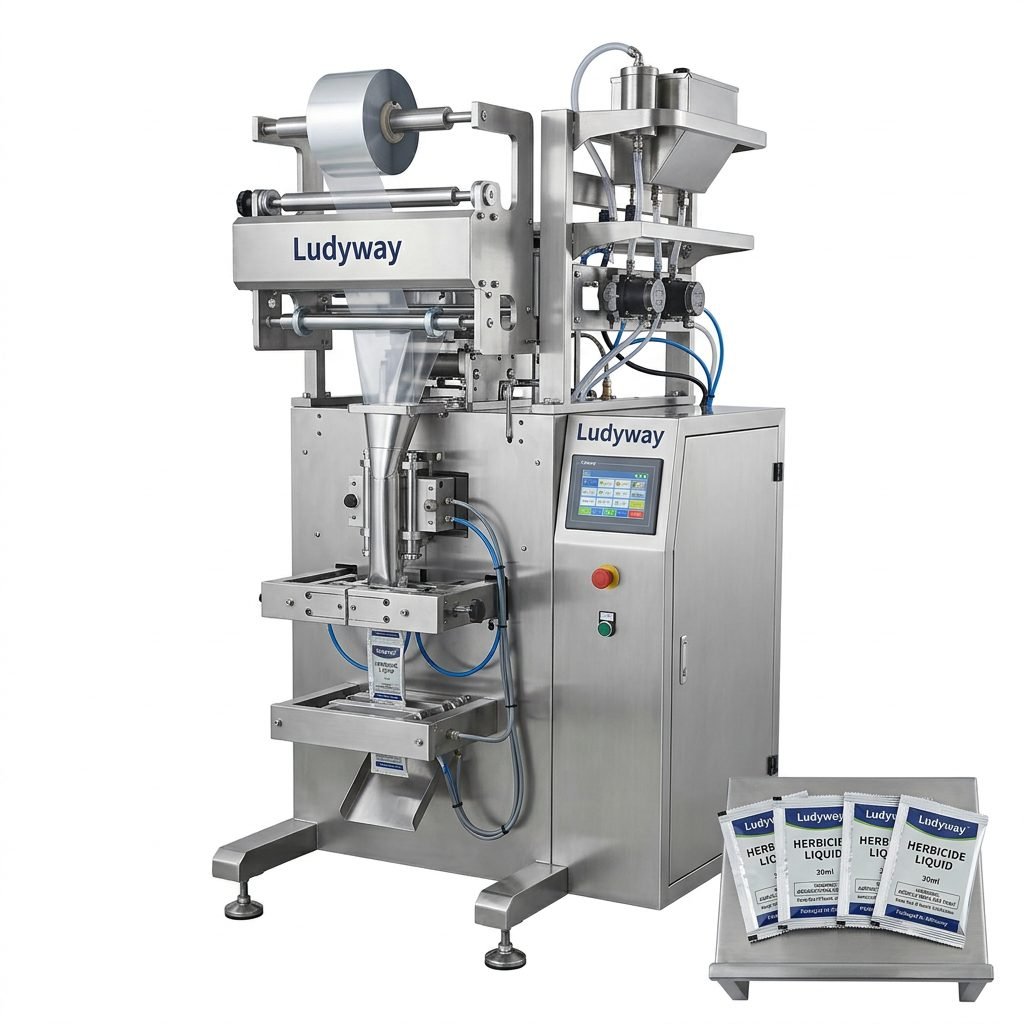
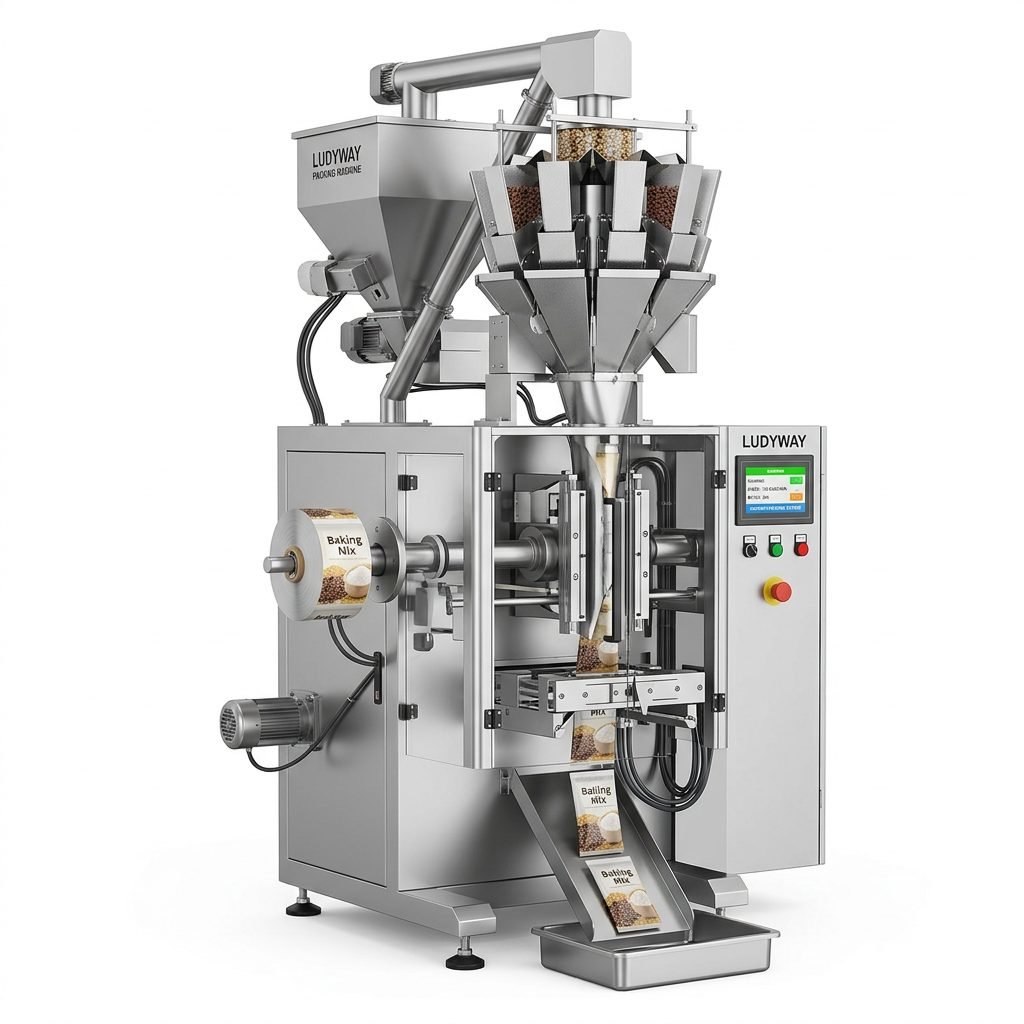
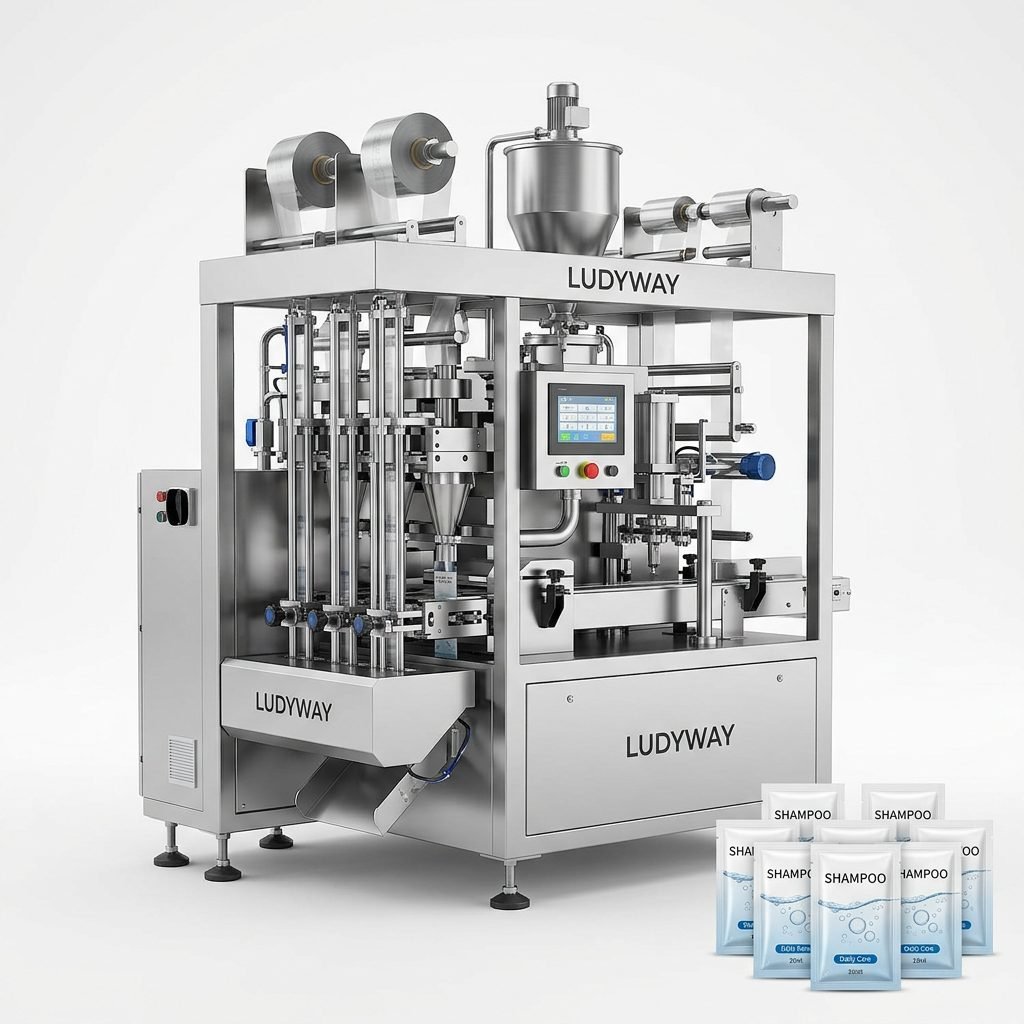
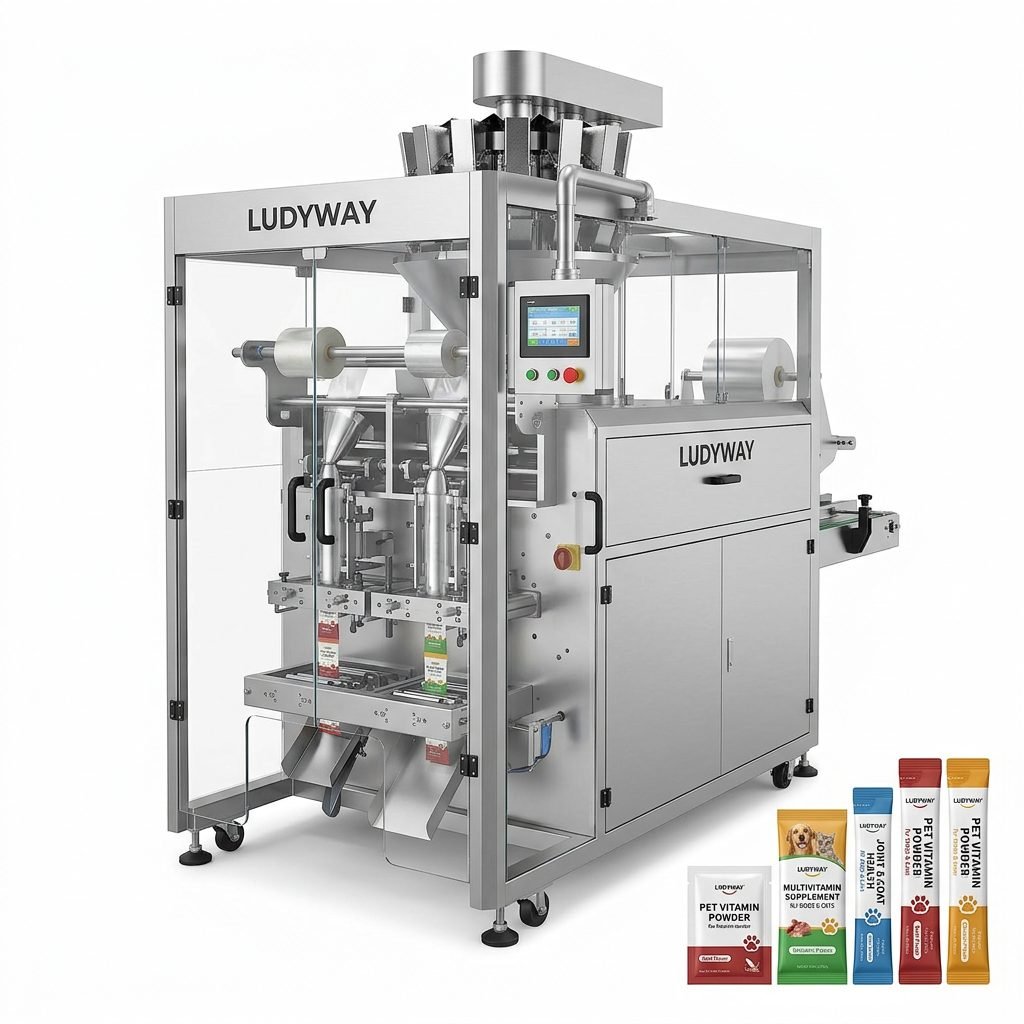
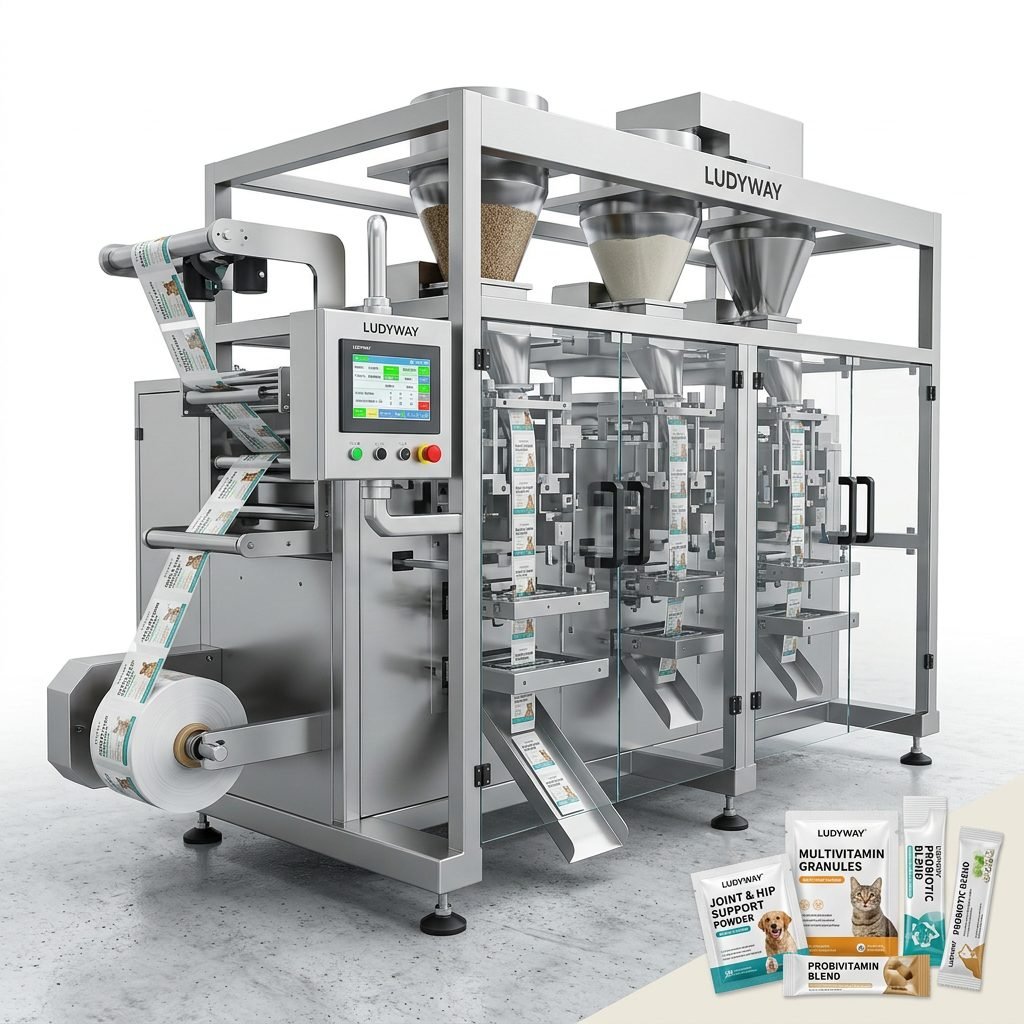
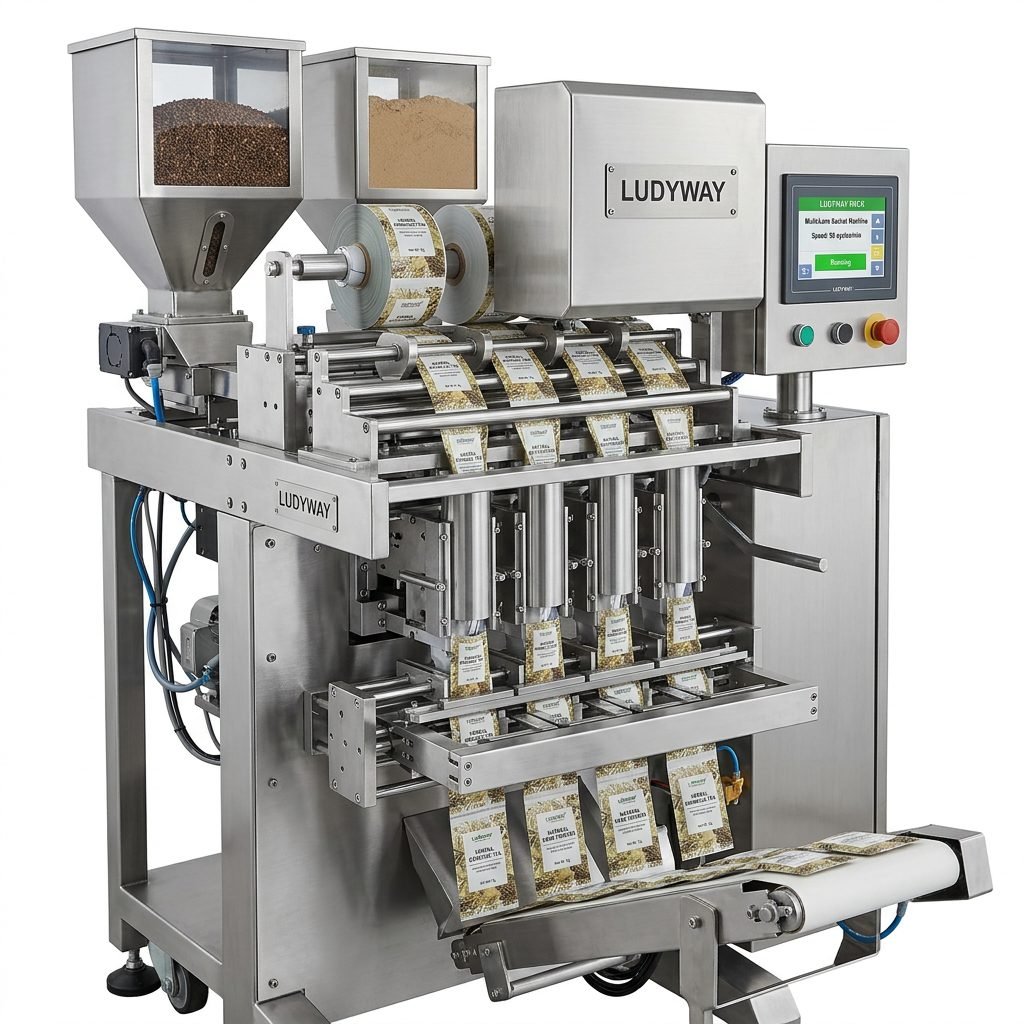
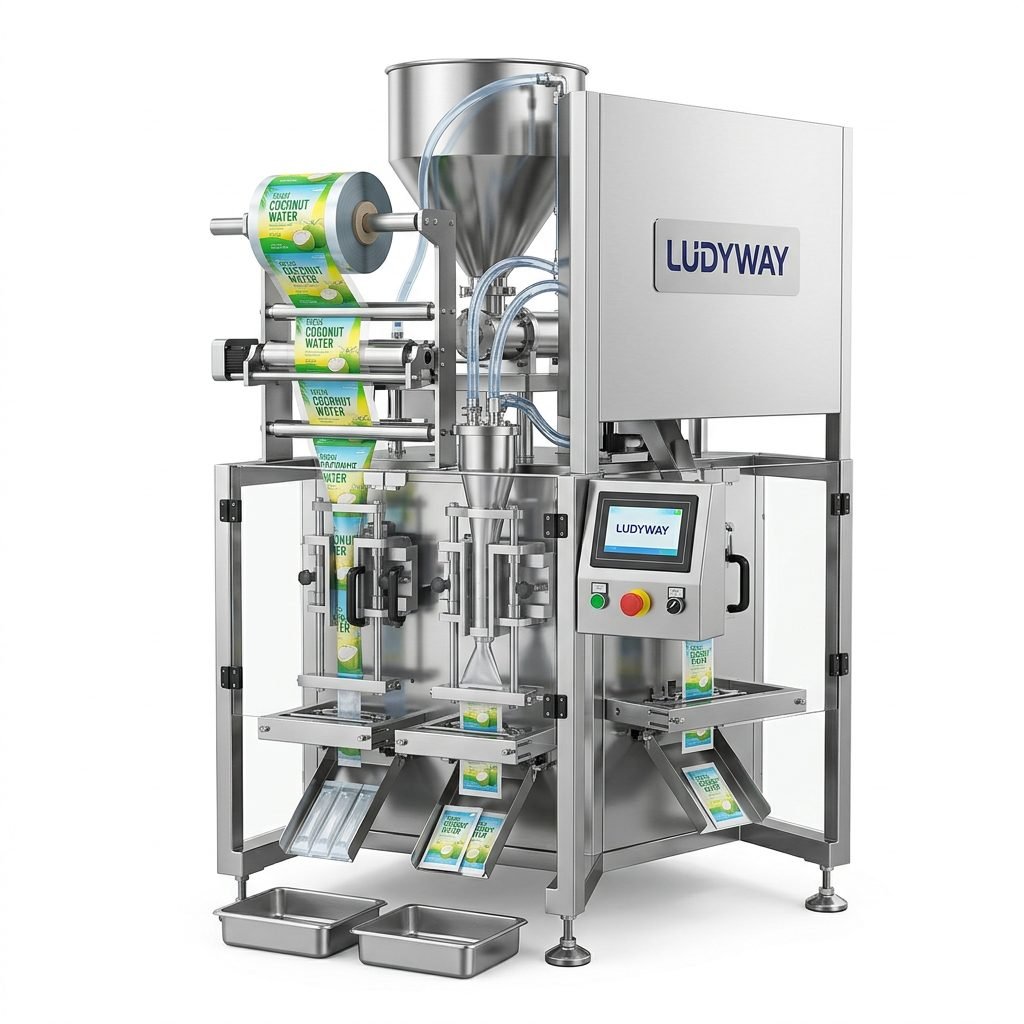
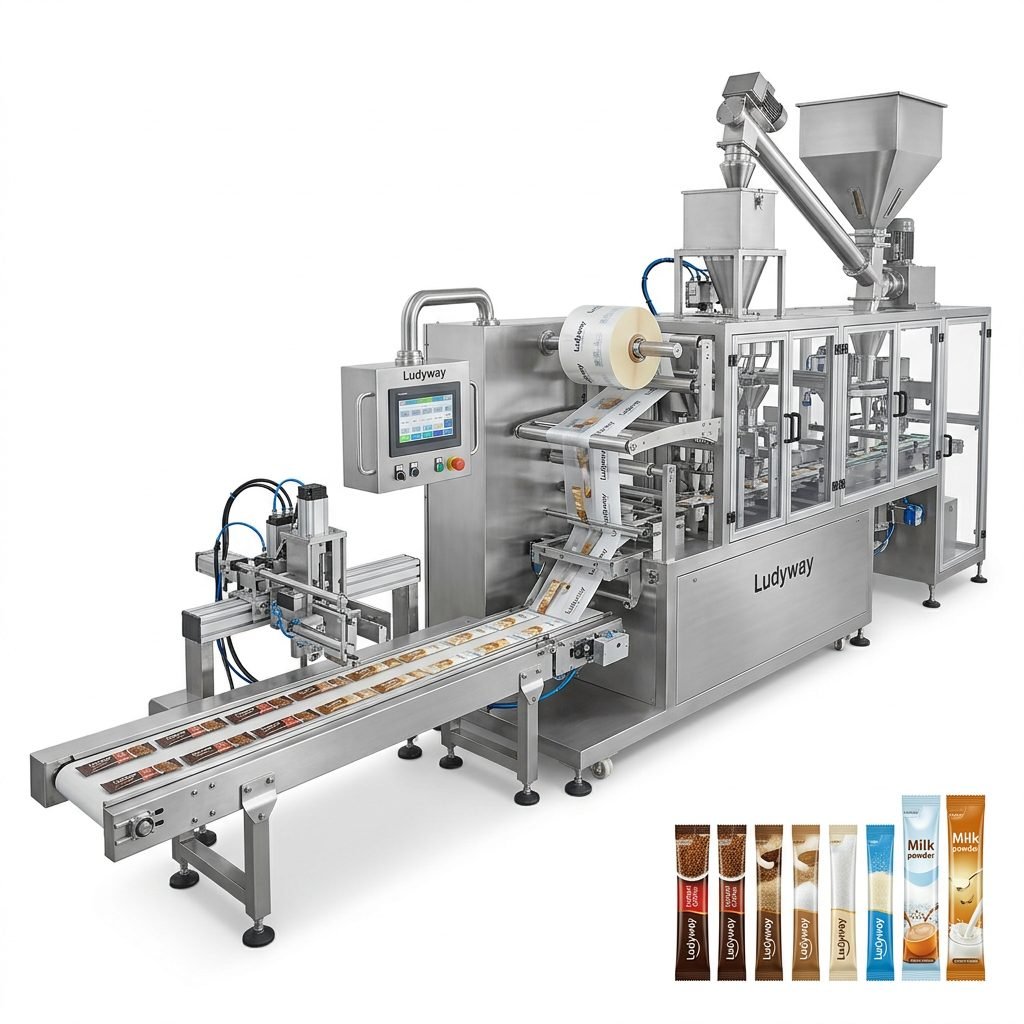
In today’s fast-paced manufacturing world, selecting the right wrapper packaging machine is crucial for efficiency, product integrity, and cost-effectiveness. This comprehensive guide delves into the various types of machines, their working principles, and provides a clear framework for choosing the ideal equipment for your specific needs.
Understanding Wrapper Packaging Machines
A wrapper packaging machine is an automated system designed to encase products in a protective or promotional material, typically a flexible film. Its primary function is to create a secure, tamper-evident, and visually appealing package. These machines are indispensable across numerous industries, including food and beverage, pharmaceuticals, cosmetics, and consumer goods.
The evolution of wrapper packaging has moved from simple manual operations to highly sophisticated, computer-controlled systems that offer unparalleled speed, precision, and flexibility. Modern machines can handle a vast array of product shapes and sizes, from chocolate bars and biscuits to software boxes and multi-pack promotions.
Key Benefit:
Automated wrapper packaging significantly reduces labor costs, minimizes material waste through precise cutting and sealing, and ensures consistent, high-quality packaging that enhances brand perception and shelf appeal.
Common Types of Wrapper Packaging Machines
The market offers a diverse range of wrapper packaging machines, each suited to different applications. Understanding these types is the first step in making an informed decision.
1. Flow Wrappers (Horizontal Form-Fill-Seal)
This is one of the most prevalent types. The product is placed on a flat film, which is then formed around it into a tube. The longitudinal seam is sealed, followed by end seals that are crimped and cut. Ideal for individual items like candy bars, granola bars, and frozen foods.
- ✓ High Speed: Capable of very high production rates.
- ✓ Versatility: Can handle various product shapes.
- ✓ Efficiency: Excellent material utilization.
2. Shrink Wrapping Machines
These machines use a loose sleeve or bag of shrink film placed around a product or bundle. The package then passes through a heat tunnel (shrink oven), causing the film to contract tightly around the contents. Perfect for multi-packs, bundling, and securing products to trays.
3. Stretch Wrapping Machines
Primarily used for securing pallet loads for storage and transportation. A stretch film (often LLDPE) is stretched and wrapped around the load under tension, creating a tight, stable unit. They come in manual, semi-automatic, and fully automatic rotary arm or rotary ring models.
4. Skin Packaging Machines
A product is placed on a cardboard backing, and a heated film is draped over it. A vacuum draws the film tightly down to the board, conforming to the product’s shape. This creates a clear, rigid “skin” that is excellent for retail display and tool packaging.
5. Blister Packaging Machines
Common in pharmaceuticals and small consumer goods. A formed plastic cavity (blister) is filled with the product and sealed to a cardboard or foil backing. This provides excellent product protection, visibility, and unit-dose capability for pills.
Core Working Principles
While designs vary, most automatic wrapper packaging machines follow a similar sequence of operations, often controlled by a Programmable Logic Controller (PLC).
The Packaging Cycle:
- Film Feeding & Registration: The packaging film (from a roll) is fed into the machine. Optical sensors ensure the print pattern is correctly aligned.
- Product Infeeed & Positioning: Products are conveyed and precisely positioned for wrapping, often using servo-driven belts or pushers.
- Film Forming: The film is shaped around the product using forming boxes, ploughs, or shoulders to create a tube or envelope.
- Sealing: Critical step where heated sealing jaws (or impulse sealers) create airtight longitudinal and end seals. Temperature, pressure, and dwell time are precisely controlled.
- Cutting/Separation: A cutting mechanism, often integrated into the sealing jaws, separates the individual packages.
- Discharge: The finished, wrapped product is conveyed out of the machine for collection or further downstream processing.
How to Choose the Right Wrapper Packaging Machine
Selecting the correct machine requires a careful analysis of your product, production goals, and operational environment. Here is a step-by-step guide.
Step 1: Define Your Product & Packaging Specifications
This is the foundation. Consider:
– Product Dimensions & Shape: Length, width, height, and irregularity.
– Product Nature: Is it fragile, oily, powdery, or heat-sensitive?
– Packaging Material: Type of film (polypropylene, polyethylene, laminates), its thickness (gauge), and any special properties (barrier, printability).
– Package Style: Do you need a fin seal, overlap seal, or a gusseted package?
Step 2: Determine Your Production Requirements
Capacity is key. You must calculate:
– Required Output Speed: Packages per minute (PPM) or units per hour.
– Shift Patterns: Will the machine run 8, 16, or 24 hours?
– Future Growth: Choose a machine with 20-30% extra capacity to accommodate future demand increases without requiring an immediate upgrade.
Step 3: Evaluate Machine Features & Technology
Look for features that enhance reliability and ease of use:
– Control System: A user-friendly, modern PLC-based HMI (Human-Machine Interface) with recipe storage.
– Changeover Ease: How quickly can you switch from one product size to another? Look for tool-less or quick-change systems.
– Construction & Durability: A robust frame, high-quality sealing jaws, and precision guides from a reputable packaging machinery manufacturer ensure longevity.
– Safety Features: Emergency stops, safety interlocks, and guards are non-negotiable.
Step 4: Consider Integration & Support
The machine does not operate in isolation.
– Upstream/Downstream Integration: Will it connect to your existing feeders, conveyors, or checkweighers?
– Supplier Support: Assess the supplier’s reputation for after-sales service, availability of spare parts, and technical support. A provider with extensive industry experience can offer invaluable guidance.
– Training & Documentation: Comprehensive manuals and operator training are essential for smooth commissioning and operation.
Pro Tip: Request a Product Test
Before finalizing your purchase, always send your actual product and packaging material to the supplier for a live production test. This is the most reliable way to verify machine performance, seal quality, and achievable speed.
Conclusion
Investing in a wrapper packaging machine is a significant decision that impacts your production line’s productivity and output quality. By thoroughly understanding the different machine types, their operating principles, and systematically evaluating your needs against the machine’s capabilities, you can make a confident choice. Partnering with an experienced and reliable supplier who offers robust machines and strong technical support is just as critical as the machine’s specifications itself. The right wrapper will not only protect your product but also become a cornerstone of your efficient and scalable manufacturing operation. For businesses looking for tailored packaging solutions, engaging with experts who understand global production nuances is a strategic advantage.
Frequently Asked Questions (FAQs)
1. What is the main difference between flow wrapping and shrink wrapping?
Flow wrapping creates a tight, form-fitting package by sealing the film directly around the product. Shrink wrapping uses a loose bag of film that later shrinks tightly when heat is applied. Flow wrapping is typically for single items, while shrink wrapping is ideal for bundling multiple items or securing products to a card.
2. How important is the film material selection?
Extremely important. The film must be compatible with your product (e.g., barrier properties for food) and the machine’s sealing method (heat, impulse). The wrong film can cause poor seals, jams, and product waste. Always consult with your machine supplier and film vendor.
3. Can one machine handle vastly different product sizes?
While many machines offer quick changeover, there are physical limits. The machine’s maximum and minimum film width and length determine its size range. Switching between extremely different sizes (e.g., a candy bar and a large box) often requires significant mechanical adjustments and may not be practical on a single machine.
4. What are the most common maintenance requirements?
Regular cleaning of sealing jaws and film guides, lubrication of moving parts as per the manual, and inspection/wear replacement of consumables like sealing Teflon cloth, cutting blades, and pull belts are essential for consistent performance and to avoid unplanned downtime.
5. What should I look for in a machine supplier’s after-sales service?
Look for clear warranty terms, availability of a local or responsive service team, readily available spare parts inventory, and the option for service contracts or remote diagnostics. A supplier’s commitment to long-term support is a key indicator of reliability.