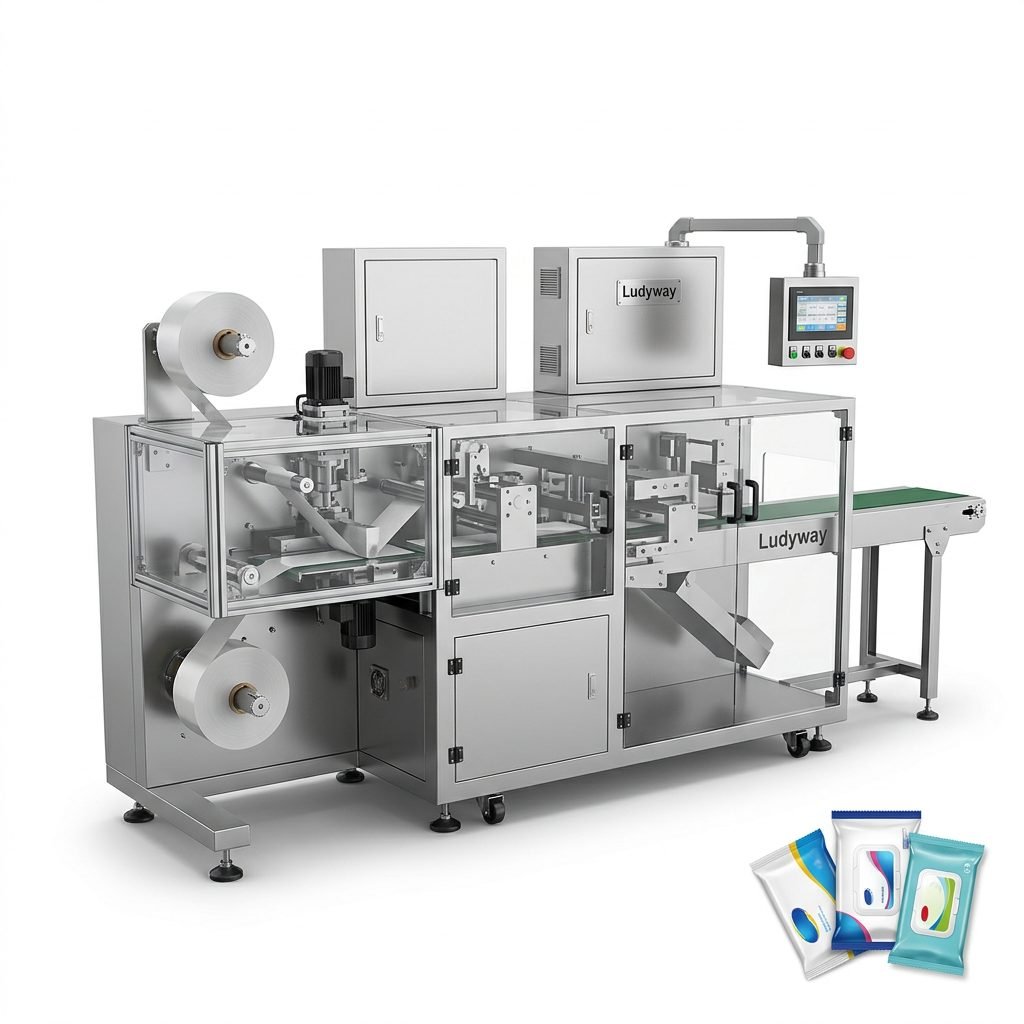
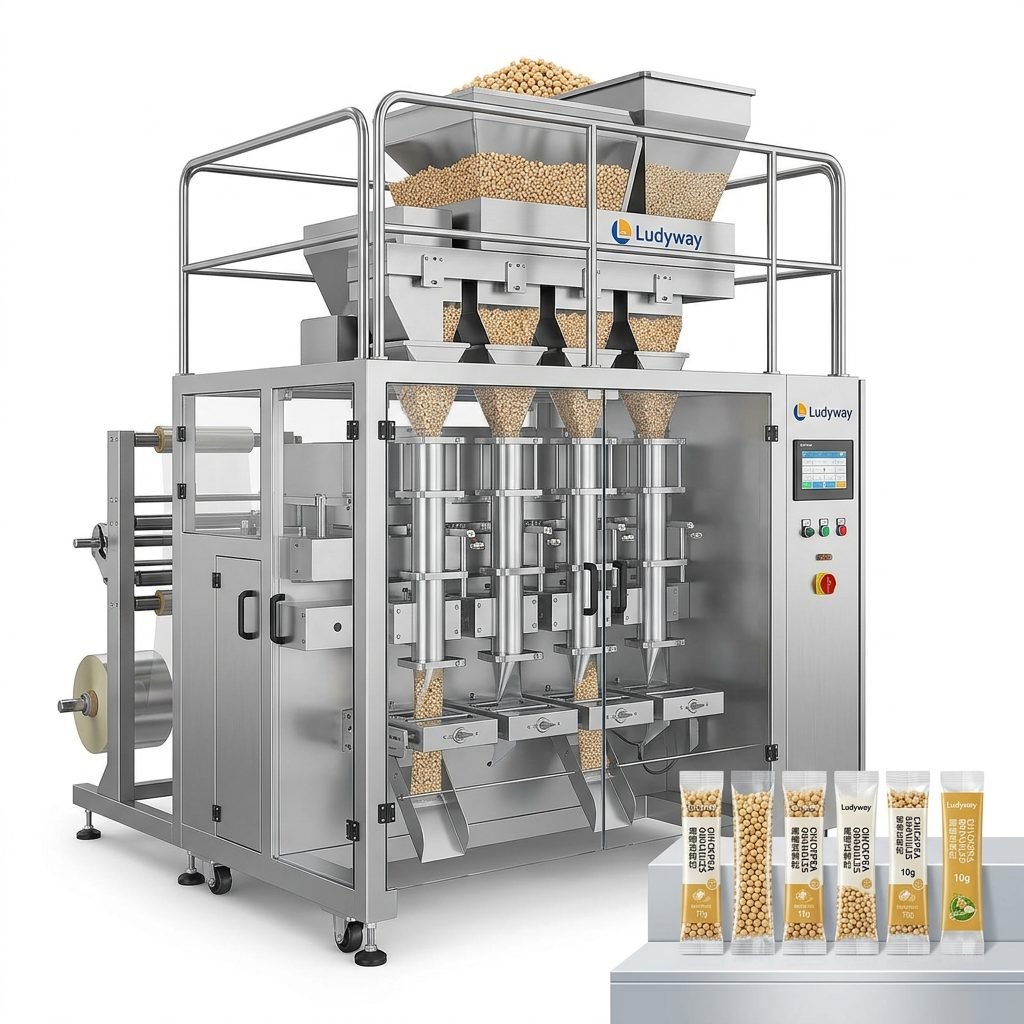
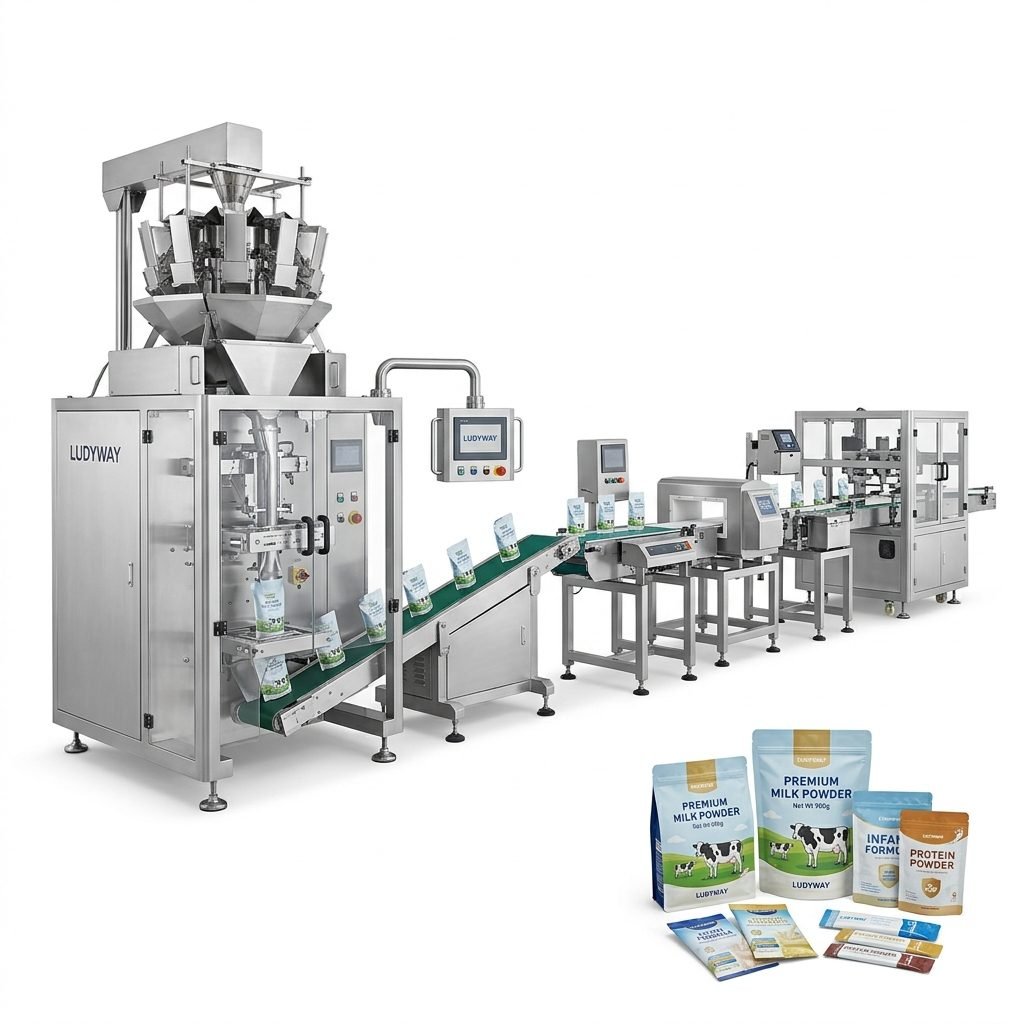
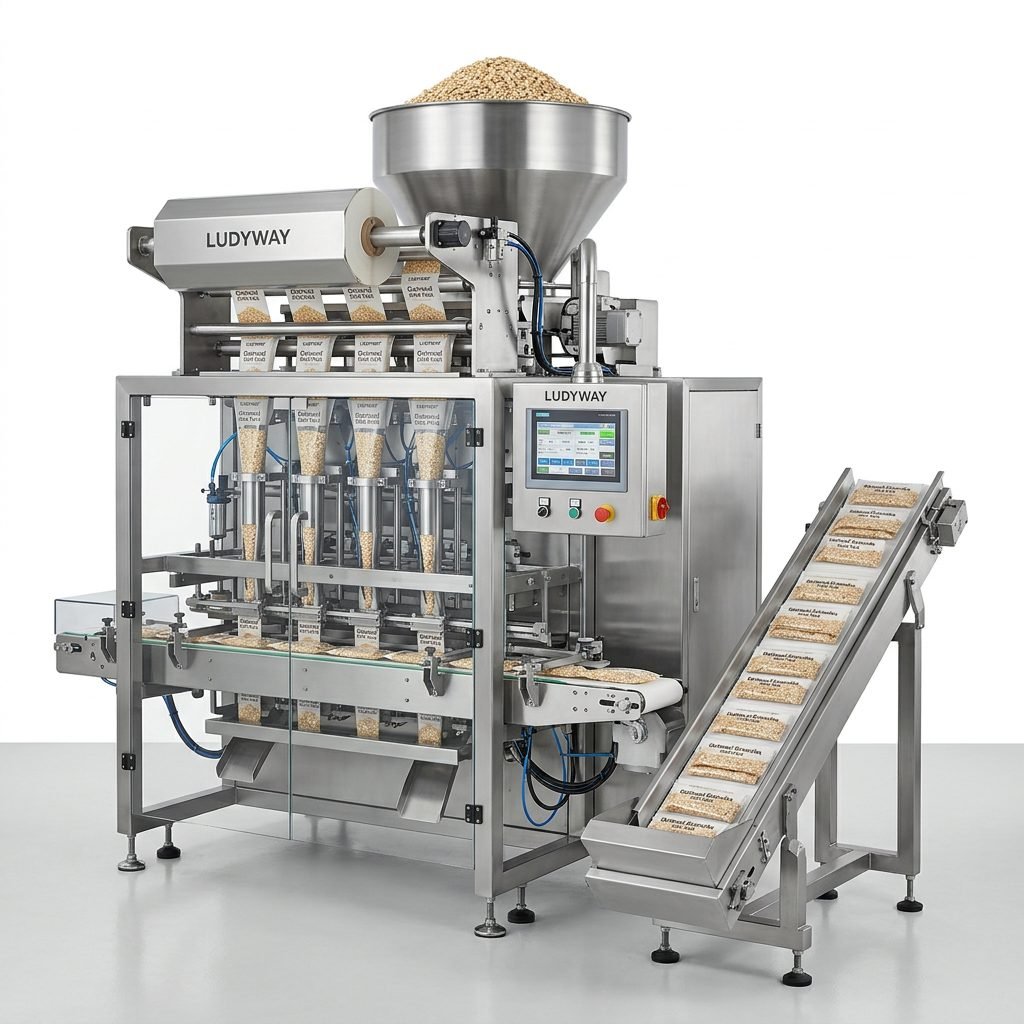
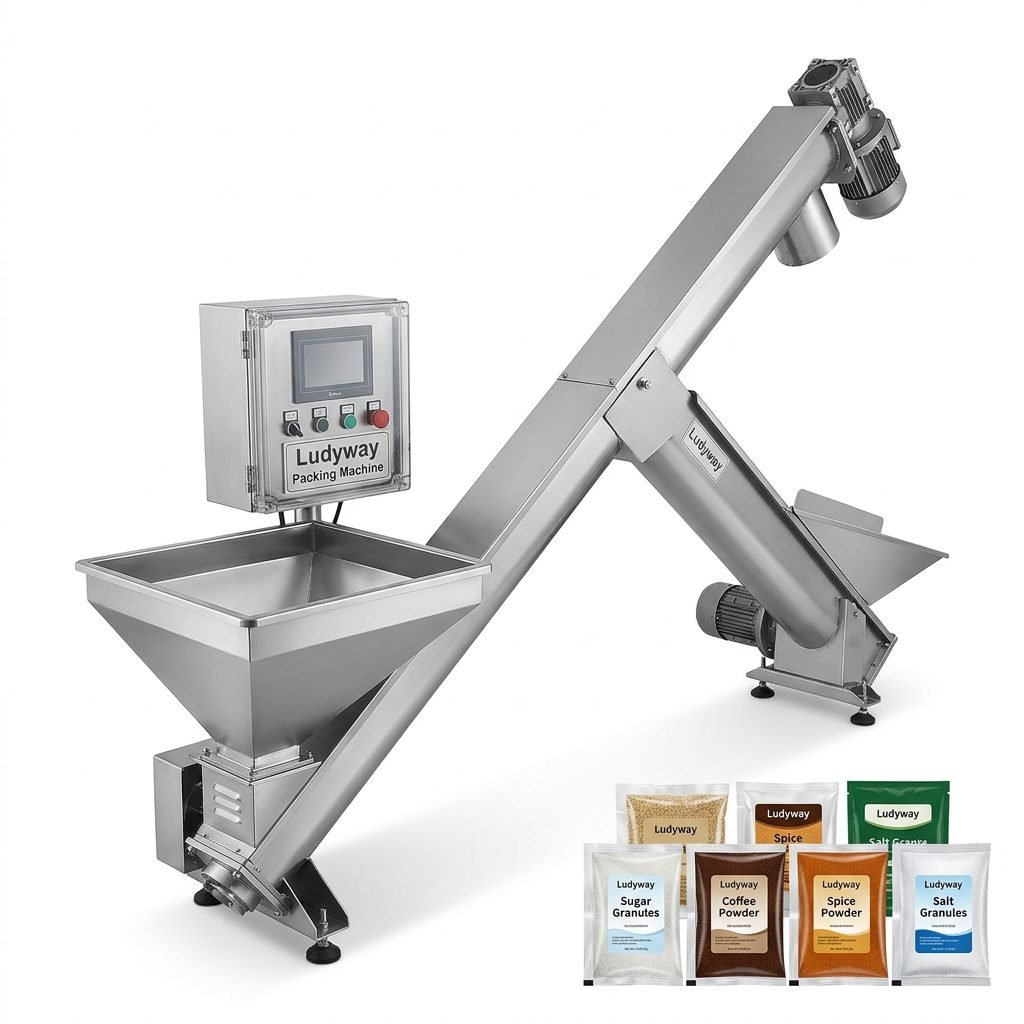
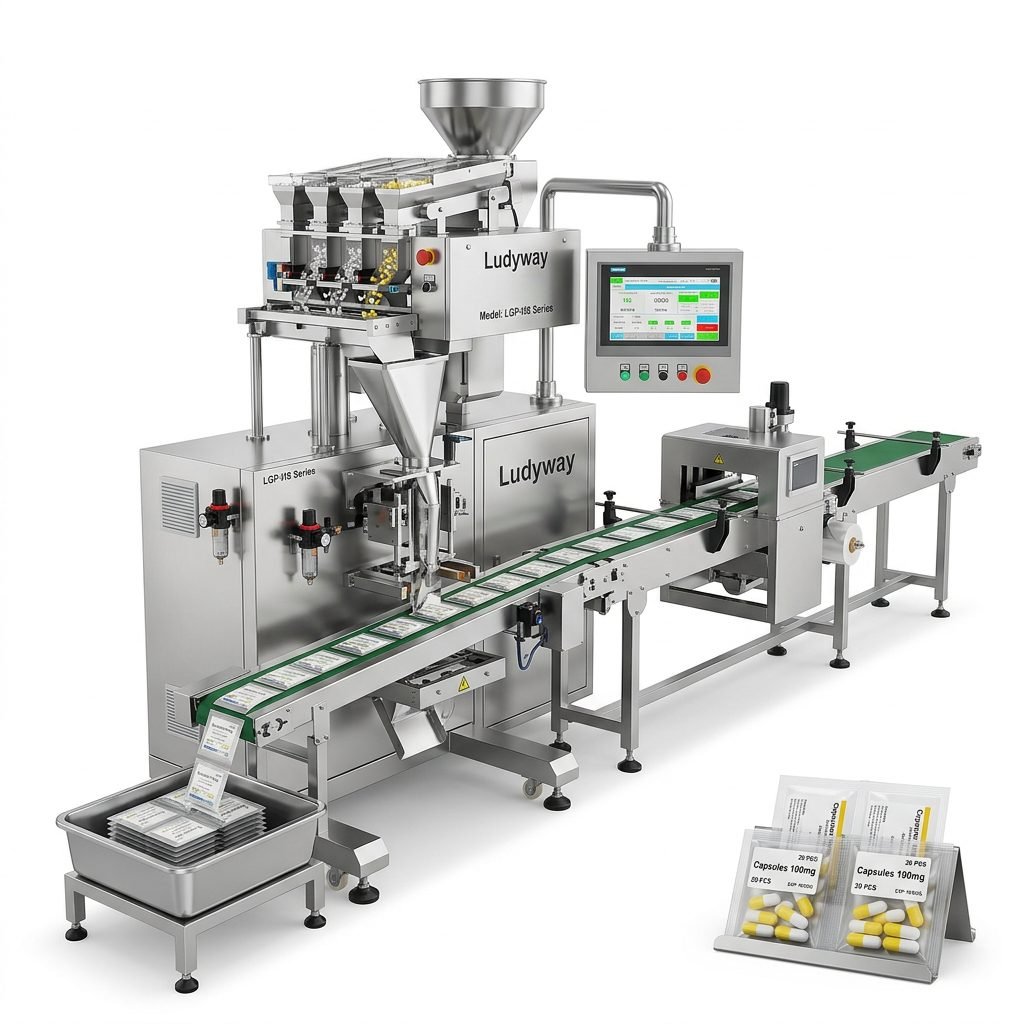
Seed counting packaging machines are specialized systems designed to count, dose, fill, and seal a precise number of seeds into pouches, sachets, packets, or small bags. They are widely used in agriculture, vegetable seed processing, flower seed packaging, grain trial packs, and commercial seed distribution where accuracy, speed, and product consistency matter.
Instead of relying on manual counting or rough weight-based filling, these machines use automated counting technology to ensure each pack contains the intended number of seeds. For companies selling premium seeds, hybrid seeds, research seed samples, or retail gardening packs, this level of control can significantly improve packaging quality and customer trust.
What Is a Seed Counting Packaging Machine?
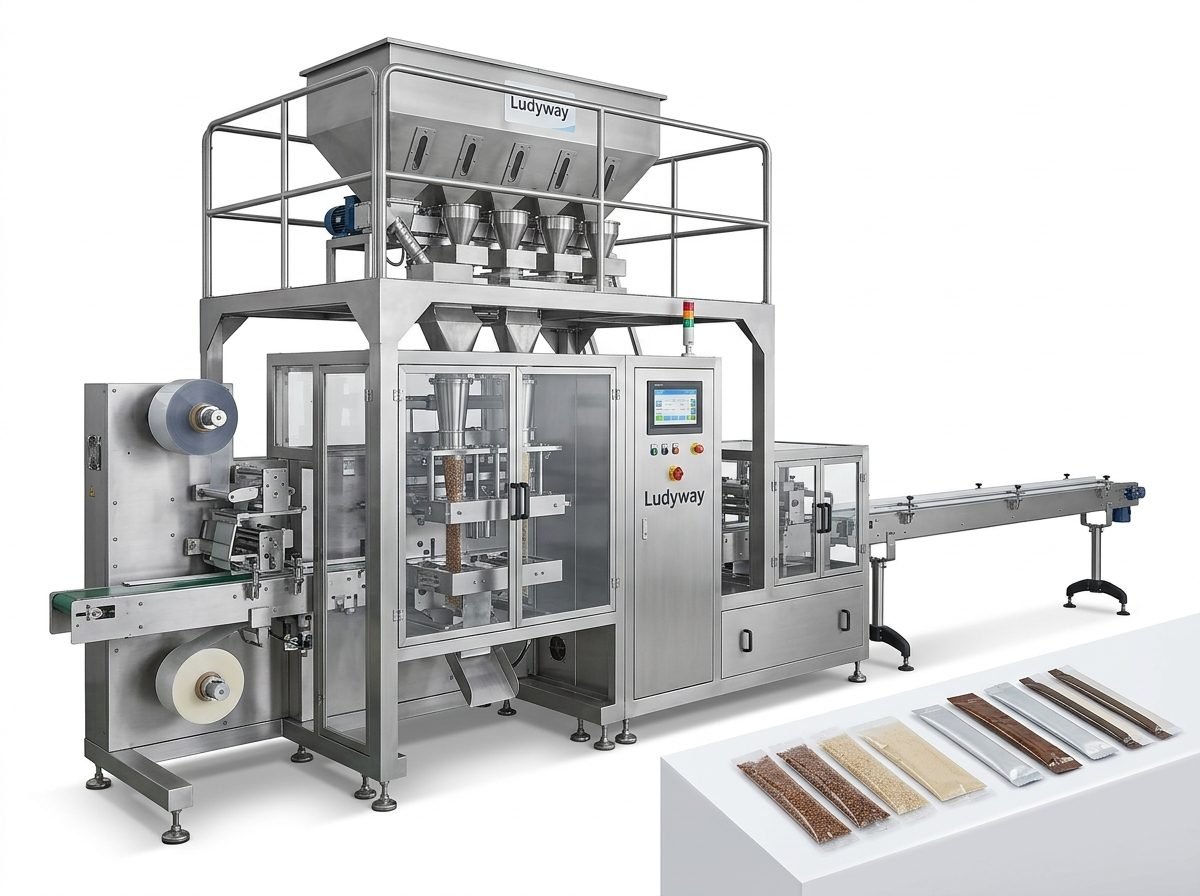
A seed counting packaging machine is an automated packaging solution that identifies and counts seeds one by one or in controlled batches, then transfers them into packaging material for sealing. The main goal is simple: deliver the right number of seeds in every package with minimal waste and high efficiency.
These machines are commonly used for:
- Vegetable seeds
- Flower seeds
- Crop seeds
- Grass seeds
- Research and trial seed packets
- High-value coated or treated seeds
Depending on the application, the machine may be configured as a semi-automatic unit for smaller operations or a fully automatic line integrated with feeding, pouch forming, coding, sealing, inspection, and cartoning systems.
How Does a Seed Counting Packaging Machine Work?
Although designs vary by model, most systems follow a similar operating sequence. Modern seed packaging equipment combines feeding, counting, packaging, and control functions into a synchronized workflow.
1. Seed Feeding
Seeds are first loaded into a hopper or feeding system. A vibration feeder, belt feeder, or rotary feeding mechanism then moves seeds into the counting section in a controlled flow. Stable feeding is important because uneven material flow can affect counting precision.
2. Seed Separation and Counting
In the counting area, the machine separates seeds and detects them using optical sensors, photoelectric technology, or high-speed electronic counting devices. Each seed passing through the detection zone is counted individually.
Accurate counting is especially important for premium seed packs, where even a small deviation can lead to customer complaints or product loss.
3. Dosing to the Target Quantity
Once the preset count is reached, the machine releases the batch into a waiting package or container. Operators can adjust the target quantity based on product requirements, such as 10 seeds, 25 seeds, 50 seeds, or 100 seeds per pack.
4. Package Filling
The counted seeds are discharged into the selected packaging format. This may include pre-made pouches, sachets, packets, or form-fill-seal film packaging. For retail seed packs, compact sachet or pouch packaging is common.
5. Sealing and Output
After filling, the package is sealed automatically. Some systems also print batch numbers, dates, QR codes, or traceability information before sending the final packs to the collection or downstream packing station.
6. Inspection and Secondary Packaging
In higher-capacity production lines, finished packs may pass through checkweighers, visual inspection devices, or cartoning and case-packing systems for final shipment preparation.
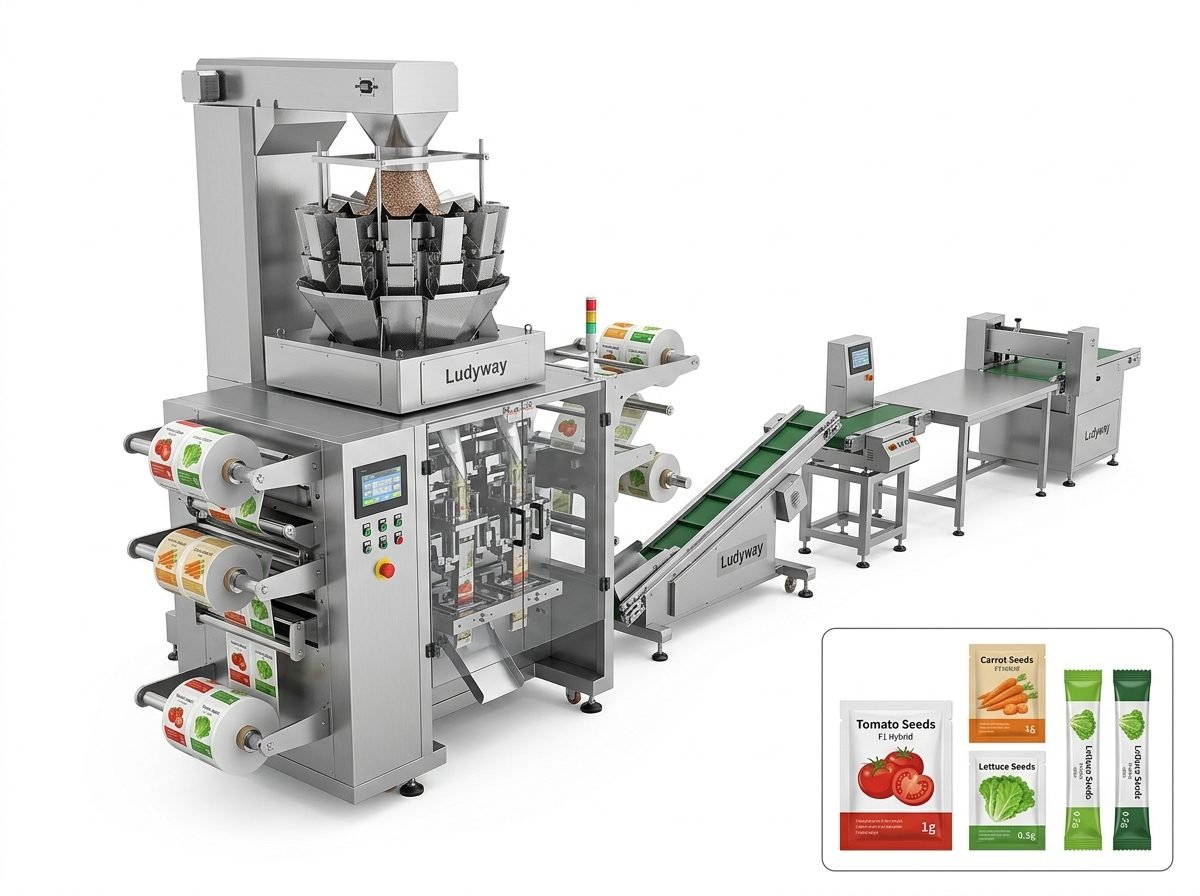
Main Components of a Seed Counting Packaging Machine
Understanding the key parts of the machine can help buyers evaluate different models more effectively.
| Component | Function |
|---|---|
| Hopper | Stores bulk seeds before feeding |
| Feeding system | Regulates seed flow into counting channels |
| Counting sensor | Detects and counts each seed |
| Control panel / PLC | Sets parameters such as quantity, speed, and alarms |
| Filling unit | Transfers counted seeds into packaging |
| Sealing system | Closes and seals the packet or pouch |
| Output conveyor | Moves finished packs to collection or next process |
Types of Seed Counting Packaging Machines
Semi-Automatic Seed Counting Machines
These are suitable for smaller businesses, seed labs, breeding stations, and startup seed brands. Operators may place containers manually while the machine performs automatic counting.
Fully Automatic Seed Counting Packaging Machines
These integrate counting, bag making or pouch handling, filling, and sealing in one line. They are ideal for medium- to high-volume production environments.
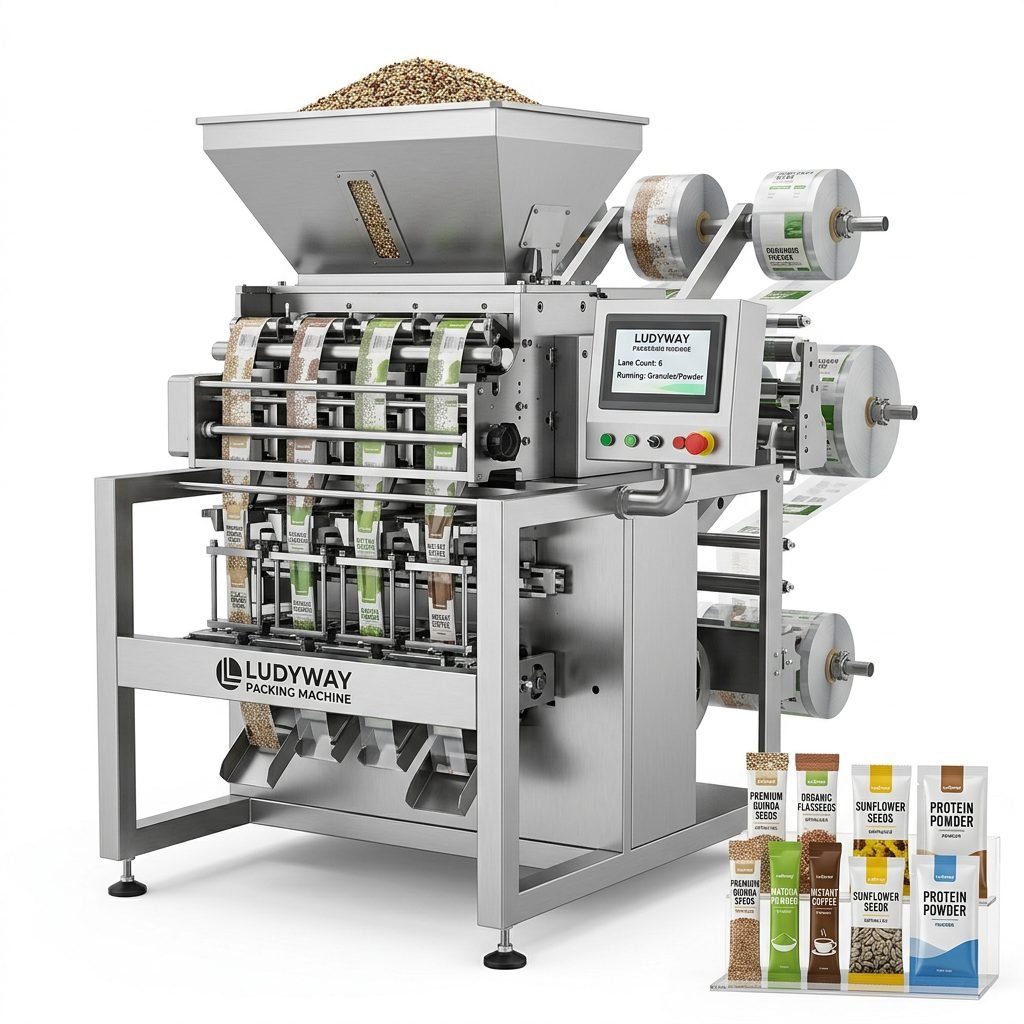
Multi-Lane Seed Packaging Systems
For larger throughput demands, multi-lane equipment can package multiple rows simultaneously. This is often used when companies need high-speed retail packet production with consistent output.
Customized Seed Packaging Lines
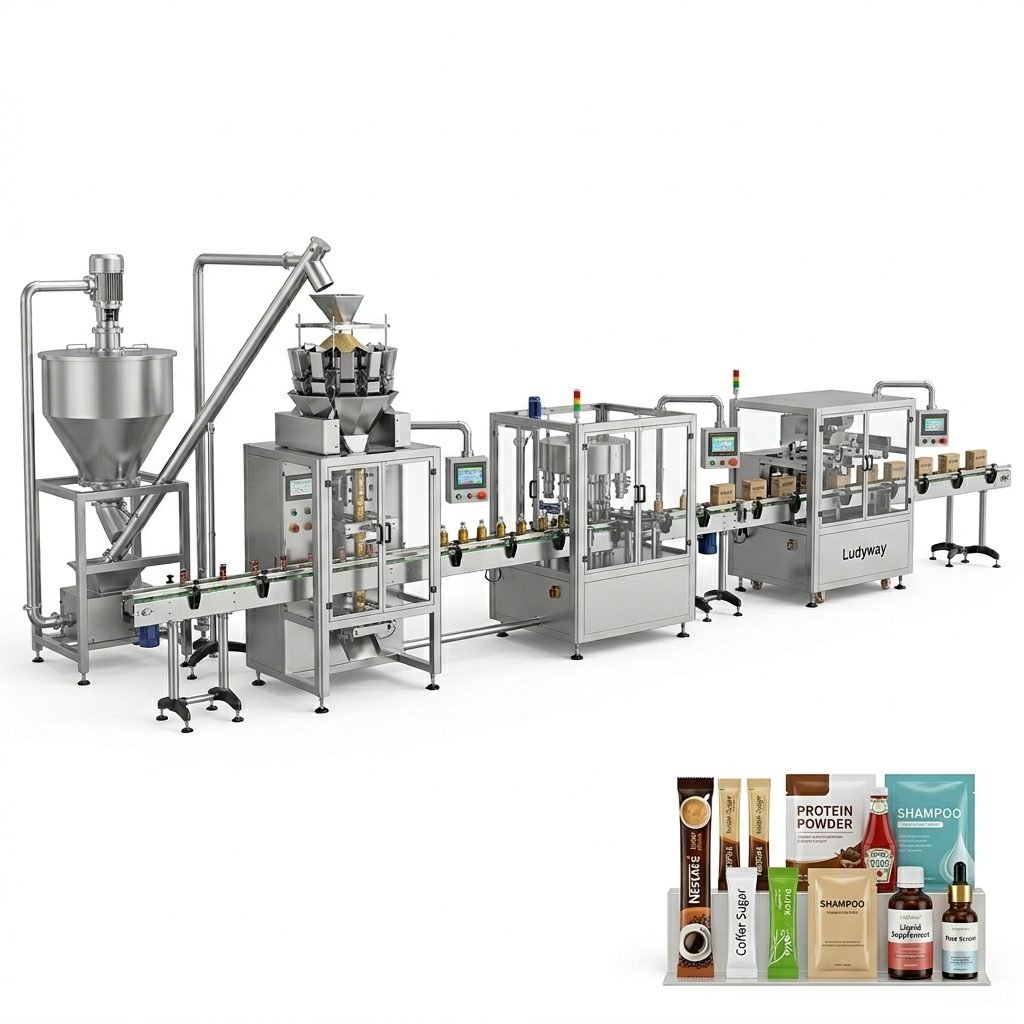
Some manufacturers provide turnkey systems with elevators, coding machines, inspection units, cartoners, and palletizing equipment. This is useful for businesses that want a more complete automated process rather than a standalone machine.
Key Benefits of Using a Seed Counting Packaging Machine
- Higher counting accuracy than manual operation or rough filling methods
- Reduced labor costs through automation
- Better package consistency for retail and commercial seed sales
- Improved productivity with faster counting and packaging cycles
- Lower material waste due to more precise dosing
- Enhanced traceability when integrated with coding and labeling systems
- Greater suitability for premium seeds where exact counts matter
For seed brands, consistent pack quantity is not just a technical issue—it directly affects reputation, compliance, and repeat sales.
Seed Counting vs. Weighing: Which Is Better?
Many buyers ask whether they should use counting or weighing for seed packaging. The answer depends on the seed type, packaging goal, and acceptable tolerance.
| Method | Best For | Advantages | Limitations |
|---|---|---|---|
| Counting | Retail seed packets, premium seeds, test packs | Exact seed quantity, better consistency | May require stable seed flow and product compatibility |
| Weighing | Bulk seed packaging, larger bag sizes | Good for high-volume weight-based filling | Seed count may vary due to size and weight differences |
If your customers expect an exact number of seeds per pack, counting is usually the better choice. If you are handling large agricultural bags sold by weight, a weighing system may be more practical.
Applications Across Different Seed Segments
Vegetable Seed Companies
Vegetable seed packs often require small, exact counts for retail distribution. A counting machine helps maintain consistency across tomato, cucumber, pepper, lettuce, and similar products.
Flower and Garden Seed Brands
For decorative plant seeds sold in consumer packets, accurate counting supports branding quality and avoids overfilling expensive seed varieties.
Agricultural Seed Producers
Field crop producers may use counting systems for sample packs, breeding programs, or research packaging where count accuracy is critical.
Seed Research Institutes and Laboratories
Research applications often demand very precise batch control. Automated counting reduces human error and improves repeatability in trials.
What Factors Affect Counting Accuracy?
Not all seeds behave the same way in a packaging machine. Several factors can influence performance:
- Seed size uniformity
- Seed shape and surface texture
- Coated vs. uncoated seeds
- Moisture content
- Dust level and cleanliness
- Feeding stability
- Sensor sensitivity and calibration
Seeds that are highly irregular, sticky, or very lightweight may require machine testing before final equipment selection. This is why sample testing is often an essential part of the buying process.
How to Choose the Right Seed Counting Packaging Machine
Before investing in equipment, buyers should compare more than just speed. The right system should match product characteristics, packaging style, and future growth plans.
Checklist for Buyers
- What seed type will be packed?
- What is the target number of seeds per pack?
- What packaging format will be used?
- What output speed is required per hour?
- Is the machine compatible with treated or coated seeds?
- Do you need coding, inspection, or cartoning integration?
- Will you need a standalone unit or a turnkey line?
- How easy is cleaning, maintenance, and changeover?
A machine that is fast but unstable is rarely the best investment. Long-term reliability, accuracy, and service support usually matter more than headline speed alone.
Why Automation Matters in Seed Packaging
As seed businesses grow, manual packaging becomes harder to scale. Labor-intensive counting can create bottlenecks, inconsistency, and higher operating costs. Automation helps standardize production and improve packaging quality across larger volumes.
For businesses looking for flexible packaging automation, Ludyway seed counting packaging machine solutions can support standalone equipment needs as well as broader turnkey packaging line projects across food, pharmaceutical, health supplement, and related granule applications.
Common Maintenance Tips
- Clean feeding channels and counting sensors regularly
- Inspect moving parts for wear
- Calibrate sensors based on seed type changes
- Check sealing temperature and seal quality daily
- Keep electrical controls dry and dust-free
- Follow preventive maintenance schedules from the manufacturer
Regular maintenance helps preserve counting precision and reduces unplanned downtime during production peaks.
Frequently Asked Questions
Can one machine handle different seed types?
Yes, many machines can handle different seeds, but performance depends on the size, shape, and flow properties of each product. Parameter adjustment or change parts may be needed.
Is a seed counting machine better for small packets?
Yes. Counting machines are especially useful for small retail packets where the exact number of seeds is more important than total weight.
Can the machine print batch numbers or dates?
Many systems can be integrated with coding and labeling devices for traceability and compliance requirements.
Do coated seeds need special handling?
In many cases, yes. Coated seeds can behave differently from raw seeds, so sample testing is recommended before finalizing the equipment specification.
Final Thoughts
A seed counting packaging machine is an important solution for businesses that need accurate seed quantity control, efficient packaging speed, and better product consistency. Whether used for vegetable seeds, flower seeds, agricultural trial packs, or premium retail packaging, the right machine can improve productivity while protecting brand quality.
When evaluating equipment, focus on counting accuracy, machine stability, packaging compatibility, and after-sales support. A well-matched system can help seed companies move from labor-heavy packaging to a more reliable and scalable automated process.